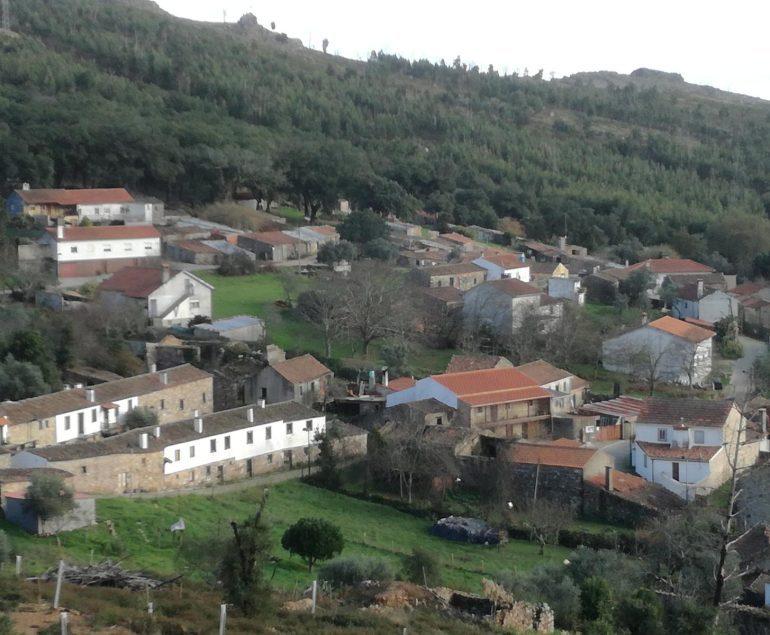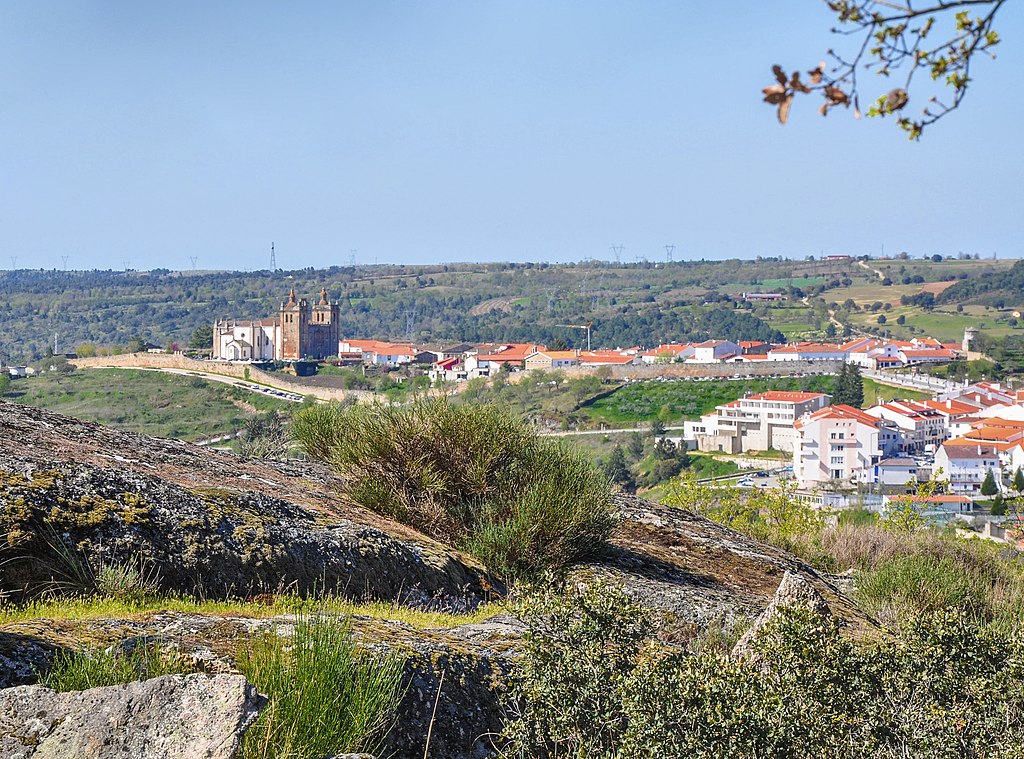
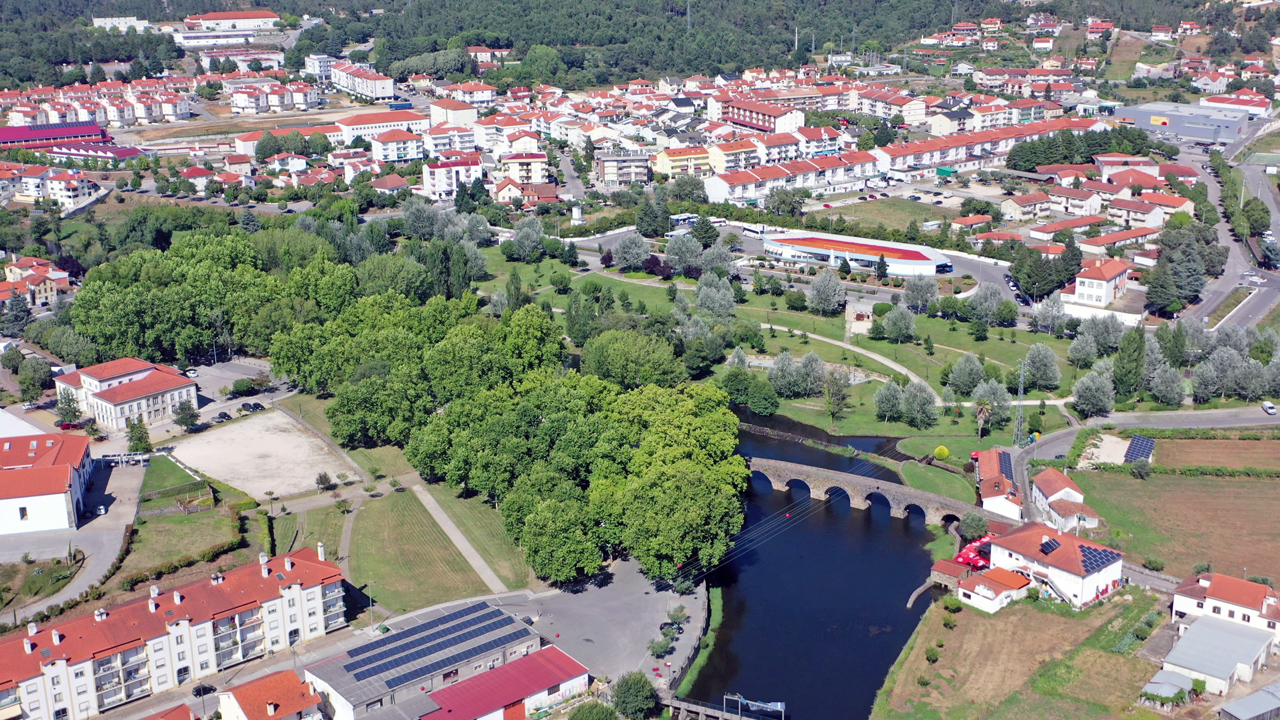
There’s a kind of quiet magic that hangs over Sertã. It’s not a place that shouts for attention — it hums softly, its rhythm set by the flow of the Ribeira Grande and the steady heartbeat of a community that has learned to live well with time. Set in the center of Portugal, Sertã feels both timeless and alive. The roads that wind here pass through pine and eucalyptus forests, over rolling hills that breathe out the scent of resin and earth. By the time you reach the town, there’s a sense that you’ve crossed into a slower, older world.
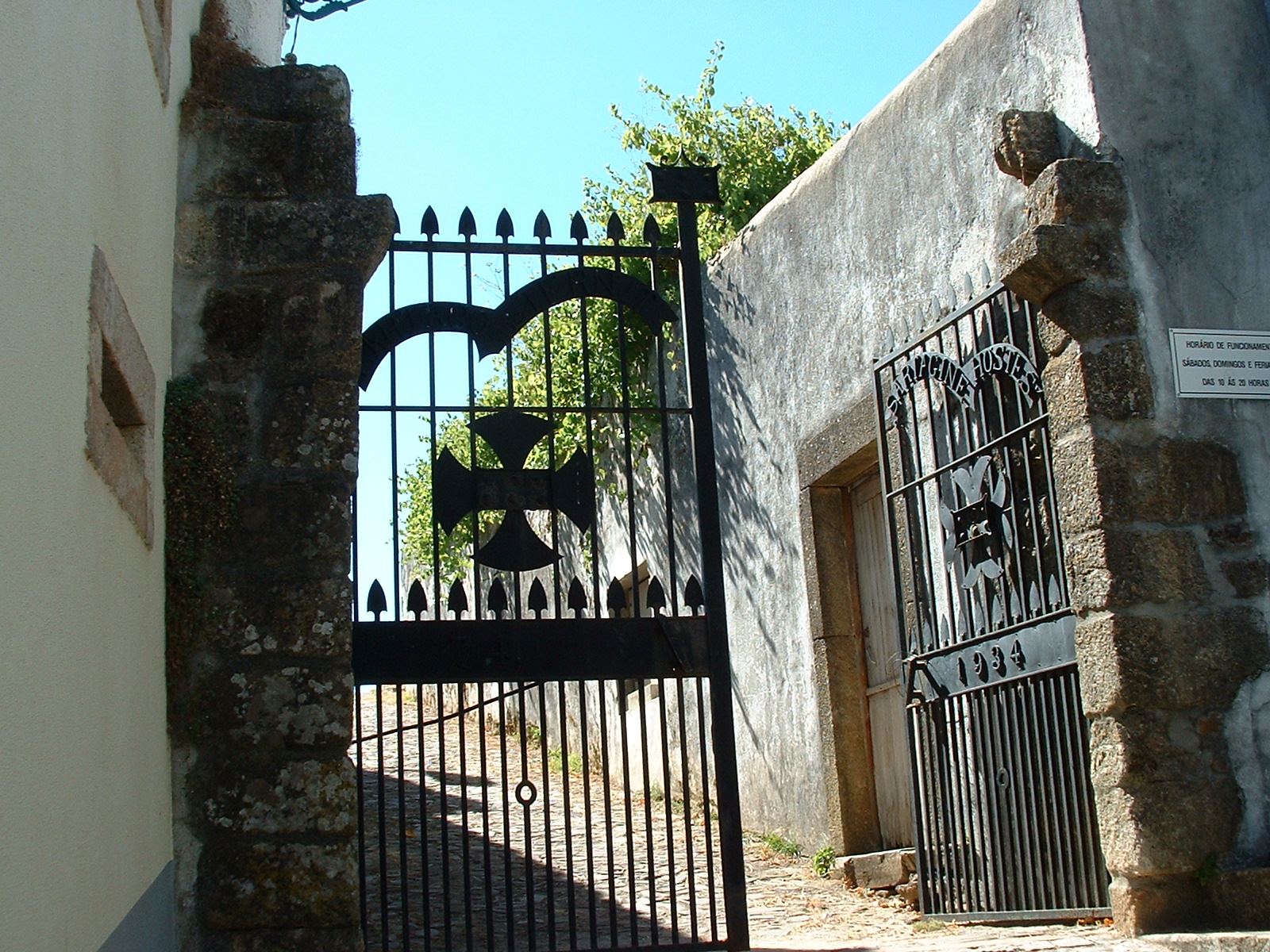
A Town Built Around Water and Stone
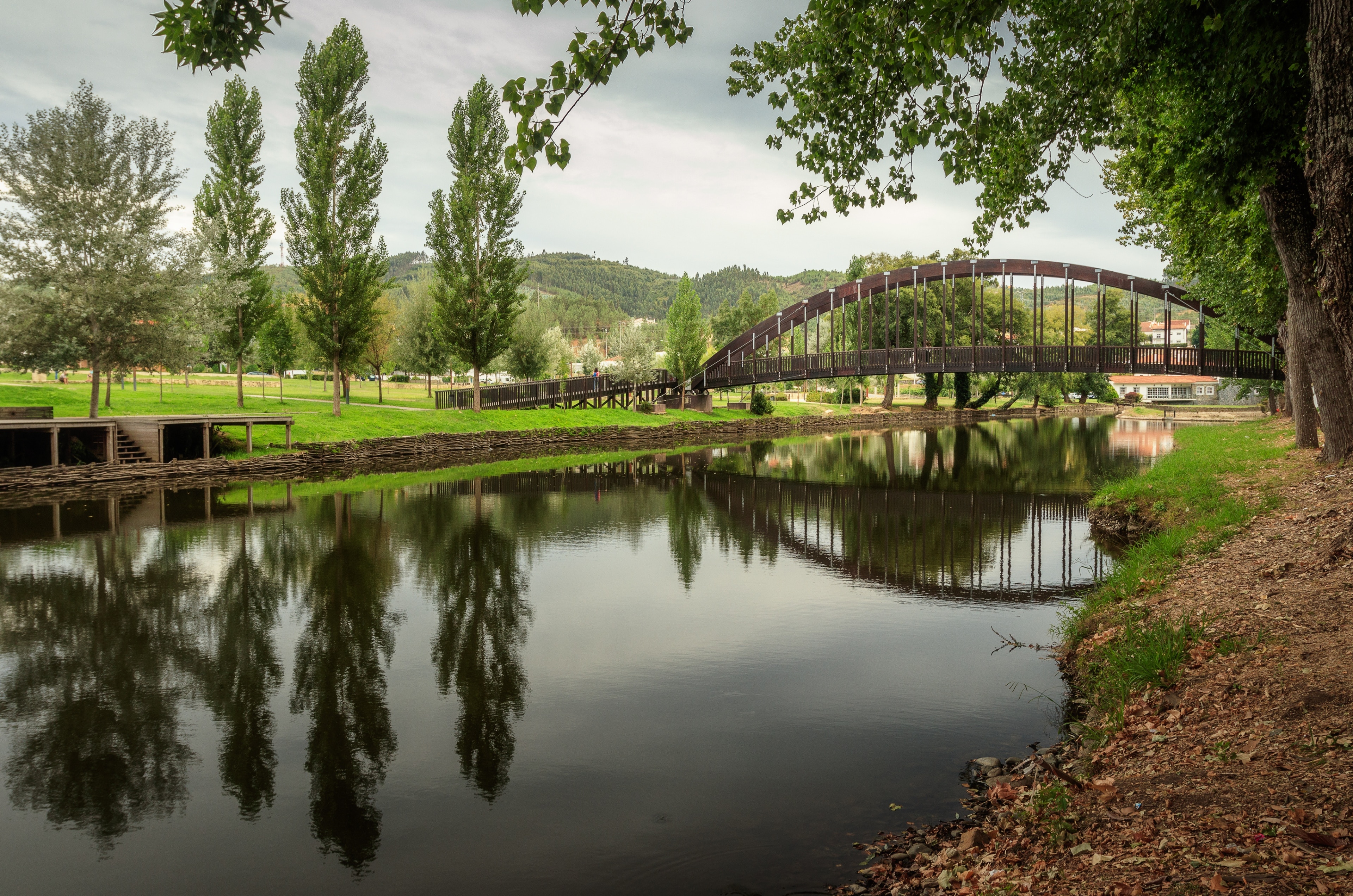
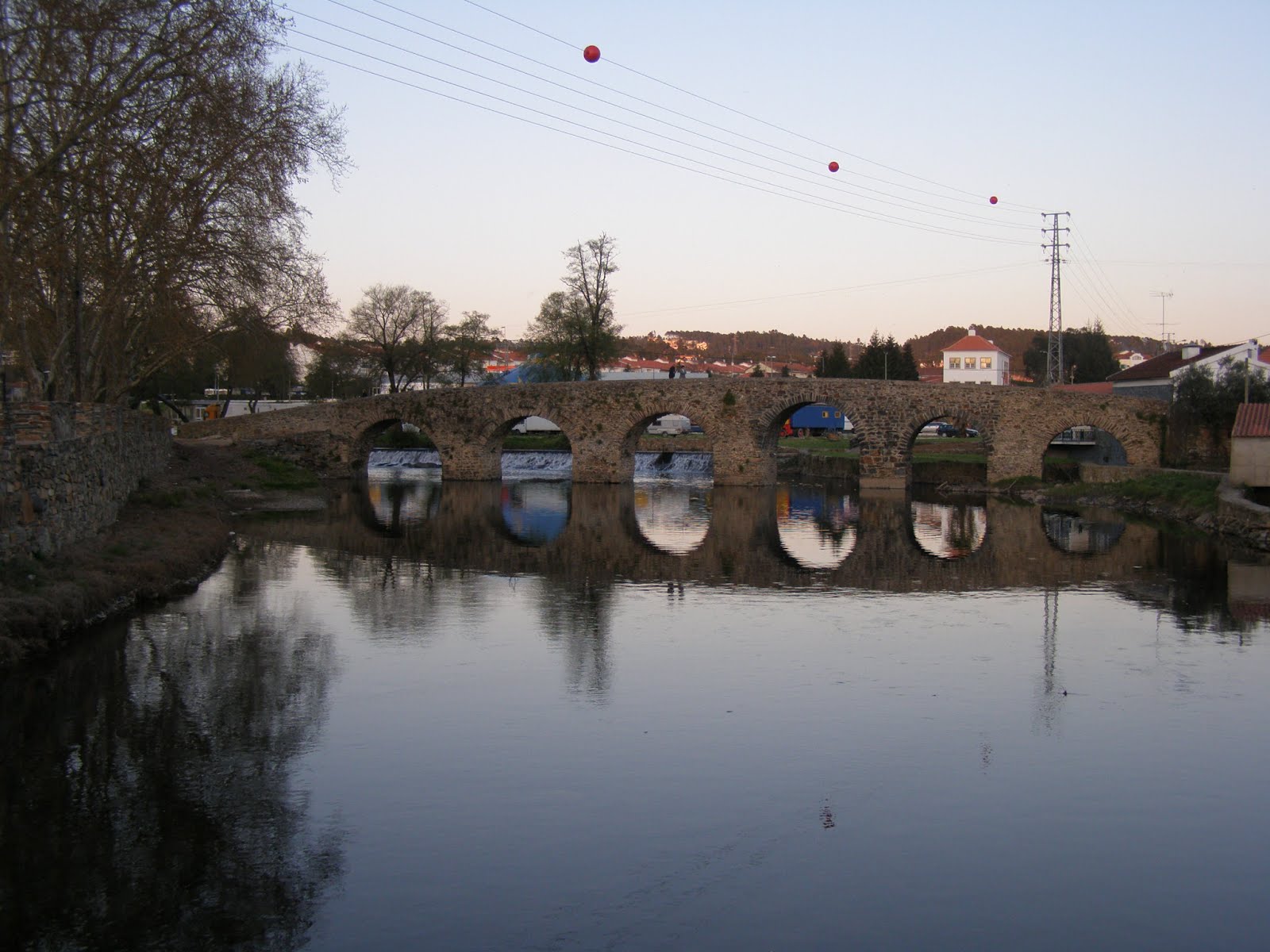
The Ribeira Grande divides Sertã like a gentle scar, shaping its geography and its soul. Stone bridges arch gracefully across it — the most famous being the Ponte Filipina, often called the Roman Bridge by locals. Its origins stretch back to the 17th century, but its foundations may indeed sit on something much older. Crossing it feels like walking across layers of time. The sound of water below, the worn cobblestones underfoot — they remind you that people have been coming and going here for centuries.
Just up the hill stands Castelo da Sertã, a small fortress that once guarded this land. From its walls, you can look down over the tiled rooftops and green folds of the valley. The castle itself is modest compared to Portugal’s grander fortresses, but it carries a story that’s deeply local. Legend has it that Sertã was founded by Sertório, a Roman general who fell in love with the landscape and stayed. Whether myth or memory, that sense of rootedness lingers in every stone and shadow.
Wandering the Old Town
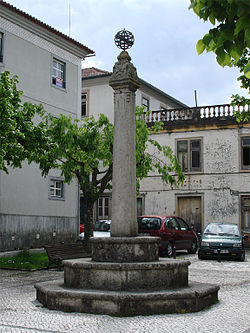
Sertã’s streets are narrow and curved, designed more by the contours of the land than by any architect’s plan. Whitewashed houses lean toward each other, their balconies draped in vines or drying laundry. It’s a place best discovered on foot, with no agenda. Around each corner, there’s a little surprise — a chapel door left open, a bakery scent drifting into the street, the laughter of children echoing from a hidden courtyard.
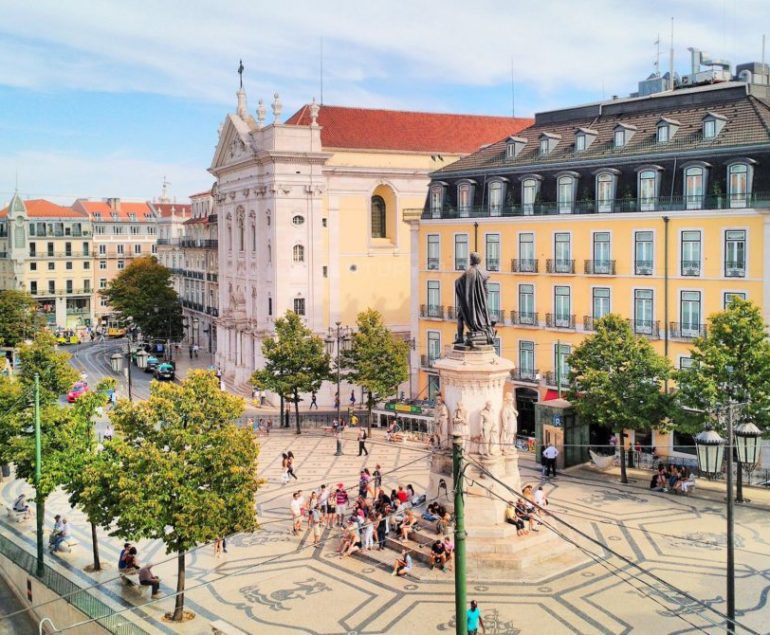
At the town’s heart lies Praça da República, the square where everyone eventually ends up. Here you’ll find the rhythm of local life — old men talking politics on benches, café tables shaded by broad umbrellas, and the slow clink of coffee cups on saucers. Order a bica and just watch. Sertã isn’t a place to rush through. It asks for your time, and in return, it offers a kind of quiet companionship.
The River Beach of Ribeira Grande
Down by the river, where the water glides past ancient stone walls, you’ll find one of Sertã’s greatest treasures — Praia Fluvial da Ribeira Grande, one of the most picturesque river beaches in central Portugal. In summer, locals and travelers alike come here to cool off in its clear waters. The setting feels cinematic: stone bridges above, green slopes all around, and the hum of cicadas rising with the afternoon heat.
There’s a café terrace by the water, a grassy area for picnics, and walking paths that follow the river upstream. If you visit in the golden light of late afternoon, the reflections shimmer like molten glass. It’s a reminder that Portugal’s inland heartland has as much beauty as its coast — just quieter, more personal.
A Taste of Sertã
Like much of the Beira region, Sertã’s cuisine is hearty and honest. The star dish is Maranho, a local specialty made from goat or lamb meat mixed with rice, mint, and spices, all stuffed into a casing. It sounds rustic, and it is — but it’s also deeply flavorful and symbolic of the region’s resourceful traditions. You’ll find it on nearly every restaurant menu, especially at Sabores da Sertã or O Alambique, where chefs blend tradition with a touch of finesse.
Pair it with a glass of local wine or a refreshing imperial, and don’t skip dessert. The region’s filhós, honey-drizzled pastries, taste like something passed down from grandmothers who understood both patience and sugar.
Nature All Around
Beyond the town, the landscape calls. The Sertã Municipality is surrounded by trails that twist through forests, streams, and hidden viewpoints. Hikers can follow the PR2 STR trail, known as Rota da Vila de Sertã, which links the castle, river beach, and old mills. The route passes through shaded valleys and across bridges that feel like they’ve stood since the dawn of memory.
For a longer day trip, drive toward Cernache do Bonjardim or Nesperal, where small chapels and farms dot the countryside. You’ll find a landscape of olive groves, terraces, and silence — the kind that fills rather than empties you.
Faith and Festivals
Faith still weaves quietly through Sertã’s cultural fabric. Churches like the Igreja Matriz da Sertã and the Convento de Nossa Senhora dos Remédios tell stories through tiles and altars rather than words. Every August, the town hosts the Feira de São Nuno, a lively fair that blends devotion, music, and food stalls — proof that even in the age of speed, rituals still matter here.
If you come in spring, the Festival do Maranho celebrates the region’s signature dish with pride and humor. It’s a community gathering more than a tourist event, full of laughter, folk music, and the smell of roasted meat and mint on the breeze.
Where Past and Present Meet
What makes Sertã special isn’t just its scenery or its history. It’s the feeling of continuity — the sense that life here moves with purpose, not pressure. The town balances the old and the new gracefully: digital nomads working from river-view cafés sit beside lifelong residents who’ve never once considered leaving. There’s Wi-Fi, yes, but there’s also the quiet comfort of routine.
You can see it in the faces of the people — friendly, unhurried, welcoming. Ask for directions and someone will probably walk you halfway there. Stop at a café more than once, and the barista will remember your order.
When to Visit and How to Get There
Sertã sits almost halfway between Coimbra and Castelo Branco, making it an ideal stop for anyone exploring the interior of Portugal. It’s best visited between April and October, when the weather is warm and the river beach is open. From Lisbon, it’s a two-hour drive northeast; from Coimbra, about an hour. Public transport is limited, so a car gives you the freedom to explore the surrounding villages and scenic backroads.
If you plan to stay overnight, look for Casa da Ponte or Hotel Lar Verde — small, family-run places where hospitality feels personal. For something more rustic, the Quinta de Santa Teresinha offers rooms surrounded by greenery and a pool that looks out over the valley.
Leaving Sertã
When you leave Sertã, it stays with you. The way the light catches on the water, the smell of pine after rain, the sound of the church bell marking another unhurried hour. It’s one of those towns that asks nothing of you except attention — and rewards you for giving it.
Sertã reminds you that Portugal isn’t just about the coast or the cities. It’s about the spaces in between — the small towns where history lingers in the air, where time slows down enough for you to see what really matters.