Nestled within the untamed beauty that envelops the Côa River, the enchanting village of Castelo Mendo unfolds like a living tapestry of mediaeval tales. Its historical significance, rooted in the Middle Ages, burgeoned due to its strategic proximity to the border and formidable defence capabilities that secured its hard-fought independence. This quaint settlement boasts a lineage that dates to the Bronze Age, with echoes of a bygone Roman village etched in its landscape.

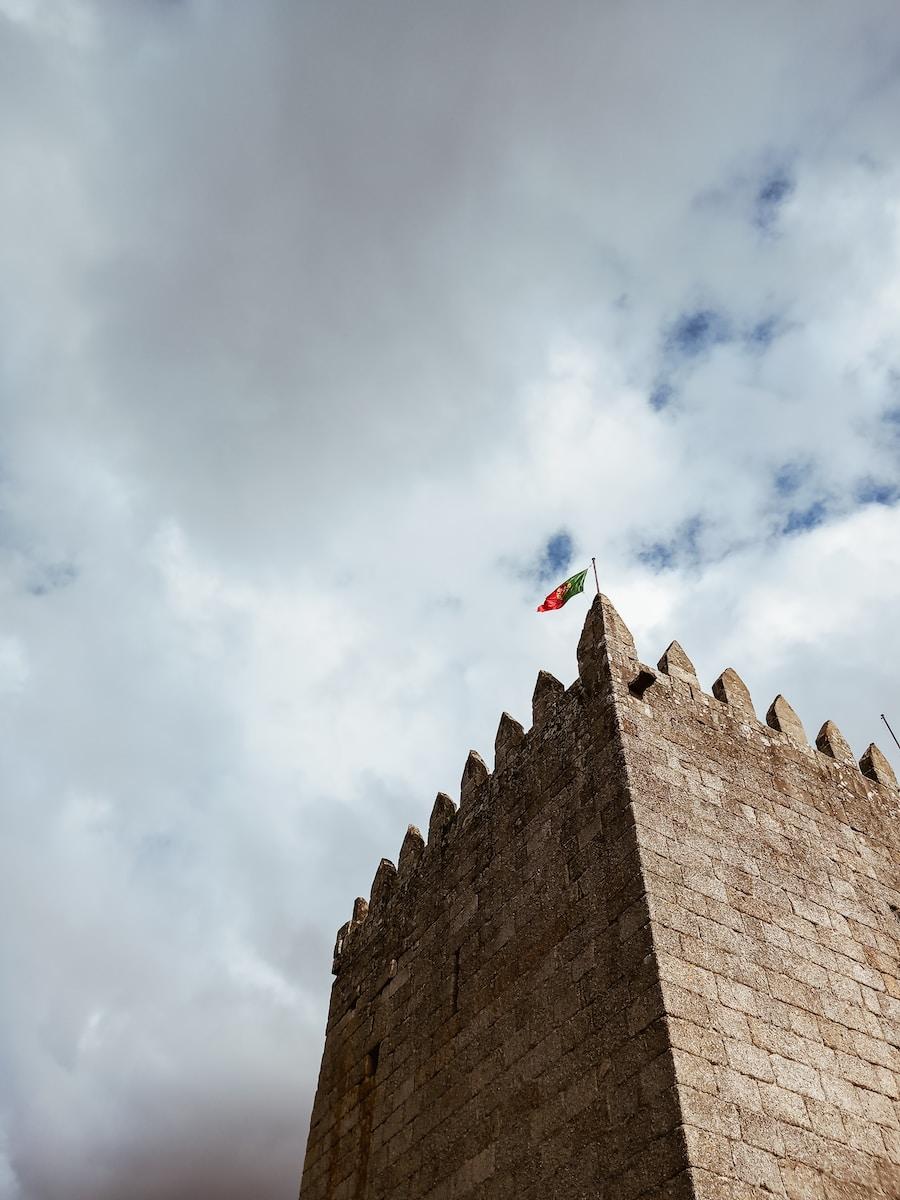
However, it was during the era of the Christian Reconquista that Castelo Mendo truly came into its own, assuming a pivotal role in safeguarding the Riba-Côa border against the neighbouring realms of Léon and Castile. King Sancho II, recognising its importance, bestowed upon the village a charter that transformed it into a bustling urban center. The introduction of a thrice-yearly free street market proved instrumental in the economic evolution of Castelo Mendo, fostering a surge in population. It is believed that during this period, the monarch sanctioned the construction of a stronghold to fortify this mediaeval haven.

In the reign of King D. Dinis, Castelo Mendo’s significance on the border defence stage continued to grow. The monarch, acknowledging its strategic importance, ordered the construction of an additional wall around the original mediaeval stronghold. However, as the Alcanizes Treaty solidified the realm’s borders, the village gradually relinquished its prominence.

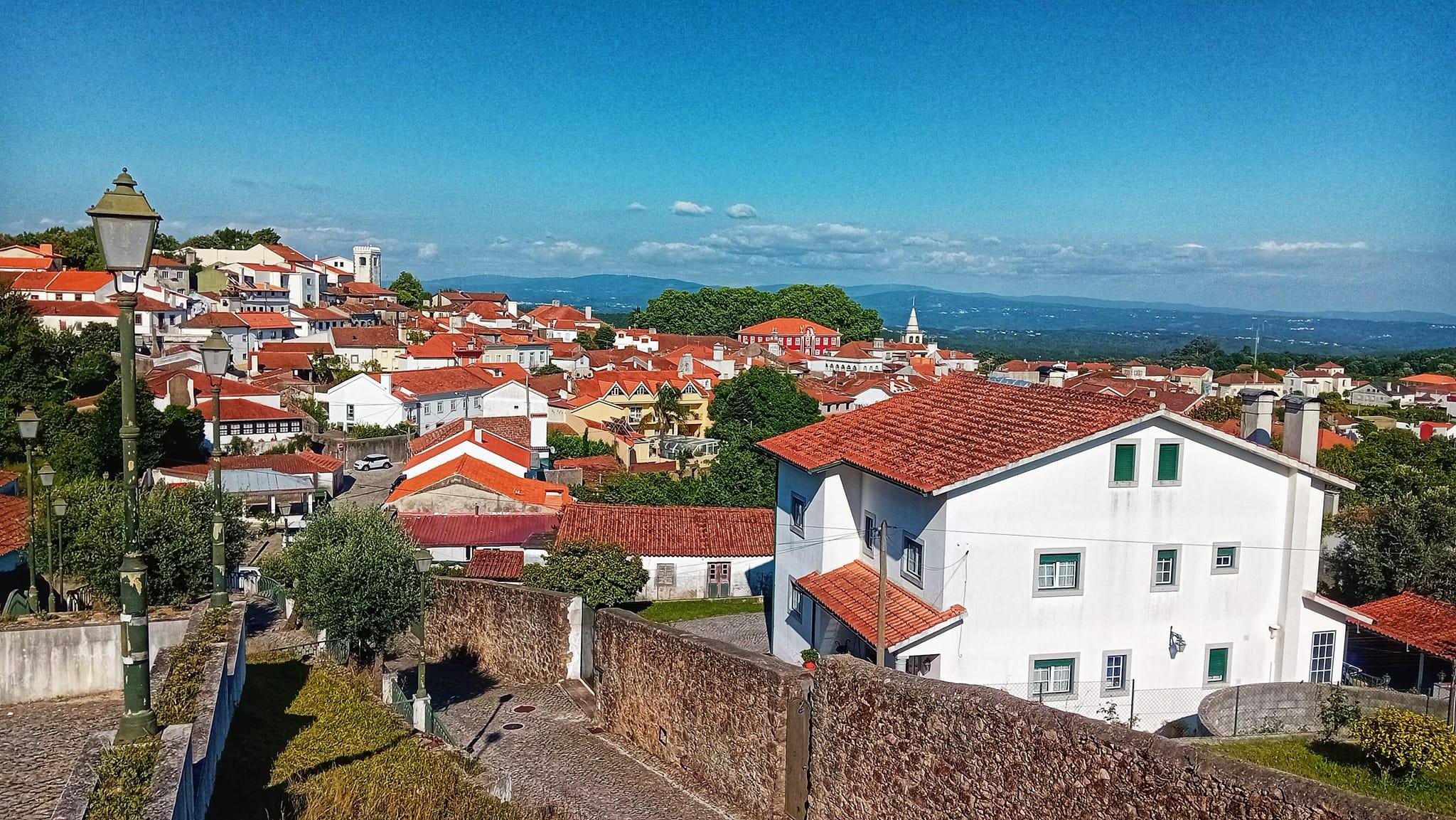
Today, Castelo Mendo remains ensconced within its ancient boundaries, its walls whispering tales of a rich historical past. Wander through its narrow streets, adorned with houses flaunting Manueline windows and grand balconies, a testament to the village’s enduring charm. Castelo Mendo beckons you to step back in time and immerse yourself in its mediaeval embrace.

A visit to Castelo Mendo unveils a treasure trove of historical gems:

  1. The Castle: Explore the ancient stronghold that stood guard against the ebb and flow of time.
  2. The Temple and Senses Museum: Immerse yourself in the cultural tapestry of Castelo Mendo through its temple and sensory exhibits.
  3. Saint Vincent and Saint Peter Churches: Discover the spiritual heart of the village within these historic churches.
  4. The former jail, court, and town hall, now the tourist office: Step into the past as you explore the transformed halls that once held the echoes of justice.
  5. The “Mendo” and “Menda”: Uncover the mysteries behind these intriguing local features.
  6. The Berrões Door, adorned with two Celtic boars: A portal to the village’s ancient past, this door tells stories of Celtic symbolism.
  7. The Building of the Old Charity House (Misericórdia): Reflect on the village’s compassionate history within the walls of this historic structure.
  8. The Mediaeval Fair: Transport yourself to a bygone era as you meander through the charming stalls and festivities of this timeless fair.

Embark on a journey through the corridors of time in Castelo Mendo, where every cobblestone and weathered wall invites you to become part of its living history.

As you traverse the enchanting lanes of Castelo Mendo, the village unveils more treasures waiting to be discovered. Here, the past seamlessly intertwines with the present, offering travellers a captivating glimpse into the bygone eras that have shaped this mediaeval gem.

  1. The Enigmatic Alleyways: Lose yourself in the labyrinthine alleyways adorned with cobblestones, each whispering tales of ancient footsteps and mediaeval secrets. Allow your curiosity to guide you as you explore hidden corners and unexpected vistas.
  2. The Riverside Retreat: Take a leisurely stroll along the banks of the Côa River, where the village’s wild landscape meets the soothing embrace of flowing waters. The scenic beauty provides a serene backdrop, inviting contemplation and relaxation.
  3. Local Artisan Workshops: Immerse yourself in the vibrant culture of Castelo Mendo by visiting local artisan workshops. From traditional pottery to intricate tapestries, witness the skilled hands that continue age-old crafts, keeping the spirit of the village alive.
  4. Gastronomic Delights: Indulge your taste buds in the flavours of Castelo Mendo. Seek out local eateries and savour traditional dishes that have been passed down through generations. From hearty stews to delectable pastries, the village’s cuisine is a celebration of its rich culinary heritage.
  5. Festivals and Events: Check the local calendar for festivals and events that may coincide with your visit. Experience the vibrant energy of mediaeval reenactments, lively parades, and cultural celebrations that bring the village to life.
  6. Panoramic Views from the Castle: Ascend to the castle’s ramparts for breathtaking panoramic views of the surrounding landscape. The juxtaposition of the mediaeval architecture against the wild beauty of Castelo Mendo creates a visual masterpiece that will linger in your memory.
  7. Guided Tours and Local Stories: Engage with knowledgeable local guides who can regale you with tales of Castelo Mendo’s history. From legends of brave knights to anecdotes of daily life in mediaeval times, these stories add a personal touch to your exploration.
  8. Sunset at the Overlook Points: Witness the magical transformation of Castelo Mendo as the sun begins its descent. Seek out the village’s designated overlook points for a mesmerising view of the sunset, casting a warm glow over the mediaeval rooftops.

In Castelo Mendo, every step reveals a new facet of its captivating narrative. Whether you’re drawn to the historical landmarks, the natural beauty, or the vibrant cultural scene, this village invites you to immerse yourself in an authentic mediaeval experience that transcends the pages of history books.
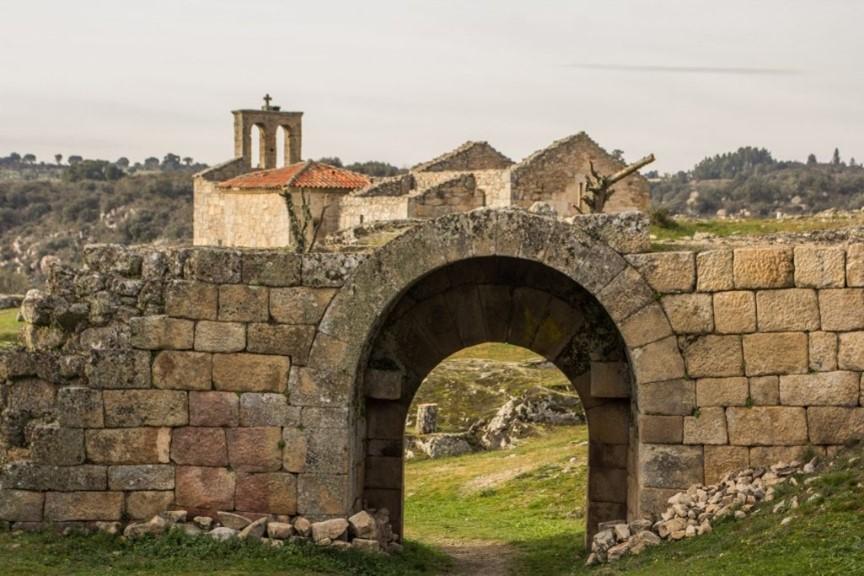
Castelo Mendo’s history is a captivating tapestry woven with threads of ancient civilizations, strategic importance, and the ebb and flow of mediaeval power struggles. Dating back to the Bronze Age, the village boasts a lineage that spans millennia, with remnants of an old Roman settlement echoing through its storied landscape.

However, it was during the Christian Reconquista that Castelo Mendo rose to prominence. Situated near the border, the village played a crucial role in defending the Riba-Côa border against the neighbouring realms of Léon and Castile. In this tumultuous period, King Sancho II took a decisive step in transforming Castelo Mendo into a thriving urban center. The grant of a charter and the establishment of a free street market, held three times a year, spurred economic development and led to a substantial increase in the village’s population.

The mediaeval stronghold that guards Castelo Mendo was likely erected during this time, a testament to its strategic significance. As the Christian Reconquista unfolded, the village continued to play a vital role in border defence. King D. Dinis, recognising its importance, fortified Castelo Mendo further by adding another protective wall around the original mediaeval stronghold.

The village’s zenith, however, gradually waned with the signing of the Alcanizes Treaty, which permanently delineated the borders of the realm. As the need for constant defence diminished, Castelo Mendo gradually lost its strategic importance, and its historical prominence dwindled over time.

Today, Castelo Mendo stands as a living testament to its rich history. The narrow streets are lined with houses boasting Manueline windows and grand balconies, each telling a tale of mediaeval charm. The castle, a silent sentinel, watches over the village, its stones whispering echoes of a bygone era.

Visitors can explore the Temple and Senses Museum, Saint Vincent and Saint Peter Churches, and the building that once served as the jail, court, and town hall, now transformed into the Tourist Office. The “Mendo” and “Menda,” the Berrões Door adorned with Celtic boars, and the mediaeval fair all add layers to the historical narrative, inviting travellers to immerse themselves in Castelo Mendo’s timeless story.

As you walk through its ancient borders, you become part of the living history that has shaped Castelo Mendo over the centuries—a journey that transcends the pages of textbooks and allows you to witness the resilience and evolution of a village that has stood the test of time.


Castelo Mendo is situated in the northeastern part of Portugal. Specifically, it is in the Guarda District, which is part of the Centro Region of Portugal. The village is in a rural and historic area near the border with Spain, and its strategic location played a significant role in the mediaeval history of the region, particularly during the Christian Reconquista.

“Journey Along the Enigmatic Rio Lis: A Traveller’s Odyssey Through Leiria’s Cultural and Natural Tapestry”

Embarking on an exploration of the captivating Rio Lis reveals a river with a unique charm and cultural significance that meanders through the picturesque terrain of Leiria. Unlike most rivers, the Rio Lis takes a scenic detour, winding its way north before gracefully turning westward as it approaches the sea, adding an element of mystery to its course.

The source of this enchanting river lies in the natural beauty of Fontes, nestled in the heart of the parish of Cortes. Here, visitors can witness the water bubbling up satisfyingly, creating a breathtaking starting point for Rio Lis’s journey. The spring, a haven of tranquilly, has inspired poets, prose writers, and even a love story between the Lis and its tributary, the Lena, adding a romantic allure to the river’s narrative.

The inviting Polis route and green spaces that surround the Rio Lis as it travels through the heart of Leiria reveal picturesque locations for leisure and recreation. The river’s meandering path through the alluvial plains of Campos do Lis plays a vital role in irrigating vast farmlands, enhancing agricultural output, and contributing to the region’s overall natural richness.

The journey along Rio Lis offers diverse experiences, from the metropolitan backdrop of Leiria to the agricultural stretches of Campos do Lis and the stunning surroundings near Monte Real. Each segment possesses its own distinct appeal, providing travellers with a rich tapestry of landscapes and experiences.

The river gracefully concludes its odyssey with a magnificent entry into the sea at Vieira Beach in the municipality of Marinha Grande. The Leiria Pine Forest adorns the final stretch, adding yet another layer of natural beauty to the area. The Rio Lis, with its cultural and ecological importance, weaves seamlessly into the character of Leiria, leaving an indelible mark on the region’s physical terrain and contributing to its cultural and literary legacy. Exploring the Rio Lis is not just a journey through landscapes, but a voyage through the soul of a place deeply connected to its riverine heartbeat.

LOCATION OF THE SOURCE
> GPS: 39º41’08.14” | N 8º46’17.57”W


In the enchanting world of equines, one breed stands out as a true gem—the Lusitano horse. Hailing from the picturesque landscapes of Portugal, these horses boast a unique blend of physical prowess, a captivating history, and a remarkable ability to adapt.

With roots tracing back to the Andalusian breed, the Lusitano showcases a rich mix of Barb, Arabian, and Berber traits, forming a distinctive heritage that sets it apart on the European stage.

Picture this: a Lusitano horse, strongly built, with a gracefully curved posture, a neck exuding strength, and a tail that adds a touch of elegance. Their coat colours, ranging from black and grey to bay and chestnut, create a mesmerising palette that captures the eyes of horse enthusiasts.

But it’s not just about looks—Lusitanos are known for their friendly demeanour and exceptional talent. These horses are true all-rounders, excelling in various equestrian disciplines, from the intricate routines of dressage to the traditional art of Portuguese bullfighting. Their ability to execute precise movements has earned them a spot as the rock stars of the dressage world.

Take a journey into history, and you’ll find that Lusitanos were once the VIP horses of Portugal, reserved for the upper echelons of society. Today, they continue to shine as stars in traditional riding schools, keeping age-old riding techniques alive and thriving.

Across the globe, Lusitanos have become darlings of equestrian aficionados. Their easy-to-train nature and irresistible appearance have won hearts far and wide. Whether they are gracefully performing traditional horse sports like dressage, eventing, and show jumping or effortlessly embracing contemporary pursuits, Lusitanos are capturing the imagination of horse lovers everywhere.

In the grand tapestry of the equestrian world, the Lusitano horse emerges as not just a rare breed but a cherished companion, skillfully blending the best of conventional and modern equestrian pursuits. As caretakers meticulously ensure their health and purity, the Lusitano continues to enchant us with its timeless allure and undeniable charm.

During the mediaeval period, Pombal Castle played a critical role in the defence and control of the Mondego River valley. Strategically positioned on high ground, the castle provided a commanding view of the surrounding landscape, enabling effective surveillance and defence against potential threats. Its sturdy walls, reinforced with quadrangular turrets at regular intervals, exemplified the Templar-inspired military architecture prevalent in the region during the 12th century.


The castle’s affiliation with the Order of the Temple, renowned for its expertise in fortification and military tactics, added to its significance. Under the leadership of Gualdim Pais, the castle likely served as a key administrative and logistical centre for Templar operations in the Mondego region. The introduction of innovative architectural features like the keep and alambor reflected the Templars’ strategic adaptation of defensive techniques learned from their crusading experiences.

Over time, Pombal Castle witnessed transformations reflecting broader historical developments. The reign of King Manuel I marked a shift towards Renaissance influences and the adaptation of fortifications to accommodate emerging artillery technologies. The castle’s evolution from a purely defensive stronghold to a combined defensive and residential complex reflected changing military strategies and societal needs.

In the 17th century, detailed descriptions of the castle highlighted its layout and features, including a square of arms and a walled garden, providing insights into its functional and architectural characteristics during that era. The Napoleonic Wars of the 19th century presented additional challenges, resulting in damage and neglect that necessitated subsequent restoration efforts in the modern era.


The General Directorate of National Buildings and Monuments oversaw the extensive renovations carried out in the 20th century with the intention of preserving and reviving Pombal Castle’s heritage. This restoration work not only repaired structural damage but also revitalised the castle as a cultural asset, ensuring its continued relevance and accessibility to the public.

Today, Pombal Castle stands as a living testament to Portugal’s mediaeval and early modern history, offering visitors a glimpse into the region’s military and architectural heritage. Its strategic location, architectural features, and historical significance make it a compelling destination for history enthusiasts and tourists alike, contributing to the cultural identity and tourism appeal of the city of Pombal and its surrounding region.

The exploration of Pombal Castle offers a glimpse into Portugal’s turbulent past, which has seen its share of conflict, innovation, and cultural exchange. The castle’s enduring presence underscores the importance of preserving and celebrating historical landmarks, ensuring that their stories continue to resonate with future generations.

The Castle of Pombal, known as “Castelo de Pombal” in Portuguese, has a rich history and a distinctive architectural design. Here are the key points about its history and architecture:

History:

  • The first King of Portugal, King Afonso Henriques, donated the Castle of Pombal to the Knights Templar in the 12th century. It served as a strategic military position during a period of conflict between Christian and Muslim forces.
  • Construction of the castle started around 1155–1156 and continued throughout the 12th century. It included the building of various towers to strengthen and stabilise the walls and to help repopulate the town.
  • The main keep (central tower) of the castle was constructed in 1171, serving as the last line of defence and the personal stronghold of the lord in charge.
  • In 1353, the castle and the surrounding village were donated to the Order of Christ, a religious and military order in Portugal.
  • During the reign of Manuel I of Portugal in the early 16th century, the castle underwent some renovations, including enhancements to its defensive features.
  • French forces attacked the castle in the 19th century during the Napoleonic Peninsular War, severely damaging it.
  • Over the years, the castle lost its military significance and fell into disrepair.

Architecture:

  • The Castle of Pombal is situated on a hilltop overlooking the town of Pombal and the River Arunca.
  • The castle’s building has a shield-like shape, and its walls have rectangular turrets and prismatic merlons (small battlements) spaced out at regular intervals.
  • There are two main arched doors in the walls: one to the southeast and another larger one to the northwest, which features a royal coat of arms, an armillary sphere, and a Christian cross.
  • The keep tower, originally a dungeon, was later transformed into an exhibition hall for the castle. The castle courtyard contains the foundations of other buildings and a cistern.
  • There are inscriptions on the castle walls, some of which commemorate historical events and the castle’s restoration in the 20th century.
  • Outside the castle walls, on a lower terrace, are the ruins of a second set of walls, with rectangular towers and a Renaissance-style chapel called the Church of Santa Maria do Castelo.
  • The castle features decorative elements such as stone carvings, inscriptions, and a stone coat-of-arms of the Sousa Ribeiro clan, who were historical alcaldes (officials) of the castle.
  • Efforts to restore and preserve the castle have been ongoing since the 20th century, including repairs to the walls, reconstruction of damaged features, and landscaping of the surrounding area.

Overall, the Castle of Pombal is a significant historical and architectural landmark, offering a glimpse into Portugal’s mediaeval past and its military heritage.


To get to the Castle of Pombal in Portugal, you’ll need to travel to the town of Pombal in the Leiria District. Due to its excellent rail and road connections, Pombal is easily accessible from various regions of Portugal. Here are some common ways to reach the Castle of Pombal:

By Car:

  1. From Lisbon: If you’re starting from Lisbon, you can take the A1 highway north towards Porto. Then, take the A17 highway in the direction of Leiria. Pombal is located along this route. Follow the signs for Pombal, and you’ll reach the town and the castle.
  2. From Porto: If you’re coming from Porto, take the A1 highway south towards Lisbon. After passing Coimbra, take the A17 highway towards Leiria and continue until you reach Pombal.

By Train: Pombal has a railway station that’s part of the Linha do Norte, which is the main railway line connecting Lisbon and Porto. You can take a train from either city to Pombal. The train station is located in the town centre, and you can either walk or take a short taxi ride to reach the Castle of Pombal.

By bus: There are also bus services that connect Pombal with other cities and towns in Portugal. You can check with local bus companies or use online travel platforms to find the most convenient bus routes to Pombal.

On Foot: Once you’re in the town of Pombal, you can easily walk to the Castle of Pombal if you’re in the town centre. The castle is a prominent landmark, and you can follow signs or ask locals for directions.

Please note that it’s a good idea to check the latest travel information and schedules before your trip, especially if you’re relying on public transportation, as schedules and routes may vary.

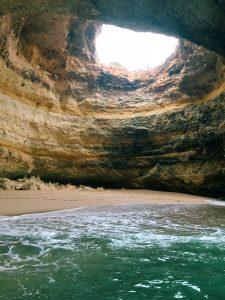
Benagil Sea Cave

Benagil

  • Unique Coastal Gem: The Benagil Sea Cave stands as one of the most captivating natural wonders in the Algarve region. Its distinctive features and stunning beauty make it a must-visit destination for travellers seeking an unforgettable coastal experience.
  • Exclusive Boat Access: Access to the Benagil Sea Cave is limited to boat trips, which adds an element of exclusivity and adventure to the experience. Visitors can embark on boat tours from nearby coastal towns, immersing themselves in the breathtaking scenery along the way.
  • Enchanting Dome and Sunlight Illumination: The cave’s large open dome, with a hole in the ceiling, allows sunlight to penetrate the interior, creating a mesmerising and ethereal ambiance. The rays of light dance on the crystal-clear waters, illuminating the cave with a magical glow.
  • Rock Formations and Sea Arch: The interior of the Benagil Sea Cave showcases fascinating rock formations, with the undulating walls sculpted by the relentless force of the sea. An impressive sea arch within the cave adds to its allure, creating a natural frame for the ocean view beyond.
  • Hidden Beach: The Benagil Sea Cave hides a secret: a small sandy beach nestled within its confines. The impressive limestone walls of the cave surround this secret beach, which is only accessible by boat.
  • Photography Paradise: For photography enthusiasts, the Benagil Sea Cave offers a dreamlike setting for capturing stunning images. The interplay of light and shadow, the unique rock formations, and the vibrant colours of the water provide endless opportunities for breathtaking shots.
  • Geological Significance: The cave’s formation over thousands of years offers an opportunity to learn about the geological processes that shape the Algarve coastline. Guides on the boat tours often share insights into the cave’s history and significance.
  • Natural Pools and Marine Life: The area surrounding the cave is dotted with natural pools, offering opportunities for swimming and snorkelling. The crystal-clear waters reveal a diverse array of marine life, providing a chance to observe fish and other sea creatures.
  • Coastal Scenic Beauty: The boat tours to Benagil Sea Cave often include a scenic cruise along the Algarve coastline. Travellers can appreciate the stunning cliffs, hidden coves, and pristine beaches that characterise this part of Portugal.
  • Responsible Tourism: Given the fragile nature of the cave’s ecosystem, responsible tourism practises are encouraged to preserve its beauty and protect marine life. Boat tour operators typically prioritise conservation efforts to maintain the cave’s natural splendour.
  • In conclusion, the Benagil Sea Cave is a magical natural wonder that entices visitors with its mesmerising interior, lit up by the sun’s rays. Accessible only by boat, the cave’s exclusivity adds to its charm, making it a sought-after destination in the Algarve region. Exploring the cave’s unique features and hidden beach, along with witnessing the interplay of light and sea, creates an unforgettable and enchanting coastal experience in Portugal.

Algar do Carvão – Descending into the Heart of a Volcanic Wonder

  • Volcanic Wonder: Algar do Carvão is a geological marvel located on Terceira Island in the Azores. This unique site allows visitors to witness the inner workings of a volcanic vent, providing a rare opportunity to explore the geological history of the region.
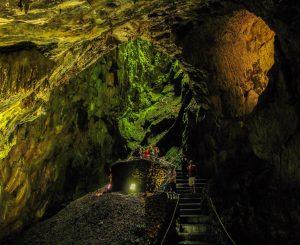
  • Impressive Volcanic Chimney: The main feature of Algar do Carvão is the volcanic chimney, a vertical shaft that leads deep into the Earth’s crust. Descending into the chimney offers an exhilarating journey to the heart of the island’s volcanic past.
  • Guided Tours: Visitors to Algar do Carvão can embark on guided tours led by knowledgeable experts. These guides provide valuable insights into the geological processes that shaped the volcanic vent and the island itself.
  • Exploration of Rock Formations: Inside the volcanic chimney, visitors are treated to a spectacle of unique rock formations. Stalactites and stalagmites adorn the walls and ceilings of the cave, creating a magical underground landscape.
  • Natural illumination: Natural light seeps through cracks in the rock to illuminate the volcanic chimney. The play of light and shadow adds to the ethereal ambiance of the cave, making the experience even more captivating.
  • Historical Significance: Algar do Carvão holds historical importance as it provides valuable clues about the island’s volcanic history. The layers of lava and rock formations within the cave offer insights into past volcanic eruptions and their impact on the island’s formation.
  • Safety Precautions: While exploring Algar do Carvão is an adventure, safety precautions are in place to ensure a secure visit. Proper safety equipment and guidelines are provided to visitors to ensure a smooth and safe exploration of the cave.
  • Photography Opportunities: Algar do Carvão presents excellent opportunities for photography enthusiasts. The unique rock formations and the interplay of light make for stunning shots, allowing visitors to capture the enchanting beauty of the underground world.
  • Ecological Conservation: Algar do Carvão is a protected natural area, and conservation efforts are in place to preserve its fragile ecosystem. Visitors are reminded to respect the environment and follow guidelines to maintain the cave’s pristine condition.
  • Geological Learning Experience: Exploring Algar do Carvão offers a fascinating geological learning experience for both adults and children. Understanding the processes that created the volcanic vent and the island’s geological features enriches the overall experience.

In conclusion, Algar do Carvão on Terceira Island provides a captivating journey into the heart of a volcanic wonder. The exploration of the volcanic chimney, with its impressive rock formations and natural illumination, creates a memorable experience that offers insights into the island’s geological history. For those seeking a unique and educational adventure in the Azores, Algar do Carvão is a must-visit destination.

Ponta da Piedade: A Coastal Gem with Breathtaking Rock Formations

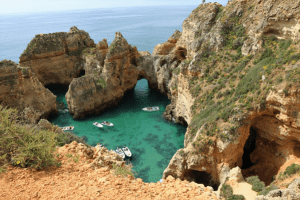
  • Iconic Cliff Formation: Ponta da Piedade is a famous coastal landmark located near Lagos in the Algarve region. Its striking cliff formations rise majestically from the turquoise waters of the Atlantic Ocean, creating a mesmerising and dramatic seascape.
  • Breathtaking Rock Formations: Centuries of erosion and weathering have sculpted breathtaking rock formations into the cliffs of Ponta da Piedade. Visitors can marvel at natural arches, caves, and sea stacks that add to the area’s scenic charm.
  • Hidden Grottoes and Caves: The coastal landscape of Ponta da Piedade hides numerous hidden grottoes and caves. Exploring these secluded formations is a unique adventure, revealing the secrets of the coastline and its geological wonders.
  • Boat Tours and Coastal Exploration: Boat tours are a popular way to explore the natural beauty of Ponta da Piedade. Visitors can take guided boat trips, allowing them to navigate through the sea caves, sail under the towering cliffs, and appreciate the coastal beauty from a different perspective.
  • Crystal-Clear Waters: The crystal-clear waters surrounding Ponta da Piedade offer excellent visibility, making it an ideal destination for snorkelling and scuba diving. The underwater world is teeming with marine life and colourful coral formations.
  • Photography Paradise: Ponta da Piedade is a paradise for photography enthusiasts. The striking contrast between the golden cliffs and the deep blue sea provides an excellent opportunity to capture stunning shots of the natural scenery.
  • Sunset and Sunrise Views: Watching the sunrise or sunset from Ponta da Piedade is a magical experience. The warm, golden light illuminates the cliffs and rock formations, creating a breathtaking backdrop for witnessing the beginning or end of a day.
  • Coastal Hiking Trails: Beyond the boat tours, Ponta da Piedade offers coastal hiking trails that lead to various viewpoints overlooking the cliffs and sea stacks. These trails provide a chance to enjoy a leisurely walk amidst the natural beauty of the area.
  • Marine Wildlife: The waters around Ponta da Piedade are home to a diverse range of marine species. Lucky visitors may spot dolphins, seabirds, and other marine creatures, adding an element of wildlife exploration to the coastal adventure.
  • Conservation Efforts: Ponta da Piedade is a protected natural area, and conservation efforts are in place to preserve its unique coastal ecosystem. Visitors are encouraged to respect the environment, avoid disturbing wildlife, and help maintain the pristine beauty of the location.

In conclusion, Ponta da Piedade is a coastal gem in the Algarve that captivates visitors with its breathtaking rock formations and hidden grottoes. Whether exploring by boat, admiring the scenery from the cliffs, or engaging in underwater exploration, Ponta da Piedade offers an unforgettable coastal experience that showcases the natural beauty of Portugal’s southern coastline.

Grutas de Mira de Aire: Exploring the Majesty of Portugal’s Largest Limestone Caves

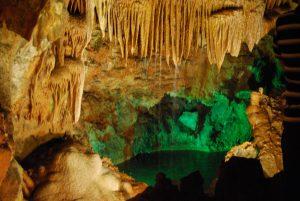
  • Magnificent Limestone Formations: Grutas de Mira de Aire is renowned for its awe-inspiring limestone formations, making it a geological wonder in Portugal. The caves have been formed over millions of years through a slow process of calcite deposits, resulting in the spectacular stalactites and stalagmites that adorn the caverns.
  • Impressive Scale and Dimensions: As some of the largest limestone caves in Portugal, Grutas de Mira de Aire captivates visitors with its vast chambers and intricate passageways. The underground network spans several kilometres, revealing a subterranean world of stunning beauty.
  • Guided Tours and Expert Guides: Visitors to Grutas de Mira de Aire can go on knowledgeable expert-led guided tours. These guides provide insightful information about the caves’ formation, geological history, and the unique life forms that thrive in the dark and sheltered environment.
  • Dazzling Stalactites and Stalagmites: The highlight of the guided tours is the chance to marvel at the impressive stalactites hanging from the cave ceilings and the stalagmites rising from the cave floors. These mineral formations come in various shapes and sizes, creating a mesmerising spectacle for visitors.
  • Underground Concerts and Events: Grutas de Mira de Aire offers a unique setting for special events, including underground concerts and cultural performances. The caves’ natural acoustics enhance the experience, creating an ethereal ambiance for attendees.
  • Challenging Adventure Trails: For more adventurous visitors, Grutas de Mira de Aire also offers adventure trails, allowing exploration of less accessible parts of the caves. Equipped with appropriate safety gear, participants can experience the thrill of spelunking under expert supervision.
  • Educational Opportunities: The caves present an excellent educational opportunity for both children and adults to learn about geology, cave formations, and the importance of conservation. The guided tours are informative and engaging, making the experience both fun and enlightening.
  • Subterranean Beauty: The underground world of Grutas de Mira de Aire is a realm of enchantment, offering a unique perspective on the Earth’s geological history. Visitors are transported to an underground wonderland filled with fascinating rock formations and chambers.
  • Conservation and Sustainability: Grutas de Mira de Aire places great emphasis on environmental conservation and sustainability. Efforts are made to preserve the natural beauty of the caves and protect the delicate ecosystems within.
  • Accessibility and Amenities: The caves provide good accessibility for visitors of all ages, with well-maintained pathways and proper lighting to ensure a safe and enjoyable experience. Additionally, there are visitor amenities, including a visitor centre, shops, and cafes.

In conclusion, Grutas de Mira de Aire offers a captivating journey into the depths of the Earth, revealing the beauty and wonders of Portugal’s largest limestone caves. Whether marvelling at the impressive stalactites and stalagmites, learning about the caves’ formation, or experiencing underground events, a visit to Grutas de Mira de Aire is an unforgettable and enriching adventure for all.

rplay of light and sea, creates an unforgettable and enchanting coastal experience in Portugal.

Furnas Hot Springs: A Geothermal Oasis in São Miguel, Azores


    • Geothermal Wonderland: Furnas is a captivating geothermal area on São Miguel Island in the Azores, where the Earth’s volcanic activity is on full display. The landscape is dotted with hot springs, fumaroles, and bubbling mud pots, creating a surreal and otherworldly atmosphere.
    • Mineral-Rich Thermal Waters: The natural hot springs of Furnas are rich in minerals like sulphur, iron, and other beneficial elements. Bathing in these thermal waters is believed to have therapeutic properties that can soothe muscle aches and offer relaxation.
    • Outdoor Thermal Baths: Furnas offers various outdoor thermal baths where visitors can immerse themselves in the warm mineral waters. The surrounding lush vegetation and peaceful atmosphere enhance the experience, creating a natural oasis for renewal.
    • Caldeiras and Fumaroles: The area is characterised by caldeiras, which are bubbling hot springs, and fumaroles, which release steam and volcanic gases. Visitors can witness the impressive sight of steam rising from the ground, reminding them of the powerful forces beneath the Earth’s surface.
    • Cozido das Furnas: A Traditional Delicacy: One of the unique highlights of Furnas is “Cozido das Furnas,” a traditional Portuguese dish cooked using the geothermal heat of the area. A mixture of meat, vegetables, and sausages is placed in a pot and buried in the hot volcanic soil, slow cooking for several hours. Visitors can savour this delicious meal at local restaurants.
    • Terra Nostra Botanical Garden: Adjacent to the hot springs area is the Terra Nostra Botanical Garden, a serene and enchanting space featuring an extensive collection of flora from around the world. The garden is centred around a large, iron-rich thermal pool where visitors can enjoy a warm swim amidst the lush greenery.
    • Volcanic Landscapes: The surroundings of Furnas showcase impressive volcanic landscapes. Hiking trails take visitors through the lush countryside, passing volcanic craters, thermal springs, and serene lakes, providing a unique opportunity to explore the island’s geological wonders.
    • Geothermal Cooking Demonstrations: Furnas offers opportunities for visitors to witness geothermal cooking demonstrations, where chefs utilise the natural heat of the hot springs to prepare traditional Azorean dishes. It’s an immersive culinary experience that showcases the region’s geothermal heritage.
    • Health and Wellness Tourism: Due to the reputed therapeutic benefits of the thermal waters, Furnas attracts health and wellness enthusiasts seeking natural remedies and relaxation. Various wellness retreats and spa facilities in the area offer treatments that incorporate geothermal resources.
    • Environmental Conservation: Furnas’ geothermal area is a valuable natural resource that requires protection and conservation efforts. Visitors are encouraged to practise responsible tourism, respecting the fragile ecosystem and ensuring its preservation for future generations to enjoy.

Praia da Ursa: Unveiling the Rugged Beauty and Seclusion

  • Sintra’s Hidden Gem: Praia da Ursa is a well-kept secret tucked away on the Sintra coastline, a region renowned for its mystical landscapes and fairytale-like palaces. The beach’s elusive nature adds to its allure, attracting adventurous travellers seeking an off-the-beaten-path experience.
  • Rugged and Dramatic Beauty: The beach is celebrated for its rugged, untamed beauty. Natural forces have sculpted the coastline, revealing mesmerising geological features, towering rock formations, and imposing sea cliffs.
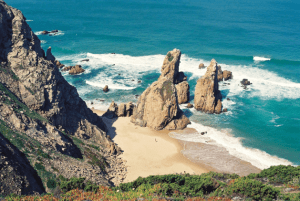
  • Striking Sea Stacks: Praia da Ursa is characterised by its impressive sea stacks, rising dramatically from the ocean’s depths. These large rock formations, shaped by erosion over time, create a visually striking contrast against the crashing waves.
  • Challenging Hike: Access to Praia da Ursa requires a challenging hike through rugged terrain, making it suitable for more adventurous and physically fit travellers. The trek adds an element of exclusivity and rewards hikers with breathtaking views along the way.
  • Breathtaking Coastal Views: Throughout the hike, visitors are treated to breathtaking panoramic views of the Sintra coastline. The vantage points provide an excellent opportunity for photography, capturing the rugged beauty of the cliffs and sea stacks.
  • Secluded Beach: The effort required to reach Praia da Ursa pays off with a secluded and uncrowded beach setting. The sense of isolation and serenity is a stark contrast to more popular tourist destinations, allowing visitors to unwind and connect with nature.
  • Nature Photography Paradise: Praia da Ursa is a haven for nature photographers. The raw beauty of the landscape, the play of light and shadow on the cliffs, and the crashing waves against the rocks present endless opportunities for capturing awe-inspiring shots.
  • Responsible Tourism: Due to its delicate ecosystem, responsible tourism is encouraged at Praia da Ursa. Visitors are reminded to respect the environment, avoid disturbing wildlife, and refrain from leaving any traces behind.
  • Sunset and Sunrise Spectacle: Watching the sunset or sunrise at Praia da Ursa is an unforgettable experience. The vibrant hues of the sky reflecting on the sea stacks and cliffs create a magical ambiance, leaving visitors in awe of nature’s artistry.
  • Hidden Cove Exploration: Beyond the main beach, Praia da Ursa offers hidden coves and tidal pools waiting to be explored. Adventurous souls can venture further to discover hidden gems within the rugged landscape.
  • In conclusion, Praia da Ursa is a treasure trove of rugged beauty and seclusion on the Sintra coastline. The challenging hike adds a sense of adventure to the experience, rewarding visitors with breathtaking views and a chance to connect intimately with nature. For travellers seeking a unique and off-the-beaten-path escape, Praia da Ursa is a hidden gem waiting to be explored and cherished.

Porto Santo: A Hidden Gem with Healing Sand

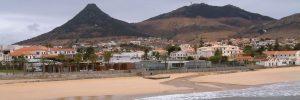
  • Golden Sandy Beaches: Porto Santo is renowned for its stunning golden sandy beaches that stretch along the entire southern coast of the island. The beaches are a paradise for beach lovers, offering ample space for relaxation, sunbathing, and enjoying the clear blue waters of the Atlantic Ocean.
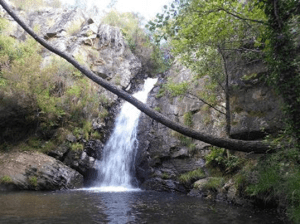
  • Therapeutic Sands: The island’s unique geology is one of its most intriguing features. The beaches of Porto Santo are composed of fine, golden sand that is believed to have therapeutic properties. Visitors are encouraged to walk barefoot on the sands, as it is said to help improve blood circulation and alleviate certain health conditions.
  • Health Tourism: Thanks to the therapeutic properties of its sands, Porto Santo has gained popularity as a health tourism destination. Many visitors come to the island seeking the healing benefits of the sand, making it a haven for wellness and relaxation.
  • Spa and Wellness Resorts: The island boasts several spa and wellness resorts that offer specialised treatments and therapies utilising the therapeutic sands. Visitors can indulge in sand baths, massages, and other wellness experiences that harness the healing properties of the beach.
  • Nature and Hiking Trails: Beyond its sandy shores, Porto Santo offers a variety of nature trails and hiking routes for outdoor enthusiasts. Visitors can explore the island’s diverse landscapes, which include cliffs, dunes, and volcanic formations, providing opportunities for memorable hikes and nature walks.
  • Watersports and Diving: The calm and clear waters surrounding Porto Santo make it an excellent destination for watersports and diving. Snorkelers and divers can explore the underwater world, teeming with marine life, colourful fish, and even the occasional shipwreck.
  • Christopher Columbus Connection: Porto Santo has historical significance due to its association with Christopher Columbus. It is believed that the famous explorer lived on the island for a period and married a local noblewoman before embarking on his voyages.
  • Local Gastronomy: Porto Santo offers a taste of authentic Madeiran cuisine with its seafood delicacies and traditional dishes. Visitors can savour fresh fish, seafood stews, and delectable desserts, making their culinary journey as delightful as their exploration of the island.
  • Golfing Paradise: For golf enthusiasts, Porto Santo features an 18-hole golf course with breathtaking ocean views. With stunning natural scenery all around, playing golf on the island is a unique experience.
  • Tranquil Atmosphere: Unlike its more bustling neighbour, Madeira, Porto Santo exudes a more laid-back and tranquil atmosphere, making it an ideal destination for those seeking a peaceful escape away from the crowds.

In conclusion, Porto Santo is a hidden gem in the Atlantic Ocean, offering visitors the chance to experience the healing properties of its therapeutic sands and enjoy its stunning golden beaches. With a mix of wellness opportunities, outdoor adventures, and historical charm, Porto Santo provides a unique and serene getaway for travellers seeking a different side of the Madeira archipelago.

Praia da Marinha: A Pristine Coastal Paradise in the Algarve

  • Spectacular Limestone Cliffs: Praia da Marinha is famous for its breathtaking limestone cliffs, which form a dramatic backdrop to the beach. These natural formations, shaped by centuries of erosion, create a stunning and picturesque setting for beachgoers.
  • Hidden Caves and Grottoes: The limestone cliffs of Praia da Marinha hide numerous caves and grottoes waiting to be explored. Visitors can embark on boat tours or swim during low tide to discover these hidden treasures, marvelling at the interplay of light and shadow within the caverns.
  • Crystal-Clear Waters: The beach’s crystal-clear waters are renowned for their vibrant shades of blue and green, making it an ideal spot for swimming, snorkelling, and scuba diving. The pristine and transparent waters reveal diverse marine life and underwater rock formations.
  • Golden Sandy Shoreline: Praia da Marinha boasts a picturesque golden sandy shoreline, perfect for beachgoers to relax and soak up the sun. The beach is spacious and never overcrowded, allowing visitors to find their own quiet spot to enjoy the tranquilly.
  • Walking Trails and Scenic Views: The cliffs surrounding Praia da Marinha offer several hiking trails with breathtaking viewpoints overlooking the beach and the Atlantic Ocean. Nature lovers can indulge in leisurely walks along the clifftops, capturing stunning vistas and coastal landscapes.
  • Photography Paradise: For photography enthusiasts, Praia da Marinha is a true paradise. The unique combination of limestone cliffs, hidden caves, crystal-clear waters, and golden sands offers a myriad of opportunities for capturing remarkable shots.
  • Marine Wildlife: The beach and its surrounding waters support a rich diversity of marine life. Snorkelers and scuba divers may encounter colourful fish, octopuses, and even sea turtles, enhancing the experience of this coastal gem.
  • Accessibility and Facilities: Despite its relatively secluded feel, Praia da Marinha is easily accessible by car, with ample parking facilities available. The beach is well maintained and equipped with public restrooms and showers, ensuring visitors’ comfort.
  • Blue Flag Beach: Praia da Marinha holds the prestigious Blue Flag status, an international recognition of its high environmental and water quality standards. The beach’s commitment to sustainable tourism and conservation makes it a responsible destination for travellers.
  • Sunset Delights: Watching the sunset at Praia da Marinha is a magical experience. The golden hues of the setting sun reflecting on the limestone cliffs create a captivating sight, leaving visitors with cherished memories.

In conclusion, Praia da Marinha is a coastal paradise that embodies the beauty of Portugal’s Algarve region. With its striking limestone cliffs, hidden caves, crystal-clear waters, and natural tranquilly, the beach offers an unforgettable escape into nature’s wonderland. Whether exploring the hidden caves, relaxing on the golden sandy shores, or capturing the scenic beauty through a lens, Praia da Marinha is a must-visit destination for travellers seeking to immerse themselves in the splendours of Portugal’s coastline.

Penedo Furado – A Natural Oasis for Swimming and Relaxation

  • Location and Accessibility: Penedo Furado is in the central region of Portugal, near the village of Vila de Rei, in the district of Castelo Branco. The site is easily accessible by car, and a short hike through scenic woodlands leads visitors to this hidden gem.
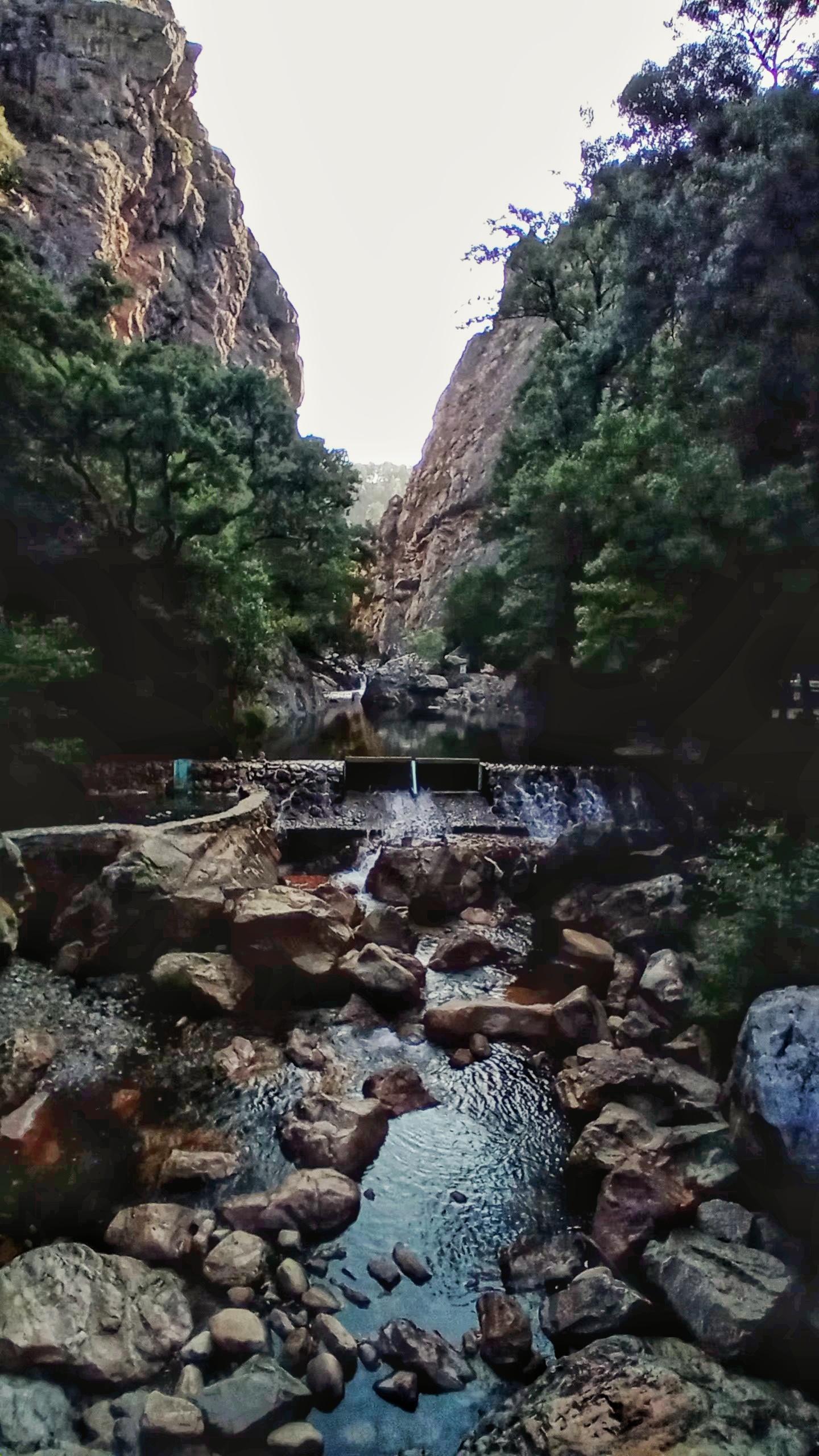
  • Impressive Waterfalls: At Penedo Furado, visitors are treated to the sight of stunning waterfalls cascading down the rocky cliffs. The refreshing sound of rushing water creates a serene and tranquil atmosphere, perfect for unwinding and escaping the hustle and bustle of city life.
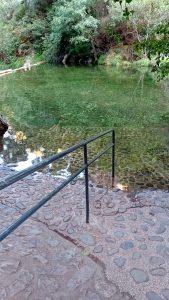
  • Natural Pools: The crystal-clear waters of Penedo Furado form enchanting natural pools, inviting travellers to take a dip and cool off during hot summer days. The pools are surrounded by lush greenery, adding to the site’s natural charm.
  • Family-Friendly Environment: Penedo Furado is an excellent destination for families, as the shallow pools and gentle waterfalls provide a safe and enjoyable environment for children to splash and play. Parents can relax nearby, taking in the picturesque views while keeping an eye on their little ones.
  • Picnic Areas and Facilities: The site offers well-maintained picnic areas with tables and benches, providing a convenient spot for visitors to enjoy a leisurely picnic amidst nature’s beauty. Additionally, there are restroom facilities nearby for visitors’ convenience.
  • Hiking Trails: Apart from the main attraction of the waterfalls and pools, Penedo Furado boasts several hiking trails that allow nature enthusiasts to explore the surrounding area. The trails wind through dense forests, offering glimpses of diverse flora and fauna along the way.
  • Birdwatching Opportunities: Penedo Furado is a haven for birdwatchers, with numerous bird species inhabiting the area. Birdwatching enthusiasts can spot various birds, including kingfishers, swallows, and eagles, adding an exciting dimension to the visit.
  • Photography Paradise: With its awe-inspiring waterfalls, pristine natural pools, and lush green surroundings, Penedo Furado presents photographers with countless opportunities to capture breathtaking shots and create lasting memories.
  • Local Flora and Fauna: The site’s ecosystem supports a diverse range of plant and animal life. Visitors can encounter a variety of native species, from unique wildflowers to small mammals and reptiles.
  • Conservation and Sustainability: Penedo Furado is part of the protected natural areas in Portugal, and efforts are made to preserve its beauty and ecological significance. Responsible tourism and respect for the environment are encouraged to ensure the site remains a pristine destination for future generations to enjoy.

In conclusion, Penedo Furado offers a rejuvenating and unforgettable experience for nature lovers seeking an idyllic spot to swim, relax, and connect with the splendour of Portugal’s natural wonders. Whether enjoying a family outing, embarking on a peaceful hike, or simply basking in the beauty of the waterfalls and pools, Penedo Furado is a true hidden treasure waiting to be discovered.

Before making any vacation plans, please check the constantly changing local limitations and safety rules. It should be noted that not all sites and services are operating as usual, so check their respective websites for the most recent details.


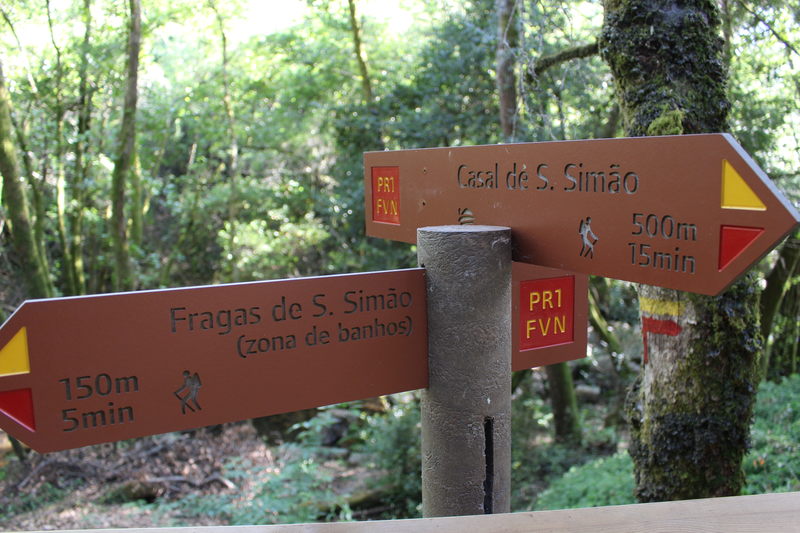
Nestled amidst the pristine landscapes of Portugal, Fraga de São Simão River Beach is an enchanting hidden gem waiting to be discovered. Tucked away in the heart of the central region, this secluded river beach offers an escape from the well-trodden tourist paths, immersing visitors in a world of unspoiled natural beauty and tranquilly.

Unlike the bustling beaches often found along Portugal’s coastline, Fraga de São Simão River Beach remains blissfully off the radar, making it an ideal destination for travellers seeking a more intimate and authentic experience. The untouched allure of this hidden gem lies in its picturesque setting along the tranquil waters of the Zêzere River, adorned with dramatic rock formations and lush forests that create a harmonious blend of serenity and adventure.

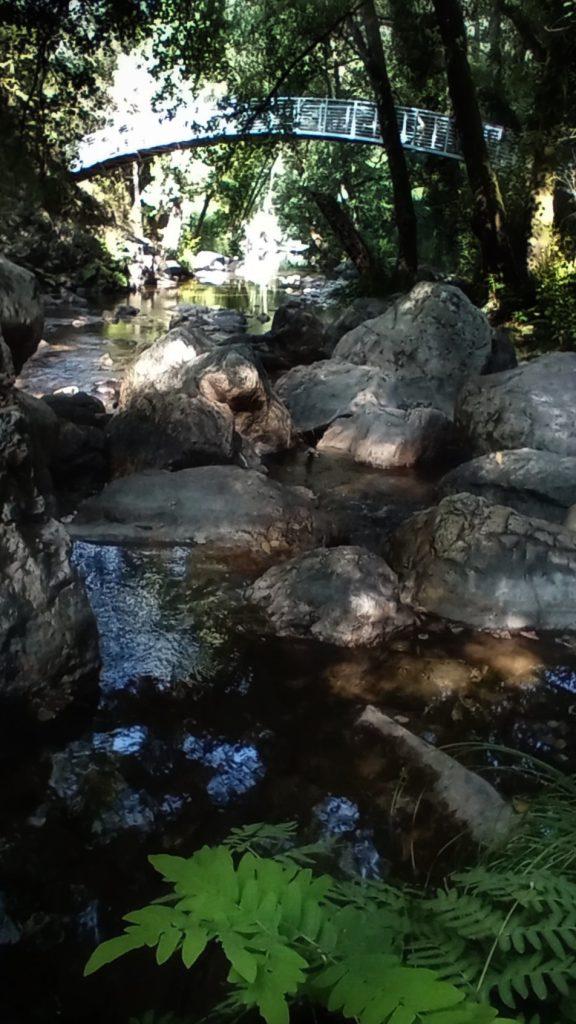
Visitors to Fraga de São Simão River Beach will find themselves captivated by the crystal-clear waters, perfect for swimming and unwinding amidst the sounds of nature. The surrounding cliffs and boulders add a touch of grandeur to the landscape, providing the ideal backdrop for exploration and outdoor activities.
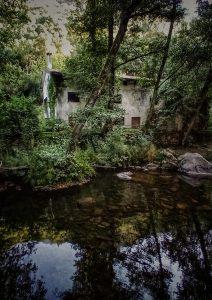
What truly sets Fraga de São Simão apart is its peaceful ambiance, offering a serene escape for those seeking a break from the fast-paced world. Whether you are an avid nature lover, an adventure enthusiast, or simply looking to bask in the calming embrace of the great outdoors, this hidden gem promises an experience like no other.

As you venture off the beaten path to uncover the secrets of Fraga de São Simão River Beach, you’ll be rewarded with a sense of discovery and wonder. Fraga de São Simão River Beach awaits, ready to reveal its enchanting allure to those who seek to embrace its hidden treasures.


Visitors are welcome to lounge on the sandy riverbank, soak up some rays, or have a picnic in the shady places that have been made available. In addition, there are facilities like restrooms, a bar, and a restaurant in the area, which ensure that guests will have a pleasant and comfortable experience while they are there.


Fragas de São Simão | Passadiços e Praia Fluvial - Vens ou Ficas?

Aside from swimming and sunbathing, Fraga de São Simão provides possibilities for outdoor activities. Hiking trails are available in the area, so people can experience the natural beauty and see beautiful views of the river and the valley.

Overall, Fraga de São Simão River Beach is a lovely destination for those seeking a tranquil and natural retreat in Portugal. Whether you want to relax by the water, take a refreshing swim, or go trekking, this river beach provides a great experience for nature enthusiasts.

In addition to the Fraga de São Simão river beach itself, there are several other attractions and activities to enjoy in the surrounding area. Here are some things you can do and see:

  1. Schist Villages: The region where Fraga de São Simão is located is known for its picturesque schist villages. These traditional villages are built using schist stone and offer a glimpse into the local culture and architecture. Some notable schist villages near Fraga de São Simão include Casal de São Simão, Janeiro de Cima, and Aigra Nova. Exploring these villages and admiring their unique charm is a popular activity.
  2. Aldeias do Xisto Network: The Fraga de São Simão river beach is part of the Aldeias do Xisto network, which comprises several schist villages and natural sites in the region. You can visit other villages in the network, such as Cerdeira, Candal, and Talasnal, to discover their traditional crafts, local gastronomy, and enjoy scenic walks in the surrounding nature.
  3. Water Activities: The Zêzere River, where the Fraga de São Simão is located, offers opportunities for various water activities. You can rent kayaks, canoes, or paddleboards to explore the river and its surroundings. Additionally, fishing is a popular activity for those interested in angling.
  4. Hiking and Nature Trails: The region is known for its beautiful natural landscapes, and there are numerous hiking and nature trails in the area. You can embark on scenic walks along the river, through forests, and across the hills, enjoying the serene surroundings and breathtaking views.
  5. Castelo de Penela: Located nearby, the Castelo de Penela is a medieval castle that provides a glimpse into Portugal’s history. You can explore the castle ruins, walk along its walls, and enjoy panoramic views of the surrounding countryside.
  6. Local Gastronomy: Don’t miss the opportunity to taste the local cuisine while visiting the area. Traditional dishes include roasted lamb, chanfana (goat meat stew), and regional sweets like “queijadas” (cheese tarts) and “encharcada” (a sweet dessert made with eggs and sugar syrup).

These are just a few examples of the activities and attractions you can enjoy in the Fraga de São Simão area. Whether you prefer outdoor adventures, cultural experiences, or simply relaxing in nature, there is something for everyone in this beautiful region of Portugal.

Having a beach bar at Fraga de São Simão River Beach provides visitors with convenient options for refreshments and snacks during their visit. The availability of beverages and typical snacks like toasties and burgers is perfect for those looking for a quick bite while enjoying their time at the beach.

It’s also worth mentioning that the picnic area allows visitors to bring their own delicacies and enjoy a meal or snack amidst the beautiful surroundings. This gives you the flexibility to bring your favourite foods or try local specialties while relaxing.


The coordinates  39.914361, -8.319053, can be used to locate the parking area on a map or in a GPS device.

To access the river beach from the parking area, follow these directions:

  1. From the parking area, look for a small path that leads down to the valley. This path should be clearly visible and easily accessible.
  2. Follow the path as it descends towards the valley. Be cautious and watch your step, especially if the terrain is uneven.
  3. After descending, you will come across a bridge. Cross the bridge to continue your journey.
  4. Once you have crossed the bridge, continue walking upstream along the path. Enjoy the natural surroundings as you make your way towards the river.
  5. After a few minutes of walking upstream, you will reach another bridge. Cross this second bridge, and you will arrive directly at the river.

Upon reaching the river, you will be able to enjoy the Fraga de São Simão river beach and its scenic beauty. Remember to follow any safety guidelines or regulations provided in the area to ensure a pleasant and safe experience.

Please note that it’s always a good idea to double-check the directions and consult a map or navigation device to ensure accuracy when using GPS coordinates for navigation.

Figueiró dos Vinhos, a hidden gem in central Portugal, offers breathtaking landscapes, rich history, and vibrant culture. From stunning waterfalls at Fragas de São Simão to José Malhoa’s artistic legacy, charming streets, and local cuisine, this town promises an unforgettable experience for nature lovers, art enthusiasts, and history buffs alike.

Nestled within the picturesque landscapes of northern Portugal lies Guimarães, a captivating city that stands as a resplendent symbol of the country’s rich history and cultural heritage. Its well-preserved medieval architecture and significant role in the formation of Portugal as a nation beckon travelers on an enthralling journey through time. Prepare to wander the enchanting cobblestoned streets, lose yourself in the mesmerizing tales of its past, and immerse yourself in the vibrant atmosphere that permeates this extraordinary destination.
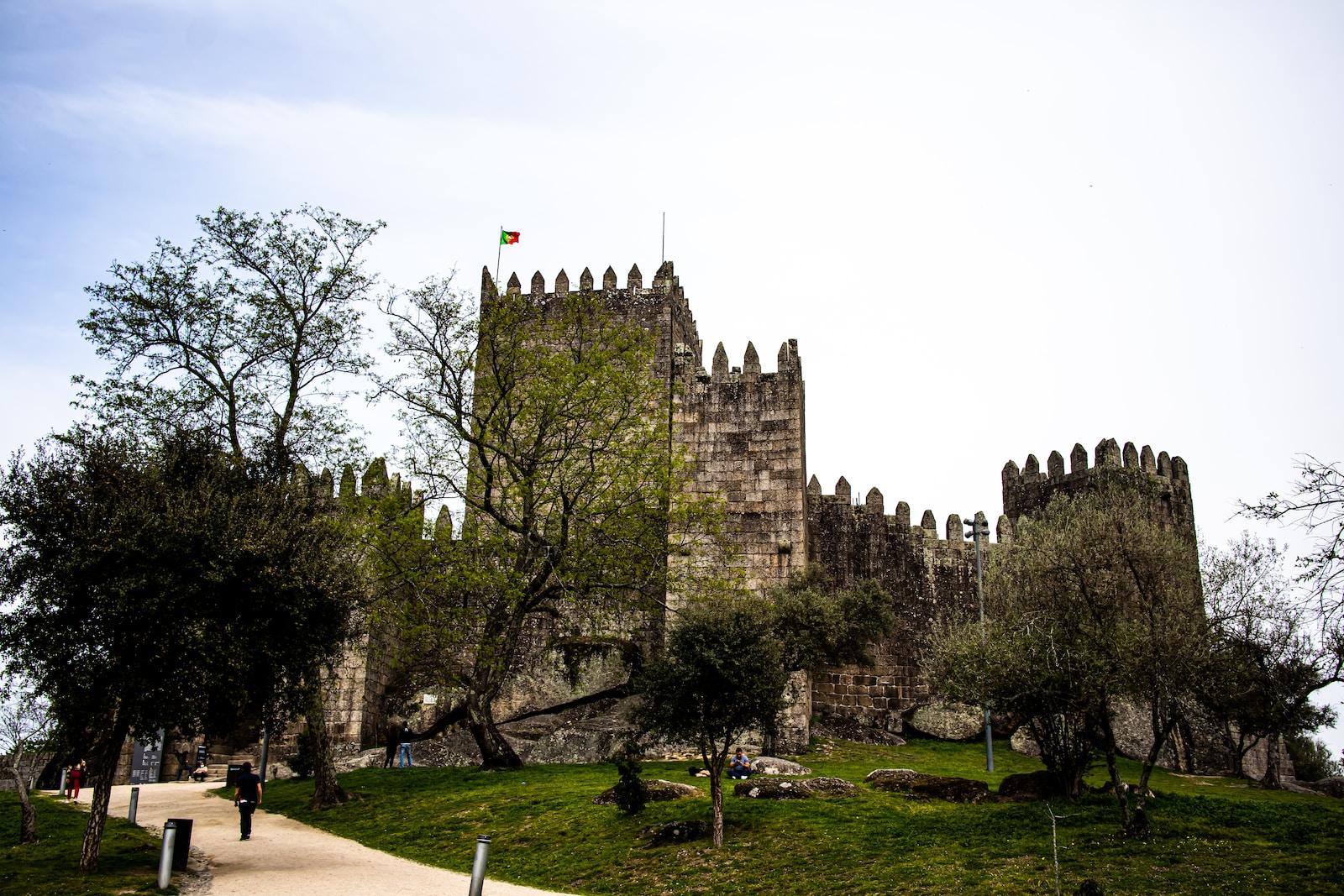
Guimarães proudly wears the title of “Cradle of Portugal,” a well-deserved honor for the birthplace of Afonso Henriques, the first monarch of the Portuguese kingdom, in the 12th century. It was here, in the vicinity of the city, that the symbolic Battle of São Mamede took place—a turning point in Afonso Henriques’ relentless pursuit of independence. Embark on a pilgrimage to Guimarães Castle, a majestic medieval fortress that bore witness to the struggles and triumphs of the Portuguese nation. Within its ancient walls, history comes alive as you delve into the chronicles of a bygone era.

A UNESCO World Heritage Site, the Historic Centre of Guimarães invites you to step back in time and experience the allure of medieval grandeur. This remarkable territory earned its prestigious designation due to its architectural splendor and profound cultural significance. Meander through narrow streets adorned with colorful facades and marvel at the intricate details that grace the buildings. Allow your gaze to linger upon the noble houses and picturesque squares like Largo da Oliveira and Praça de Santiago, where an irresistible ambiance entices you to pause, breathe, and surrender to the tranquility of the past.

No exploration of Guimarães would be complete without a visit to the Palazzo dei Duchi di Braganza, an exquisite palace that is an indispensable highlight of any itinerary. Once the residence of the influential Braganza family in the 15th century, this magnificent structure offers a glimpse into a world of opulence and refinement. Traverse its opulent chambers, adorned with period furnishings and decorative arts, and be transported to a bygone era. With its stunning architecture and lush gardens, the palace becomes a living tapestry, allowing you to envision the lives of the noble elite who once graced its halls.


a castle with trees and grass with Guimarães Castle in the background

Guimarães Castle, perched atop a hill with a commanding view of the city, harbors secrets waiting to be discovered. Embark on a journey through its fortified ramparts, allowing the breathtaking vistas to transport you to another time and place. Explore the towers, dungeons, and imposing keep, each holding fragments of history within their ancient stones. To delve even deeper into the castle’s historical significance, venture into its on-site museum, where a treasure trove of artifacts provides additional insight and reveals the intricate layers of its past.

For art enthusiasts, the Alberto Sampaio Museum is a haven of devotional art and artifacts. Spanning several centuries, its collection of exquisite sculptures, paintings, and precious metalwork showcases the intricacies of Portuguese religious art. Allow yourself to be enamored with craftsmanship and beauty, and develop a deeper respect for the region’s rich cultural and artistic heritage.

The Martins Sarmento Society, dedicated to preserving and exhibiting Guimarães’ local history, opens the doors to a world of archaeological wonders. Embark on their guided tours and explore the society’s museum, home to a remarkable collection of artifacts that span prehistoric remains, Roman ruins, and medieval objects. Through this immersive experience, you will gain a profound understanding of the city’s early settlements and trace its evolution through the annals of time.

File:Igreja de Nossa Senhora da Oliveira (Samora Correia) 4.jpg - Wikimedia Commons


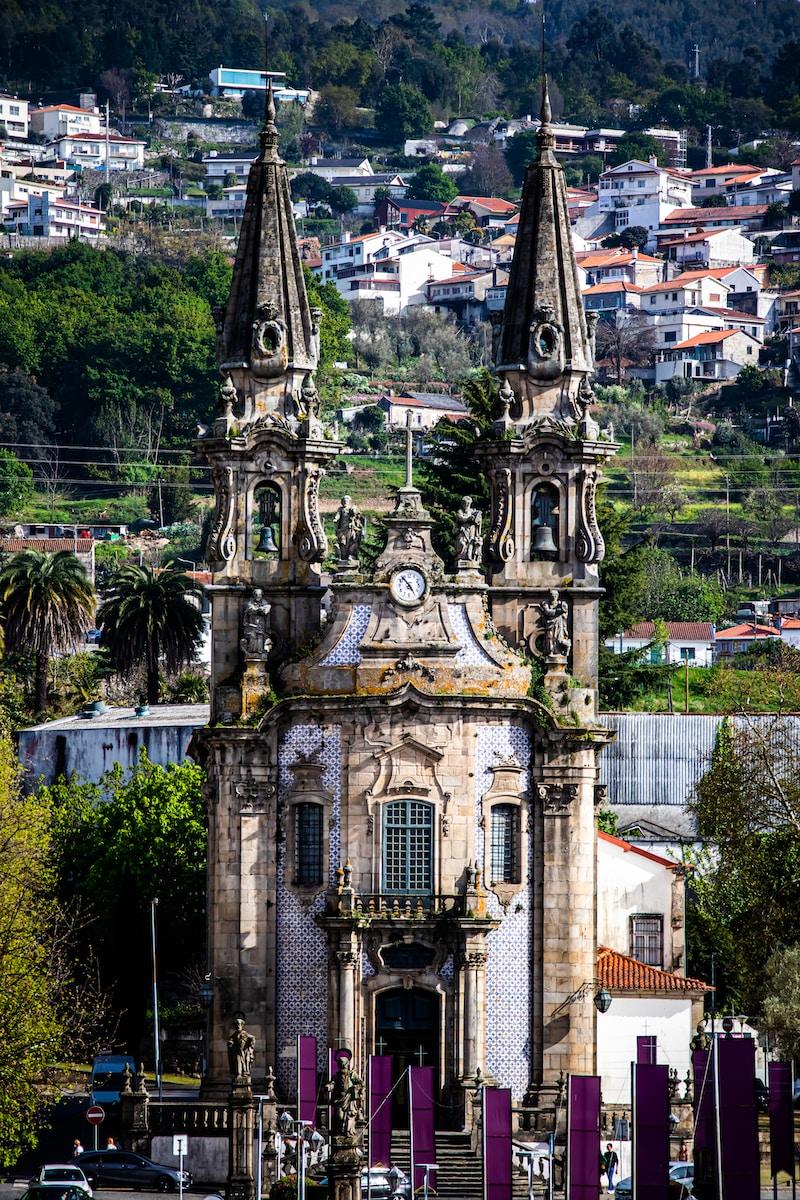
A visit to Guimarães would not be complete without paying homage to the Nossa Senhora da Oliveira Church, an architectural masterpiece of great significance. Admire the intricate stone carvings that adorn its exterior, testaments to the artistry and craftsmanship of the past. Step inside and be captivated by the exquisite interior, where the statue of the Virgin Mary on the main altar holds a position of reverence. According to legend, this statue possesses miraculous powers, drawing both residents and visitors to seek solace and inspiration within its sacred walls.

Throughout the year, Guimarães plays host to vibrant festivals and occasions that further showcase its vivacious character. During the Festas Gualterianas, a traditional celebration honoring Saint Gualterius, the city bursts to life with vibrant processions, enchanting music, and mesmerizing pyrotechnic displays. The White Night Festival transforms Guimarães into a magical sanctuary, with artistic installations, captivating performances, and thought-provoking exhibitions turning the city into an open-air gallery of wonder.

Gastronomy holds a prominent place in the heart of Guimarães, where traditional Portuguese cuisine thrives. Indulge in regional delicacies such as Bacalhau à Gomes de Sá (a codfish dish), Caldo Verde (kale soup), and Pão-de-ló (a sponge pastry). Explore local markets, including the Mercado Municipal, where you can savor the finest products and traditional goods, tantalizing your taste buds with flavors that have delighted generations.

Guimarães, with its captivating history, architectural splendor, and thriving cultural scene, offers a truly immersive experience for travelers seeking to delve into Portugal’s storied past. From the origins of a nation to its designation as a UNESCO World Heritage Site, every corner of this enchanting city has a tale to tell. Whether wandering through the historic center, exploring ancient castles, or savoring the local cuisine, Guimarães leaves an indelible mark on all who venture within its embrace. Embark on a journey of a lifetime to Guimarães and unlock the treasures of Portugal’s extraordinary heritage.

Before making any vacation plans, please check the constantly changing local limitations and safety rules. It should be noted that not all sites and services are operating as usual, so check their respective websites for the most recent details.

If you’re seeking a breathtaking adventure along the rugged coastlines of Southwest Portugal, look no further than the Vincentian Route. This scenic trail system offers an unforgettable journey through some of the country’s most picturesque landscapes, combining stunning ocean views with charming coastal villages. In this article, we will delve into the wonders of the Vincentian Route, highlighting its unique features, must-see attractions, and practical tips for an incredible hiking experience.

The Vincentian Route, or Rota Vicentina as it is locally called, meanders gracefully along the picturesque southwestern coastline of Portugal, encompassing an impressive span of approximately 450 kilometers. This expansive labyrinth of interconnected pathways comprises two primary divisions: the illustrious Historical Way and the enchanting Fishermen’s Trail. With their unique characteristics and allure, each of these captivating routes ensures an unforgettable adventure, accommodating the diverse desires and capabilities of avid trekkers.

File:E9 hiking route starting point at Cape St Vincent.jpg - Wikimedia Commons

The Historical Way

The Historical Way of the Vincentian Route is a remarkable trail that takes hikers on a journey through the captivating inland landscapes of Southwest Portugal. This section of the route provides a deeper insight into the region’s rich history, cultural heritage, and traditional way of life. Let’s explore the Historical Way in more detail: Pastoral Landscapes and Cork Oak Forests

As you embark on the Historical Way, you’ll find yourself immersed in serene pastoral landscapes adorned with rolling hills, meandering rivers, and lush green fields. The trail winds its way through picturesque countryside, offering a peaceful and scenic escape from the bustling coastal areas.

One of the unique features of the Historical Way is the presence of vast cork oak forests. These ancient forests provide a habitat for diverse flora and fauna, including the famous cork oak trees that are harvested for their valuable bark. Walking through these forests, you’ll witness the fascinating process of cork extraction, an age-old tradition that has sustained local communities for generations.

Quaint Rural Communities

As you continue along the Historical Way, you’ll encounter charming rural communities that have preserved their traditions and way of life. These villages offer a glimpse into the authentic culture of Southwest Portugal. The locals are known for their warm hospitality, and you’ll have the opportunity to engage with them, learn about their customs, and perhaps even taste traditional regional delicacies.

Ancient Stone Walls and Historic Chapels

Throughout the Historical Way, you’ll come across remnants of the region’s rich history. Ancient stone walls, some dating back centuries, crisscross the landscape, providing a testament to the enduring legacy of human settlement in this area. These stone walls not only add a sense of enchantment to the trail but also serve as markers, guiding hikers along the path.

In addition to the stone walls, historic chapels and churches dot the countryside, offering a glimpse into the religious traditions and architectural heritage of the region. These sacred sites provide moments of reflection and tranquility amidst the natural beauty of the trail.

Timeless Agricultural Practises

One of the remarkable aspects of the Historical Way is the opportunity to observe timeless agricultural practices that have shaped the landscape over the years. You’ll witness farmers tending to their fields, cultivating crops, and caring for livestock using traditional methods passed down through generations.

These agricultural practices, deeply rooted in the region’s history, provide a connection to the land and a glimpse into the sustainable ways in which communities have thrived in harmony with nature. The sight of farmers working the fields and the aroma of the fertile earth will transport you to a bygone era.

In Conclusion

The Historical Way of the Vincentian Route offers a captivating journey through the pastoral landscapes, cork oak forests, and quaint rural communities of Southwest Portugal. With its ancient stone walls, historic chapels, and timeless agricultural practices, this section of the route immerses hikers in the region’s rich history and cultural heritage. So, lace up your hiking boots, embrace the tranquility of the countryside, and embark on an unforgettable adventure along the Historical Way of the Vincentian Route.

Hiking the Rota Vicentina - Beautiful Odeceixe - Beyond View

The Fishermen’s Trail

The Fishermen’s Trail, a captivating section of the Vincentian Route, offers hikers a remarkable coastal experience along the rugged shores of Southwest Portugal. This trail unveils a world of awe-inspiring cliffs, hidden coves, pristine sandy beaches, and breathtaking views of the Atlantic Ocean. Let’s delve into the unique features of the Fishermen’s Trail in more detail:

Dramatic Cliffs and Coastal Scenery

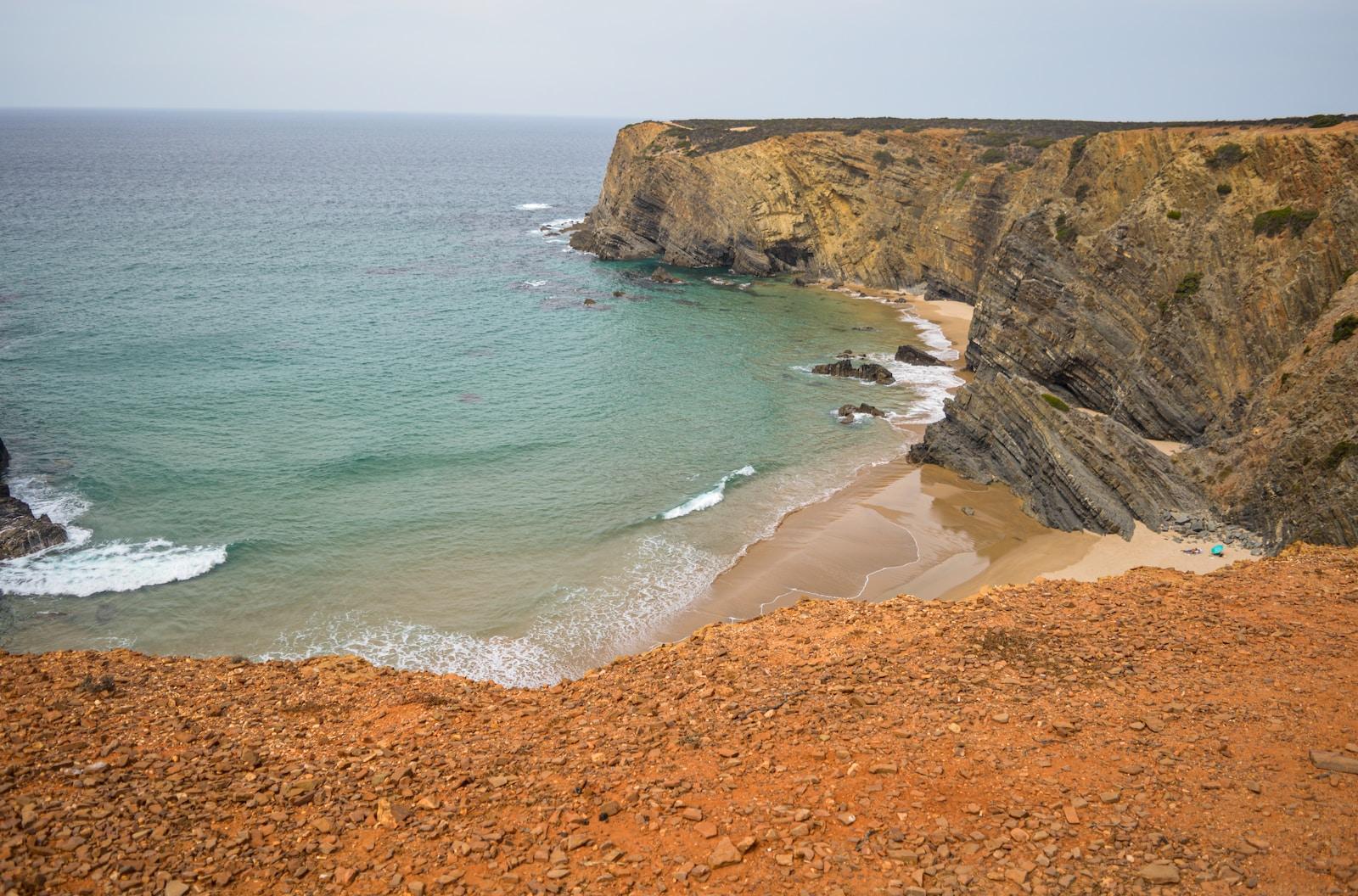
A mesmerizing coastline with soaring cliffs that plunge into the azure waters of the Atlantic will greet you as you start the Fishermen’s Trail. These dramatic cliffs create a stunning backdrop and provide breathtaking panoramic vistas at every turn.

The trail winds along the edge of these cliffs, offering hikers exhilarating views of the expansive ocean and the rugged coastal landscape. Be prepared to witness the raw power of the waves crashing against the rocks and experience the invigorating sea breeze on your face.

Hidden Coves and Secluded Beaches

The Fishermen’s Trail leads you to hidden coves and secluded beaches that are tucked away along the coastline. These hidden gems offer a peaceful escape from the crowds, allowing you to immerse yourself in nature’s serenity.

Imagine yourself exploring pristine sandy beaches where the turquoise waters gently lap the shore. Take a refreshing dip in the crystal-clear waters or simply relax on the beach, basking in the warmth of the sun. These tranquil spots provide an ideal opportunity for reflection and rejuvenation.

Diverse Marine Wildlife

The waters along the Fishermen’s Trail are teeming with diverse marine wildlife, adding a touch of enchantment to your hiking experience. Keep an eye out for dolphins playing in the waves or soaring seabirds gracefully gliding above the sea.

During certain times of the year, you may even be fortunate enough to witness the migratory patterns of whales as they make their way through the Atlantic. The abundance of marine life along the trail is a testament to the pristine nature of the coastal ecosystem.

Magnificent Sunsets

One of the highlights of hiking the Fishermen’s Trail is the opportunity to witness magnificent sunsets over the Atlantic Ocean.

The golden hues painting the sky, the reflection of the sun on the water, and the silhouettes of the cliffs create a magical ambiance. This serene moment is the perfect time to reflect on your journey, appreciate the beauty surrounding you, and capture unforgettable memories.

In Conclusion

The Fishermen’s Trail of the Vincentian Route is a trail that takes hikers on a coastal adventure, showcasing the breathtaking beauty of Southwest Portugal’s cliffs, hidden coves, secluded beaches, and stunning ocean views. With its dramatic scenery, diverse marine wildlife, and captivating sunsets, this section of the route offers an extraordinary experience that will leave you in awe of nature’s wonders. So, lace up your hiking boots, embrace the coastal breeze, and embark on an unforgettable exploration of the Fishermen’s Trail.

Must-See Attractions

As you explore the Vincentian Route, several noteworthy attractions deserve special mention:

Cape St. Vincent

Cape St. Vincent, located at the southwesternmost point of Europe, is a captivating landmark along the Vincentian Route. This dramatic cliff formation offers panoramic vistas of the Atlantic Ocean, where the crashing waves meet the endless horizon. The cape holds historical significance and is home to a lighthouse that has guided sailors for centuries.

 Odeceixe

Nestled at the mouth of the Seixe River, the village of Odeceixe is a charming stopover along the route. With its whitewashed houses, cobblestone streets, and idyllic beach, Odeceixe exudes a tranquil atmosphere. Take a moment to relax, enjoy fresh seafood, and immerse yourself in the laid-back coastal lifestyle.

Porto Covo

Porto Covo is a picturesque fishing village known for its pristine beaches and vibrant culture. Stroll along its charming streets, adorned with colorful houses and local handicraft shops. Indulge in the delectable seafood cuisine and witness the enchanting fusion of traditional Portuguese life and coastal beauty.


Practical Tips for Hiking the Vincentian Route

To make the most of your adventure along the Vincentian Route, keep these practical tips in mind:

Plan Your itinerary.

Before embarking on your journey, plan your itinerary carefully. Consider the distances between each stop and ensure you have ample time to explore and appreciate the surroundings. Research accommodations and book in advance, especially during peak seasons.

Pack Essentials

Pack lightweight and breathable clothing suitable for hiking in different weather conditions. Don’t forget essentials such as sturdy hiking shoes, a hat, sunscreen, a reusable water bottle, and a small first-aid kit. Prepare snacks and carry a map or a guidebook to navigate the trails.

Respect Nature and Local communities.

The Vincentian Route passes through protected natural areas and rural communities. Show respect for the environment by following designated trails, disposing of waste properly, and avoiding any disturbance to wildlife. Respect the local communities by adhering to their customs and traditions.

In Conclusion

Embarking on a journey along the Vincentian Route is an opportunity to immerse yourself in the natural beauty and cultural heritage of Southwest Portugal. Whether you choose the Historical Way or the Fishermen’s Trail, you’ll be rewarded with breathtaking landscapes, charming villages, and a profound sense of connection to the land and sea. So, lace up your hiking boots, embrace the spirit of adventure, and set off on an unforgettable adventure.

Before making any vacation plans, please check the constantly changing local limitations and safety rules. It should be noted that not all sites and services are operating as usual, so check their respective websites for the most recent details.