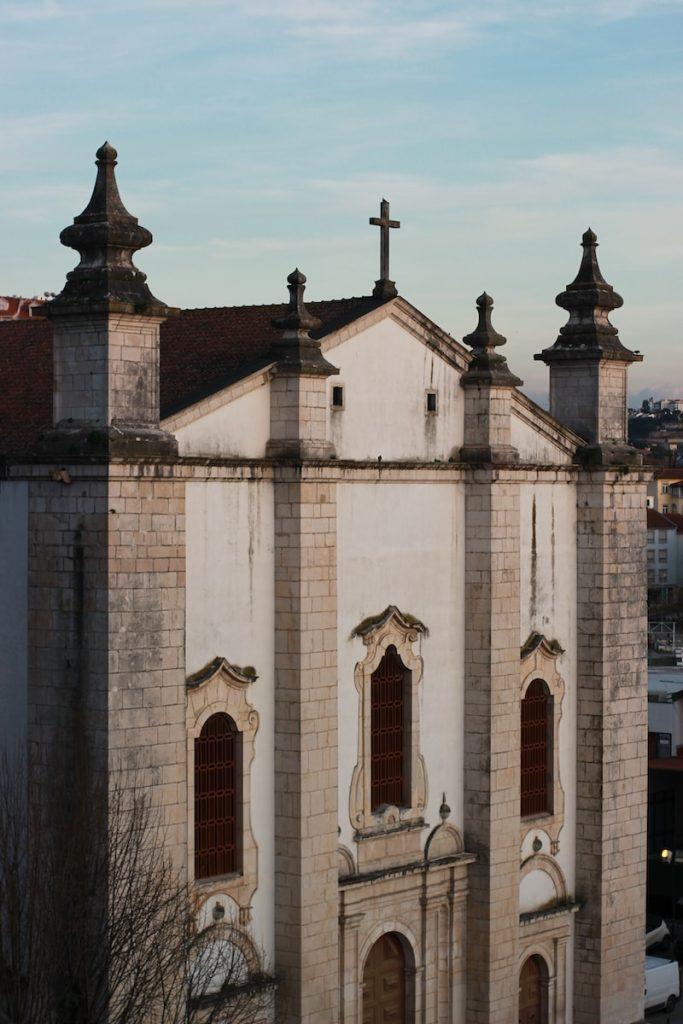
Convento de Santa Maria de Aguiar – Wikipédia, a enciclopédia livre


Nestled in the tranquil embrace of a picturesque valley, just 3 kilometres away from the charming town of Figueira de Castelo Rodrigo, the Convent of Santa Maria de Aguiar stands as a magnificent testament to the grandeur of simplicity. With its awe-inspiring architecture, serene surroundings, and profound historical significance, this hidden gem of Portugal beckons visitors to immerse themselves in a journey through time. Join me as we explore the captivating beauty and rich heritage of this remarkable place.
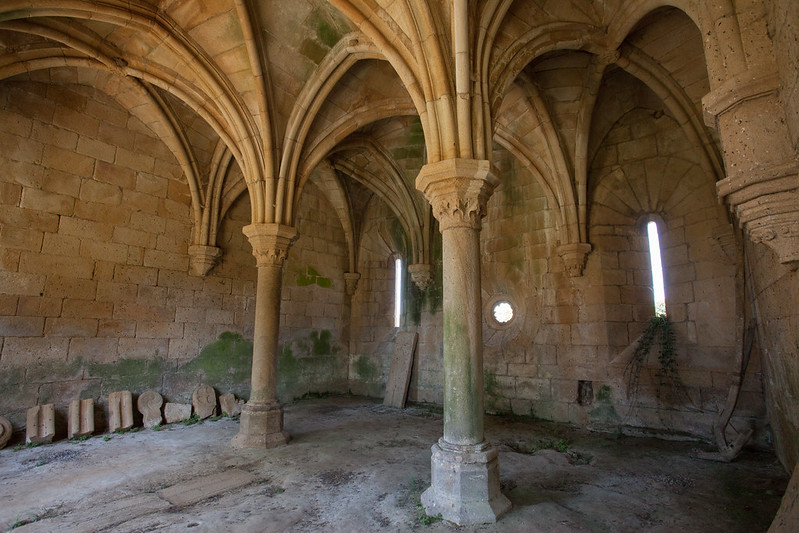
Monastery of Santa Maria de Aguiar - Aldeias Históricas de PortugalA Glimpse into History: Stepping foot inside the Convent of Santa Maria de Aguiar is like embarking on a voyage to the past. Founded in the 12th century, this monastic complex carries a legacy that spans centuries. Originally established as a Cistercian monastery, the convent has witnessed numerous transformations, surviving wars, conflicts, and the ravages of time. As you wander through its hallowed halls, the whispers of history echo in every corner, immersing you in a profound sense of reverence.

Architectural Marvel: The grandiosity of the Convent of Santa Maria de Aguiar lies in its unassuming simplicity. Its architectural style, a blend of Romanesque and Gothic influences, is a testament to the craftsmanship of the mediaeval era. The elegant rose window, towering bell tower, and intricately carved doorways transport visitors to a bygone era of spiritual devotion and architectural mastery. The harmonious fusion of solid stone walls and delicate details creates an enchanting visual spectacle that leaves an indelible impression.

Tranquil Surroundings: One of the most captivating aspects of the Convent of Santa Maria de Aguiar is its idyllic location. Situated in the heart of a verdant valley, the convent is enveloped by breathtaking natural beauty. The peaceful ambience, undisturbed by the chaos of modern life, offers a serene respite for contemplation and introspection. As you gaze upon the rolling hills and lush landscapes, a sense of tranquilly washes over you, transporting you to a realm of serenity and inner peace.
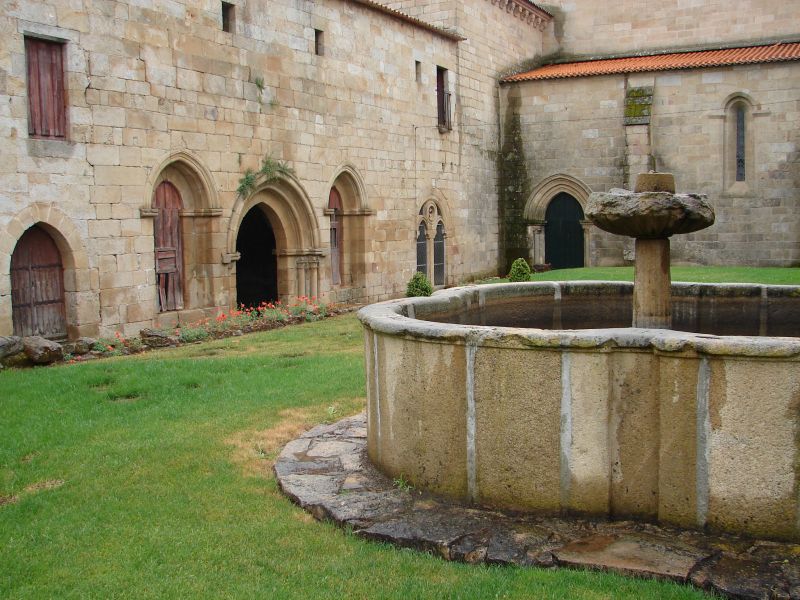
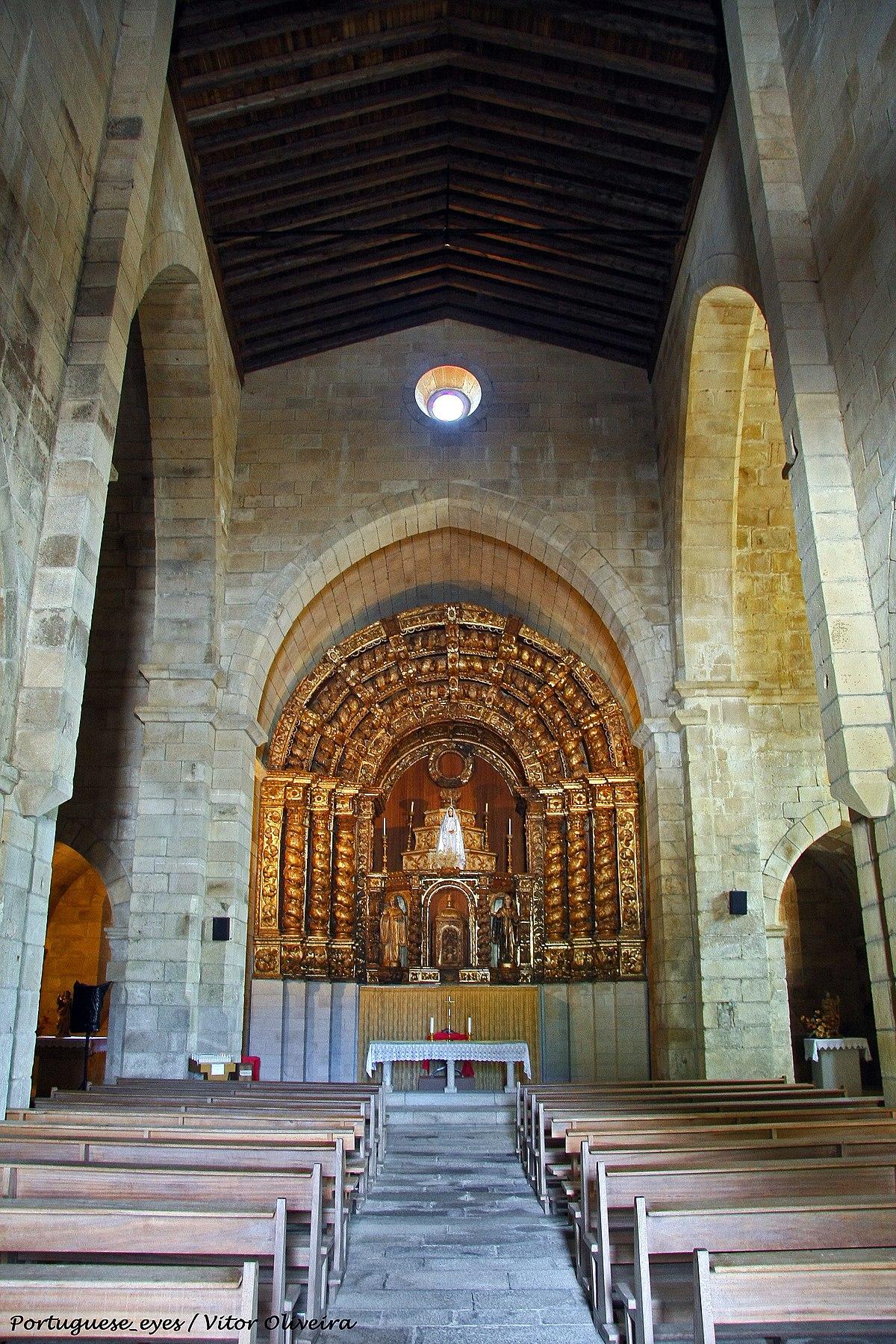
Convento e Igreja de Santa Maria de Aguiar de Riba-CôaSpiritual Legacy: Throughout its storied past, the Convent of Santa Maria de Aguiar has served as a spiritual sanctuary for those seeking solace and enlightenment. While its monastic life ceased in the 19th century, the remnants of the convent’s religious heritage can still be felt within its sacred walls. The convent’s chapel, adorned with exquisite religious art and adorned altars, invites visitors to reflect upon the spiritual significance of this hallowed place.

A Gateway to Exploration: Beyond its intrinsic beauty, the Convent of Santa Maria de Aguiar serves as a gateway to further exploration. The convent’s strategic location allows visitors to venture into the captivating region of Figueira de Castelo Rodrigo. From exploring the mediaeval streets and historic landmarks of the town to indulging in the region’s delectable cuisine and wines, there is much to discover in this enchanting corner of Portugal.

The Convent of Santa Maria de Aguiar stands as a testament to the enduring power of simplicity and spirituality. Its timeless beauty, harmonious architecture, and serene surroundings offer an opportunity for introspection and appreciation of the past. Allow the rich history that is unfolding within its walls and the serenity that permeates its surroundings to enthral you as you visit this remarkable place. The Convent of Santa Maria de Aguiar is a genuine hidden gem that is just waiting for someone to find it and treasure it.
Before making any vacation plans, please check the constantly changing local limitations and safety rules. It should be noted that not all sites and services are operating as usual, so check their respective websites for the most recent details.

Before making any vacation plans, please check the constantly changing local limitations and safety rules. It should be noted that not all sites and services are operating as usual, so check their respective websites for the most recent details.

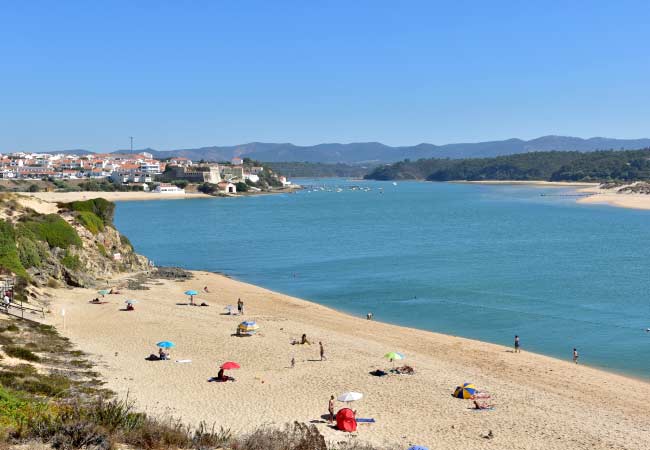
a sandy beach next to a cliff with a body of water
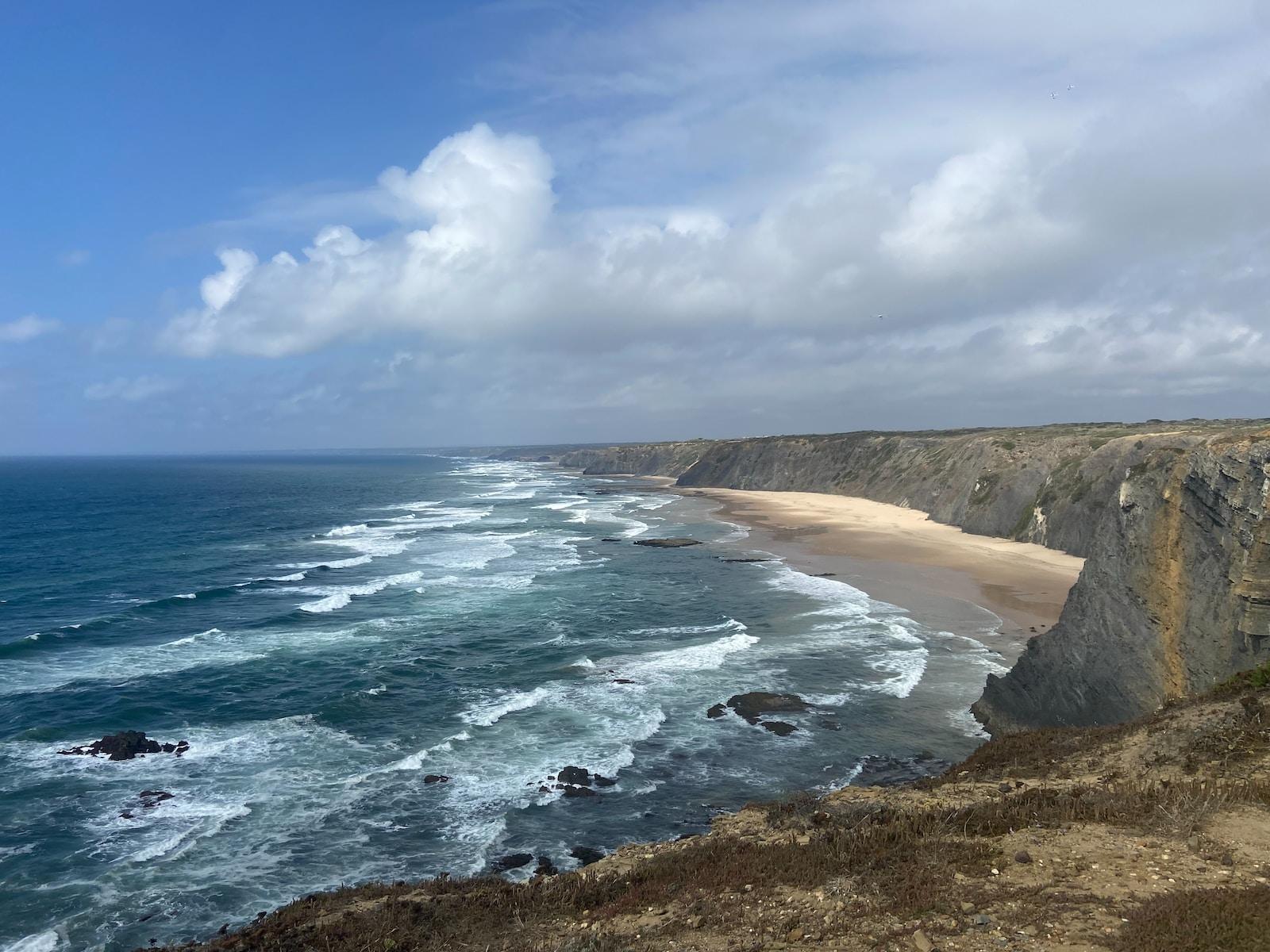
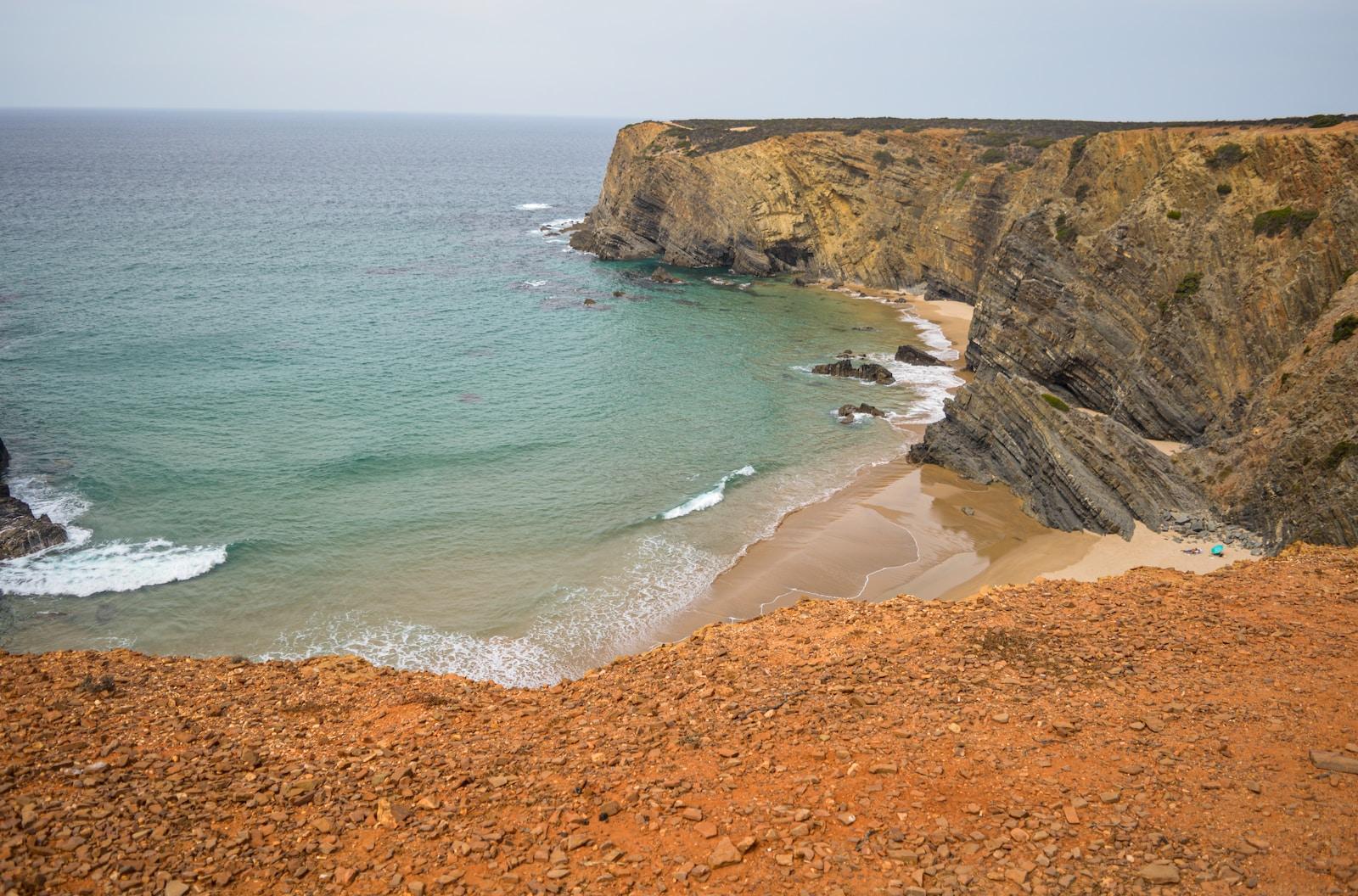
Welcome to the wild and rugged coast of Portugal’s Costa Vicentina! Nestled on the southwestern edge of the country, this hidden gem offers a truly untamed and breathtakingly beautiful experience for nature lovers and adventure seekers alike. In this article, we will take you on a journey through the untamed landscapes, pristine beaches, charming villages, and vibrant wildlife of Portugal’s Wild West.

Exploring the Costa Vicentina Natural Park

A protected region with more than 100 kilometers of breathtaking coastline is known as the Costa Vicentina Natural Park. The various ecosystems in this unspoiled area, which include craggy cliffs, enormous sand dunes, and lush woods, provide shelter for wildlife. Hikers will be in awe of the plethora of routes that run through this unspoiled wilderness, providing panoramic vistas and opportunities to see rare plants and animals.

Beautiful beaches and a surfing haven

Some of the most stunning and undeveloped beaches in Europe may be found on the Costa Vicentina. From quiet coves to long stretches of golden sand, each beach has its own special charm. The strong Atlantic waves that create ideal surfing conditions draw surfers from all over the world to this area. Whether you are a seasoned surfer or a novice seeking to capture your first wave, the Costa Vicentina will provide you with an unforgettable experience.

Enchanting villages and cultural traditions

You will come across quaint fishing villages and picture-perfect towns that appear to have stood the test of time as you travel the Costa Vicentina. Aljezur, Odeceixe, and Zambujeira do Mar are just a few locations where you can see how the Portuguese still live traditionally. Get lost in the little alleyways, visit local markets, and eat excellent fresh seafood in quaint restaurants. Don’t forget to immerse yourself in the local culture by attending traditional festivals and activities that commemorate the region’s rich legacy.

Wildlife and environmental protection

Wildlife lovers might find shelter at Costa Vicentina. Numerous unusual species, such as nesting storks, elusive otters, and uncommon orchids, may be found in the area. The variety of species, including the prospect of seeing majestic eagles and vibrant migrating birds, will please birdwatchers. These sensitive habitats and the people inside them are safeguarded for future generations because of the region’s dedication to environmental protection.

Adventures and outdoor activities

The Costa Vicentina provides a variety of outdoor pursuits for adventurers. You may embark on an adventurous kayaking excursion along the rough coastline, explore hidden sea caves, or go on a jeep safari to uncover the region’s hidden gems. Take a boat cruise to see dolphins playing in the Atlantic if you’d like a more laid-back experience, or indulge in fishing in peace.

Conclusion

All travelers who go into its untamed landscapes fall in love with Costa Vicentina. From the raw splendor of its natural beauties to the warmth of its friendly communities, this region delivers a genuinely exceptional and unforgettable experience. Whether you seek adventure, tranquility, or a deeper connection with nature, Portugal’s Wild West is waiting to be discovered.

Nestled in the heart of Portugal, the Alentejo region attracts visitors with its picturesque landscapes, tranquil countryside, and genuine rustic character. This hidden jewel provides a unique combination of natural beauty, cultural legacy, and a slower pace of life, from rolling plains to medieval settlements. Join us on an unforgettable adventure through the Alentejo area, where we will unearth its riches and enjoy the spirit of Portugal’s rural appeal.

The country of Portugal is abundant in history, culture, and natural splendor. The Alentejo region, located in the south-central portion of the nation, is one of the country’s hidden treasures. This region is well-known for its undulating hills, olive plantations, and vineyards, as well as its rustic appeal. Alentejo is a must-visit destination for anyone seeking a genuine Portuguese experience.


a building with columns and a fence


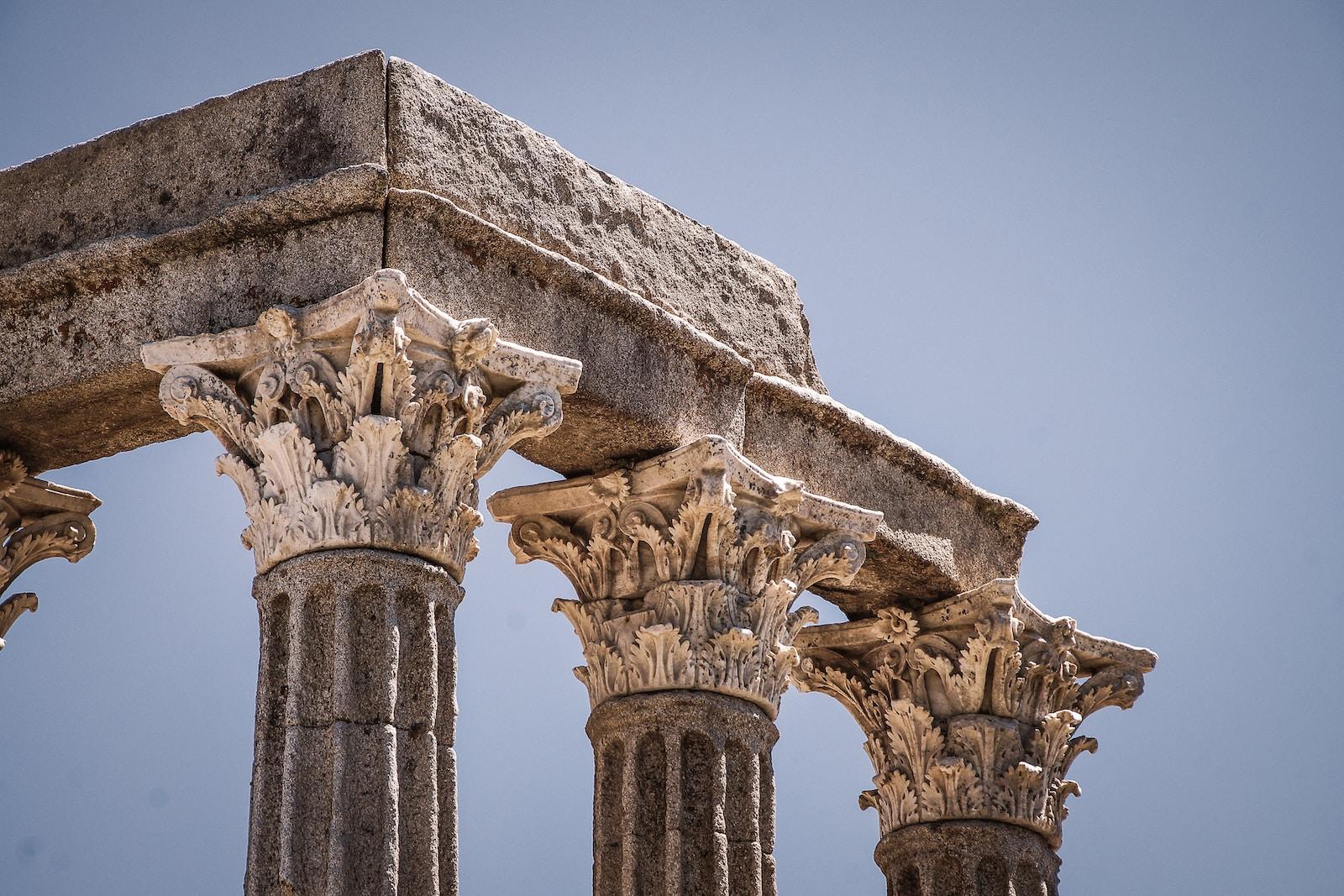
The Alentejo region contains a number of attractive cities and villages that merit exploration. Évora, a UNESCO World Heritage Site, is a popular visit in the region. This historic city is renowned for its Roman antiquities, medieval architecture, and stunning cathedrals. The Évora Cathedral, one of the city’s most recognisable monuments, provides breathtaking vistas of the surrounding landscape.

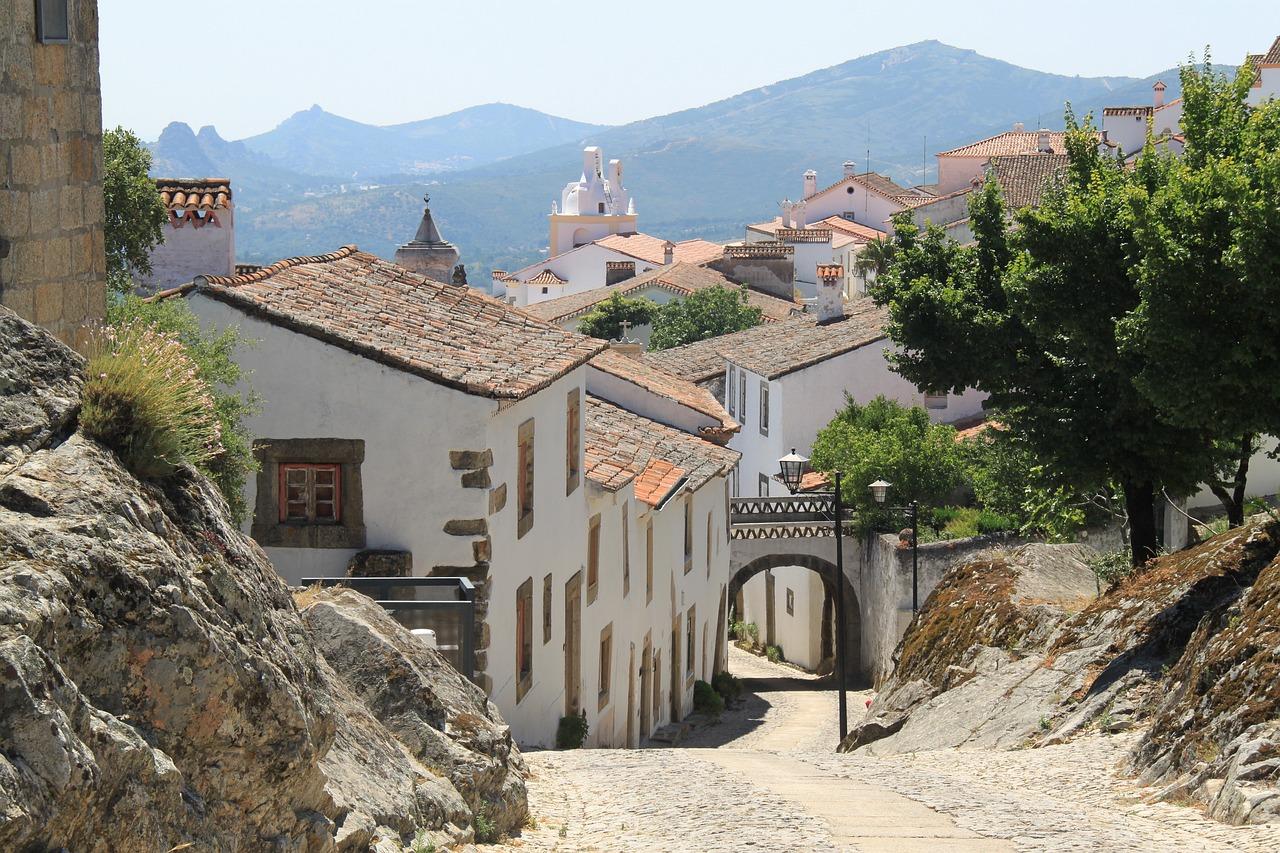
Monsaraz, in the Alentejo area, is another great tourist destination. This village on a hilltop is famous for its whitewashed homes, limited alleyways, and breathtaking views of Alqueva Lake. The village also features a 14th-century fortification that is accessible to the public.

If you want a sample of Alentejo’s culinary landscape, you should visit one of the region’s numerous wineries. The Alentejo region is renowned for its exceptional wines, particularly its reds. Numerous wineries provide excursions and sampling where you can learn about the winemaking process and sample some of the region’s finest wines.

Alentejo is also renowned for its straightforward, high-quality cuisine. One of the region’s best-known dishes is acorda, a bread-based broth typically served with seafood. Migas, a dish made with bread crumbs and garlic, and cozido, a substantial stew made with meat and vegetables, are also popular.

In addition to its cuisine and historic cities, the Alentejo region is home to a number of natural marvels. The Serra de So Mamede Natural Park is situated in the northeastern portion of the region and provides breathtaking views of the surrounding landscape. There are several hiking trails in the park where you can investigate the local flora and fauna.

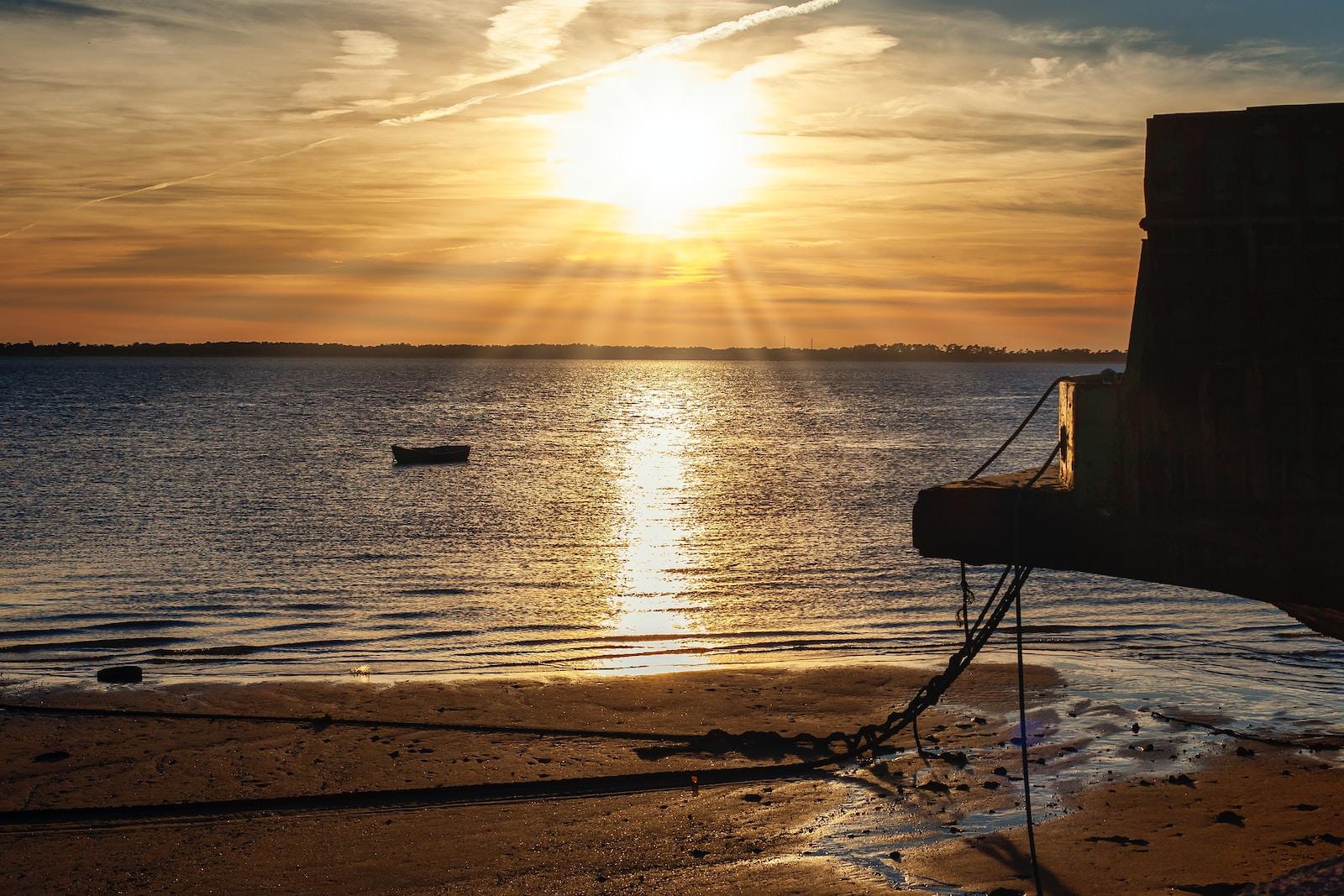
boats on sea during daytime


Another natural beauty in the Alentejo region is the Rota Vicentina, a network of hiking paths that spans Portugal’s southern coast. This region is renowned for its rocky cliffs, sandy beaches, and pure waters. It is an ideal location for hiking, birdwatching, and beach relaxation.

Join us on a remarkable journey through the Alentejo region as we unravel its treasures and embrace the essence of Portugal’s rustic allure.

  1. The Enchanting Plains of Alentejo: Embark on an adventure across the vast plains of Alentejo, where golden fields stretch as far as the eye can see. Witness the enchanting beauty of cork oak forests, vineyards, and olive groves that dot the landscape. Immerse yourself in the tranquility of this untouched region, where time seems to stand still.
  2. Historic Gems: Évora and Monsaraz: Discover the rich history of Alentejo by exploring its historic towns. Wander through the cobbled streets of Évora, a UNESCO World Heritage Site, and admire its impressive Roman Temple and Gothic cathedral. Step back in time as you visit the medieval village of Monsaraz, perched on a hilltop overlooking the serene Alqueva Lake and offering breathtaking panoramic views.
  3. Unspoiled Coastal Beauty: Escape to the unspoiled beauty of Costa Vicentina, where rugged cliffs meet the Atlantic Ocean. Explore secluded beaches, hidden coves, and dramatic rock formations. Immerse yourself in the raw power of nature as you hike along the famous Fisherman’s Trail, breathing in the salty sea air and witnessing awe-inspiring sunsets.
  4. Flavors of Alentejo: Indulge your taste buds in the rich and hearty flavors of Alentejo’s cuisine. Sample traditional dishes such as migas, açorda, and gaspacho, made with locally sourced ingredients. Savour the region’s renowned wines, including the robust reds and refreshing whites that complement the culinary delights.
  5. Authentic Experiences: Immerse yourself in the authentic rural life of Alentejo by staying at a charming countryside estate or a traditional farmhouse. Engage in hands-on experiences such as olive oil production, bread baking, or horseback riding through the rolling hills. Discover the region’s traditional crafts, such as pottery, tapestry weaving, and cork craftsmanship, as you meet local artisans.

In general, a voyage through the Alentejo region is unforgettable. Whether you’re interested in history, culture, gastronomy, or the environment, this area offers something for you. So why not plan your next vacation to Portugal and explore the pastoral allure of the Alentejo region?

Before making any vacation plans, please check the constantly changing local limitations and safety rules. It should be noted that not all sites and services are operating as usual, so check their respective websites for the most recent details.

a view of a body of water from a stone wallSetubal is a charming coastal city located just south of Lisbon, Portugal. It offers plenty to do, from exploring its historic city center to experiencing the beautiful beaches and natural landscapes. In this article, we will highlight the five best things to do in Setubal. Whether you are a nature lover, a foodie, or a beachgoer, Setubal has something for everyone. So if you are planning a trip to Portugal, make sure to add Setubal to your itinerary.
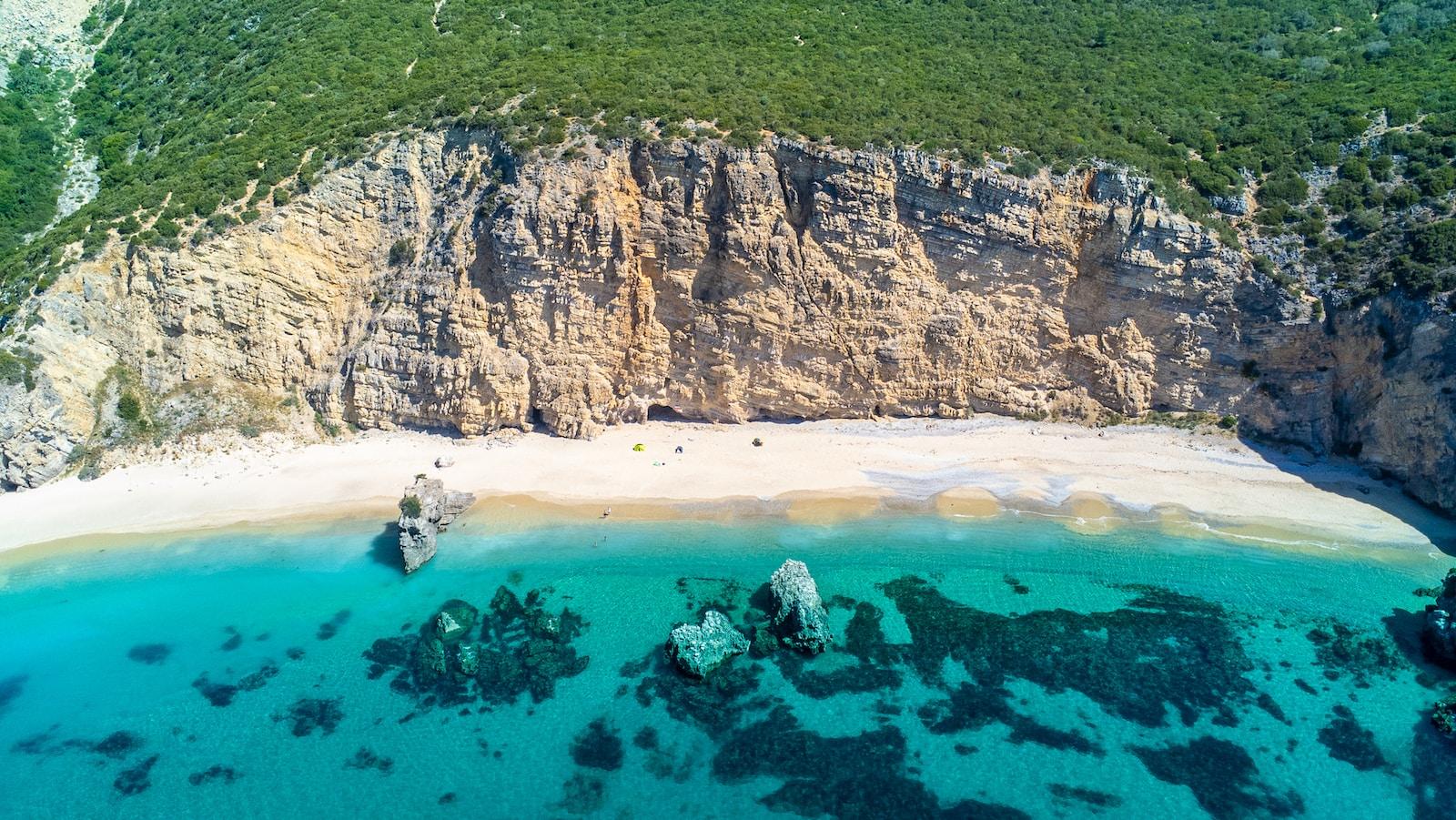
 

Setubal is a charming coastal city in Portugal that offers a variety of activities for tourists to enjoy. Whether you are interested in exploring nature, discovering history, or indulging in delicious food and wine, Setubal has something for everyone. Here are the top five things to do in Setubal:

a rocky cliff with a body of water below

1. Visit the Arrabida Natural Park

Arrabida Natural Park is a breathtaking nature reserve that is situated just outside of Setubal. Here are some of the things you can do at the park:

Discovering the park

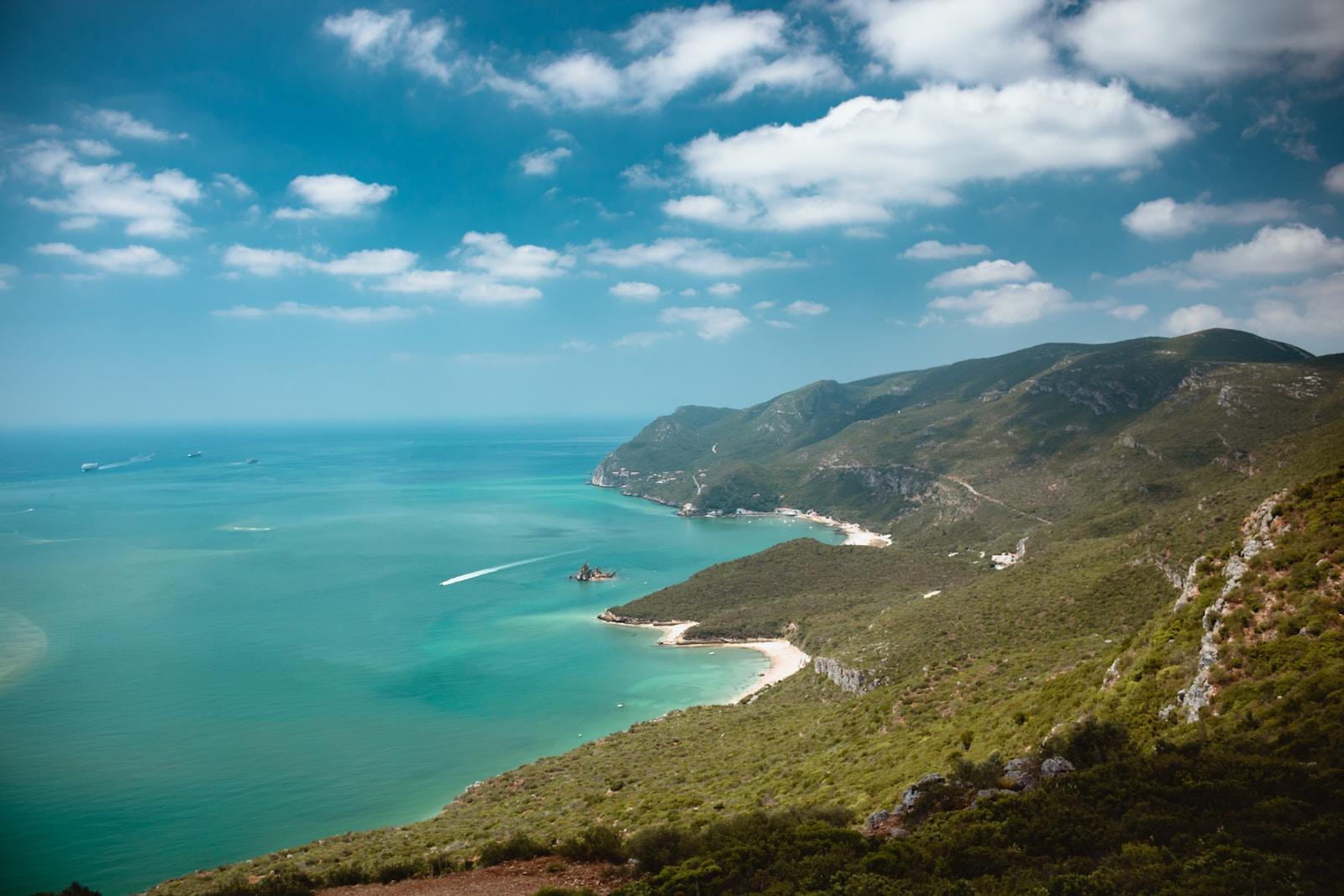
Take in the stunning views of the park’s rugged coastline, which includes rocky cliffs and white sandy beaches. The park is also home to an abundance of flora and fauna, so be sure to keep an eye out for dolphins, eagles, and other wildlife.

Hiking trails

The park offers a variety of hiking trails that range from easy to challenging, so there’s something for hikers of all skill levels. Explore the park’s lush forests, steep hills, and mountain peaks.

Beaches and water activities

The park’s beaches are perfect for swimming, sunbathing, and water activities like kayaking and paddleboarding. You can also go scuba diving to explore the underwater world.

2. Explore the historic city center

Setubal’s historic city center is full of charming narrow streets, old buildings, and cozy cafes. Here are some things to do in the city center:

Discovering the main attractions

Explore the city’s historical landmarks, such as the Castelo de Sao Filipe, the Igreja de Jesus, and the Praca do Bocage. These landmarks provide a glimpse into the city’s rich cultural heritage.

Walking tour

Join a walking tour to learn more about the city’s history and culture. A knowledgeable local guide can take you to all the essential places of interest and provide fascinating insights into the city’s past.

Wine tasting experience

Sample some of the region’s most excellent wines on a wine-tasting tour. The Setubal region is known for producing some of Portugal’s best wines, such as the Moscatel de Setubal.

3. Enjoy the local cuisine and wine

Portugal is known for its delicious food and wine, and Setubal is no exception. Here are some of the things you can do to indulge in local cuisine:

Traditional dishes to try

Try traditional dishes like sardines, grilled fish, and seafood rice. Setubal is also known for its cheese, pastries, and sweet treats.

Top-rated restaurants

Sample the best of Setubal’s culinary scene at top-rated restaurants like A Proa, O Grelhador, and Tasca do Xico. These restaurants serve fresh, traditional dishes made with locally-sourced ingredients.

Wine tasting experience

Experience the region’s wine culture through a guided wine-tasting experience that can take you to the area’s best wineries. Learn about the history and production of the region’s wines while sampling some of the finest wines produced in Setubal.

body of water beside mountain during daytime4. Experience the beaches of Setubal
Setubal is known for its stunning beaches, and here are some of the things you can do while at the beach:

Top beaches to visit

Visit some of Setubal’s best beaches, such as Praia de Albarquel, Praia da Figueirinha, and Praia do Creiro. These beaches offer beautiful white sand and crystal clear waters, perfect for a day of relaxation.

Beach activities

Enjoy a variety of beach activities like swimming, sunbathing, surfing, and kiteboarding. You can also take a boat tour to explore the coastline.

Beachfront restaurants and bars

Savor delicious seafood dishes and refreshing drinks at beachfront restaurants and bars. Enjoy the stunning views of the beaches while indulging in the local cuisine.

5. Discover the dolphins and other marine life on a boat tour

Setubal is one of Portugal’s most charming and picturesque coastal towns. But what makes it truly special is the abundance of marine life that surrounds it. If you’re looking for a way to get up close and personal with dolphins, whales, turtles, and other fascinating creatures of the sea, a boat tour is an absolute must.

Boat tour options

There are several different tour companies that offer boat tours in Setubal, each with their own unique experience to offer. Some of the most popular options include dolphin-watching tours, which take you out to sea in search of these playful creatures. For a more adventurous outing, consider a kayaking tour, which gives you a closer look at the rocky cliffs and hidden caves along the coast.

Marine life you can see

If you’re lucky, you might be able to spot a pod of dolphins swimming and jumping in the waves. But even if you don’t see any dolphins, there’s still plenty of other marine life to discover. Keep your eyes peeled for sea turtles, brightly colored fish, and even the occasional whale.

Tips for the best experience

To make the most of your boat tour experience, it’s important to come prepared. Wear comfortable clothing and shoes that you don’t mind getting wet. Bring sunscreen, a hat, and sunglasses to protect yourself from the sun. And of course, don’t forget your camera to capture all the amazing sights you’re sure to see on your boat tour. In conclusion, Setubal is a fantastic destination that offers a wide range of activities for visitors to enjoy. From exploring its history and culture to discovering its natural beauty, this city has it all. So pack your bags, come to Setubal, and make unforgettable memories that will last a lifetime.

FAQ


1. What is the best time to visit Setubal?

The best time to visit Setubal is from May to September when temperatures are warm and sunny. However, if you prefer quieter surroundings, you may want to consider visiting in the shoulder seasons of April or October.

2. How do I get to Setubal from Lisbon?

To get to Setubal from Lisbon, you can take a bus or a train. The bus takes around 45 minutes, while the train takes around one hour. You can also rent a car or take a taxi if you prefer.

3. Are there any hidden gems in Setubal that are worth visiting?

Yes, there are many hidden gems in Setubal that are worth visiting, including the Livramento Market, the Convent of Jesus, the Fort of São Filipe, and the Troia Peninsula.

4. Is it safe to swim in the beaches of Setubal?

Yes, it is safe to swim in the beaches of Setubal. The water is clean and clear, and most beaches have lifeguards on duty during the summer months. However, it is always important to follow safety guidelines and be aware of any warnings or flags on the beach.

Before making any vacation plans, please check the constantly changing local limitations and safety rules. It should be noted that not all sites and services are operating as usual, so check their respective websites for the most recent details.

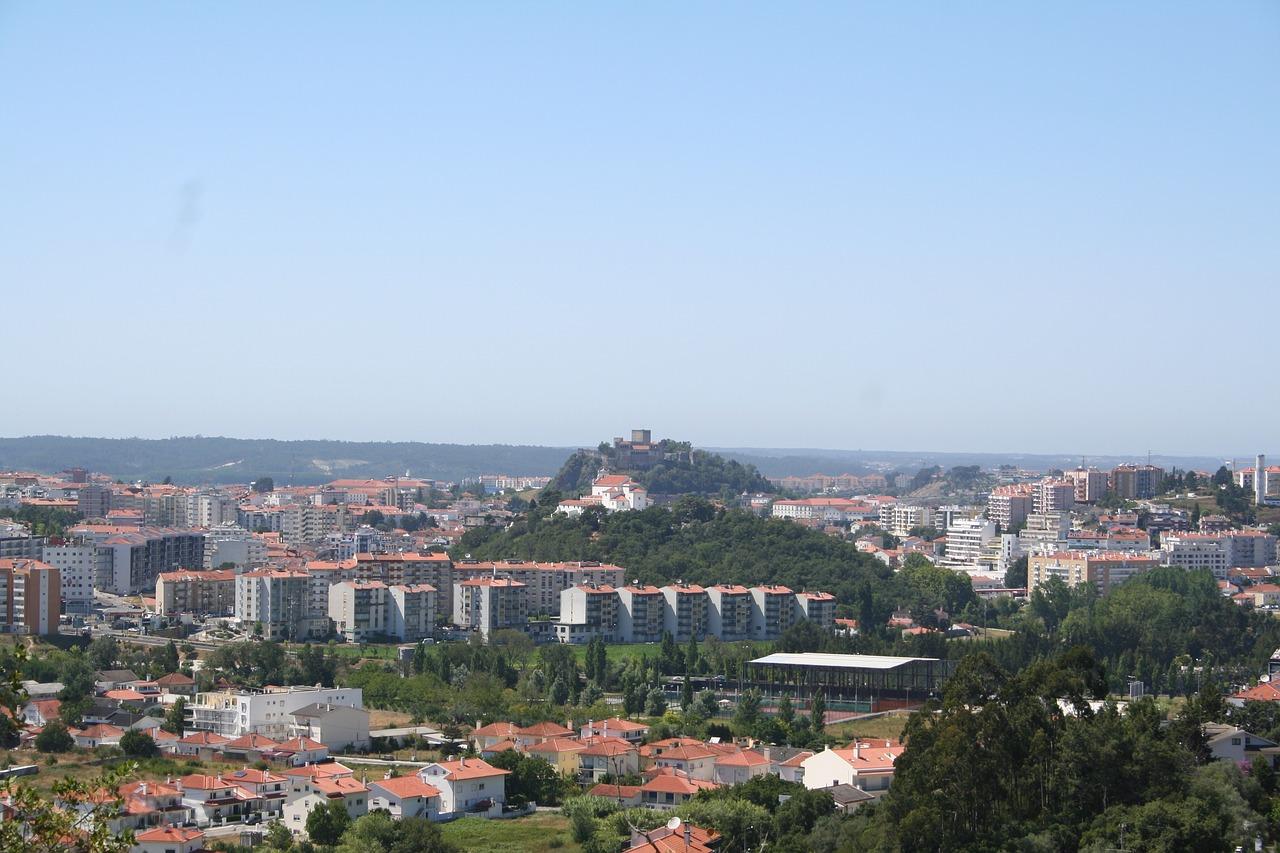
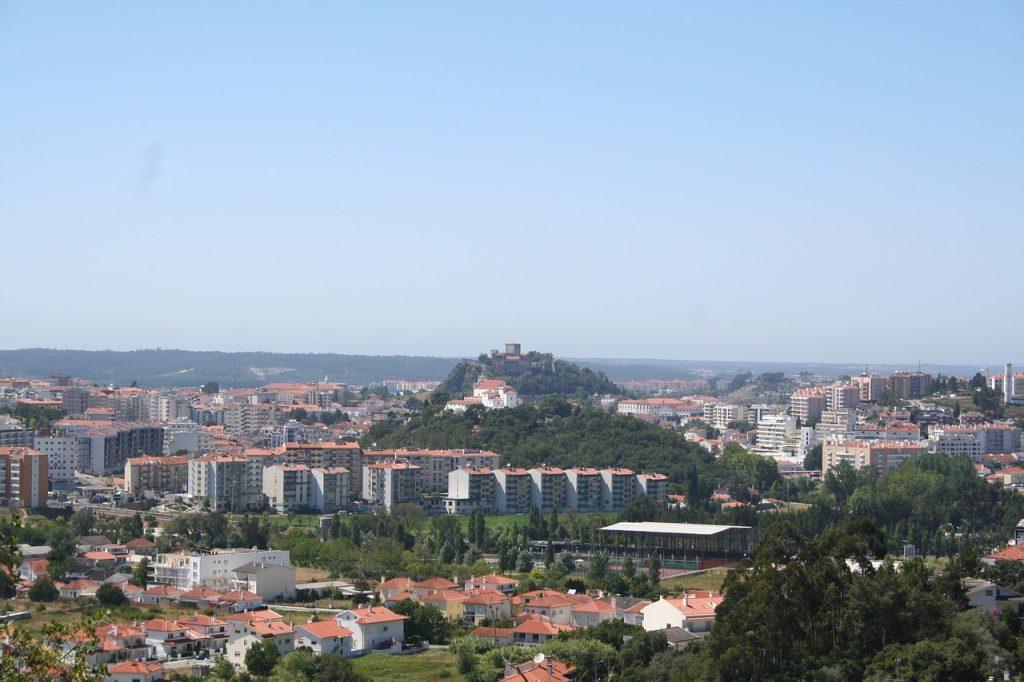
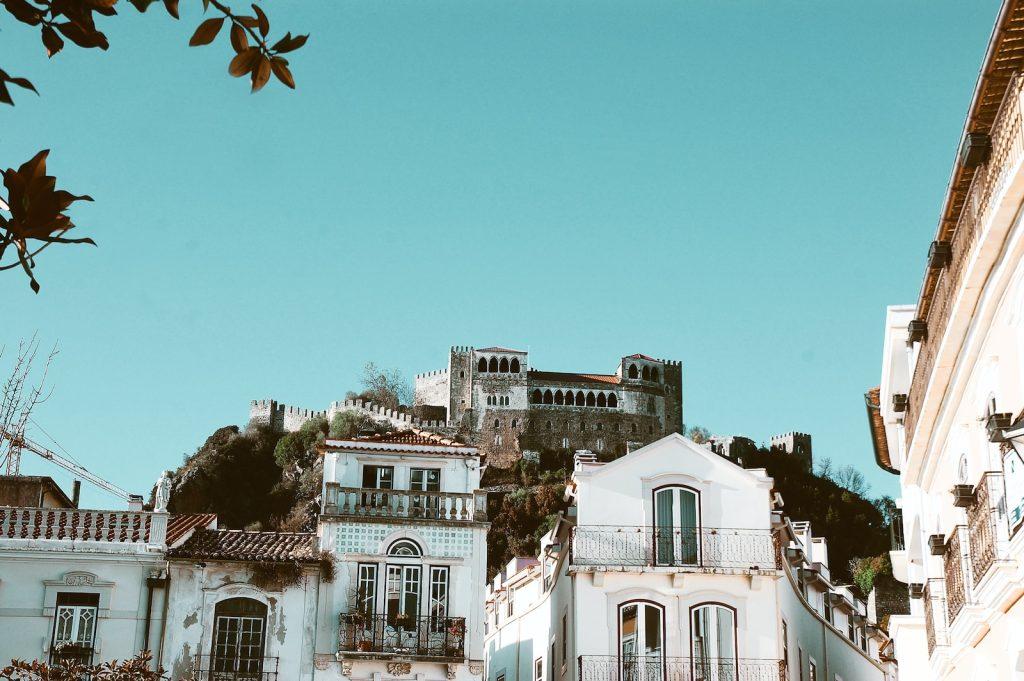
Leiria Castle - Portugal (28003610998).jpg


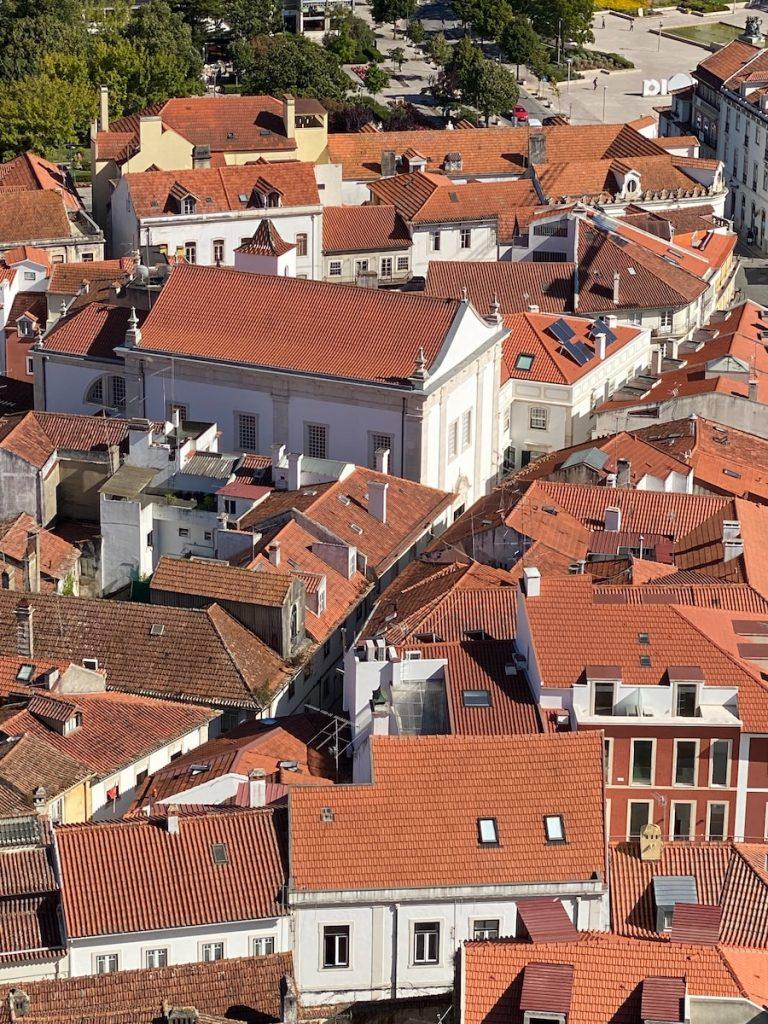
Leiria is a charming city in central Portugal that is rich in history, culture, and natural beauty. Leiria is a must-see destination for any traveler to Portugal due to its winding streets, picturesque castle, and breathtaking vistas of the surrounding countryside. This guide will lead you on a journey through the past, present, and future of the city, exploring its most recognizable landmarks, cultural attractions, and hidden treasures.


The Quirks and Charms of Leiria

Leiria delights with its regional riddles and delightful oddities. Locals speak of a river that ‘flows uphill’, adding to the city’s sense of mystique. The story of the tower without a cathedral and the cathedral without a tower exemplifies Leiria’s playful spirit, while the avenues and streets, like Rua Direita, are filled with names that often have concealed meanings tied to the city’s past. These idiosyncrasies give Leiria a character like no other and make every stroll an opportunity for discovery.


A Walk Through Leiria’s Storied Past

Leiria’s history stretches back to ancient times:

Roman Roots: In the 1st century B.C., the Romans founded the city of Collippo, which flourished as a hub for commerce.
Moorish Influence: The Moors captured Leiria in the 12th century and retained control for over a century. Portuguese forces retook the city in 1135, marking a pivotal moment in its history.
Medieval Stronghold: Under King Afonso III in the 13th century, Leiria emerged as a crucial military bastion and the backdrop for conflicts against invading forces. The famed Leiria Castle, dating from the 12th century, stands as a dramatic reminder of this turbulent era, having been frequently renovated throughout the centuries.

undefined


Essential Sights and Experiences

Leiria offers attractions appealing to history buffs, nature lovers, and culture seekers alike:

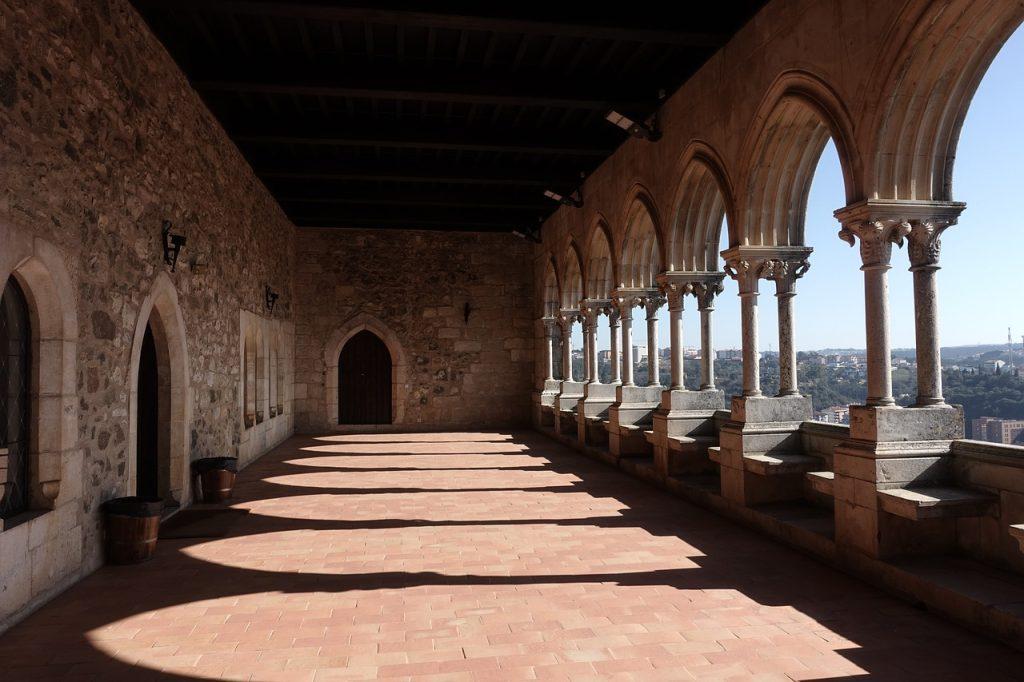
  • Leiria Castle: This imposing fortress towers above the city, providing panoramic views of the countryside. A small museum inside the castle brings local history to life through fascinating exhibits.
  • Museum of Leiria: A gateway to the city’s past, offering displays of Roman artifacts, medieval weaponry, and examples of local craftsmanship.
  • Sanctuary of Our Lady of Fatima: A globally significant pilgrimage site, located a short drive away, attracting millions of faithful each year.
  • Natural Park of Serra de Aire e Candeeiros: For those wishing to explore the region’s natural wonders, this park is a paradise of hiking trails, dramatic caves, and sweeping vistas of rural Portugal.


The Spirit of Leiria: Traditions and Hidden Gems

Leiria doesn’t just look back—it thrives in the present, with celebrations, street art, and culinary experiences making every visit memorable:

  • Feast of the Holy Spirit: Each year, locals celebrate this colorful festival with processions, music, and traditional Portuguese fare—a perfect chance for visitors to immerse themselves in authentic local culture.
  • Street Art: Leiria’s buildings double as canvases for vibrant murals and graffiti, many created by the city’s talented artists. These works provide a distinctive perspective on Leiria’s identity and heritage.
  • Gastronomy: The city is renowned for its broad selection of Portuguese cuisine, including fresh seafood stews, roasted meats, and irresistible pastries. Exploring Leiria is as much a feast for the palate as it is for the eyes.
  • Navigating Leiria: Key Motorways and Connections
    Leiria is exceptionally well-connected, making it an easy destination for travelers exploring central Portugal:

Road Route
A1 Northern Highway: Lisbon – Porto
A8 West Highway: Lisbon – Marinha Grande
A17 Marinha Grande – Aveiro
A19 Leiria – Batalha (widened from the IC2)
IC36 Connects the A1 to the A8

These roadways ensure seamless access to both historic cities and the countryside that surrounds Leiria.

Why You Should Experience Leiria

Leiria rewards curiosity. With unexpected mysteries around every corner, a storied past waiting to be uncovered, and a lively culture thrumming through its streets, it offers travelers a truly authentic Portuguese experience. Whether you’re drawn to ancient castles, local festivals, art-filled alleyways, or spectacular natural parks, Leiria is a place sure to capture your imagination—and heart.

Plan your next adventure in Leiria, and let this charming city surprise you at every turn!

Before making any vacation plans, please check the constantly changing local limitations and safety rules. It should be noted that not all sites and services are operating as usual, so check their respective websites for the most recent details.

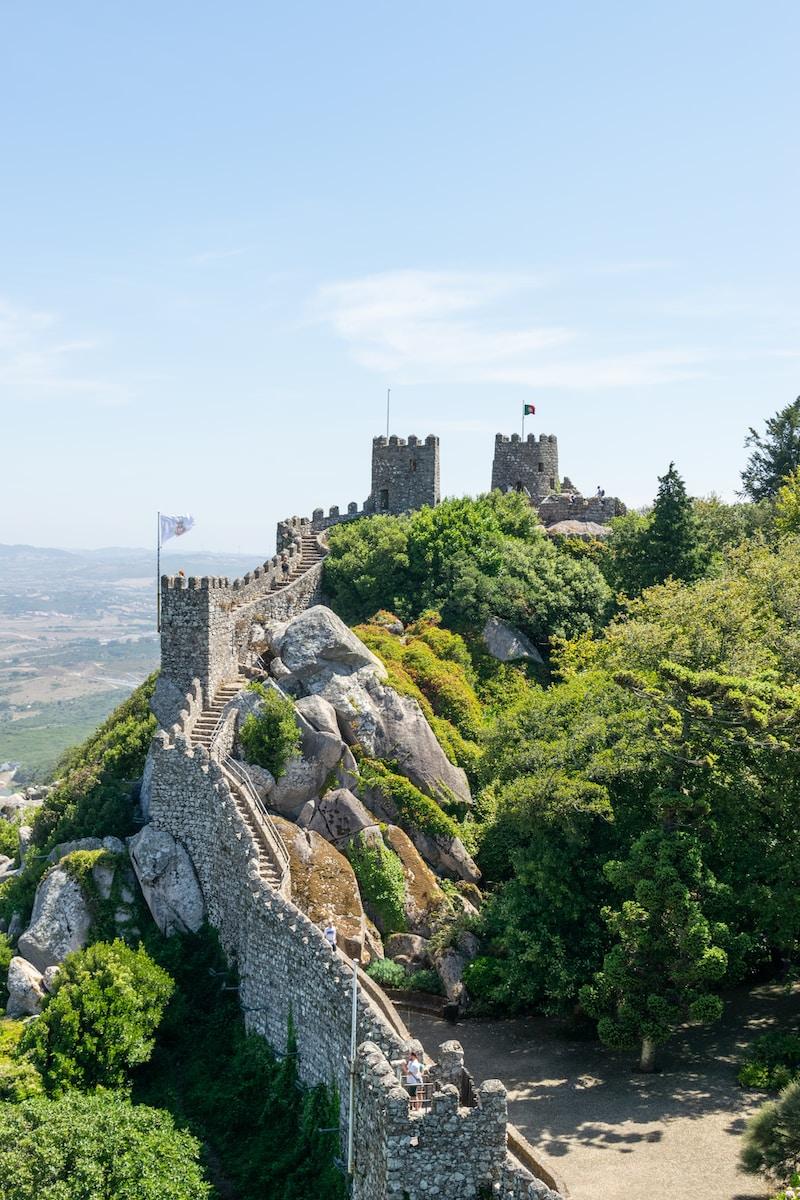
brown brick building under white sky during daytime

Portugal, a country steeped in history, beckons castle enthusiasts with its stunning array of fortresses and strongholds. These architectural wonders not only showcase Portugal’s medieval heritage but also embody its rich cultural tapestry.

Join us on a captivating journey through Portugal’s most captivating castles:

Central Region

Almourol Castle

Immerse yourself in history at Almourol Castle, perched majestically on the Tagus River. This strategic fortress boasts remarkably preserved medieval architecture, transporting visitors back in time.

Obidos Castle

Obidos Castle, hailed as one of Portugal’s most romantic castles, is sure to enchant you. Its well-preserved grandeur offers breathtaking vistas of the surrounding countryside, and its halls whisper tales of Portuguese history.

Northern Region

Guimaraes Castle

Embark on a pilgrimage to Guimaraes Castle, the birthplace of Portugal and a symbol of national identity. This UNESCO World Heritage Site impresses with its commanding structure and historical significance.

Viana do Castelo Castle

Delight in the unique maritime connection of Viana do Castelo Castle, strategically positioned to oversee naval traffic. Nestled near the sea, this castle offers a rare gem for castle enthusiasts.

Braga Castle

Behold the allure of Braga Castle, an emblematic symbol of the city boasting a captivating blend of Romanesque and Gothic architectural styles. Explore its beautiful gardens and immerse yourself in history.

Southern Region

Silves Castle

Step into the splendid world of Silves Castle, a striking example of Islamic architecture and a significant military stronghold during the Reconquista. Discover the captivating fusion of Arabic and Portuguese history that resonates within its walls.

Castro Marim Castle

Journey to the well-preserved Castro Marim Castle, an exemplar of defensive structures guarding Portugal’s borders. This fortress played a vital role in safeguarding the nation throughout its storied past.

Belsay Castle

Transport yourself to the 14th century at Belsay Castle, where Gothic and Romanesque architectural styles harmonize seamlessly. As a privately owned castle, it offers an intimate glimpse into Portugal’s noble history.

Alentejo Region

Evoramonte Castle

Uncover the historic significance of Evoramonte Castle, the site where Portugal’s first constitution was signed. Its stunning location offers sweeping panoramas of the countryside, making it a must-visit for culture enthusiasts.

Monsaraz Castle

Ascend to the pinnacle of Monsaraz Castle, situated atop a hill that frames breathtaking views of the Alqueva Dam and the Portuguese countryside. Immerse yourself in its medieval charm and marvel at its architectural splendor.

Arraiolos Castle

Journey back in time to Arraiolos Castle, a 14th-century Knights Templar stronghold. Its well-preserved walls and historical allure beckon tourists seeking to unravel Portugal’s rich heritage.

Estremoz Castle

The impressive Estremoz Castle, which displays Portugal’s medieval architecture and military heritage, is sure to captivate you. History enthusiasts and architecture aficionados will find this castle a true marvel.

Lisbon Region

Sintra Castle

Indulge in the enchantment of Sintra Castle, nestled in the heart of a fairy-tale setting. Celebrated for its romantic architecture and links to Portuguese folklore, this castle is an absolute must-see.

Torres Vedras Castle

Delve into the storied past of Torres Vedras Castle, a strategic site that played a pivotal role in Portugal’s defense. Today, it serves as a cultural center, hosting exhibitions and events that highlight the country’s rich history.

Pombal Castle

Marvel at the fusion of Baroque and medieval architectural styles at Pombal Castle, a 16th-century masterpiece. Delve into the city’s history as you explore this significant cultural landmark and gain insight into Portugal’s rich heritage.

Northern Interior

Tomar Castle

The allure of Tomar Castle, a remarkable circular fortress built by the Knights Templar Its unique architectural design sets it apart, and its UNESCO World Heritage status pays homage to its historical importance.

Braganca Castle

Embark on a journey to Braganca Castle, one of Portugal’s most formidable strongholds. Imposing and steeped in military history, this castle stands as a testament to the nation’s resilience. Immerse yourself in its well-preserved grandeur and admire the architectural marvel before you.

Montemor o Velho Castle

Discover the captivating charm of Montemor o Velho Castle, a historical gem nestled in the heart of the city. Immerse yourself in Portugal’s medieval history as you explore its stunning architecture and appreciate its cultural significance.

Penafiel Castle

Step into the world of Portuguese nobility at Penafiel Castle, once a grand residence of the country’s elite. Admire the imposing tower and revel in the castle’s well-preserved structure, which offers a glimpse into Portugal’s opulent past.

Sortelha Castle

Marvel at the unique blend of Romanesque and Gothic architecture at Sortelha Castle, an essential stronghold during the wars between Portugal and Castile. Traverse its well-preserved walls and immerse yourself in the historical connections that whisper from every corner.

Belmonte Castle

Uncover the captivating stories of Jewish history and culture at Belmonte Castle. This architectural marvel showcases the country’s rich heritage and provides a compelling experience for history enthusiasts.

Marvao Castle

Prepare to be mesmerized by Marvao Castle, perched on a hilltop and offering awe-inspiring panoramic views of the Portuguese countryside. Its well-preserved structure and historical significance make it an essential stop on your castle tour.

Embarking on an adventure through Portugal’s magnificent castles allows you to immerse yourself in the country’s rich cultural and historical heritage. From the central region to the northern interior, each castle unveils a unique architectural style, profound historical significance, and captivating narratives. These meticulously preserved fortresses offer an extraordinary passage through time, leaving an enduring impact on culture enthusiasts, history aficionados, and devotees of architectural marvels.

So, prepare your belongings and set forth to explore Portugal’s grand castles. They eagerly await your arrival to transport you to a bygone era, creating unforgettable memories of this remarkable nation.

Vila Nova de Milfontes, el tesoro costero del Alentejo


If you’re looking for a tranquil coastal getaway in Portugal, Vila Nova de Milfontes is the perfect destination. Located on the western Alentejo coast, this charming fishing village offers visitors a chance to unwind in a picturesque setting. In this blog post, we’ll take a closer look at the history of Vila Nova de Milfontes as well as the many things to see and do in and around the village.

History

Vila Nova de Milfontes has a rich history that dates back to the Middle Ages. The village was once an important center for fishing, agriculture, and commerce. Its strategic location on the coast made it an ideal port for ships traveling to and from Lisbon. During the 16th century, Vila Nova de Milfontes was occupied by the Spanish, who built a fort to protect the village from pirate attacks. Today, the fort is a popular attraction and offers visitors stunning views of the ocean.

Things to Do and See

Explore the beaches.

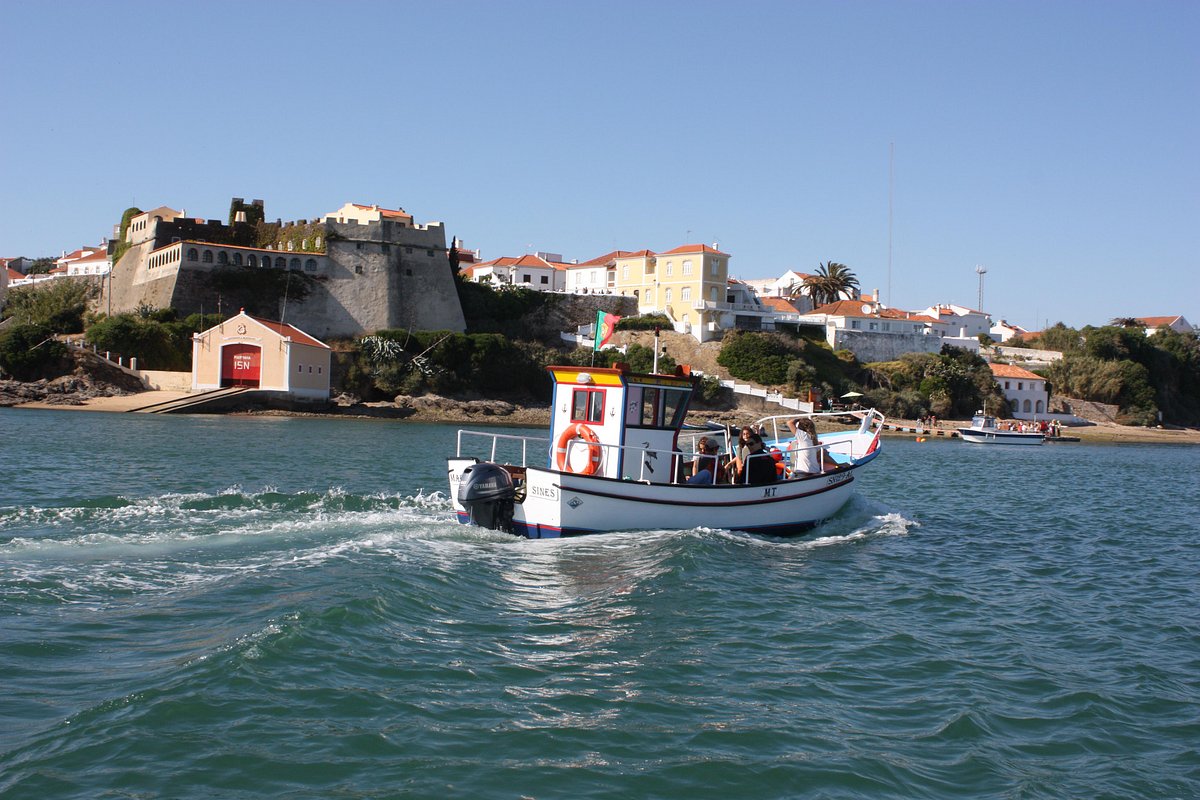
Odemira Turismo / Praia do Farol

Maresia Travessias e Passeios no Rio Mira (Vila Nova de Milfontes) - All You Need to Know BEFORE You Go

Vila Nova de Milfontes is home to some of the most beautiful beaches in Portugal. Praia da Franquia, Praia do Farol, and Praia das Furnas are all popular spots for swimming, sunbathing, and water sports. These beaches offer visitors crystal-clear waters, golden sand, and stunning views of the Atlantic Ocean.

Visit the Fort

The Forte de São Clemente is a 17th-century fort that was built to protect the village from pirate attacks. Today, the fort is a popular tourist attraction and offers visitors a chance to explore its historic walls and towers. The fort also offers stunning views of the ocean and the surrounding countryside.

Take a boat tour.

Visitors can take a boat tour along the Mira River, which flows through the village. The tour offers stunning views of the river and its surrounding countryside, as well as a chance to see local wildlife such as otters, birds, and fish.

Visit the lighthouse.

Farolim de Vila Nova de Milfontes – Wikipédia, a enciclopédia livre

The Farol de Milfontes is a historic lighthouse that was built in the 19th century. Visitors can climb to the top of the lighthouse and enjoy stunning views of the ocean and the surrounding coastline.

Try local seafood.

10 Great Restaurants to Eat Sardines in Lisbon - Discover Walks Blog

Vila Nova de Milfontes is famous for its fresh seafood. Visitors can sample local dishes such as grilled sardines, octopus salad, and seafood rice at one of the many restaurants in the village. Be sure to try the local delicacy, percebes (goose barnacles), which are harvested from the rocks along the coast.

Surrounding Area

São Luís

Located just a short drive from Vila Nova de Milfontes, São Luís is a charming village that is known for its traditional architecture and local handicrafts. Visitors can explore the village’s narrow streets and admire its whitewashed houses and colorful tiles.

Odemira

Odemira is a historic town that is located just a few kilometres inland from Vila Nova de Milfontes. The town offers visitors a chance to explore its many historic buildings, including the 15th-century castle and the 16th-century church.

Southwest Alentejo and Vicentine Coast Natural Park

The Southwest Alentejo and Vicentine Coast Natural Park is a protected area that covers over 100 kilometres of coastline. The park offers visitors a chance to explore its many hiking trails, which offer stunning views of the ocean and the surrounding countryside.

In conclusion, Vila Nova de Milfontes is a hidden gem on the western Alentejo coast that offers visitors a chance to unwind in a picturesque setting. Whether you’re looking to relax on the beach, explore historic landmarks, or immerse yourself in local culture and cuisine, Vila Nova de Milfontes has something to offer. Its rich history and stunning natural beauty make it a must-visit destination for anyone travelling to Portugal.

With its charming cobblestone streets and colourful houses, Vila Nova de Milfontes is a great place to wander and explore. Visitors can admire the village’s traditional architecture and enjoy its laid-back atmosphere. The village’s main square is a popular spot for locals and tourists alike, offering a chance to relax and watch the world go by.

For those looking for adventure, Vila Nova de Milfontes has plenty to offer. Visitors can rent kayaks and explore the Mira River, or go surfing at one of the nearby beaches. The village is also a popular spot for fishing, with several companies offering guided fishing trips.

One of the highlights of a visit to Vila Nova de Milfontes is the local cuisine. The village is known for its fresh seafood, which can be found at many of the local restaurants. Visitors can sample traditional dishes such as cataplana (a seafood stew) and arroz de marisco (seafood rice). The village’s location on the coast also means that visitors can enjoy fresh fish straight from the ocean.

For those looking to explore the surrounding area, there are plenty of options. The nearby village of São Luís is a great place to experience traditional Portuguese culture and see local handicrafts. Odemira, located a few kilometres inland from Vila Nova de Milfontes, offers visitors a chance to explore historic landmarks and architecture. And the Southwest Alentejo and Vicentine Coast Natural Park is a must-visit destination for anyone looking to experience Portugal’s natural beauty.

In conclusion, Vila Nova de Milfontes is a charming coastal village that offers visitors a chance to unwind and experience Portugal’s rich history and natural beauty. Whether you’re looking to relax on the beach, explore local culture and cuisine, or embark on an adventure, Vila Nova de Milfontes has something to offer. So why not plan your visit today and discover this hidden gem for yourself?

Before making any vacation plans, please check the constantly changing local limitations and safety rules. It should be noted that not all sites and services are operating as usual, so check their respective websites for the most recent details.

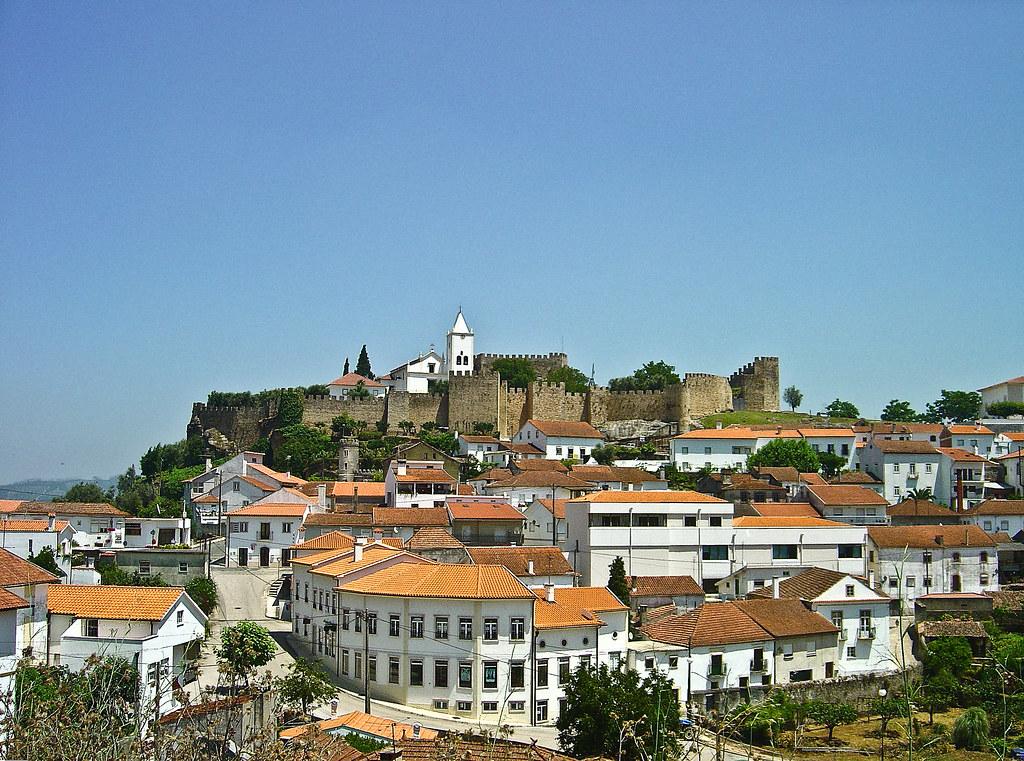
Penela - Portugal | See where this picture was taken. [?] | Vitor Oliveira | Flickr


Welcome to the charming town of Penela, Portugal! Located in the central region of the country, this historic town is a hidden gem waiting to be discovered. With its fascinating history, stunning architecture, and breathtaking natural scenery, there’s plenty to see and do in Penela.

History buffs will delight in exploring the Castle of Penela, a medieval fortress that sits atop a hill overlooking the town. Built in the 12th century, the castle has played a significant role in the town’s history, from defending against Muslim invasions to being used as a military stronghold during Portugal’s struggle for independence from Spain. Visitors can wander through the castle’s towers and walls and take in the stunning views of the surrounding countryside.

Another must-visit historic site is the Church of Santa Maria, a beautiful 15th-century church that reflects the town’s religious devotion and prosperity during the Middle Ages. Its Gothic architecture and intricate detailing are sure to impress, and visitors can learn about the church’s history and cultural significance through guided tours and exhibits.

For those who love the outdoors, Penela has plenty to offer as well. The town is the ideal location for hiking, mountain biking, and birdwatching because of the lush hills and forests that surround it. The Serra da Lousã natural park is just a short drive away and offers stunning views of the mountains and valleys, as well as opportunities for rock climbing and caving.

Foodies won’t want to miss the chance to sample the local cuisine, which is known for its simplicity and emphasis on fresh ingredients. Local specialties include roast lamb, goat cheese, and honey cakes, which can be enjoyed at one of the town’s cosy restaurants or cafes.

Throughout the year, Penela hosts a variety of cultural events and festivals that celebrate the town’s history and traditions. These include the Medieval Fair, which takes visitors back in time with reenactments, food stalls, and live music, as well as the Chestnut Festival, which celebrates the autumn harvest with chestnut roasts, traditional music, and dance.

Overall, Penela is a must-visit destination for anyone interested in history, culture, and natural beauty. Its rich history, stunning architecture, and beautiful surroundings are sure to leave a lasting impression on visitors and make it a hidden gem worth discovering.


Castelo de Penela - Portugal | See where this picture was ta… | Flickr

Church of São Miguel

The Church of São Miguel has a long history, dating back to the 12th century, as mentioned in the Charter of 1137. Originally a Romanesque church, it was renovated during the reign of Infante D. Pedro in the 15th century. The church underwent major renovations in the second half of the 16th century, resulting in its current Renaissance style.

The chancel of the church is particularly noteworthy, as it is covered in baroque carvings, mostly from the 17th and early 18th century. Additionally, the church houses a sculpture of the Lady with the Child, created by João de Ruão in the mid-16th century (specifically between 1530 and 1540).

Igreja Matriz de São Miguel de Penela | Manuel Barroso | Flickr


Pillory of Penela

The Pillory of Penela is a medieval monument that consists of a column with an octagonal stem, a pine cone, and three steps. It was originally located in the centre of the village square but has since been relocated to Rua 25 de Abril.

One of the notable features of the pillory is the set of four iron rods that imitate serpents, suspending rings from their mouths. The monument also bears two similar coats of arms, which may represent the coat of arms of the Municipality of Penela.

Overall, the Pillory of Penela is an interesting historical monument that reflects the medieval past of the town and its significance as a political and administrative centre.

Penela is a beautiful town located in the central region of Portugal, and there are several ways to get there.

By car: If you are travelling from Lisbon, take the A1 highway towards Porto and then follow the A13 towards Coimbra. From Coimbra, take the IC3 towards Tomar and then exit at Penela. The journey takes approximately 2 hours.

From Porto, take the A1 towards Lisbon and then follow the A13 towards Coimbra. From Coimbra, take the IC3 towards Tomar and then exit at Penela. The journey takes approximately 1 hour and 45 minutes.

By train: There is no train station in Penela, but you can take a train to Coimbra-B station and then take a bus or taxi to Penela. Trains run regularly from Lisbon and Porto to Coimbra, and the journey takes approximately 2 hours from Lisbon and 1 hour and 30 minutes from Porto.

By bus: There are regular bus services that run from Coimbra to Penela, with several departures throughout the day. The journey takes approximately 30 minutes.

Overall, Penela is easily accessible by car, train, or bus, and there are several options available depending on your travel preferences and starting location.

Before making any vacation plans, please check the constantly changing local limitations and safety rules. It should be noted that not all sites and services are operating as usual, so check their respective websites for the most recent details.


If you are looking for a serene and relaxing vacation spot, the Alentejo region of Portugal should be at the top of your list. Alentejo’s beautiful west coast is a hidden gem waiting to be discovered. With its unspoiled beaches, stunning coastline, and charming villages, it is the perfect destination for travellers looking for a laid-back atmosphere away from the hustle and bustle of tourist hotspots. As a travel expert, I have put together a comprehensive guide to help you make the most of your trip to Alentejo’s beautiful west coast.

Introduction to the Alentejo’s West Coast

The Alentejo region is located in the southern part of Portugal and is known for its picturesque countryside, rich history, and delicious cuisine. The west coast of the region, in particular, is a perfect spot for travellers who want to escape the crowds and immerse themselves in nature. The area is home to some of the most beautiful and unspoiled beaches in Europe, as well as charming fishing villages and historic towns.

The Best Time to Visit the Alentejo’s West Coast

The best time to visit the Alentejo’s west coast is during the summer months, from June to September, when the weather is warm and sunny. However, if you prefer a quieter experience, you can visit during the shoulder seasons, in April or May or October or November. During these months, the weather is still mild, and there are fewer tourists.

How to Get to the Alentejo’s West Coast

The Alentejo’s west coast is easily accessible by car, and there are several rental car options available at Lisbon Airport. Alternatively, you can take a bus or a train from Lisbon to the region. The journey takes about two and a half hours by car or three and a half hours by public transportation.

Where to Stay on the Alentejo’s West Coast

There are several accommodation options available on Alentejo’s west coast, ranging from luxury hotels to budget-friendly hostels. If you are looking for a luxurious stay, you can book a room at one of the many five-star hotels in the area, such as the Sublime Comporta or the Herdade da Malhadinha Nova. If you are on a budget, there are several charming guesthouses and hostels in the area, such as the Hostel Namasté or the Casas Brancas.

Things to Do on the Alentejo’s West Coast

  1. Explore the Beaches: The Alentejo’s west coast is known for its stunning beaches. Some of the most popular beaches in the area include Praia da Comporta, Praia do Pego, and Praia do Malhão. These beaches are unspoiled and perfect for swimming, sunbathing, and relaxing.

  2. Visit the Historic Towns: The Alentejo region is home to several historic towns, such as Évora, Monsaraz, and Beja. These towns are rich in history and culture and offer visitors a glimpse into Portugal’s past.

  3. Go Hiking: Alentejo’s west coast is home to several nature reserves, such as the Southwest Alentejo and Vicentine Coast Natural Park. These parks offer visitors the chance to go hiking and explore the area’s unique flora and fauna.

  4. Enjoy the local cuisine. The Alentejo region is known for its delicious cuisine. Some of the must-try dishes in the area include migas, açorda, and porco preto. Don’t forget to try the local wines, such as the Alentejo reds and whites.

Conclusion

The Alentejo’s west coast is a hidden gem waiting to be discovered by travelers who are looking for a peaceful and relaxing vacation. With its stunning beaches, charming villages, and rich history, it is the perfect destination for those who want to escape the crowds and immerse themselves in nature. Whether you want to explore the historic towns, go hiking in the nature reserves, or simply relax on the beach, the Alentejo’s west coast has something for everyone.

FAQs

  1. Is the Alentejo’s west coast crowded with tourists?
  • No, the Alentejo’s west coast is not as crowded as some of the more popular tourist destinations in Portugal. However, during the summer months, there may be more tourists in the area.
  1. What are some of the best beaches on the Alentejo’s west coast?
  • Some of the most popular beaches in the area include Praia da Comporta, Praia do Pego, and Praia do Malhão.
  1. What is the weather like on the Alentejo’s west coast?
  • The weather in the area is warm and sunny during the summer months and mild during the shoulder seasons.
  1. What are some of the must-try dishes in the Alentejo region?
  • Some of the must-try dishes in the area include migas, açorda, and porco preto.
  1. What is the best way to get to the Alentejo’s west coast?
  • The best way to get to the area is by car, but there are also public transportation options available from Lisbon.
Furnas, on the island of Sao Miguel in the Azores, is a charming town that many visitors ignore in favor of more popular attractions. Those who make the effort to visit Furnas are rewarded with breathtaking natural beauty, fascinating history, and a variety of one-of-a-kind experiences.

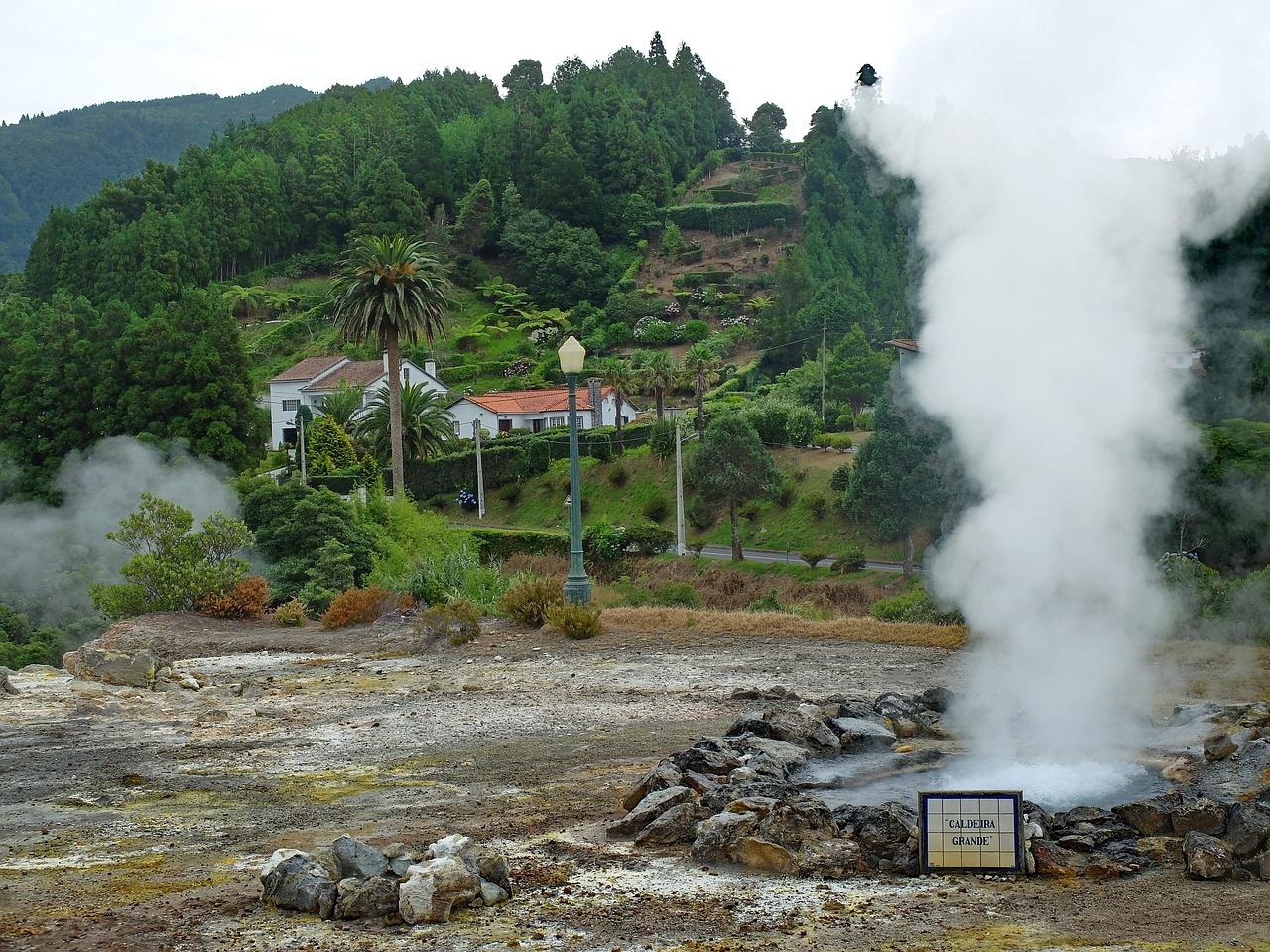
Caldeiras - Furnas (Portugal) | Ilha de S. Miguel www.destin… | Flickr


The Origins of Furnas

Furnas has a rich and interesting history, dating back to the early 15th century, when the Portuguese began colonizing the island of Sao Miguel. The town gets its name from the numerous hot springs and geysers created by the island’s volcanic activity.

Furnas is now a thriving hamlet of around 1,500 people, many of whom work in the tourism business. Visitors will discover a cheerful and inviting atmosphere in the town, as well as a range of cultural events and festivals occurring throughout the year.

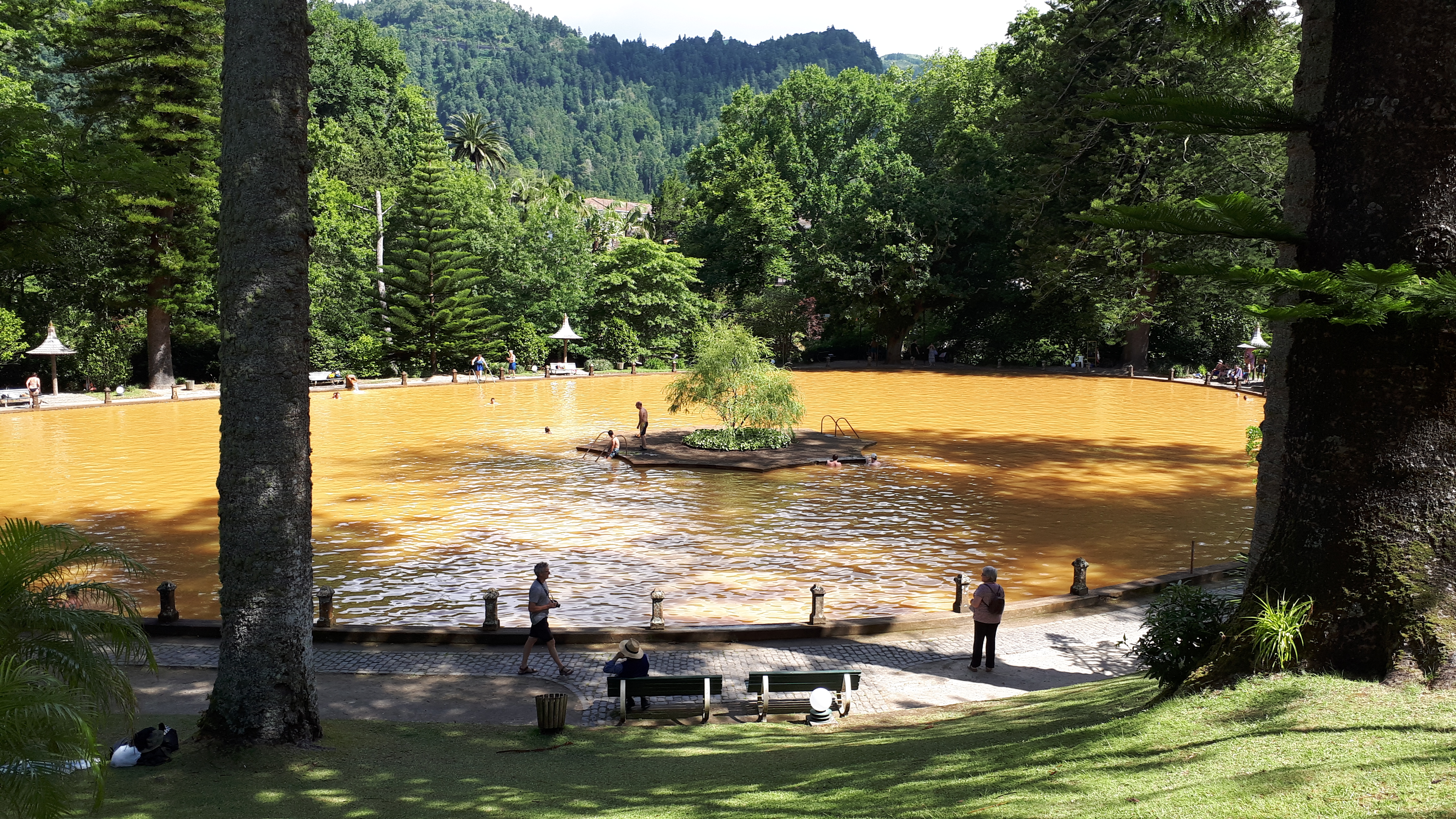
Le jardin Terra Nostra à Furnas : déambulations et photos

Furnas attractions and activities

Furnas’ breathtaking landscape is one of its main charms. The area around the city is rich in hot springs and geysers, as well as beautiful forests and rolling hills. Visitors can explore the town’s many parks and gardens, including the Terra Nostra Garden, which features a big hot pool and an array of exotic plants and trees.

Another must-see in Furnas is the Lagoa das Furnas, a large lake known for its bubbling mud pots and geysers. Visitors may go on a boat ride on the lake or simply relax on its banks while admiring the gorgeous environment.

Furnas has a lot to offer those interested in history as well. The Igreja de Nossa Senhora das Vitórias, a 19th-century church with beautiful tilework and other artistic embellishments, is one of the municipality’s historic structures.

Visitors may also explore the town’s many museums and cultural institutions, such as the Museu do Vinho, which highlights the region’s long history of wine production, and the Casa do Artesanato, which showcases traditional Azorean handicrafts.


Cozido das Furnas | One of the most characteristic dishes on… | Flickr

In addition to these cultural and natural features, Furnas offers a range of unique visitor experiences. For example, the town is well known for its traditional cozido, a stew made with the natural heat of the hot springs. This delightful treat is accessible at one of the town’s many eateries.

Horseback riding, trekking, and relaxing at one of Furnas’ many spas or hot springs are among the most popular pastimes. Day tours to local sights such as the Sete Cidades, a spectacular volcanic caldera with two lakes of contrasting colors, are also available.

How to get to Furnas

Furnas is located on Sao Miguel, one of the main and most populous islands in the Azores. Visitors may visit Sao Miguel by flying through Ponta Delgada’s João Paulo II Airport, which is served by several airlines, including TAP Portugal, Ryanair, and SATA.

Guests may go to Furnas by vehicle or bus from Ponta Delgada; the journey takes around 45 minutes.