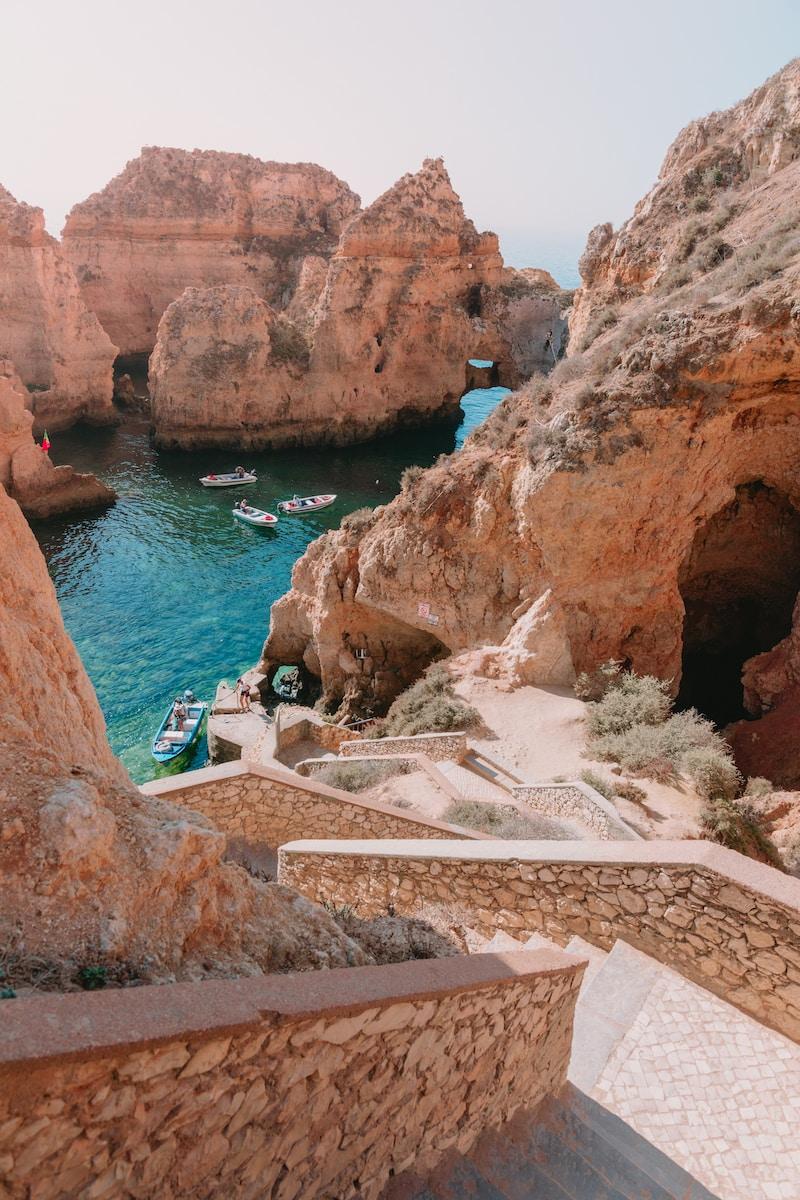
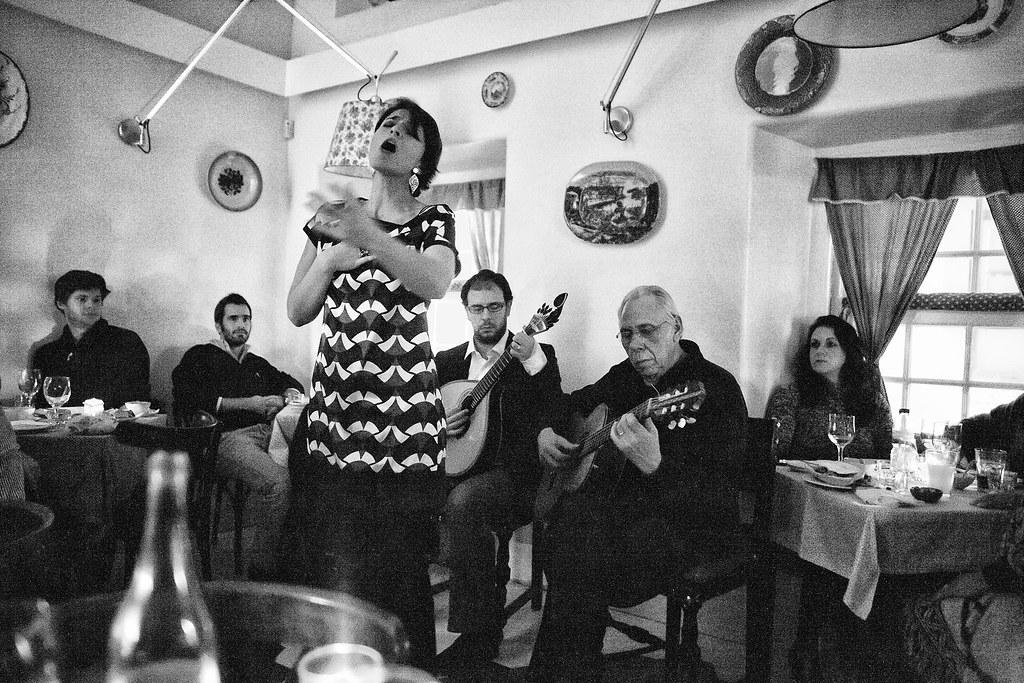
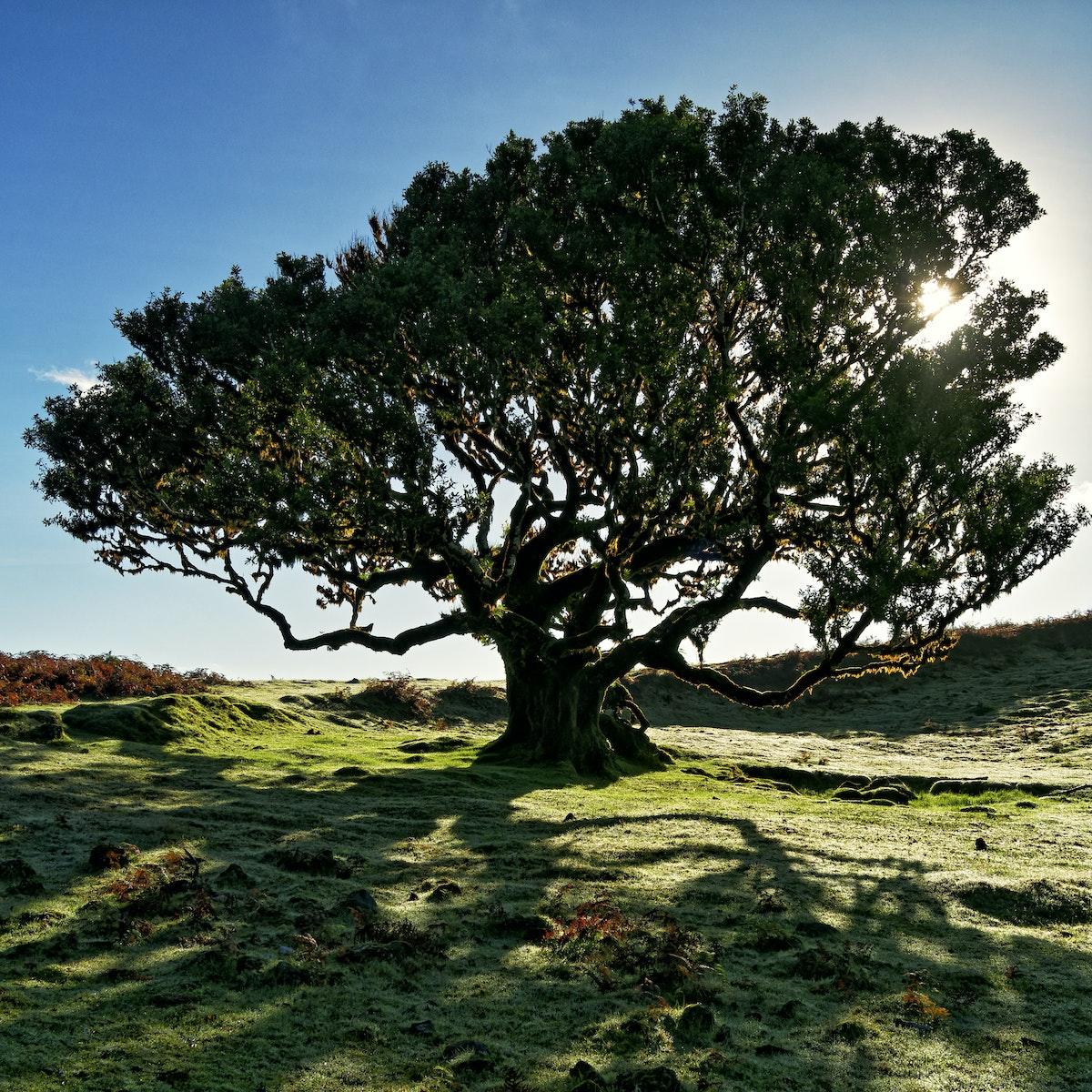
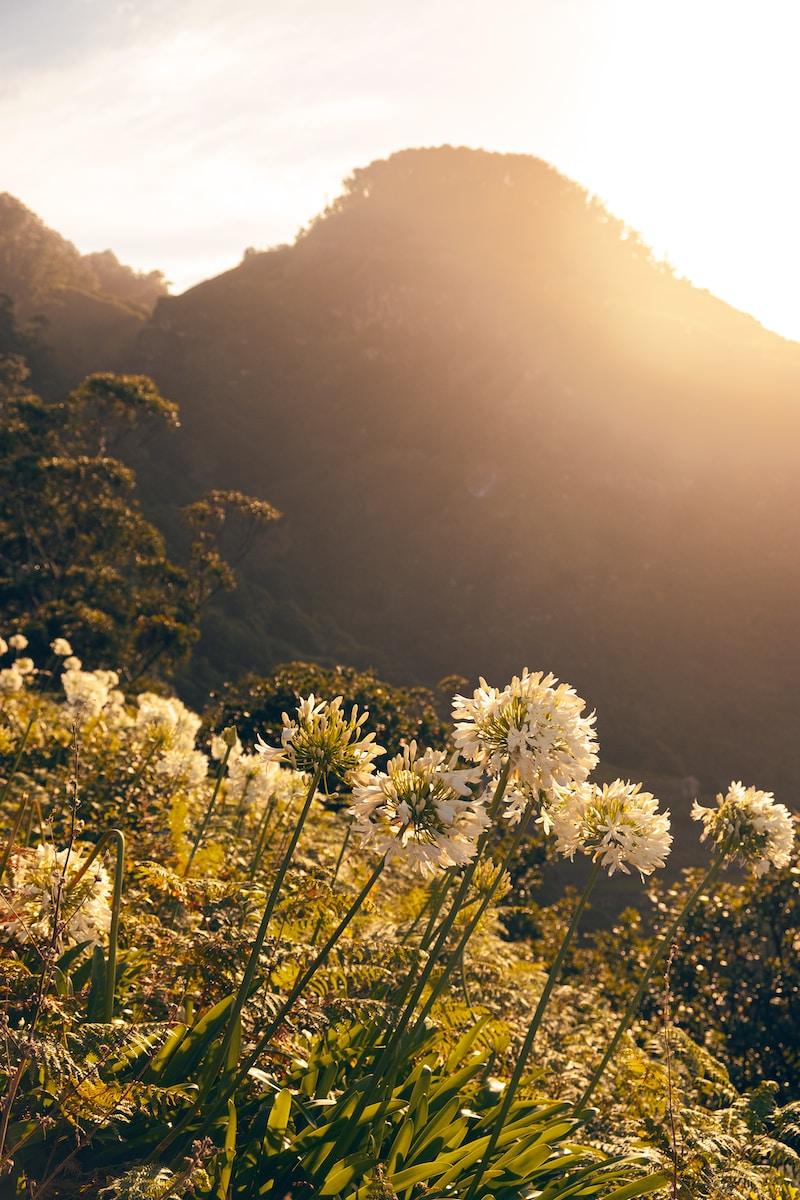
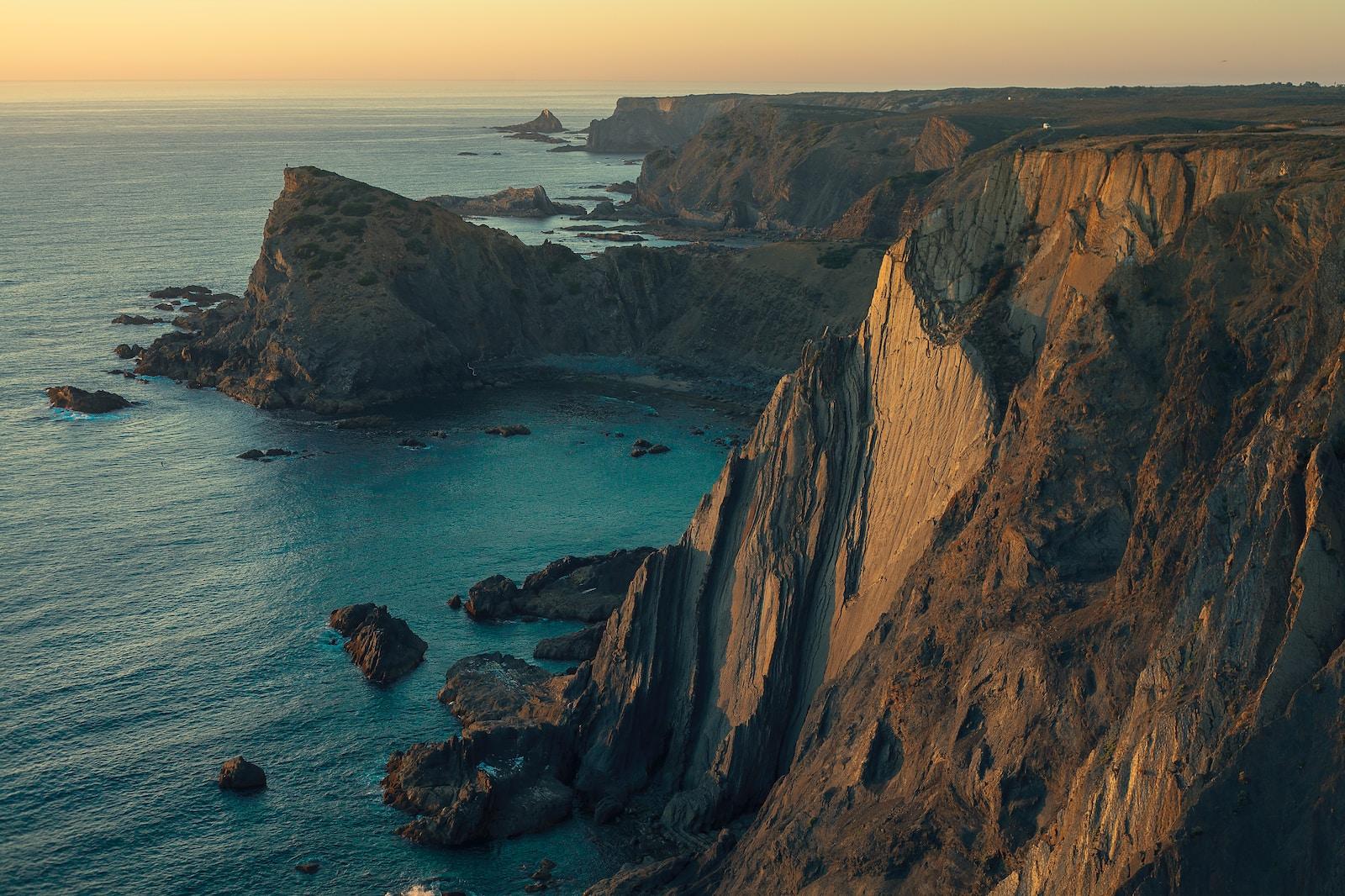
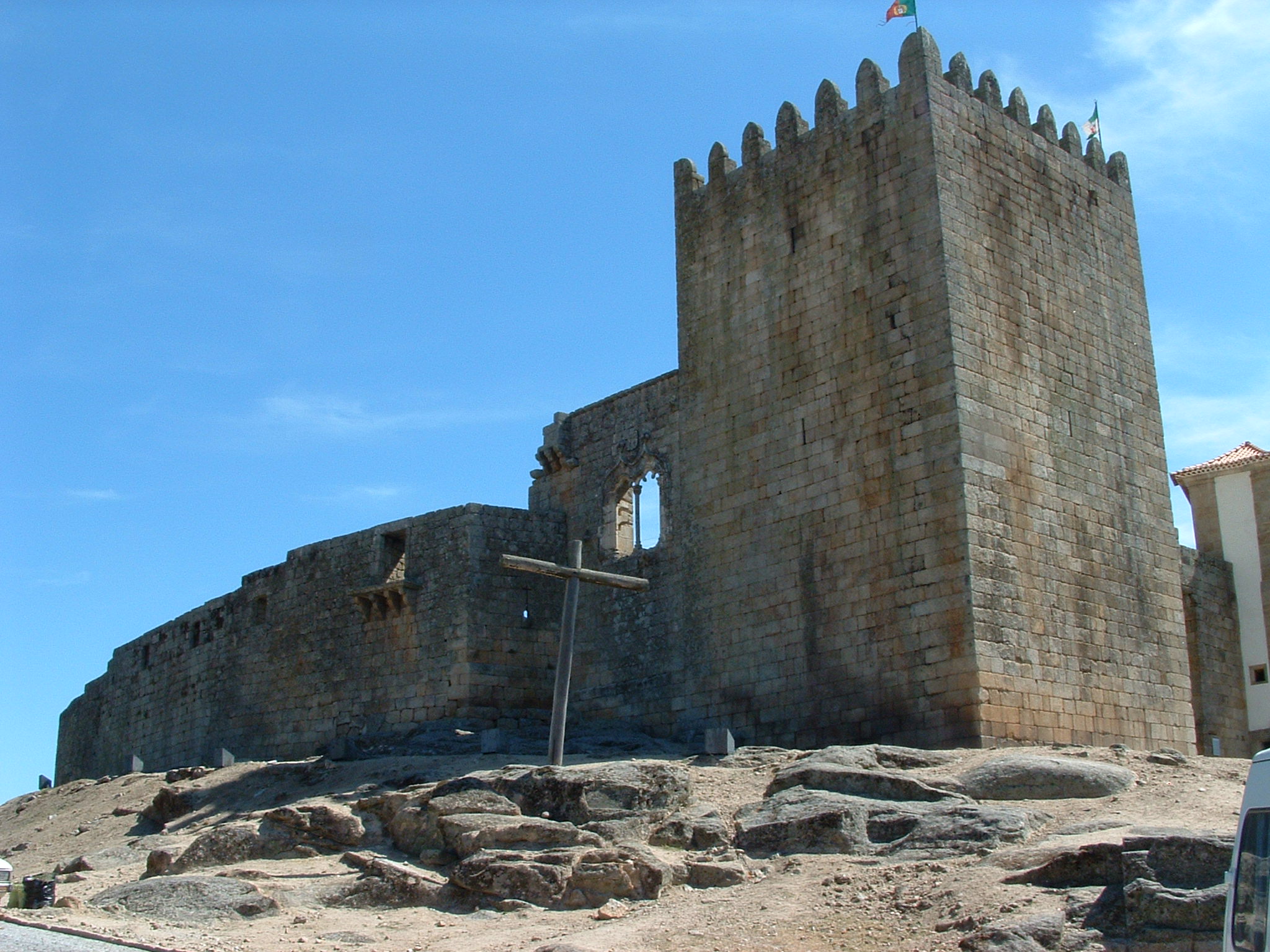
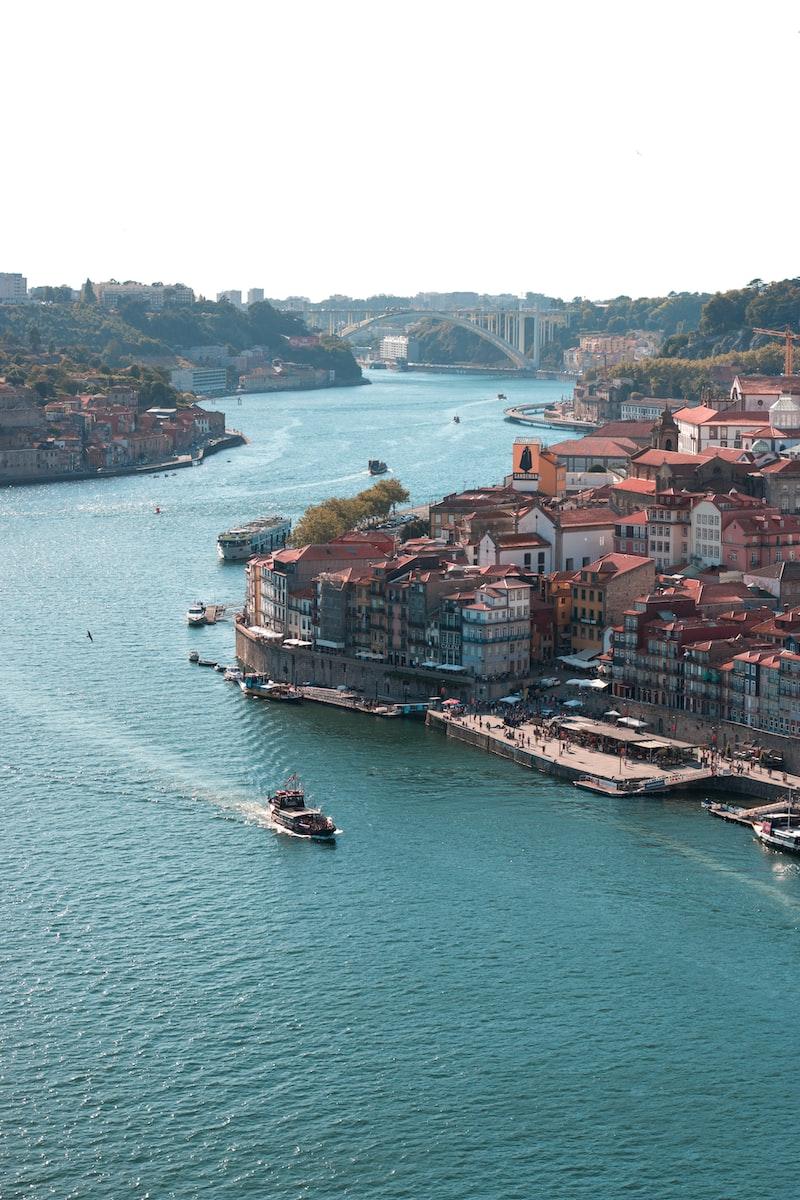
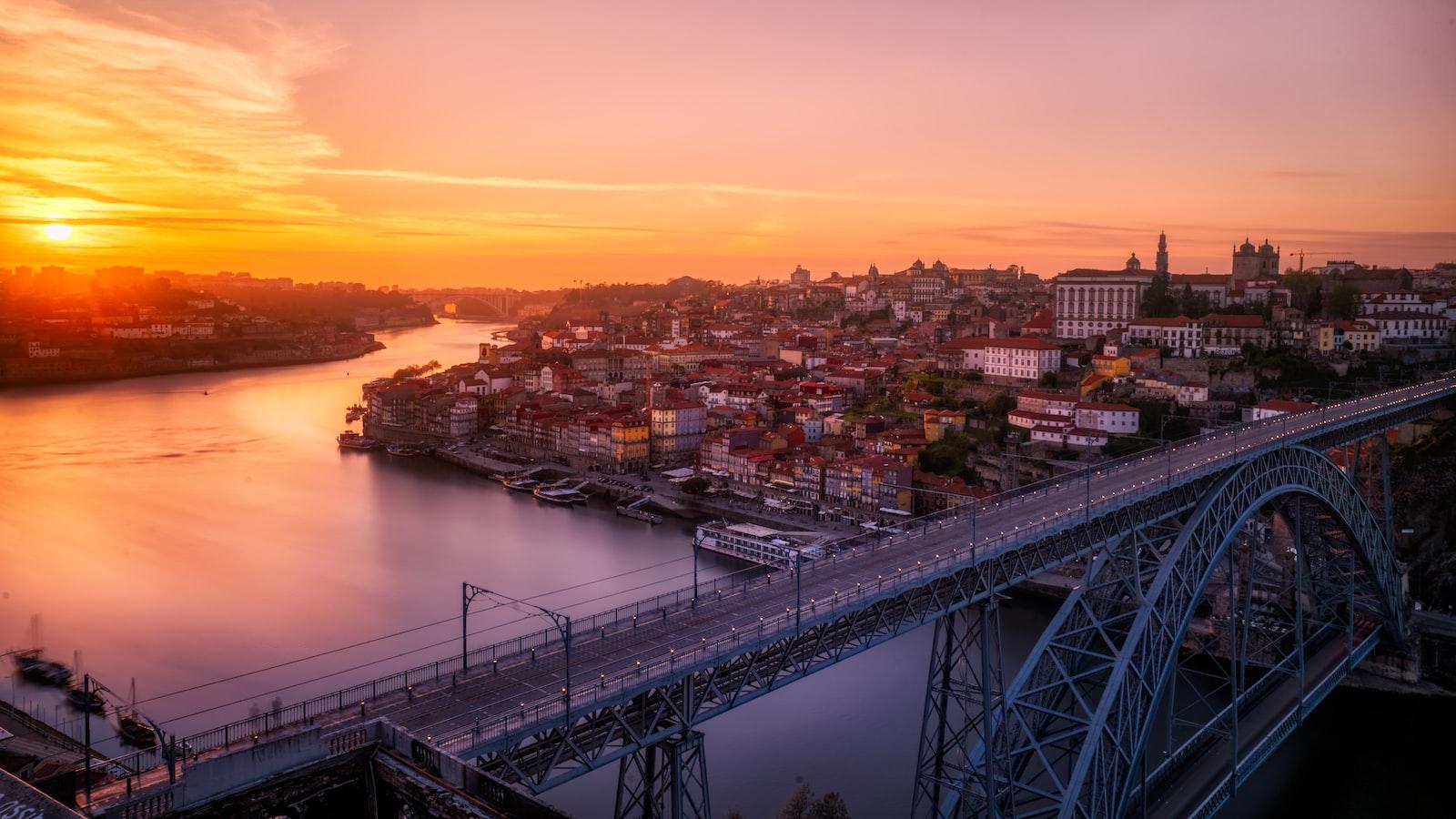
Olive trees have been grown in Portugal for thousands of years, and the country is renowned for its high-quality olive oil. The olive harvest is a big deal in Portugal. It marks the end of the growing season and the start of the process of making olive oil. In this blog post, I will explore the history and culture of olive harvesting in Portugal and the techniques and traditions involved in the process.

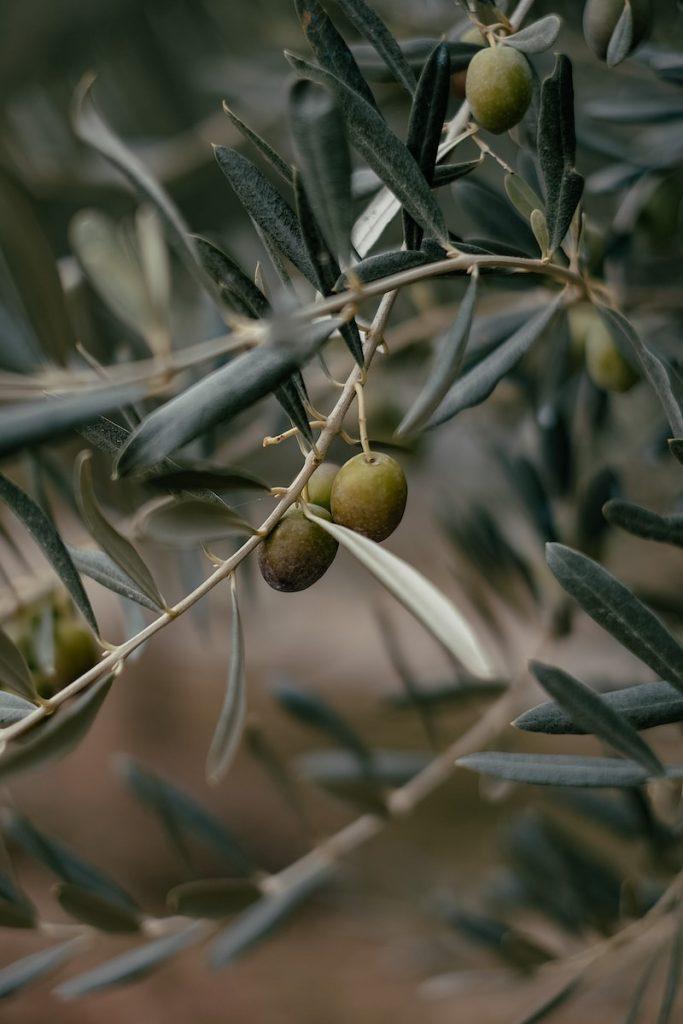
green and brown round fruit

History and Culture of Olive Harvesting in Portugal

Olive trees have been grown in Portugal since Roman times, and the country has been making olive oil for a very long time. Olive trees thrive in the Mediterranean climate of Portugal, and the country has a long tradition of olive oil production, with many olive groves passed down through families for generations.

The olive harvest in Portugal is an important event that marks the end of the growing season and the start of the olive oil production process. Many families and communities work together to pick the olives. This is a very traditional and culturally important part of the process. In some parts of the country, the olive harvest is celebrated with festivals and fairs, with music, dancing, and traditional food and drink.

Techniques and Traditions of Olive Harvesting in Portugal

The olive harvest in Portugal typically takes place from late October to early December, depending on the weather and the variety of olives. The process involves picking the olives from the trees and collecting them in baskets or nets. Traditionally, farmers would pick olives by hand, but today many use machinery to speed up the process, such as vibrating combs or shakers.

Once the olives have been harvested, they are taken to the mill to be pressed into olive oil. In some parts of Portugal, the traditional way of making olive oil is still used. Stone mills are used to crush the olives, and presses are used to get the oil out. However, many modern mills now use centrifugal force to separate the oil from the olives.

Portugal is known for making high-quality olive oil, and there are strict rules in place to make sure that it meets certain standards. To keep its flavor and smell, the olives must be picked at the right time, and the oil must be extracted using specific methods and stored in the right way.

Portugal is a country on the western coast of Europe. It has a lot to offer, from the charming cobblestone streets of its old cities to the beautiful coastline and beaches that bring people from all over the world to soak up the sun. Here are some things to look out for in Portugal, both the good and the bad.

The Good:

  1. Warm and Friendly People: Portuguese people are known for their warmth and hospitality. They are often described as being laid-back and friendly, making it easy to strike up a conversation and feel at home.

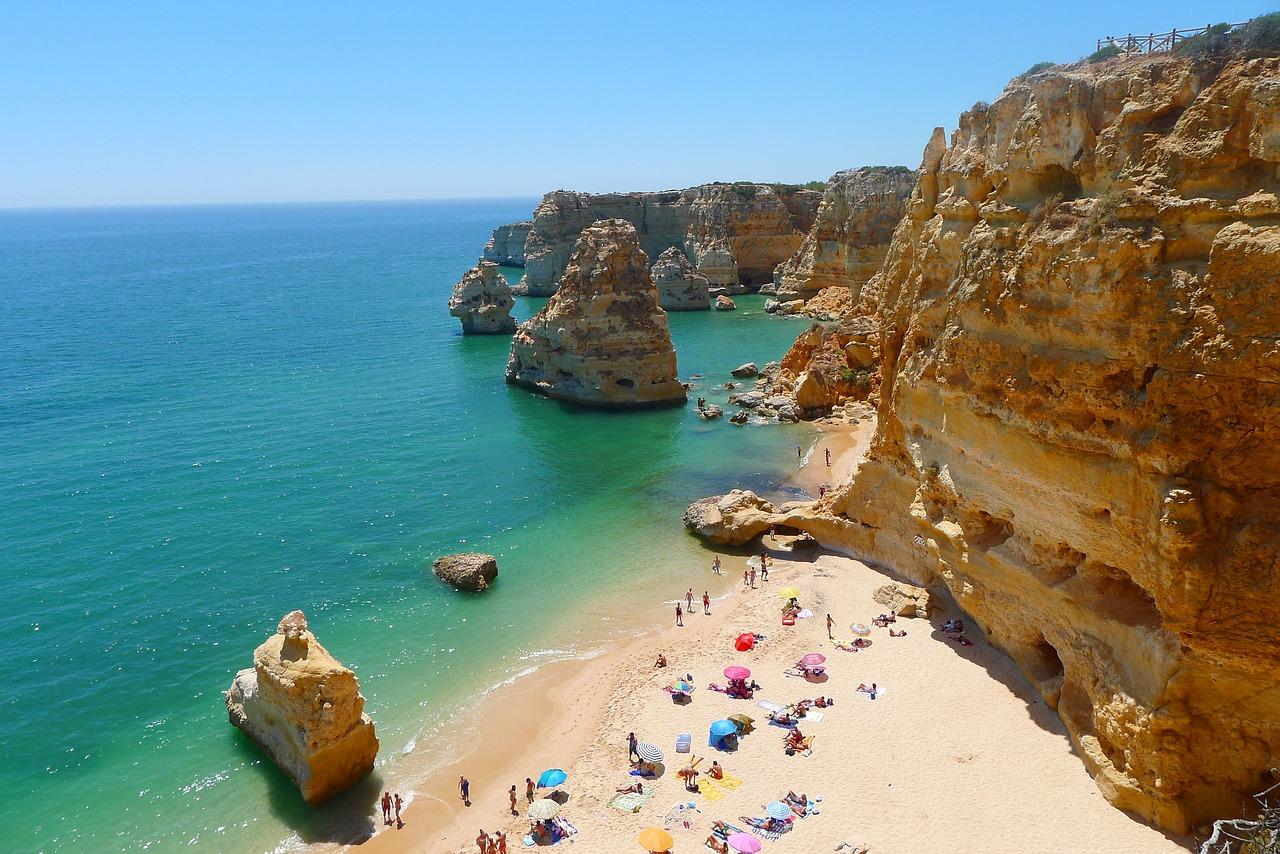
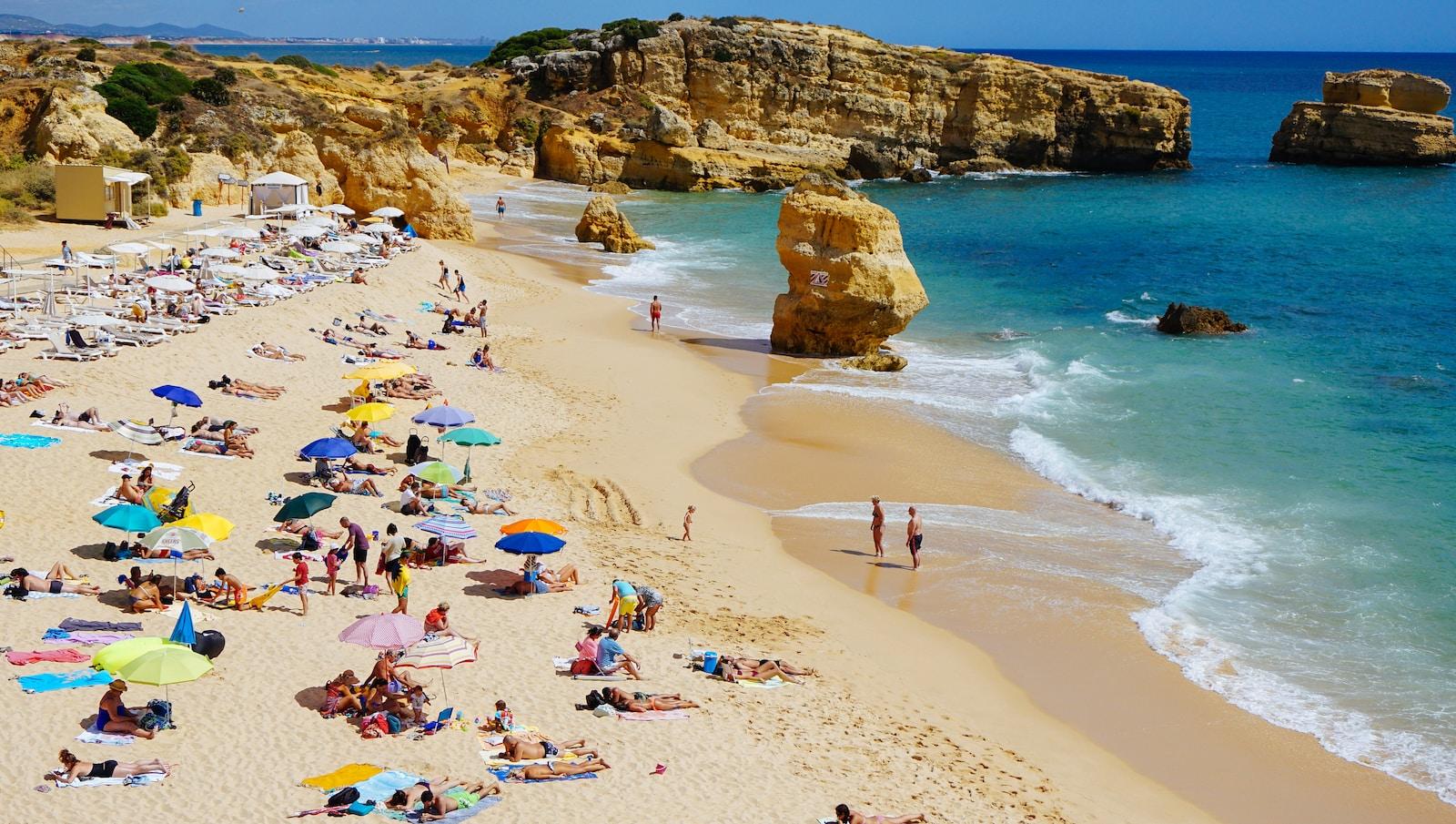
  2. Portugal has some of the most beautiful beaches in Europe. These beaches have clear water, golden sand, and lots of sunshine. The Algarve region in the south is particularly well-known for its beaches, which attract tourists from around the world.

  3. Portugal has a long and rich cultural history, which can be seen in its architecture, art, music, and food. From the Roman ruins of Conimbriga to the Manueline architecture of the Belem Tower in Lisbon, there is plenty to discover and explore.

  4. Portugal has a low cost of living compared to other Western European countries, making it a relatively cheap place to live. This makes it an attractive destination for digital nomads, retirees, and budget travelers.

  5. Delicious Food and Wine: Portuguese cuisine is flavorful and diverse, with a strong emphasis on fresh seafood, grilled meats, and hearty stews. The country is also famous for its wine, particularly the fortified port wine from the Douro Valley.

The Bad:

  1. High Unemployment: Portugal has one of the highest unemployment rates in Europe, particularly among young people. This can make it hard for people who live there to find work and for people from other countries to get work visas.

  2. The bureaucracy can be slow and hard to deal with in Portugal, especially when it comes to getting permits and licenses. This can be frustrating for those who are used to more efficient systems.

  3. Limited Public Transportation: While Portugal has a good network of highways, public transportation can be limited, particularly in rural areas. This can make it challenging to get around without a car.

  4. Poor Air Quality: Lisbon and Porto, which are the two biggest cities in Portugal, have bad air quality because of all the cars and factories. This can be a concern for those with respiratory issues.

  5. Tourist Areas That Are Always Full: In recent years, Portugal has become more and more popular with tourists, especially during the summer months. This can make it hard to find a place to stay and have a quiet vacation in places that are popular with tourists.

In conclusion, Portugal is a beautiful country with plenty to offer visitors. While there are some drawbacks, such as high unemployment and slow bureaucracy, the warm and friendly people, stunning beaches, and rich cultural heritage make it a worthwhile destination. Whether you are looking for a budget-friendly vacation or a place to call home, Portugal has something for everyone.

Sustainable living and green technology have become increasingly important topics around the world, and Portugal is no exception. The country has made a lot of progress toward sustainability and is a leader in green projects, which makes it a great topic for blogs and other media. In this blog, we’ll talk about green living and technology in Portugal. We’ll talk about tips for green living, eco-friendly products and services, and new ways to use renewable energy and deal with waste.

green vegetable beside ceramic bowl

Sustainable living tips

Sustainable living is all about making choices that don’t hurt the environment as much as possible. In Portugal, there are several ways to live a more sustainable lifestyle. One of the best ways to do this is by reducing waste. Portugal has made significant progress in waste management, but there is still a long way to go. Individuals can contribute to this by using reusable bags, water bottles, and coffee cups and reducing the use of single-use plastics.

Another way to live sustainably is by reducing energy consumption. Portugal is blessed with abundant sunshine, and this has been utilized for the production of solar energy. By using solar panels, individuals can reduce their energy consumption and save money on electricity bills. Additionally, choosing energy-efficient appliances can also contribute to reducing energy consumption.

Eco-friendly products and services

Portugal is home to several eco-friendly products and services that are good for the environment. For instance, there are several brands that produce eco-friendly clothing made from sustainable materials such as bamboo, organic cotton, and recycled polyester. These materials are durable, long-lasting, and better for the environment than conventional fabrics.

Portugal has a lot of eco-friendly beauty and personal care products, as well as eco-friendly clothing. These products are made from natural and organic ingredients, and they are free from harmful chemicals such as parabens, sulfates, and phthalates. Using these products is not only good for the environment but also for one’s health.

Innovations in Renewable Energy and Waste Management

Portugal has made a lot of progress in the field of renewable energy, and it is now one of the world’s top producers of power from wind and the sun. The country has also made a lot of progress in how it deals with waste. Several programs have been started to reduce waste and encourage recycling. For example, Portugal has a policy of charging people for plastic bags, which has cut down on their use by a lot.

Another innovation in waste management is the use of composting. Composting is a natural process that breaks down organic waste into nutrient-rich soil that can be used for gardening. Portugal has implemented several initiatives to promote composting, and many households now have composting bins.

In conclusion, sustainable living and green technology are crucial topics in Portugal. The country has made significant progress toward sustainability, and there are several ways that individuals can contribute to this effort. By living sustainably, using eco-friendly products and services, and supporting innovations in renewable energy and waste management, individuals can play their part in protecting the environment and creating a better future for all.

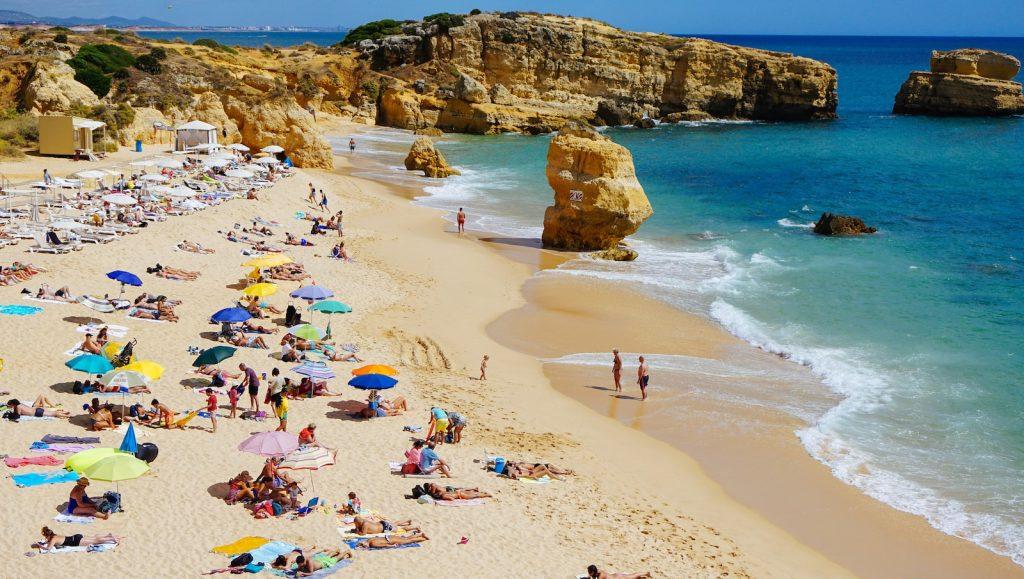
sea, beach, bay

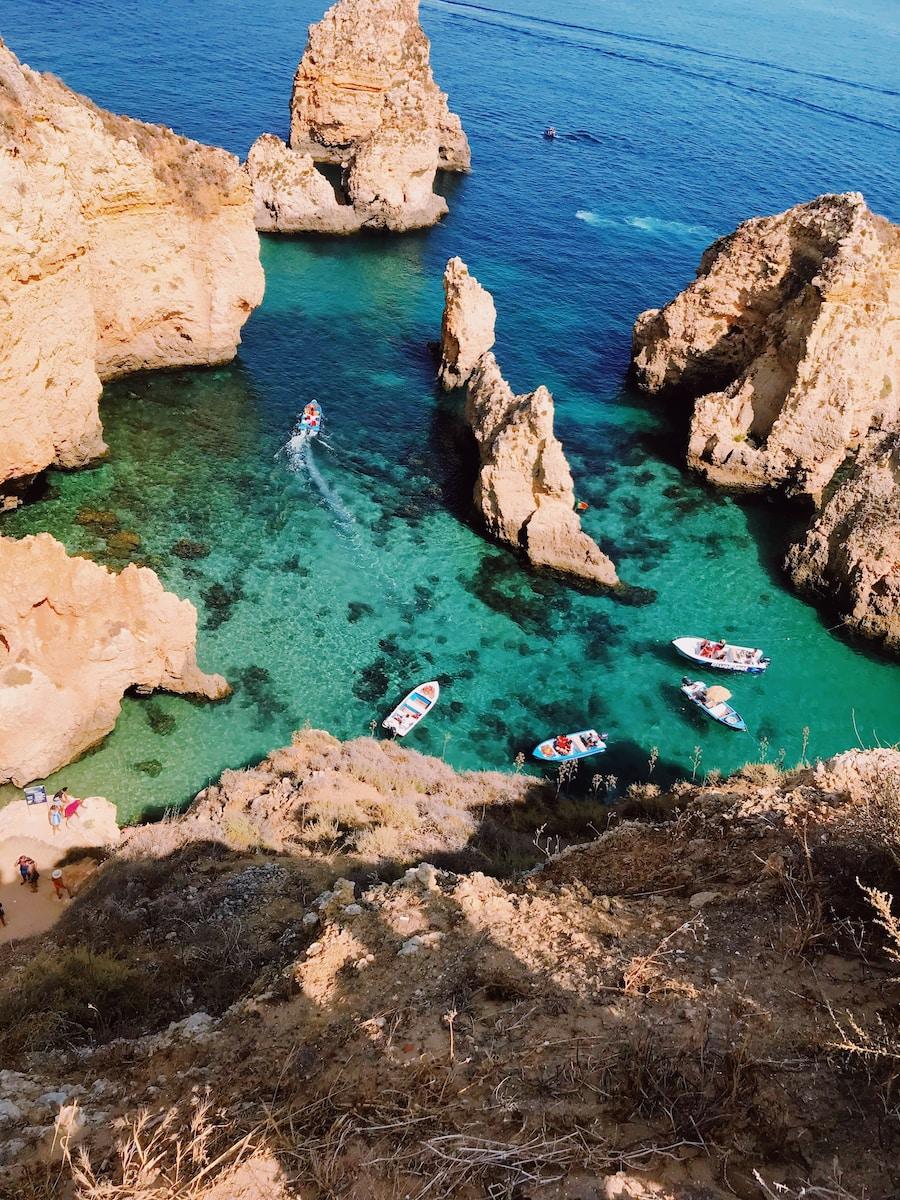
The Algarve is an area in the southern part of Portugal that is well-known for the magnificent beaches, breathtaking coastline, pleasant climate, and laid-back style of life found there. It is one of the most well-known tourist spots in all of Portugal and welcomes millions of tourists every year.

Beaches: The Algarve is well-known for the beauty of its beaches, which range from broad expanses of golden sand to little coves that are bordered by cliffs. Some of the most popular beaches include Praia da Rocha, Praia do Vau, Praia de Alvor, and Praia da Luz. Visitors to these beaches can use a wide range of amenities, such as sun loungers, umbrellas, and beach bars.

golf ball on green grass field during daytime

Outdoor Activities: The Algarve is well known for its beaches, but it also has a wealth of opportunities for outdoor activities. Golfing is one of the most well-liked pastimes in this area, and there are over 40 golf courses to choose from here, some of which are of the highest caliber. The region is also a wonderful place to go trekking since it has a large number of beautiful routes that can be explored, one of which is the Rota Vicentina, which runs along the coast.

Water sports: The Algarve is also a well-liked vacation spot for those who enjoy participating in water sports. The western portion of the area, which has some of the most renowned surfing beaches in Portugal, is one of the most popular places in the world to go surfing. Kite surfing, windsurfing, and stand-up paddleboarding are three more types of water sports that can be participated in.

Towns and Villages: The Algarve is home to a number of quaint towns and villages, each of which has a unique personality and set of attractions. The city of Lagos is rich in history, and it features a charming old town as well as churches and museums. A Roman bridge, a castle, and a number of churches contribute to Tavira’s charming appearance as a town. The town of Albufeira is known for its vibrant nightlife, which includes an abundance of restaurants and pubs.

round silver steel bowl with scallops

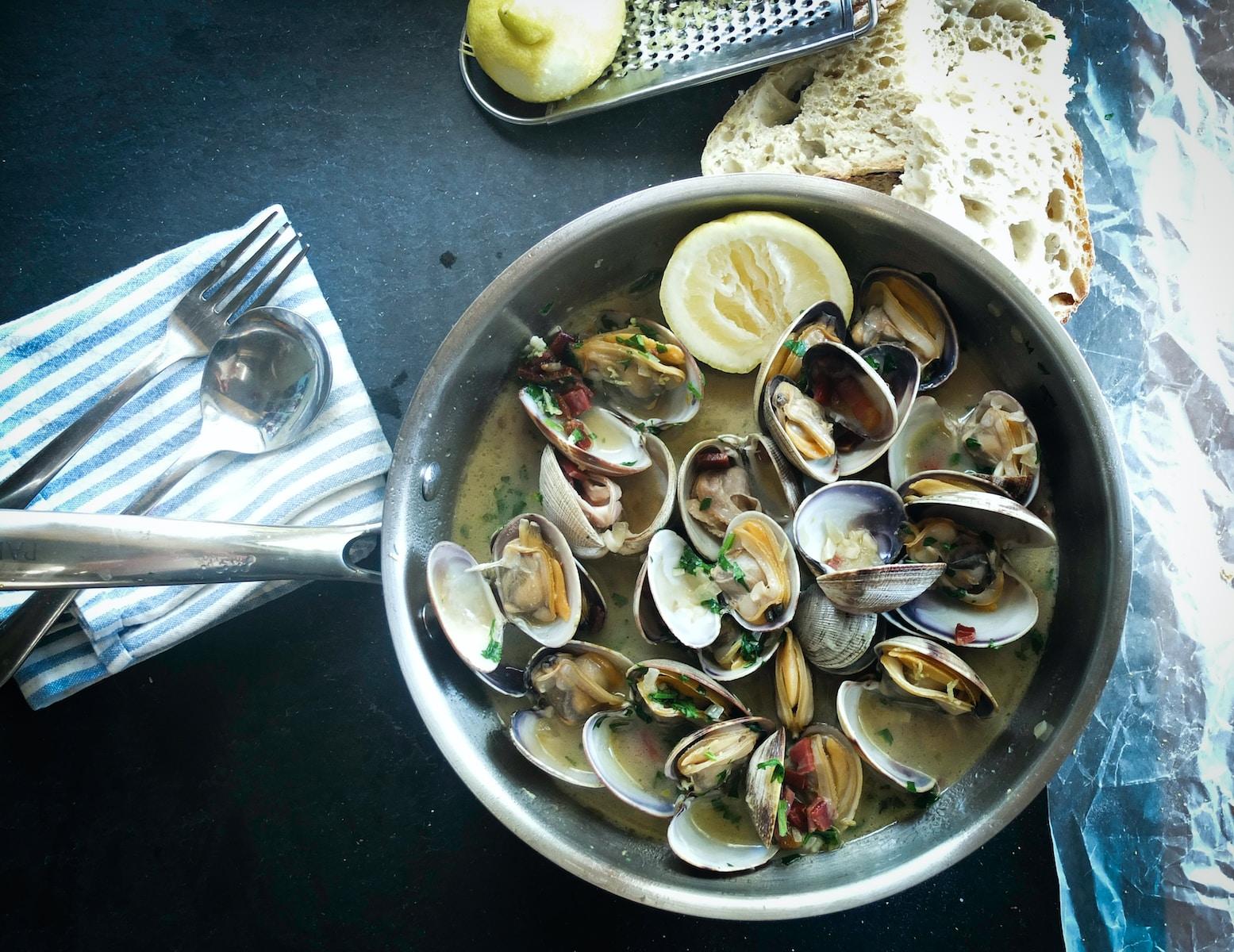
Cuisine and drinks: The Algarve is also known for its delicious food and drinks, especially its seafood dishes. Cataplana, which consists of grilled sardines, octopus rice, and cataplana, is one of the most well-liked recipes. a seafood stew. Additionally, the region is home to a large number of vineyards and wineries, which are responsible for the production of some of the finest wines in Portugal.

All things considered, the Algarve is an excellent vacation spot for anyone searching for sun, sea, and excitement. It’s easy to understand why it’s such a well-liked vacation spot thanks to the area’s beautiful beaches, plenty of opportunities for outdoor recreation, quaint villages, and delectable food and drink.

The Algarve region in the south of Portugal is not known for its castles as much as some other regions of the country, but there are a few castles worth visiting in the area. Here are some castles in the Algarve that you might want to check out:

  1. Castle of Silves: The Castle of Silves is one of the most iconic landmarks in the Algarve. In the 11th century, the Moors built it. For hundreds of years, it was an important military stronghold. Today, visitors can explore the castle ruins, including the walls, towers, and gates.

  2. Tavira Castle: The Castle of Tavira is another medieval castle in the Algarve. It was built in the 13th century and served as a defensive fortress for the town. Visitors can explore the castle walls and towers, as well as the castle museum, which displays artifacts from the castle’s history.

  3. Loulé Castle: The Castle of Loulé is located in the town of Loulé, and was originally built by the Moors in the 8th century. It was later rebuilt in the 13th century by the Portuguese. Today, visitors can explore the castle walls and towers, as well as a small museum with exhibits on the castle’s history.

  4. Paderne Castle: The Castle of Paderne is near the town of Albufeira and is one of the best-preserved castles in the Algarve. The Moors built it in the 12th century, and the Portuguese later took control. Visitors can explore the castle walls and towers, as well as the surrounding countryside.

These are just a few examples of castles in the Algarve that are worth visiting. While the region may not be known for its castles as much as other parts of Portugal, these landmarks offer a glimpse into the area’s history and are worth exploring if you have the opportunity.

The Azores, a group of nine islands in the middle of the Atlantic Ocean, are a hidden gem that offer a unique and unforgettable travel experience. With its lush green landscapes, volcanic mountains, hot springs, and crystal-clear waters, the Azores has something for everyone. Its mild oceanic climate, rich history and culture, and diverse range of activities make it a popular destination for tourists from around the world. From hiking to whale watching, from sampling delicious local cuisine to relaxing in natural hot springs, the Azores promise a truly unforgettable experience for all who visit.

São Miguel

São Miguel is the largest and most populous island in the Azores archipelago. Here are some facts and information about São Miguel:

Geography:

  • São Miguel has an area of approximately 759 square kilometres, making it the largest island in the Azores.
  • The island has a diverse landscape, with volcanic craters, lakes, hot springs, and forests, as well as sandy beaches and rugged cliffs along its coastline.
  • The highest point on the island is Pico da Vara, which rises to 1,103 metres above sea level.
  • The capital of São Miguel is Ponta Delgada, which is also the largest city in the Azores.

History and Culture:

  • São Miguel has a rich history, with evidence of human habitation dating back to the 15th century.
  • The island played an important role in the Age of Exploration as a stopover point for ships travelling to the Americas, and it was also a strategic military base during World War II.
  • São Miguel has a vibrant cultural scene, with festivals, music, and dance playing important roles in its traditions.
  • The island is also known for its traditional crafts, such as pottery, lacemaking, and embroidery.

Tourism:

  • São Miguel is a popular tourist destination, known for its natural beauty, rich history, and unique culture.
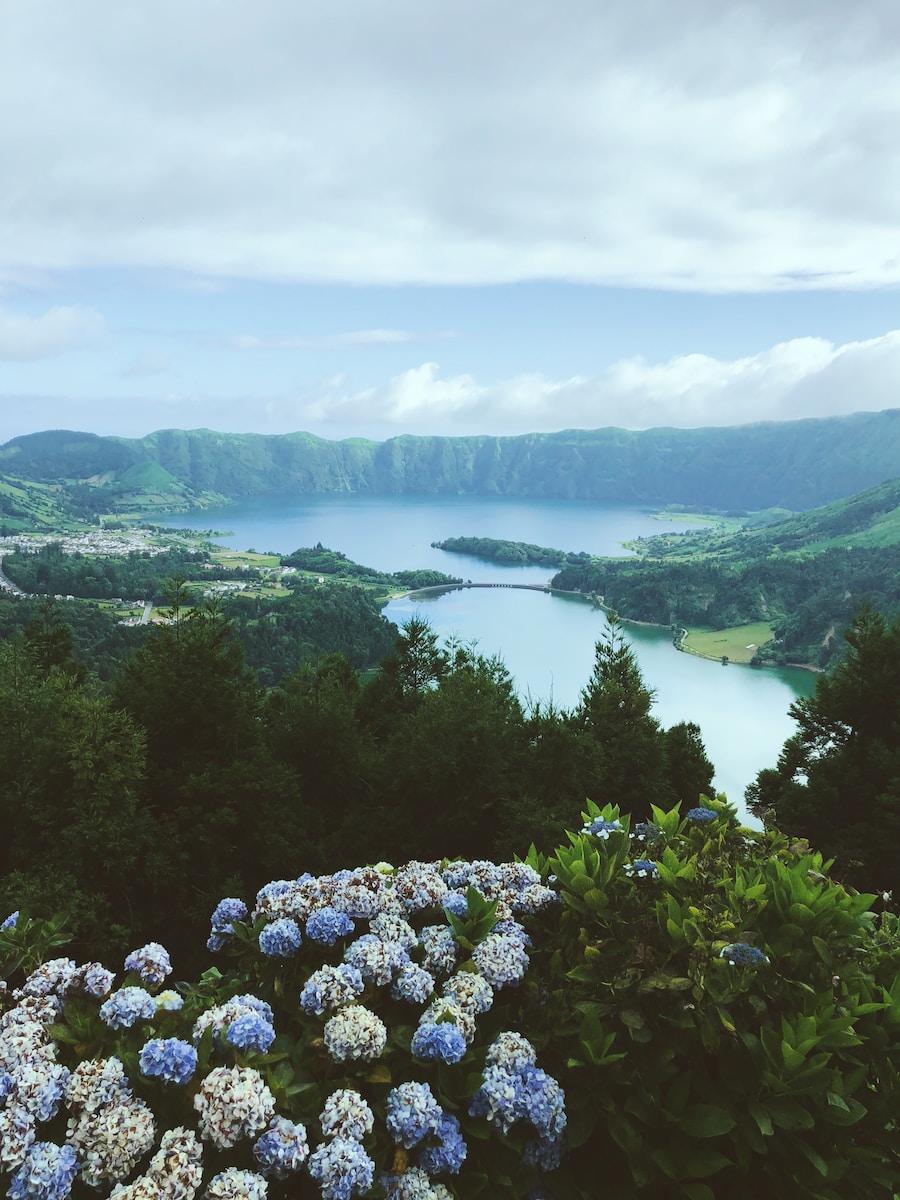
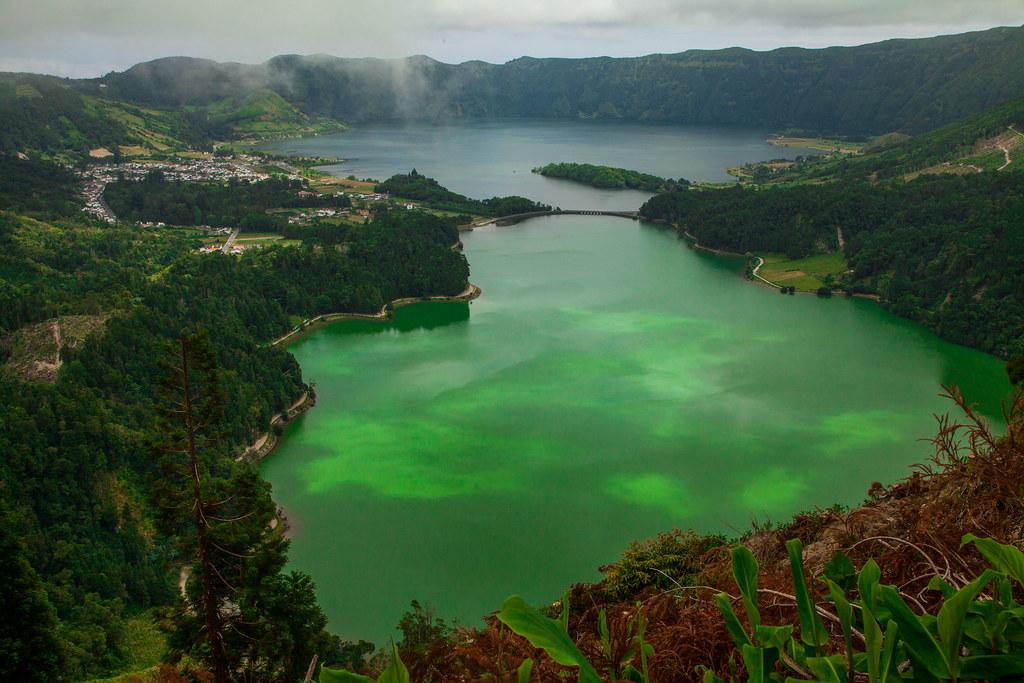
  • Visitors can explore the island’s many natural wonders, such as the Sete Cidades twin lakes, the Fogo Lake, and the Caldeira Velha hot springs.
  • There are also many cultural attractions on the island, such as museums, old churches, and traditional festivals and celebrations.
  • Visitors can also enjoy outdoor activities such as hiking, biking, surfing, and whale-watching.

Overall, São Miguel is a fascinating and beautiful island with a rich history and culture, making it a must-see destination for travellers who are interested in exploring the Azores.

Terceira

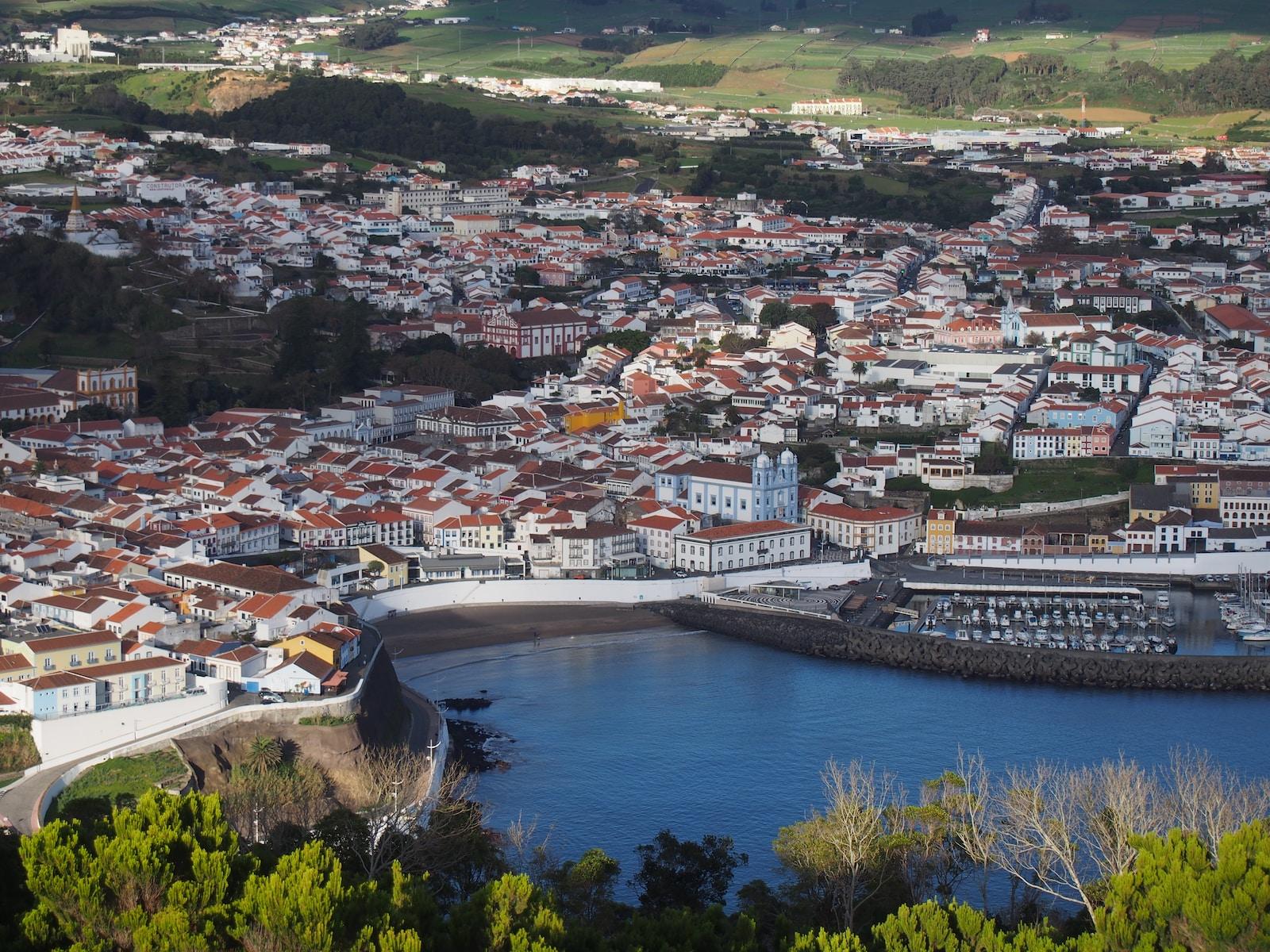
a city next to a body of water

Terceira is one of the nine volcanic islands that make up the Azores archipelago. The Azores are in the Atlantic Ocean, about 1,500 kilometres west of Lisbon, Portugal. Here are some facts and information about Terceira:

Geography:

  • Terceira is the third-largest island in the Azores, with an area of approximately 400 square kilometres.
  • The island has a rough coastline with many bays, coves, and rocky cliffs. In the middle of the island, there are fertile valleys and plains.
  • The highest point on the island is Serra de Santa Bárbara, which rises to 1,023 metres above sea level.
  • The capital of Terceira is Angra do Heroísmo, which is a UNESCO World Heritage Site.

History and Culture:

  • Terceira has a long history. There is evidence that people lived there as early as the Neolithic period.
  • In the 15th century, the Portuguese were the first people to live on the island. During the Age of Exploration, it was a major stop for ships going to the Americas.
  • Terceira has been the site of several significant battles and conflicts throughout its history, including a battle between Portuguese and Spanish forces in 1583 and the Portuguese Civil War in the 19th century.
  • The island has a vibrant cultural scene, with festivals, music, and dance playing important roles in its traditions.
  • Terceira is also known for its traditional architecture, including the “casas de ramadas,” which are houses with thatched roofs.

Tourism:

  • Terceira is a popular place for tourists to visit because it has beautiful natural scenery, a long history, and a unique culture.
  • Visitors can explore the island’s many natural wonders, such as the Algar do Carvão cave, the Furnas do Enxofre hot springs, and the Monte Brasil volcanic complex.
  • There are also many cultural attractions on the island, such as museums, old churches, and traditional festivals and celebrations.
  • Visitors can also enjoy outdoor activities such as hiking, biking, surfing, and whale-watching.

Overall, Terceira is a fascinating and beautiful island with a rich history and culture, making it a must-see destination for travellers who are interested in exploring the Azores.

São Jorge

Açores ilha S. Jorge Velas | peregrino27 - thanks for + 700.k views | Flickr

São Jorge is an island in the Azores archipelago. Here are some facts and information about São Jorge:

Geography:

  • São Jorge has an area of approximately 246 square kilometres, making it the fifth-largest island in the Azores.
  • The island has a rugged coastline with steep cliffs, as well as deep valleys and steep ridges in its interior.
  • The highest point on the island is Pico da Esperança, which rises to 1,053 metres above sea level.
  • The main town on the island is Velas.

History and Culture:

  • São Jorge has a rich history, with evidence of human habitation dating back to the Neolithic period.
  • The Portuguese first settled the island in the 15th century, and it was a significant stopover for ships sailing to the Americas during the Age of Exploration.
  • São Jorge has a vibrant cultural scene, with festivals, music, and dance playing important roles in its traditions.
  • The island is also known for its traditional cheese, which is made from the milk of cows that graze on the island’s lush pastures.

Tourism:

  • São Jorge is a popular tourist destination, known for its natural beauty, rich history, and unique culture.
  • Visitors can explore the island’s many natural wonders, such as the Fajãs (coastal plains), the Caldeira de Santo Cristo lagoon, and the Pico do Pedro mountain.
  • There are also many cultural attractions on the island, such as museums, old churches, and traditional festivals and celebrations.
  • Visitors can also enjoy outdoor activities such as hiking, biking, and whale-watching.

Overall, São Jorge is a fascinating and beautiful island with a rich history and culture, making it a must-see destination for travellers who are interested in exploring the Azores.

Pico

Pico | Pico, Azores, Portugal, as seen from Lagoa do Capitão… | Flickr

Pico is an island in the Azores archipelago. Here are some facts and information about Pico:

Geography:

  • Pico has an area of approximately 447 square kilometres, making it the second-largest island in the Azores.
  • The island is dominated by its volcano, Pico Mountain, which at 2,351 metres above sea level is the highest point in Portugal.
  • The island has a rugged coastline with steep cliffs, as well as vineyards and forests in its interior.
  • The main town on the island is Madalena.

History and Culture:

  • Pico has a long history. There is evidence that people lived there as early as the Neolithic period.
  • The Portuguese first settled the island in the 15th century, and it was a significant stopover for ships sailing to the Americas during the Age of Exploration.
  • Pico has a vibrant cultural scene, with festivals, music, and dance playing important roles in its traditions.
  • The island is also known for its wine, which is produced from the Verdelho grape and grown on the island’s unique lava soil.

Tourism:

  • Pico is a popular tourist destination known for its natural beauty, rich history, and unique culture.
  • Visitors can explore the island’s many natural wonders, such as the volcanic landscape of Pico Mountain, the lava tubes and caves, and the natural swimming pools along the coastline.
  • There are also many cultural attractions on the island, such as museums, old churches, and traditional festivals and celebrations.
  • Visitors can also enjoy outdoor activities such as hiking, biking, and whale-watching.

Overall, Pico is a fascinating and beautiful island with a rich history and culture, making it a must-see destination for travellers who are interested in exploring the Azores.

.

Santa Maria

Praia da Vitória - Wikipedia

Santa Maria is an island in the Azores archipelago. Here are some facts and information about Santa Maria:

Geography:

  • Santa Maria has an area of approximately 97 square kilometres, making it the third-smallest island in the Azores.
  • The island has mostly flat terrain, with some hills and valleys in the interior.
  • The coastline is characterised by sandy beaches and rocky cliffs.
  • The main town on the island is Vila do Porto.

History and Culture:

  • Santa Maria has a long history. There is evidence that people lived there as early as the 15th century.
  • Early in the 15th century, the Portuguese established the island, and as a stopover for ships sailing to the Americas, it was significant during the Age of Exploration.
  • Santa Maria has a unique cultural identity, with influences from Portugal, Africa, and Brazil.
  • The island is also known for its traditional pottery, which is made using local clay and fired in wood-burning kilns.

Tourism:

  • Santa Maria is a popular place for tourists to visit because of its beautiful beaches, beautiful scenery, and easygoing vibe.
  • Visitors can explore the island’s many natural wonders, such as the Praia Formosa beach, the Pico Alto mountain, and the Barreiro da Faneca natural swimming pool.
  • There are also many cultural attractions on the island, such as museums, old churches, and traditional festivals and celebrations.
  • Visitors can also enjoy outdoor activities such as hiking, biking, and water sports.

Overall, Santa Maria is a unique and beautiful island with a rich history and culture, making it a great destination for travellers who are looking for a more relaxed and authentic Azorean experience.

Graciosa

Sta Cruz da Graciosa | Sta Cruz da Graciosa vista do miradou… | Flickr

Graciosa is an island in the Azores archipelago. Here are some facts and information about Graciosa:

Geography:

  • Graciosa is one of the smallest islands in the Azores. It is about 61 square kilometres in size.
  • The island has relatively flat terrain, with some hills in the interior.
  • The coastline is characterised by cliffs, coves, and sandy beaches.
  • The main town on the island is Santa Cruz da Graciosa.

History and Culture:

  • Humans have been living on Graciosa since the 15th century, so it has a long history.
  • Early in the 16th century, the Portuguese settled the island for the first time, and it was significant to the Azores’ whaling industry.
  • Graciosa has a unique cultural identity, with influences from Portugal, Africa, and Brazil.
  • The island is also known for its traditional lacework, which is made using local techniques and materials.

Tourism:

  • Graciosa is a relatively undiscovered tourist destination, known for its quiet and relaxed atmosphere.
  • Visitors can explore the island’s many natural wonders, such as the Furna do Enxofre lava tube, the Caldeira do Norte crater, and the Praia de Graciosa beach.
  • There are also many cultural attractions on the island, such as museums, old churches, and traditional festivals and celebrations.
  • Visitors can also enjoy outdoor activities such as hiking, biking, and whale-watching.

Overall, Graciosa is a charming and peaceful island with a rich history and culture, making it a great destination for travellers who are looking for a more off-the-beaten-path Azorean experience.

Flores

Lagoa dos Patos | Flores Island | Azores | Paulo Valdivieso | Flickr

Flores is an island in the Azores archipelago. Here are some facts and information about Flores:

Geography:

  • Flores is one of the bigger islands in the Azores. It is about 143 square kilometres in size.
  • The island is mostly made up of mountains, and a few of them are higher than 800 metres.
  • The coastline is characterised by rugged cliffs, deep bays, and beautiful natural swimming pools.
  • The main town on the island is Santa Cruz das Flores.

History and Culture:

  • Flores has a long history. There is evidence that people lived there as early as the 15th century.
  • Early in the 16th century, the Portuguese settled the island for the first time, and it was significant to the Azores’ whaling industry.
  • Flores has a unique cultural identity, with influences from Portugal, Africa, and Brazil.
  • The island is also known for its traditional crafts, such as basket weaving and embroidery.

Tourism:

  • Flores is a popular place for tourists to visit because of its stunning natural beauty and fun things to do outside.
  • Visitors can explore the island’s many natural wonders, such as the Sete Lagoas (Seven Lakes), the Rocha dos Bordões (Basalt Columns), and the Fajã Grande waterfall.
  • There are also many cultural attractions on the island, such as museums, old churches, and traditional festivals and celebrations.
  • Visitors can also enjoy outdoor activities such as hiking, biking, and bird watching.

Overall, Flores is a stunningly beautiful island with a rich history and culture, making it a great destination for travellers who are looking for a more adventurous and nature-focused Azorean experience.

Faial

Porto Pim | The Porto Pim neighborhood at Horta on Faial Isl… | Flickr

Faial is an island in the Azores archipelago. Here are some facts and information about Faial:

Geography:

  • Faial is one of the bigger islands in the Azores. It is about 172 square kilometres in size.
  • The island is mostly made up of mountains, with Cabeco Gordo being the highest point at 1,043 metres.
  • The coastline is characterised by steep cliffs, coves, and sandy beaches.
  • The main town on the island is Horta.

History and Culture:

  • Faial has a rich history, with evidence of human habitation dating back to the 15th century.
  • Early in the 16th century, the Portuguese settled the island for the first time, and it was significant to the Azores’ whaling industry.
  • Faial has a unique cultural identity, with influences from Portugal, Africa, and Brazil.
  • The island is also known for its historic landmarks, such as the 16th-century Fort of Santa Cruz and the Church of Nossa Senhora das Angústias.

Tourism:

  • Faial is a popular tourist destination, known for its picturesque towns, stunning natural beauty, and outdoor activities.
  • People can see the Caldeira crater, the Capelinhos volcanic complex, and the Ponta dos Capelinhos lighthouse, which are all natural wonders on the island.
  • There are also many cultural things to do on the island, such as museums, art galleries, and traditional festivals and events.
  • Visitors can also enjoy outdoor activities such as hiking, biking, whale-watching, and scuba diving.

Overall, Faial is a charming and dynamic island with a rich history and culture, making it a great destination for travellers who are looking for a mix of outdoor adventure, cultural experiences, and scenic beauty in the Azores.

Corvo

File:Vila Nova do Corvo, ilha do Corvo com a ilha das Flores ao fundo, Açores, ilha das flores, Aquivo de Villa Maria, ilha Terceira, Açores.jpg - Wikimedia Commons

Corvo is the smallest island in the Azores archipelago. Here are some facts and information about Corvo:

Geography:

  • Corvo is the smallest island in the Azores. It is only about 17 square kilometres big, which makes it the smallest island in the group.
  • The island has a mountainous terrain, with its highest peak, Morro do Fontão, reaching 718 metres in elevation.
  • The coastline is characterised by steep cliffs, deep bays, and natural swimming pools.
  • The main town on the island is Vila do Corvo.

History and Culture:

  • Corvo has a long history. There is evidence that people lived there in the 1600s.
  • Portuguese colonists were the first people to live on the island, and in the 19th century, it served as a significant stopover for transatlantic voyages.
  • Corvo has a unique cultural identity, with influences from Portugal and other parts of the Azores.
  • The island is also known for its traditional handicrafts, such as basket weaving and lace making.

Tourism:

  • Corvo is a relatively undiscovered tourist spot. Each year, a small number of people visit, but that number is growing.
  • Visitors can explore the island’s many natural wonders, such as the Caldeirão crater, the Algar do Carvão lava tube, and the Rocha dos Bordões (Basalt Columns).
  • There are also many cultural attractions on the island, such as museums, old churches, and traditional festivals and celebrations.
  • Visitors can also enjoy outdoor activities such as hiking, bird watching, and diving.

Overall, Corvo is a charming and tranquil island with a rich history and culture, making it a great destination for travellers who are looking for a peaceful and authentic Azorean experience.

A road trip is one of the best ways to explore Portugal’s scenic beauty and discover hidden gems that are off the beaten path. Here are some of the best road trips in Portugal that offer breathtaking views, charming towns, and unforgettable experiences.

Douro river 1080P, 2K, 4K, 5K HD wallpapers free download | Wallpaper Flare

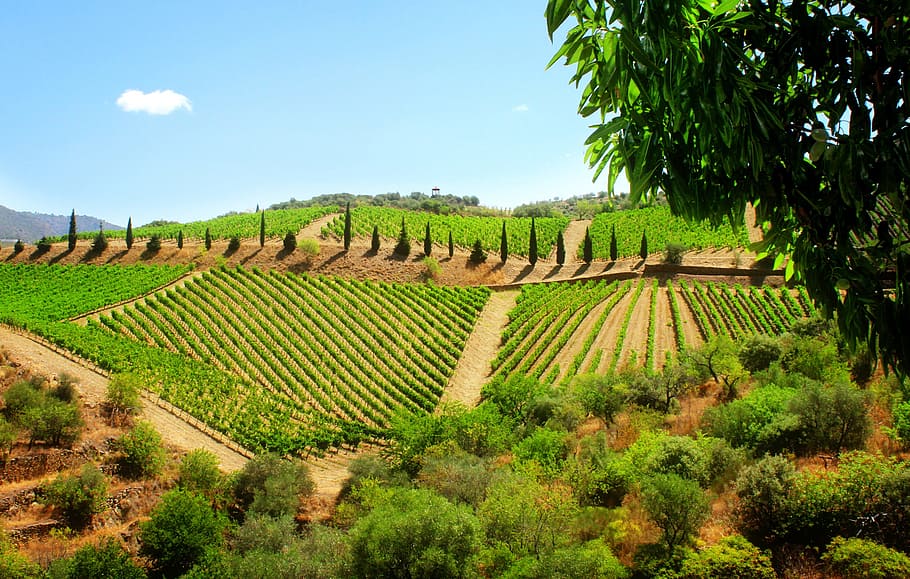
Douro Valley Road Trip – This road trip takes you through the Douro Valley, one of the most picturesque regions of Portugal, famous for its terraced vineyards and wine production. The drive takes you through winding roads that offer stunning views of the river, the hills, and the vineyards.

The Douro Valley is one of Portugal’s most beautiful places and a popular place to go on a road trip. There are several starting and ending points for a Douro Valley road trip, depending on your interests and travel plans. Here are some options:

  1. Porto to Pinhão: This is one of the most popular routes, as it takes you from Porto, a vibrant city on the coast, to Pinhão, a charming town in the heart of the Douro Valley. Along the way, you’ll drive through scenic roads that offer breathtaking views of the river and vineyards. You can visit several wineries and taste the famous Port wine, and explore charming villages and towns like Régua, Peso da Régua, and Lamego.

  2. Pinhão to Miranda do Douro: If you want to explore the northern part of the Douro Valley, you can start your road trip in Pinhão and drive all the way to Miranda do Douro, a historic town on the border with Spain. Along the way, you’ll pass through stunning landscapes, quaint villages, and charming towns like Vila Real, Mirandela, and Bragança. You can also visit several wineries and taste the local wine and olive oil.

  3. Douro International Natural Park: If you want to combine your road trip with nature and outdoor activities, you can explore the Douro International Natural Park, which spans over 85,000 hectares along the Douro River. You can start your road trip in Miranda do Douro and drive through scenic roads that offer stunning views of the river, the valleys, and the mountains. You can also hike, bike, or kayak in the natural park and explore the local wildlife and flora.

No matter which routes you choose, a Douro Valley road trip is a great way to explore the natural beauty, history, and culture of Portugal.

Alentejo 1080P, 2K, 4K, 5K HD wallpapers free download | Wallpaper Flare

Alentejo Coastal Road Trip – This road trip takes you along the Alentejo coastline, where you can experience some of the most beautiful beaches in Portugal. The drive takes you through charming fishing villages, historic towns, and stunning cliffs and rock formations.

Portugal’s Alentejo Coastline is a beautiful area and a great place to go on a road trip. There are several starting and ending points for an Alentejo Coast road trip, depending on your interests and travel plans. Here are some options:

  1. Lisbon to Faro: This is one of the most popular routes, as it takes you from Lisbon, the capital city of Portugal, to Faro, a popular tourist destination in the Algarve. Along the way, you’ll drive through scenic roads that offer stunning views of the Atlantic Ocean and the rugged coastline. You can visit several charming towns and villages like Comporta, Porto Covo, and Vila Nova de Milfontes and explore the natural beauty of places like the Southwest Alentejo and Vicentine Coast Natural Park.

  2. Santiago do Cacém to Sagres: If you want to explore the southwestern part of the Alentejo Coastline, you can start your road trip in Santiago do Cacém and drive all the way to Sagres, a historic town on the western tip of the Algarve. Along the way, you’ll pass through stunning landscapes, quaint villages, and charming towns like Zambujeira do Mar, Aljezur, and Lagos. You can also visit several beaches and surf spots and taste the local seafood and wine.

  3. Évora to Setúbal: If you want to combine your road trip with history and culture, you can explore the inland part of the Alentejo region and the Sado Estuary Natural Reserve. You can start your road trip in Évora, a UNESCO World Heritage Site, and drive through scenic roads that offer stunning views of the countryside and the coast. You can also visit several historic towns and villages, like Monsaraz, Arraiolos, and Palmela, and taste the local wine and cheese.

No matter which routes you choose, an Alentejo Coastal Road Trip is a great way to explore the natural beauty, history, and culture

File:The Shelter.jpg - Wikimedia Commons

Costa Vicentina Road Trip – This road trip takes you along the southwest coast of Portugal, where you can explore the rugged coastline, pristine beaches, and hidden coves. The drive takes you through small villages, historic towns, and natural parks that offer breathtaking views of the Atlantic Ocean.

The Costa Vicentina is a rough and untouched part of Portugal that makes a great place to go on a road trip. There are several starting and ending points for a Costa Vicentina road trip, depending on your interests and travel plans. Here are some options:

  1. Lisbon to Sagres: This is one of the most popular routes, as it takes you from Lisbon, the capital city of Portugal, to Sagres, a historic town on the western tip of the Algarve. Along the way, you’ll drive through scenic roads that offer stunning views of the Atlantic Ocean and the rugged coastline. You can visit several charming towns and villages like Cascais, Sintra, Aljezur, and Lagos and explore the natural beauty of places like the Southwest Alentejo and Vicentine Coast Natural Park.

  2. Faro to Sines: If you want to explore the southern part of the Costa Vicentina, you can start your road trip in Faro and drive all the way to Sines, a historic town in the Alentejo region. Along the way, you’ll pass through stunning landscapes, quaint villages, and charming towns like Tavira, Olhão, Vila do Bispo, and Porto Covo. You can also visit several beaches and surf spots and taste the local seafood and wine.

  3. Alentejo Interior to Porto Covo: If you want to combine your road trip with nature and culture, you can explore the inland part of the Alentejo region and the coastline around Porto Covo. You can start your road trip in Évora, a UNESCO World Heritage Site, and drive through scenic roads that offer stunning views of the countryside and the coast. You can also visit several historic towns and villages like Odemira, São Teotónio, and Vila Nova de Milfontes and explore the natural beauty of places like the Southwest Alentejo and Vicentine Coast Natural Park.

No matter which route you choose, a Costa Vicentina road trip is a great way to explore the natural beauty, history, and culture of Portugal.

Portugal’s Alentejo Coastline is a beautiful area and a great place to go on a road trip. There are several starting and ending points for an Alentejo Coast road trip, depending on your interests and travel plans.

La Carretera Montaña Naturaleza - Foto gratis en Pixabay - Pixabay

Serra da Estrela Road Trip – This road trip takes you through the highest mountain range in Portugal, where you can experience stunning landscapes, natural parks, and charming towns. The drive takes you through winding roads that offer breathtaking views of the mountains, the valleys, and the forests.

The Serra da Estrela is the highest mountain range in Portugal and a great destination for a road trip. There are several starting and ending points for a Serra da Estrela road trip, depending on your interests and travel plans. Here are some options:

  1. Porto to Covilhã: This is one of the most popular routes, as it takes you from Porto, the second-largest city in Portugal, to Covilhã, a historic town at the foothills of the Serra da Estrela. Along the way, you’ll drive through scenic roads that offer stunning views of the Douro Valley and the mountains. You can visit several charming towns and villages like Viseu, Seia, and Belmonte and explore the natural beauty of places like the Serra da Estrela Natural Park.

  2. Lisbon to Guarda: If you want to explore the eastern part of the Serra da Estrela, you can start your road trip in Lisbon and drive all the way to Guarda, a historic town on the Spanish border. Along the way, you’ll pass through stunning landscapes, quaint villages, and charming towns like Castelo Branco, Fundão, and Covilhã. You can also visit several historic sites and taste the local cuisine and wine.

  3. Coimbra to Viseu: If you want to combine your road trip with culture and history, you can explore the central part of Portugal and the region around Viseu. You can start your road trip in Coimbra, a UNESCO World Heritage Site, and drive through scenic roads that offer stunning views of the countryside and the mountains. You can also visit several historic towns and villages like Lousã, Penacova, and Viseu and explore the local culture and traditions.

No matter which routes you choose, a Serra da Estrela road trip is a great way to explore the natural beauty, history, and culture of Portugal.

Monsanto, Aldeia Histórica de Portugal | Monsanto, Aldeia Hi… | Flickr

Historical Villages Road Trip – This road trip takes you through some of the most charming and historic villages in Portugal. The drive takes you through winding roads that offer stunning views of the countryside and takes you to places like Sortelha, Belmonte, and Castelo Rodrigo.

The Historical Villages of Portugal are a group of 12 fortified villages in the interior of the country. Each has a long history and a unique cultural heritage. A road trip through these villages is a great way to explore the history, culture, and traditions of Portugal. Here are some starting and ending points for a Historical Villages Road Trip:

  1. Porto to Castelo Rodrigo: This is one of the most popular routes, as it takes you from Porto, the second-largest city in Portugal, to Castelo Rodrigo, a fortified village near the Spanish border. Along the way, you’ll drive through scenic roads that offer stunning views of the Douro Valley and the mountains. You can visit several charming towns and villages like Lamego, Vila Real, and Trancoso and explore the local culture and traditions.

  2. Lisbon to Sortelha: If you want to explore the southern part of the Historical Villages, you can start your road trip in Lisbon and drive all the way to Sortelha, a well-preserved medieval village in the Guarda district. Along the way, you’ll pass through stunning landscapes, quaint villages, and charming towns like Belmonte, Castelo Branco, and Idanha-a-Velha. You can also visit several historic sites and taste the local cuisine and wine.

  3. Coimbra to Marialva: If you want to combine your road trip with culture and history, you can explore the central part of Portugal and the region around Marialva. You can start your road trip in Coimbra, a UNESCO World Heritage Site, and drive through scenic roads that offer stunning views of the countryside and the mountains. You can also visit several historic towns and villages, like Piodão, Linhares da Beira, and Marialva, and explore the local culture and traditions.

No matter which routes you choose, a Historical Villages Road Trip is a great way to immerse yourself in the rich history and culture of Portugal.

Portugal is a beautiful and diverse country with a rich history, fascinating culture, and stunning natural landscapes. Here are ten reasons why you should consider visiting Portugal:

  1. people sun bathing on beachBeautiful Beaches: Portugal is known for its beautiful beaches, from the rugged coastline of the Algarve to the golden sands of Cascais and the pristine beaches of the Madeira Islands.

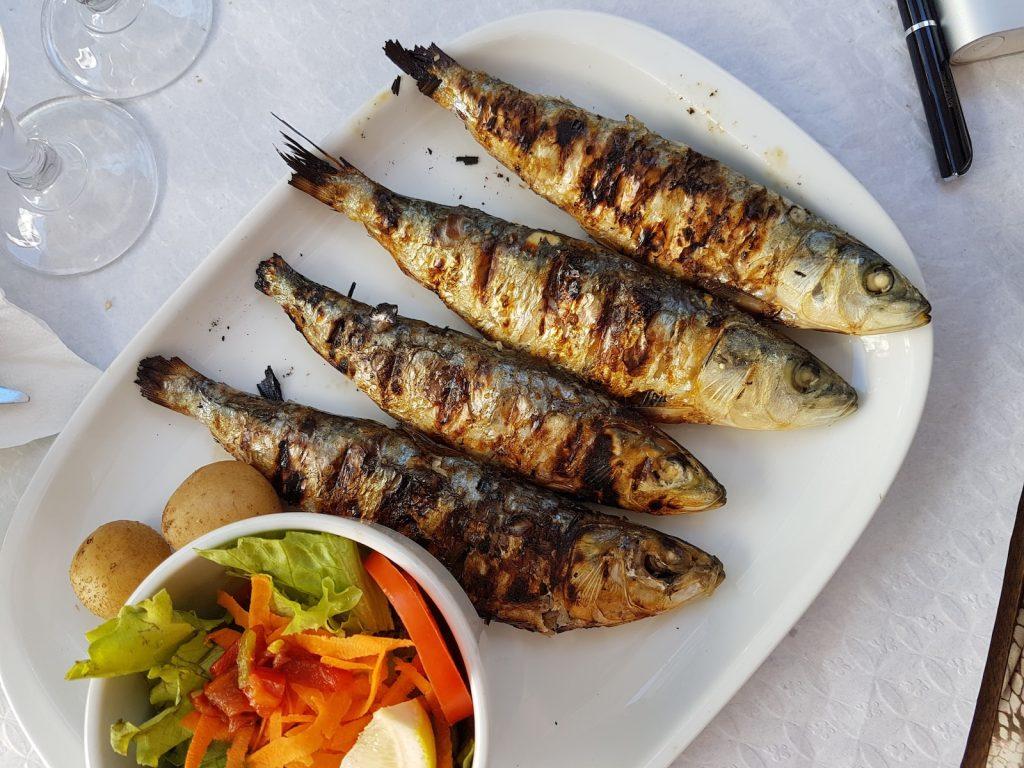
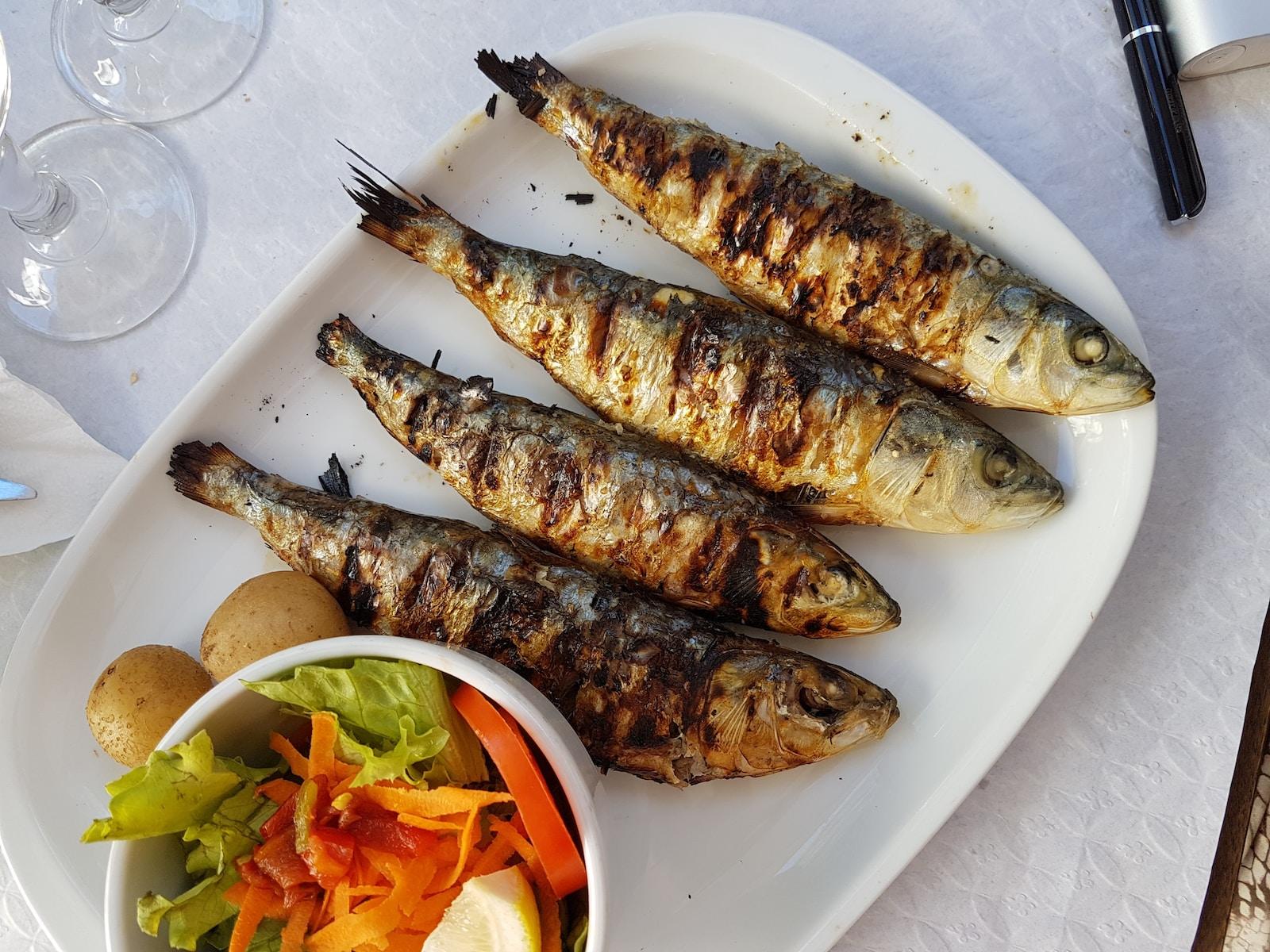
  2. grilled fish with vegetable salad on white ceramic plateDelicious Food and Wine: Portugal has a vibrant food and wine scene, with delicious seafood, traditional dishes like Bacalhau, and a wide variety of wines, including Port and Vinho Verde.

  3. a large building with a statue on top of itHistoric Architecture: Portugal is home to numerous historic buildings, including the Torre de Belém, the Jerónimos Monastery, and the Castelo de São Jorge.

  4. aerial view of city buildings beside body of water during daytimeVibrant Cities: Portugal’s cities are filled with culture, history, and energy. Lisbon, Porto, Coimbra, and Faro are just a few of the cities worth exploring.

  5. three boats on body of waterNatural Wonders: Portugal is home to a number of breathtaking natural landscapes, including the Douro Valley, the Serra da Estrela mountains, and the Peneda-Gerês National Park.

  6. white airplane under blue and white cloudy skyAffordable Travel: Portugal is one of the most affordable destinations in Europe, making it a great option for travelers on a budget.

  7. Rich Culture and Traditions: Fado music, traditional crafts, and lively festivals are all part of Portugal’s rich cultural heritage.

  8. man in green and black wet suit surfing on sea waves during daytimeOutdoor Activities: Portugal is a great place for people who like to hike, surf, ride bikes, and do other things in the great outdoors.

  9. People Standing Near StatueFriendly People: Portuguese people are known for their warmth and hospitality, making visitors feel welcome and at home.

  10. Green Tree on Green Grass FieldSustainability: Portugal is committed to tourism which is good for the environment and keeps the country’s natural beauty.

These are just a few of the many reasons why you should consider visiting Portugal this year. Whether you’re interested in history, culture, food, and wine, or outdoor adventure, Portugal has something for everyone.

Before making any vacation plans, please check the constantly changing local limitations and safety rules. It should be noted that not all sites and services are operating as usual, so check their respective websites for the most recent details.

Portugal’s capital city, Lisbon, is a charming and storied place with a wealth of historical attractions, beautiful architecture, and delectable cuisine. However, there are many lovely day trip locations close to Lisbon if you’re looking to spend a day getting away from the city’s noise and bustle.

These day trips provide an opportunity to discover Portugal’s rich history, culture, and natural beauty. They range from charming medieval villages to breathtaking beaches and natural parks. There is a day trip from Lisbon that is ideal for you, whether you want to learn about architecture or history, or you just want to relax on a gorgeous beach.

Therefore, if you’re considering traveling to Lisbon and would like to see more of Portugal, keep reading to learn about 10 breathtaking day trips that are sure to leave you with priceless memories.

SintraSintra - Wikipedia

Sintra is a charming town located just 30 minutes outside of Lisbon, and it’s a popular day trip destination for tourists. The town is known for its palaces, gardens, and castles, which are considered some of the most beautiful and romantic in Europe.

One of the most famous attractions in Sintra is the Pena Palace, a brightly colored castle perched on a hilltop that offers stunning views of the surrounding landscape. Other popular attractions include the Moorish Castle, the National Palace of Sintra, and the Quinta da Regaleira, a mansion surrounded by beautiful gardens and underground tunnels.

In addition to its historic and cultural attractions, Sintra is also a great place to explore nature. The town is located in the Sintra-Cascais Natural Park, which is home to several hiking trails, waterfalls, and lush forests.

Overall, Sintra is a must-visit destination for anyone interested in history, architecture, and natural beauty, and it’s a perfect day trip from Lisbon.

The distance from Lisbon to Sintra is approximately 30 kilometers (19 miles) by car, and the estimated travel time is around 30–40 minutes, depending on traffic conditions.

To get to Sintra from Lisbon by car, you can take the A37 highway, also known as the IC19, which connects the two cities. Alternatively, you can take the scenic N249 road, which runs through the picturesque countryside and small towns.

If you prefer public transportation, you can take the train from Lisbon to Sintra. The train departs from Lisbon’s Rossio station, and the journey takes approximately 40 minutes. There are also regular bus services from Lisbon to Sintra, with departures from several locations, including Rossio, Sete Rios, and Oriente bus stations. The journey takes around 45 minutes to an hour, depending on traffic conditions.

Between Lisbon and Sintra, there are also private tours and shuttle services, which are a convenient and comfortable way to see the area.

Cascais

cascais_3_PIXABAY.jpg

Cascais is a coastal town located in the Lisbon region of Portugal. It is known for its beautiful beaches, stunning coastline, and historic sites.

Once a small fishing village, Cascais has evolved into a popular tourist destination. It has a charming old town with narrow streets and colorful buildings, and visitors can explore historical landmarks like the 16th-century Citadel of Cascais and the Santa Marta Lighthouse Museum.

The town also boasts several beautiful beaches, including the popular Praia do Guincho, which is a hotspot for surfers and windsurfers. Other popular attractions in Cascais include the Boca do Inferno cliffs, the Marechal Carmona Park, and the Casa das Histórias Paula Rego museum.

Overall, Cascais is a great destination for travelers who enjoy history, natural beauty, and outdoor activities. It’s easily accessible from Lisbon and can be visited as a day trip or as part of a longer itinerary exploring the region.

The distance from Lisbon to Cascais is approximately 30 kilometers (19 miles) by car, and the estimated travel time is around 30-40 minutes, depending on traffic conditions.

To get to Cascais from Lisbon by car, you can take the A5 highway, which connects the two cities. Alternatively, you can take the scenic coastal road, the Estrada Marginal, which runs along the Atlantic Ocean and passes through several small towns and beaches.

If you prefer public transportation, you can take the train from Lisbon to Cascais. The train departs from Lisbon’s Cais do Sodré station, and the journey takes approximately 30-40 minutes, depending on the train service. There are also regular bus services from Lisbon to Cascais, with departures from several locations, including Cais do Sodré and Sete Rios bus stations. The journey takes around 45 minutes to 1 hour, depending on traffic conditions.

In addition, there are also private tours and shuttle services that operate between Lisbon and Cascais, which offer a convenient and comfortable way to explore the region.

Óbidos

Óbidos – Wikipédia, a enciclopédia livre

Discovering the Medieval Charm of Óbidos

Nestled amidst rolling hills and picturesque countryside, the historic village of Óbidos is a must-visit destination for anyone seeking to experience the rich history and cultural heritage of Portugal. Just an hour’s drive from Lisbon, Óbidos is a popular day trip destination, offering visitors a glimpse into medieval life in Portugal.

Founded in the 13th century, Óbidos has a long and storied history. Once a fortified town, the village is now a beautifully preserved example of Portugal’s medieval architecture. As you wander through the narrow, cobbled streets and past the whitewashed houses with their brightly colored doors and windows, you can’t help but feel transported back in time.

One of the highlights of any visit to Óbidos is a stroll along the town’s ancient walls, which offer spectacular views over the surrounding countryside. The walls were originally built by the Moors in the 8th century and were later expanded by the Portuguese. The walkway along the walls is lined with turrets and offers breathtaking views of the village and the surrounding hills.

Another must-see attraction in Óbidos is the 12th-century castle, which was converted into a luxurious hotel in the 1950s. The castle’s imposing walls and towers make for an impressive sight, and visitors can explore the castle’s chapel, dungeons, and other historic features.

For those interested in local culture, a visit to the Church of Santa Maria is a must. This church was built in the 12th century and has a beautifully painted ceiling. It is a good example of Romanesque architecture.

Finally, no visit to Óbidos would be complete without sampling the town’s famous cherry liqueur, known as ginjinha. The sweet liqueur is served in small chocolate cups and is the perfect way to end a day of exploring the town’s medieval charm.

Whether you’re a history buff or simply seeking a break from the hustle and bustle of Lisbon, a day trip to Óbidos is an unforgettable experience. From its ancient walls and castle to its picturesque streets and delicious cherry liqueur, Óbidos is a treasure trove of Portuguese culture and history.

The distance from Lisbon to Óbidos is approximately 85 kilometers (53 miles) by car, and the estimated travel time is around 1 hour, depending on traffic conditions.

To get to Óbidos from Lisbon by car, you can take the A8 highway, which connects the two cities. Alternatively, you can take the scenic route along the N8 road, which runs through the countryside and passes through several small towns.

If you prefer public transportation, there are daily bus services from Lisbon’s Sete Rios bus station to Óbidos, operated by several companies. The journey takes approximately 1 hour and 15 minutes, depending on traffic conditions. Another option is to take the train from Lisbon’s Oriente station to Caldas da Rainha, and then take a bus or taxi to Óbidos, which is located approximately 10 kilometers (6 miles) away. The train journey takes approximately 1 hour and 30 minutes, and the bus or taxi journey takes around 15–20 minutes.

In addition, there are also private tours and shuttle services that operate between Lisbon and Óbidos, which offer a convenient and comfortable way to explore the region.

Fátima

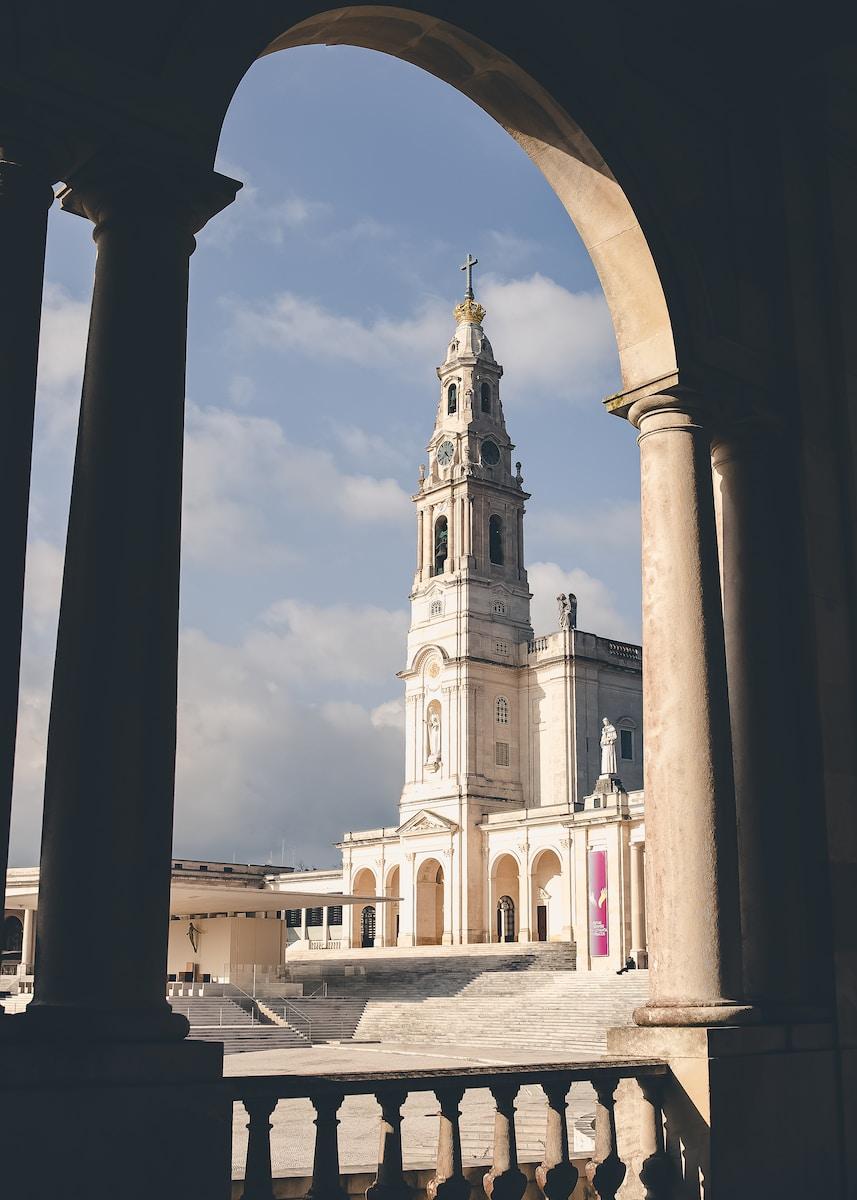
a view of a building through an archway


Exploring the Spiritual History of Fátima

Nestled in the heart of Portugal, the small town of Fátima is a place of great spiritual significance. Known for its connections to the Virgin Mary and the Christian faith, Fátima is a popular destination for pilgrims from all over the world.

The Sanctuary of Fátima is a large group of churches, chapels, and monuments all dedicated to the Virgin Mary. It is in the middle of Fátima. The Sanctuary is built on the site where, in 1917, three young shepherds reported seeing visions of the Virgin Mary. Since then, Fátima has become a place of pilgrimage for millions of people, drawn by the story of the apparitions and the miracles that are said to have occurred here.

One of the most striking features of the sanctuary is the Basilica of Our Lady of the Rosary. Built-in the 1950s, the Basilica is an impressive structure, with a soaring bell tower and a grand entrance that leads into a vast nave. Inside the basilica, visitors can see the tombs of the three shepherd children and the statue of Our Lady of the Rosary.

Another must-see attraction in Fátima is the Chapel of the Apparitions, which is built on the spot where the three shepherd children saw the Virgin Mary. The chapel is a simple structure, with a statue of the Virgin Mary and a small altar. Despite its simplicity, the chapel is a deeply moving place, and many visitors report feeling a sense of peace and tranquility when they visit.

For those interested in the history and culture of the region, a visit to the Fátima Museum is a must. The museum has a collection of items related to the story of the apparitions as well as displays of the history of Christianity in Portugal.

Lastly, no trip to Fátima is complete without going to Mass or service at one of the many churches and chapels in the Sanctuary. A trip to the sanctuary is an unforgettable experience, whether you are a devout Christian or just want to see the spirituality and devotion of the pilgrims who come to Fátima.

In conclusion, Fátima is a place of great spiritual and cultural significance, with a history that stretches back over a century. Visit Fátima if you want to learn more about Portugal’s history and culture or if you are a pilgrim who wants to grow in your faith. From the awe-inspiring Basilica of Our Lady of the Rosary to the tranquil Chapel of the Apparitions, Fátima is a place that will leave a lasting impression on all who visit.

The distance from Lisbon to Fatima is approximately 130 kilometers (81 miles) by car. The estimated travel time is around 1 hour and 15 minutes, depending on traffic conditions.

To get to Fatima from Lisbon by car, you can take the A1 highway, which connects the two cities. Alternatively, you can take the N1 road, which is a scenic route that passes through several small towns.

If you prefer public transportation, you can take a bus from Lisbon to Fatima. Several companies offer daily bus services between the two cities, with departures from Lisbon’s Sete Rios bus station or Oriente bus station. The journey takes approximately 1 hour and 30 minutes, depending on traffic.

There is also a train service between Lisbon and Fatima, but it requires a transfer in Entroncamento. The journey takes approximately 2 hours and 15 minutes, depending on the connection.

Arrábida Natural Park

Arrábida Natural Park - Wikipedia

Discovering the Natural Beauty of Arrábida Natural Park

The beautiful Arrábida Natural Park is near the coast of Portugal and only a short drive from the city of Lisbon. This protected area of natural beauty has some of the country’s cleanest beaches, cliffs, and forests, making it a must-see for anyone who wants to get away from the noise of the city and enjoy the great outdoors.

One of the highlights of a visit to Arrábida Natural Park is a trip to Portinho da Arrábida, a charming fishing village that is home to some of the most picturesque beaches in the area. Visitors can spend a day relaxing on the white-sand beaches, swimming in the clear waters, and exploring the nearby cliffs and coves.

For those interested in hiking and outdoor activities, Arrábida Natural Park offers a wealth of opportunities. In the park, there is a network of hiking trails that wind through the lush forests and along the rocky coast, giving hikers stunning views of the surrounding countryside.Visitors can also go rock climbing, mountain biking, or take a scenic boat trip along the coast.

Another must-see attraction in Arrábida Natural Park is the Convento da Arrábida, a 16th-century monastery that sits atop a hill overlooking the park. The monastery is home to a small chapel and a museum that showcases the region’s history and culture.

Finally, no visit to Arrábida Natural Park would be complete without a visit to the Serra da Arrábida, a mountain range that runs through the heart of the park. The Serra da Arrábida is home to a wealth of flora and fauna, including rare orchids, wild boar, and deer. Visitors can take a guided tour of the mountain range or simply explore on their own.

In conclusion, Arrábida Natural Park is a place with beautiful nature and exciting outdoor activities. It gives people a chance to get away from the city and enjoy the great outdoors. From the beautiful beaches of Portinho da Arrábida to the rough hiking trails of the Serra da Arrábida, the park is a must-see for anyone who wants to learn about Portugal’s rich culture and natural beauty.

The distance from Lisbon to Arrábida Natural Park is approximately 50 kilometers (31 miles) by car, and the estimated travel time is around 45-60 minutes, depending on traffic conditions.

To get to Arrábida Natural Park from Lisbon by car, you can take the A2 highway southbound and then follow the signs to Arrábida. Alternatively, you can take the scenic route along the N10 road, which runs along the coast and passes through several small towns.

If you prefer public transportation, there are no direct bus or train services to Arrábida Natural Park. However, you can take a bus from Lisbon to Setúbal, which is the nearest town to the park. The journey takes approximately 1 hour and 15 minutes, and the buses depart from Lisbon’s Sete Rios bus station. From Setúbal, you can take a taxi or a local bus to the park.

Another option is to join a guided tour or hire a private transfer from Lisbon to Arrábida Natural Park, which can provide you with a more convenient and comfortable way to explore the region.

Tomar

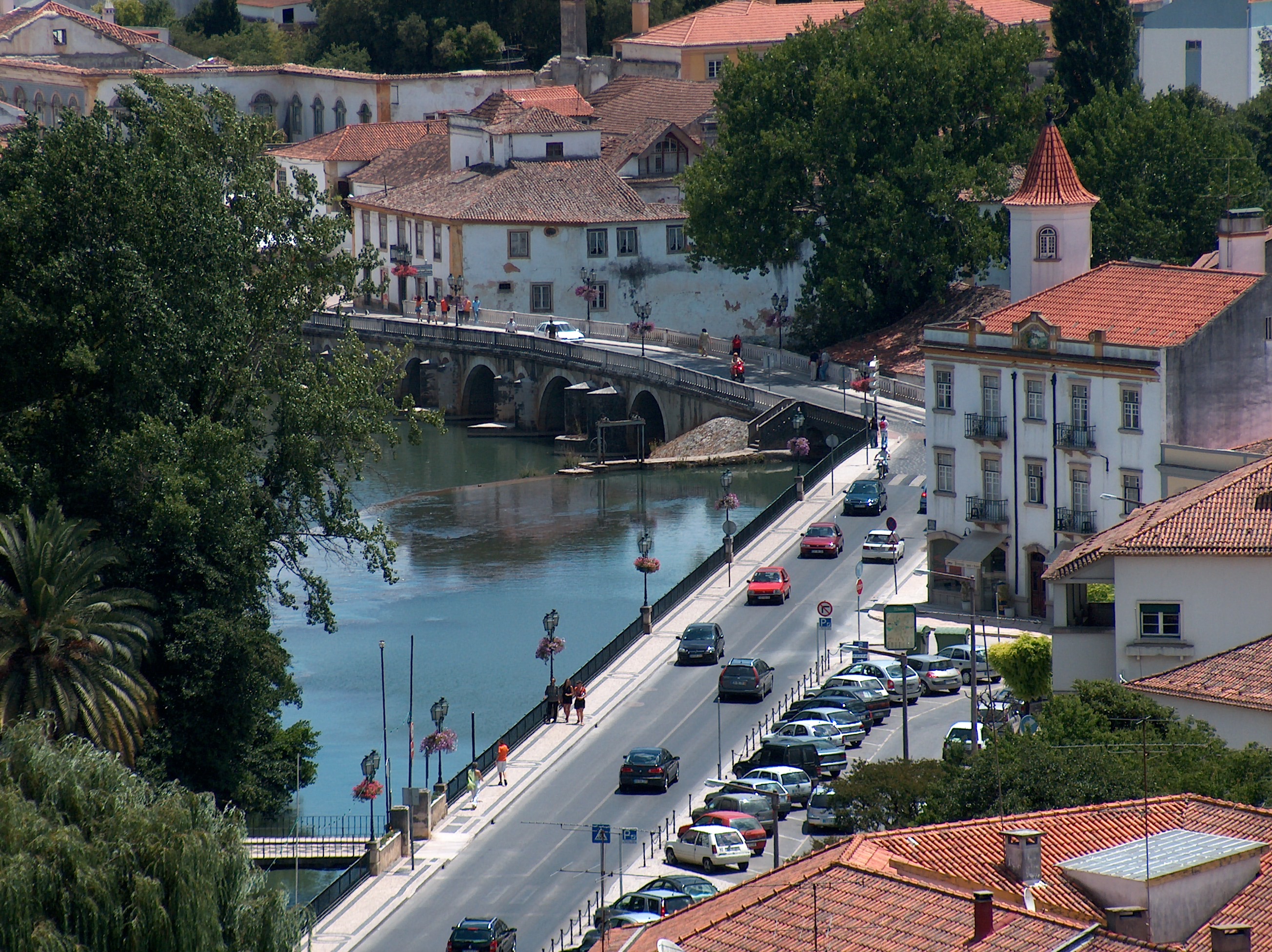
Tomar – Wikipédia, a enciclopédia livre

Exploring the Historic Beauty of Tomar

Tomar is a beautiful town in central Portugal that is only a short drive from Lisbon. This historic town is steeped in rich history and culture, making it a must-visit destination for anyone interested in the country’s past and present.

One of the best things to see in Tomar is the Convent of Christ, a sizable complex that the Knights Templar constructed in the 12th century. The cloisters, chapels, and towers of the convent are all beautiful examples of Gothic and Renaissance architecture. Visitors can explore the convent’s many rooms and learn about the region’s long and storied history.

Another must-see attraction in Tomar is the Castle of Tomar, a medieval fortress that dates back to the 12th century. The castle is on top of a hill and has beautiful views of the countryside around it. Visitors can explore the castle’s walls and towers and learn about its long and storied history.

For those interested in the region’s religious history, a visit to the Church of Saint John the Baptist is a must. This church was built in the 15th century and is a beautiful example of Manueline architecture. It has intricate carvings and decorations that show off the rich cultural history of the area.

Finally, no visit to Tomar would be complete without a stroll through the town’s historic center. The town is home to a wealth of historic buildings, including the town hall, the municipal market, and the Santa Maria dos Olivais Church, which dates back to the 12th century.

In conclusion, Tomar is a place of unmatched beauty and historical importance. It has a lot of things to see and do that people of all ages will enjoy and learn from. A trip to Tomar is an unforgettable experience, whether you want to learn about the area’s rich history and culture or just want to get away from the busyness of Lisbon. From the Gothic and Renaissance architecture of the Convent of Christ to the medieval fortress of the Castle of Tomar, Tomar is a place that will leave a lasting impression on all who visit.

The distance from Lisbon to Tomar is approximately 135 kilometers (84 miles) by car, and the estimated travel time is around 1 hour and 30 minutes to 2 hours, depending on traffic conditions.

To get to Tomar from Lisbon by car, you can take the A1 highway northbound, which connects the two cities. Alternatively, you can take the scenic route along the N110 and N243 roads, which run through the countryside and small towns.

If you prefer public transportation, there are daily train services from Lisbon’s Santa Apolónia station to Tomar, operated by CP – Comboios de Portugal. The journey takes approximately 1 hour and 45 minutes, and the trains run several times a day. There are also regular bus services from Lisbon to Tomar, with departures from Lisbon’s Sete Rios bus station. The journey takes around 2 hours and 15 minutes, depending on traffic conditions.

In addition, there are also private tours and shuttle services that operate between Lisbon and Tomar, which offer a convenient and comfortable way to explore the region.

Évora

File:Evora-RomanTemple.jpg - Wikimedia Commons

Discovering the Rich History and Culture of Évora

Évora is a beautiful and historic city in Portugal. It is in the middle of the Alentejo region and has a lot of history and culture. From its stunning Roman ruins to its impressive Gothic cathedrals, Évora is a must-visit destination for anyone interested in exploring the country’s past and present.

One of the highlights of a visit to Évora is the Temple of Diana, a stunning Roman temple that dates back to the 1st century AD. The temple is a reminder of the long and interesting history of the area, and visitors can look at its beautiful columns and arches and learn about the Romans who lived there.

Another must-see attraction in Évora is the Cathedral of Évora, a Gothic masterpiece that dates back to the 12th century. The cathedral has a beautiful rose window and elaborate chapels, and people can climb to the top of its towers to see breathtaking views of the surrounding countryside.

For those interested in the region’s religious history, a visit to the Chapel of Bones is a must. This 16th-century chapel is decorated with the bones and skulls of thousands of people and serves as a reminder of the fleeting nature of life.

Finally, no visit to Évora would be complete without a stroll through the city’s historic center. The city is home to a wealth of historic buildings, including the 16th-century Palace of the Inquisition and the Romanesque Church of São Francisco. Visitors can explore the winding streets and charming squares while taking in the sights and sounds of this unique and vibrant city.

In conclusion, Évora is a beautiful and historically important city with many things to see and do that will delight and inspire people of all ages. A trip to Évora is a once-in-a-lifetime experience, whether you want to learn about the area’s rich history and culture or just enjoy the charm and energy of a traditional Portuguese city. From the Roman ruins of the Temple of Diana to the Gothic grandeur of the Cathedral of Évora, Évora is a city that will leave a lasting impression on all who visit.

The distance from Lisbon to Évora is approximately 135 kilometers (84 miles) by car, and the estimated travel time is around 1 hour and 30 minutes to 2 hours, depending on traffic conditions.

To get to Évora from Lisbon by car, you can take the A6 highway eastbound, which connects the two cities. Alternatively, you can take the scenic route along the N4 road, which runs through the countryside and small towns.

If you prefer public transportation, there are daily train services from Lisbon’s Oriente station to Évora, operated by CP – Comboios de Portugal. The journey takes approximately 1 hour and 30 minutes, and the trains run several times a day. There are also regular bus services from Lisbon to Évora, with departures from Lisbon’s Sete Rios bus station. The journey takes around 1 hour and 45 minutes to 2 hours, depending on traffic conditions.

In addition, there are also private tours and shuttle services that operate between Lisbon and Évora, which offer a convenient and comfortable way to explore the region.

Batalha

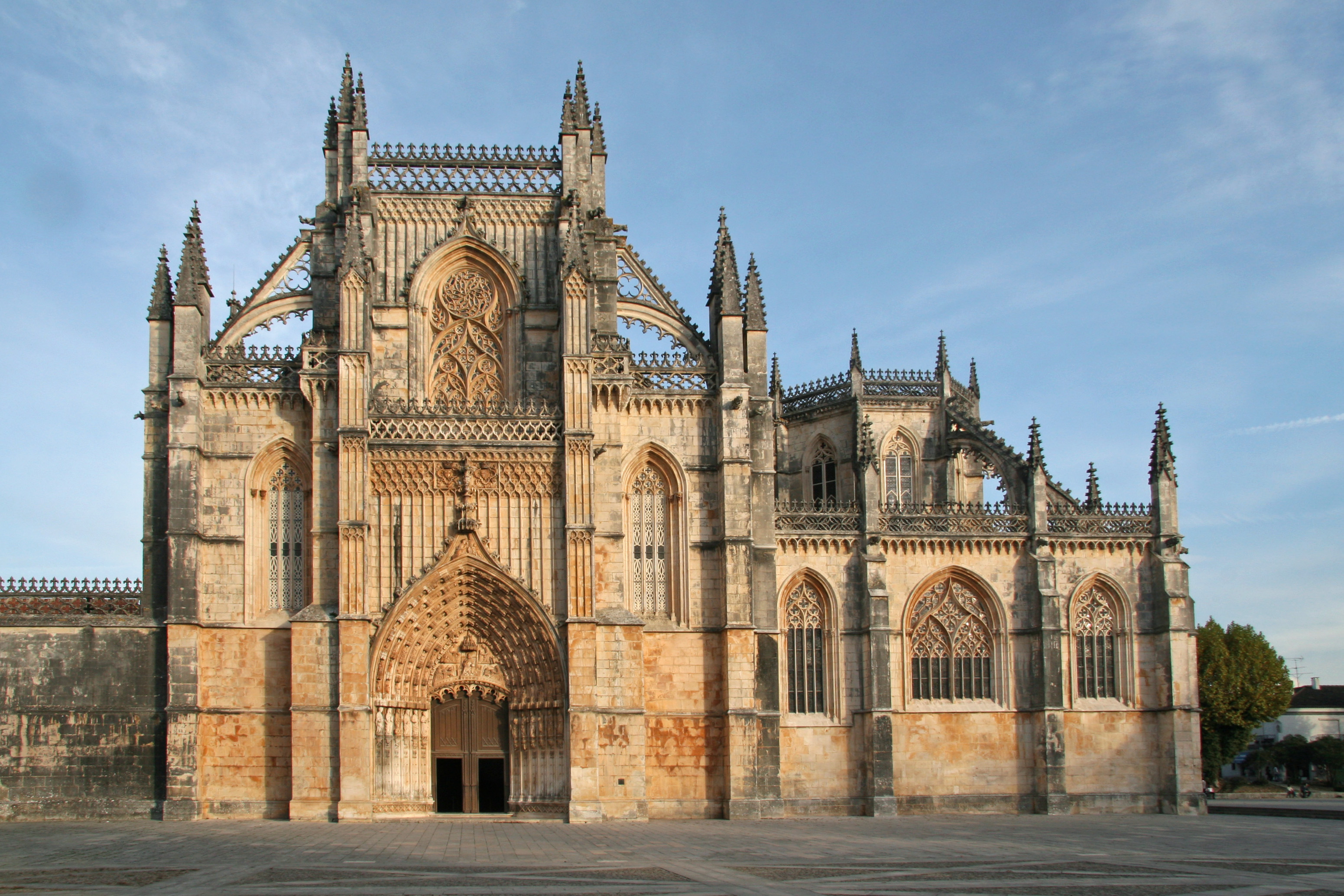
Mosteiro da Batalha – Wikipédia, a enciclopédia livre

Uncovering the Rich History of Batalha

Batalha is a charming town in Portugal. It is right in the middle of the Leiria district. This historic town is home to a wealth of attractions that offer visitors a fascinating glimpse into the region’s rich history and culture.

The Batalha Monastery is a beautiful Gothic masterpiece that was built in the 14th century to remember the Battle of Aljubarrota. It is one of the best things to see when you go to Batalha. The monastery features intricate carvings and decorative elements, including the ornate Chapter House, which is considered one of the finest examples of Gothic architecture in the world.

Another must-see attraction in Batalha is the Capelas Imperfeitas or Unfinished Chapels. These chapels were meant to be a part of the Batalha Monastery but were never completed, giving them a haunting and otherworldly beauty.

For those interested in the region’s military history, a visit to the Aljubarrota Battlefield is a must. In 1385, a big battle between the Portuguese and the Castilians took place at this historic site. In the end, the Portuguese won, and the House of Aviz became Portugal’s ruling family.

Finally, no visit to Batalha would be complete without a stroll through the town’s historic center. The town is home to a wealth of historic buildings, including the 18th-century Manueline-style Town Hall and the Igreja Matriz de Batalha, a charming Gothic church that dates back to the 14th century.

In conclusion, Batalha is a beautiful and historically important town with many things to see and do that will delight and inspire people of all ages. A trip to Batalha is a once-in-a-lifetime experience, whether you want to learn about the area’s rich history and culture or just enjoy the charm and life of a traditional Portuguese town. From the Gothic grandeur of the Batalha Monastery to the haunting beauty of the Unfinished Chapels, Batalha is a town that will leave a lasting impression on all who visit.

By car, the distance between Lisbon and Batalha is about 130 kilometers (81 miles), and the trip should take between 1 hour and 30 minutes and 2 hours, depending on how busy the roads are.

To get to Batalha from Lisbon by car, you can take the A1 highway northbound and then the A8 highway westbound, which connects the two cities. Alternatively, you can take the scenic route along the N1 and N356 roads, which run through the countryside and small towns.

If you prefer public transportation, there are no direct train services from Lisbon to Batalha. However, you can take a train from Lisbon’s Santa Apolónia station to Leiria, which is the nearest city to Batalha. From Leiria, you can take a bus or a taxi to Batalha, which is located approximately 20 kilometers (12 miles) away. The train journey takes approximately 1 hour and 45 minutes, and the bus or taxi journey takes around 20–30 minutes.

Another option is to board a Rede Expressos bus that departs from Lisbon’s Sete Rios bus station and travels to Batalha. The journey takes approximately 2 hours, depending on traffic conditions.

Between Lisbon and Batalha, there are also private tours and shuttle services, which are a convenient and comfortable way to see the area.

Setúbal

Setúbal – Wikipédia, a enciclopédia livre

Setúbal: Exploring the Charm and Beauty of Portugal’s Seaside Gem

Located just south of Lisbon, Setúbal is a charming seaside city that is rich in history, culture, and natural beauty. From its stunning beaches to its historic center, Setúbal offers visitors a wide range of attractions to explore and enjoy.

One of the highlights of a visit to Setúbal is the Arrábida Natural Park, a protected area that is home to some of Portugal’s most beautiful beaches and stunning natural landscapes. Visitors can hike along the rugged coastline, swim in crystal-clear waters, and marvel at the sheer beauty of the park’s limestone cliffs and forested hillsides.

Another must-see attraction in Setúbal is the Castelo de São Filipe, a 16th-century fortress that offers panoramic views of the city and the surrounding countryside. The fortress is also home to a charming hotel and restaurant, making it an ideal spot for a romantic getaway or a special meal with friends and family.

For those interested in history and culture, a visit to the Setúbal Museum is a must. The museum houses a wide range of exhibits that explore the region’s past and present, from its ancient Roman ruins to its modern-day arts and crafts.

Finally, no visit to Setúbal would be complete without a stroll through the city’s historic center. The center is home to a wealth of historic buildings, including the 15th-century Monastery of Jesus and the 19th-century Livramento Market, which is considered one of the most beautiful markets in Europe.

In conclusion, Setúbal is a city of unparalleled beauty and charm, with a wealth of attractions that will delight and inspire visitors of all ages. Whether you are interested in exploring the region’s natural beauty or its rich history and culture, a visit to Setúbal is an unforgettable experience. From the breathtaking beauty of the Arrábida Natural Park to the historic charm of the city center, Setúbal is a destination that will leave a lasting impression on all who visit.

The distance from Lisbon to Setúbal is approximately 50 kilometers (31 miles) by car, and the estimated travel time is around 45 minutes to 1 hour, depending on traffic conditions.

To get to Setúbal from Lisbon by car, you can take the A2 highway southbound, which connects the two cities. Alternatively, you can take the scenic route along the N10 and N378 roads, which run along the coast and pass through several small towns.

If you prefer public transportation, there are regular train services from Lisbon’s Roma-Areeiro and Entrecampos stations to Setúbal, operated by CP – Comboios de Portugal. The journey takes approximately 1 hour, and the trains run several times a day.

There are also frequent bus services from Lisbon’s Sete Rios bus station to Setúbal, operated by several companies such as TST, Fertagus and Rodoviária do Tejo. The journey takes approximately 1 hour, depending on traffic conditions.

In addition, there are private tours and shuttle services that operate between Lisbon and Setúbal, which offer a convenient and comfortable way to explore the region.

Azeitão

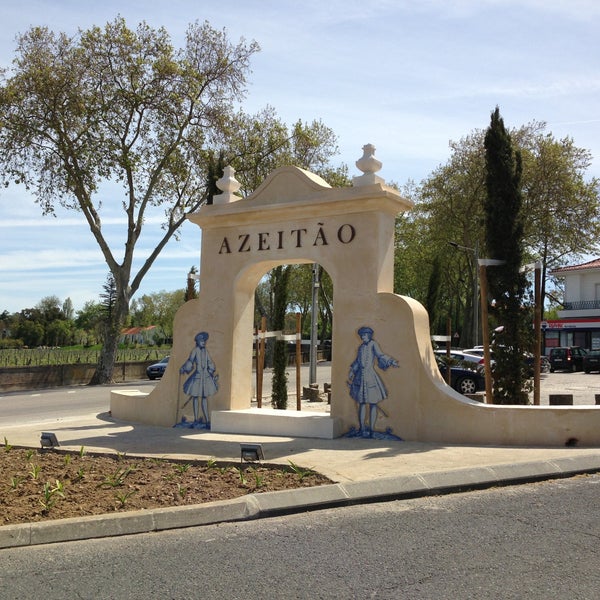
Vila Nogueira de Azeitão - 12 tips from 822 visitors

Azeitão: A Hidden Gem in Portugal’s Wine Country

Nestled in the foothills of the Arrábida Mountains, just a short drive from Lisbon, lies the charming town of Azeitão. This historic town is known for its rich cultural heritage, natural beauty, and delicious wines, making it a must-visit destination for travelers seeking an authentic Portuguese experience.

One of the highlights of a visit to Azeitão is the José Maria da Fonseca winery, one of the oldest and most renowned wineries in Portugal. Visitors can tour the winery, sample some of the region’s famous Moscatel wines, and learn about the history and production of this beloved beverage.

Another must-see attraction in Azeitão is the 18th-century Palácio da Bacalhôa, a stunning palace that is home to a wealth of art and decorative elements, including priceless paintings, sculptures, and tapestries. Visitors can tour the palace and its beautiful gardens, taking in the rich history and culture of the region.

For those interested in exploring the region’s natural beauty, a visit to the Arrábida Natural Park is a must. This protected area is home to some of Portugal’s most breathtaking landscapes, from rugged coastlines and pristine beaches to forested hillsides and limestone cliffs. Visitors can hike, swim, and explore the park’s many attractions, including the stunning Convento da Arrábida, a 16th-century monastery that is now a National Monument.

Finally, no visit to Azeitão would be complete without sampling the local cuisine. The region is known for its delicious seafood dishes, including grilled sardines and fresh octopus, as well as its famous Azeitão cheese, a creamy and flavorful cheese that is made from sheep’s milk and aged for several months.

In conclusion, Azeitão is a hidden gem in Portugal’s wine country, offering visitors a wealth of attractions to explore and enjoy. Whether you are interested in exploring the region’s rich cultural heritage, its stunning natural beauty, or its delicious wines and cuisine, Azeitão is a destination that will leave a lasting impression on all who visit.

The distance from Lisbon to Azeitão is approximately 35 kilometers (22 miles) by car, and the estimated travel time is around 30 to 45 minutes, depending on traffic conditions.

To get to Azeitão from Lisbon by car, you can take the A2 highway southbound, which connects the two cities. Alternatively, you can take the scenic route along the N10 and N379 roads, which run along the coast and pass through several small towns.

If you prefer public transportation, there are bus services from Lisbon’s Praça de Espanha and Sete Rios bus stations to Azeitão, operated by TST (Transportes Sul do Tejo). The journey takes approximately 45 minutes to 1 hour, depending on traffic conditions.

There is no direct train service from Lisbon to Azeitão. However, you can take a train from Lisbon’s Roma-Areeiro station to Coina, which is the nearest train station to Azeitão. From Coina, you can take a bus or a taxi to Azeitão, which is located approximately 10 kilometers (6 miles) away. The train journey takes approximately 25 minutes, and the bus or taxi journey takes around 15-20 minutes.

In addition, there are private tours and shuttle services that operate between Lisbon and Azeitão, which offer a convenient and comfortable way to explore the region.

Lisbon, Porto, and the Algarve are all popular places for tourists to visit in Portugal. However, if you’re looking for something more unique, there are many off-the-beaten-path destinations worth exploring.

Belmonte

File:Nt-castelo-belmonte0.jpg - Wikimedia Commons

Belmonte is a Portuguese town located in central Portugal in the Castelo Branco district, and is close to the border with Spain. It’s known for its rich Jewish heritage and the castle that overlooks the town.

The Jewish community in Belmonte dates back to the 15th century, when many Jews were forced to convert to Christianity during the Portuguese Inquisition. But some families kept practicing Judaism in secret and passed on their traditions from one generation to the next. Today, Belmonte is home to a thriving Jewish community that practices openly and proudly.

One of the highlights of a visit to Belmonte is the Jewish Museum, which tells the story of the town’s Jewish community through exhibits and artifacts. You can also visit the synagogue, which was built in the 19th century and is still used for religious services today.

In addition to its Jewish heritage, Belmonte is also home to a beautiful castle that dates back to the 13th century. The Knights Templar built the castle, which was very important for keeping invaders out of the area. Today, you can explore the castle’s towers, walls, and dungeons and take in stunning views of the surrounding countryside.

The beautiful frescoes and Baroque altar in the Church of Santiago and the Manueline-style pillory in the town square are two more things to see in Belmonte.

If you’re looking for a unique and off-the-beaten-path destination in Portugal, Belmonte is definitely worth a visit. Its rich history, beautiful castle, and thriving Jewish community make it a fascinating place to explore.

Monsanto

File:DSC07124-Monsanto (Idanha-a-Nova)-Portugal.jpg - Wikimedia Commons

Monsanto is a charming village in Portugal that lies on a hill and offers stunning views of the surrounding countryside. In the twentieth century, it was named “the most Portuguese village in Portugal” in 1938 and “historical village” in 1995.

The oldest part of Monsanto is also the highest point. This is where the Knights Templar built a high wall with a donjon to protect the settlement.This section of the village is now a major tourist attraction, providing tourists with a look into the past. Monsanto is well-known for its unique charm, unique Portuguese culture, and historical importance.

Visitors to Monsanto may stroll around the village’s tiny alleys and lanes, enjoying the medieval buildings constructed into the rocks.

The village also has a number of restaurants and cafes that serve traditional Portuguese food, as well as shops that sell crafts and souvenirs made by local people. This makes it a great place to learn about local culture and bring a piece of Portugal home with you.

Bragança

Citadel of Bragança - Portugal (7415446134) (cropped).jpg

Bragança is a charming town located in the northeast corner of Portugal, near the border with Spain. It’s a place with a rich history and culture, and there are plenty of things to see and do there.

One of the main attractions of Bragança is the medieval castle, which dates back to the 12th century. The castle is perched on a hill overlooking the town and is an impressive sight. Visitors can explore the castle’s walls and towers, as well as the museum inside, which has exhibits on the history of the region.

In addition to the castle, Bragança has a charming old town with narrow streets and traditional houses made of granite. There are plenty of cafes and restaurants in the town, where visitors can try local specialties like alheira, a type of sausage made with game meats.

Another must-see attraction in Bragança is the Domus Municipalis, a unique building that is believed to be the oldest town hall in Portugal. The building has a distinctive Romanesque style and is a fascinating piece of architecture.

Finally, visitors to Bragança can also explore the surrounding countryside, which is dotted with small villages and farms. The region is known for its traditional crafts, such as pottery and weaving, and there are many artisans who sell their wares in the local markets.

Overall, Bragança is a great destination for those looking to experience the authentic culture and history of Portugal’s northeast region.

Tomar

Tomar – Wikipédia, a enciclopédia livre

Tomar is a historic city located in the central region of Portugal, about 135 km northeast of Lisbon. It’s a place with a rich history and culture, and there are plenty of things to see and do there.

One of the main attractions of Tomar is the Convent of Christ, a UNESCO World Heritage site that was founded by the Knights Templar in the 12th century. The convent has a unique blend of architectural styles, including Gothic, Renaissance, and Manueline, and is home to a number of impressive features, such as the Charola, a circular chapel that was once used for Templar worship.

Another must-see attraction in Tomar is the Castle of Tomar, which dates back to the 12th century and was once an important defensive structure. The castle has a fascinating history, and visitors can explore its walls and towers, as well as the museum inside, which has exhibits on the history of the region.

In addition to the Convent of Christ and the Castle of Tomar, the city has a charming old town with narrow streets and traditional houses. There are plenty of cafes and restaurants in the town, where visitors can try local specialties like roast lamb and sweet pastries.

Finally, visitors to Tomar can also explore the surrounding countryside, which is dotted with beautiful parks and gardens. One of the most popular is the Mata Nacional dos Sete Montes, a forested park with walking trails, picnic areas, and beautiful views of the city.

Overall, Tomar is a great destination for those looking to experience the rich history and culture of Portugal. With its impressive monuments, charming old town, and beautiful natural surroundings, it’s a place that should not be missed.

Óbidos

Óbidos – Wikipédia, a enciclopédia livre

Óbidos is a charming town located on the Silver Coast of Portugal, about 80 km north of Lisbon. It’s a place with a rich history and culture, and there are plenty of things to see and do there.

One of the main attractions of Óbidos is the well-preserved medieval castle and walls that encircle the town. The castle was originally built in the 12th century and has been restored several times over the centuries. Visitors can explore the castle’s walls and towers, as well as the museum inside, which has exhibits on the history of the region.

Another must-see attraction in Óbidos is the Santa Maria Church, which dates back to the 12th century and has a unique blend of architectural styles, including Gothic, Baroque, and Renaissance. The church is home to a number of impressive features, such as the 18th-century azulejo tiles that line the walls.

In addition to the castle and church, Óbidos has a charming old town with narrow streets and traditional houses painted in bright colors. There are plenty of cafes and restaurants in the town, where visitors can try local specialties like ginja, a cherry liqueur that is served in a chocolate cup.

Finally, visitors to Óbidos can also explore the surrounding countryside, which is dotted with small villages and farms. The region is known for its wine and olive oil production, and there are many wineries and olive oil mills that offer tours and tastings.

Overall, Óbidos is a great destination for those looking to experience the authentic culture and history of Portugal’s Silver Coast. With its impressive castle and walls, beautiful churches, charming old town, and picturesque countryside, it’s a place that should not be missed.

Serra da Estrela

Serra da Estrela – Wikipédia, a enciclopédia livre

Serra da Estrela is a mountain range located in the central region of Portugal, about 300 km northeast of Lisbon. It’s the highest mountain range in mainland Portugal, with its highest peak, Torre, reaching 1,993 meters (6,539 feet) above sea level.

One of the main attractions of Serra da Estrela is its stunning natural scenery, with snow-capped peaks, deep valleys, and crystal-clear rivers. Visitors can explore the mountain range on foot, by bike, or by car, taking in the breathtaking views and enjoying the fresh air.

Another must-see attraction in Serra da Estrela is the Vale do Rossim, a beautiful valley with a lake and a beach. The valley is a popular spot for swimming, kayaking, and fishing, and there are several hiking trails that lead through the surrounding mountains.

In addition to the natural scenery, Serra da Estrela is also known for its traditional crafts, such as cheese-making and wool production. Visitors can see these crafts in action at local farms and workshops, and can even try their hand at making their own cheese or weaving their own wool.

Finally, visitors to Serra da Estrela can also explore the charming small towns and villages that dot the mountain range, such as Manteigas, Covilhã, and Seia. These towns have a rich history and culture, with traditional architecture and local festivals and events.

Overall, Serra da Estrela is a great destination for those looking to experience the natural beauty and authentic culture of Portugal. With its stunning mountains, picturesque valleys, traditional crafts, and charming towns, it’s a place that should not be missed.

Nestled on the banks of the Douro River, where the land meets the Atlantic Ocean, Porto is a city that exudes both historic charm and contemporary vibrancy. Known as Portugal’s second-largest city, Porto—or Oporto, as it is sometimes called—offers an irresistible blend of rich history, stunning architecture, world-renowned wine, and a warm, welcoming atmosphere. Whether it’s wandering its medieval streets, tasting its famous port wine, or taking in its breathtaking river views, Porto has a unique way of capturing the hearts of its visitors.

Getting to Porto: Gateway to the North of Portugal
Porto is easily accessible from within Portugal and internationally. Francisco Sá Carneiro Airport (OPO) is the city’s main gateway, with flights to and from many major European cities and beyond. The airport is approximately 15 kilometres from the city centre, with convenient metro, bus, and taxi services available. Alternatively, Portugal’s efficient rail network connects Porto to Lisbon, Coimbra, and other destinations, while long-distance buses offer budget-friendly travel options.

Once in Porto, getting around is easy. The city has a well-organised public transport system, including metro lines, buses, vintage trams, and cable cars. Walking is also a great way to explore, especially in the historic centre, where many attractions are within a short walk of each other.

The Dom Luís I Bridge: Porto’s signature landmark
One of Porto’s most iconic landmarks is the Dom Luís I Bridge, a majestic iron bridge spanning the Douro River. Designed by Teófilo Seyrig, a student of Gustave Eiffel, this double-decker bridge connects Porto to Vila Nova de Gaia. Offering some of the best vantage views of the city, the upper deck is pedestrian-friendly. The lower deck is reserved for cars and pedestrians, offering a unique perspective of the river and the bustling waterfront. Walking across the bridge at sunset is a magical experience, with golden hues illuminating the colourful buildings along the riverbanks.

The Ribeira district: A UNESCO World Heritage Site
The Ribeira district is the heart of Porto’s old town and is a UNESCO World Heritage Site. This historic riverside area is a maze of narrow, winding streets filled with vibrant buildings, many decorated with traditional azulejos (ceramic tiles). The bustling riverside promenade, the Cais da Ribeira, is full of charming cafés, traditional restaurants, and small shops. It’s the perfect place to enjoy a meal or drink while watching the historic Rabelo boats glide along the river.

Port Wine Cellars in Vila Nova de Gaia
Porto’s fame as the birthplace of port wine is best explored across the river in Vila Nova de Gaia. Here, historic port cellars such as Graham’s, Sandman’s, and Taylor’s offer guided tours and tastings. These experiences reveal the intricate winemaking process, from growing the grapes in the Douro Valley to ageing the wine in cool, dimly lit cellars. Many cellars also have stunning terraces with views over the river and the city—perfect for sipping a glass of port at sunset.

Livraria Lello: A book lover’s dream
Often hailed as one of the most beautiful bookshops in the world, Livraria Lello is a must-see in Porto. Opened in 1906, the bookshop boasts a neo-Gothic façade, intricate woodwork, a stunning stained-glass ceiling, and a sweeping red staircase. It is said to have inspired J. K. Rowling’s vision of the Harry Potter series when she lived in Porto. The bookshop charges a small entrance fee, which can be used to buy a book, making it both an experience and a souvenir.

São Bento Railway Station: Art and History
As well as being a transport hub, São Bento Station is a masterpiece of Portuguese azulejo. Its large atrium has over 20,000 blue and white tiles depicting historical events, everyday rural life, and traditional Portuguese culture. The stunning tile work makes this station one of Porto’s unique and beautiful landmarks.

Clérigos Tower: Views from the top
For the best views of Porto, climb the Clérigos Tower. This 75-metre baroque bell tower was completed in 1763 and remains one of the city’s most iconic structures. The 225 steps to the top are rewarded with sweeping views of Porto’s rooftops, the Douro River, and on a clear day, the distant Atlantic Ocean.

Palácio da Bolsa: A glimpse of opulence
The Palácio da Bolsa, or Stock Exchange Palace, is a 19th-century neoclassical building in the historic centre of Oporto. The building’s interior is a marvel, particularly the lavish Arab Room, inspired by the Alhambra in Granada, Spain. Guided tours take visitors through the palace’s gilded halls and grand staircases, offering a fascinating insight into Porto’s rich commercial history.

Mercado do Bolhão: The market experience
For an authentic taste of Porto, visit Mercado do Bolhão. This traditional market, recently renovated, offers fresh produce, local cheeses, sausages, and traditional Portuguese dishes. It’s a fantastic place to sample regional specialities such as bifanas (pork sandwiches) or pastéis de nata (custard tarts) while chatting with friendly local stallholders.

Crystal Palace Gardens: Tranquillity and views
The Jardins do Palácio de Cristal offer a peaceful escape from the bustling city. These beautifully landscaped gardens feature romantic paths, tranquil ponds, and terraces with stunning views of the Douro River. Peacocks roam freely among the lush greenery, adding to the garden’s charm.

Discover Porto from the water
A boat trip along the Douro River is a quintessential Porto experience. These cruises, often aboard traditional rabelo boats, offer unique views of the city’s bridges, historic waterfront, and colourful façades. For a more in-depth adventure, consider a full-day cruise into the Douro Valley, where you can discover terraced vineyards and quaint river villages.

Experience Fado in Porto
To truly experience Portuguese culture, spend an evening listening to fado, the soulful musical genre that captures the spirit of longing and nostalgia. Venues such as Casa da Mariquinhas offer intimate performances where the haunting melodies of fado singers are accompanied by traditional Portuguese guitar.

The Serralves Foundation: Contemporary Art and Nature
Art lovers should not miss the Serralves Foundation, home to the Serralves Museum of Contemporary Art and extensive gardens. The museum features temporary exhibitions by international and local artists, while the surrounding park offers a tranquil setting with sculptures, walking paths, and a serene environment perfect for reflection.

Local Tips: Making the most of your visit to Porto
Best time to visit: Spring (April to June) and autumn (September to November) offer pleasant weather and fewer crowds.
Getting around: The Andante card offers unlimited travel on public transport, including the metro, buses, and trams.
Food experience: Try traditional Portuguese dishes such as francesinha, a rich sandwich, or enjoy fresh seafood at Ribeira’s riverside restaurants.
The Verdict: Porto’s enchanting charm
Porto is a city that leaves a lasting impression. Its mix of historic charm, cultural vibrancy, and modern comforts makes it a must for travellers seeking authenticity and adventure. Whether you’re admiring architectural wonders, sipping a glass of port, or simply wandering through its historic streets, Porto offers countless experiences of discovery and delight.

Before making any vacation plans, please check the constantly changing local limitations and safety rules. It should be noted that not all sites and services are operating as usual, so check their respective websites for the most recent details.