Ponte de Lima - Naïve Oil by Albino José MoreiraPonte de Lima – Naïve Oil by Albino José Moreira

Roman bridges aren't just beautiful structures; they also reveal a lot about the area's history and culture. It also demonstrates that the ancient Romans left an indelible influence on the landscapes of Portugal and other countries.

Several of these bridges remain key transportation links, linking towns and making commerce simpler.

Northern Portugal is known for its impressive Roman bridges that were built over two thousand years ago. These bridges were constructed using Roman engineering techniques and were designed to withstand the test of time. These are a few famous examples:

Ponte de Trajano
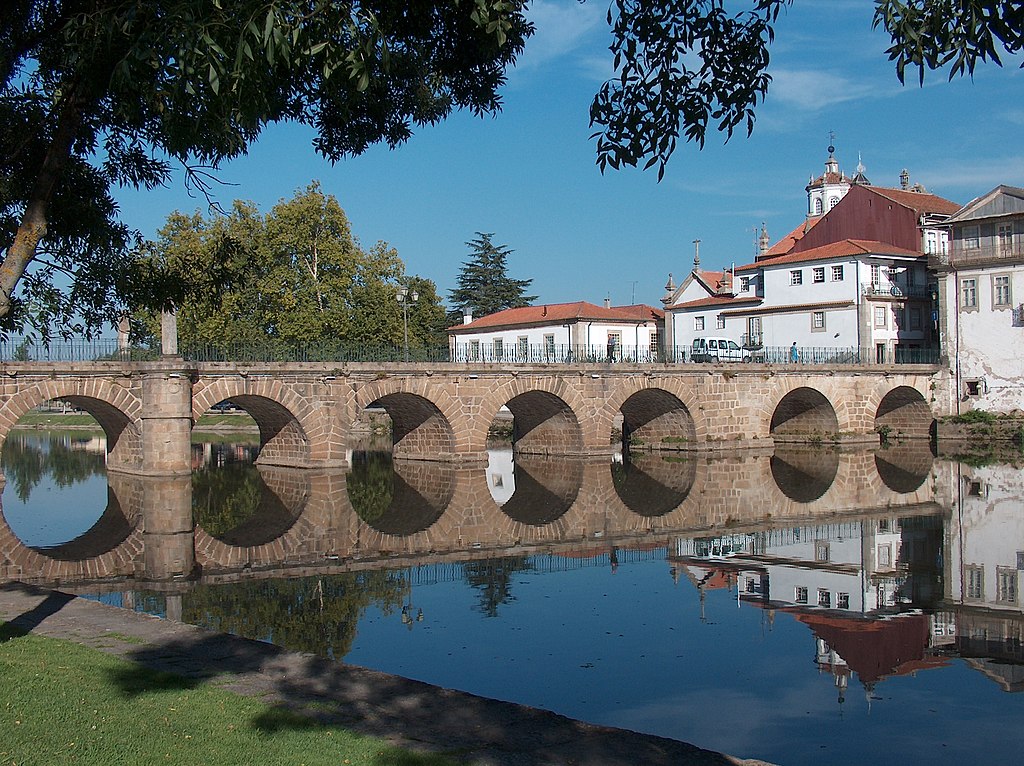
Official name: Ponte de Trajano      Other names: Roman Bridge of Chaves.
Total length: 140 m (460 ft)  I   Width: 8.9 m (29 ft)  I   Built: 100 CE

This is one of Portugal’s most well-known Roman bridges. The bridge is in the city of Chaves and crosses the Tamega River. It has a length of 140 metres and 16 visible arches with regular cushioning and cushioned staves. The two arches on the left bank are taller than the rest, and warehouses with rectangular slatted openings cover the four on the right bank.

They embellished the bridge with eight prismatic talhamares of varying size and height, and between the sixth and seventh arches, there is a semicircular pillar construction with the year 1880 written on it.

The bridge’s construction is commemorated by two monolithic cylinders, called Padrão dos Povos. The flat top of the bridge is made of parallel granite slabs, and they made the side lanes of cement. The bridge has a stone cornice, semicircular gargoyles, and an iron grate.


Ponte de Vilela

Ponte medieval de Vilela – Wikipédia, a enciclopédia livre

This bridge is located near the city of Braga and dates back to the 1st century AD. It spans the River Cávado and has four arches. It was originally part of the ancient Roman road that connected Bracara Augusta (modern-day Braga) to Astorga in Spain.

The Bridge of Vilela is composed of four circular arches built of granite stones.

Cutlasses with triangular and quadrangular shapes support the three pegs that hold up the arches. The two side arches’ spans [openings] are now covered.

The deck, which is composed of granite pavement, is shaped like a ramp at the ends and runs horizontally over the centre arches.

This bridge, which has been difficult to date because of its mediaeval construction and technological features, could be an example of the necessity to update the Roman-era road system.

This must have been necessary because more and more local roads made it possible to cross the Sousa River.

The Bridge de Vilela served as a significant crossing point for travellers from the coast going to places like Amarante and Vila Real, according to the “Parochial Memories” of 1758.

Ponte de Mizarela

Photo

The Ponte de Mizarela is a bridge in the northern part of Portugal. It is in the town of Vieira do Minho, which is in the district of Braga. It spans the Rabagão River, a tributary of the Cávado River. The bridge is known for its unique architecture, which features a single granite arch that rises 20 metres above the water.
The Ponte de Mizarela is a popular place for tourists to visit and an important part of the region’s cultural history. People can look at the beautiful nature around the bridge and learn about its long history and stories.
In addition to being important to culture and history, the bridge is also a symbol of human creativity and engineering skill. Its single-arched design, which was new at the time, still amazes and impresses visitors and engineers alike.

Overall, the Ponte de Mizarela is a fascinating landmark that shows off the beauty, history, and culture of northern Portugal. Whether you are a history buff, an architecture enthusiast, or a nature lover, this bridge is definitely worth a visit.

Ponte de Guimarães
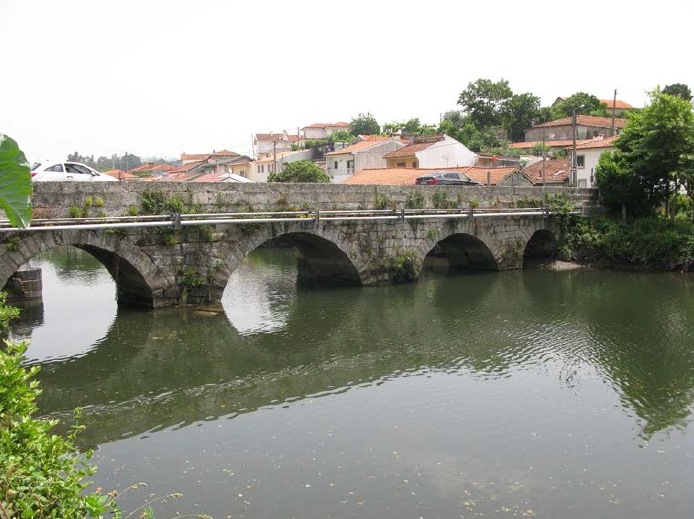
Câmara de Guimarães reabilita Ponte de Campelos e constrói passagem pedonal | Câmara Municipal de Guimarães

Ponte de Guimarães is a Roman bridge located in the city of Guimarães, in the north of Portugal. It was built in the 1st century AD and is one of the oldest and best-preserved Roman bridges in Portugal.

The bridge spans the Selho River and is made of granite. It has three arches and is about 100 metres (328 feet) long. The piers that support the arches rest on the riverbed, and a parapet with sculptural reliefs tops it all off.

The Ponte de Guimarães played an important role in the Roman road network in Portugal, connecting the cities of Bracara Augusta (now Braga) and Cale (now Porto). It was an essential transportation route for travelers, merchants, and soldiers, and it facilitated the flow of goods and people between the two cities.

The bridge has had many repairs and renovations over the years, including a major one in the 14th century. During this restoration, the bridge was raised, and a fortified tower was built at one end of the bridge to defend the city against enemy attacks. The tower is still visible today and is known as the Torre de São Sebastião.

The Ponte de Guimarães is an important cultural landmark in the city of Guimarães and attracts many visitors each year. It is also part of the Portuguese Way of the Camino de Santiago, a popular pilgrimage route to Santiago de Compostela in Spain, and is a testament to the rich history and culture of the region.

Ponte de Barcelos

File:Ponte românica de Barcelos sobre o Cávado.jpg

The Ponte de Barcelos, also known as the Medieval Bridge of Barcelos, spans the river Cávado between the Portuguese parishes of Barcelinhos and Barcelos, Vila Boa and Vila Frescainha  (São Martinho and São Pedro), the city and municipality of Barcelos, and the district of Braga.

The arches that span the centre of the river are the largest and tallest on the bridge. On its pillars are skimmers with a gothic design. This bridge is 100 metres long, 18 metres tall, and 15 metres wide, and it includes a pedestrian balcony.

It became a significant crossing point for pilgrims on the Portuguese Way to Santiago, as well as for the large fairs that have been held in Barcelos since the High Middle Ages.

The Ponte de Barcelos was designated a national monument in 1910.


Ponte do Arquinho

Ponte do Arquinho – Wikipédia, a enciclopédia livre


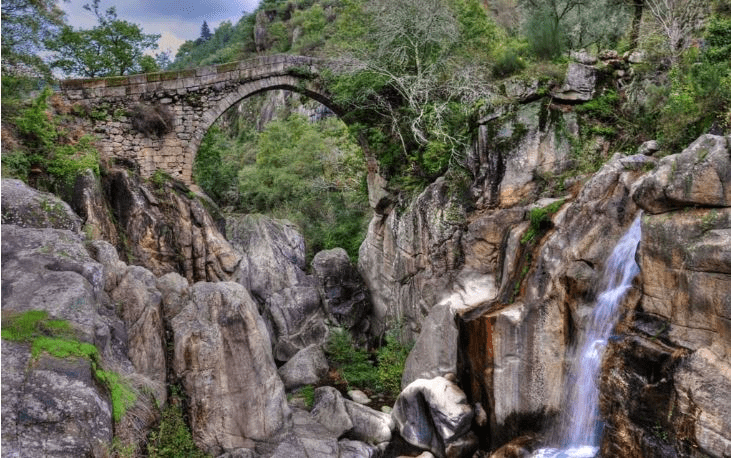
Ponte Romana do Arquinho is a Roman bridge located in the town of Mondim de Basto in northern Portugal. It was built in the 3rd century AD and spans the Tâmega River. The bridge has one arch and is approximately 15 metres long and 6 metres high.

The Ponte Romana do Arquinho was an important part of the ancient Roman road that connected Braga to Astorga. The bridge was originally built using granite blocks and is considered one of the most picturesque Roman bridges in the region. It is surrounded by lush greenery and a scenic waterfall, making it a popular spot for tourists to visit and take photos.

Despite its age, the Ponte Romana do Arquinho is still standing today and is a testament to the engineering skills of the ancient Romans. The bridge has been restored and is now a protected national monument in Portugal. It is a popular destination for hikers and nature enthusiasts who want to explore the beautiful scenery of the Tâmega River valley.

 Ponte de Lima Bridge
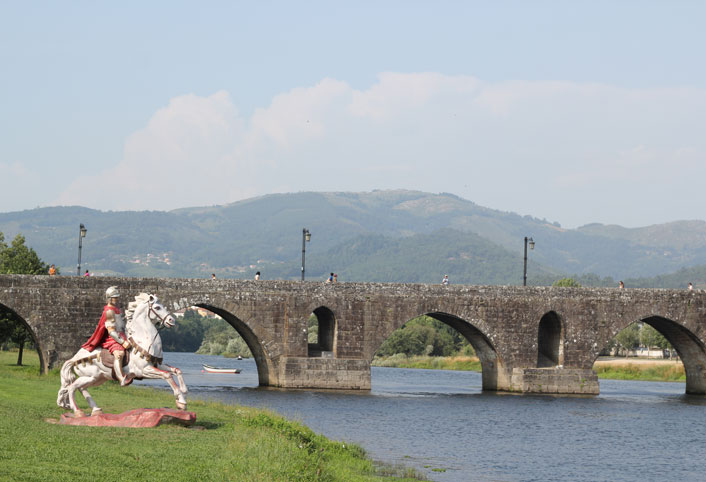
The Ponte de Lima, located in the town of Ponte de Lima, is one of the most significant Roman bridges in Portugal. It was built in the 1st century AD during the Roman occupation of the Iberian Peninsula, and it is considered to be one of the oldest bridges in Europe.

The bridge spans the Lima River, which is a tributary of the Douro River, and it was an important transportation route during the Roman Empire. The bridge was a crucial component in the region’s development because it allowed travelers, merchants, and soldiers to cross the river.

The Ponte de Lima is made of granite and has nine arches, which are supported by piers that rest on the riverbed. The arches have different sizes, with the largest one in the center, which allows the river to flow freely. The bridge has a length of about 240 metres (787 feet) and a width of about 4.2 metres (14 feet).

Over the centuries, the bridge has undergone several renovations and repairs. In the 14th century, it was partially destroyed during a war between Portugal and Castile, and it was later rebuilt. During the 19th century, it was again repaired and expanded to accommodate the growing traffic.

Today, Ponte de Lima is a popular tourist attraction and a symbol of the town’s rich history and culture. The bridge is part of the Portuguese Way of the Camino de Santiago, a popular pilgrimage route that leads to the Cathedral of Santiago de Compostela in Spain.

Ponte do Prado

The Bridge of Prado, also known as the Ponte de Porto or the Ponte Romana de Prado, has a long history dating back to Roman times. It is believed to have been built in the 1st century AD as part of the Roman road network connecting the cities of Bracara Augusta (modern-day Braga) and Asturica Augusta (modern-day Astorga).

In the 1600s, the bridge was rebuilt because it had been damaged by floods and constant use over the years.Archbishop Frei Bartolomeu dos Mártires was in charge of the reconstruction work, which included adding two arches to the original Roman building.

The Bridge of Prado is built using granite stone and features a total of five arches. The longest arch is about 30 metres long, and the two smaller ones that were added during the renovation are each about 10 metres long.The bridge has a length of 100 metres and a width of 5 meters, with a parapet on either side.

Today, the Bridge of Prado is a popular place for tourists to visit and a well-known landmark in the area. It has beautiful views of the Cávado River and the countryside nearby. Both locals and visitors use it as a path for walking and cycling between the villages of Vila Verde and Prado.

Ponte de São Gonçalo

The Ponte de São Gonçalo, located in the town of Amarante, is another important Roman bridge in Northern Portugal. It was built in the 1st century AD and spans the Tâmega River.

The bridge is made of granite and has three arches, with the central arch being the largest. The piers that support the arches rest on the riverbed, and a parapet with sculptural reliefs tops it all off.

The bridge played an important role in the Roman road network in Portugal, connecting the cities of Braga and Porto. It was an important way for travelers, merchants, and soldiers to get from one city to the other, and it helped goods and people move between the two cities.

The bridge has had many repairs and renovations over the years, including a major one in the 18th century.During this restoration, the parapet was decorated with baroque-style sculptures of religious figures, which are still visible today.

The Ponte de São Gonçalo is an important cultural landmark in the town of Amarante and attracts many visitors each year. It is also part of the Portuguese Way of the Camino de Santiago, a popular pilgrimage route to Santiago de Compostela in Spain, and is a testament to the rich history and culture of the region. Additionally, the bridge is named after Saint Gonçalo, a Portuguese saint who is believed to have performed several miracles in the area, making it a significant religious site as well.
Before making any vacation plans, please check the constantly changing local limitations and safety rules. It should be noted that not all sites and services are operating as usual, so check their respective websites for the most recent details.

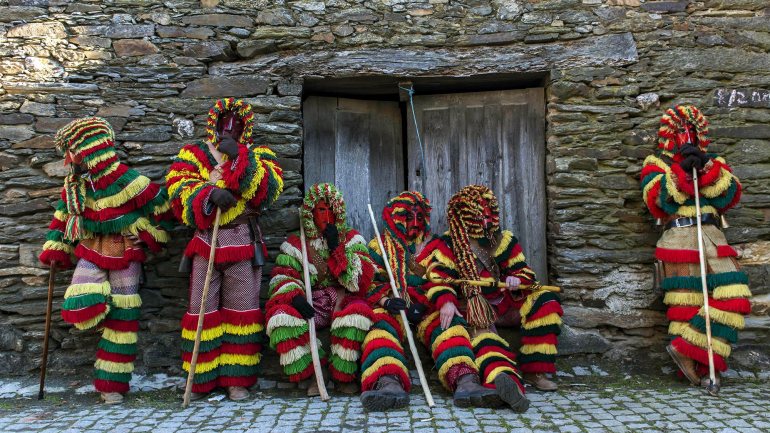
Trás-os-Montes is a Portuguese region that is renowned for its ability to keep its traditions alive in a genuine and intense way. In its small, typical, and picturesque villages, its inhabitants continue to uphold the culture and habits of their ancestors, ensuring that their traditions remain alive even today. This is a case that should make us all think, as what was once generated by the historical isolation of the region is now a source of pride. The Caretos of Podence, the Pauliteiros of Miranda, the traditions associated with the Douro harvest, and the transhumance of Gerês are just some of the traditions that make Trás-os-Montes a very special case in the country. Visiting some of its most typical, traditional, and picturesque villages is the best way to capture the spirit of Trás-os-Montes in all its glory.

The village of Podence

Caretos de Podence já são Património Imaterial da Humanidade – Observador

Podence is also famous for its festivals and traditional events, including the Feast of Saint John, which is celebrated annually with music, dance, and traditional food. The countryside around the town is beautiful, with rolling hills, vineyards, and olive groves. This makes it a popular place to go hiking, biking, or bird watching.

In conclusion, Podence is a small town with a rich cultural history and beautiful natural surroundings. This makes it a popular place to visit for people who are interested in history, tradition, and the great outdoors.

Podence is a small village in the municipality of Miranda do Douro, Portugal, known for its historic charm and natural beauty. Here are some of the popular things to do and see in Podence:

  1. Explore the historic centre: Walk through the narrow streets of Podence and admire the traditional stone houses and churches, many of which date back to the 17th and 18th centuries.

  2. Visit the Church of Nossa Senhora da Ajuda. This church is one of the most important architectural landmarks in the area. It has a beautiful Baroque facade and a richly decorated interior.

  3. Enjoy the views from Miradouro de São Salvador: This viewpoint offers panoramic views over the Douro River and the surrounding landscape, making it a popular spot for photos.

  4. Visit the Castro Culture Museum: Learn about the history and culture of the region at this museum, which is housed in a restored 18th-century stone building.

  5. Take a stroll in the Natural Park of Douro Internacional: This park covers over 90,000 hectares and is home to a diverse range of flora and fauna, including several species of endemic birds. You can also hike through the park’s trails and enjoy the stunning views of the Douro River.

  6. Taste the local cuisine: Podence is known for its traditional cuisine, which is heavily influenced by the local culture and ingredients. Try dishes such as “Posta Mirandesa,” a grilled steak made from local beef, or “Bolo Podence,” a traditional cake made with cornmeal and cinnamon.

  7. Attend a traditional folklore event: The area is well known for its rich cultural heritage, and you can discover this for yourself by going to one of the numerous traditional folk festivals that happen all year long.

Rio de Onor

Rio de Onor

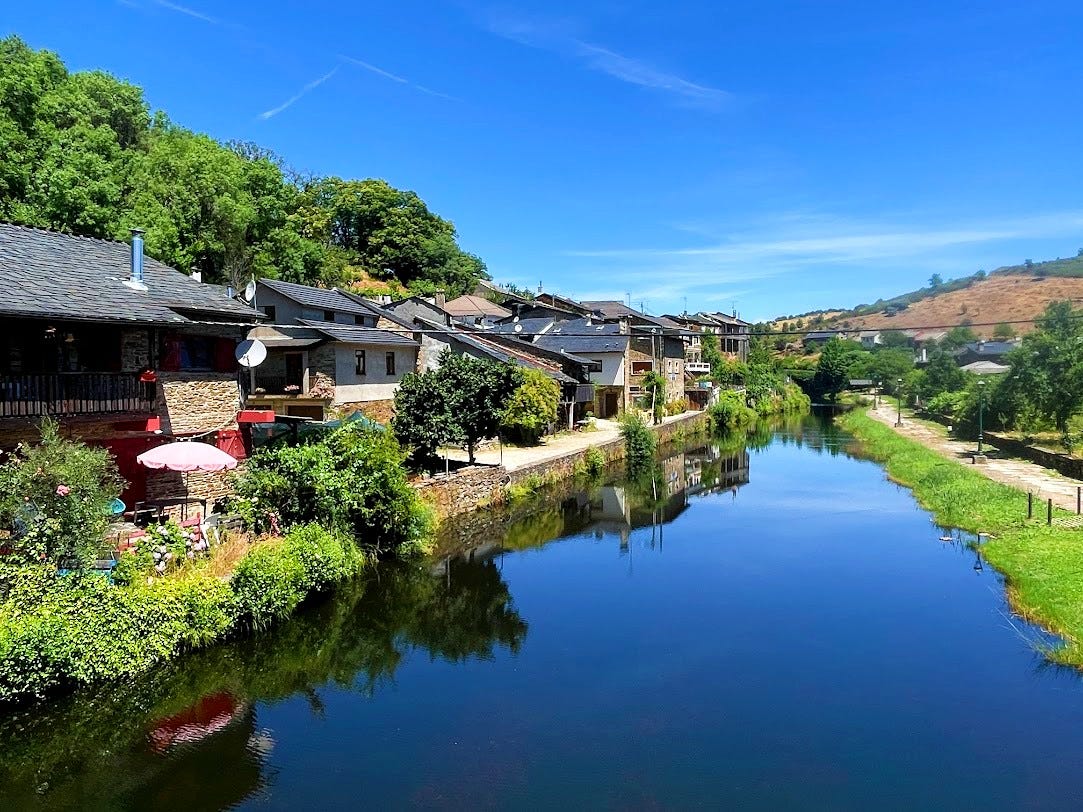
Its location is in the northern part of Portugal. Rio de Onor is a sleepy agricultural village. It is one of the few places left in the country where farming, raising livestock, and making handicrafts are still commonplace. The village is renowned for its strong community spirit and beautiful natural surroundings, including forests, rivers, and mountains. Even though Rio de Onor is remote, it’s kept its unique character and cultural heritage. This draws tourists who want to experience a simpler way of life and learn about Portuguese culture in the countryside.

Rio de Onor is also famous for its well-preserved architectural heritage, including traditional stone houses, granaries, and barns. These buildings are important cultural landmarks because they show how the local architecture is unique.

The village has rich folk traditions and vibrant cultural events, such as religious festivals, folk music concerts, and traditional dances. These celebrations bring the community together and preserve the cultural heritage of the region.

Despite its traditional character, Rio de Onor has adapted to modern life, with basic amenities such as a school, a small grocery store, and a health centre available to its residents. The village has also embraced tourism, with guesthouses and rural tourism activities, such as guided walks and horseback riding tours, available to visitors.

Overall, Rio de Onor is a unique and interesting example of a traditional rural community that has thrived and kept its heritage despite modernization.

Rio de Onor: A Village Without Borders | by Artur Filipe dos Santos, cultural heritage writer | Medium

Bragança

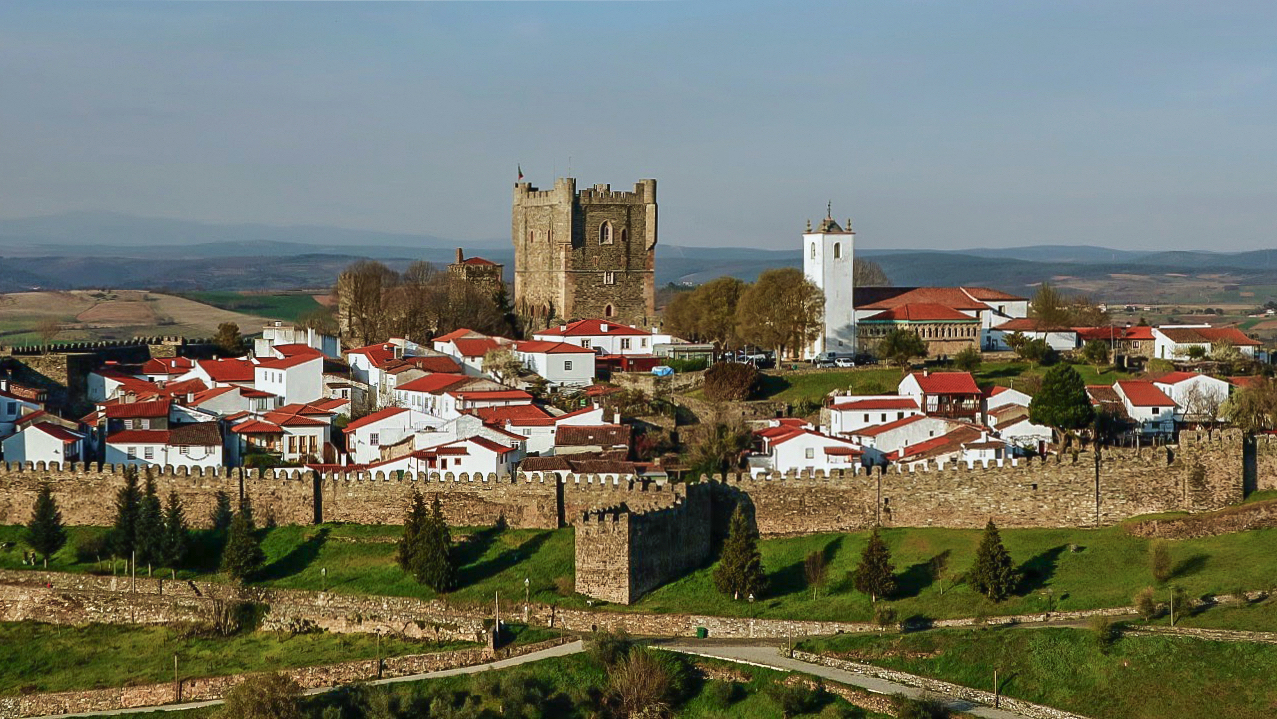
Bragança is a city and municipality in northeastern Portugal in the district of Bragança. It is the capital of the Bragança district and the historical and cultural centre of the Trás-os-Montes region. Known for the Castelo de Braganca, a well-kept castle from the Middle Ages that dates back to the 9th century.

Bragança is in a rural area of northeastern Portugal, surrounded by small villages and hamlets. Some villages near Bragança include:

  1. Mogadouro is a small village in the natural park of Douro Internacional, known for its stunning landscapes and outdoor activities.

  2. Vinhais is a picturesque village known for its traditional architecture and regional food, such as “enchidos” (smoked sausages) and “paio” (a type of pork sausage).

  3. Mirandela is a historic town along the Tua River, known for its mediaeval castle and its production of olive oil and wine.

  4. Carção is a small village surrounded by rolling hills and forests, known for its scenic beauty and outdoor activities, such as hiking and mountain biking.

  5. Boticas is a traditional village that is known for its well-kept buildings and cheese and wine.

  6. Torre de Moncorvo is a small town located in the heart of the Serra da Nogueira mountain range, known for its natural beauty and outdoor activities, such as rock climbing and fishing.

These villages show how people used to live in the countryside in the area and give visitors a chance to see the area’s natural beauty and cultural history.

Braganza - Wikipedia, la enciclopedia libre

Vila Flor

Vila Flor is a small town located in the northern region of Portugal, in the district of Bragança. It is known for its rich cultural heritage, stunning natural scenery, and tranquil way of life.

The town is surrounded by rolling hills and fertile farmland and is home to several historic buildings and monuments, including the 17th-century Church of Nossa Senhora da Conceição and the 17th-century Palace of Vila Flor. The town is also home to the Vila Flor Cultural Center, which hosts exhibitions, concerts, and other cultural events throughout the year.

One of the main attractions of Vila Flor is its tranquil way of life. The town is a popular destination for those seeking a peaceful retreat from the hustle and bustle of city life and is known for its warm and friendly local community.

In addition to its cultural and historical attractions, Vila Flor is also a popular destination for outdoor activities such as hiking, cycling, and horseback riding. The nearby hills and forests offer plenty of opportunities for exploring the great outdoors, and there are also several rivers and lakes in the area for fishing and water sports.

Overall, Vila Flor is a charming and picturesque town with a rich cultural heritage and plenty of opportunities for relaxation and recreation. Vila Flor is a great place to visit if you like history, nature, or just want to get away from the busy world for a while.

Vila Flor is known for its traditional Portuguese cuisine, which is influenced by the local agriculture and livestock farming. Some of the most popular dishes in the area include:
  1. Cozido à portuguesa: A hearty stew made with vegetables, beans, and various meats, such as beef, pork, and sausage.

  2. Rojões: Fried pork cubes, typically served with boiled potatoes and rice.

  3. Churrasco: Grilled meat, usually beef or pork, that is seasoned with garlic, salt, and paprika.

  4. Açorda: A bread-based dish made with garlic, olive oil, and coriander, typically served with poached eggs or grilled meat.

  5. Bacalhau: Codfish, a staple of Portuguese cuisine, is prepared in a variety of ways, such as baked with potatoes and onions or fried with eggs and potatoes.

In addition to traditional Portuguese dishes, there are also several restaurants in Vila Flor that serve international cuisine, such as Italian, Chinese, and Indian. There are also several cafes and bars in the town, offering a variety of drinks and snacks.

Overall, Vila Flor gives visitors a wide range of dining options, from traditional Portuguese food to food from around the world, so that everyone can find something they like.


Before making any vacation plans, please check the constantly changing local limitations and safety rules. It should be noted that not all sites and services are operating as usual, so check their respective websites for the most recent details.


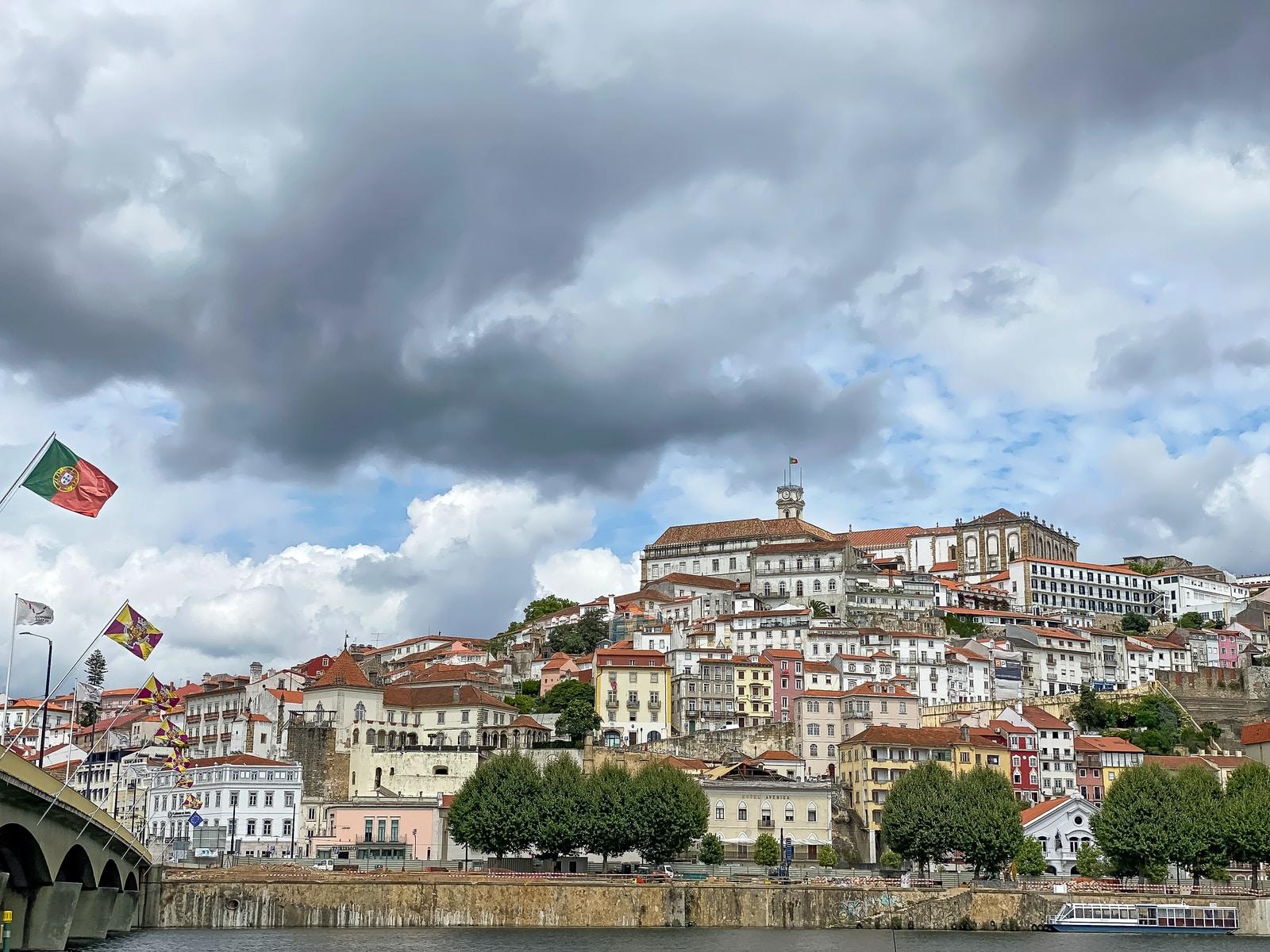
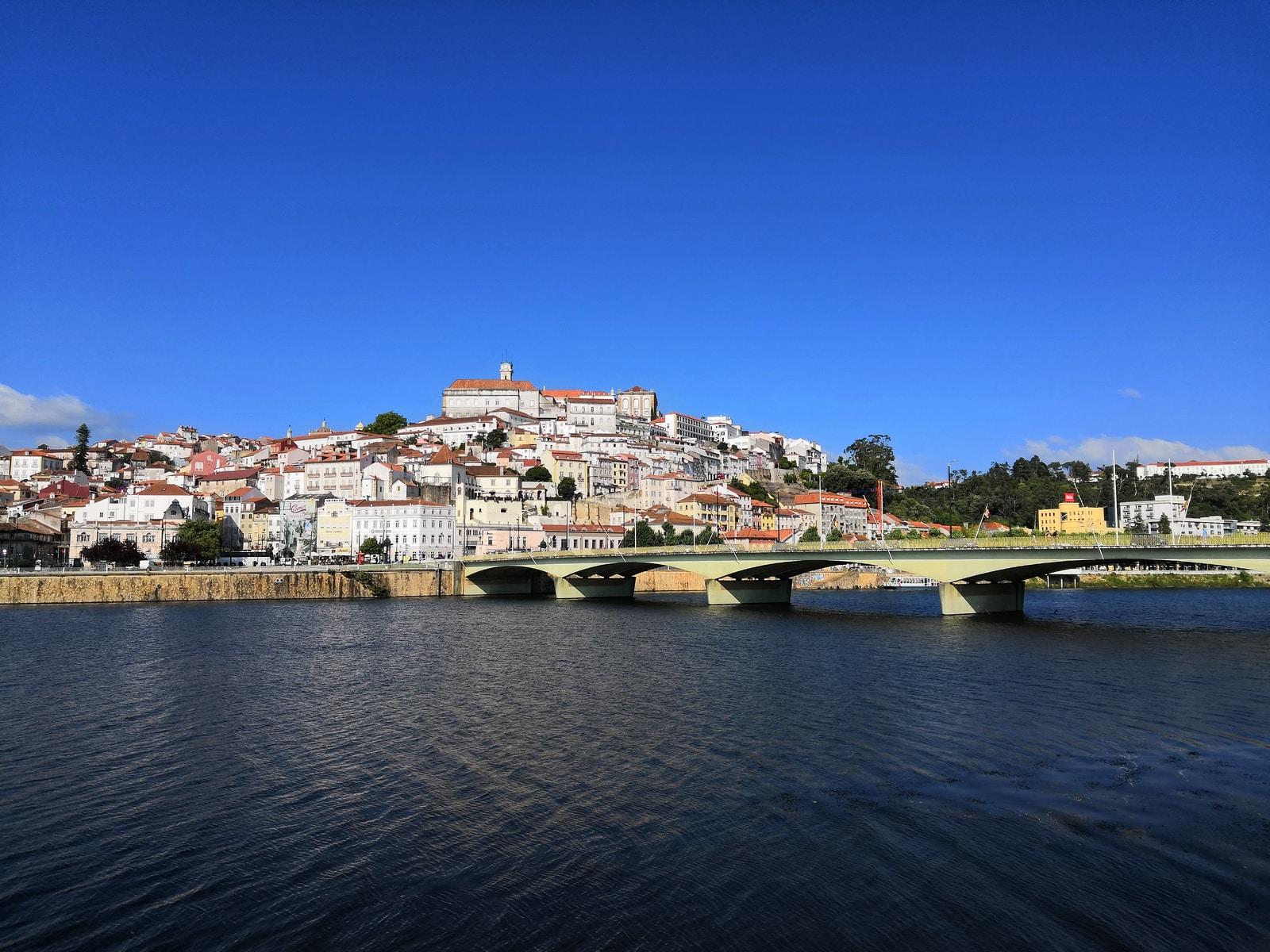
Coimbra is an ancient Portuguese city steeped in history and characterised by its distinct culture and personality. For centuries, this remarkable town has remained an integral part of Portuguese national identity, with its traditional festivals, historic towers, and universities. Even though the earthquake of 1755 caused a lot of damage, Coimbra could recover and grow. It has many monuments and architectural treasures built between the 12th and 20th centuries. Every year, many people come to this area to see a different side of Portugal and to see its beautiful natural scenery and historic sites. It is known as "the city of students" because it has the oldest university in Portugal and is one of the oldest in Europe. The institution is known for its baroque library, the Biblioteca Joanina, and its 18th-century bell tower, which was built on the grounds of a former palace. The Sé Velha Romanesque cathedral, built in the 12th century, is located in the city's old center.

The Botanical Garden of Coimbra

They established the Botanical Garden of Coimbra in 1773 with the goal of supporting the study of Natural History and medicine at the University of Coimbra. The land was donated by Benedictine friars, and the project was led by Marquês de Pombal, with Italians Domingos Vandelli and Dalla Bella taking charge of the construction. Later, Portuguese botanists like Félix Avelar Brotero, Júlio Henriques, and Luís Carrisso played important roles in its development.

With a total area of 13.5 hectares, the Coimbra Botanical Garden is a renowned garden with many levels and avenues. The garden is renowned for its extensive collection of international plants, and two-thirds of it is a forested area with exotic trees and a bamboo grove. Félix Avelar Brotero, Júlio Henriques, and Luís Carrisso, three Portuguese botanists, each have a monument in their honour. The Estufa Grande, a sizable greenhouse built in 1859 and recently renovated by architect João Mendes Ribeiro, is another feature of the garden. It was created by Pezarat. Another noteworthy feature is the Cold Stove, a structure constructed in the 1950s that houses vegetation adapted to humid and shaded environments and displays a sculpture of a naked woman called “Botânica” as a tribute to the study of plants.


The Palace of Sub-Ribas

SubRipas1.jpg

The Palace of Sub-Ribas is a former defensive tower on the city wall called Torre da Contenda. It was adapted into a residence in the 16th century and later purchased by João Vaz, who combined it with the buildings on the opposite side of the street to form Casa de Cima (Casa do Arco) and Casa de Baixo (Casa da Torre). It is notable for its Manueline portal and bas-reliefs attributed to João de Ruão’s workshops. It is a beautiful example of 16th-century civil construction and was impressive in its time compared to the neighbouring buildings.
In the 18th century, the Count of Sub-Ribas lived in the palace. He made it bigger and turned the original defensive tower into a chapel. During the 19th century, it was home to some of the most influential families in the city. Today, it is a museum and an important symbol of Braga’s rich culture and heritage.
The Palace of Sub-Ribas is one of the best examples of a residential building built in Portugal in the 16th century. It is a national monument because it is a very important piece of Portuguese architecture. It is clear why it remains today as one of the city’s most iconic landmarks.

Joanine Library

The Joanina Library is a baroque library located in Coimbra, Portugal. It is considered one of the most beautiful and valuable libraries in the world, with its richly decorated rooms and an extensive collection of rare books and manuscripts. The library’s interior is noted for its ornate decoration and gilded ceilings. The library’s collections focus on philosophy, theology, law, and medicine and include a large number of illuminated manuscripts from the Middle Ages.


The Oldest University in Portugal

While not every city necessitates a trip to a university, Coimbra’s institution, like those in Oxford and Cambridge, has a long and distinguished history. Built amid the palace complex of 1537, it features a beautiful ivory-coloured bell tower, an expansive courtyard and an intricately carved Via Latina archway. The Biblioteca Joanina, with its frescoed ceilings, dusty leather tomes, and gilded embellishments, is the library’s most striking feature. Book a walking tour to understand the significance of these historic structures.

Visit the Miniature Village

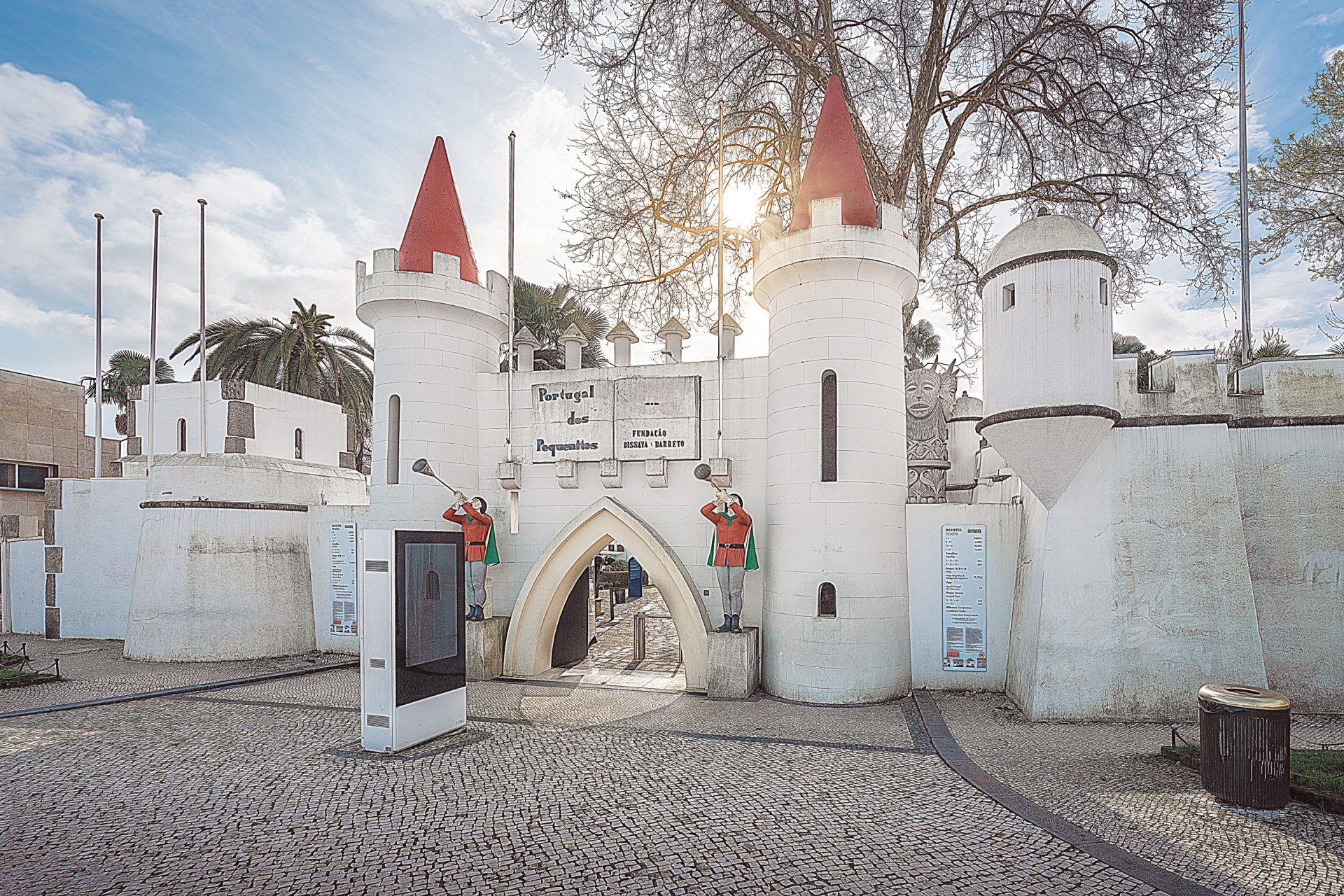
Siza, Souto e Koolhaas no novo Portugal dos Pequenitos

The area known as Portugal dos Pequenitos contains miniature replicas of the country’s most famous sites. It’s a fun and instructive place for kids to learn about the fundamentals of Portuguese culture. As you recognize these models of renowned houses and monuments, take photos of your favourite little constructions.

On a warm summer afternoon, take a stroll through the beautiful gardens. Relax with drinks and refreshments at the café. You can also bring a picnic basket with you.

Portugal dos Pequenitos is located near the heart of Coimbra, on the quieter western bank of the Mondego River.

Velha Cathedral

Old Cathedral, Coimbra | This is the only Romanesque cathedr… | Flickr

Architecture enthusiasts should search out the layers of Moorish, Renaissance, Romanesque, and baroque design that has been incorporated into the spectacular Sé Velha, a fortress-like cathedral in the centre of the city that has been influenced by centuries of Coimbrans. Keep an eye out for the Porta Especiosa (beautiful door), the exquisite gothic altar within, and the interior, which is predominantly painted with Romanesque floral and natural motifs rather than the more traditional human-centred Biblical images. Take a peaceful moment to admire the central courtyard from the shade of the gothic cloisters.

Enjoy a cup of coffee in a historic church.

Your audio guide of Coimbra: Tour of the historical centre | SmartGuide

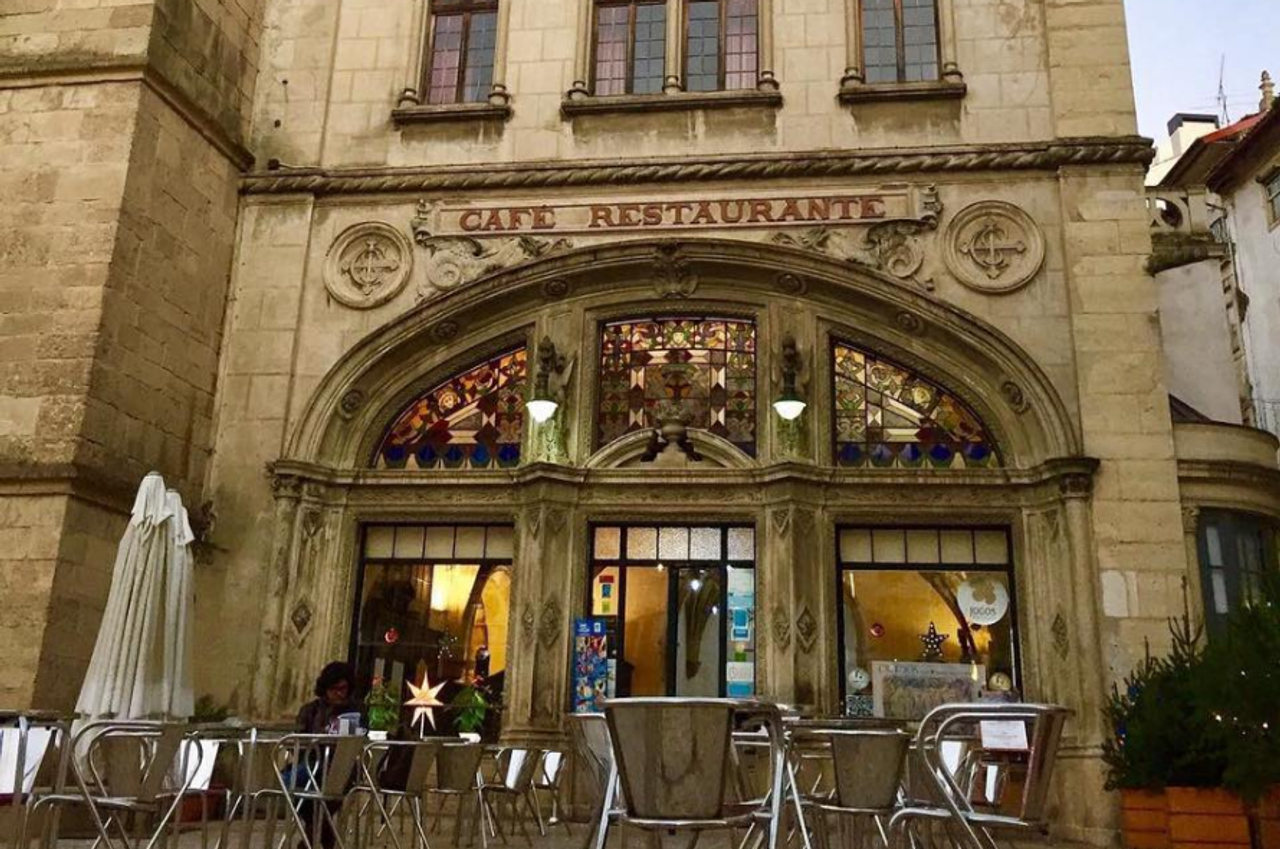
Take a seat at Cafe Santa Cruz, which is set within the enormous former Church of São João, which dates all the way back to 1530. While you sit in medieval-style oak chairs beneath majestic stone arches and place your order, dappled light rushes in through the exquisite stained glass over the entryway. Make sure you get the compulsory pasteis de nata (a pastry considered a national dish), as well as toasted sandwiches and the house speciality, crúzios – sugared almond pastries created by nuns. Additionally, keep an eye out for notifications about free fado music nights.

Address: Praça 8 de Maio, Coimbra
Open: 8am–12am
cafesantacruz.com

Discover unusual museums

Machado de Castro National Museum

Coimbra’s imposing temples to history, the arts, and science reflect the city’s educational heritage – the city is home to museums dedicated to everything from zoology to water supply. The Museu de Machado de Castro takes centre stage, a grand bishop’s mansion brimming with religious art, sculptures, and vintage furniture (though just as many come here for the fab view from the restaurant). Priso Academica – a two-cell prison where university students were thrown if they became too rowdy – and Brain Maze – an escape room that incorporates elements of Portuguese history into the complex tangle of puzzles you must solve to escape.

www.museumachadocastro.gov.pt

People-watch in Praça da República

Praca Da Republica Image

The broad Praça da República, which is leafy, sprawling, and etched with a looping pattern on its paving stones, serves as a hub for students, professionals, and visitors. Sit in a canvas chair at one of the informal metal tables and sip a cup of coffee or a local beer while young cyclists zip past flower vendors and groups of laughing twentysomethings shoot the breeze late into the night. The majority of cafes offer complimentary snacks — including plates of fries and croquetas — with each drink.

Here are a few more things to see and do in Coimbra:

94918-Coimbra (49022894973) (cropped).jpg


  • Igreja de Santa Cruz – A beautiful church with an ornate interior, located in the center of the city.
  • Bairro Alto de Coimbra – A historic neighborhood with narrow streets and traditional houses, perfect for a stroll.
  • Mosteiro de Santa Clara-a-Velha – An old convent on the banks of the Mondego River, now a museum showcasing the city’s medieval history.
  • Torre de Anto – A tower with panoramic views of the city and the surrounding countryside.
  • Paço das Escolas – The Palace of the Schools, a grand baroque building that houses the University’s main administration.
  • Mercado Municipal – A traditional indoor market selling local food and goods, perfect for trying Portuguese cuisine.
  • Fado ao Centro – A fado music venue, showcasing the traditional music of Portugal.
  • Estádio Cidade de Coimbra – The city’s soccer stadium, home to Associação Académica de Coimbra – O.A.F.
  • Parque da Mantegada – A scenic park with walking trails and a large pond, perfect for a picnic or a scenic walk.

Coimbra is a city rich in history, culture, and natural beauty.

Before making any vacation plans, please check the constantly changing local limitations and safety rules. It should be noted that not all sites and services are operating as usual, so check their respective websites for the most recent details.

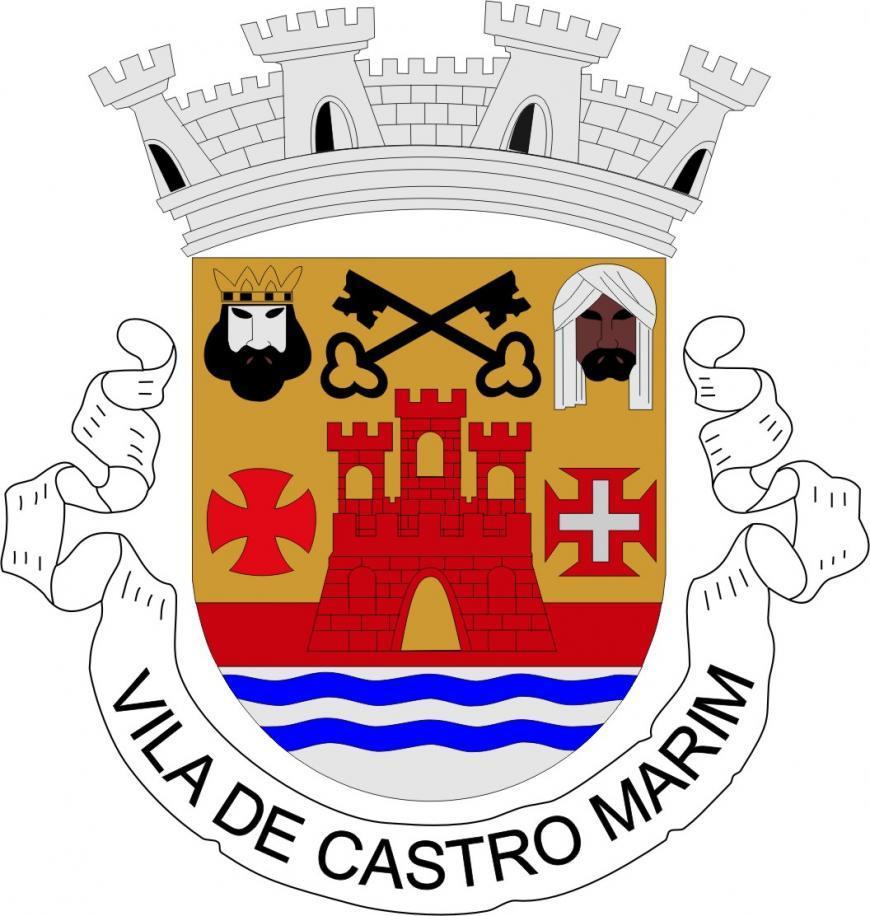
Castro Marim is a Portuguese border village with about 2,000 people. It is in the Faro district, as well as the Algarve region and sub-region.


Castro Marim | Município de Castro MarimOn the right bank of the Guadiana River, the village of Castro Marim contains several remains showing early human habitation.

There were inhabitants from Phoenicia, Carthage, Greece, Rome, the Visigoths, and Arabia. They gained it from the Moors in 1242, and it received a charter in 1277. Castro Marim was a favourite battleground in the Algarve for centuries because of its proximity to the river, the sea, the plains, and the mountains. It was next to Ayamonte as well.

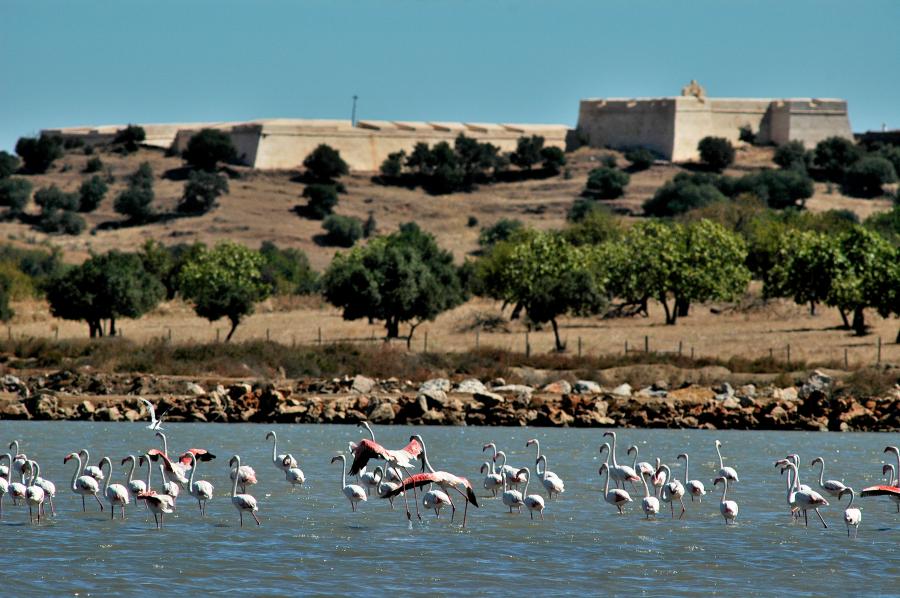
The castle was constructed by D. Afonso III and is flanked by a vast expanse of ancient salt pans.

The history of salt mining in Castro Marim dates back so far that it is nearly difficult to pinpoint its beginning.

Along with fishing and farming, the utilisation of this resource is vital to the economy of this region and is an integral element of the culture and way of life of the locals.

Visiting the historic salt pans is an excellent chance to learn about the ancient expertise that has been utilised to extract salt from the earth for centuries, in perfect harmony with nature’s will. The diligent salt miner, who utilises his skills to preserve art and ancient instruments, presents us with two high-quality objects with deep roots in Castromarinese culture.

Since ancient times, the inhabitants of Castro Marim have coexisted with various Mediterranean peoples. Over time, they have exchanged commodities and customs, acquired new ways of being and doing things, and accumulated knowledge. This expertise was transmitted to us by craftsmen, who are living treasures who preserve and transmit the intangible legacy of Castro Marim and preserve the memory of a people and culture.

At the front door of their home, guests may still learn who creates the lovely bobbin lace tablecloths. You may still observe the guys who build baskets out of straw, cane, reeds, and palm leaves with their expert hands and come to know their faces.

All of these heritages have something to do with the municipality of Castro Marim’s natural terrain, which has many hidden beauties that astound every visitor.


Tourism is one of the activities that contribute to the income of the municipality because it has both a coastline and a variety of beaches.

In addition, they harvest salt from salt pans located near the river Guadiana. A company that specialises in artisanal saliculture is developing a new product in the heart of the salt pans, making it possible for people to take salt baths there.


As part of the festivities known as the Medieval Days of Castro Marim, the town of Castro Marim hosts an annual mediaeval fair at the end of August. This festival brings together many artists from all over the world, including mediaeval dancers, troupes, archers, swordsmen, and musicians. In addition, it attracts a wide range of other merchants and artisans, including weavers, blacksmiths, herbalists, etc.
Here’s a list of the beaches in Castro Marim:

  • Praia Verde (Castro Marim)
  • Cabeço Beach – Retur
  • Alagoa beach

Things to see and do:

  •      Library
  •      House of Odeleite
  •      Music House
  •      House of Salt
  •      Azinhal Multipurpose Center
  •      Castro Marim Market
  •      Moinho das Pernadas
  •      Museum Nucleus
  •      Castro Marim Castle
  •      Church of Mercy in Castro Marim
  •      Church of Santo António
  •      Forte de São Sebastião


Gerês, or Peneda-Gerês National Park, is a national park in northern Portugal. It is called Parque Nacional da Peneda-Gerês in Portuguese. It is the oldest protected area and Portugal’s only national park. It was set up in May 1971. It has an area of 695.9 km2 (268.7 sq mi) and is in the districts of Viana do Castelo, Braga, and Vila Real. In the north, it is next to the natural park of Baixa Limia–Serra do Xurés in Spain. Together, these two parks make up the UNESCO Biosphere Reserve of Gerês-Xurés.

Peneda-Gerês was given its name by its two main granite massifs, the Serra da Peneda and the Serra do Gerês, which, along with the Serra Amarela and the Serra do Soajo, constitute the park’s highest peaks. The precipitous valleys, on the other hand, are home to lush temperate broadleaf and mixed forests of oak and pine and are one of the last strongholds of Portugal’s typical Atlantic European flora, in contrast to an evolving Mediterranean biome. The park is also home to more than 220 species of vertebrates, some of which can only be found on the Iberian Peninsula, such as the Pyrenean desman and the Iberian frog.

Megalithic structures and Roman ruins show that people have been in the area where the park is now for a long time. Presently, it is home to around 9,000 people scattered throughout small villages.

The park’s goal is to protect the land, water, plants, animals, and landscape while keeping its value for both people and nature.

Geography

The Peneda-Gerês National Park is located in the northwest of Portugal and includes the municipalities of Melgaço, Arcos de Valdevez, and Ponte da Barca (in the district of Viana do Castelo), Terras de Bouro (in the district of Braga), and Montalegre (in the district of Vila Real). It is the only national park in Portugal and is a popular destination for nature lovers and hikers alike. The park includes an area of 702.90 km2, of which 52.75 km2 are public lands, 194.38 km2 are private property, and the remaining 455.77 km2 are commons.

The park aims to simultaneously promote and regulate tourism, as the area’s ecosystem cannot withstand a major influx of visitors. As a result, there are six small camping places and a number of hiking routes, making it very simple to discover many of the most fascinating sites, such as the castros at Castro Laboreiro and Calcedónia and the monastery at Pitões das Júnias.

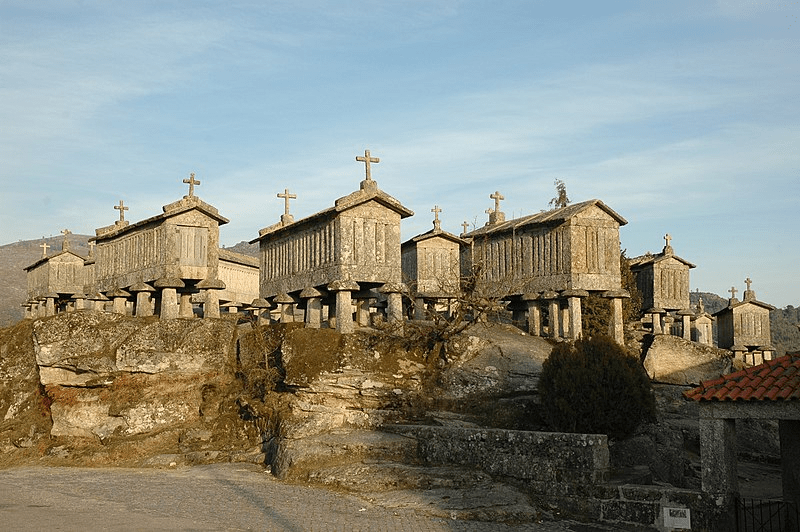
The most visited locations are those near a few main roadways. The shrines of Senhora da Peneda and So Bento da Porta Aberta, among many others, are examples of northern Portuguese devotion.Others, such as Soajo and Lindoso, include modest, traditional granite granaries, the espigueiros (from the Portuguese espiga, meaning spike or ear). Soajo is a typical Portuguese village situated on one of the Peneda Mountains’ slopes. On a block of granite, twenty-four espigueiros were created and are still used today to dry maize.

The waterfalls, particularly the one near the ancient frontier post at Portela do Homem and the Vilarinho das Furnas town when the Vilarinho das Furnas Dam is low enough, and the cascades along the Arado River, are two of the most well-known and frequently visited sights.

Domesticated animals also deserve recognition. The indigenous Barrosã  and Cachena cattle, both of which are used in agriculture, are now endangered due to their diminishing value, as is the hunting dog, the Castro Laboreiro.

Visitor attractions in Peneda-Gerês National Park:

Castro Laboreiro

Castro Laboreiro is a village (administratively, it’s a town) with around 500 inhabitants and located at 1000 metres altitude. Castro Laboreiro combines culture, history, and nature in a way that no other place does, giving visitors an experience they will never forget.

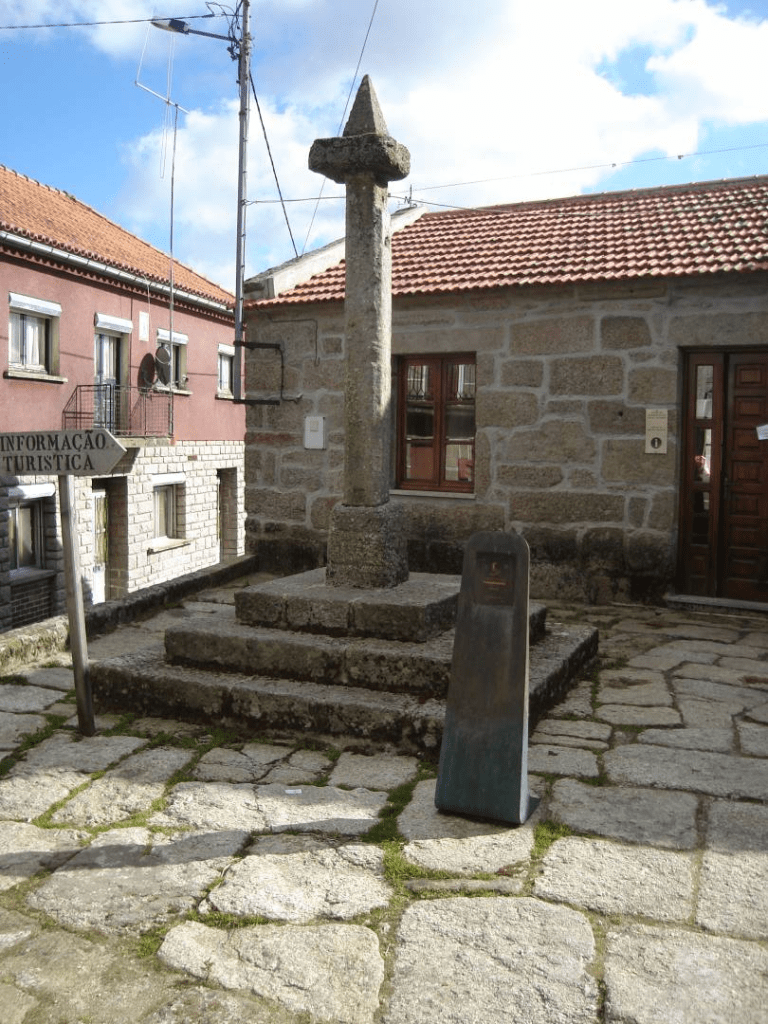
Before visiting the centre of Castro Laboreiro, where you’ll find typical granite houses, a church, a pillory, the old bridge (Ponte Velha), and the museological nucleus (worth visiting), where you’ll discover the history and ways and traditions of its inhabitants, explore the castle ruins, from where you can enjoy one of the most breathtaking views over Peneda-Gerês National Park.

Ponte da Cava da Velha Castro Laboreiro Portugal.
Castro Laboreiro Castle Ruin


How to get there: From Porto Airport, take the motorway A3 to Braga/Valença and continue for about 100 km, always heading toward Valença. Turn right after the tolls for about 5.5 kilometers and continue on the N202 for about 40 kilometers to Melgaço. In Melgaço, follow the directions to Castro Laboreiro or Lamas de Mouro and continue for about 19 km until you reach Lamas de Mouro, where you must turn left towards ´Castro Laboreiro`. Continue on the N202-3, and after about 7 km, you will reach the village of Castro Laboreiro.
GPS coordinates: 42° 1’48.44″N 8° 9’30.76″O

Peneda

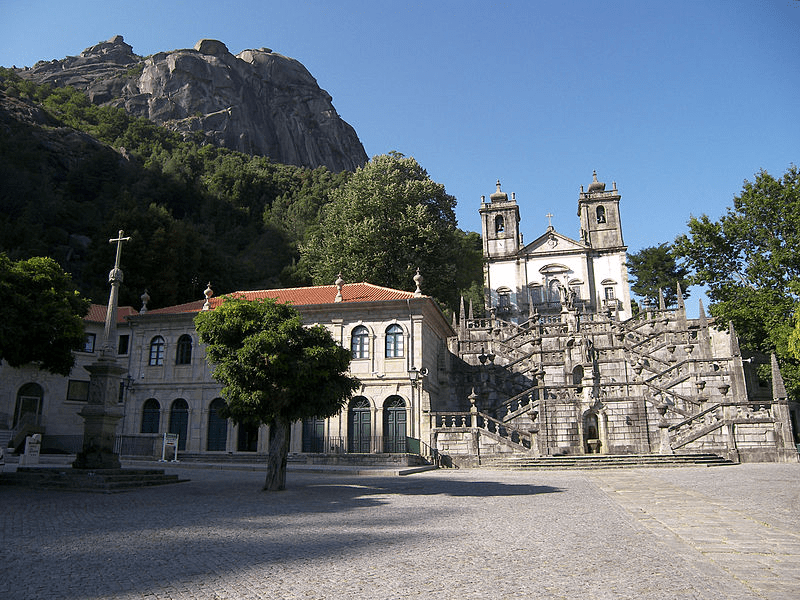
The Sanctuary of Nossa Senhora da Peneda is a Catholic sanctuary dedicated to the Virgin Mary under the invocation of Nossa Senhora da Peneda, located in the parish of Gavieira, municipality of Arcos de Valdevez, and district of Viana do Castelo.

Sanctuary of Our Lady of Peneda

Peneda is at the bottom of a gorge. It is close to a huge round rock and a beautiful waterfall. 

Built during the 18th and 19th centuries, the Sanctuary of Our Lady of Peneda is the key attraction of Peneda.

The sanctuary was constructed on the site where the Virgin Mary appeared to a shepherd in 1220. In the 13th century, a chapel was constructed. As the Portuguese and Spanish grew more devout, they constructed a sanctuary with a 300-meter stairway and 20 smaller chapels depicting Christ’s life.

Nossa Senhora da Peneda is celebrated during the first week of September. Locals and visitors take part in a procession with candles.

Soajo

Granaries of Soajo

Located on the Lima River, Soajo is renowned for its granite granaries, its fine gastronomy, its dog breed (called Castro Laboreiro dogs), and the mediaeval bridge Ladeira.

There is a wonderful view of the surrounding meadows here, and hiking is an excellent way to explore the natural beauty of this protected area.

It is recommended that you spend some time exploring the narrow streets of this village during your visit.

Lindoso


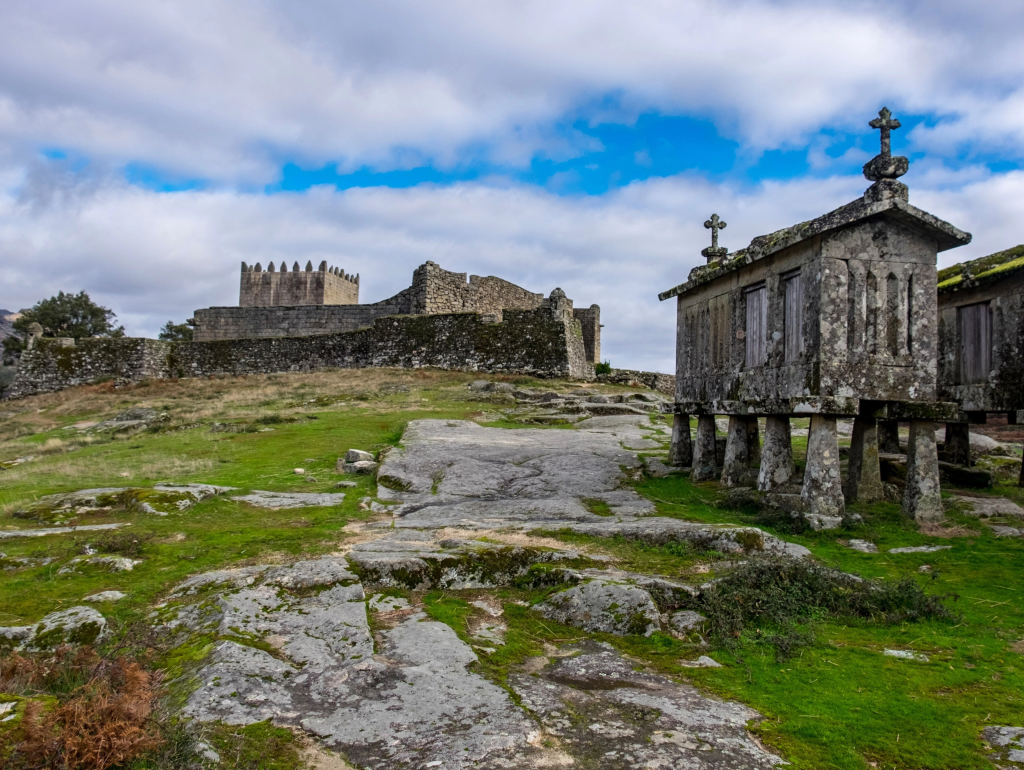
Lindoso is a tiny farming and shepherding community. This area is well-known, particularly for its castle (1278) and its 50 granaries from the 17th and 18th centuries, which resemble mausoleums but serve an entirely different purpose. These granite granaries include ventilation holes that allow air to dry and preserve the corn.

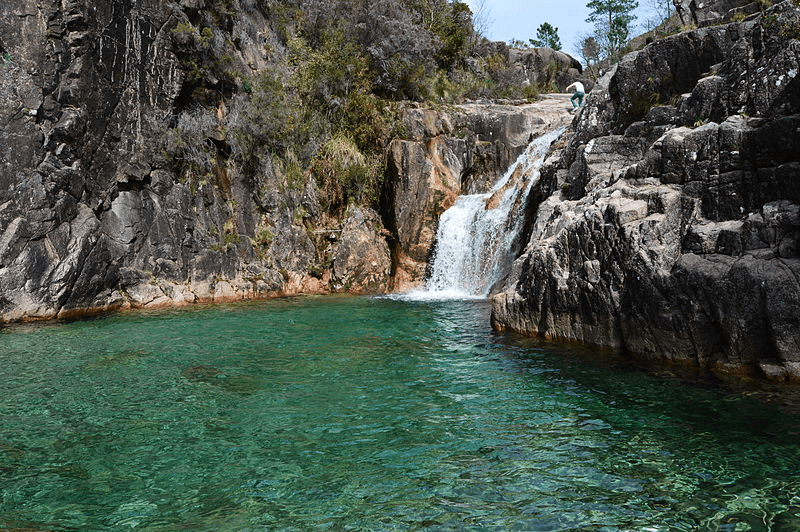
Portela do Homem waterfall

Portela do Homem waterfall

Portela do Homem is one of the most popular waterfalls in the park, perhaps due to its accessibility. It is near the Spanish border.

Because the Mata do Albergaria woodland is a protected portion of the park, you cannot park here to view this waterfall. To explore this location, park your vehicle near the Spanish border and then walk 800 metres to reach the waterfall.

A few hundred metres to the right of the waterfall is a path that will bring you to the river, where you can swim away from the crowds. This route will lead you to the abandoned Carris mines from the 1970s.

Termas do Gerês

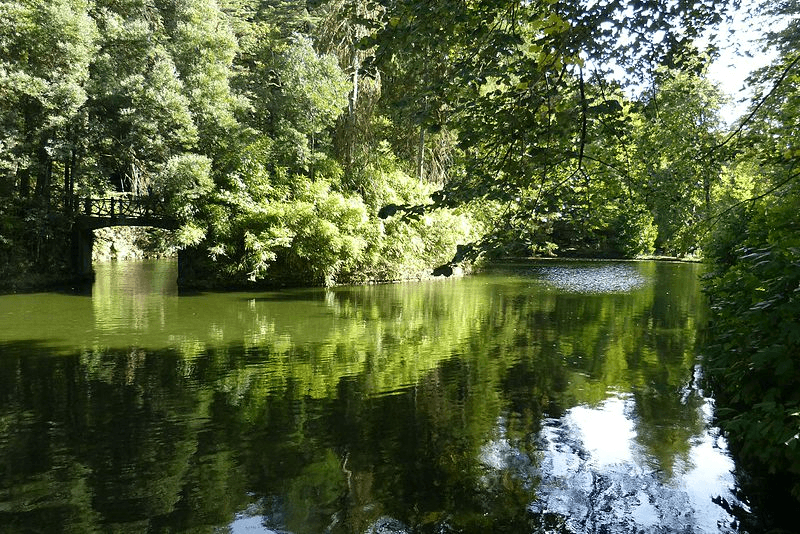
Boating lake in the Parque das Termas, Gerês (Vila do Gerês), Portugal

Also known as Vila do Gerês, this small town, apart from having given the name to this national park, has something unique in this region: thermal waters, which are used to treat liver diseases, digestive tract diseases, circulatory system diseases, and metabolic and endocrine problems too.

Stroll through Rua Dr. Manuel Gomes de Almeida, where you’ll find several stores, restaurants, and thermal waters.

Before leaving town, visit the thermal park (tickets are around 1 euro if you want to visit the garden), where you can rent a small boat to enjoy the lake. In the summer, the park has pools that are accessible to the public and perfect for relaxing on warmer days.

Ponte do Diabo—Misarela

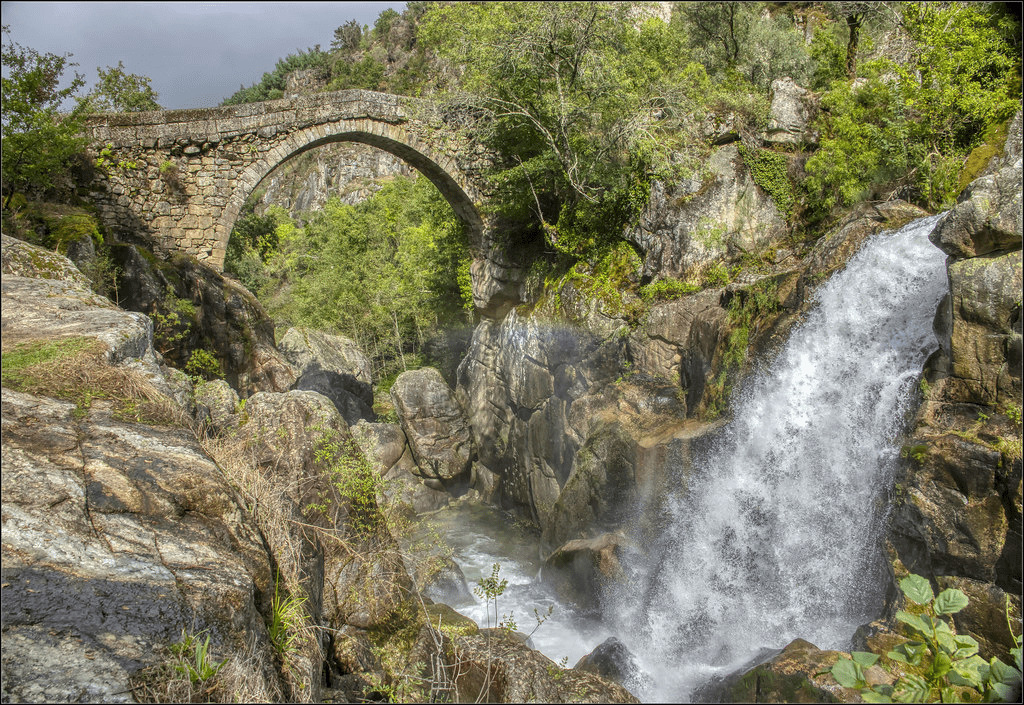
Misarela bridge

When you visit Peneda-Gerês National Park, you must appreciate the Misarela Bridge, often known as the Devil’s Bridge due to popular beliefs associated with the Christian faith.

The Misarela Bridge, constructed in the Middle Ages and reconstructed during the Napoleonic invasions, spans the Rabago River, which flows into the Cávado River, the natural boundary of the park.

Even though the bridge is barely 2 kilometres outside the park, it would be a shame if you didn’t make the trip to view this beautiful location.

To reach this bridge, you must park your vehicle at the town of Sidrós or on the opposite side of the Rabagão  river, at the beginning of the dirt road located before to the road bridge that links the park to the community of Ruivão.

Take the one-kilometer dirt road from Sidrós to see the bridge from a higher vantage point (ideal for taking photos) and its majestic 13-meter arch.

Pedra Bela viewpoint

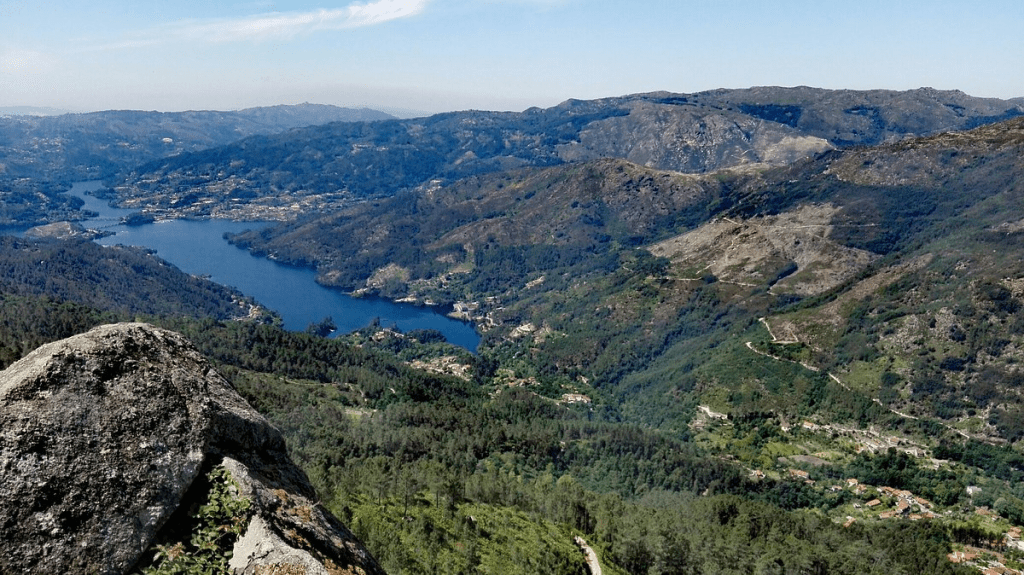
This vantage point is one of the most picturesque sites to observe Peneda-Gerês National Park, particularly at sunset!

From the summit of Gerês, one may enjoy a breathtaking view of the surrounding mountains, the Cávado River (where Alqueirão  River Beach is located), and the town.

Sanctuary of São Bento da Porta Aberta

In 1615, a chapel was built so that the inhabitants of Seara da Forcadela could attend mass without having to go to Rio Caldo village.

The chapel was named after Saint Benedict, and from the 18th century on, more and more pilgrims came to this place because more and more miracles were said to have happened there because of this saint.

According to popular belief, the name of this place (São Bento da Porta Aberta, literally “Saint Benedict of the Open Door”) has its origins in the old chapel and its doors that were always open so that it would be a shelter for those passing by.

Construction of this sanctuary began in 1880 and ended in 1895. With over 2.5 million pilgrims every year, the church became too small, so, in order to welcome everyone, a crypt was built in 1998 on the left side of the sanctuary.

In honour of the sanctuary’s 400-year existence, Pope Francis elevated it to the status of a basilica in 2015.


Entrances to the park (Tourist Office):

Lamas de Mouro, Mezio, Lindoso, Campo do Gerês, Paradela and Montalegre

Map and information on the hikes in Peneda-Gerês National Parkhttps://natural.pt and adere-pg.pt

Booking central of the regions of Peneda-Gerês National Parkadere-pg.pt


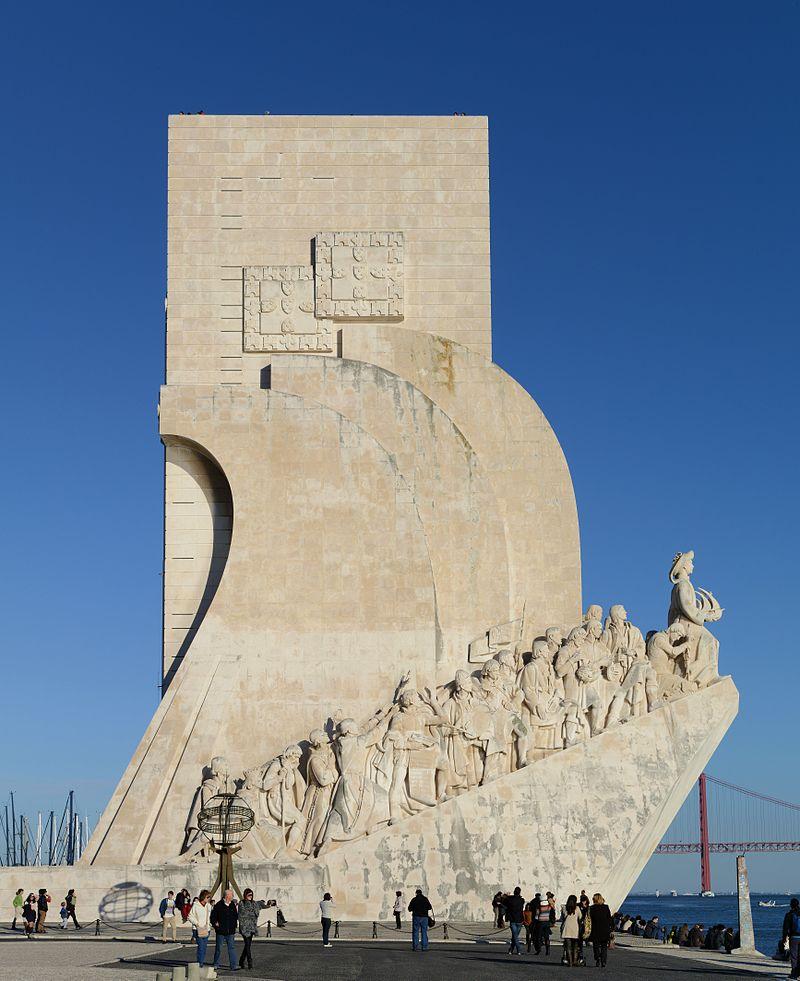
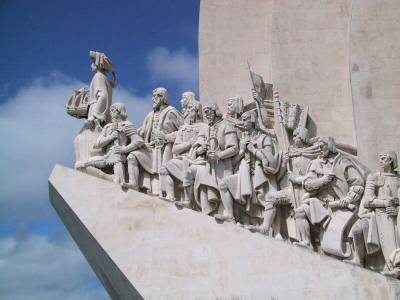
The Discoveries Monument is a monument located on the northern bank of the Tagus River estuary in the civil parish of Santa Maria de Belém, Lisbon. The monument commemorates the Portuguese Age of Discovery (or “Age of Exploration”) during the 15th and 16th centuries and is located along the river where ships departed to explore and trade with India and the Orient.

Western profile (figures labeled)

Western profile
  • Peter, Duke of Coimbra (son of King John I of Portugal)
  • Queen Philippa of Lancaster
  • Fernão Mendes Pinto (explorer and writer)
  • Frei Gonçalo de Carvalho, O.P. (Dominican Missionary)
  • Frei Henrique de Coimbra, O.F.M. (Franciscan Missionary)
  • Luís de Camões (renaissance poet who celebrated the navigations in the epic Lusiads)
  • Nuno Gonçalves (painter)
  • Gomes Eanes de Zurara (chronicler)
  • Pêro da Covilhã (traveller)
  • Jácome de Maiorca (Jehudà Cresques, cartographer)
  • Pedro Escobar (pilot)
  • Pedro Nunes (mathematician)
  • Pêro de Alenquer (pilot)
  • Gil Eanes (navigator)
  • João Gonçalves Zarco (navigator)
  • Ferdinand the Holy Prince (son of King John I of Portugal)


.


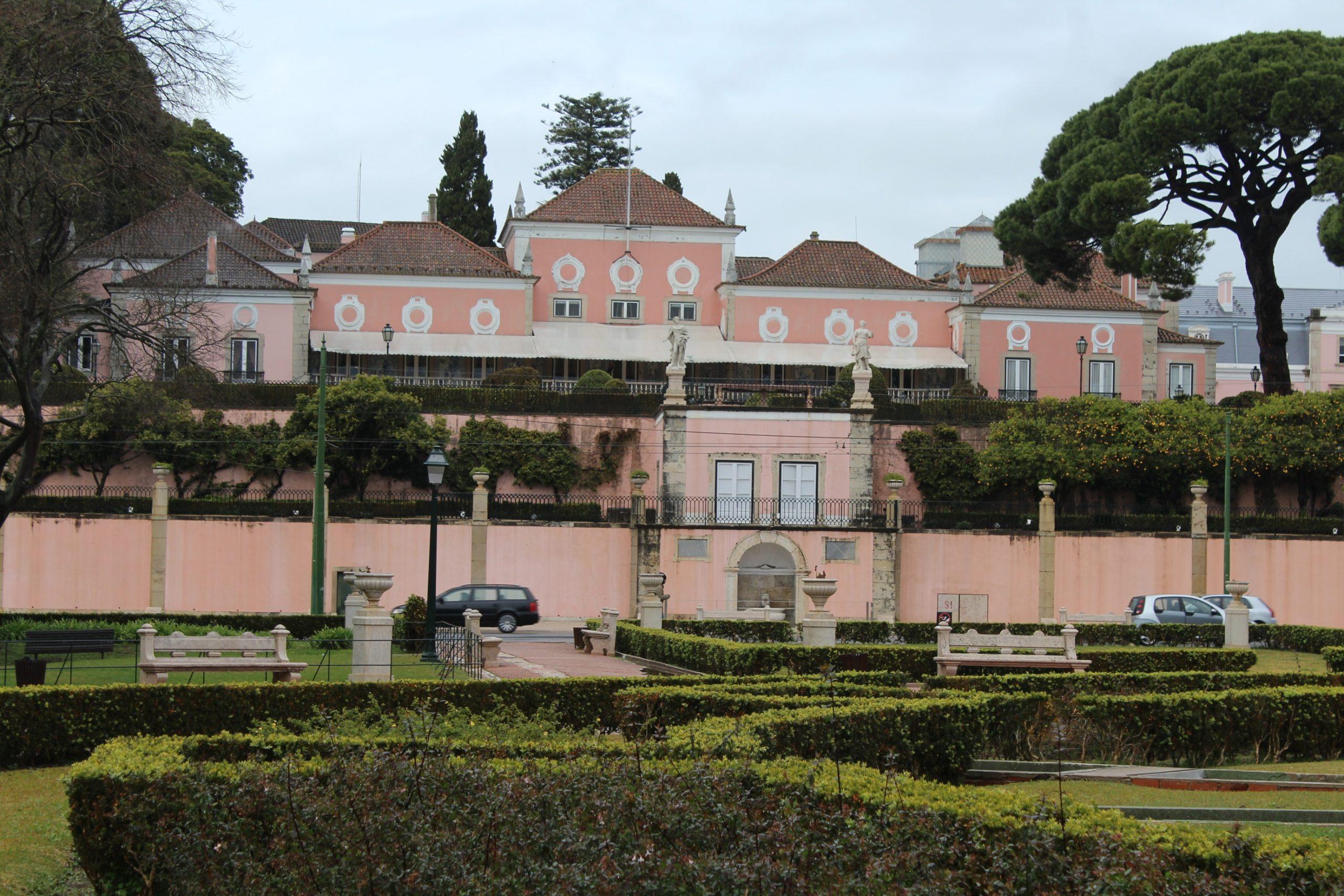
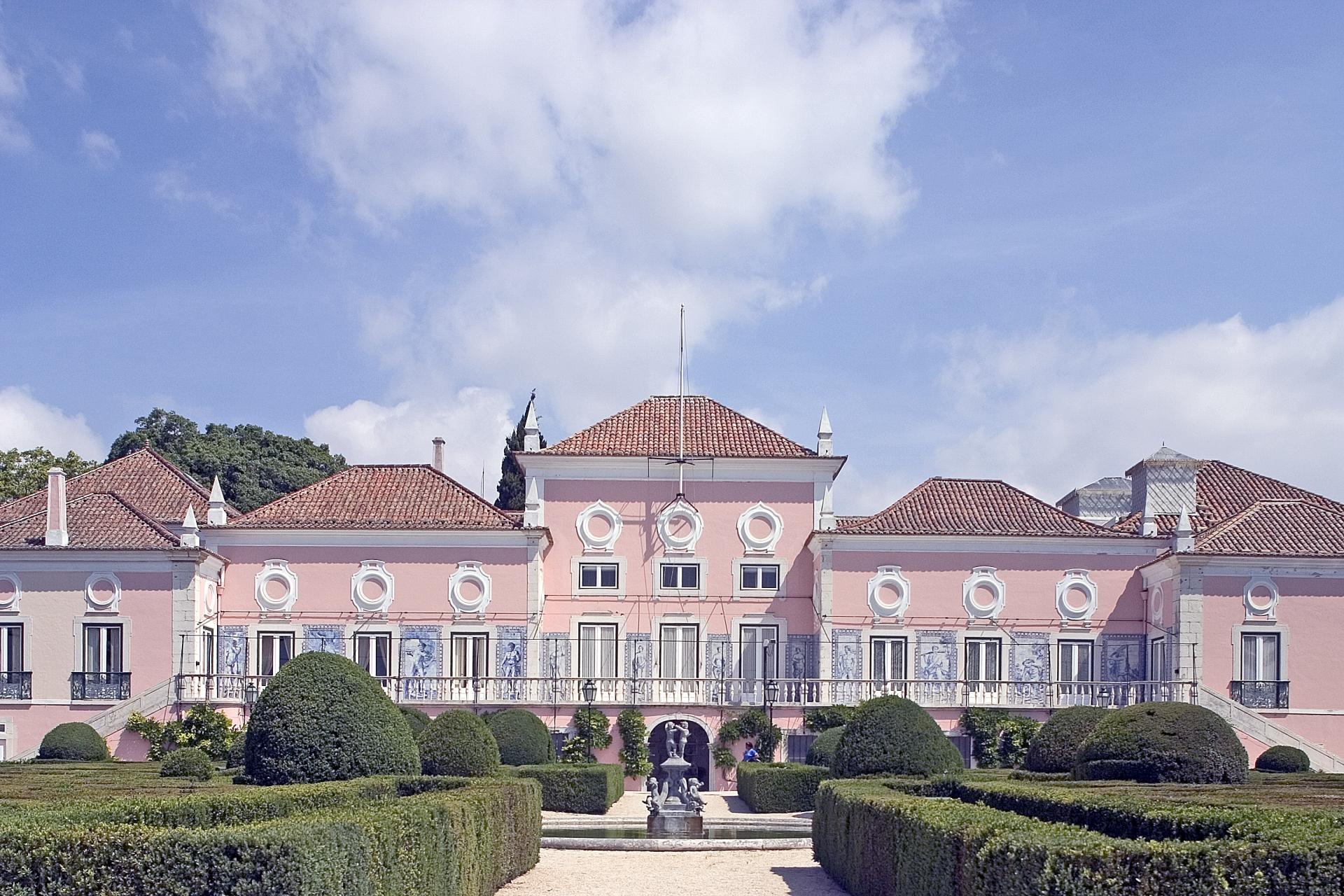
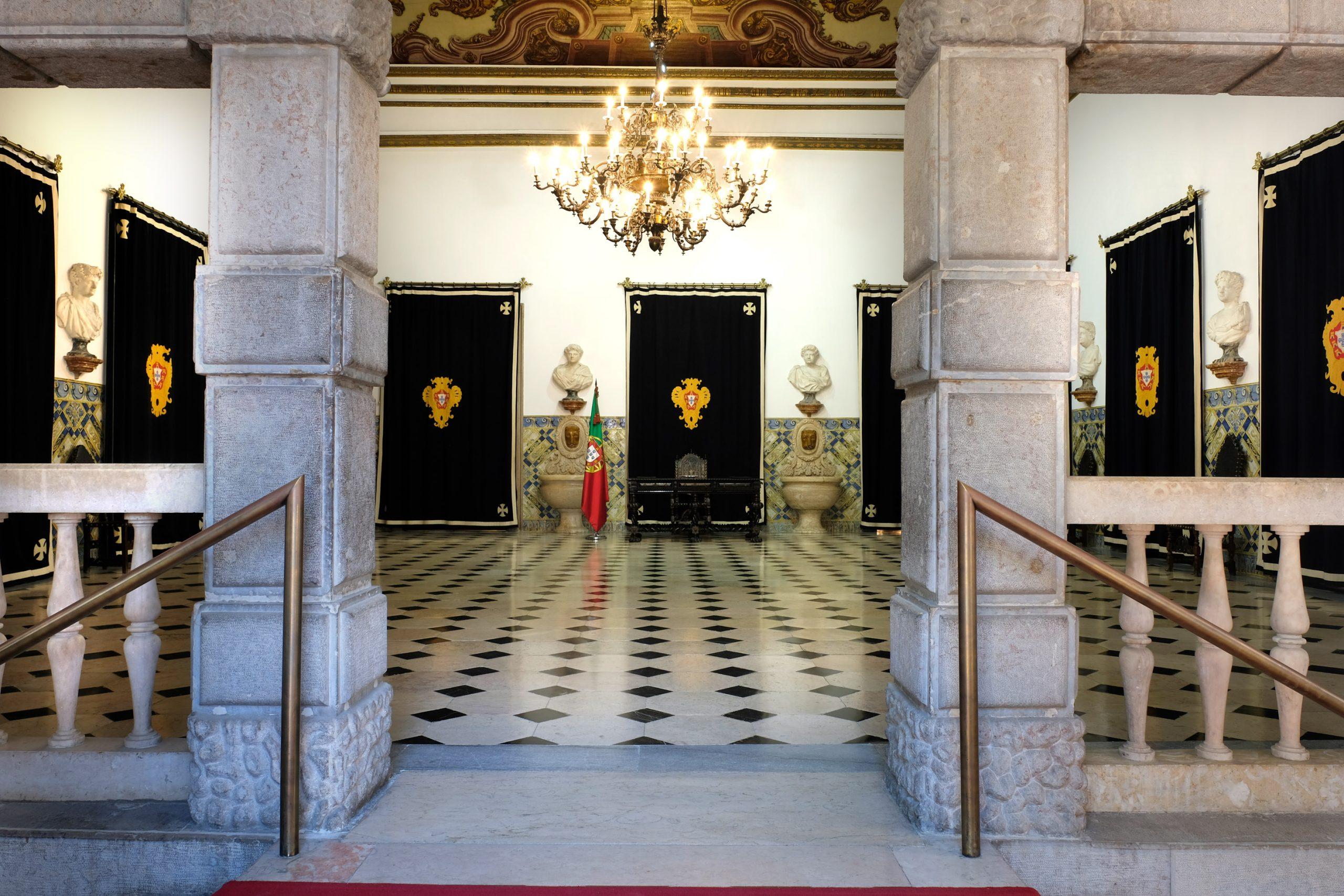
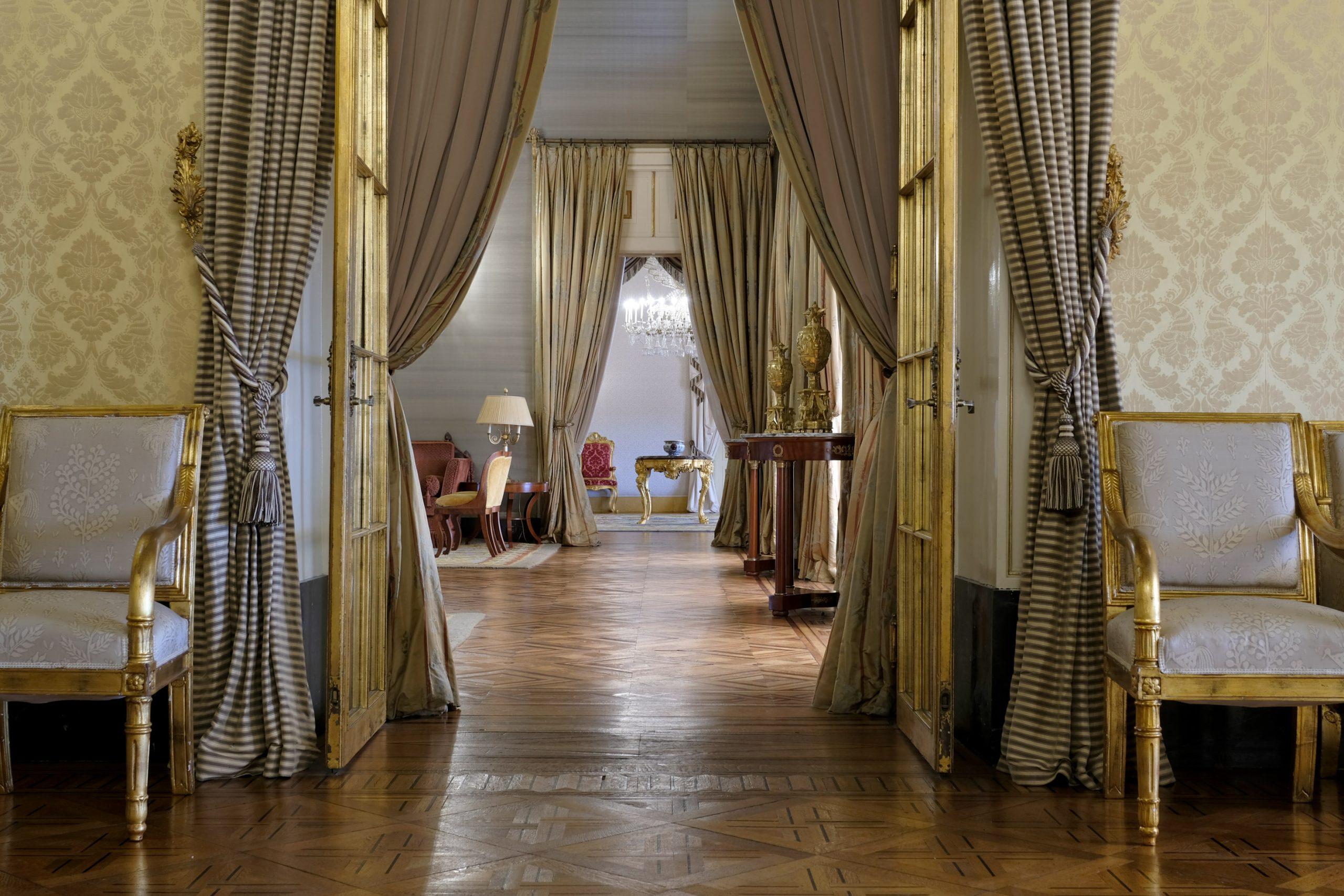
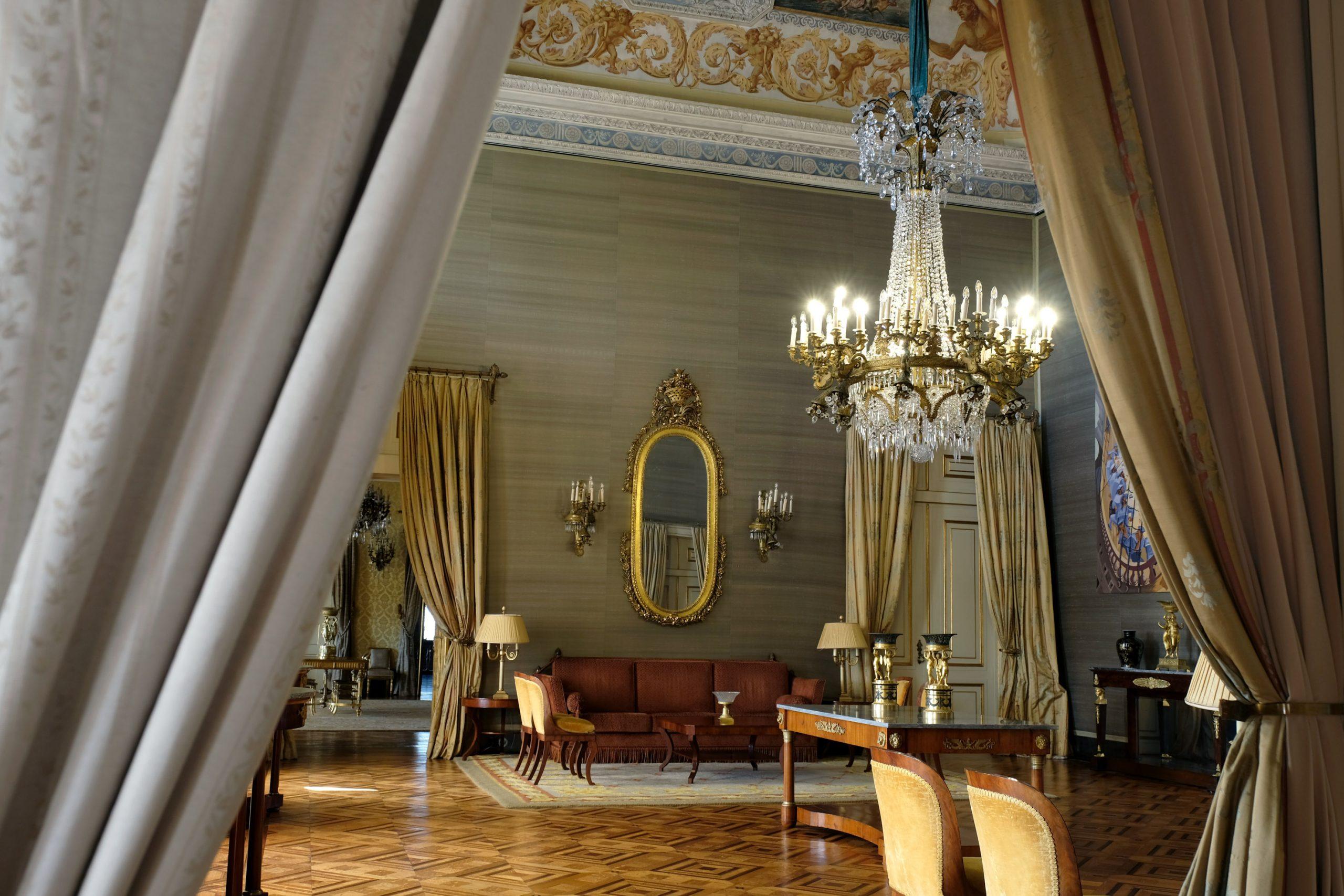
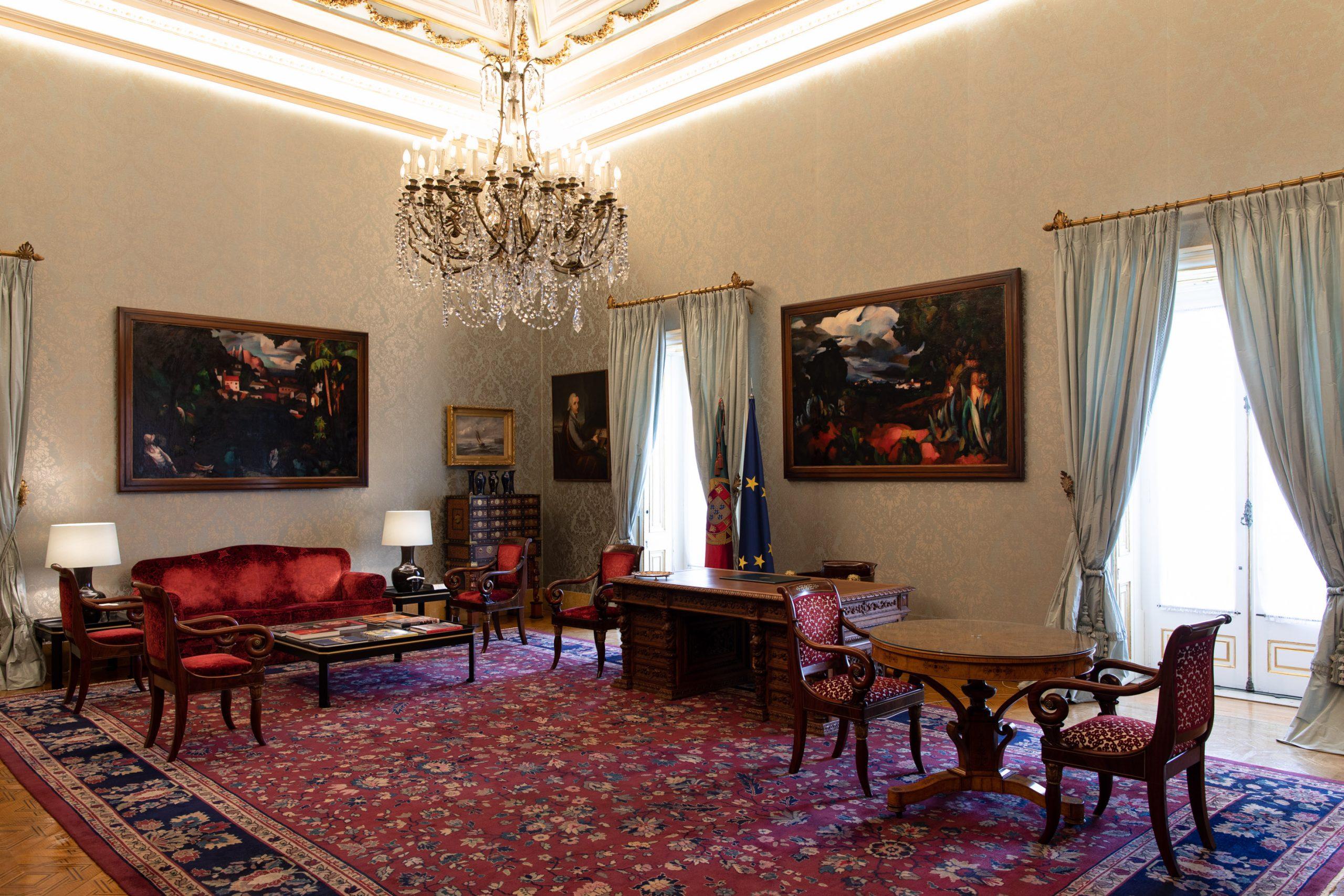
Since the formation of the Republic in 1910, Belém Palace has served as the official residence of the President of the Republic. With a five-century history, it was designated as a building of public importance in 1967 and was designated a national monument in 2007.

D. Manuel of Portugal, a figure of the Portuguese Renaissance, erected the central core of the structure on land leased from Order of St. Jerome monks in the middle of the 16th century.

D. João  V purchased the property as a summer estate in 1726, and it remained in the royal family’s hands until 1908. Following the regicide, D. Manuel II donated Belém Palace to the state, which placed it under the supervision of the Ministry of Foreign Affairs, who used it to entertain official foreign dignitaries visiting Portugal until the creation of the Republic.

MONARCHY

The Quinta de Belém, which was used as a summer residence and occasionally as a main residence, survived the 1755 earthquake undamaged, safeguarding D. José and the royal family who were living there. Up to 500 exotic birds were documented in its aviaries, while lions, tigers, leopards, panthers, bears, and wolves were held in its cages, some with young cubs. An elephant, horses, and thirteen zebras were documented at the stables in 1776.

In 1889, the last king of Portugal was born in the room now used by the President of the Republic to greet visitors.

The First Republic

During the First Republic, practically all presidents decided to live in Belém Palace, which now houses the offices of the Civil and Military Houses, in exchange for a monthly rent that was abolished in 1928.

THE NEW STATE AND THE MILITARY DICTATORSHIP

Belém Palace was used for state ceremonies, parties, and official meetings throughout the reigns of Óscar Carmona and Américo Tomás. Between 1952 and 1958, only Francisco Craveiro Lopes lived here. The Arrábida wing was renovated so that it could be utilised as the head of state’s private house. It is the palace’s oldest wing and was called after the Arrábida monks who were placed there by D. Manuel of Portugal.

DEMOCRACY

António Ramalho Eanes is the last president to have lived in Belém Palace. The presence of the head of state is now signalled by the flying of the presidential pavilho (flag), which is hoisted on the building’s main façade.

The National Palace of Belém is exclusively accessible by appointment through the Museum of the Republic’s Presidency.
Located in the Belém District of Lisbon, the palace’s main façade fronts the Praça Afonso de Albuquerque, facing the Tagus River.
A 4-min walk from Pastéis de Belém
Address: Praça Afonso de Albuquerque, 1300-004 Lisboa


.


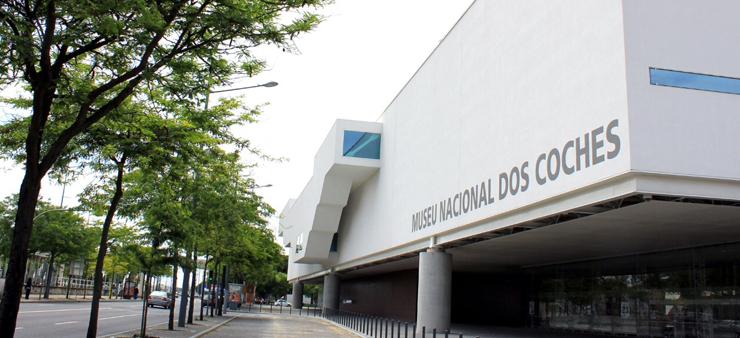
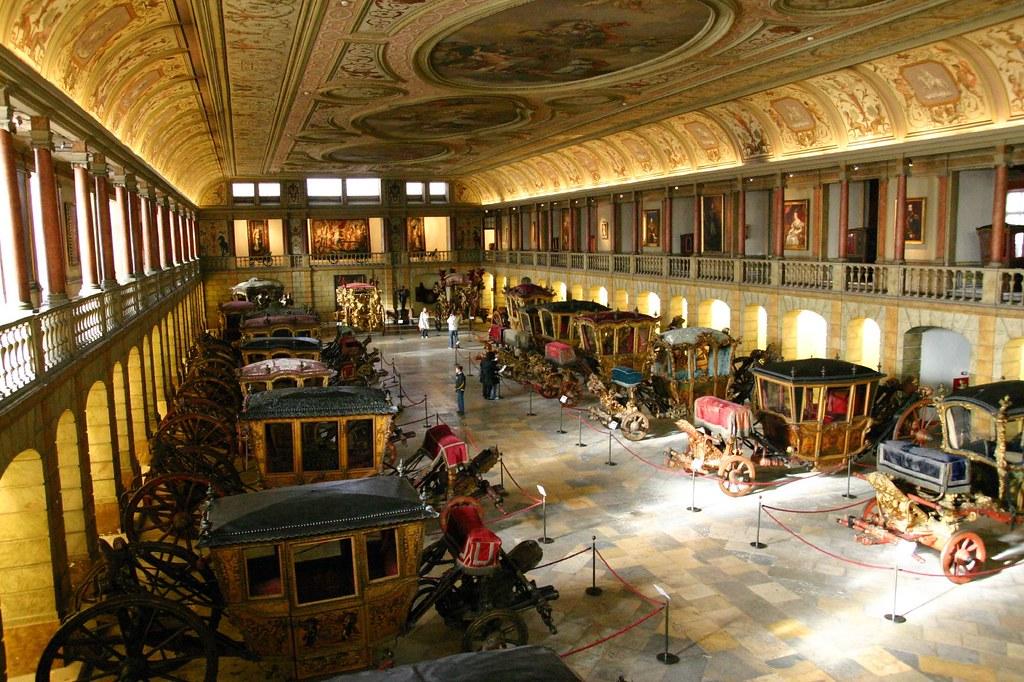
The National Coach Museum (Portuguese: Museu Nacional dos Coches) in Lisbon, Portugal, offers visitors a captivating journey through the history of transportation and royal pomp. Its collection, spanning from the late 16th century to the early 19th century, showcases the evolution of carriages from various European countries, each reflecting the artistic styles and technological advancements of their time.

Among the museum’s treasures is the late 16th- or early 17th-century travelling carriage used by King Philip II of Portugal (Philip III of Spain) during his journey from Spain to Portugal in 1619. This carriage stands as a testament to the luxurious and intricate craftsmanship of the era, adorned with intricate detailing and emblematic of royal prestige.

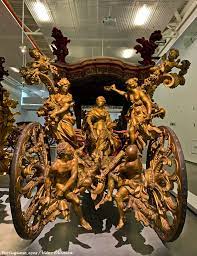
The ceremonial coach that Pope Clement XI gave to King John V in 1715 is one of the highlights of the collection. This opulent carriage, with its baroque design and flamboyant golden woodwork, symbolises the close diplomatic ties between Portugal and the Vatican during the early 18th century.

Additionally, the museum boasts several baroque 18th-century carriages, richly ornamented with paintings and elaborate woodwork. Among these is a set of three coaches commissioned in Rome in 1716 for the Portuguese ambassador to Pope Clement XI, exemplifying the grandeur and elegance of the period’s aristocratic lifestyle.

The museum’s relocation to a new facility near the Picadeiro Real in 2015 has provided visitors with an enhanced experience, allowing for better preservation and display of its remarkable collection. However, the original museum area, located within the historic Royal Riding Hall of Belém, still offers a glimpse into the past with its display of six coaches and other related exhibits.

Furthermore, the museum extends its reach beyond Lisbon, with a portion of its collection housed in the Ducal Palace of Vila Viçosa in southern Portugal. In a different historical setting and amidst the splendor of the palace’s grounds and architecture, this satellite location gives visitors the chance to explore the museum’s treasures.

Overall, the National Coach Museum stands as a testament to Portugal’s rich cultural heritage and its enduring fascination with the artistry and craftsmanship of the past. With its unparalleled collection of vintage carriages and historical artefacts, it continues to captivate and inspire visitors from around the world.


  • National Coach Museum
  • Avenida da Índia nº 1361300-300 LISBON
  • Phone: (351) 210 732 319
  • No. 38.696602, W -9.199680
  • Royal Ring
  • Praça Afonso de Albuquerque 1300-004 LISBON
  • Phone: (351) 213 610 850
  • No. 38.697484, W -9.199650
  • BUS – 28, 714, 727, 729, 751
  • ELECTRIC – 15
  • TRAIN – Cascais Line (Belém Station)
  • FERRY BOAT – Belém River Station

.

  • OPENING TIMES – MUSEUM – NEW BUILDING – Tuesday to Sunday: 10am-6pm. Closed on Mondays; MUSEUM – FORMER ROYAL RIDING ENGINEERING – Wednesday to Monday: 10h-18h. Closed on Tuesday.
  • LAST ENTRY – 5:30 pm
  • CLOSED – HOLIDAYS: January 1st, May 1st, Easter Sunday, June 13th, December 24th and 25th

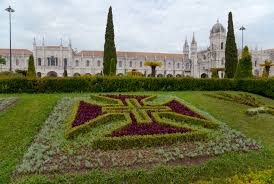
The Monastery of Jerónimos, a masterpiece of 16th-century Portuguese architecture, is a National Monument and UNESCO World Heritage Site (1983). It is situated in one of Lisbon’s most prestigious neighbourhoods, overlooking the Tagus River in a historically and architecturally significant location. On the monastery’s three-hundred-meter-long, magnificent front is the Church’s richly adorned South Portal, which features images of Portugal’s patron saint, St. Michael the Archangel (on top), and Our Lady of Belém or Our Lady of Reis (below) (at the center).

The Monastery of Jerónimos (or the Royal Monastery of Saint Mary of Belém) was founded by King D. Manuel I at the beginning of the 16th century and is symbolically associated with one of the most important periods of national recall. The first stone was laid on the symbolic date of 6 January (Kings’ Day) in 1501 or 1502, and work began precisely at the turn of the century. The monastery was given to the Hieronymus monks, who remained there until the second quarter of the nineteenth century. It is a real “chant” to the Manueline style, as evidenced by the abundance of religious, nautical, and regal aspects preserved in stone. Apart from its Manueline cathedral, the monastic complex still has the majority of the beautiful features that led to its international renown, such as its 16th-century cloister.


architecture, building, palace, arch, church, cathedral, chapel, place of worship, aisle, monastery, symmetry, portugal, synagogue, arcade, abbey, vault, cloister, basilica, lisboa, lisbon, belem, crypt, unesco world heritage, ancient history, mosteiro dos jer nimos, jeronimo monastery, manueline

File:Mosteiro dos Jerónimos (3).jpg

The Jerónimos Monastery in Belem is the personification of Portugal’s exuberance during the Age of Discoveries. It was one of the first and certainly grandest instances of Manueline architecture to be seen anywhere in Portugal. This is evidenced by the monastery’s UNESCO World Heritage designation in 1983.

Building an elaborate and vast structure like the Jerónimos Monastery would have been too expensive. It is no coincidence, however, that the monastery was built to express gratitude for the success of Vasco da Gama’s first expedition to India. It is even believed that the spices and other things he brought back were valuable enough to pay for the construction. Whether real or not, the money came from Portugal’s interests in Africa, Asia, and South America.

That journey occurred in 1498, under the reign of King Manuel I, and work began in 1502 to fulfil his pledge. The chosen location, on the banks of the River Tejo, superseded a modest hermitage consecrated to St. Mary in the 15th century by Prince Henry the Navigator. The monastery was originally designed by the French architect Diogo de Boitaca. As the creator of the Igreja de Jesus in Setbal, he is often regarded as the father of Manueline architecture.

João de Castilho, a Spanish architect, took up work on the monastery in 1517. He is responsible for the building’s magnificently ornate, 100-foot-high (33-meter) main entryway. This is Manueline styling at its finest, with a variety of statues, including one of Henry the Navigator.

The monastery’s interior is equally impressive. The main church nave is made up of massive, artistically carved pillars that support the vaulted roof. But it’s the cloisters that really take your breath away. There is rarely a surface on each floor that is not covered with some type of Manueline sculpture. In honour of Da Gama’s expeditions, the pillars and arches are carved with rope coils, sea creatures, palms, and other nautical motifs.

The monastery, which was completed in 1600, withstood the 1755 earthquake with very minor damage to the high altar. The Mosteiro de Santa Maria de Belém has always housed monks of the Order of St. Jerome (or Jerónimos). However, it was planned to be much more than just a grand monastery; it was to be the physical embodiment of the Age of Discovery as well as a mausoleum for King Manuel and his descendants. Along with King Manuel, the monastery houses the tombs of various important historical people from Portugal. The poets Fernando Pessoa, Alexandre Herculano, and, most aptly, Luis Cames, author of The Lusiads, a story about Vasco da Gama’s expeditions, are among those honoured. But the grave of Vasco da Gama, located just inside the main gate, takes centre stage.

The building was taken over by the state in 1833 as part of the Monasteries Dissolution, and the Hieronymite monks who had occupied it for 400 years were forced to leave. The building, today known as the “Real Casa Pia de Lisboa,” was mostly empty, and its condition deteriorated. However, in 1860, work began on a massive restoration that would include not just repairs to the original structure but also the construction of many elements, such as a new rose window and towers. In 1940, the land in front of the monastery was transformed into a vast formal garden as part of another round of improvements.

.

Address:
Praça do Império 1400-206 Lisbon
GPS:
Lat: 38.697890839496225 Long: -9.206703901290894
Site:
http://www.patrimoniocultural.gov.pt/pt/museus-e-monumentos/dgpc/m/mosteiro-dos-jeronimos/

Train : Belém
Urban Bus Station: 727, 28, 729, 714 and 751
Electric: 15
Boat: Belém river station

Other places to visit near Jeronimos Monastery

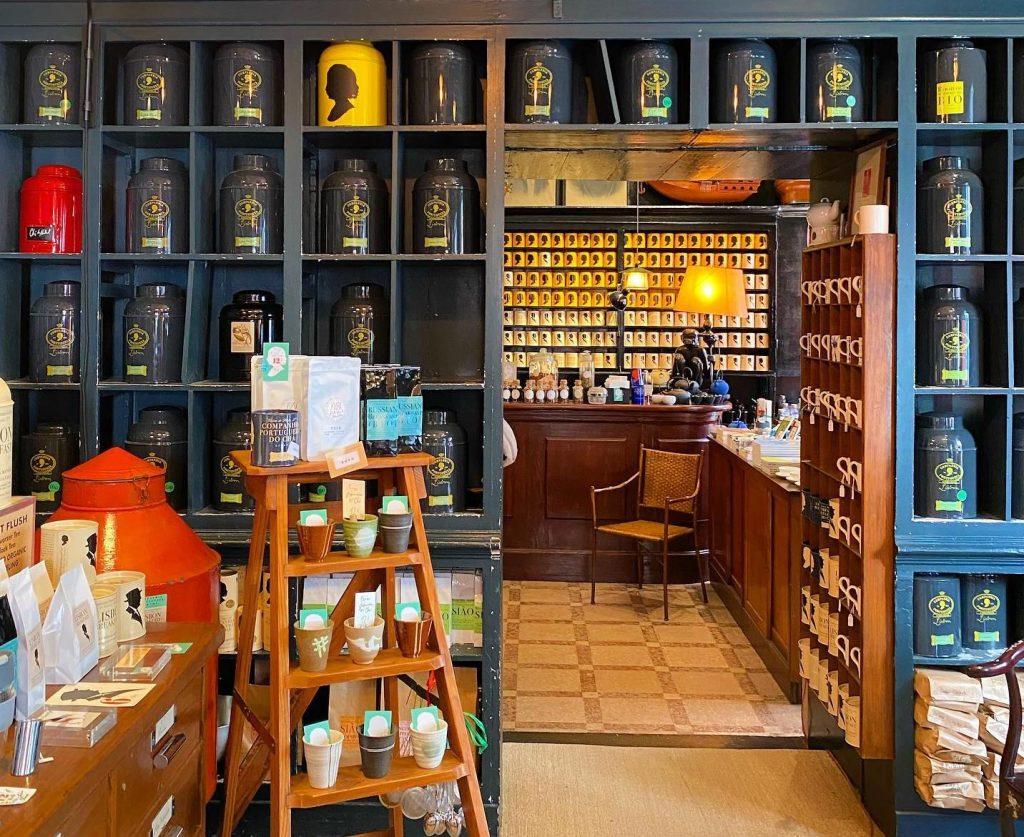
If you are one of those individuals who just can’t function without a nice tea routine at home, and you even prefer to have a good variety, then you should familiarize yourself with the locations where you can buy tea and even learn more about this wonderful culture:

Pearl of Rossio

Praça Dom Pedro IV 105 (Downtown)

@nyveibakken

Pearl of Chaimite

Avenida Duque de Ávila 38 (Avenidas Novas)

@lojascomhistoria_lisboa

The Carioca

Misericórdia Street 9 (Bairro Alto)

@baixahouse

Mariazinha

Avenida Rio de Janeiro 25B (Alvalade)

@CML

Casa Macario

Rua Augusta 272-276 (Downtown)

@arne3sak

Tea Emporium

Avenida Paris 17 (Areeiro)

@the_talking_images

Portuguese Tea Company

Rua Poço dos Negros 105

@malyulka

Moy delicatessen

Rua Dom Pedro V 111 (Principe Real)

@casa57

Pereira da Conceicao House

Rua Augusta 102 (Downtown)

@pazalvarezcalvo

Pereira House

Rua Garrett 38 (Chiado)

@lojascomhistoria_lisboa