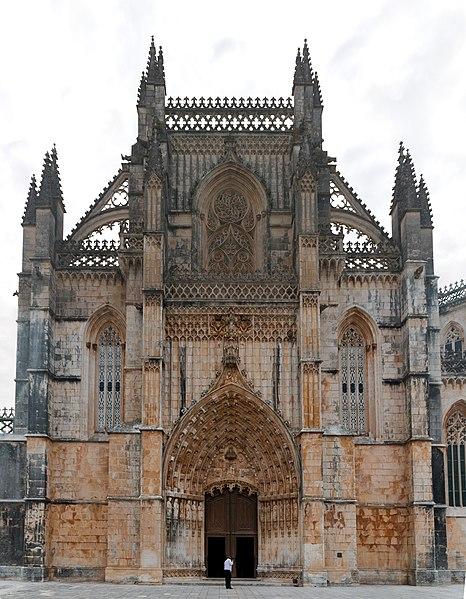
File:Batalha Portugal Mosteiro da Batalha-01.jpg - Wikimedia Commons


Batalha Monastery, also known as Mosteiro Santa Maria da Vitória, is a magnificent gothic-style monastery located in the Portuguese village of Batalha. It was constructed to celebrate the country’s triumph against Castile in the Battle of Aljubarrota in 1385, and it is now one of Portugal’s most prominent historical and cultural icons. In this blog post, we will discuss some fascinating facts about the Batalha Monastery and the surrounding area of this magnificent site.


The monastery of Batalha’s history

Construction on the Batalha Monastery began in 1386, immediately after the Battle of Aljubarrota, and lasted for more than 150 years. King João I of Portugal initiated the project to venerate the Virgin Mary for her role in the victory over Castile. He chose the battlefield, where his army had camped prior to the conflict, to construct the monastery.

Afonso Domingues, who created the founder’s chapel, and Huguet, who created the Royal Cloister, were among the architects in charge of overseeing the monastery’s construction. Gothic features like carvings, vaulted ceilings, and stained glass windows were popular throughout the construction of this structure in the 14th century. The creation of the monastery was a huge undertaking that included the participation of the monarch, the church, and rich benefactors.

The Batalha Monastery was finished in 1517 and was named a UNESCO World Heritage Site in 1983. It is still a prominent emblem of Portugal’s rich cultural legacy, attracting thousands of tourists each year.

mosterio da batalha,portugal - batalha imagens e fotografias de stock


Interesting information regarding the Batalha Monastery

The Batalha Monastery was intended as a royal cemetery. The Capelas Imperfeitas, or Unfinished Chapels, were intended to hold King João I’s and his wife, Philippa of Lancaster’s, burials. Due to financing issues, the sanctuaries were never constructed, and the tombs were relocated to the adjacent St. Mary of Alcobaca Monastery.

A star-shaped cupola with the emblems of the royal family and nobles distinguishes the monastery’s Chapter House. The Chapter House was utilized for meetings of the chapter, the monastery’s governance authority.

The Batalha Monastery contains one of Europe’s largest stained-glass windows. The window is located in the church’s nave and is 15 meters tall and 10 meters wide. It depicts incidents from Christ and the Virgin Mary’s lives.

The Royal Cloister of the monastery is a Gothic architectural masterpiece. It features ornate stonework and intricate engravings, including biblical scenes and saints’ lives.

batalha monastery - portugal - batalha imagens e fotografias de stock

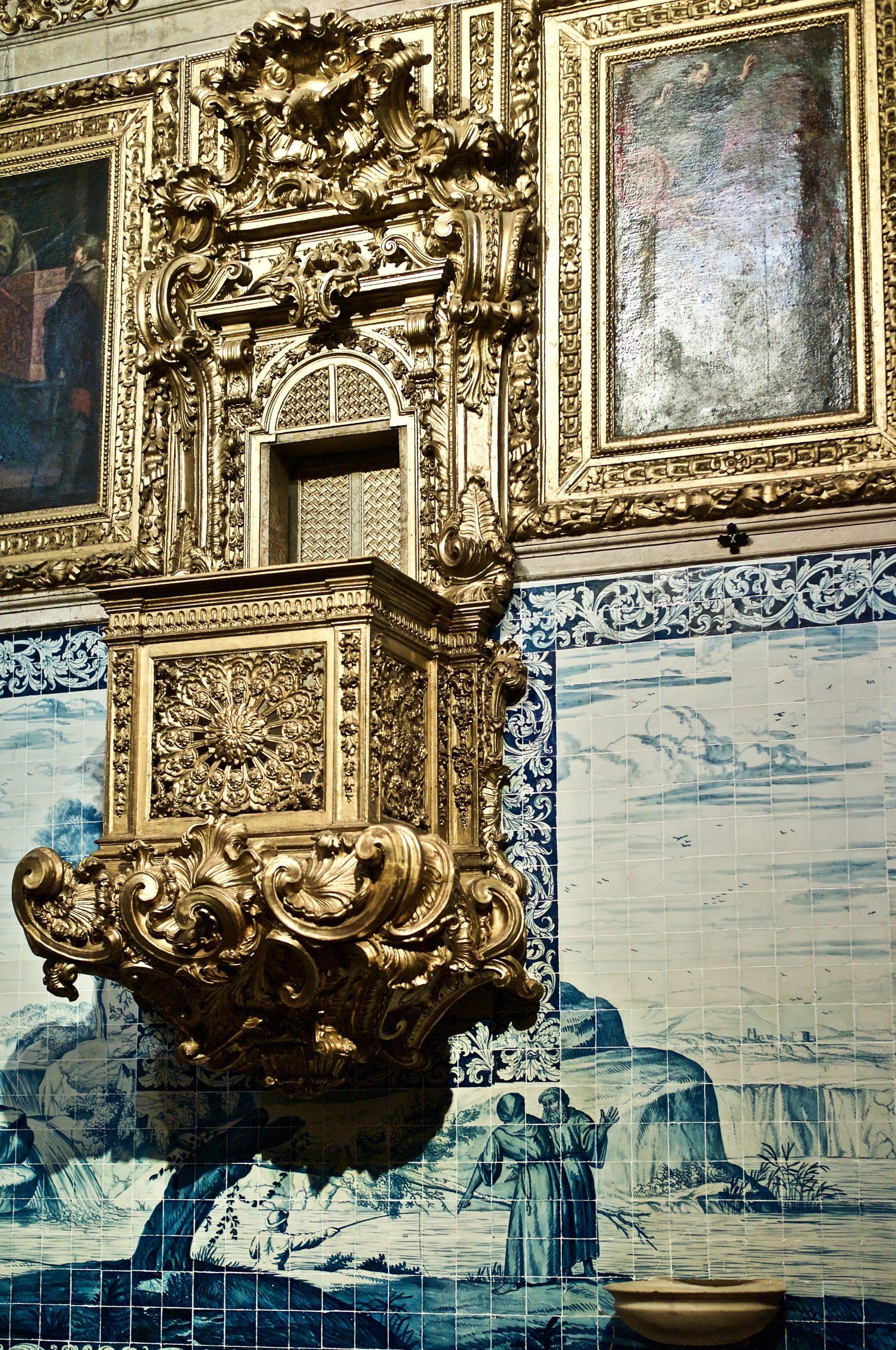
Azulejos, the well-known blue and white tiles that are a distinctive feature of Portuguese architecture, are used to embellish the monastery’s interior. These ceramics depict biblical scenes and Portuguese history.

Visitors to the Batalha Monastery can anticipate being in awe of the building’s magnificent architecture and extensive history. Visitors can investigate the various chapels, cloisters, and halls of the monastery on a daily basis, with the exception of certain festivals.

The Capelas Imperfeitas, or Unfinished Chapels, are one of the most striking elements of the monastery. Although they were never completed, they offer a fascinating look at the building’s design and construction. Additionally, visitors can view the Tomb of the Unknown Soldier, which was added to the monastery in 1921 to honor the fallen Portuguese soldiers of World War I.
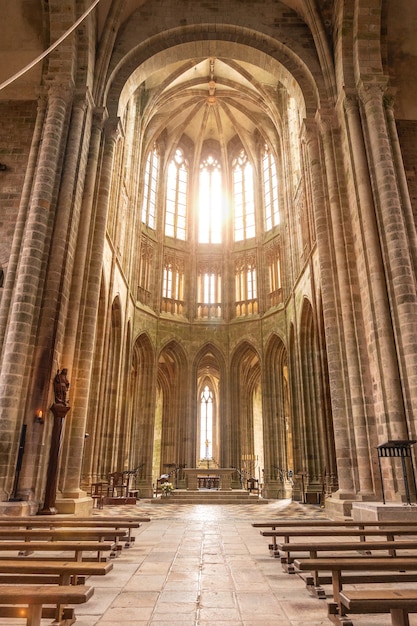
Inside the mont saint-michel abbey church, manche department, normandy region, france


The monastery’s church is a must-see, with its high vaulted ceilings, elaborate carvings, and huge stained-glass window. When sunlight cascades through the window, producing a vibrant and ethereal effect, is when the window is especially impressive.

The Royal Cloister is another feature of the monastery, with its beautiful brickwork and decorations. Visitors can explore the cloister while observing the intricate details and envisioning what life was like for the monks who lived and worked there.

The Batalha Monastery is located in the fascinating city of Batalha. The municipality has a rich history and is home to several historic structures, such as the Church of São João Baptista and the former Bishop’s Palace.

In the town’s many stores and eateries, tourists can sample regional cuisine and purchase mementos. Batalha is situated in the center of Portugal’s wine region, so visitors should not pass up the chance to experience the local wines.

A visit to the Batalha Monastery is a unique and unforgettable experience that no visitor to Portugal should pass up

How to get there:

A8 Lisbon/Leiria

A1 Lisbon/Porto – Fátima/Batalha exit

A19 Leiria / Batalha

IC2 Lisbon/Porto – Batalha exit

IC9 Tomar/Nazaré – exit Batalha

Interurban buses (Largo 14 de Agosto, next to Igreja Matriz)
Before making any vacation plans, please check the constantly changing local limitations and safety rules. It should be noted that not all sites and services are operating as usual, so check their respective websites for the most recent details.

Portuguese azulejos are beautiful ceramic tiles that have been used in Portugal for centuries, and Lisbon has a rich history of azulejo art. Here are some of the finest locations in Lisbon to view azulejos:


National Azulejo Museum:

This museum is exclusively dedicated to the history and art of azulejos. It houses a large collection of tiles ranging from the 15th century to the present day, which is displayed in historical order to provide an immersive experience.


São  Vicente de Fora Church:

This 17th-century church features an azulejo-covered cloister with approximately 4000 tiles depicting episodes from St. Vincent’s life. The blue and white tiles are among the most stunning in Lisbon.


Madre de Deus monastery:

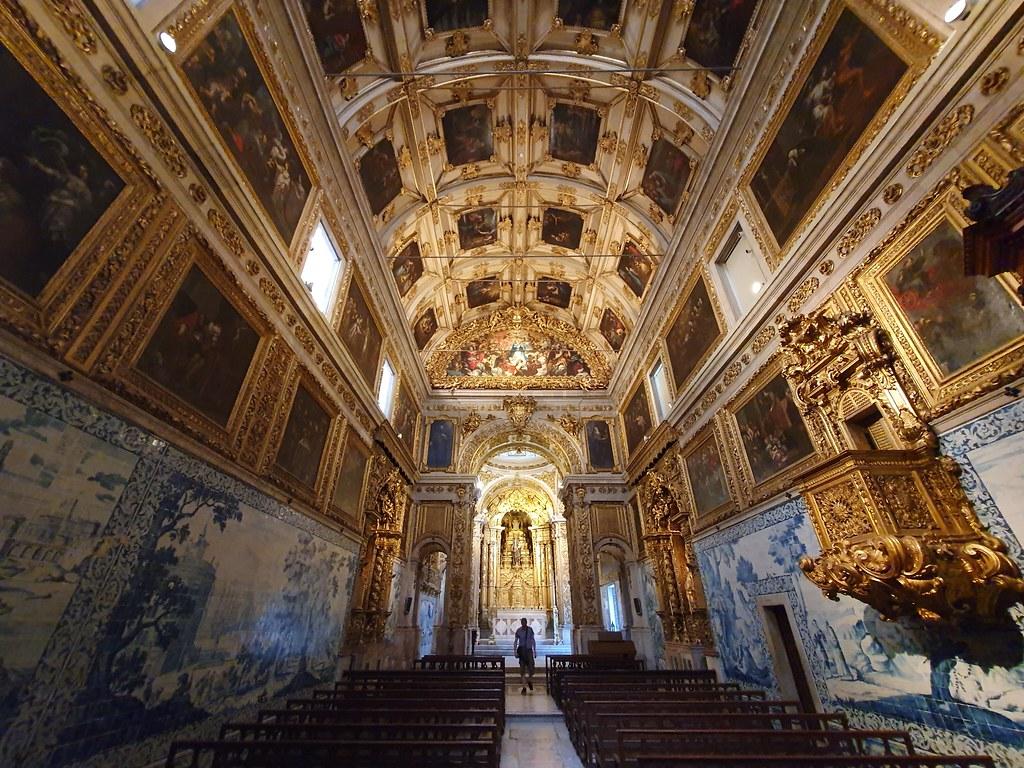
A beautiful azulejo-covered chapel with over 100,000 tiles representing religious scenes, landscapes, and mythological creatures can be seen at this 16th-century monastery. The chapel also has beautiful gilded woodwork and frescoes.


Rossio Station:

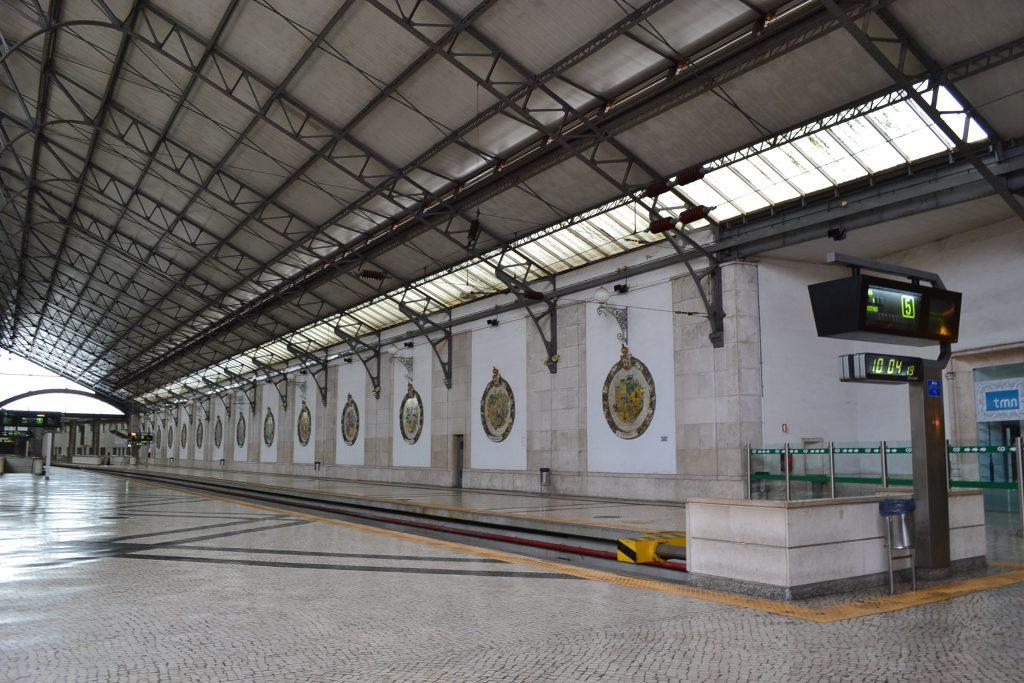
The Rossio Station is a lovely example of azulejos in public areas. The entry hall has big, colorful panels depicting Portuguese landscapes and rural life, while the main waiting area is covered with blue and white tiles.


Santo António Church:

This 18th-century church has a stunning azulejo-covered dome with over 3000 tiles representing scenes from Saint Anthony’s life. The blue and white tiles contrast beautifully with the dome’s golden backdrop.


São  Roque Church:

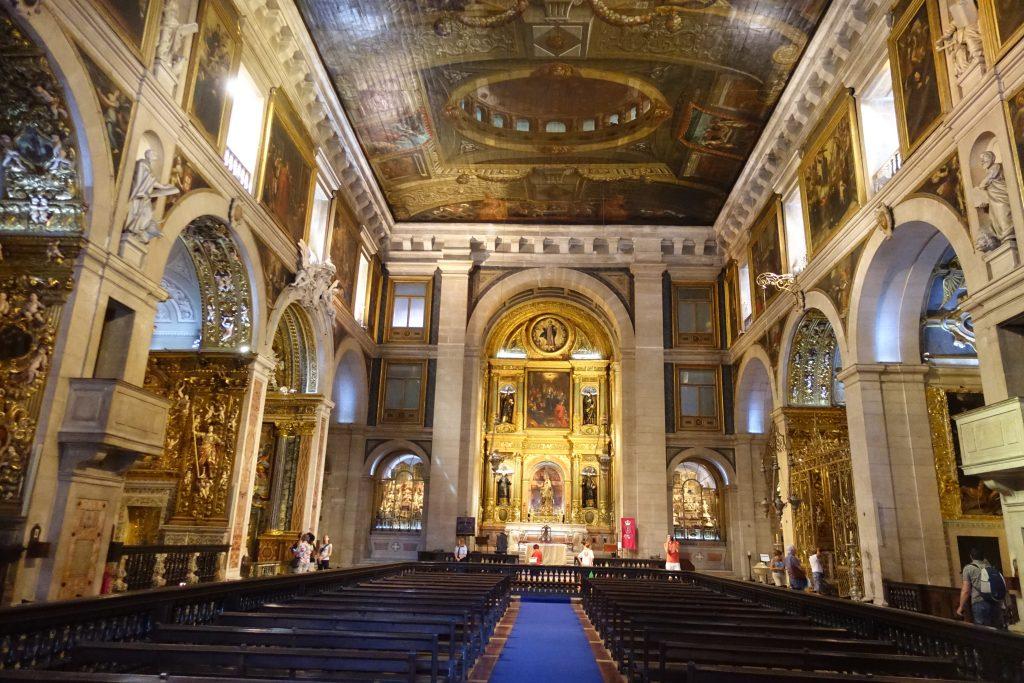
This 16th-century Jesuit church is famous for its magnificent Baroque interior, which contains an azulejo-covered chapel. The chapel’s tiles, which show episodes from St. Francis Xavier’s life, were made in the mid-18th century.


Palácio Fronteira:

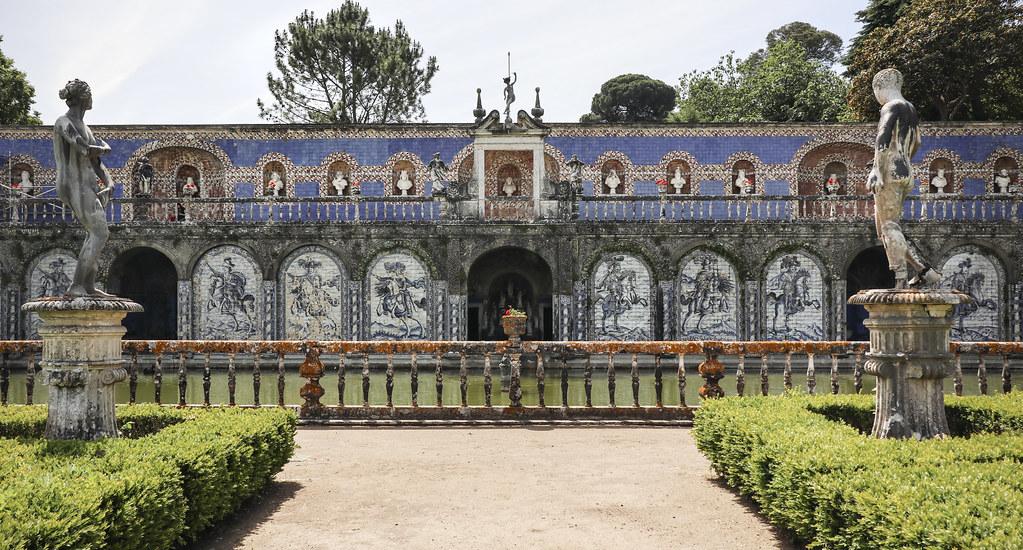
This 17th-century palace has exquisite azulejos in its gardens depicting episodes from Ulysses’ life. With its stunning architecture and art collection, the palace itself is also worth a visit.


These are only a few examples of the many locations in Lisbon where you can view azulejos. The city is full of stunning tile-covered buildings and churches, so keep your eyes peeled as you walk around.

Mercado Municipal de Vila Franca de Xira - Portugal 🇵🇹 | Flickr
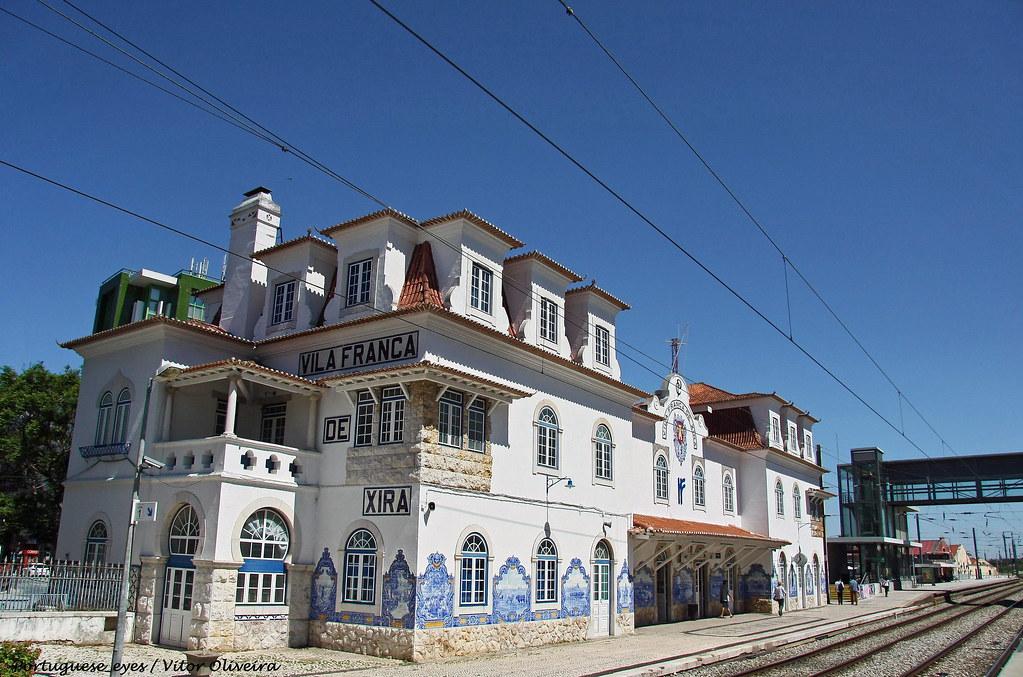
Vila Franca de Xira is a charming town located in the Lisbon Metropolitan Area, in the district of Lisbon, Portugal. The town has a rich history, a beautiful natural setting, and plenty of cultural attractions, making it a great destination for travelers.

History

Vila Franca de Xira has a long history, dating back to the Roman era. The town was an important trading center during the Middle Ages, thanks to its strategic location on the Tagus River. In the 16th century, Vila Franca de Xira became an important agricultural hub, producing wine, olive oil, and other crops that were exported all over Europe. The town also played an important role in the Portuguese Restoration War, which took place in the 17th century. During this period, the town was heavily fortified, and many of the buildings that still stand today were built.

What to See

Vila Franca de Xira has plenty of cultural attractions that are worth visiting. Here are some of the top sights:

  1. Municipal Museum: The Municipal Museum of Vila Franca de Xira is located in a beautiful 18th-century building that was once a convent. The museum has a collection of artifacts that tell the story of the town’s history, including Roman artifacts, medieval armor, and agricultural tools.

  2. Cais da Vala: Cais da Vala is a picturesque promenade that runs along the Tagus River. It’s a great place to take a walk and enjoy the views of the river and the surrounding countryside.

  3. Igreja de Nossa Senhora da Paz: This 18th-century church is a beautiful example of Baroque architecture. The church is dedicated to Our Lady of Peace and has a stunning interior with ornate carvings and frescoes.

  4. Municipal Garden: The Municipal Garden is a beautiful park located in the heart of Vila Franca de Xira. The park has a large pond, walking paths, and plenty of green space to relax in.

What to do

Vila Franca de Xira has plenty of activities to keep visitors entertained. Here are some of the top things to do:

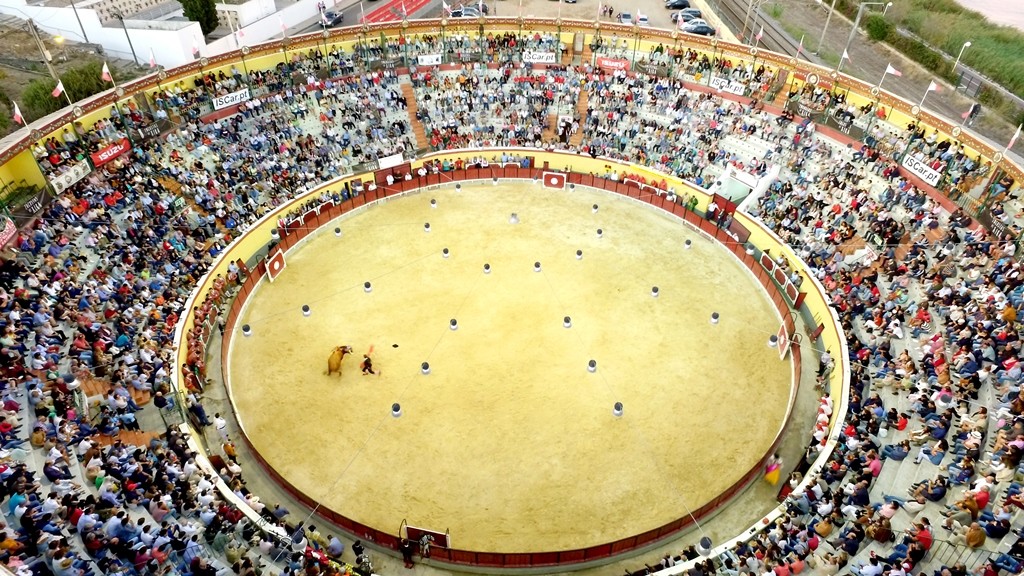
  1. Visit the Bullring: Vila Franca de Xira is famous for its bullfighting tradition. The town has a beautiful bullring that hosts regular bullfights and other events.

  2. Attend the Festival of the Colete Encarnado: The Festival of the Colete Encarnado is one of the biggest events in Vila Franca de Xira. The festival takes place in July and celebrates the town’s bullfighting heritage with parades, music, and other festivities.

  3. Go horse riding: Vila Franca de Xira is also known for its equestrian culture. Visitors can go horseback riding at one of the town’s many riding schools.

  4. Explore the Countryside: The countryside around Vila Franca de Xira is beautiful and offers plenty of opportunities for hiking, cycling, and exploring.

0041_joao_machado_outu_2019


Conclusion

Vila Franca de Xira is a hidden gem in the Lisbon Metropolitan Area, with a rich history, a beautiful natural setting, and plenty of cultural attractions. Whether you’re interested in history, culture, or outdoor activities, there’s plenty to see and do in Vila Franca de Xira. So next time you’re in Portugal, be sure to add this charming town to your itinerary!

Before making any vacation plans, please check the constantly changing local limitations and safety rules. It should be noted that not all sites and services are operating as usual, so check their respective websites for the most recent details.

black rock formation on sea shore during daytime
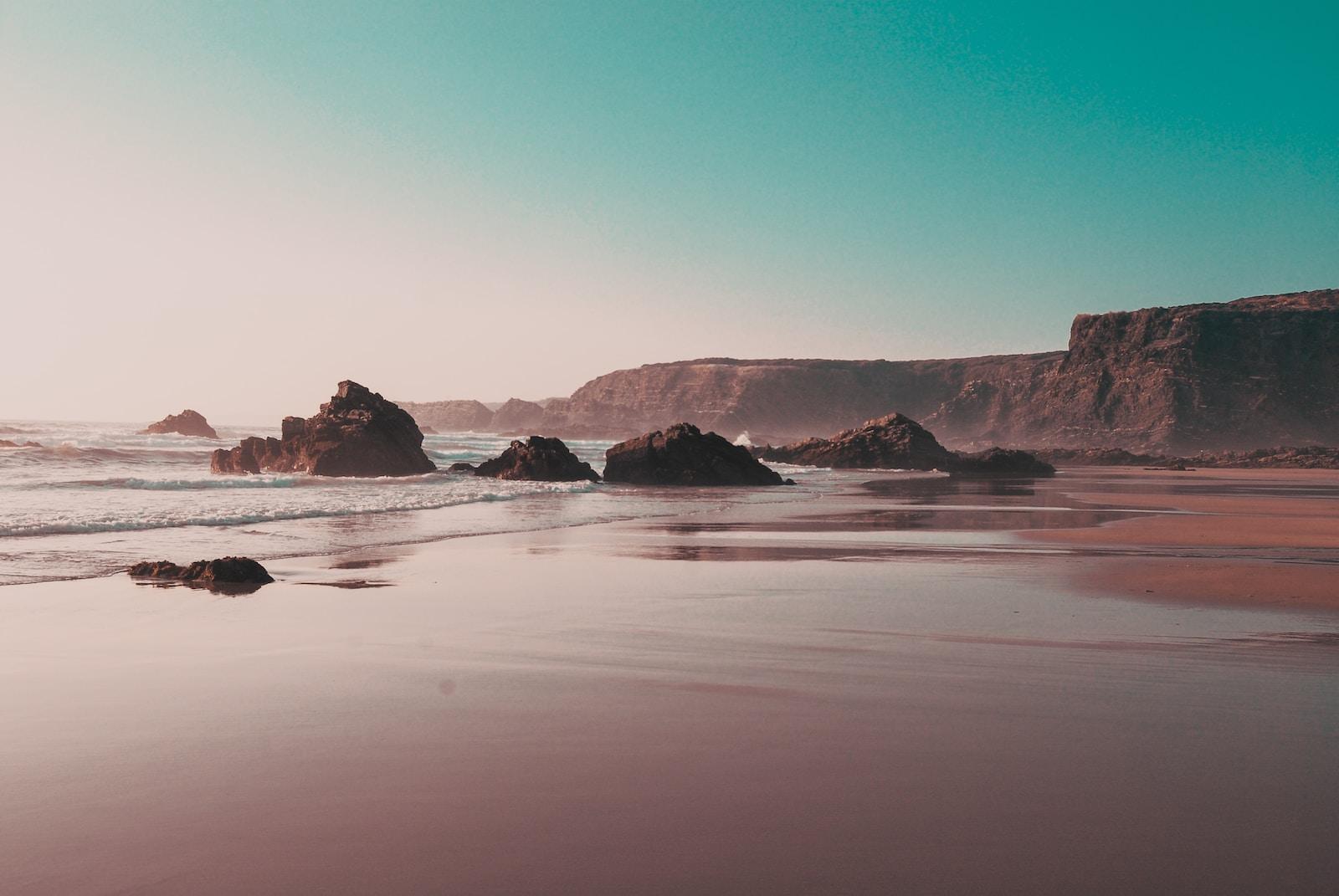
The Alentejo Coast is an unspoiled and rugged section of Portugal’s southern coastline. It goes from the Sines in the north to the Algarve in the south, covering about 150 km. This region is still largely undiscovered by travelers, making it an ideal destination for those seeking a more authentic side of Portugal.

The Alentejo Coast is home to some of Portugal’s most beautiful beaches, with crystal-clear waters, gentle sand, and dramatic cliffs. Numerous of these beaches are located within protected areas, such as the Southwest Alentejo and Vicentine Coast Natural Parks, ensuring that their natural splendor will be preserved for future generations.

One of the most famous beaches on the Alentejo Coast is Praia de Odeceixe, which is right on the border between the Alentejo and the Algarve. This shoreline exemplifies the region’s natural grandeur with its clear waters, golden sand, and breathtaking cliffs. It is also a popular destination for surfers, who travel there to ride some of Portugal’s finest waves.

Praia da Comporta, which can be found to the south of Lisbon, is yet another breathtaking beach that can be found along the Alentejo Coast. This beach is known for its natural beauty that hasn’t been changed. It has a long stretch of white sand, clear water, and dune mounds that rise and fall. It is a popular family getaway since it offers a variety of activities such as kayaking, horseback riding, and cycling.

white and green boat on beach during daytime

In addition to its beautiful beaches, the Alentejo Coast is renowned for its picturesque fishing villages, which provide a look into Portugal’s traditional way of life. Porto Covo, located south of Sines, is one of these villages. With its narrow streets, whitewashed homes, and picturesque harbor, this village has a laid-back atmosphere. Visitors can dine on fresh seafood at one of the numerous restaurants or take a walk along the cliff-top path, which offers breathtaking views of the coastline.

Vila Nova de Milfontes, which is located on the riverbanks of the Mira, is another attractive village on the Alentejo Coast. Praia das Furnas and Praia do Malho are two of the most gorgeous beaches in this village, which has a lengthy history dating back to Roman times. The castle ruins, which offer breathtaking vistas of the river and the ocean, are also accessible to visitors.

The Alentejo Coast is also home to some of the finest restaurants in Portugal, serving traditional cuisine prepared with ingredients obtained locally. Restaurante Azenha do Mar, located in the fishing village of Azenha do Mar, is one such establishment. This restaurant serves fresh seafood, including grilled octopus and seafood risotto, and has a terrace with breathtaking ocean views.

Tasca do Celso, located in the town of Zambujeira do Mar, is yet another excellent restaurant along the Alentejo Coast. This restaurant is renowned for its traditional Alentejo cuisine, such as migas and pork with mussels, and its tables and chairs are made from wood.

person in black wet suit holding red surfboard on beach during daytime

The Alentejo Coast is also an excellent location for outdoor activities like hiking, cycling, and birdwatching. The Rota Vicentina provides over 400 kilometers of trekking and cycling pathways along the coast and through the countryside. The region is also home to numerous avian species, including the stork and the white stork, making it a popular spot for birdwatchers.

In conclusion, the Alentejo Coast in Portugal is a hidden treasure that provides breathtaking natural scenery, endearing fishing villages, delectable cuisine, and a variety of outdoor activities. It is ideal for those who wish to escape the throngs and experience a more genuine side of Portugal. The Alentejo Coast has something to offer regardless of whether you are seeking a shore vacation, a cultural experience, or an outdoor excursion.

Renting a car and driving along the coastline is one of the finest methods to explore the Alentejo Coast. The roadways are well-kept and provide breathtaking vistas of the ocean and the surrounding countryside. It is also a wonderful way to discover endearing villages and secluded beaches off the beaten path.

One of the best ways to experience the Alentejo Coast is by lodging in one of the numerous guesthouses or bed and breakfasts along the coastline. These accommodations provide a more intimate and genuine experience, with accommodating hosts who can recommend the best locations to visit and dine.

The Alentejo Coast has a great deal to offer to those who are interested in history and culture. The region contains numerous historic monuments, such as the 12th-century Castle of Santiago do Cacém and the Roman ruins of Miróbriga, which are located near Santiago do Cacém. The region is also renowned for its traditional handicrafts, such as pottery, weaving, and basketry, which can be found in the region’s many artisan stores and marketplaces.

The Alentejo Coast is a must-see destination for anyone contemplating a journey to Portugal. It offers a one-of-a-kind and unforgettable experience with its breathtaking natural beauty, endearing communities, delectable cuisine, and an assortment of outdoor activities. Whether you seek a relaxing beach vacation or an outdoor adventure, the Alentejo Coast is the ideal location for you.

Moorish Castle, Sintra, Portugal, 2019-05-25, DD 79.jpg

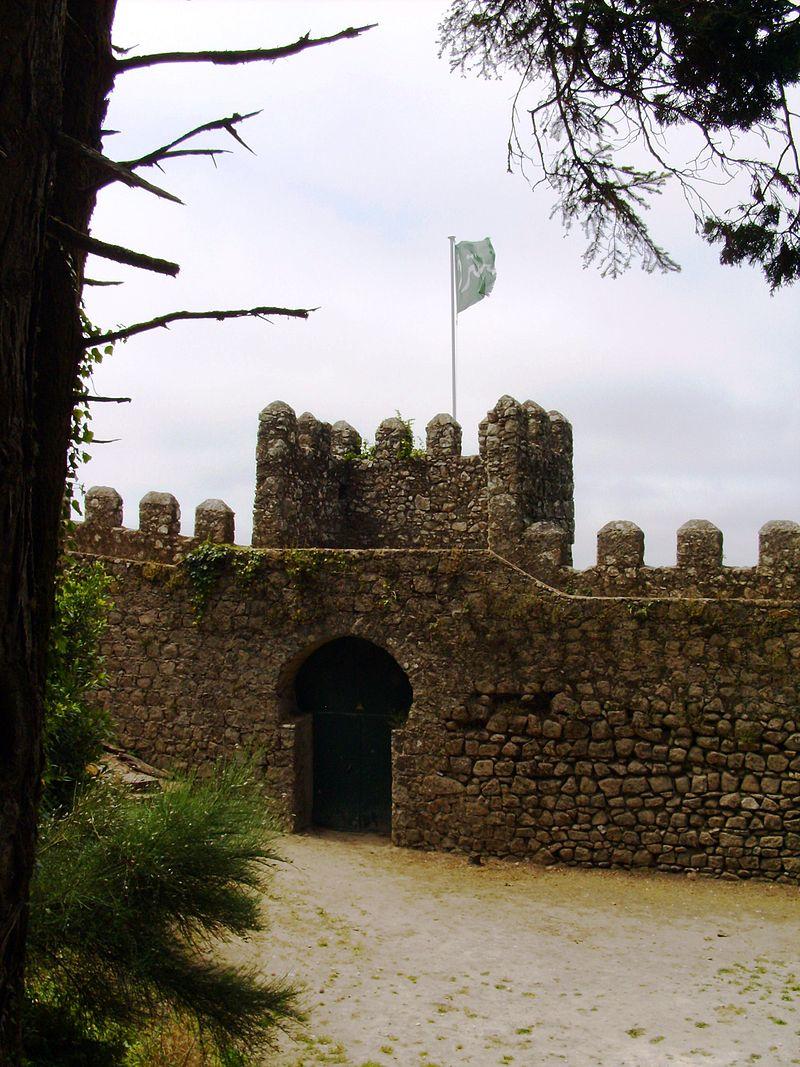
The Castle of Sintra , popularly known as Castelo dos Mouros is located in Sintra, Portugal. It’s a mediaeval fortress that has played a significant role in the region’s history and culture. It is also known as the Moors Castle and is perched on a hill overlooking the city and the surrounding countryside, providing breathtaking views.

The origins of the castle date back to the eighth and ninth centuries, when Muslims ruled the Iberian Peninsula. The Moors constructed the castle as a defensive stronghold to protect the region from Christian assaults. Later, during King Afonso Henriques’ reign in the 12th century, Christian armies conquered it, and it went through major modifications over time.

The Castle of Sintra’s design shows its long history and the influence of many different cultures and time periods. The castle follows the standard layout for mediaeval fortifications, with a central courtyard surrounded by walls and towers. It combines Moorish, Gothic, and Manueline styles, reflecting the influence of various cultures and time periods.

Crenellations punctuate the castle’s walls, providing cover for archers and other defenders during battle. The towers provided commanding views of the surrounding terrain and served as watchtowers for approaching enemies. The main entrance to the castle is an archway that is still in use today.

The cisterns, which were used to store water during sieges, and the chapel, which dates back to the 16th century, are accessible to visitors inside the castle. The castle also includes a courtyard with a well, which was used to supply the residents with water.

Today, the Castle of Sintra is a popular tourist destination and is open to the general public. Visitors can explore the castle’s grounds and take in breathtaking views of the surrounding countryside. The castle is also used for cultural events and activities, such as mediaeval festivals and concerts. It is an important part of Portugal’s cultural heritage and a symbol of the nation’s rich history.

undefined

Castelo de Alcanede 7519.jpg

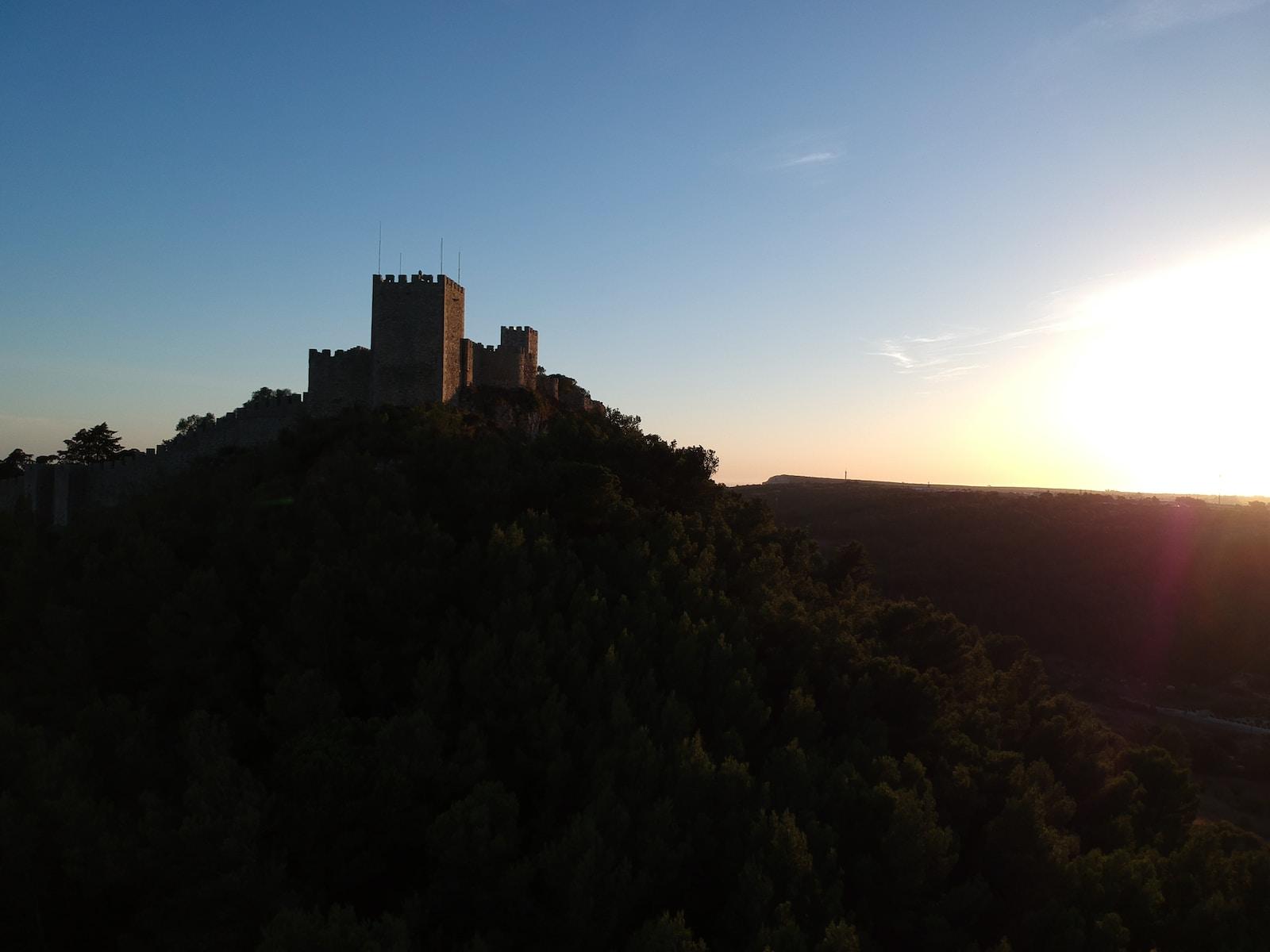
Located in the town of Alcanede in the Santarém District of Portugal is the medieval castle known as Alcanede Castle. The Moors built the castle in the 12th century during their Muslim rule of the Iberian Peninsula.

The Portuguese conquered the castle in the 12th century during the reign of King Afonso Henriques, and it quickly became a critical strategic location for the defense of the area. Throughout the centuries, the castle underwent numerous alterations and expansions that reflect various architectural styles and historical eras.

Today, the castle is mostly in ruins, but its original structure and some of its defensive elements, including the walls, towers, and gates, remain intact. The castle is accessible to the public and provides a panoramic view of the surrounding landscape, which includes the Serra de Aire e Candeeiros Natural Park.

undefined

Visitors can explore the castle grounds and learn about its history and significance via informational panels and guided tours. The castle also hosts cultural events and activities such as medieval fairs and concerts throughout the year.

Alcanede Castle is a historic castle located in the Santarém District of Portugal. Here are some things to do and see around Alcanede Castle:

Visit the castle: The castle dates back to the 12th century and has been well preserved. Visitors can explore the castle’s towers, walls, and battlements.

Explore the town: Alcanede is a charming town with narrow streets and traditional houses. Take a stroll through the town and admire its architecture.

Visit the Church of Nossa Senhora da Conceição: This church is located in the centre of Alcanede and is known for its beautiful 18th-century tiles.

Visit the Natural Park of Serra de Aire e Candeeiros: This park is located just a short drive from Alcanede and is known for its stunning limestone formations and hiking trails.

Visit the Caves of Mira de Aire: These caves are also located in the Natural Park of Serra de Aire e Candeeiros and are some of the largest caves in Portugal. Visitors can take a guided tour of the caves and see their impressive stalactites and stalagmites.

Visit the Convent of Cristo in Tomar: This UNESCO World Heritage Site is located about 30 minutes from Alcanede and is one of Portugal’s most impressive historic sites. The convent dates back to the 12th century and is known for its Gothic architecture.

Visit the city of Santarém: This historic city is located about 20 minutes from Alcanede and is known for its Gothic architecture, Roman ruins, and charming old town.

Coordinates 39°25′2″N 8°49′17″W Built 49 B.C. Materials Masonry, Brick
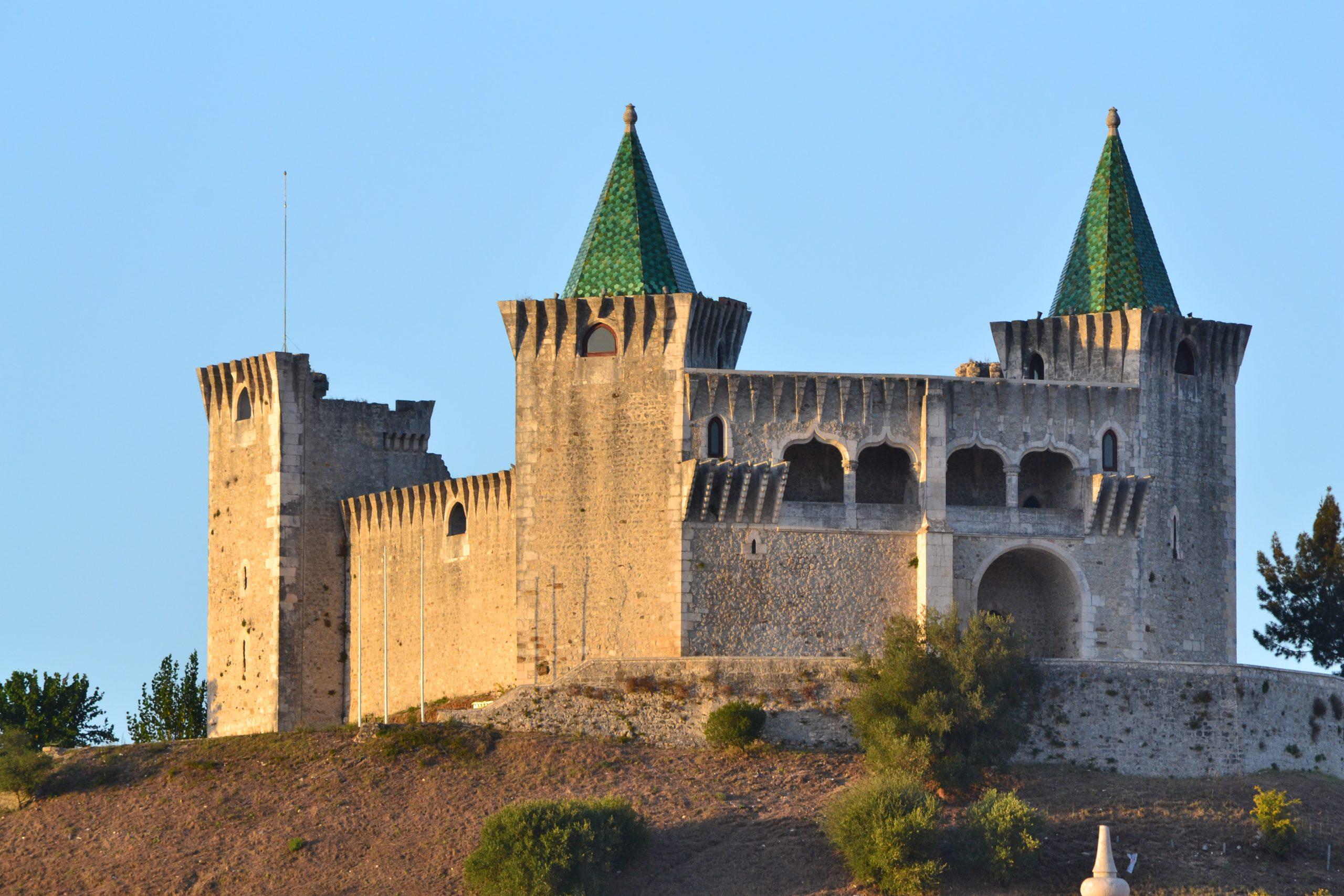
File:Le château de Porto de Mós.jpg - Wikimedia Commons

Porto de Mós Castle, also known as Castelo de Porto de Mós, is a spectacular medieval castle located in the municipality of Porto de Mós, in the province of Leiria, Portugal. It is located on a hilltop overlooking the town and surrounding landscape and is one of the most spectacular historical landmarks in the area.

King Dinis constructed the fortress in the 14th century as part of a calculated effort to protect the region from attacks. During the time of King Joao II, it was later strengthened and enlarged, and it was also used as a dwelling by many members of the Portuguese aristocracy.

One of the most outstanding aspects of Porto de Mós Castle is its size and architecture. The castle is a large, rectangular, fortified edifice surrounded by high walls and turrets. Its walls are made of stone, and the towers are topped with crenellations and battlements, which give the castle a very powerful look.

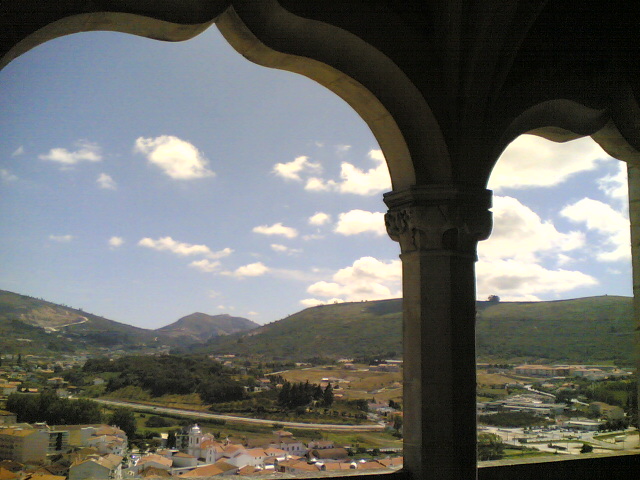
Visitors may tour the many sections and constructions that comprise this intriguing historical site inside the castle. One of the attractions is the main tower, which offers breathtaking views of the surrounding landscape from its highest point. The keep, which functioned as the castle’s major defense building, and the palace, which was the abode of the castle’s noble residents, are both important elements.

Porto de Mós Castle is surrounded by spectacular natural beauty, including woods, hills, and rivers, in addition to its remarkable architectural and historical value. Hiking, biking, and other outdoor activities are available in the area, or visitors may simply relax and enjoy the tranquil environment of this gorgeous place.

undefined

Porto de Mós Castle is a must-see for anybody interested in history, architecture, or natural beauty. It has a rich history and gorgeous architecture making it an enthralling and rewarding destination, and its picturesque setting in the middle of the Portuguese countryside further adds to its allure and appeal.

Porto de Mós is located in the Center Region of Portugal, in the heart of the Serras de Aire e Candeeiros Natural Park. It is classified as a national monument. Coordinates : 39º36’12″N 8º49’07″W
Location of Porto de Mos

Porto de Mós Castle is a historical landmark located in the town of Porto de Mós, Portugal. Here are some things to do and see around the castle:

Explore the Castle: Walk around the castle walls and admire the stunning views of the town and surrounding countryside. The castle dates back to the 14th century and has a rich history.

Visit the Church of São Pedro: This church is located just outside the castle walls and is worth a visit. It has beautiful stained-glass windows and a peaceful atmosphere.

Discover the Grutas de Mira de Aire: These are some of the most impressive caves in Portugal and are located just a short drive from Porto de Mós. The caves are filled with stunning rock formations and underground lakes.

Take a hike in the Serras de Aire e Candeeiros Natural Park: This park is located just north of Porto de Mós and offers a range of hiking trails through beautiful countryside. There are also several caves to explore in the park.

Visit the town of Batalha: This town is located just a few kilometers from Porto de Mós and is home to the impressive Batalha Monastery, a UNESCO World Heritage Site. The monastery was built in the 14th century to commemorate Portugal’s victory over Castile in the Battle of Aljubarrota.

Explore the beaches of Nazaré: This popular seaside town is located just a short drive from Porto de Mós and has some of the best beaches in Portugal. The town also has a charming old town and a funicular that takes you up to a viewpoint with stunning views of the coast.

Portugal is known for its stunning scenery, delectable cuisine, and rich history. However, one facet of Portugal that is sometimes ignored is its beautiful train stations. These stations are not only practical structures; they are architectural marvels in their own right. In this blog article, we’ll take a closer look at some of Portugal’s most gorgeous train stations.

Pinhão Station

Pinhão Station is a small train station located in the heart of the Douro Valley. The station was built in the early 20th century and features a beautiful facade covered in azulejo tiles.

Inside, the station has a cozy waiting room with comfortable seating and plenty of natural light. However, the real beauty of Pinhão Station lies outside, where visitors can enjoy stunning views of the Douro River and the surrounding vineyards.

Premium Photo | Sao bento railway station

São Bento Train Station, Porto

São Bento Station is arguably the most famous train station in Portugal and for good reason. The station is located in the heart of Porto’s historic center and is famous for its stunning azulejo tilework. The tiles depict various scenes from Portuguese history and culture and were created by Jorge Colaço, one of Portugal’s most famous tile artists.

José Marques da Silva, an architect, created the station itself and had it constructed in the early 20th century. In addition to the tilework, the station features a beautiful facade and a spacious interior with a large waiting room.

Lisbon Oriente Station

Lisbon Oriente Station is a modern train station located in the Parque das Nações district of Lisbon. The station was designed by renowned architect Santiago Calatrava and opened in 1998 for the World Expo held in Lisbon that year.

The station is a masterpiece of modern architecture, with a soaring glass and steel roof that covers the entire station. A series of white pillars that support the roof give the station a futuristic appearance. Inside, the station features a large concourse area with plenty of shops, restaurants, and other amenities.

Coimbra Station

Coimbra Station is a beautiful train station located in the city of Coimbra. The station was designed by architect José Luís Monteiro and opened in 1960.

The station features a beautiful facade made of local limestone, which gives it a warm and inviting feel. Inside, the station has a spacious waiting room with comfortable seating and plenty of natural light.

Domingos Rebelo, a Portuguese artist, created a sizable mural that is one of the station’s most striking features. The mural depicts various scenes from the history of Coimbra and is a must-see for anyone visiting the station.

Porto Campanhã Station

Porto Campanhã Station is one of the busiest train stations in Portugal, with trains departing for destinations all over the country. The station was originally built in the 19th century but was extensively renovated in the early 21st century.

The renovated station features a stunning glass and steel canopy that covers the entire station. A series of white pillars supporting the canopy give the station a contemporary and futuristic appearance. Inside, the station has a spacious concourse area with plenty of shops, restaurants, and other amenities.

Estoril Station

Estoril Station is a beautiful train station located in the coastal town of Estoril, just outside of Lisbon. The station was built in the early 20th century and features a beautiful facade covered in azulejo tiles.

Inside, the station has a spacious waiting room with comfortable seating and plenty of natural light. However, the real beauty of Estoril Station lies outside, where visitors can enjoy stunning views of the Atlantic Ocean and the beautiful Estoril

Guimarães Station

Guimarães Station is a stunning train station located in the city of Guimarães, often referred to as the birthplace of Portugal. The station was built in the early 20th century and features a beautiful facade made of local granite.

Inside, the station has a spacious waiting room with comfortable seating and plenty of natural light. However, the real beauty of Guimarães Station lies in its connection to the history of Portugal, as it is located near many historic sites and museums.

Braga Station

Braga Station is a beautiful train station located in the city of Braga, one of the oldest and most important cities in Portugal. The station was built in the early 20th century and features a beautiful facade made of local granite.

Inside, the station has a spacious waiting room with comfortable seating and plenty of natural light. The station also features a beautiful mural depicting the history of Braga, created by artist Júlio Resende.

Aveiro Station

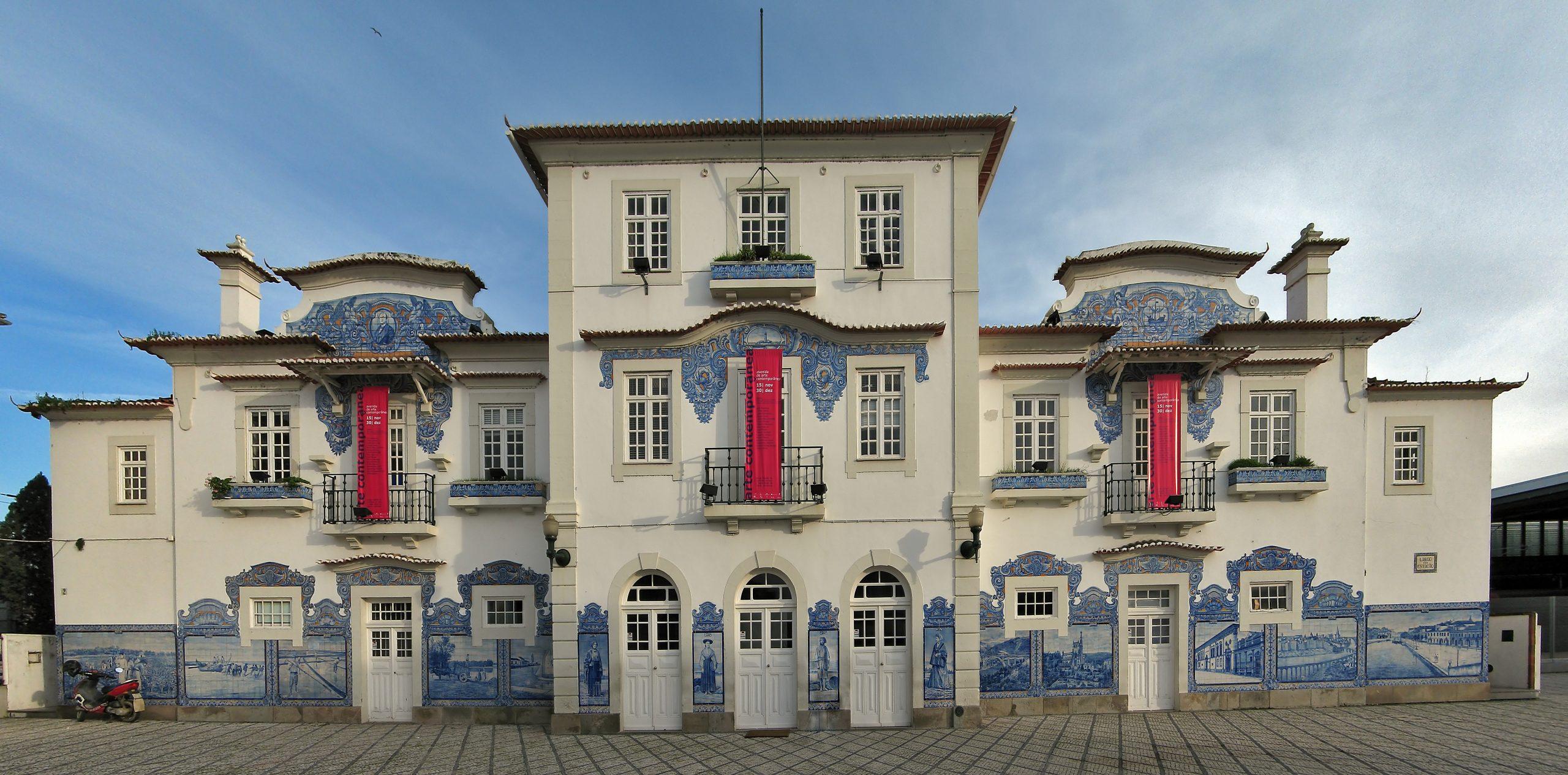
Aveiro Station is a beautiful train station located in the city of Aveiro, also known as the “Venice of Portugal” due to its network of canals. The station was built in the early 20th century and features a beautiful facade covered in azulejo tiles.

Inside, the station has a spacious waiting room with comfortable seating and plenty of natural light. The station also features a beautiful clock tower that is visible from many parts of the city.

Santa Apolónia Station

Santa Apolónia Station is a historic train station located in the city of Lisbon. The station was built in the late 19th century and features a beautiful facade made of local limestone.

Inside, the station has a spacious waiting room with comfortable seating and plenty of natural light. The station also features a beautiful glass canopy that covers the platforms and gives the station a modern and futuristic look.

File:Castelo de sesimbra portugal.JPG - Wikimedia Commons

Castelo de Sesimbra, also known as Sesimbra Castle, is a historical landmark located in the coastal town of Sesimbra, Portugal. The castle has a rich history that dates back to the medieval period and has played an important role in the defense of the town throughout the centuries.

The Moors built the castle in the 12th century, and the Christians later took control of it during the Reconquista. The castle was then rebuilt and expanded during the reign of King Sancho II in the 13th century. The castle played an important role in defending the town against pirate attacks during the Middle Ages.

undefined

Over the centuries, the castle has undergone many renovations and changes, with various kings and queens adding their own touches to the structure. The castle was also used as a prison during the 18th and 19th centuries, and it was only in the 20th century that the castle was restored and turned into a museum.

Today, the castle is a popular tourist attraction in Sesimbra and is open to the public for guided tours. You can explore the castle’s impressive walls, towers, and battlements, which offer stunning views of the town and the sea. The castle also houses a small museum that showcases artifacts and exhibits from the castle’s rich history.

Castelo Sesimbra. Setúbal, Portugal | Castelo de Sesimbra. F… | FlickrOne of the most impressive features of Castelo de Sesimbra is its impressive architecture. The castle is built on a hill overlooking the town and the sea, and its walls and towers are made of stone and brick. The castle’s main tower, known as the Torre do Homem do Povo, is a symbol of the town and is visible from miles away.

Another interesting feature of the castle is its location. The castle is situated in a strategic location that allowed it to defend the town against pirate attacks from the sea. The castle’s walls and towers offer stunning views of the sea and the town, making it a popular spot for photography and sightseeing.

Visitors to Castelo de Sesimbra can also explore the town of Sesimbra, which is known for its beautiful beaches, fresh seafood, and charming old town. The town has a rich history that dates back to the Roman era, and visitors can explore its narrow streets and historic buildings.

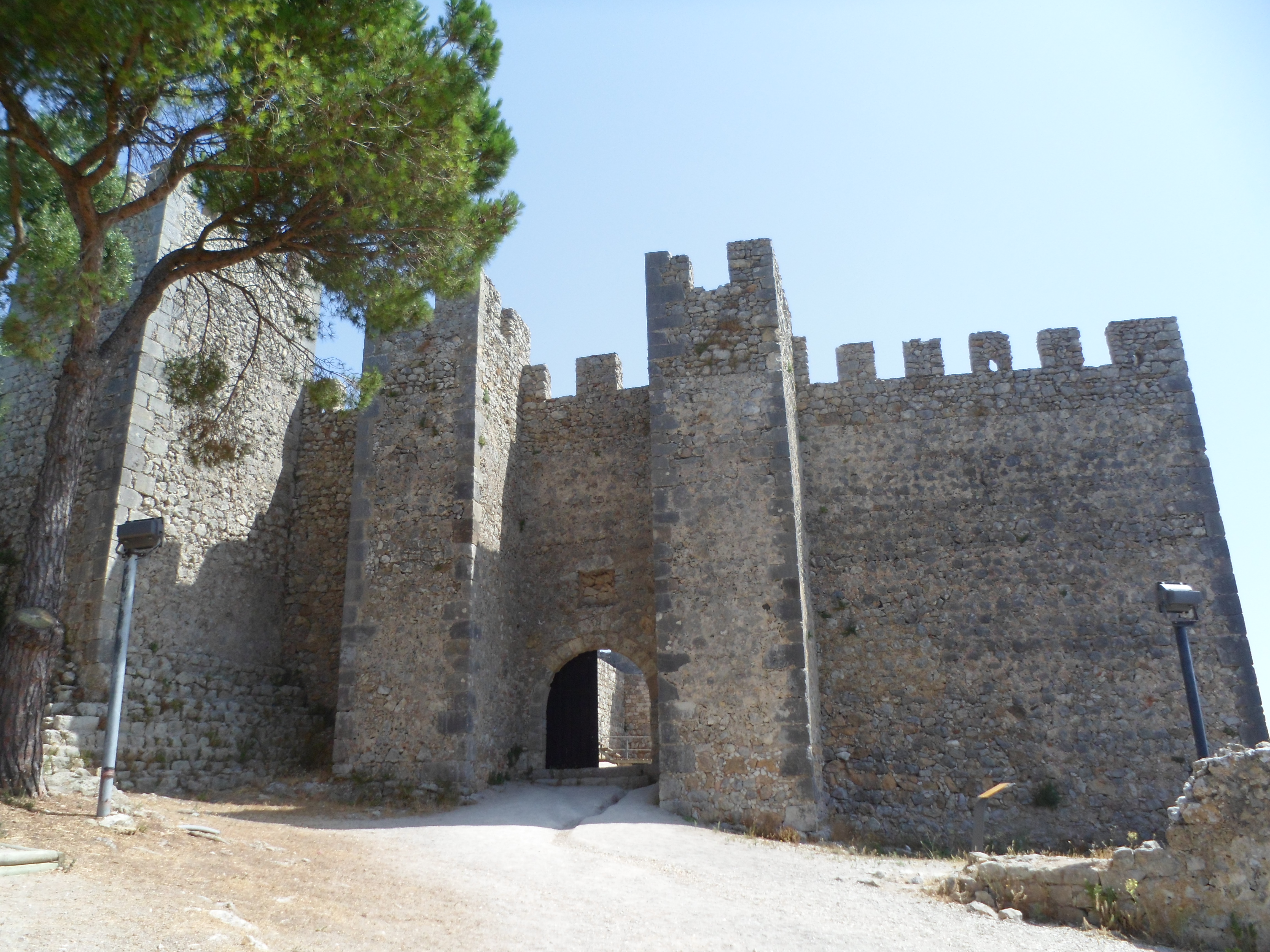
Features The Castle of Sesimbra stands 240 meters above sea level and has an elongated irregular plan in the northeast-southwest direction. Two towers, one of which is the Menagem, which has a square plan and an upper floor with a coffered vault, dominate the medieval Alcáçova, which is roughly square in shape. A watchtower, likewise square in design, sits at the other end. The four 17th-century bastions (two to the north and two to the south) flank the crenelated wall and open two gates: Porta do Sol to the northeast and Porta da Azóia to the northwest. On the embankment, the Church of Nossa Senhora do Castelo (built-in 1160 and restored in 1721) and the ruins of the Town Hall next to one of the three cisterns are still standing.
History: The Portuguese explorations of the sea in the 15th and 16th centuries are a big part of Madeira’s history. In 1419, Portuguese sailors were the first to find the islands, and soon after, colonists from Portugal moved there. Madeira quickly became an important hub for maritime trade, serving as a stopover point for ships travelling between Europe, Africa, and the Americas. The island’s fertile soil and favourable climate also made it a key producer of sugar, which was in high demand in Europe at the time.

white and brown concrete building near body of water during daytimeMadeira is a group of volcanic islands with two main ones, Madeira and Porto Santo, and several smaller ones. The islands are about 600 miles southwest of Lisbon, Portugal, in the Atlantic Ocean. Madeira is known for having a rough landscape with steep cliffs, deep valleys, and high peaks. The island’s highest point is Pico Ruivo, which stands at 1,862 metres. A network of narrow roads and trails connect the small villages, farms, and vineyards that dot the landscape.

Madeira has a subtropical climate, which means that the weather is mild and there is a lot of moisture in the air. The temperatures on the island don’t change much from season to season, staying between 16°C and 24°C all year. Most of the rain falls in the winter, especially in the mountains, and tropical storms and hurricanes sometimes hit the island. Even though it rains and blows sometimes, Madeira’s climate is generally thought to be very nice and good for outdoor activities.

Culture: Madeira has a rich cultural heritage that is a blend of Portuguese, African, and Brazilian influences. The island’s music and dance are particularly distinctive, with traditional styles like fado, bailinho, and tchatchatcha still popular today. Fresh seafood, tropical fruits, and wines made in Madeira are also famous for their food. The island is well-known for its festivals, which include the spring flower festival, the February carnival, and the Christmas and New Year’s celebrations, which feature spectacular fireworks displays.

selective focus photography of displayed basket of fruits

Tourism: Madeira is a popular tourist destination that attracts visitors from all over the world. The island’s natural beauty and mild climate make it an ideal destination for outdoor activities like hiking, mountain biking, surfing, and swimming. Madeira is also known for its historic sites, such as the Santa Clara Convent and the Cathedral of Funchal, and for its many museums and galleries. The island’s botanical gardens and parks are also major attractions, with the Madeira Botanical Garden and the Monte Palace Tropical Garden among the most popular.

Economy: Madeira’s economy is largely based on tourism, agriculture, and fishing. The island’s fertile soil and favourable climate make it a major producer of bananas, sugar cane, and other tropical fruits, while its vineyards are known for producing high-quality fortified wines like Madeira. Tourism is the island’s biggest industry, with visitors spending an estimated 1.6 billion euros in 2019. Madeira is also home to a number of offshore companies and financial institutions, which contribute to the island’s economy.

Madeira’s official language is Portuguese, but a lot of people in tourist areas speak English. Many locals also speak French, German, and Spanish, particularly those who work in the tourism industry.

Cristiano Ronaldo Madeira International Airport, which is close to the island’s capital Funchal, provides transportation services for Madeira. The island also has a good network of roads and public transport, including buses and taxis. Many visitors choose to rent a car.