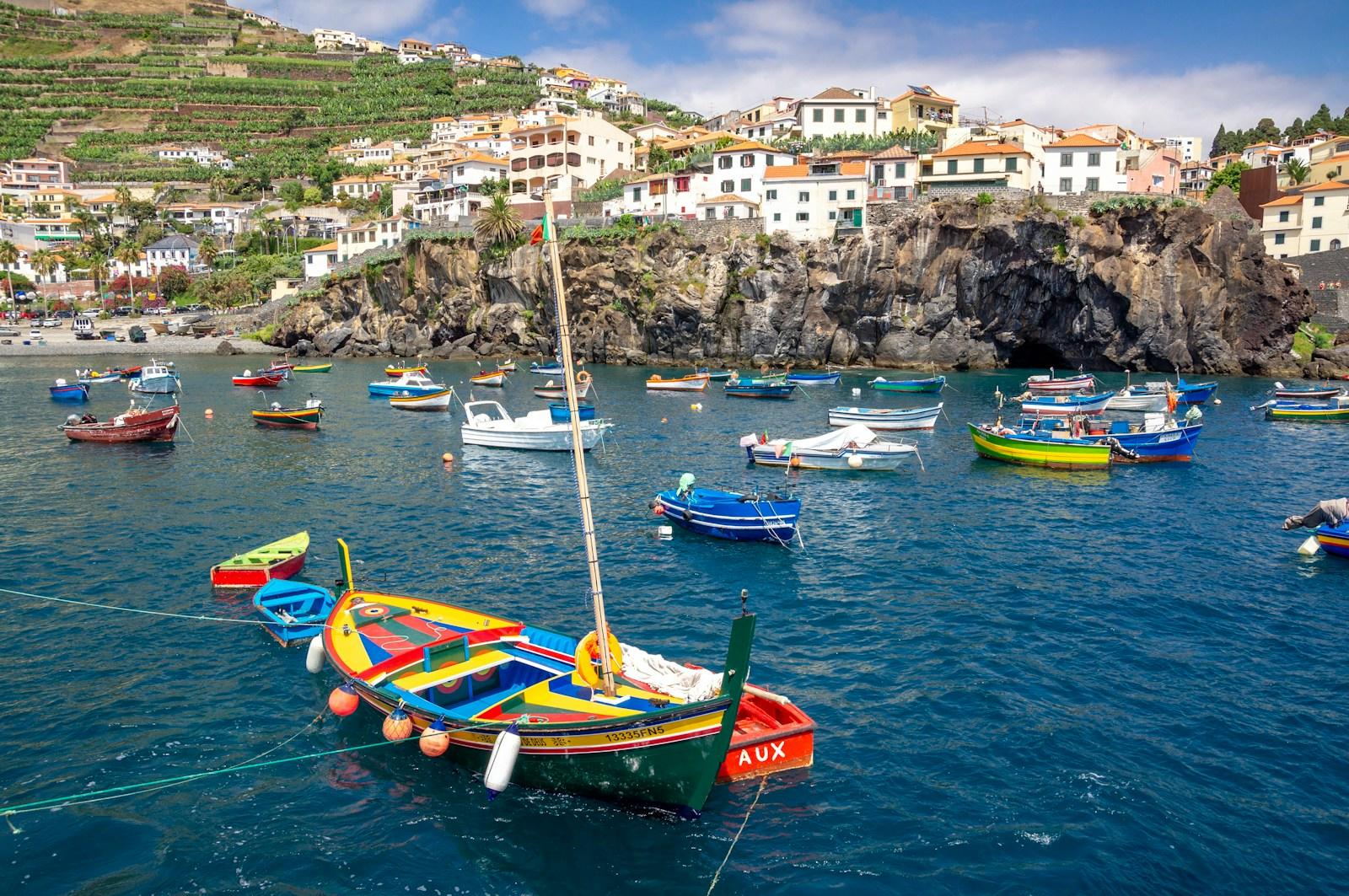
green and yellow boat on body of water during daytime

Madeira is a vibrant jewel in the Atlantic, a Portuguese archipelago famed for its dramatic landscapes, year-round mild climate, and rich cultural tapestry. This travel guide covers everything you need to know to make the most of your visit — whether you’re here for adventure, relaxation, local culture, or simply to soak in breathtaking views. We’ll explore Madeira Island along with its neighboring islands, Porto Santo and the Desertas, giving you a full picture of this diverse destination.


1. Getting There and Getting Around

Madeira’s main gateway is Cristiano Ronaldo International Airport (FNC), located near the capital, Funchal. Direct flights connect from major European cities and some North African hubs. For those wanting to explore beyond the main island, ferries and smaller flights link Madeira to Porto Santo and the Desertas Islands.

On Madeira Island, renting a car is the most flexible way to explore, especially if you want to reach remote hiking trails or mountain villages. The public bus network is reliable for main towns and popular spots, but less frequent in rural areas. Porto Santo is smaller and easily explored by car or bicycle, while the Desertas Islands are mostly a protected nature reserve, accessible only by boat tours.


2. Best Time to Visit: Seasonal Insights

Madeira’s climate is famously mild year-round, often called the “Island of Eternal Spring.” Spring (March to May) and autumn (September to November) offer pleasant temperatures and fewer tourists, ideal for hiking and sightseeing. Summer (June to August) is warmer and busier, perfect for beachgoers and festival lovers. Winters are mild but wetter, which can be great for whale watching and indoor cultural experiences.


3. Exploring Madeira Island: Nature and Adventure
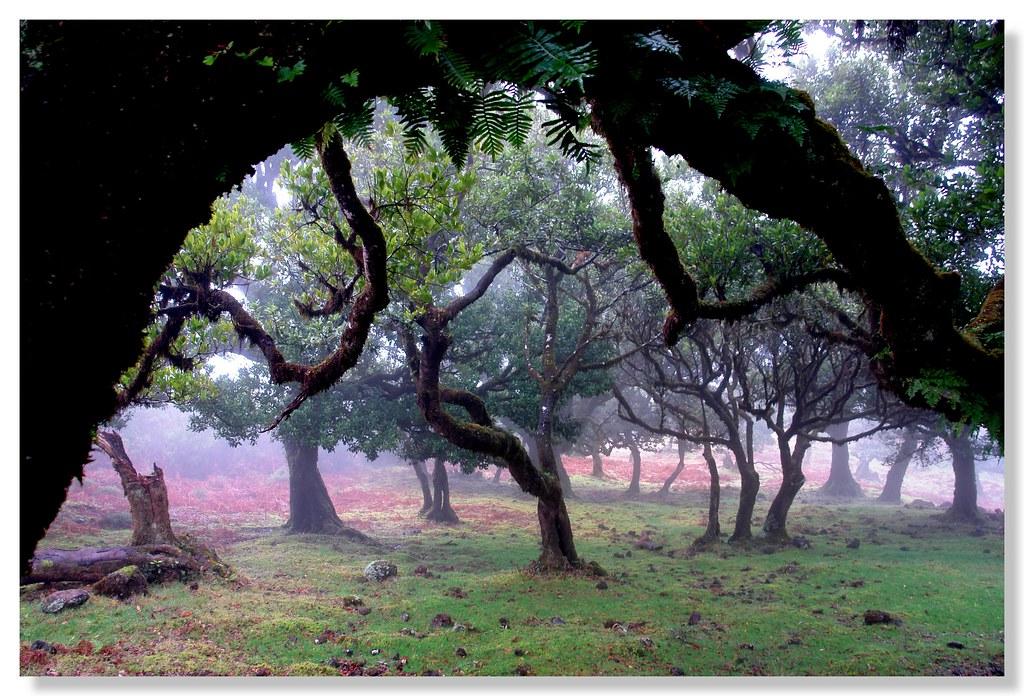
Madeira Island is a playground for nature lovers. The levadas — historic irrigation channels — provide a unique network of hiking trails through lush forests and mountains. Pico Ruivo, the highest peak, rewards climbers with panoramic views of the archipelago. Coastal cliffs, natural pools, and botanical gardens offer diverse landscapes in one compact area.

Adventure seekers can try canyoning, paragliding, or diving. For something more relaxed, the Laurisilva forest, a UNESCO World Heritage Site, is a must-see for its rare flora and fauna.


4. Porto Santo: The Golden Beach Escape

Just a short ferry ride from Madeira, Porto Santo is known for its expansive golden sand beach — a rarity in the archipelago. It’s quieter and less developed, ideal for travelers looking to unwind by the sea. The island also has golf courses, historic sites, and walking trails through volcanic landscapes. Porto Santo offers a different pace, perfect for combining with Madeira’s rugged terrain.


5. The Desertas Islands: A Wildlife Sanctuary

The Desertas are a small chain of uninhabited islands primarily reserved for wildlife conservation. They are home to rare species like the Mediterranean monk seal and several seabirds. Visits are limited to guided boat tours, which provide an opportunity to observe the islands’ unique ecosystem without disturbing it. This makes for a fascinating day trip for nature enthusiasts.


6. Food and Drink: Taste of Madeira

Madeira’s culinary scene blends Portuguese tradition with local ingredients. Try the famous espada (black scabbardfish), often served with banana, or bolo do caco, a garlic bread staple. Fresh seafood, tropical fruits, and rich wines, especially Madeira wine, are highlights. Funchal’s markets and waterfront restaurants offer both authentic and contemporary dining experiences.


7. Festivals and Culture

Madeira’s cultural calendar is packed with vibrant festivals. The Flower Festival in spring transforms Funchal into a kaleidoscope of colors with parades and floral displays. Carnival, held before Lent, is a riot of costumes and street parties. The Atlantic Festival in summer features fireworks and music, while the Wine Festival in autumn celebrates the island’s viticulture with tastings and folk events.


8. Accommodation: Where to Stay

Funchal offers a range of hotels, from luxury resorts with ocean views to boutique guesthouses in the city center. For a quieter stay, look to smaller towns like Machico or Ponta do Sol. Porto Santo has seaside hotels and guesthouses catering to beach lovers. Booking early is wise during peak festival periods.


9. Budget Tips

Madeira can accommodate all budgets. Public buses are affordable and cover most main routes. Dining in local tascas (small eateries) gives authentic flavors without breaking the bank. Renting a car may cost more but offers freedom. Consider visiting during shoulder seasons to avoid higher prices and crowds.


10. Practical Tips: Language, Currency, and Safety

Portuguese is the official language, but English is widely spoken in tourist areas. The currency is the Euro (€). Madeira is safe and well-equipped for tourists, but it’s smart to carry layers for sudden weather changes in the mountains and comfortable shoes for exploring.

Key festivals and events happening across Madeira, organized by month to help you plan your visit:
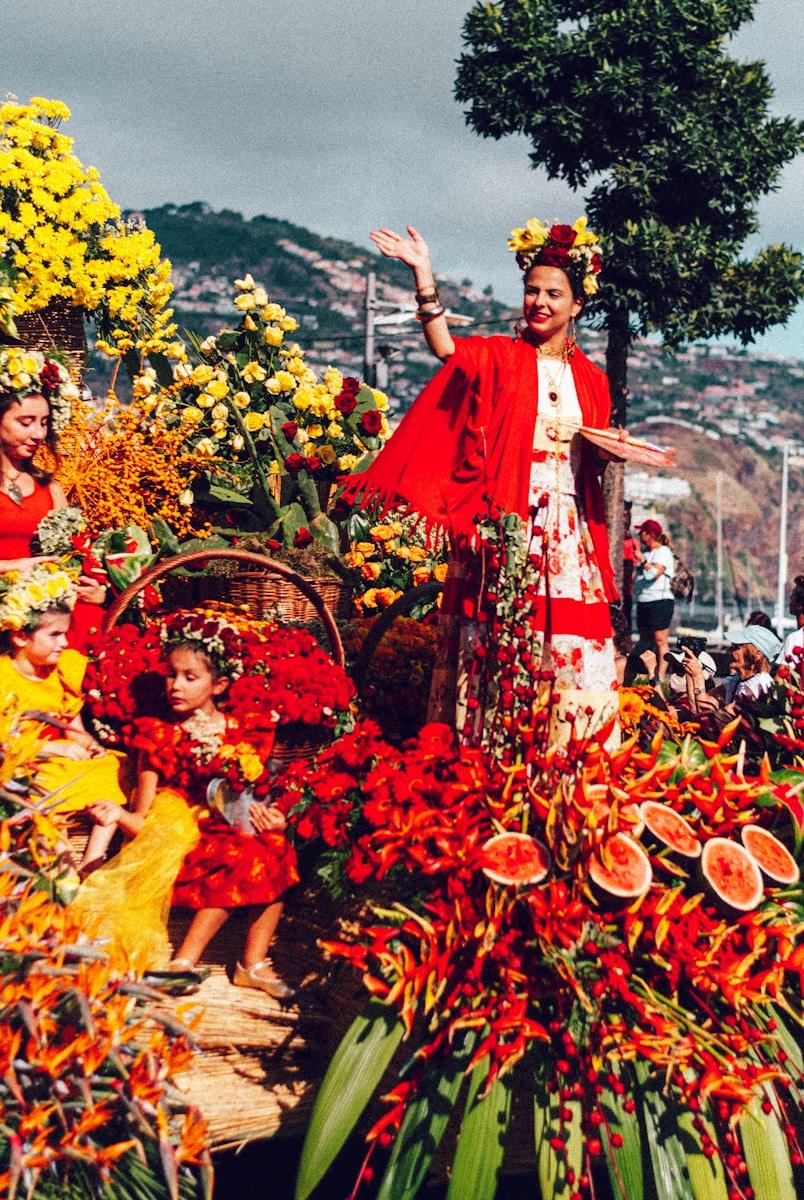
 

a woman in a red and white dress standing in a field of flowers


February – March: Carnival Season
  • Carnival Festivities (Feb 26 – Mar 9): A vibrant celebration featuring the Children’s Parade (Feb 28), Allegoric Parade (Mar 1), and the Slapstick Parade (Mar 4), filling Madeira with music, dancing, and colorful costumes.


May: Madeira Flower Festival
  • Madeira Flower Festival (May 1–25): A month-long celebration in Funchal, showcasing stunning floral displays, intricate flower carpets, and lively parades. Highlights include the Wall of Hope Ceremony (May 3) and the Grand Allegoric Flower Parade (May 4).


June: Atlantic Festival
  • Atlantic Festival (June 6–29): A month-long celebration in Funchal, featuring the Madeira International Fireworks Competition on June 7, 14, 21, and 28, along with diverse entertainment throughout downtown Funchal.

July: Summer Events
  • Summer Opening Festival (July 17–19): A series of musical concerts taking place in different places in the region, including wineries and sunset environments, offering live musical performances and tastings of fortified wines.

  • Madeira Gastronomic Festival “SAL” (July 11–20): A gastronomic event celebrating the region’s cuisine and heritage, combining tradition and innovation.

  • Classic Car Festival at Quinta Magnólia (July 26–27): A showcase of classic cars in a picturesque setting, celebrating automotive history and design.


August: Wine and Music
  • Madeira Wine Rally (July 31 – Aug 2): A motorsport event featuring challenging rally stages through Madeira’s scenic landscapes.


September: Harvest Celebrations
  • Estreito’s Wine Harvest Festival (Sept 13): A cultural and gastronomic celebration in Câmara de Lobos, featuring grape picking, wine making, and tasting, accompanied by lively music.


October: Cultural Events
  • Madeira Wine Lounge (Aug 28 – Sept 14): An event in Funchal’s Praça do Povo, offering tastings of Madeiran wines, local cuisine, folk shows, and live music in a picturesque setting.


December – January: Festive Season
  • Christmas & New Year’s Festivities (Dec 1 – Jan 5): A season of cultural, folk, and artistic events, with Funchal’s streets magnificently decorated and illuminated, creating a festive atmosphere.


Final Thoughts

Madeira and its neighboring islands offer something for everyone: spectacular nature, rich culture, delicious food, and plenty of ways to unwind or get active. Whether you’re planning your first visit or returning for more, this travel guide covers everything to help you explore this Atlantic paradise with confidence and ease.
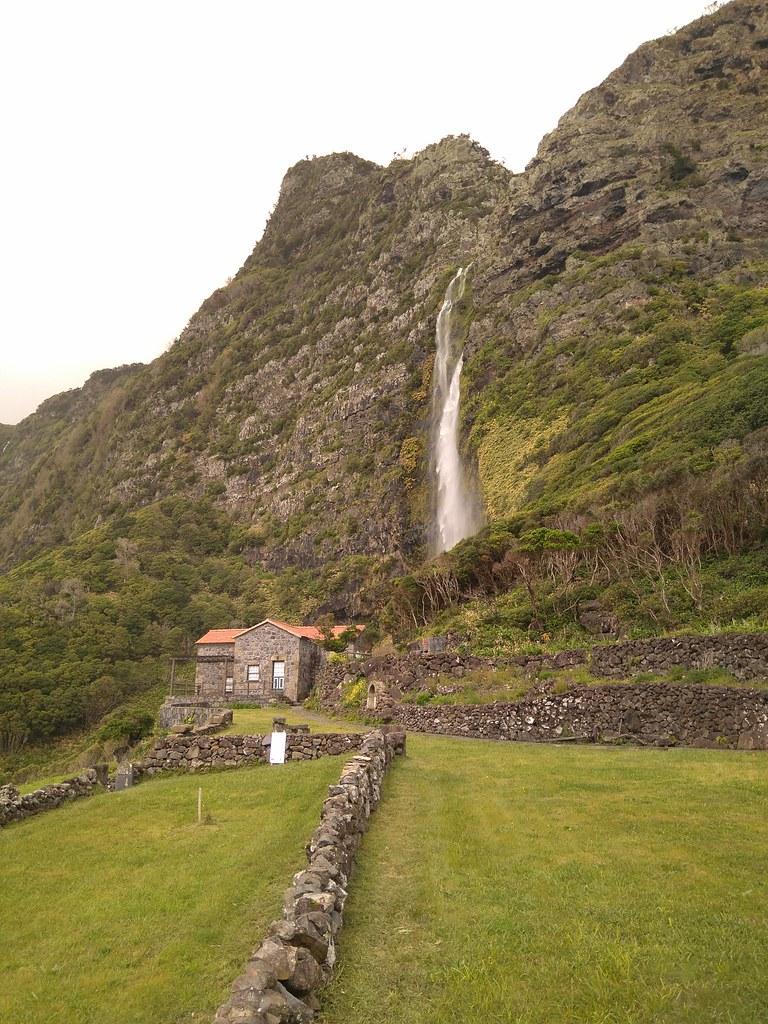
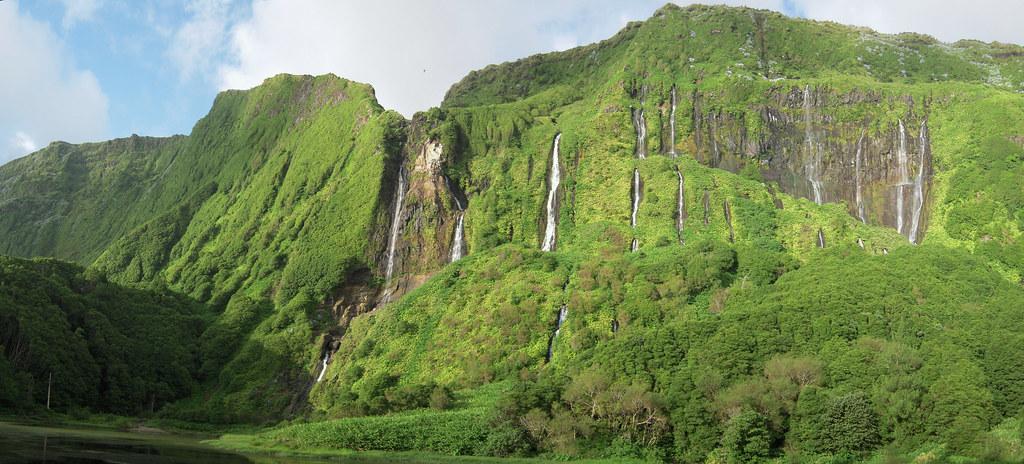
Nestled far from the rush of the mainland, Flores Island is a whisper of emerald tucked in the vast Atlantic—a place where nature sings in vivid greens and blues, where every corner is a poem written by waterfalls, cliffs, and wildflowers. This is no ordinary island. It’s a sanctuary for the soul, a canvas painted with the light of mist and the slow dance of clouds.

Here, time folds gently, inviting all kinds of travellers—wanderers, lovers, dreamers, and seekers—to step into a landscape both raw and tender, wild and serene.


Arrival into Stillness: How Flores Welcomes You

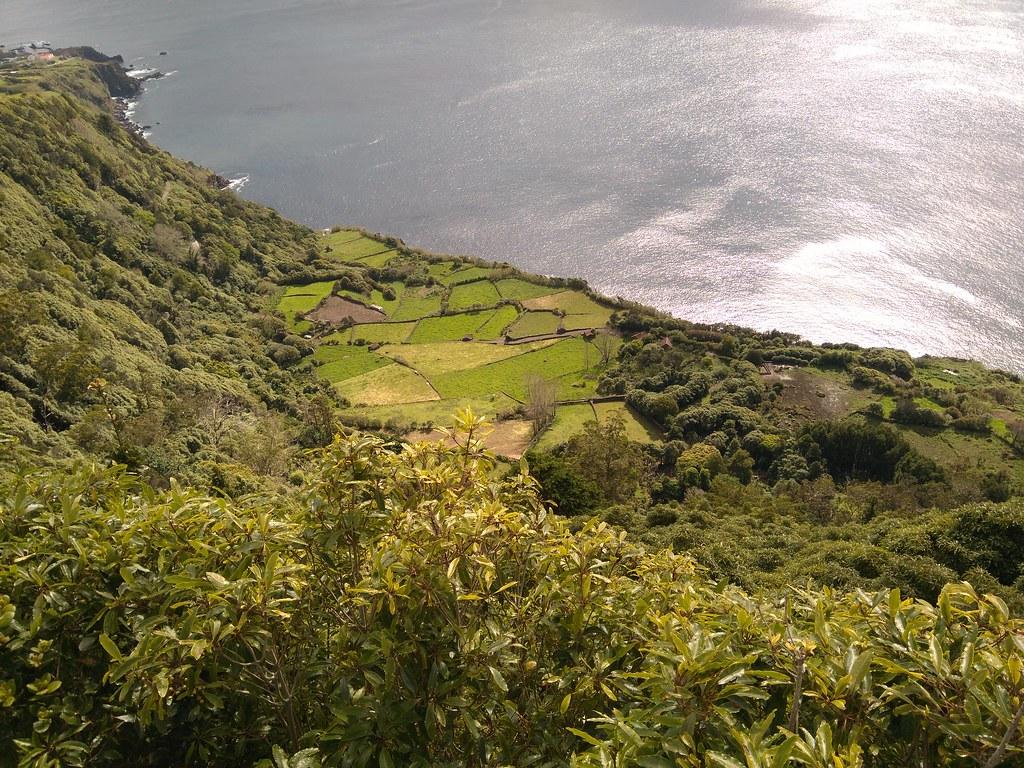
Flores Island arrives quietly, without the clamor of tourist crowds or the blare of city noise. The moment you set foot, the Atlantic breeze wraps around you like a soft, cool shawl. The island is shaped by volcanic origins, its rugged cliffs plunging dramatically into deep blue seas, and every path leads somewhere extraordinary.

Whether arriving by a small plane or ferry, the journey itself is a prelude to the island’s secrets. The ocean below shimmers with shifting light, and the horizon seems infinite—a promise of discovery.


When the Island Breathes: Best Time to Visit

Flores wears its seasons softly. Spring and early summer bloom with wildflowers carpeting the valleys, while autumn drapes the landscape in mist and quiet contemplation. Each season offers its own poetry—summer brings long days kissed by the sun; winter calls the storms that sculpt the cliffs with their force.

No matter the time, Flores invites visitors to slow down, to listen—to the song of birds, the rush of waterfalls, and the hush of ancient forests.


The Heartbeats of Flores: Top Sights and Hidden Treasures

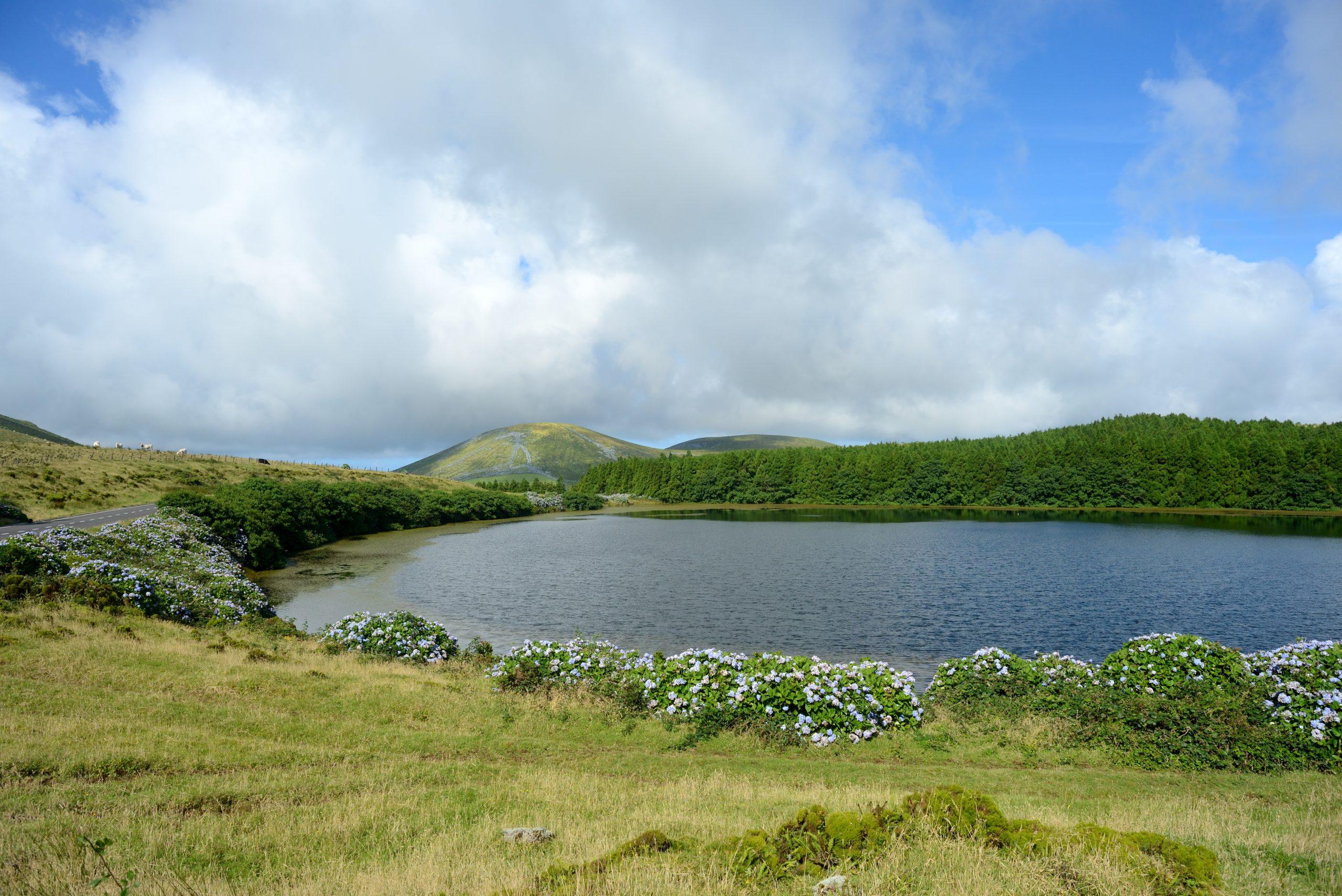
At the island’s core lies a network of lakes nestled in volcanic craters, mirrors to the sky. Lagoa Funda and Lagoa Comprida are jewels set in the lush hills, their still waters reflecting the ever-changing clouds. Nearby, the Poço do Bacalhau waterfall tumbles gracefully, a symphony of water and stone that beckons the weary.

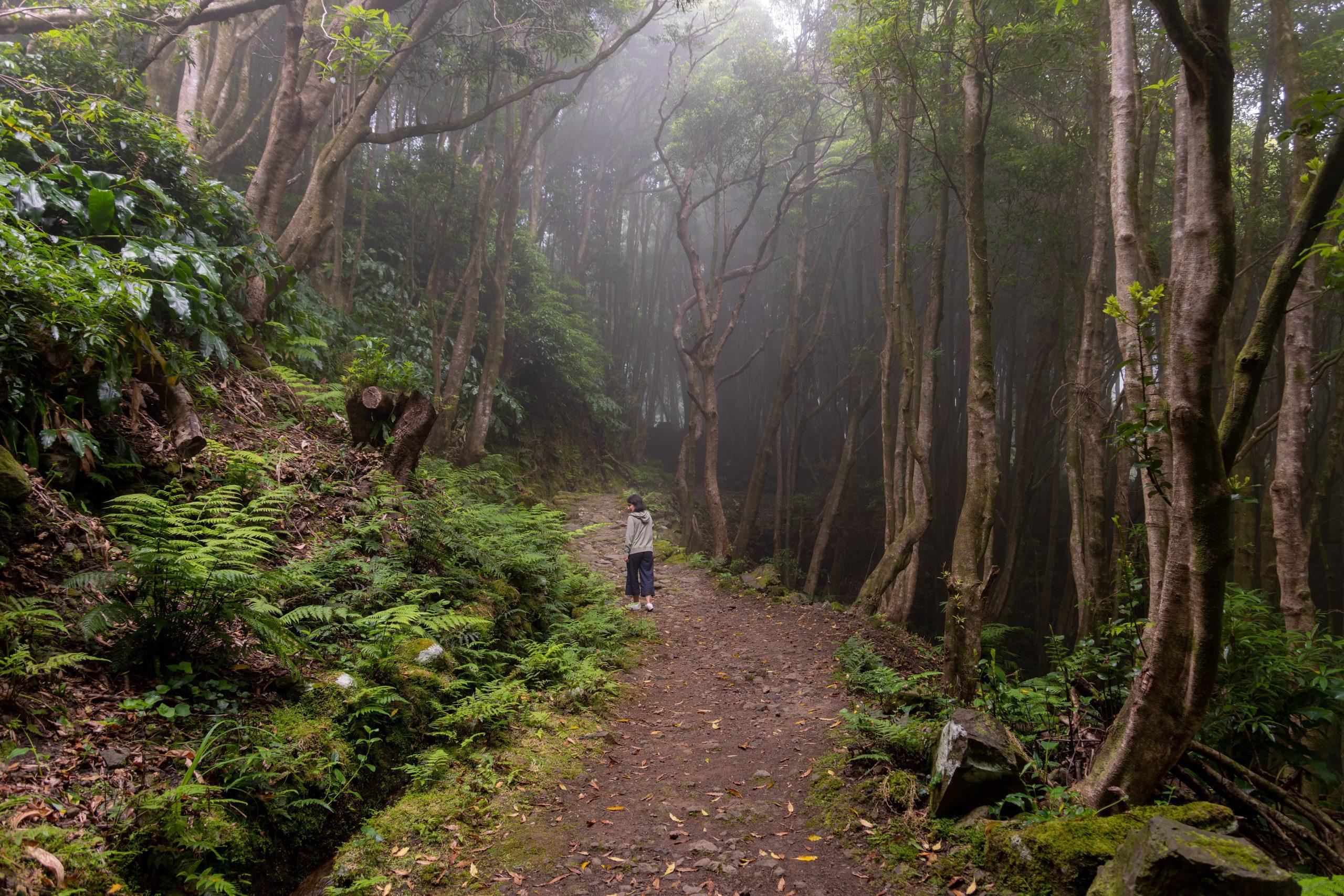
The trails wind through laurel forests, where light filters like scattered gold. Hikers find themselves embraced by nature’s cathedral, paths weaving past moss-draped rocks and delicate ferns. The Caldeira Funda trail is a pilgrimage to the island’s soul, offering breathtaking views that stretch beyond the horizon.

For those drawn to the ocean’s edge, the rugged cliffs of Ponta da Fajã and Ponta dos Rosais offer vistas of wild waves and seabirds in flight. Here, the land meets the Atlantic with a fierce tenderness that humbles and inspires.


Tastes of the Island: A Feast for the Senses

Flores is not just a feast for the eyes but for the palate. The island’s cuisine is a humble celebration of the earth and sea—fresh fish caught daily, rich cheeses, and fruits nurtured in volcanic soil. Every meal feels like a ritual, a way to connect deeply with the land’s generosity.

The sweetness of passion fruit, the earthy warmth of locally baked bread, and the hint of herbs foraged from the hills all tell stories of place and time. Sharing these flavors is sharing the island’s heartbeat.


Where to Rest: Embracing Flores at Dusk

Lodging on Flores carries the same quiet charm found in its landscapes. Small guesthouses, often family-run, offer more than a place to sleep—they provide a window into island life, with warmth and stories passed down through generations.

Imagine waking to the soft hum of birdsong, stepping onto a terrace to watch the mist roll over valleys, and feeling, for a moment, that the world has paused just for you.


Cultural Echoes: The Spirit of Flores

Beyond its natural beauty, Flores holds a deep cultural rhythm. The people here are the island’s living memory, carrying traditions shaped by isolation and connection. Festivals mark the changing seasons with music, dance, and community feasts. Old legends linger in whispered tales, woven through the landscape like threads of ancient light.

To visit Flores is to step into a story that continues to unfold, where every rock and river speaks of resilience and grace.


The Journey’s Quiet End: A Whisper to Take Home

Flores Island leaves its mark not in grand monuments or bustling streets but in moments—the hush of dawn over crater lakes, the shimmer of a dragonfly’s wings, the distant call of the ocean.

It invites all travellers, from the lone wanderer to families, to slow, breathe, and be present. Here, the world’s noise falls away, and what remains is pure, elemental beauty.

No need for grand plans or hurried checklists—Flores simply asks you to arrive, open your heart, and listen.


Flores is a poem written in water and stone, waiting for you to read it with your own eyes.

How to Get to Flores Island, Azores

Reaching Flores is a journey in itself—one that thins out the noise of modern life with every mile.

Most travellers begin their path in São Miguel or Terceira, the larger Azorean islands with international flights. From there, small SATA/Azores Airlines flights make their way westward to Flores. These planes are modest in size, but the views from above—vast ocean, scattered isles, wild coastlines—feel anything but small.

You can also arrive by ferry during the milder months, typically from Corvo or Faial, depending on the season’s sea conditions. But this route demands patience and rewards it with a true sense of arrival.

Once there, renting a car is the simplest way to explore, though nothing matches the magic of walking slowly, letting the island reveal itself one turn at a time.


What to Do and See on Flores Island

Here’s the thing: Flores isn’t about ticking boxes. It’s about being present. But still, there are places you simply can’t miss.

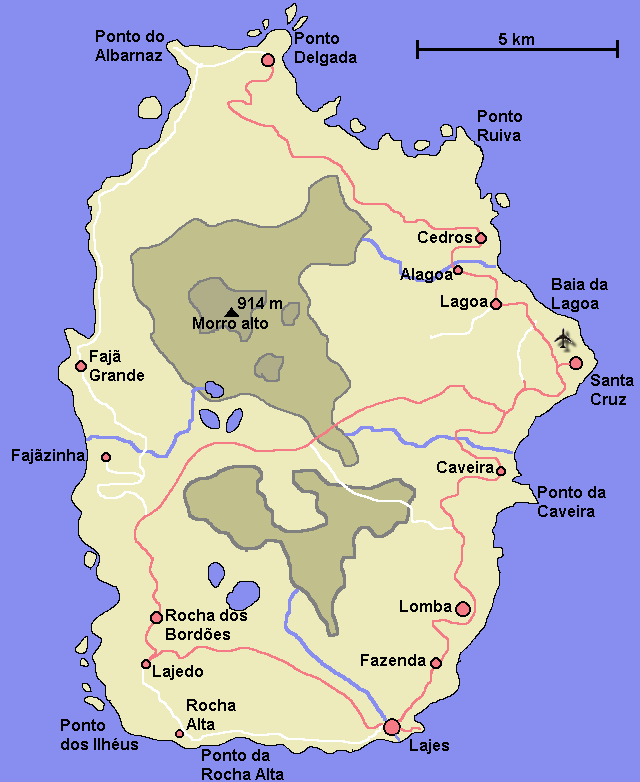
  • Crater Lakes: Set like polished mirrors in volcanic calderas, the seven lakes in the island’s central plateau—like Lagoa Funda, Lagoa Rasa, and Lagoa Negra—feel otherworldly. Each has its own mood, shifting with the light and wind.

  • Poço do Bacalhau & Ribeira do Ferreiro: These are not just waterfalls; they’re full-body experiences. Poço do Bacalhau falls from sheer cliffs into a swimmable basin. Ribeira do Ferreiro, often called Poço da Alagoinha, is framed by dozens of thin waterfalls pouring down green walls into a quiet lake.

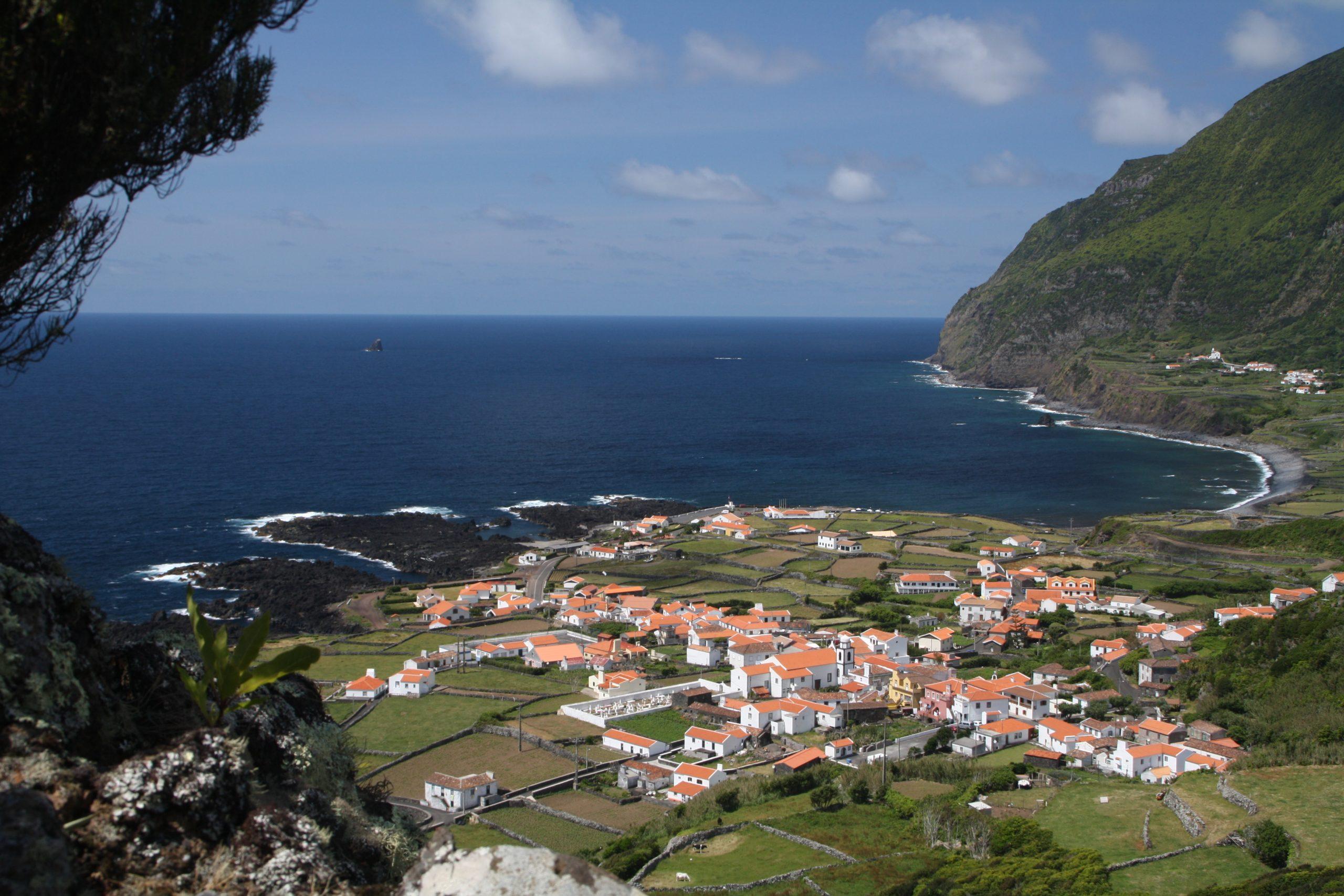
  • Fajã Grande: The westernmost village in Europe. Time slows here. The sunsets are unreal. It’s a perfect base for exploring the western trails or simply watching the ocean breathe.

  • Fajãzinha: Smaller, quieter, and deeply atmospheric. It feels suspended in a dream—stone houses, fog, the smell of wild mint after rain.

  • Ponta Delgada Lighthouse: Standing tall on the island’s northern cliffs, it’s a beacon to both ships and souls. From here, you’ll see where sky and sea stitch the edge of the world.

  • Hiking Trails: Try the PR3FLO trail from Miradouro das Lagoas to Fajã Grande. You’ll pass lakes, forest, pastures, and waterfalls. It’s not just scenic—it’s transformative.

  • Visit Corvo: If time and weather allow, take a boat over to the nearby island of Corvo. It’s the smallest Azorean island and feels like visiting another planet, even more untouched and remote.

Before making any vacation plans, please check the constantly changing local limitations and safety rules. It should be noted that not all sites and services are operating as usual, so check their respective websites for the most recent details.

AzoresWhen people talk about the Azores, they’re usually thinking of São Miguel. Lush, volcanic, full of lakes and mist—it’s earned its fame. But what if I told you that one of the most culturally rich, naturally dramatic, and surprisingly fun islands in the Azores is actually Terceira?

Tucked in the middle of the Atlantic and often skipped in favour of its flashier sister, Terceira rewards the curious traveler with deep history, untamed landscapes, serious food, and a kind of local pride that makes every experience feel authentic. It’s not just pretty. It’s alive.

Here’s everything you need to know before you go.

Getting to Terceira—and Getting Around

Why Terceira Might Be the Most Underrated Island in the Azores

When people talk about the Azores, they’re usually thinking of São Miguel. Lush, volcanic, full of lakes and mist—it’s earned its fame. But what if I told you that one of the most culturally rich, naturally dramatic, and surprisingly fun islands in the Azores is actually Terceira?

Tucked in the middle of the Atlantic and often skipped in favour of its flashier sister, Terceira rewards the curious traveler with deep history, untamed landscapes, serious food, and a kind of local pride that makes every experience feel authentic. It’s not just pretty. It’s alive.

Here’s everything you need to know before you go.

Getting to Terceira—and Getting Around

For a long time, reaching Terceira required patience—usually a layover, sometimes a ferry, and often a detour through São Miguel. But these days, Lisbon is the key gateway. There are multiple daily flights from Portugal’s capital to Terceira, with a flight time of under 2.5 hours. It’s straightforward, affordable, and gives you the chance to pair your island adventure with a few days exploring Lisbon’s hills and hidden alleys. From Terceira, it’s also easy to hop over to neighbouring islands like Pico, Faial, or São Jorge, thanks to regular domestic flights. If you’re planning to island-hop, this is one of the best launch points in the Azores.

Once you land, rent a car. The island’s only 153 square miles, but buses are irregular and taxis are inconsistent. Driving lets you access remote swimming holes, hiking trails, and hidden villages on your terms.

Angra do Heroísmo: A UNESCO City That’s Full of Surprises
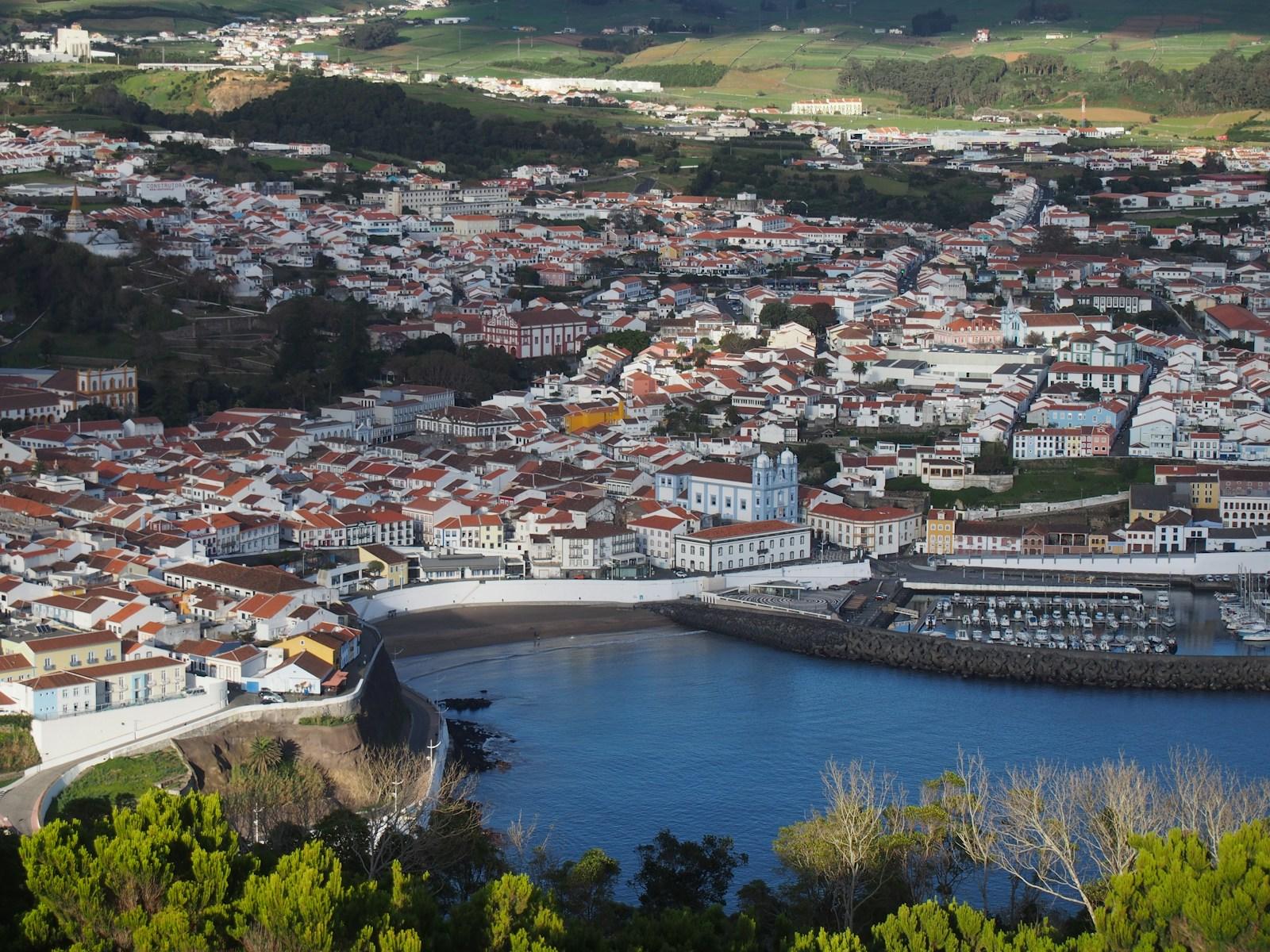
This isn’t just another pretty European town. Angra do Heroísmo is a UNESCO World Heritage Site—the first in Portugal, no less. It was once the de facto capital of the Portuguese empire, a key stopover during the Age of Discovery. Today, it’s a charming, walkable city layered with Baroque churches, tiled facades, and old military forts.

Must-sees:

  • Monte Brasil – An extinct volcano that hugs the city. Hike, drive, or just go up for the panoramic view.
  • Fortaleza de São João Baptista – A massive 16th-century fortress that once housed Spanish soldiers. You can walk the walls and feel the weight of history.
  • Underwater Archaeological Park – Dive or snorkel in the Bay of Angra to see the wreck of the Lidador, an English steamer that sank in 1878.

Nature, Hiking & Swimming Spots That’ll Blow You Away


Volcanic Adventures

  • Algar do Carvão (temporarily closed until 2026): When it reopens, don’t miss it. It’s a surreal hike down into the lava tube of an ancient volcano, complete with a turquoise lake and moss-covered rock walls.
  • Furnas do Enxofre – A walk among steaming fumaroles and sulphur vents. Short and eerie.

Coastal Swimming

  • Biscoitos – Black lava rock pools framed by vineyards and cliffs. One of the most popular spots to swim, with good facilities.
  • Serretinha – More rugged, more local, and great for strong swimmers. This is open Atlantic swimming at its best.

Hiking Highlights

  • Rocha do Chambre Trail – Through the forested interior of the island, this trail cuts through groves of Japanese cedar and volcanic craters. Quiet, wild, and peaceful.
  • Monte Brasil Trails – Shorter hikes with city views, especially great for sunrises.

The Festival Scene: Loud, Proud, and Local

Terceira isn’t shy about celebrating. The island has a year-round calendar of events, but if you want to catch the big one, aim for late June during Sanjoaninas. It’s a week-plus of parades, bull runs, music, food, and people dancing in the streets.

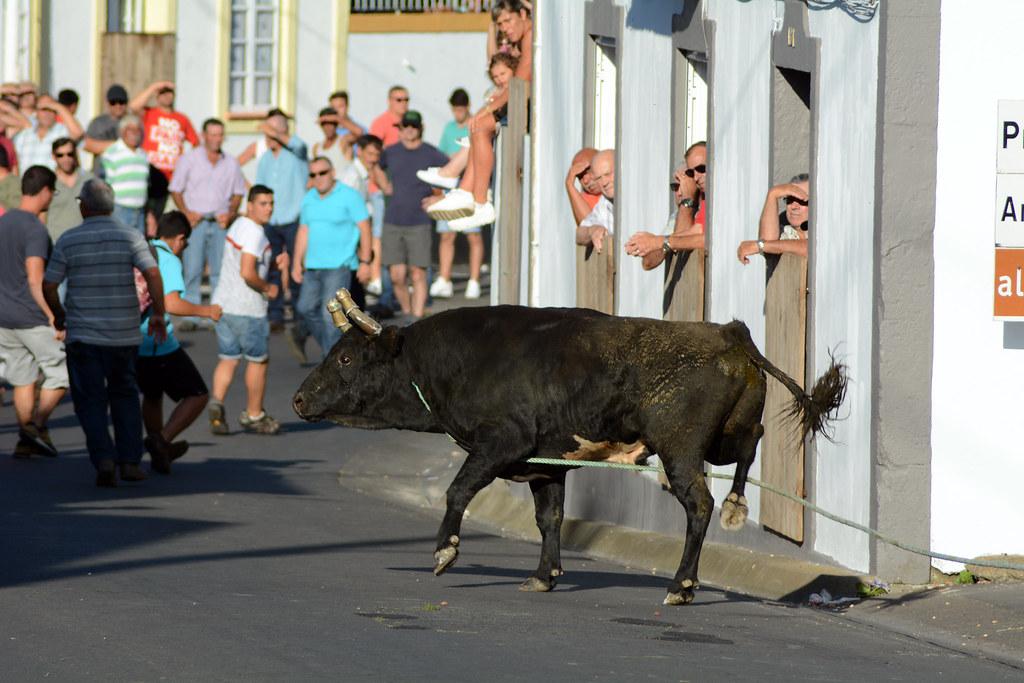
Speaking of bull runs—yes, they do those here, too. It’s called Tourada à Corda, and it’s not for the faint of heart. The bull is tied to a long rope and led through town as locals (some brave, some foolish) run alongside. Controversial? Sure. But deeply woven into the island’s culture.

Flavours of Terceira: Stews, Shellfish, and Sweet Things

Let’s talk food. If you thought island cuisine meant only seafood, think again. Terceira is a meat lover’s paradise, and the king of local dishes is Alcatra.

Where to eat it:

  • Quinta do Martelo – More than a restaurant, it’s an agrotourism spot where you can see how alcatra is made: slow-cooked in a clay pot for hours with red wine, garlic, cinnamon, and cloves. Rich and fall-apart tender.
  • Caneta in Biscoitos – A casual, meat-heavy restaurant where alcatra comes with steaks, sausages, and sides galore.

For lighter bites:

  • Tasca das Tias (Angra) – Small plates, garlic prawns, grilled tuna, local cheeses. Classic and cosy.
  • Queijada da Dona Amélia from O Forno Bakery – A sweet cornmeal cake spiced with cinnamon and molasses. Iconic.

If you’re into wine and liqueurs:

  • Materramenta Vineyard – These guys are doing things differently. Vines are protected under lava rock structures to survive the salty winds. Their Verdelho is clean and crisp, and the tasting room in Biscoitos is worth a visit.
  • O Nosso Café São Bento – A family-run farm growing coffee and making artisanal liqueurs from things like cascara (coffee cherry skins). It’s a genuine taste of rural Terceira.

Where to Stay: Modern Comfort in Historic Settings

Boutique Hotel Teatro

Right in Angra, this small 18-room hotel fuses historical charm with modern convenience. Think regency style meets double-glazed windows and a pool tucked into the garden. Quiet, stylish, and right where you want to be.

Torel Terra Brava (Opening Soon)

From the team behind Torel Palace Lisbon, this upscale hotel blends volcanic design cues with luxury amenities—indoor and outdoor pools, spa, and a restaurant designed in collaboration with a Michelin-starred chef.

Bonus Tips:

  • Island-hop – Use Terceira as your base. Pico, Faial, and São Jorge are quick 30-minute flights away.
  • Cheese lovers, rejoice – Ask a guide to take you for a Queijo Vaquinha tasting, where you’ll get four styles of Terceira’s most famous cheese—for free.
  • Come hungry – The Azores serve up hearty, old-world food in generous portions. You’ll never leave a table hungry.

Final Word

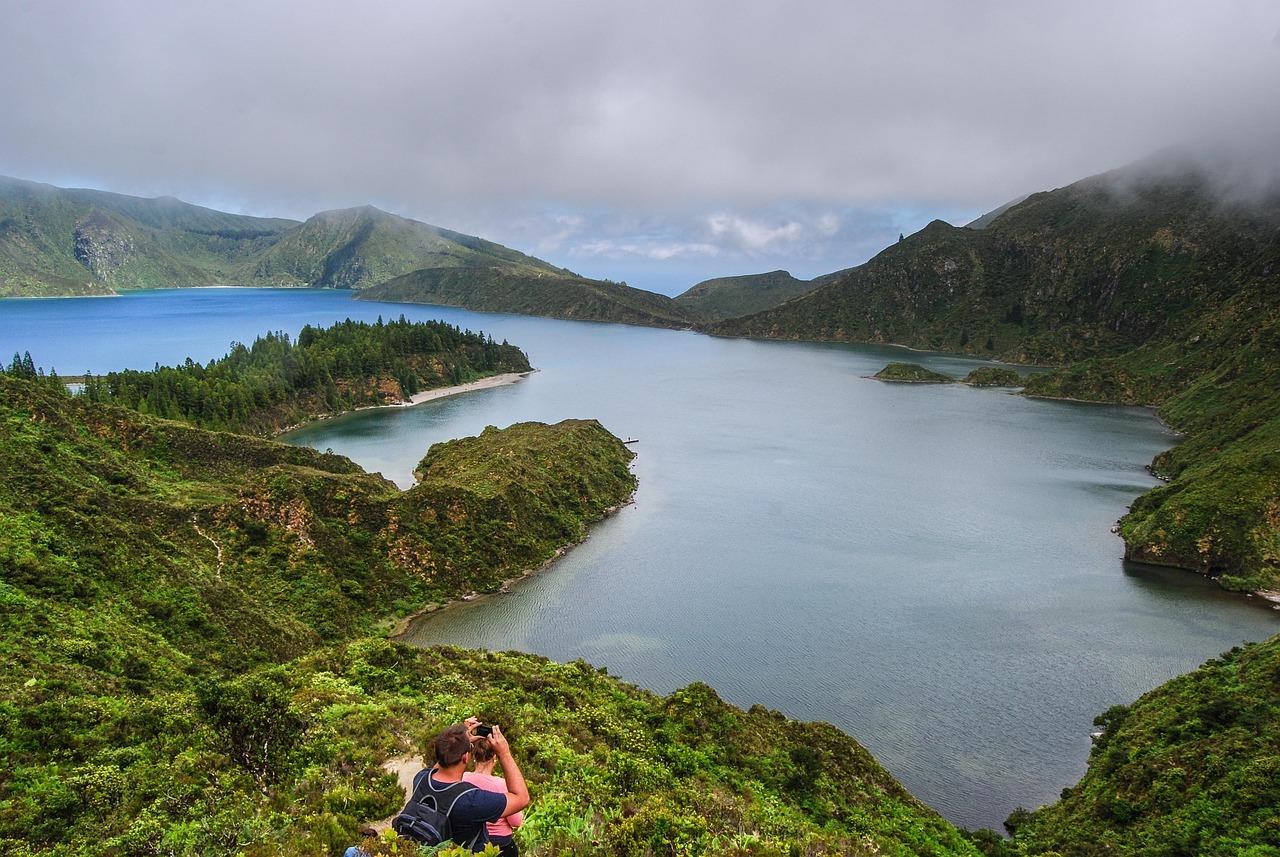
Terceira isn’t a backup plan. It’s a destination in its own right—a place where Portuguese history, volcanic drama, and island hospitality come together in one beautifully balanced package.azores, lagoon, landscape, cloudy, scenery, azores, azores, azores, azores, azores

Before making any vacation plans, please check the constantly changing local limitations and safety rules. It should be noted that not all sites and services are operating as usual, so check their respective websites for the most recent details.

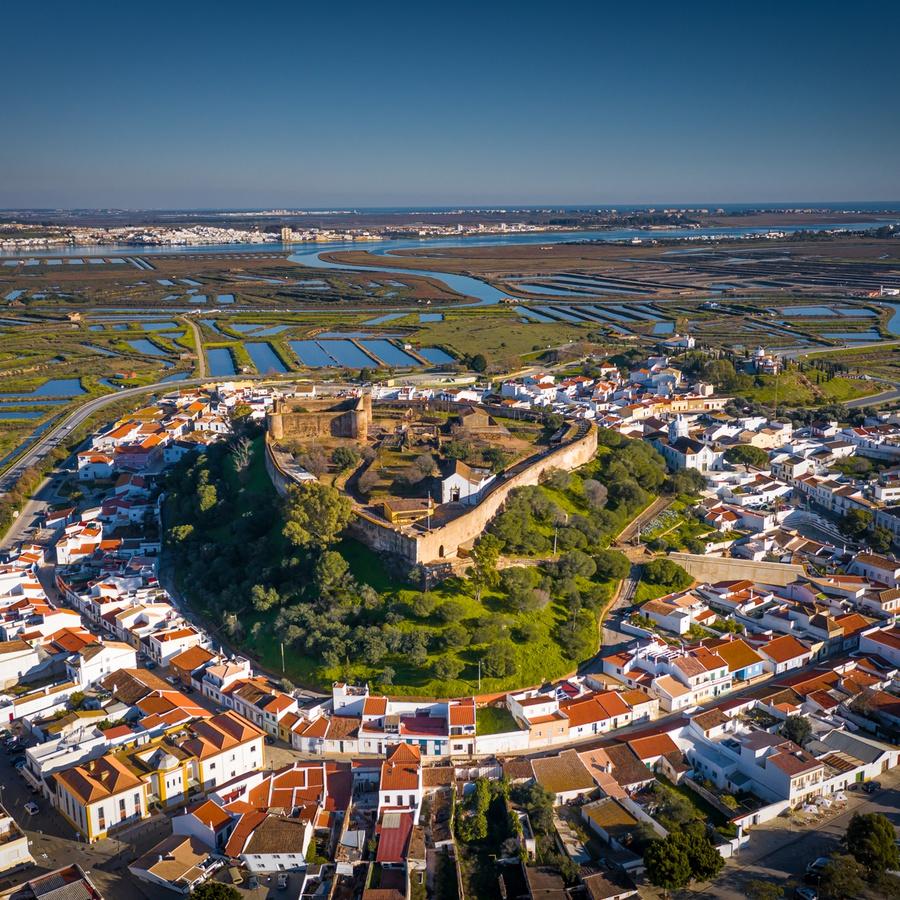
Tucked into Portugal’s southeastern edge, where the Guadiana River gently marks the border with Spain, Castro Marim is a place most tourists drive past—but shouldn’t. With its hilltop castle, ancient salt pans, and slow, sunlit rhythm, this little town holds centuries of history and a whole lot of soul. If you’re after a low-key holiday packed with nature, history, and some of the Algarve’s quietest beaches, Castro Marim is worth the detour.

A Glimpse Into the Past: Templars, Castles, and Salt

Castro Marim is one of the Algarve’s oldest settlements. The area was inhabited since prehistoric times, but it gained strategic importance during the Roman and Moorish periods due to its location overlooking the Guadiana River. In the 13th century, following the Christian reconquest, the Castle of Castro Marim became the headquarters of the Order of Christ, the successor to the Knights Templar in Portugal.

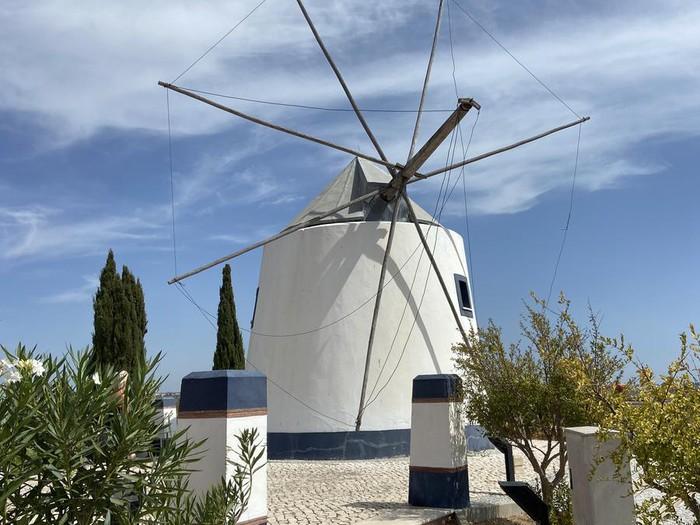
But the real economic backbone of the town was (and still is) salt production. The traditional salt pans—some still harvested by hand—shimmer under the sun and have shaped the landscape for centuries.

How to Get There: Planes, Trains, and Local Tips

By Plane:
Fly into Faro Airport (FAO), which is about 60 km away. From the airport, you can rent a car or take public transport.

By Car:
Castro Marim is easily reached via the A22 motorway (exit Castro Marim/Vila Real de Santo António). Driving gives you maximum flexibility, especially for day trips.

By Train:
There’s a Castro Marim train station, but it’s a request stop and quite basic. A better option is taking the train to Vila Real de Santo António, then a 10-minute taxi or bus ride to Castro Marim.

By Bus:
Buses run from Faro and Tavira, but service can be infrequent. If you don’t have a car, base yourself in Vila Real de Santo António and use it as a local transport hub.

Tip: If you’re travelling without a car, plan around the train/bus schedule and consider renting bikes locally to explore the salt pans and nearby beaches.

Top Things To Do and See

1. Castro Marim Castle
Wander the medieval ramparts, climb the towers, and take in views over the salt marshes, river, and even into Spain. Inside, you’ll find small exhibitions on medieval life.

2. Forte de São Sebastião
This 17th-century fortress stands on a nearby hill. Less crowded, but equally scenic. Great photo spot at sunset.

3. Casa do Sal (Salt Museum)
Learn how salt is harvested, processed, and used in local life and cuisine. Some tours include salt tasting and demonstrations.

4. Salt Pan Trails & Spa Experiences
Walk or cycle through the salt pans (early morning or late afternoon for best light). If you’re after something indulgent, try the saline mud spa experience—you float like in the Dead Sea and finish off with a mineral-rich salt scrub.

5. Beaches
A short drive away lies Praia Verde, a calm, clean beach perfect for families. Nearby Praia de Alagoa (Altura) is also excellent.

6. Nature Walks & Birdwatching
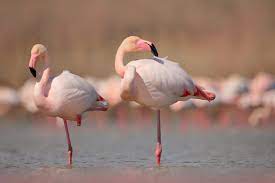
The Castro Marim and Vila Real de Santo António Marsh Natural Reserve is a sanctuary for flamingos, storks, and other migratory birds. Bring binoculars and sunscreen.

Family-Friendly Travel: What Works for Kids

  • Castro Marim Castle is stroller-friendly on the lower levels, but steeper areas need supervision.

  • Casa do Sal is interactive and short enough to hold kids’ attention.

  • Beaches nearby like Praia Verde have calm waters and family-friendly cafés.

  • The mud and salt spa can be fun for older kids (check age restrictions in advance).

  • Birdwatching trails are great for nature-loving families—just pack hats, water, and snacks.

Festivals and Events to Catch

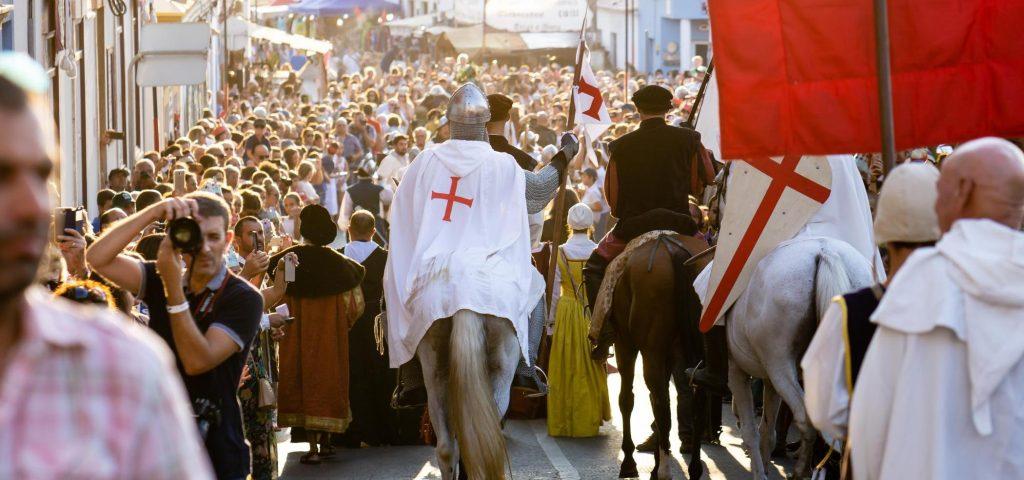
Medieval Fair (Feira Medieval de Castro Marim)Late August
The town transforms into a medieval village with jousting, fire shows, artisan stalls, and music. Locals dress up, and kids love it. Book accommodation early—this is Castro Marim’s busiest week.

Semana Santa (Holy Week)March/April
A quieter but deeply traditional experience with processions and candlelit ceremonies.

Where to Eat & What to Try

  • Sem Espinhas Praia Verde – Upscale beachfront dining with fresh grilled fish and sea views.

  • O Infante – Traditional Portuguese food with excellent local octopus and clams.

  • A Tasca do Poeta – Cosy tavern with regional wines, tapas, and homemade desserts.

Don’t leave without trying:

  • Flor de sal (delicate hand-harvested salt)

  • Cataplana de marisco (seafood stew)

  • Chouriço assado (flamed sausage)

  • Local carob cake for dessert

Easy Day Trips From Castro Marim

  • Ayamonte, Spain – Just across the bridge, this Andalusian town has great tapas, river walks, and a relaxed vibe.

  • Tavira – A postcard-perfect Algarve town with a castle, Roman bridge, and ferry to Tavira Island beach.

  • Sapal Nature Reserve – For walking or guided birdwatching tours; bring a hat and water bottle.

Best Times to Visit

  • Spring (March to May): Green landscapes, flowers, fewer tourists.

  • Summer (June to August): Hot, sunny, and perfect for beach days—but the medieval fair attracts crowds.

  • Autumn (September to October): Warm sea, great light for photography, and harvest events.

  • Winter (November to February): Quiet and mild, though some attractions have reduced hours.

Insider Tips from Locals

  • Parking near the castle is limited—arrive early or park near the salt pans and walk.

  • Footwear: Bring sturdy walking shoes or sandals—cobblestones and salt trails can be tricky.

  • Tickets: Most sites are very affordable; bring some cash just in case.

  • Transport: Local taxis are available, but it’s wise to arrange return trips in advance, especially after dark.

  • Shops & cafés may close mid-afternoon; plan accordingly.


Plan Your Visit: Castro Marim Checklist

Fly to Faro Airport
Rent a car (or base yourself in Vila Real de Santo António)
Visit the castle, fortress, and Casa do Sal
Float in the salt spa or walk the trails
Book ahead for the Medieval Fair in August
Try seafood, carob cake, and local salt
Pack walking shoes, sunscreen, and a hat
Add Ayamonte or Tavira for easy day trips


Castro Marim won’t shout for your attention. But if you listen closely—to the crunch of salt underfoot, to the hush of flamingo wings, to the echoes in the castle walls—it will leave a lasting impression. Quiet, sunlit, and layered with stories, it’s the kind of place you end up wanting to keep secret… but can’t help telling everyone about.

Before making any vacation plans, please check the constantly changing local limitations and safety rules. It should be noted that not all sites and services are operating as usual, so check their respective websites for the most recent details.

A classic French-inspired dish turned elegant appetiser, these croquettes combine a creamy potato base with molten Gruyère and a crisp, golden shell—perfectly balanced for refined service or upscale catering.
Ingredients List

Filling

  • 800 g (1 lb 12 oz) floury potatoes (e.g., Maris Piper or Yukon Gold), peeled
  • 60 g (4 tbsp) unsalted butter
  • 80 ml (⅓ cup) double cream (heavy cream)
  • 2 large egg yolks
  • 100 g (3.5 oz) Gruyère cheese, cut into 1 cm cubes
  • Fine sea salt, to taste
  • Freshly ground white pepper, to taste
  • A pinch of freshly grated nutmeg

Coating

  • 100 g (¾ cup) plain flour (all-purpose flour)
  • 2 large eggs, beaten
  • 150 g (1½ cups) panko breadcrumbs

Frying

  • Neutral oil (grapeseed or sunflower), for deep frying

Step-by-Step Instructions

  1. Prepare the potatoes
    Boil peeled potatoes in salted water until knife-tender. Drain thoroughly, then return to pot over low heat to evaporate residual moisture.
  2. Mash and enrich
    Pass the dry potatoes through a ricer while still hot. Add butter and cream. Fold gently. Incorporate egg yolks, then season with salt, white pepper, and a touch of nutmeg. Cool completely.
  3. Shape and core
    Portion into 40 g (1.4 oz) balls. Flatten slightly in palm, insert a cube of Gruyère, and encase evenly. Shape into cylinders or spheres—uniformity is key for frying.
  4. Crumb coating
    Dredge each croquette in flour, then dip in beaten egg, and finish in panko. Press gently to adhere, ensuring no exposed surface. Chill for 30 minutes to firm.
  5. Fry to perfection
    Heat oil to 175°C (350°F). Fry in small batches until croquettes are deep golden, about 2–3 minutes per side. Drain on a wire rack, not paper, to retain crispness.
  6.  
  7. Final touch
    Lightly season with fine sea salt while hot. Serve immediately, or hold at 80°C (175°F) for up to 20 minutes in a warming drawer.

Serving Suggestions
Serve on a warm slate with a swipe of truffle aioli or chive crème fraîche. Garnish with microgreens or a parmesan tuile for height. Ideal as a canapé with a small fork or in sets of three for starters.


Pairing Ideas

  • Wine: White Burgundy or a dry Chenin Blanc balances the richness.
  • Non-alcoholic: Chilled verjus spritzer or kombucha with floral notes.
  • Complementary dishes: Bitter greens with lemon vinaigrette, cured ham, or chilled gazpacho shots for contrast.

Nutritional Information (Per croquette)

  • Calories: 120 kcal
  • Protein: 3.8 g
  • Carbohydrates: 13.2 g
  • Sugars: 0.8 g
  • Fats: 6.1 g
  • Saturated fat: 2.8 g
  • Fibre: 0.9 g
  • Sodium: 180 mg

Pro Tips / Variations

  • Make-Ahead: Shape and bread croquettes up to 24 hours in advance. Freeze raw and fry from frozen at 160°C (320°F) for 4–5 mins.
  • Twists: Add caramelised onions or chopped truffle to the mash for umami depth. Swap Gruyère with Comté, aged cheddar, or blue cheese for bolder profiles.
  • Plating hack: Use a ring mould to dot aioli beneath each croquette—clean, controlled presentation.

Ovar, Portugal: A Hidden Gem Between Tiles and Tides

Nestled between the restless Atlantic and the tranquil embrace of the Ria de Aveiro, Ovar is a coastal town that doesn’t demand attention—it quietly earns your affection. Located just 40 minutes south of Porto, this charming enclave in Portugal’s Aveiro District is rich in colour, rhythm, and soul. Known for its azulejo-covered facades, timeless traditions, and windswept beaches, Ovar invites you to slow down and let the details speak.

A Living Tile Museum

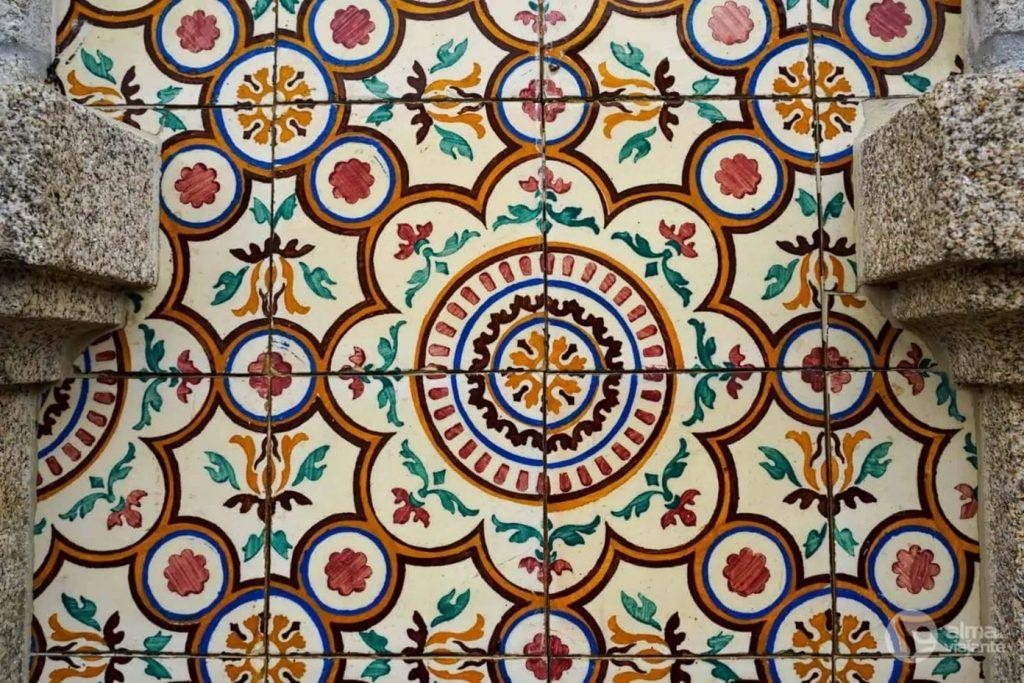
Ovar isn’t just known for its azulejos—it lives and breathes them. The town is an open-air gallery, a mosaic of stories told in colour and glaze. Known as the “Cidade Museu Vivo do Azulejo” (Living Tile Museum), Ovar’s relationship with tilework is both historical and deeply personal.

Azulejos are not merely decorative here—they are storytellers. They preserve the faith, history, and identity of the people who have called this town home for generations. As you walk through Ovar, the tiles reveal themselves in layers, each one a fragment of collective memory.

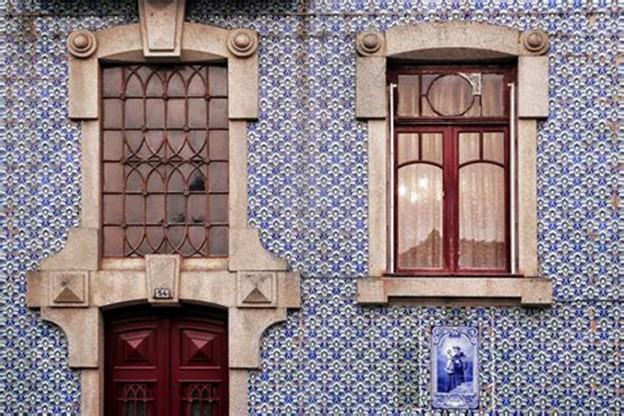
    • Rua Cândido dos Reis, known affectionately as Rua do Azulejo, is the heart of this living museum. Every building facade wears a different pattern, a different mood. From geometric Art Deco swirls to classical blue-and-white pastoral scenes, each tile tells a story of who once lived behind the doors they frame.


  • Igreja Matriz de São Cristóvão anchors the town centre, its exterior wrapped in sacred tilework. The church’s blue-and-white azulejos echo the serenity of the sea nearby. Inside, the baroque woodwork meets ceramic precision in a marriage of art and devotion.
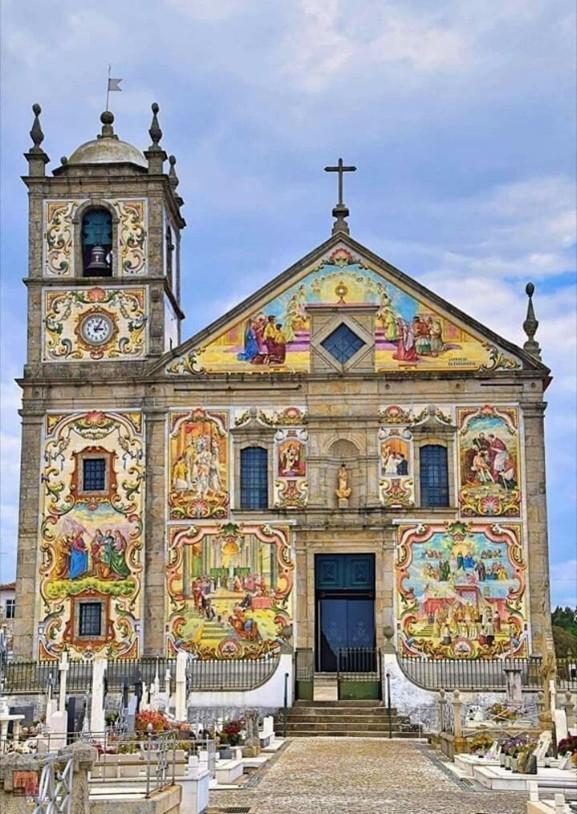
  • Igreja de Santa Maria de Válega is Ovar’s crown jewel—a church so vibrant it looks as though the heavens spilled colour across its walls. The façade is covered in radiant scenes from scripture, bursting with yellows, greens, and cobalt blues. It glows like stained glass under the sun, especially at golden hour, when every angle feels like a spiritual revelation.

Beyond the buildings, even public benches, street signs, and fountains are adorned with azulejos. This isn’t preservation—it’s participation. Locals take pride in their tilework, often restoring facades by hand, keeping traditions alive.

To walk through Ovar is to walk through a gallery without walls. It’s a reminder that beauty belongs in everyday life, and that history can be both delicate and durable when fired in ceramic and laid in love.

Beaches Worth the Sand

Ovar’s coastline isn’t just a place—it’s a mood. The Atlantic breathes in waves and sighs of salt air, touching every corner of its golden shores. Whether you’re chasing surf or serenity, the beaches here meet you in the moment you most need.

  • Praia do Furadouro pulses with energy and tradition. It’s where locals meet the sea—surfboards under arms, kids playing in the shallows, cafés offering strong coffee and the day’s freshest catch. The wide promenade is perfect for people-watching, sunset strolling, or simply listening to the ocean’s hush.
  • Praia de São Pedro de Maceda is for those who crave quiet. The drive through Maceda Forest is its own prelude—a corridor of pines swaying like sentinels. When you reach the sand, it feels untouched, raw. Here, the wind speaks in softer tones and time stretches like the horizon.
  • Praia do Torrão do Lameiro is Ovar’s best-kept secret. There are no big signs, no noisy beach bars—just the sound of your own footsteps and the rhythmic pulse of the tide. It’s a haven for photographers, writers, wanderers, and anyone who seeks solitude by the sea.

Each beach offers something unique, yet all are threaded together by the same natural elegance. Ovar’s coast is not crowded or polished—it’s real, alive, and waiting.

Nature Spots to Breathe

Ovar’s natural surroundings invite you to unplug and reconnect with something more elemental. The interplay between forest, lagoon, and sea is not just a setting—it’s an experience.

  • Parque do Buçaquinho is a forest sanctuary just outside the town. Wooden walkways wind past mirror-like lakes and shaded groves where bird calls replace the usual noise of life. It’s a place for families, wanderers, and anyone who needs to breathe deeply and feel small beneath the trees.
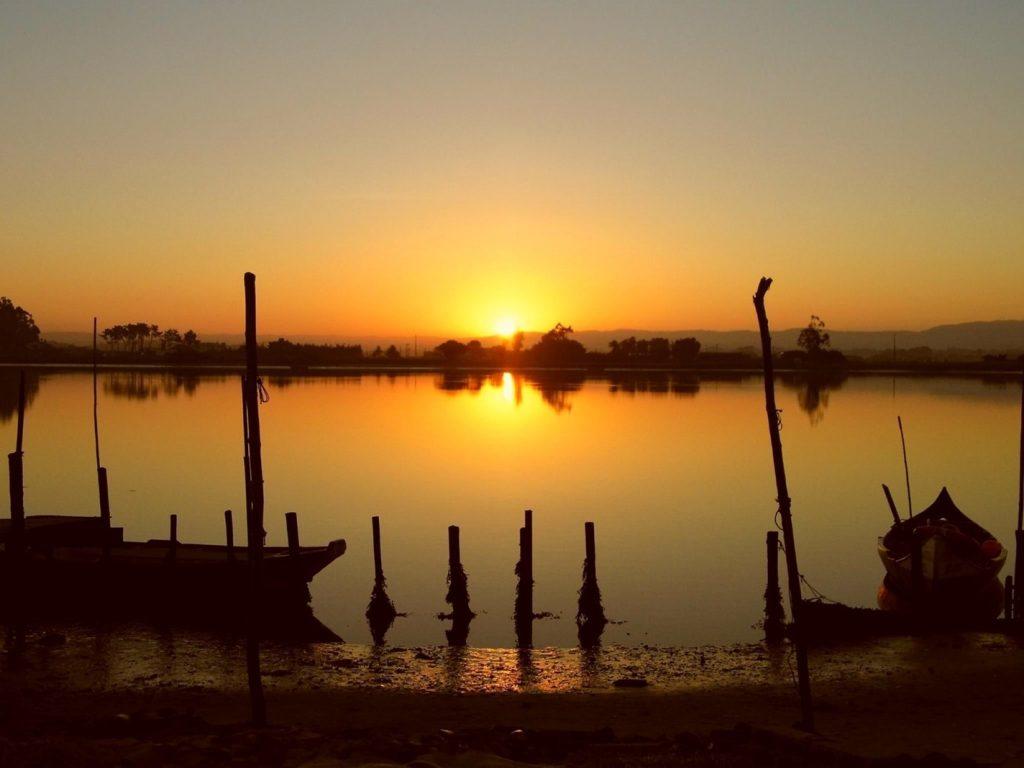
  • Ria de Aveiro, the great lagoon that borders Ovar, is one of Portugal’s most serene landscapes. A glide across it—by kayak or traditional moliceiro boat—lets you trace the quiet line where water meets sky. Salt flats shimmer in the sun. Birds drift overhead. Time slows.
  • Maceda Forest (Pinhal de Ovar) is a corridor of pine-scented silence, where sandy trails snake toward the sea. It’s not a place to pass through—it’s a place to linger. Whether you hike, cycle, or simply wander, Maceda connects you to the raw rhythms of the coast.

Nature here isn’t manicured. It’s honest, restorative, and always within reach.

Culture & History

Ovar’s soul is stitched together not only by its tiles and coastlines, but also by its living heritage—visible in chapels, museums, and medieval echoes that linger in nearby landscapes.

  • Capelas dos Passos are a constellation of devotion scattered throughout the town. Built in the 18th century, these chapels form a spiritual trail representing the Stations of the Cross. Each is adorned with expressive tile panels and sacred art, whispering quiet faith through centuries of stone and glaze.
  • Museu de Ovar feels less like a formal institution and more like a beloved community archive. Within its walls, you’ll find carefully curated artefacts—from religious iconography and tilework to ethnographic treasures that tell the town’s story through texture and craft. It’s a space that honours memory, not just history.
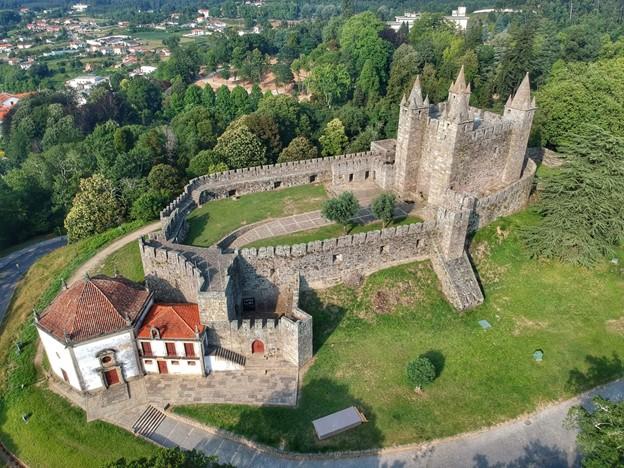
  • Castelo de Santa Maria da Feira, just a short drive away, is a fortress with theatre. With turrets rising above green hills and its roots planted in the 11th century, it’s a place where medieval Portugal comes alive. Festivals, reenactments, and family-friendly events bring the stone walls to life in ways both educational and enchanting.

In Ovar, history doesn’t sit behind glass—it lingers in footsteps, façades, and local hearts.

Traditions & Events

Ovar is a town that celebrates life with heart, rhythm, and reverence. Its calendar is marked not just by dates but by collective memory, where age-old traditions meet vibrant community spirit.

  • Carnival of Ovar (February) is the most iconic celebration, transforming the streets into a swirling sea of colour and creativity. It’s not just about the feathers and samba—it’s the months of preparation, the artistry of costumes, and the heartbeat of a town proud of its identity. Local neighbourhoods (bairros) compete with elaborate floats and synchronised dance, making this one of Portugal’s most authentic carnivals.
  • Holy Week (Semana Santa) is a quiet counterpoint, where solemn processions weave through the town’s chapels. Candles flicker against the stone, chants fill the silence, and the ancient rituals unfold with moving beauty. The Capelas dos Passos become sacred waypoints in a journey of reflection and devotion.
  • Festa do Pão-de-Ló centres on the town’s beloved sponge cake but delivers more than flavour—it’s a celebration of craftsmanship, heritage, and sweet generosity. Bakers offer tastings, locals gather in celebration, and the air fills with the scent of sugar and pride.

In Ovar, traditions aren’t preserved in museums—they’re lived, danced, shared, and passed along like heirlooms in motion.

What to Eat

Food in Ovar is more than nourishment—it’s a way of remembering. Rooted in tradition and shaped by its proximity to both sea and lagoon, every dish tells a story of time, place, and hands that know the land.

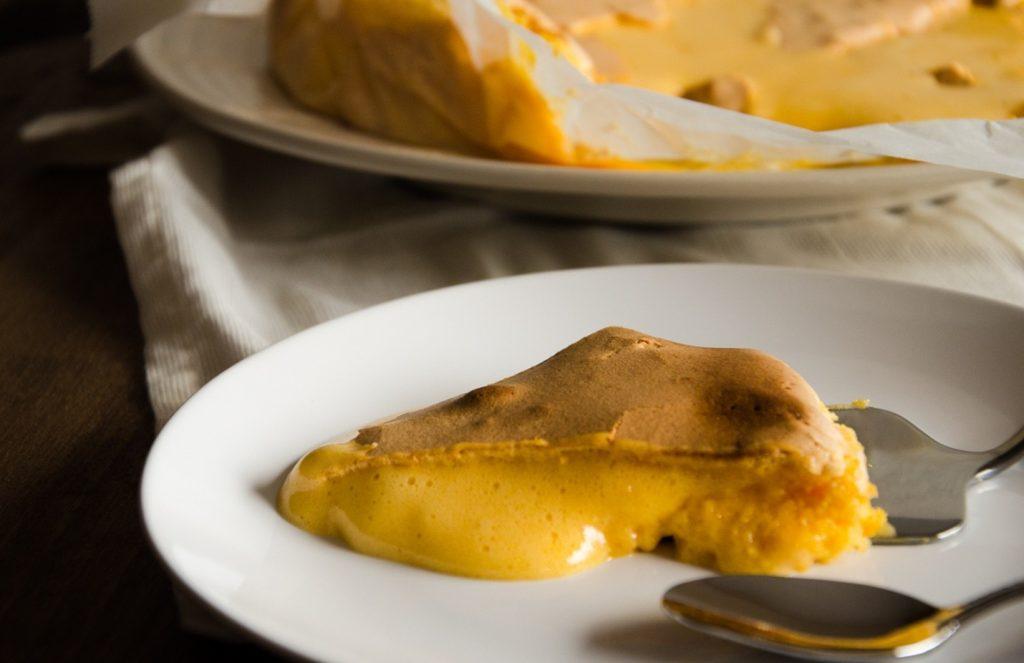
  • Pão-de-Ló de Ovar isn’t just a dessert—it’s a legacy. This iconic sponge cake, with its moist golden centre and delicate crust, is made with an almost sacred simplicity: eggs, sugar, and flour, baked to perfection in a clay mold. Served slightly warm, its soft centre is reminiscent of custard and comfort.
  • Caldeirada de Enguias brings the essence of the Ria de Aveiro to your plate. This eel stew, cooked slowly with onions, tomatoes, peppers, and herbs, is bold, briny, and unforgettable. It’s a rustic meal that speaks of fishermen, marshes, and ancestral recipes.
  • Arroz de Marisco is where the ocean meets indulgence. Rich with prawns, clams, mussels, and sometimes lobster, it’s slow-cooked in a saffron-tinted broth until the rice becomes an embrace of the sea.
  • Local Wines & Craft Beers are the perfect pairing. Try sparkling whites from nearby Bairrada or a chilled Vinho Verde for a crisp contrast to the coastal cuisine. Local microbreweries are also gaining ground, offering pale ales and lagers with a Portuguese twist.

In Ovar, meals are not rushed. They’re savoured—shared between friends, passed down through generations, and remembered long after the last bite.

Getting Around

  • Train: Regular lines to Porto, Aveiro, Espinho.
  • Bus: Local connections to beaches and villages.
  • Car/Scooter: Ideal for hidden coves, forest drives, and countryside detours.

Where to Stay

Ovar offers a range of accommodations to suit every style and budget. From charming guesthouses and family-run B&Bs to modern hotels and Airbnb’s, there are many comfortable places to rest after a day exploring tiles, forests, and coastline.

Best Times to Visit

  • Spring (Apr–Jun): Flowers bloom, and the town exhales.
  • Autumn (Sep–Oct): The coast glows golden and quiet.
  • Carnival Season (Feb): Ovar shines its brightest.

✔️ Must-Do Checklist

  • Gaze at Válega’s tiles at golden hour
  • Taste Pão-de-Ló warm from a bakery
  • Ride through Maceda’s forest paths
  • Drift across the Ria at dawn
  • Dance or marvel during Carnival

Where is Ovar?

Set along Portugal’s Silver Coast, Ovar is more than a map pin—it’s a soft rhythm in the country’s cultural pulse. Easy to reach by train from Porto or Aveiro, it offers a perfect escape from the bustle of bigger cities. Espinho and Santa Maria da Feira are nearby, but Ovar feels worlds apart in its serenity. While trains and buses cover the essentials, renting a car or scooter opens the door to wilder beaches and forest paths that whisper adventure.

Final Word

Ovar isn’t loud. It doesn’t climb your list of “must-sees.” But once you’ve walked its tiled lanes, watched waves roll in beside pine trees, or eaten cake that tastes like memory—you’ll understand. Ovar is where Portugal slows down and speaks softly. You just have to be still enough to listen.

Before making any vacation plans, please check the constantly changing local limitations and safety rules. It should be noted that not all sites and services are operating as usual, so check their respective websites for the most recent details.

boats docked near seaside promenade]

A Pro’s Blueprint for Mastering the Iberian Gem

Portugal isn’t just a destination—it’s a slow-burn love affair with sun-bleached cliffs, soulful Fado, and a glass of port that lingers on the tongue. Planning the perfect trip here means balancing logistics with serendipity, and as of March 27, 2025, the spring bloom is calling. Whether you’re chasing the pastel palaces of Sintra or the volcanic wilds of the Azores, this detailed guide arms you with pro-level intel to craft an unforgettable journey. Let’s break it down, step by meticulous step.

Step 1: Nail Your Timing

Portugal’s seasons dictate its mood, and precision pays off. Spring (March 15-May 31)—where we are now—delivers 60-70°F days, wildflowers carpeting the Alentejo, and thin crowds. It’s prime for hiking the 217-mile Rota Vicentina along the southwest coast or catching Semana Santa in Braga (April 13-20, 2025), with its candlelit processions. Summer (June 1-August 31) spikes to 80-95°F, packing Algarve beaches like Praia da Falésia and igniting Porto’s São João bash (June 23-24) with fireworks and grilled sardines—book 6 months ahead for sanity. Autumn (September 1-November 15) cools to 65-75°F, spotlighting the Douro Valley’s harvest (peak: mid-September) and ruby-red vines. Winter (December 1-February 28) dips to 50-60°F, with rain in the north but bargains everywhere—think €50 Lisbon hotels and empty Évora streets.
Pro Move: Aim for shoulder weeks (e.g., May 1-15 or October 15-30) for 20-30% cheaper flights and half-empty hotspots. TAP Air Portugal’s U.S.-Lisbon round-trips hover at $600-$800 if booked by January 2025—please check the net for latest prices.

Step 2: Curate Your Itinerary

Portugal’s 92,000 square miles pack a punch, and its rail network makes 10 days a sweet spot—12-14 if islands beckon. Here’s a pro-tier lineup:

  • Lisbon (3 days): Stay in Alfama (Hotel Memmo, €120/night) for Fado haunts like Mesa de Frades (€40 dinner/show). Hit Belém Tower (€6), Jerónimos Monastery (€10), and LX Factory for indie vibes.
  • Sintra (1 day): Train from Lisbon (€2.25, 40 min). Pena Palace (€14) and Quinta da Regaleira (€10) are non-negotiable—arrive by 9 a.m. to dodge tour buses.
  • Porto (2 days): Book near Ribeira (Pestana Vintage, €130/night). Tour Cálem’s port cellars (€15 with tasting), climb Clérigos Tower (€6), and stroll Livraria Lello (€5, bookish heaven).
  • Douro Valley (1 day): Train to Pinhão (€12, 2.5 hrs from Porto). Sip at Quinta do Bomfim (€25 tasting) or cruise the river (€15/hr).
  • Algarve (3 days): Base in Lagos (Casa Mae, €100/night). Kayak Ponta da Piedade (€20), surf at Praia do Amado (€35 lesson), and bus to Silves (€5) for its Moorish castle (€2.80).
  • Azores (4 days, optional): Fly from Lisbon to Ponta Delgada (Azores Airlines, €80 round-trip). Hike Sete Cidades (€0), soak in Furnas hot springs (€3), and whale-watch (€60).
    Pro Hack: Skip overrated Cascais (crowded, pricey) unless you’re a golf nut. Use Google Maps’ “Explore” tab to pin lesser-knowns like Monsaraz or Sortelha. Hotel and activity costs can shift—please check the net for latest prices.

Step 3: Master Transportation

a yellow and white bus driving down a street next to tall buildingsPortugal’s infrastructure is your ally. Trains (cp.pt): Lisbon-Porto Alfa Pendular (€43, 2.5 hrs) or Intercidades (€25, 3 hrs)—book online 60 days out for 40% off. Porto-Pinhão (€11.80) stuns with river views. Buses: Rede Expressos connects Évora (€12 from Lisbon) or Coimbra (€15 from Porto)—clean, punctual, Wi-Fi-equipped. Car Rental: €25-40/day via AutoEurope (e.g., Lisbon Airport pickup); a Fiat Panda handles Serra da Estrela’s twists, but park outside old towns (e.g., Óbidos’ €1/hr lots). Cities: Lisbon’s Viva Viagem card (€0.50, reload €1.50/ride) covers metro, trams, and Elevador da Glória. Porto’s Andante card (€0.60, €1.20/zone) is similar. Bolt rides average €5-8.
Pro Tip: Preload Omio or Rome2Rio apps for schedules—trains beat buses on comfort, buses win on reach. Fares fluctuate—please check the net for latest prices.

Step 4: Feast Strategically

Food is Portugal’s love language—budget €25-€35/day, but eat smarter. Lisbon: Tasca da Esquina in Campo de Ourique does codfish cakes (€8) without tourist markups. Porto: Casa Portuguesa’s francesinha (€12) pairs with Super Bock beer (€2). Algarve: Grab cataplana (seafood stew, €15 for two) at O Pescador in Carvoeiro. Everywhere: Pastéis de nata (€1.20) at Manteigaria, caldo verde (€4) at hole-in-the-wall tascas. Drinks? Vinho Verde (€4/glass), Ginjinha (€1.50/shot in Óbidos), port (€5 at Sandeman). Markets like Mercado da Ribeira (Lisbon) offer €10 lunch combos.
Pro Move: Lunch is the big meal—restaurants like A Cevicheria (Lisbon) drop 20% midday. Book Fado dinners (e.g., Clube de Fado, €45) a week ahead. Prices can vary—please check the net for latest prices.

Step 5: Pack Like a Pro

Portugal’s microclimates demand versatility. Spring: Breathable layers, waterproof hikers, and a 30 SPF stick. Summer: Linen shirts, polarized sunglasses, flip-flops. All seasons: Type F adapter, 20L day pack, and a neck pillow for flights. Cash (€50 in €5-€10 bills) for rural vendors; cards rule cities.
Pro Essential: A pocket Moleskine—jot down café finds or that random tip from a Porto barista.

Step 6: Budget with Precision

Mid-range daily cost: €100-€140/person. Breakdown:

  • Lodging: €50-80 (e.g., Porto’s Moov Hotel, €65; Lagos’ Tivoli, €75). Hostels €18-25.
  • Food: €25-35 (breakfast €5, lunch €10, dinner €15).
  • Transport: €15-25 (trains €10-20, local €5).
  • Sights: €10-20 (museums €5-10, tours €15).
    Splurges: Douro cruise (€50), Azores flight (€80). Apps like Revolut dodge currency fees; ATMs charge €2-3.
    Pro Save: Combo tickets (e.g., Lisbon Card, €20/24hrs) cover transport and sights—buy at tourist offices. Costs shift seasonally—please check the net for latest prices.

Step 7: Leave Room for Magic

The pros know: Over planning kills the vibe. Build flex days—stumble into Nazaré’s 100-foot waves (surf season peaks now), join a spontaneous festa in Coimbra, or linger at Miradouro de Santa Luzia with a €2 espresso. Locals are your secret weapon—ask a Lisboeta for their favorite tasca and you might end up with caldo verde in a spot Google misses.

Parting Wisdom: Portugal’s pace is devagar—slow. Rush less, savour more. Your perfect trip isn’t a checklist; it’s a story. Write it well.

Ready to map your route? Portugal’s waiting—where’s your first pin dropping?

Before making any vacation plans, please check the constantly changing local limitations and safety rules. It should be noted that not all sites and services are operating as usual, so check their respective websites for the most recent details.

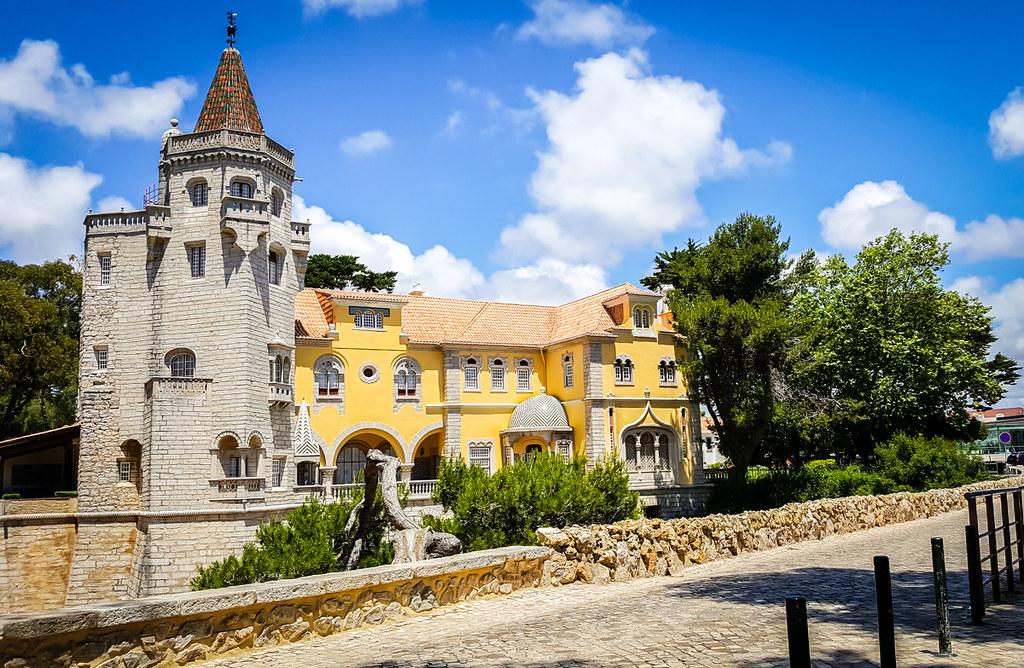
Rising above the bay of Cascais, the Palácio dos Condes de Castro Guimarães feels part castle, part dream. Built at the turn of the 20th century and filled with rare art, manuscripts, and ocean light, it offers an intimate glimpse into Portugal’s aristocratic past and enduring coastal beauty.


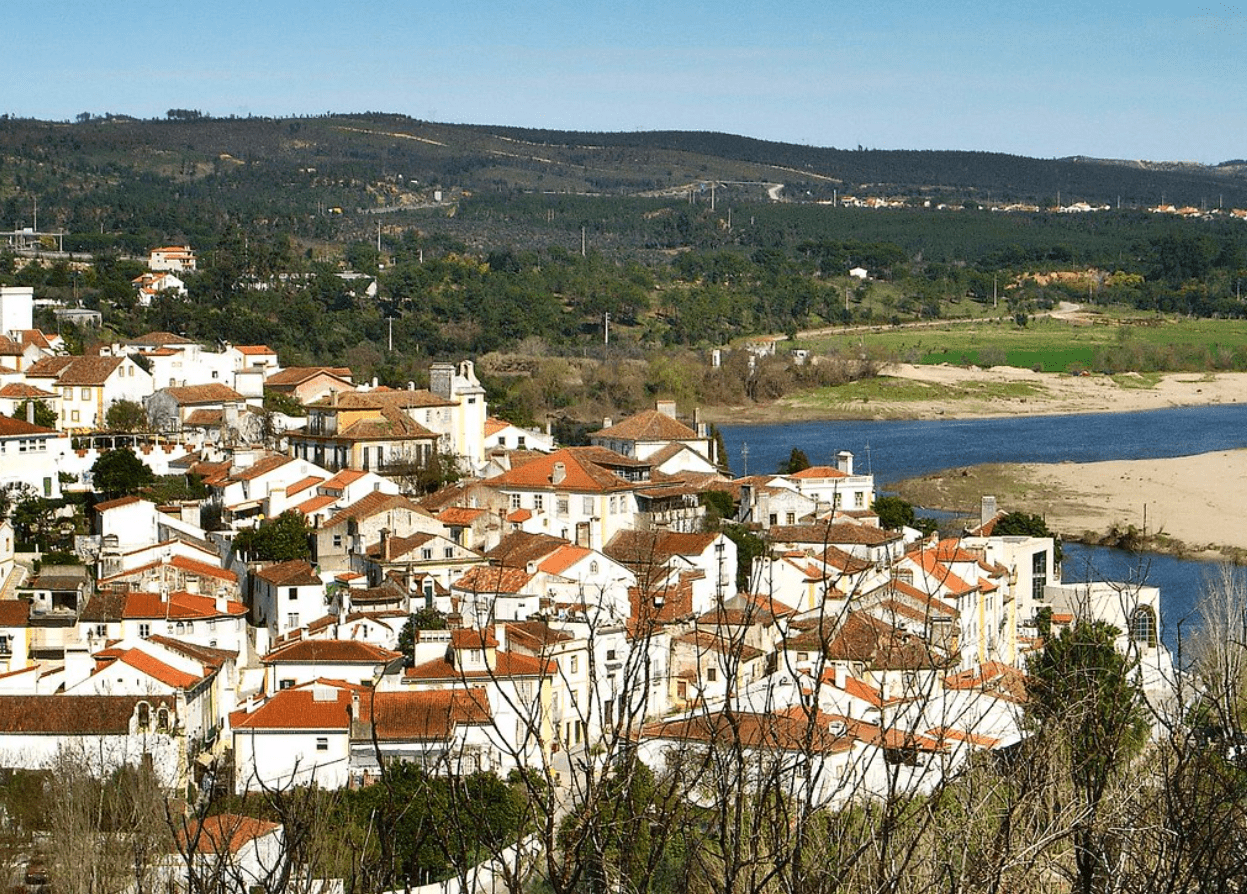
Nestled at the confluence of the Zêzere and Tagus Rivers, Constância is a hidden gem in central Portugal, often referred to as the “Village of Poetry.” This charming riverside town enchants visitors with its rich history, scenic beauty, and echoes of Portugal’s literary past.
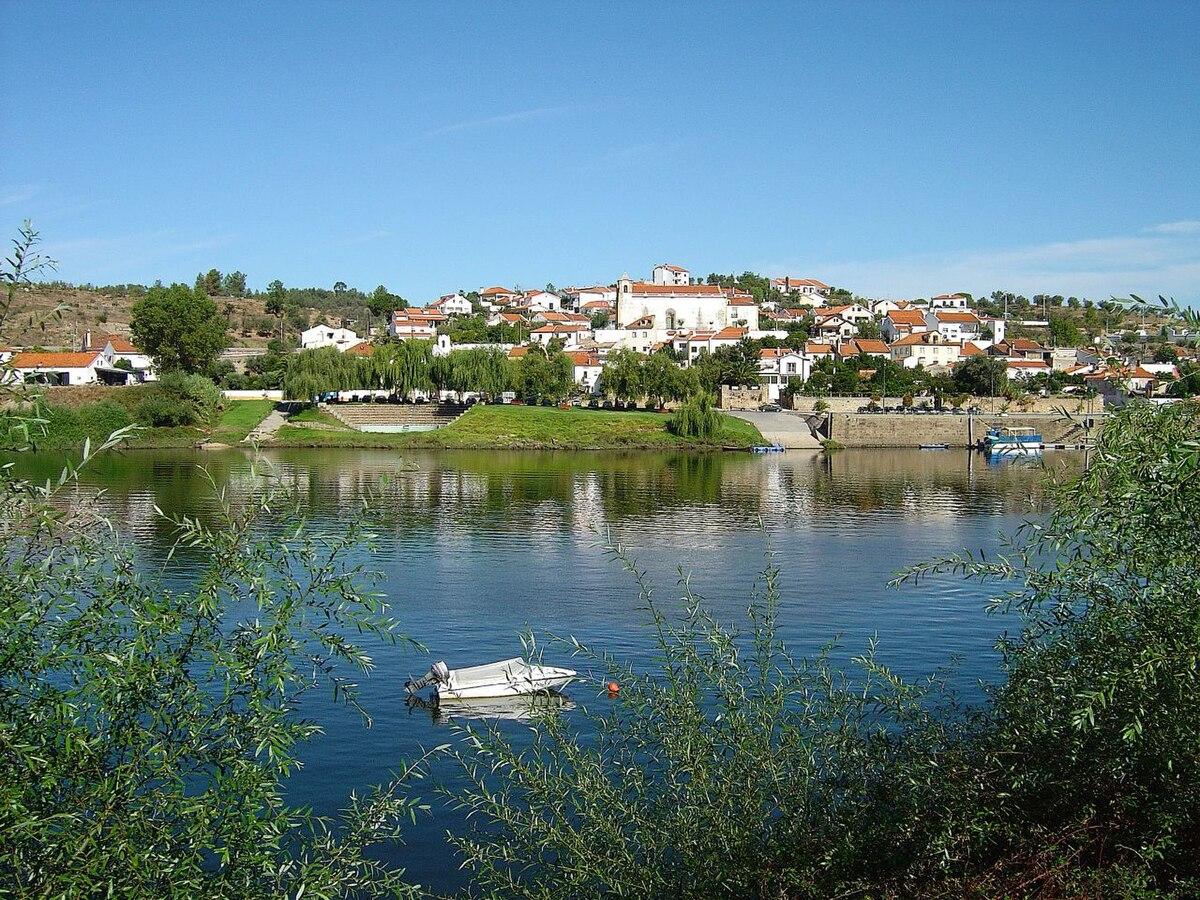
How to get there

Constância is conveniently located approximately 120 km north of Lisbon, making it an ideal day trip or peaceful weekend getaway. The easiest way to reach Constância by car is via the A23 motorway, which links to the A1 from Lisbon. The journey takes around 1.5 hours and offers scenic views along the way.

For those who prefer public transport, take a train from Lisbon’s Santa Apolónia or Oriente stations to the nearby town of Abrantes, then a short bus or taxi ride to Constância. The train journey is comfortable and allows you to enjoy the Portuguese countryside.

A walk through history

Constância’s picturesque streets are lined with whitewashed houses decorated with flowers. The historic centre invites you to take a leisurely stroll, where every corner seems to whisper tales of the past. The city’s association with Luís de Camões, Portugal’s greatest poet, adds to its poetic appeal. It is said that Camões found solace in Constância, and his presence can still be felt in the charming Jardim-Horto de Camões, a botanical garden inspired by his epic poem Os Lusíadas.

The majestic Almourol Castle

One of Portugal’s most picturesque castles is a short boat ride away: Castelo de Almourol. Situated on a small island in the Tagus River, this medieval fortress is a sight to behold. It offers visitors a journey back in time, with well-preserved walls and breathtaking views down the river.

Embrace river life

The rivers are at the heart of Constância’s charm. The confluence of the Zêzere and Tagus Rivers creates a tranquil setting perfect for water activities. Kayaking, canoeing, and paddleboarding are all popular. They are a refreshing way to experience the natural beauty of the area.

Fiestas and Traditions

Constância’s vibrant culture shines during the festival of Nossa Senhora da Boa Viagem, held every Easter. The festival is a lively celebration of the town’s maritime heritage, with traditional boat processions, local crafts, and a welcoming community spirit.

A taste of Constância

No visit is complete without sampling the local cuisine. The city’s riverside location ensures fresh, delicious fish dishes, often served in cosy taverns overlooking the water. From grilled fish to traditional soups, every meal is a delight.

Why to visit Constância

Constância is a place where time stands still, allowing visitors to immerse themselves in history, culture, and natural beauty. Whether you are drawn by its literary heritage, the allure of Almourol Castle, or the simple pleasure of a riverside walk, Constância offers a truly enchanting experience.

Plan your visit to Constância and let this riverside village inspire you with its poetry and charm. It is the perfect escape for those seeking a blend of history, nature, and a touch of Portuguese magic.

A journey through Portugal’s forgotten corners
There are places in Portugal where the wind speaks louder than people. Where bells still ring from an empty church, echoing through valleys where only the ghosts of the past remain. Time does not rush; it lingers, like the scent of wood smoke wafting through the cracks of old stone houses.

These are Portugal’s lost villages—abandoned, forgotten, or left behind by time. Yet they remain, carved into the mountains, hidden in valleys, clinging to the edges of cliffs, waiting for a traveller who still believes in stories.

I will take you there.

Drave: The Village That Sleeps in the Mountains

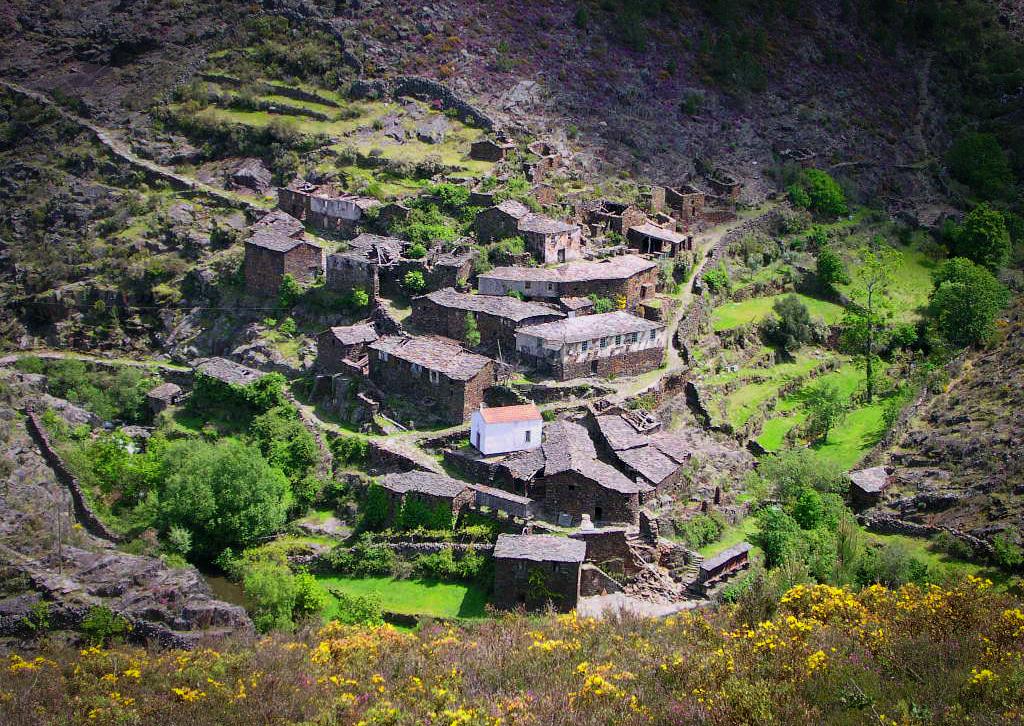
Deep in the heart of the Serra da Freita, beyond winding trails and hidden river crossings, lies Drave—a village untouched by time, where there are no roads, no electricity, and no permanent residents.

Getting here isn’t easy. The only way in is on foot, along a rugged three-kilometre trek through the wilderness, where the wind hums through the valleys and the sky feels bigger than anywhere else. But the moment you arrive, it all makes sense. Drave isn’t just a place—it’s an experience.

The slate houses, carved from the very mountains they stand on, sit in quiet defiance against the passing centuries. A natural spring still flows, feeding an old stone washbasin where, once upon a time, the village women would gather, scrubbing clothes under the open sky while swapping stories of love, life, and loss.

Drave may be abandoned, but it is far from forgotten. It waits—silent, patient—for those willing to leave the noise of the world behind. For the ones who still believe in the beauty of solitude, in the magic of places where time moves slower, where the only sound is the whisper of the wind and the rhythm of your own footsteps.

If you’re searching for a destination that feels like a dream, Drave is calling. Will you answer?

Aldeia da Pena: A mystery in the Serra de São Macário
Some places in Portugal are like whispers—so well hidden that you could pass by without ever knowing.

A Journey to Pena: Portugal’s Most Mythical Village

Getting to Aldeia da Pena is not for the faint of heart. The road leading to this hidden gem is as thrilling as the destination itself—a steep, narrow path, where only one car can pass at a time, despite it being a two-way route. But don’t let that first rush of adrenaline deter you—because once you descend into the valley, you’ll quickly realise: the journey is absolutely worth it.

Nestled deep in the Gralheira Massif, Pena is a place that feels frozen in time. The first glimpse of the village from the hilltop is enough to take your breath away—a cluster of perfectly preserved schist and slate houses, set against the dramatic backdrop of rugged mountains. It looks like a lost world, untouched by modern chaos.

This is true wilderness. Here, the mountains dictate life, and the village sits in the shadows for most of the day. In winter, the sun graces the village for just three short hours, creating an atmosphere that is both mystical and melancholic. But rather than taking away from its beauty, the lack of light only adds to its quiet charm.

Exploring Pena: A Village Built to Be Wandered

Lose yourself in the maze of narrow pathways, where every turn reveals a new story. The old stone houses, their wooden balconies adorned with flower pots, feel as though they have been there forever—witnesses to a way of life that refuses to fade.

Despite its isolation, Pena has a strong sense of community, and the warmth of its people is as comforting as a fire on a cold night. Hospitality here is not just tradition; it’s a way of life.

Where to Eat: A Taste of Pena’s Heart and Soul

After exploring, there’s no better way to immerse yourself in Pena’s spirit than through its food. At Adega Típica da Pena, you’ll find an authentic taste of the region—simple, hearty dishes made with centuries of tradition.

  • Start with Serra cheese and cured ham, a classic combination best paired with a glass of vinho verde.
  • Try local favourites like arroz de cabidela de galinha (chicken rice cooked in blood sauce), cozido à portuguesa à Pena (a traditional Portuguese stew), or veal roasted in a wood-fired oven.
  • If you’re craving something truly special, roast lamb with potatoes is a must.

And then there’s dessertdoce de sopa seca (a sweet, rustic pudding) and filhós da Pena (crispy fried dough sprinkled with sugar and cinnamon). Each bite is a reminder that Pena is not just a place you visit—it’s a place you experience with all your senses.

Take a Piece of Pena Home

Before you leave, stop by one of the local craft shops. The miniature wooden and slate models of the village make the perfect keepsake, while the honeycomb wax candles offer a little piece of Pena’s glow, even after you’ve left.


Why You Should Visit Pena

Pena is more than just a village—it’s a living piece of Portugal’s history, a place where time slows down, where nature and tradition exist in perfect harmony. It’s a destination that challenges you to step off the beaten path, to embrace the adventure of getting there, and to savour the magic of a village that has refused to be forgotten.

Would you dare take the road to Portugal’s most mythical village?

Rio de Onor: The village where borders disappear
Deep in the Trás-os-Montes region, far from Portugal’s bustling cities and well-worn tourist trails, lies a village where borders never existed. Here, Portugal and Spain blend, not as rivals or neighbours, but as a single way of life.

Welcome to Rio de Onor, a village where time passes differently and traditions are kept alive not out of nostalgia but because they are still part of everyday life. Half of the settlement is in Portugal, while the other half is in Spain. However, for the residents, there is no sense of separation—only the rhythm of the seasons, the flow of the river, and the closeness of their community.

A village without borders
For centuries, Rio de Onor has been a village of shared existence. Unlike most border towns, which carry the weight of division, this place has been built on unity. The locals have always worked the land together, shared their resources, and even developed a unique dialect—Rionorês—spoken only in this tiny corner of the Iberian Peninsula. The language, a mixture of Portuguese and Spanish with its twists and turns, is now endangered and only spoken by the older generations.

This communal way of life, known as the “regime comunitário,” means that things are done together. The land is still worked collectively, and village decisions are made as a group. It’s an old-fashioned concept that has stood the test of time, long after other villages have abandoned such traditions.

A walk through the past
Walking through Rio de Onor, you can feel the echoes of centuries past. The narrow streets are lined with stone houses, many with wooden balconies that lean against each other as if whispering stories of those who lived here before. Some houses are in Portugal, others in Spain—but to the locals, it’s all the same village, the same home.

The heart of Rio de Onor is in the old communal ovens, where bread is still baked traditionally. The smell of fresh bread baked in the wood-fired ovens fills the air, a reminder that some traditions don’t need to be revived—they have never disappeared.

Not far from the furnaces, there remains an old mill, whose wooden wheels creak and turn with the flow of the nearby river. The same river that has always been the silent witness of the village, carrying stories from one country to another.

On the old stone bridge, you could put one foot on Portugal and the other on Spain. But there is no checkpoint, no sign demanding passports—just the quiet sound of the water rushing below, reminding visitors that in Rio de Onor, the only borders that matter are the ones in the minds of outsiders.

A way of life that defies time
There are few places in the world like Rio de Onor. At a time when borders are hardening and small villages are fading into history, this place remains a symbol of unity, simplicity and resilience.

Life here is not easy. The winters are harsh, and the snow often cuts the village off from the rest of the world. Many of the younger generation have left, seeking opportunities in larger cities. But for those who remain, the village is more than just a home—it is a way of life worth preserving.

And so Rio de Onor waits—not for tourists in a hurry, but for travellers who seek something deeper, who want to step into a place where history is still alive, where people live as they always have, and where a village has never let itself be defined by borders.

If you ever find yourself in the far north of Portugal, take the road less travelled. Cross the bridge, walk the quiet streets, listen to the stories the river carries—and for a moment, experience what it means to live in a place where borders mean nothing and community means everything.

Montesinho: Where wolves still roam
In the farthest reaches of Trás-os-Montes, beyond the rolling hills and misty valleys, lies a land where wilderness still reigns.

This is Montesinho, a place so untouched that wolves still roam its forests and winters are so cold that the landscape is transformed into a frozen realm.

Unlike Drave or Pena, Montesinho is not abandoned – but it does feel like a world apart. Here, traditions have remained unchanged for centuries. Shepherds still lead their flocks through the mountains. Women still weave wool by hand. The village, with its granite houses and cobbled streets, looks as if it could have been built yesterday – or a hundred years ago.

The beauty of Montesinho lies not only in its landscapes, but also in its resistance to time. It is a place where the modern world has knocked on the door, but no one has answered.


Why do these villages matter?
Some might call these places forgotten. But I believe they are simply waiting.

Waiting for those who seek the old roads, listen for the echoes of past footsteps, who believe that silence can be as powerful as words.

These villages remind us of something we often forget – that life doesn’t have to move so fast. That beauty lies not only in what is new, but in what has endured.

So if you ever find yourself longing for something different, something deeper, follow the old paths, seek out the lost villages and step into Portugal’s stories of time standing still.