Praia do Magoito - child friendly and quiet beach | We♥️Lisbon

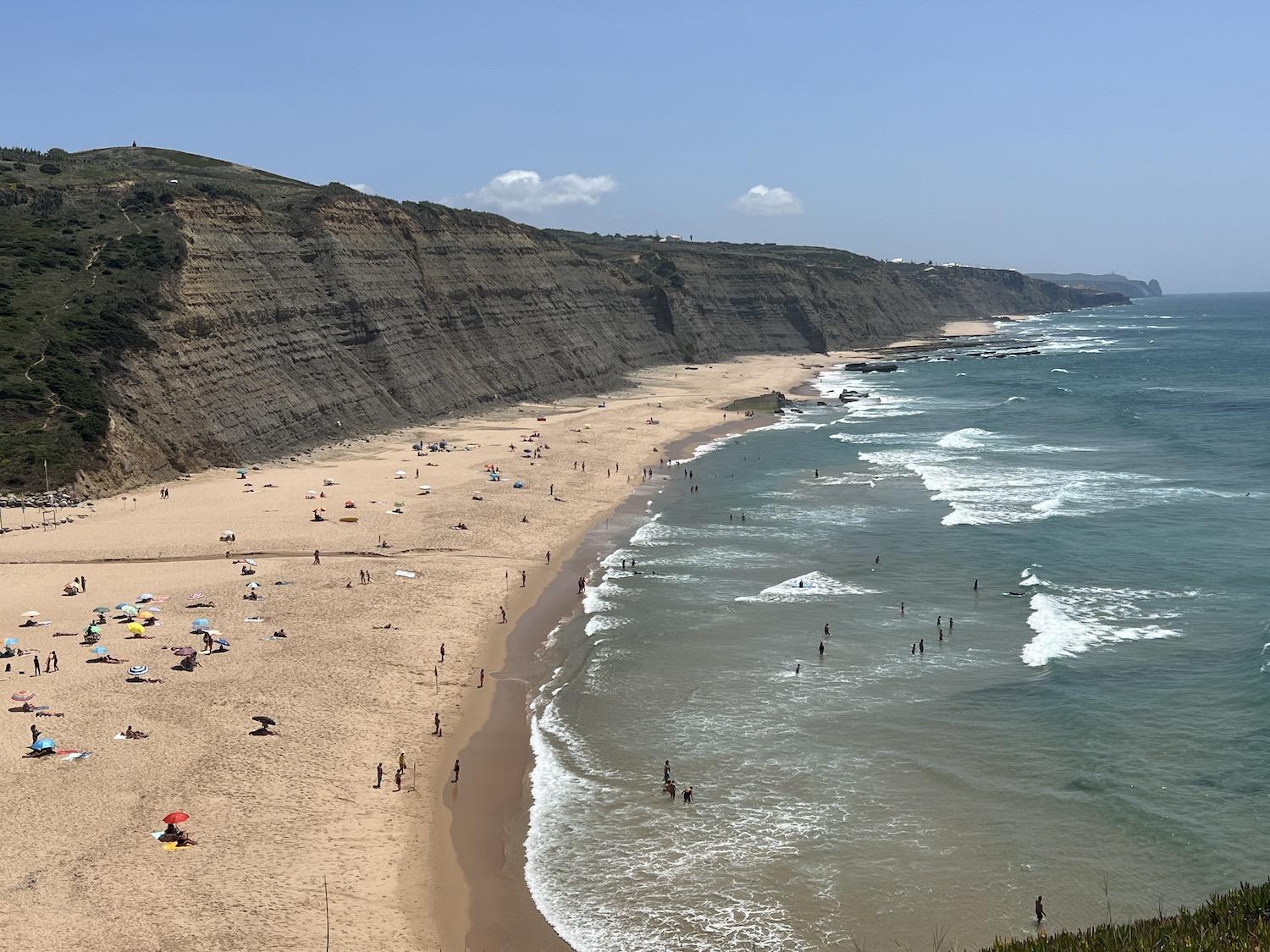
If you’re the kind of traveller who likes their beaches a little raw, a little windswept, and utterly unforgettable—Praia do Magoito should be on your radar.

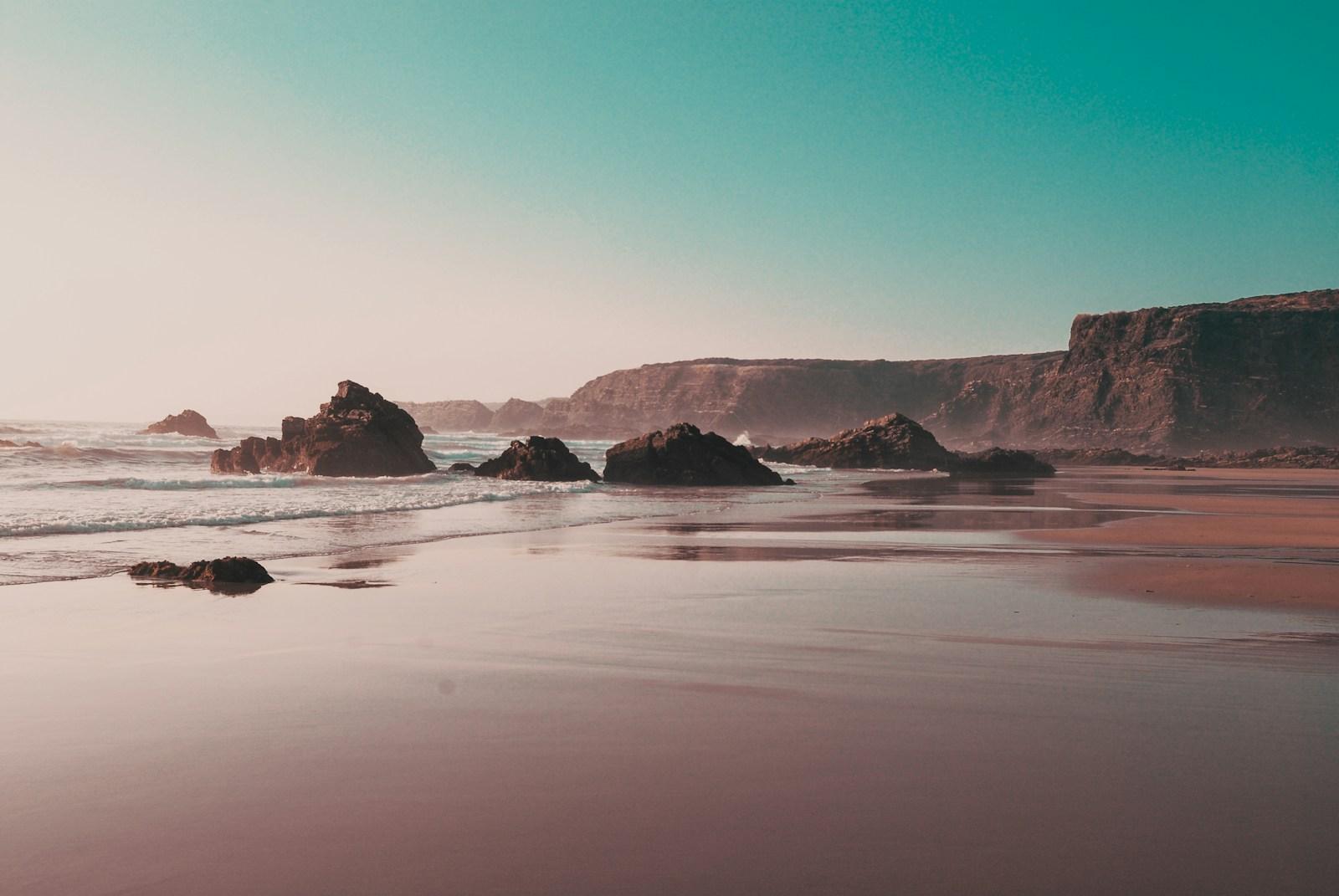
Just north of Sintra, tucked beneath dark cliffs and etched into the edge of the Atlantic, Magoito isn’t your typical sunlounger-and-cocktails beach. This one’s for people who love nature in its purest, most elemental form.

The Beach Itself

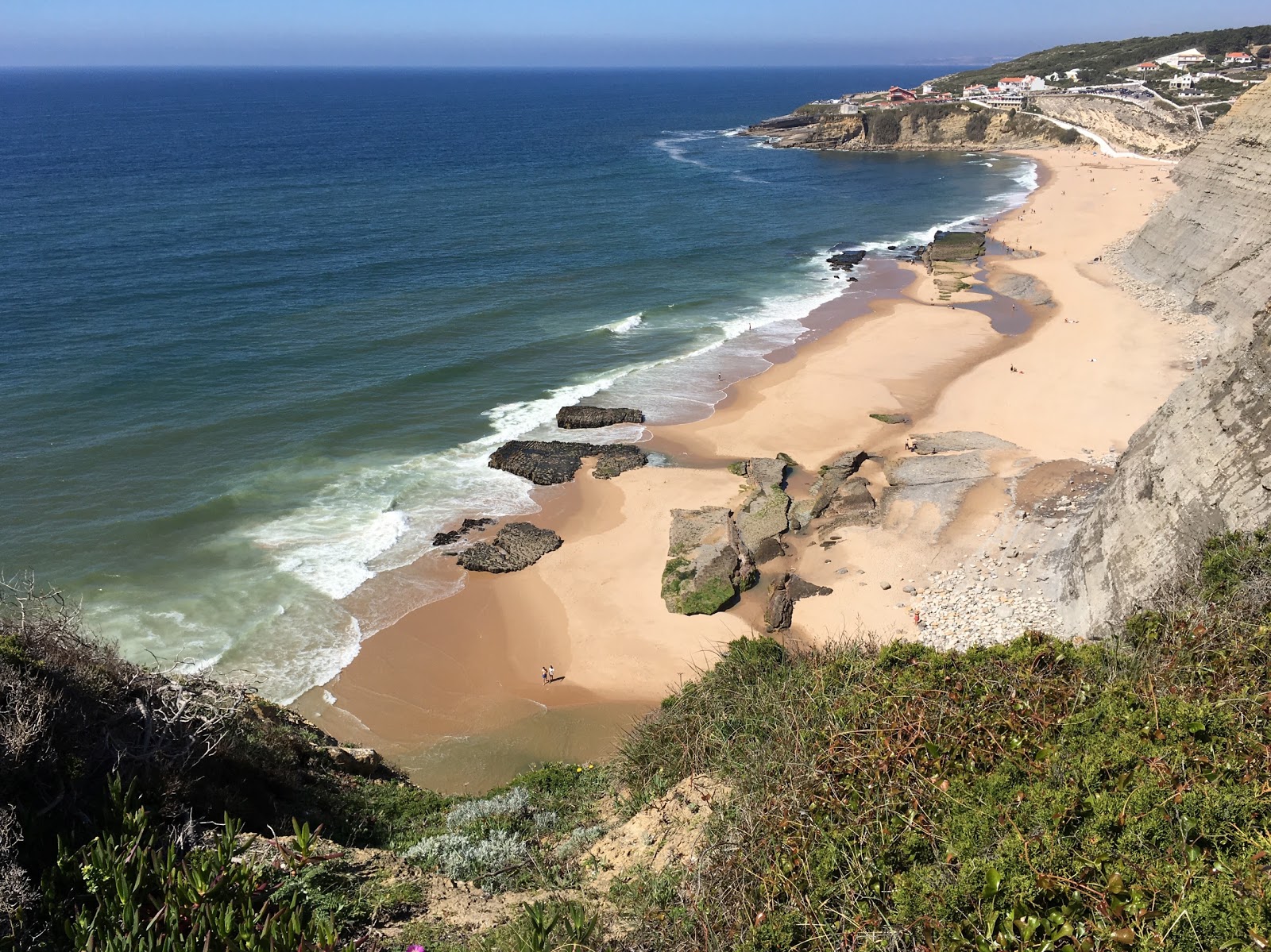
The sand is golden but often narrow—especially at high tide. What makes Magoito truly unique, though, is the fossilised dune that looms above it, a geological formation that dates back 10,000 years. It’s been declared a geomonument, and once you see it, you’ll understand why. The layers in the rock tell a story of sea levels, winds, and time.

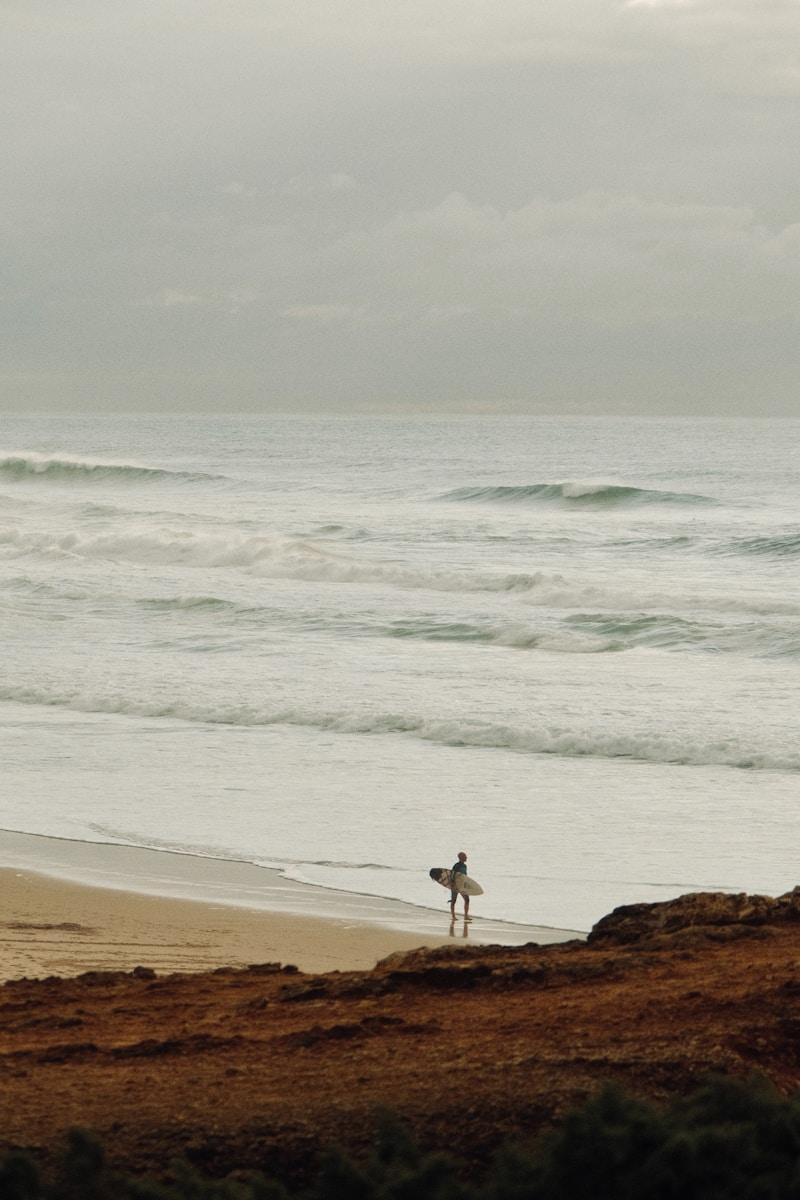
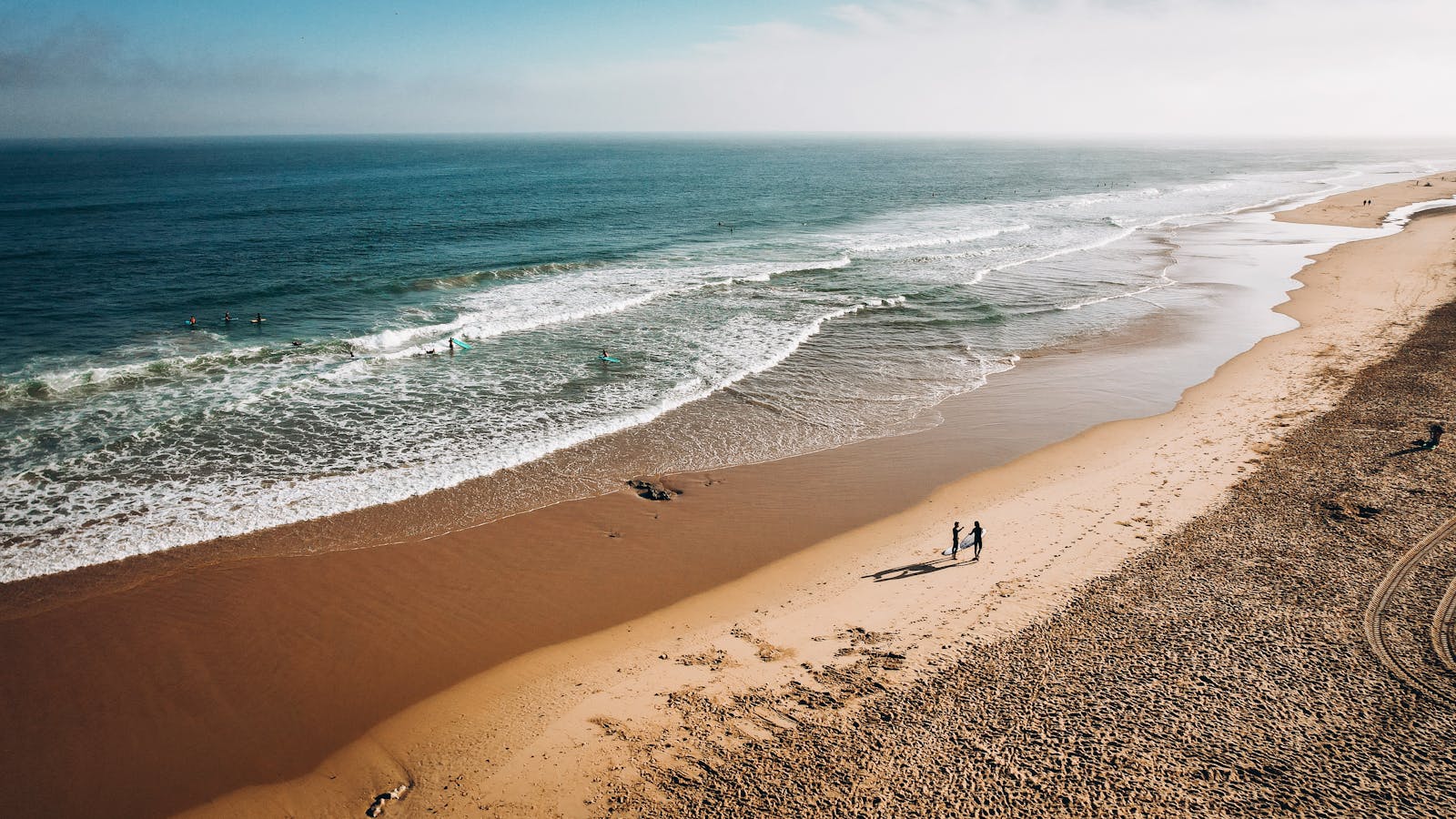
Walk down the wooden ramp and you’ll hit a beach that feels untouched. The Atlantic crashes in with real force here—perfect for surfers and bodyboarders who prefer quieter, less commercial spots. For the rest of us, it’s the kind of place where you just sit, breathe, and watch the waves beat out their rhythm.

Things You’ll Notice

  • The air feels different. Magoito is one of the most iodine-rich beaches in Europe. There’s a freshness in the breeze that hits differently. Locals swear by the health benefits.

  • Tide pools at low tide. The seabed is rocky in parts, forming small pools where kids (and curious adults) can peer into another world of sea creatures and crustaceans.

  • The light. Photographers love this beach, especially at golden hour. The cliffs catch the sun in ways that make the whole place glow.

How to Get There

From Sintra, it’s about a 25-minute drive or you can take bus 444, which runs semi-regularly. There’s a cliff-top car park, and the descent to the sand is accessible via a solid wooden walkway. No hiking required.

Praia do Magoito 🏖️ Lisbon Area, Portugal - detailed features, map, photos

Facilities

You’ll find:

  • Lifeguards during the summer season

  • A beachside café/restaurant perched on the cliff

  • Showers and toilets near the entrance

This isn’t a beach packed with shops or rental huts—and that’s exactly the point.

Good to Know

  • Bring proper shoes if you want to explore the rocks and tide pools.

  • The water is cold—even in summer. If you plan to swim or surf, a wetsuit is your friend.

  • High tide eats the beach. Check tide times if you’re going for a long stay or looking to spread out a towel.

Beyond the Sand

One of the best things about Magoito is what lies nearby. If you walk south along the rocks at low tide, you’ll reach Praia da Aguda—more hidden, more local. Keep going and you’ll hit Azenhas do Mar, a village that looks like it was plucked straight from a postcard, with white houses clinging to the cliffs and a natural ocean pool that fills with the tide.

Final Thoughts

Praia do Magoito isn’t about perfection. It’s about presence. It’s about standing on the edge of land and sea and feeling like the world is still wild.

If you’re travelling through the Lisbon coast or planning a day trip from Sintra, carve out time for this one. Just don’t expect crowds or cocktails. Expect wind in your hair, salt on your skin, and the kind of silence that only a powerful sea can offer.

Before making any vacation plans, please check the constantly changing local limitations and safety rules. It should be noted that not all sites and services are operating as usual, so check their respective websites for the most recent details.


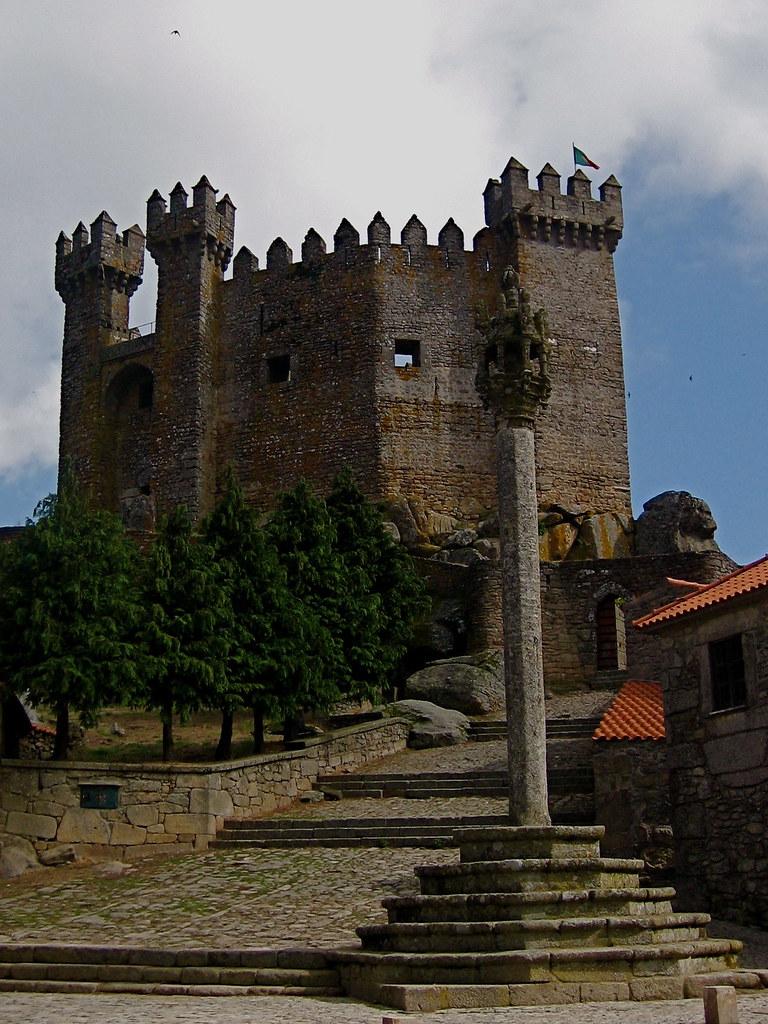
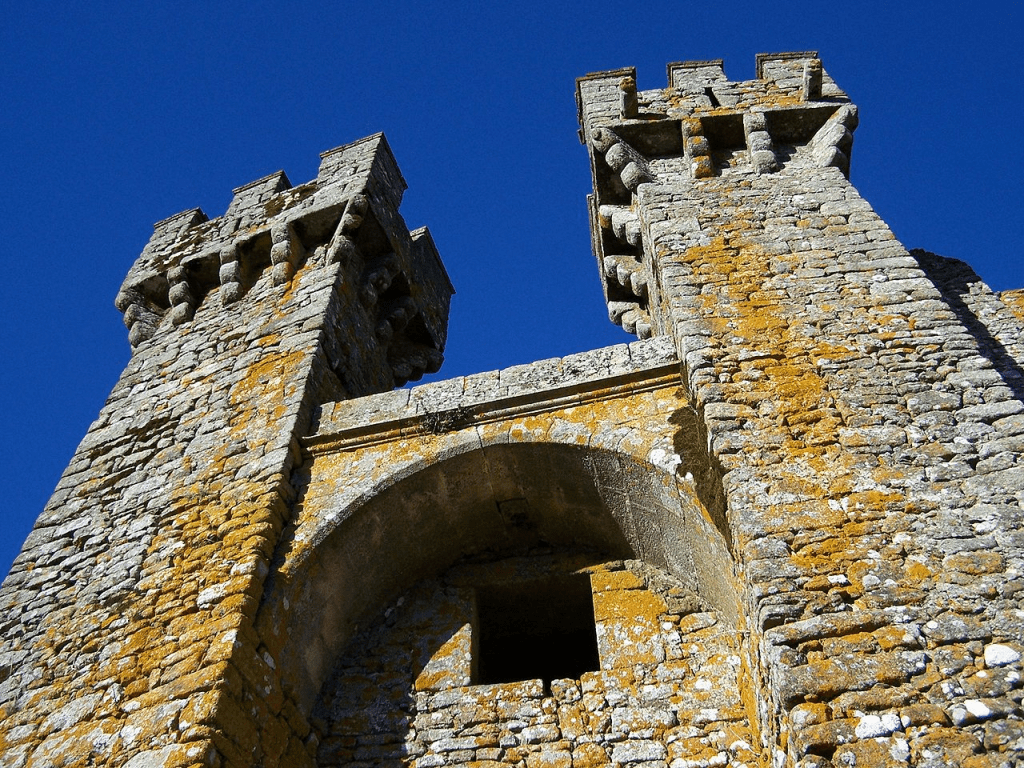
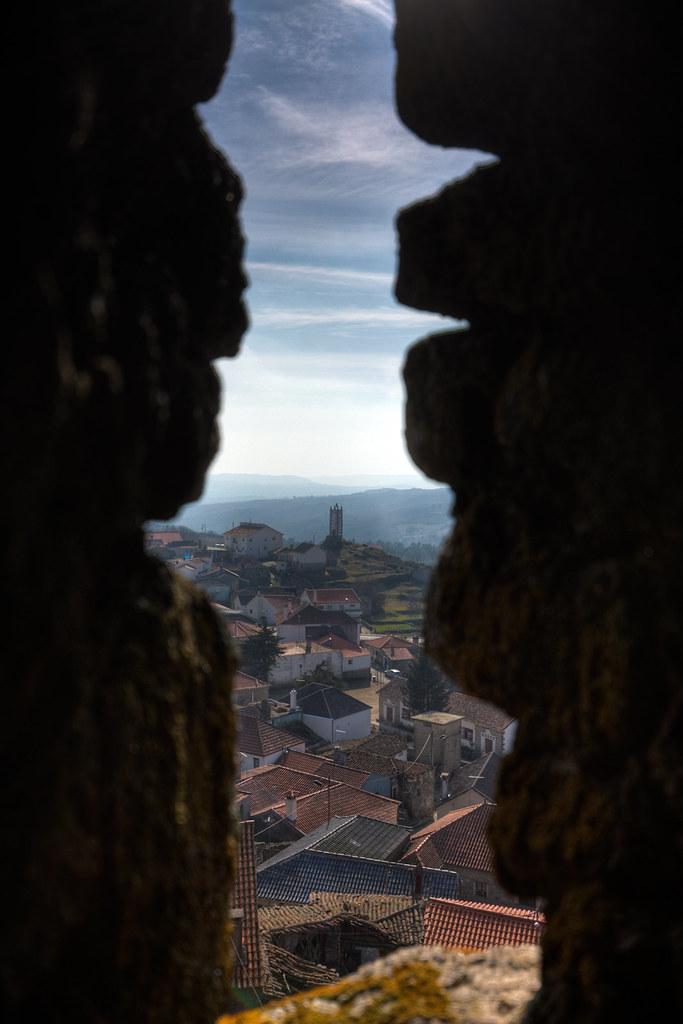
Perched high on a granite hilltop at 930 metres above sea level, in the rugged heart of Viseu district, sits one of Portugal’s most fairytale-like castles—Castelo de Penedono. With its irregular heptagon layout, slender watchtowers, and jagged merlons, it looks like it’s been plucked straight from the pages of a medieval legend. And in some ways, it has.


Why Go?

Penedono Castle isn’t just a monument; it’s a time capsule of Portugal’s turbulent frontier past. If you’re drawn to places that feel remote, weathered, and poetic, this one should be on your list. You don’t stumble upon Penedono—you make a deliberate journey here. And it rewards you with cinematic views, complete solitude, and stories carved into stone.


A Fortress Woven Into History

The earliest known record of the castle dates back to 960 AD, when a noblewoman named Chamôa Rodrigues donated it to the Monastery of Guimarães. That alone gives you a clue to how ancient this place really is. But the structure likely predates even that—an outpost during the Christian reconquest, a target for Moorish forces under Almanzor in 987, and a key stronghold retaken by the armies of Ferdinand I of León by 1057.

By the 12th century, King Sancho I saw its strategic value and granted Penedono its first foral (charter). Over the centuries, it changed hands—sometimes by royal favour, sometimes by force. At one point in the 14th century, it was nearly dismantled, until the people of Penedono petitioned the king to intervene.


The Legend of O Magriço

One of Penedono’s claims to fame is its link to Álvaro Gonçalves Coutinho, also known as O Magriço—a legendary knight immortalised by Luís de Camões in The Lusiads. Legend has it he was born right here, in this fortress, and became one of twelve knights sent to England to defend the honour of twelve ladies at the Lancaster court. Whether that’s folklore or fact hardly matters—it adds to the castle’s mystique.


What to Expect When You Visit

The castle sits above the small village of Penedono, and from the moment you approach the outer square, the ascent begins. A wide granite staircase leads you to the entrance, flanked by two slim towers that look like watchful sentinels.

Step inside and you’ll find an interior that’s as rugged as the landscape: rocky terrain, partial ruins, and a silence that’s louder than any crowd. It’s not overly restored, which is part of the magic. This is a place you walk through slowly.

Look out for:


    • Arrow slits and battlements still intact
    • A cistern with a vaulted ceiling tucked away in one of the towers
    • Narrow walkways and crenellated parapets where soldiers once stood guard
    • Views that stretch over the Beira Alta region and deep into the Serra de Serigo


Restoration with Respect


By the time Portuguese writer Alexandre Herculano visited in the 19th century, the castle was already in ruins. It wasn’t until the 20th century that the Estado Novo regime took on its restoration—carefully rebuilding staircases, stabilising walls, and repairing the watchtowers using traditional stone and lime mortar.

The works, carried out between the 1940s and 1980s, were never excessive. What you see today feels lived-in, weather-beaten, and authentic.


How to Get There

Penedono is a quiet town in Portugal’s Viseu district. You’ll want a car to get here—there’s little in the way of public transport. From Porto, it’s about a 2.5 to 3-hour drive through scenic countryside.

Pro tip: Combine your visit with a trip to the nearby Douro Valley—Portugal’s wine heartland—or explore the granite villages scattered across the Beira Alta.


Final Thoughts

If you’re after sweeping Instagram views and polished guided tours, this isn’t that kind of castle. But if you want to walk the ramparts of a medieval legend, alone with the wind and the ghosts of knights past—Penedono delivers.

Bring a camera. Bring a notebook. And bring time. This one deserves it.


Castle of Penedono

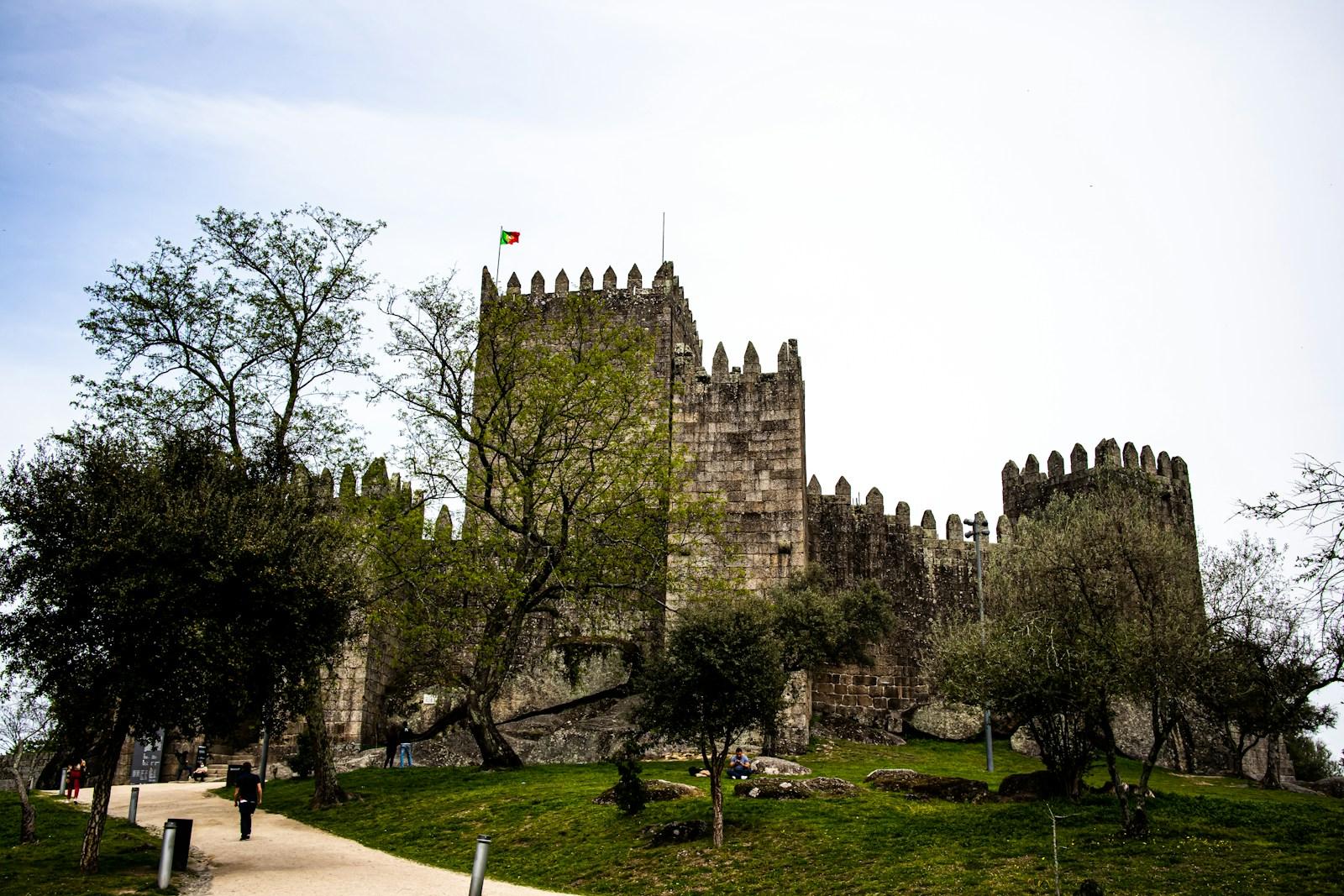
If you want to stand in the place where Portugal began, go to Guimarães. Not just to the town—though it’s charming in its own right—but also to the top of the granite hill, where a stern, weathered fortress overlooks the city. That’s the Castle of Guimarães, and it’s no exaggeration to call it the cradle of the Portuguese nation.

A National Symbol with a Thousand-Year Story

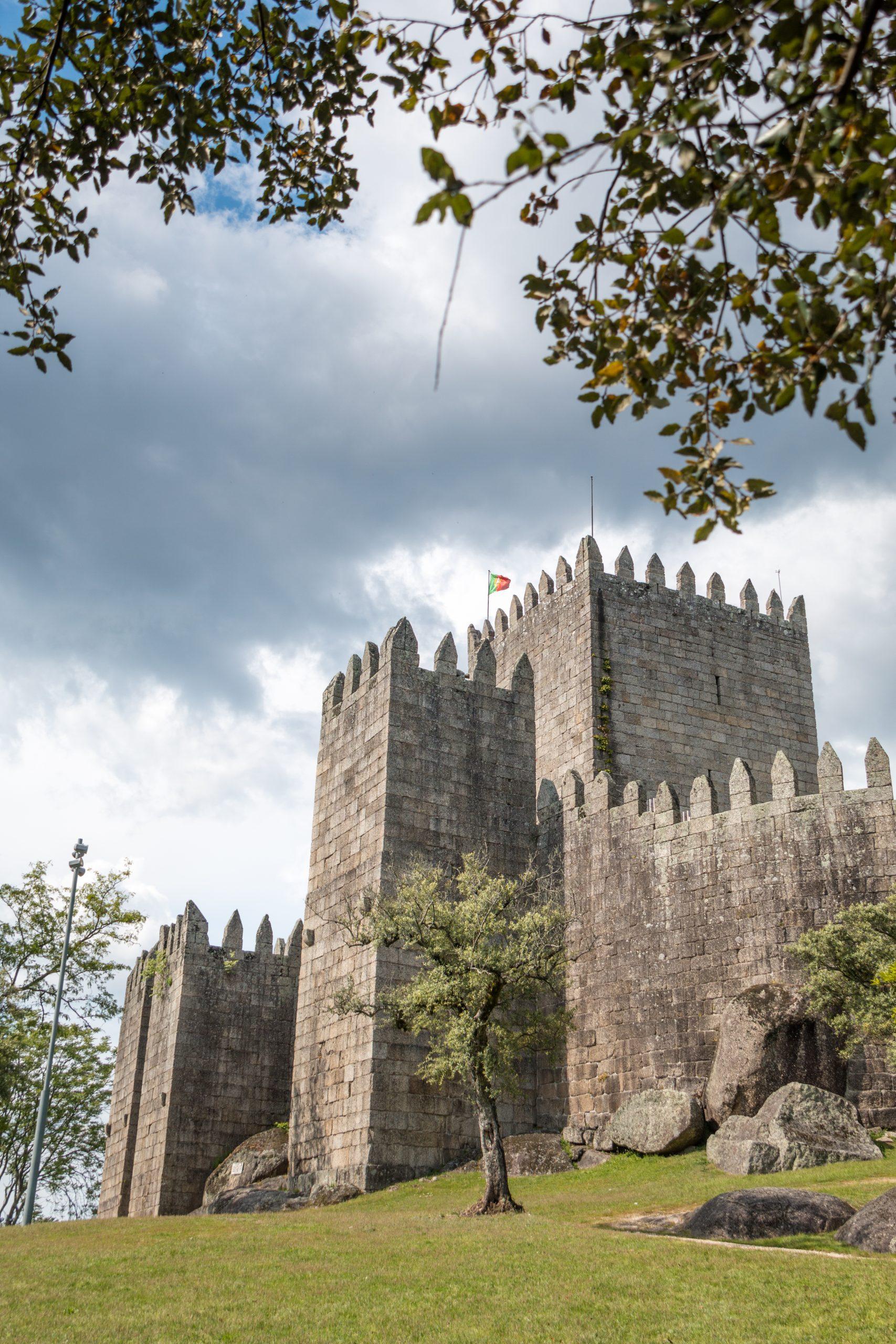
The Castle of Guimarães isn’t just old—it’s ancient. Originally ordered by Countess Mumadona Dias in the mid-10th century to protect a monastery from Viking and Moorish raids, the structure has been rising, falling, and rising again for over a millennium. Over the years, it was reworked from a rudimentary military outpost into the robust fortification we see today: a granite-clad pentagonal structure with eight watchful towers and a central keep that dominates the northern skyline.

This castle is where Afonso Henriques—the man who would become Portugal’s first king—was born in 1111. It was in the shadow of these walls that he grew up, and in the surrounding fields of São Mamede that he fought the pivotal battle in 1128 that led to the birth of an independent Portuguese kingdom.

undefined

Architecture that Tells the Story

Step through the thick castle gates and you’ll walk straight into history. The fortress is a blend of late Romanesque muscle and early Gothic elegance, shaped heavily during a major 13th-century makeover under King Denis. Its flanking towers and tight interior courtyard reflect medieval military design, while echoes of older, possibly Roman, foundations whisper from below.

What you won’t find is any frilly ornamentation or royal luxury. It was built for defence, not decadence. Inside, you’ll see exposed stone, narrow staircases, arrow slits, and defensive walls that once kept invaders—and family rivals—at bay.

The view from the keep is worth the climb. From here, you can see how the castle once watched over an entire valley. It overlooks tiled rooftops, cobbled alleys, and the neatly preserved historic centre of Guimarães—a UNESCO World Heritage Site.

Restoration and Survival

It’s almost a miracle the castle survived at all. In the 19th century, local officials seriously considered tearing it down and using the stone to pave the streets. Luckily, cooler heads prevailed, and the structure was officially declared a national monument in 1910. Restoration efforts began in the 1930s and continue to this day, revealing hidden wells and ancient walls and securing the castle’s future for generations to come.

What to See Nearby

undefinedThe castle doesn’t stand alone. Just a few steps away is the modest Church of São Miguel do Castelo, where legend says Afonso Henriques was baptised. A little farther down the hill is the Palace of the Dukes of Braganza, a 15th-century noble residence turned museum, where you can walk through restored halls filled with medieval furniture, tapestries, and a surprisingly good armoury collection.

If you’re up for a longer stroll, follow the remnants of the old city walls into Guimarães’s historic core. The streets of Largo da Oliveira and Rua de Santa Maria are some of the oldest in Portugal, lined with medieval houses, Gothic windows, and the occasional 21st-century café tucked into a stone archway.

Visiting Tips

  • Opening hours: The castle is open daily, except major holidays. Mornings tend to be quieter.
  • Tickets: Combo tickets are available for the Castle, Church of São Miguel, and the Palace of the Dukes.
  • Best time to visit: Spring and autumn offer mild weather and fewer crowds.
  • Getting there: Guimarães is about 55 km from Porto and easily accessible by train or car. The castle is a short uphill walk from the city centre.
  • Accessibility: While the grounds are walkable, the interior keep and tower access involve steep stairs and narrow passages.

Why It’s Worth Your Time

Portugal has plenty of castles—but Guimarães isn’t just another fortress. It’s the first chapter in the country’s story. Standing in its keep, you’re not just looking at stone. You’re looking at the walls that held off kings, sheltered future monarchs, and anchored a nation still finding its name.

This is history you don’t read. It’s history you walk through.


Coordinates: 41°26′52.47″N 8°17′25.29″W
Address: Rua Conde Dom Henrique, Guimarães

If you’re tracing Portugal’s roots, start here. This is where it all began.

Gliding between honey-lit vineyards and centuries-old terraced hills, a luxury Douro River cruise reveals Portugal’s most enchanting secrets in unparalleled style. Each sunrise bathes the valley in golden light, the air scented with wild rosemary and notes of aged port, as your boutique ship quietly navigates tranquil bends. From Porto’s elegant facades to the vine-draped slopes of Pinhão, every moment is curated for refinement—gourmet dining atop the river, personalized excursions to storied quintas, and the quiet grandeur of panoramic suites. Here, luxury is not just comfort, but a sensory journey through landscape, history, and unforgettable taste.

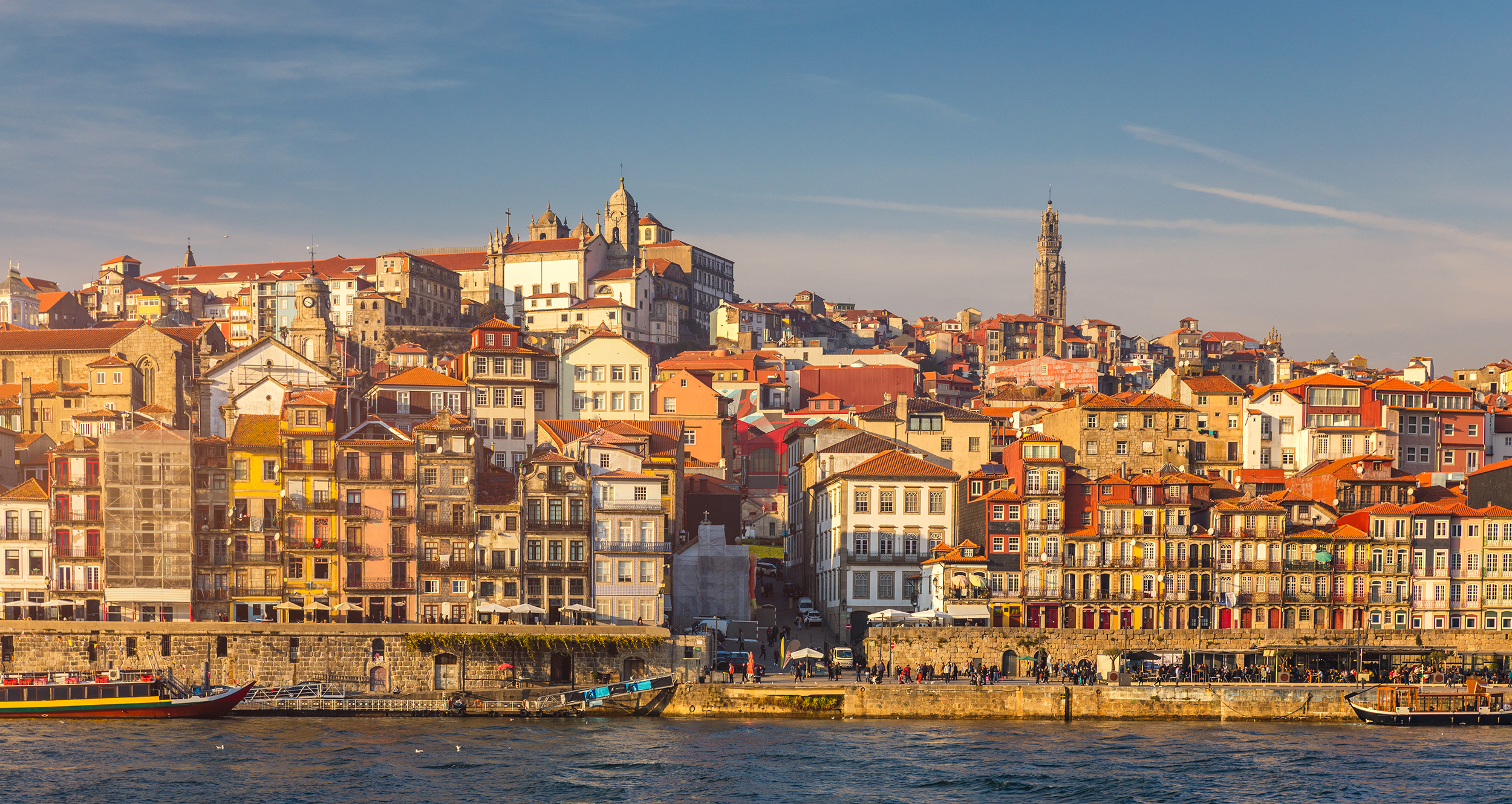
Tucked along the picturesque banks of the Douro River, the Ribeira district pulses with the vibrant spirit of Porto. Famed for its colourful facades, centuries-old alleyways, and scenic river views, Ribeira is deservedly recognized as a UNESCO World Heritage Site. Beyond its postcard beauty, the district is a living tapestry of tradition—where authentic local life coexists with the rhythm of visitors discovering its charm.


What Makes Ribeira Special?

Ribeira, meaning “riverbank” in Portuguese, has anchored Porto’s bustling city life for over a millennium. In medieval times, it was a crucial port and trade hub. Today, its tightly packed houses, elegant iron balconies, and maze of cobbled lanes deliver an atmosphere unmatched anywhere else in Porto. The district is especially magical in the late afternoon, when golden sunlight bathes the riverfront and rooftops.


What to See and Do in Ribeira

Stroll Along Cais da Ribeira

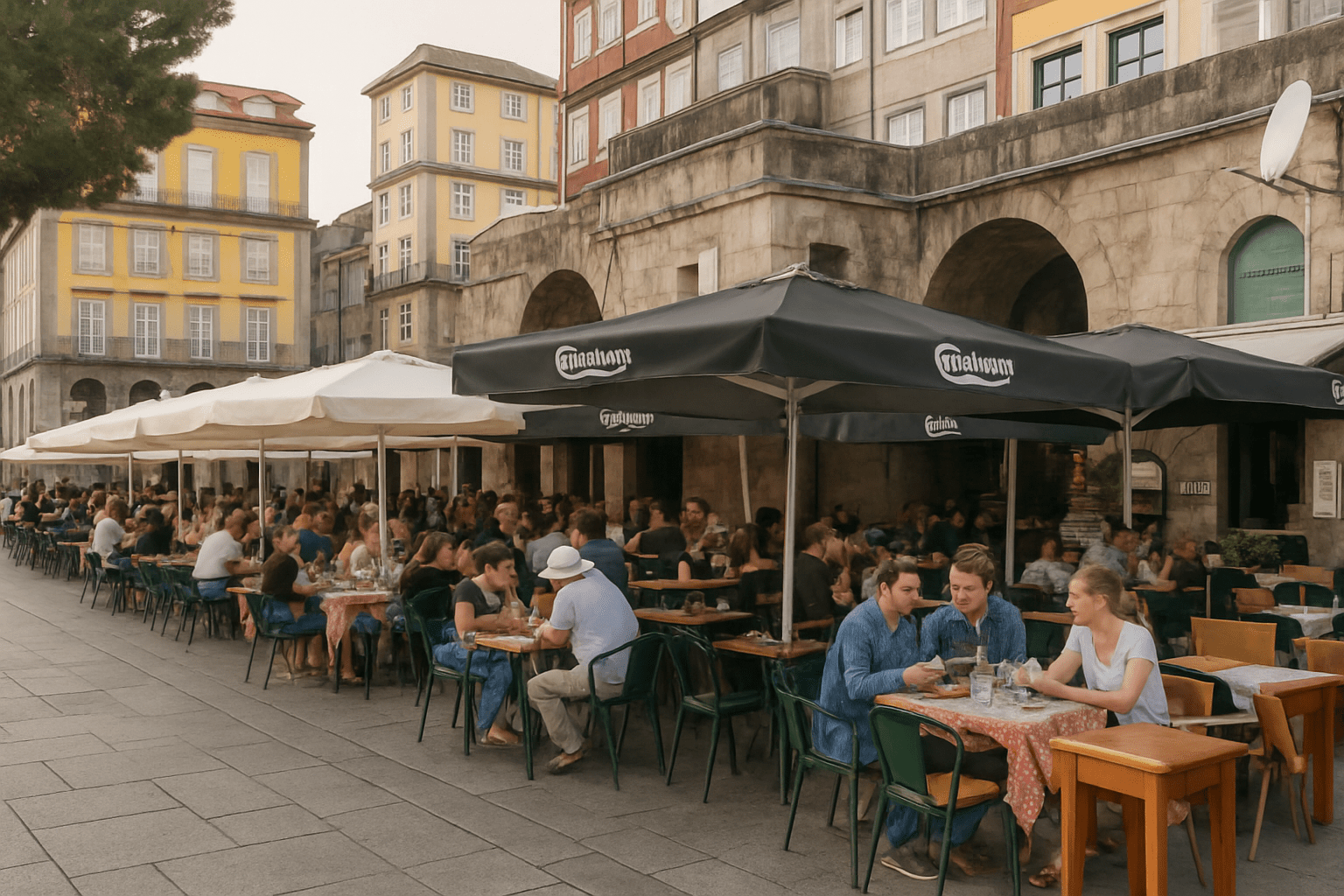
  • The district’s lively riverside promenade is lined with bustling cafés, bars, and restaurants spilling onto the cobblestones. Locals still hang laundry from balcony railings above, adding a touch of daily life to the scene. It’s the perfect spot for a morning walk or a sunset drink.

Take in the Views from Luís I Bridge

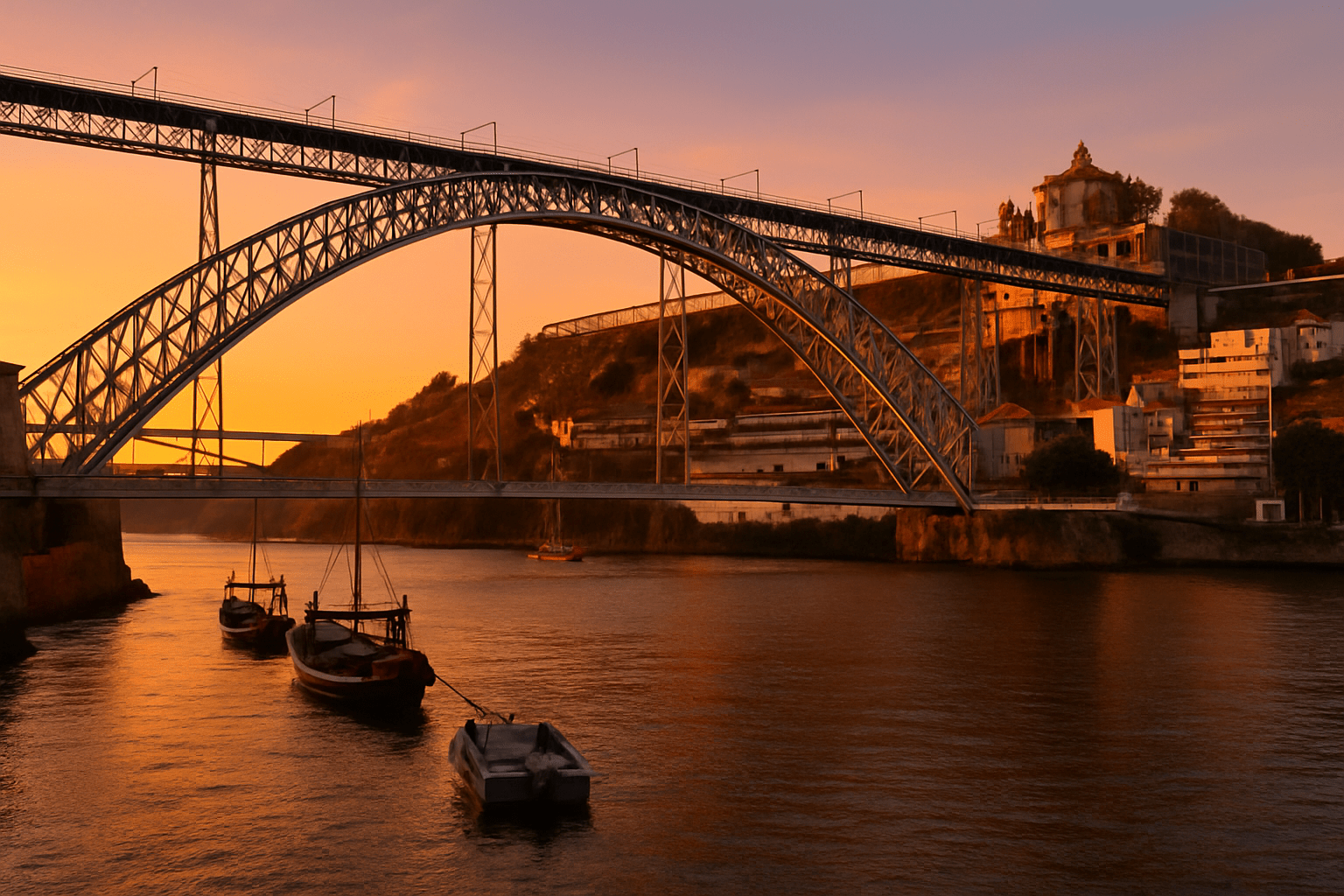
  • This two-level, 19th-century iron bridge, designed by a disciple of Gustave Eiffel, links Porto to Vila Nova de Gaia. Walk across the top deck for sweeping panoramas of Ribeira’s rooftops and the Douro River winding toward the Atlantic.

Explore Praça da Ribeira

  • The heart of the district, this square has served as a gathering place since the Middle Ages. Today it buzzes with the sounds of musicians and diners soaking in the ambiance amidst centuries-old arches and painted buildings.

Discover São Francisco Church

  • A short uphill stroll leads to this 14th-century Gothic church, whose modest façade conceals an interior lavishly adorned in Baroque gold-leaf decoration—a dazzling surprise for visitors.

Step Inside the Palácio da Bolsa

  • Just beyond Ribeira stands the grand 19th-century Stock Exchange Palace. Guided tours reveal highlights such as the famous Moorish-inspired Arab Room, offering insight into Porto’s mercantile history.

  • Hop on a Traditional Rabelo Boat

  • Once used to transport port wine, these flat-bottomed boats now offer 50-minute sightseeing cruises. Glide past Ribeira’s colorful waterfront and beneath Porto’s iconic bridges for a fresh perspective on the city.

Where to Eat and Drink

Adega São Nicolau

Renowned locally for classic Northern Portuguese specialties like octopus rice, grilled sardines, and tripas à moda do Porto. Honest, delicious food paired with charming river views.

Ribeira Square Cafés

Ideal for coffee, light bites, and people-watching, these cafés border the district’s busiest square and serve up the flavors and buzz of Ribeira daily life.

Wine Quay Bar

A stylish nook featuring an impressive Portuguese wine selection and outdoor tables overlooking the Douro. It’s an excellent choice for an early evening glass of wine as the sun sets.


When to Visit Ribeira

While Ribeira is vibrant all year, spring and early autumn offer the mildest weather and smaller crowds—perfect for wandering. Summer brings the neighborhood alive, especially during the June São João Festival, when lanterns, music, and dancing fill the streets.


Tips for Visiting
  • Wear comfortable shoes: The district’s cobblestones and steep lanes are charming—but tough on the feet.

  • Go early or late: The riverfront is most serene in the morning and at twilight.

  • Bring cash: Some small cafes and shops may not accept cards.

  • Stay nearby: Accommodation in Ribeira or up the hill (Sé or Miragaia districts) keeps you steps from the city’s best experiences.


Ribeira is Porto’s historic soul—a place where everyday routines are layered atop centuries of history. Every corner, every stone arch, and every sunlit terrace tells a story. Whether you’re savoring local wine by the water, losing yourself in alleyway labyrinths, or simply watching the river flow, Ribeira offers more than sights—it offers immersion. Slow down, take it in, and let this remarkable neighborhood welcome you with open arms.

ttable.

Porto

Porto, Portugal’s magnetic city by the Douro River, is celebrated for its stunning architecture, port wine, and vibrant spirit. Yet, beyond the bustling Ribeira district and Livraria Lello’s queues, Porto hides an enchanting world of secret spots and little-known treasures. From peaceful gardens perched above the river, to art-filled alleyways, hidden viewpoints, and authentic neighborhoods where time seems to stand still, this is a city that rewards curiosity.

In this in-depth blog post, you’ll uncover Porto’s secret places—those quiet spaces, quirky attractions, local hangouts, and cultural curiosities where the crowds thin and the true character of Porto comes alive. Ready to lose the map and explore the “other” Porto?


1. Passeio das Virtudes & Horto das Virtudes: The Quiet Overlook and Secret Garden

Passeio das Virtudes is one of the most magical viewpoints in Porto, favored by locals for sunset rather than tourists. This terraced walkway and garden boasts some of the most panoramic vistas of the Douro River, yet remains overwhelmingly peaceful.

Why visit?

  • Unbeatable sunset views over the river and old city

  • Locals bring picnic blankets and guitars for sunset gatherings

  • A haven for photographers, daydreamers, and those craving tranquility

Just below:
Horto das Virtudes surprises with a vertical garden, lush terraces, and medicinal plants. Originally part of a noble estate, it’s now a botanical hideout with whimsical sculptures and installations by local artists. The best time to visit is late afternoon, when the golden light filters through ancient trees and the café nearby is perfect for relaxing.


2. Largo da Pena Ventosa: The Medieval Square That Time Forgot

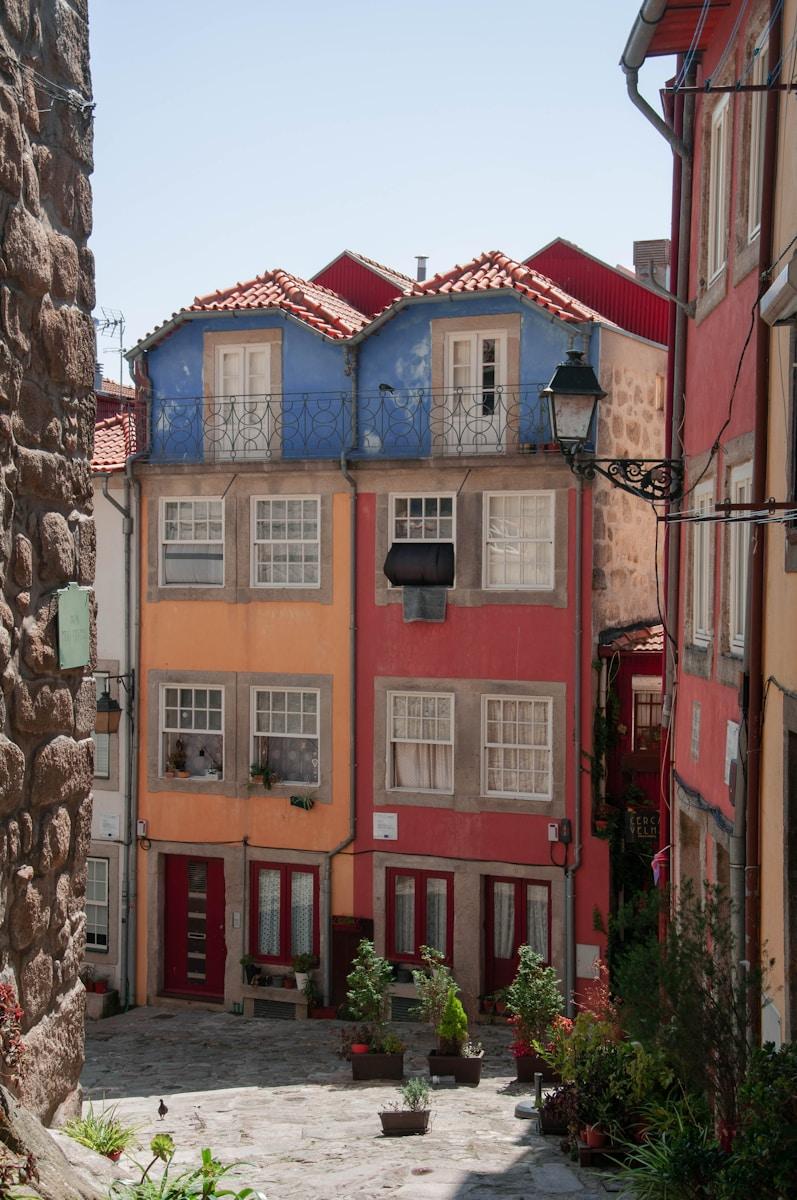
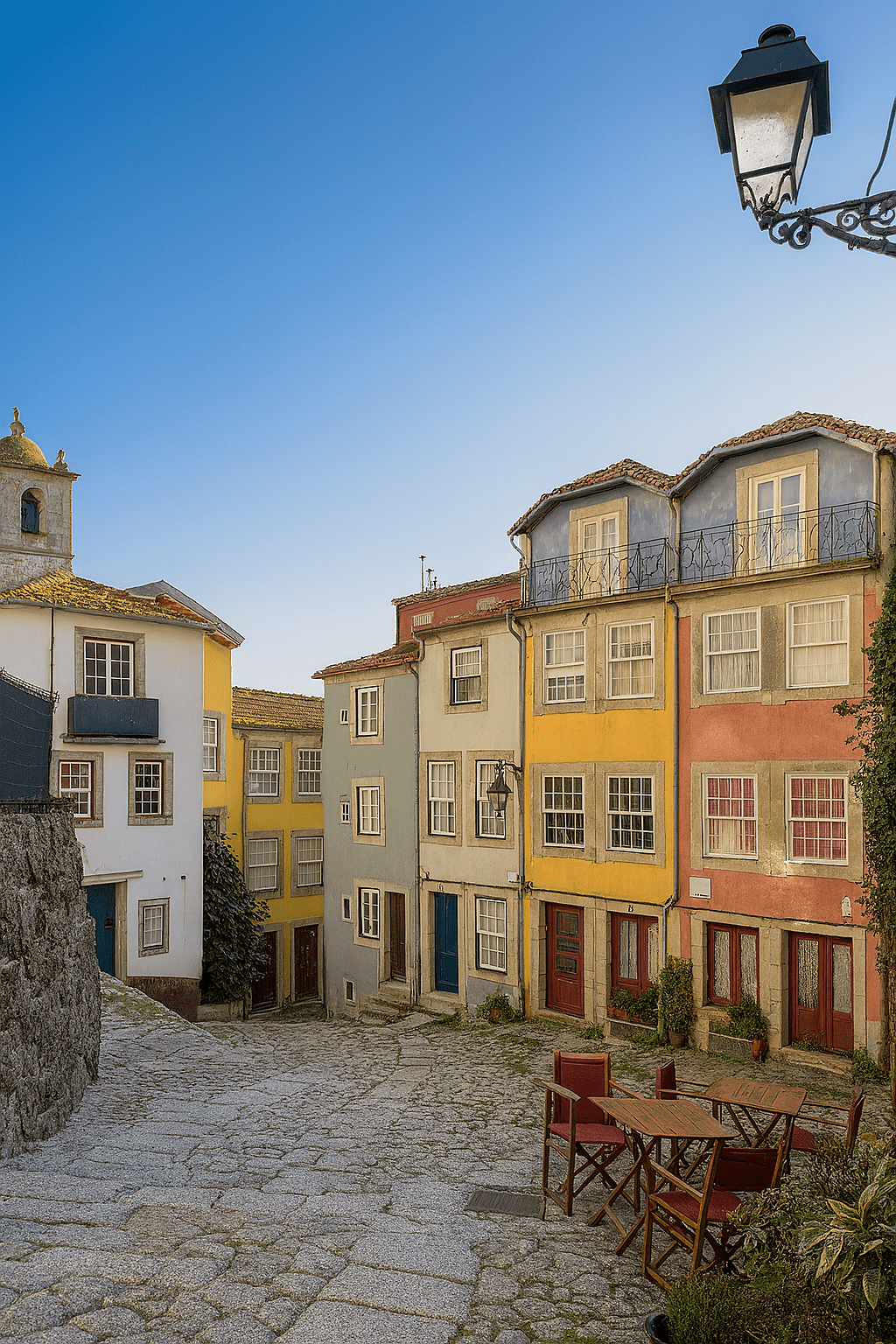
Few visitors stumble upon Largo da Pena Ventosa, a tiny square deep in Porto’s historic center. The stone-paved heart of the old city, its traditional houses are adorned with colorful tiles and ironwork.

What makes it secret?

  • Historic serenity away from the crowds of Sé Cathedral (just seconds away!)

  • Azulejo-clad chapel and vine-draped facades

  • Locals chatting on small stoops; an authentic living museum

It’s one of the few places in Porto that retains its medieval simplicity. Start here for a slow wander down winding alleys toward the river, taking in hidden corners most maps miss.


3. São Pedro de Miragaia: Porto’s Untouched Riverside Quarter

Nestled along the Douro’s banks,  São Pedro de Miragaia  is an unspoiled slice of old Porto. The cobbled lanes, pastel houses, and neighborhood cafés pulse with the city’s original rhythm.

What’s special:

  • Virtually untouched by mass tourism

  • Authentic azulejo facades, ancient churches, and ironwork balconies

  • The Miragaia Square is a photographer’s dream, offering riverfront views with the Dom Luís I Bridge as a backdrop

Wander the riverfront, savor the serenity, and peak into tiny cafés where the neighborhood’s fishermen gossip. At sunset, Miragaia’s golden hour is pure magic for both strolls and snapshots.


4. Crystal Palace Gardens: Where Peacocks and Panoramas Roam

Just outside the city center lies the Gardens of the Crystal Palace (Jardins do Palácio de Cristal). Expansive, landscaped, and tranquil, they’re a green oasis with hidden overlooks and quiet corners.

Don’t miss:

  • Free-roaming peacocks and ornamental chickens

  • Shaded paths, fountains, and secret viewpoints over the Douro

  • Quiet benches and lawns for picnics or reading

  • The occasional book fair or art exhibit, especially in late summer

This is where local couples and families escape for a relaxed afternoon—a true antidote to Porto’s busy squares.


5. Fernando de Castro House Museum: The Collector’s Wonderland

Casa Museu Fernando de Castro is a dazzling house-museum dedicated to Fernando de Castro, a poet, artist, and passionate collector. Tucked away from the main tourist trail, its ornate interiors resemble a treasure trove of Portuguese art—17th-to-20th-century paintings, ceramics, and sculpture fill every surface.

Why it’s a must:

  • Step into an eccentric world of obsessive collecting, untouched for decades

  • Little-known outside local art circles

  • Authentic, atmospheric, and deeply personal

Art lovers can easily spend hours here, lost among gilded frames and whimsical curiosities.


6. Muralha Fernandina: Walk Porto’s Forgotten Medieval Walls

Echoes of Porto’s ancient defenses survive in the Muralha Fernandina, medieval walls dating back to the 14th century. Few tourists realize you can follow a section of these old ramparts for a unique vantage over the city’s rooftops.

Secrets to discover:

  • Hidden staircases and quiet viewpoints

  • The sensation of walking through living history—no ticket lines, no crowds

  • Stunning perspectives over the Douro

Access points are scattered; look down small alleys off Rua de Cimo de Vila or follow the old walls as they twist above the river.


7. Porto Military Museum: Into the Shadows of History

Most visitors pass by the Porto Military Museum without knowing the building harbors one of 20th-century Portugal’s darkest secrets: it once served as PIDE political police headquarters during the dictatorship.

Experience:

  • Preserved torture chambers and memorials to victims

  • Insightful exhibits about Portugal’s resistance movements

  • A sobering, rarely-visited site that reveals an essential chapter of Porto’s recent past

Ideal for history buffs and anyone interested in the country’s journey to freedom.


8. Symington Family Estates: Off-the-Path Port Tasting

Skip the crowded riverside cellars and head to the Symington Family Estates tasting rooms for a more intimate port wine experience. Above the city, their boutique venue offers both delicious wines and stunning views over the Douro.

What’s different:

  • Guided tastings with insider stories

  • A chance to learn local wine history from the source

  • Fewer crowds, more one-on-one attention

Wine aficionados should call ahead for guided tours and tastings, as slots fill quickly but remain blissfully uncrowded compared to riverside options.


9. Vitória Viewpoint: Porto’s Secret Panorama

Miradouro da Vitória is quietly among Porto’s finest viewpoints. Tucked away on Rua de São Bento da Vitória, it offers epic 180-degree cityscapes. Unlike the tourist-thronged Clérigos Tower, you might have this spot entirely to yourself.

Why visit?

  • Panoramic views—see the Cathedral, river, and Clérigos Tower from one spot

  • Local flavor, as this area is beloved by students and artists

  • Free, always open, and safe at all hours

Bring a coffee and linger at sunset; locals swear it’s among Porto’s most cinematic spots.


10. Foz do Douro & Hidden Beach Gems

Beyond central Porto, hop on a tram or bus to Foz do Douro, where the Douro River meets the Atlantic. While the waterfront promenade is popular, little-known beaches and the windswept coastline remain off the tourist itinerary.

Secret stops:

  • Marvel at small chapels perched above rocky beaches

  • Find Praia do Carneiro or Praia dos Ingleses for an unspoiled seaside escape

  • Garden of Passeio Alegre: a palm-fringed park with ocean breezes, favored by locals but rarely mentioned in guidebooks

The air here is filled with salt and the call of gulls; it’s the “other” Porto and the perfect place for a restorative walk.


11. Porto Bridge Climb: A Thrilling Architectural Adventure

Did you know Porto has the only bridge in Europe where you can walk along the arch? The Porto Bridge Climb lets you traverse the iconic Arrábida Bridge for jaw-dropping aerial views.

Secrets:

  • Limited numbers mean this experience stays personal and uncrowded

  • Learn the bridge’s engineering history as you climb

  • The sight of the Douro, seen from above, is unforgettable

Not for the faint-hearted, but an essential adventure for thrill-seekers and urban explorers.


12. Artistic Alleyways: Street Art, Hidden Courtyards & Rua Miguel Bombarda

Porto’s creative undercurrent pulses strongest along and around Rua Miguel Bombarda. Here, local artists have transformed blank walls into vibrant murals and stenciled surprises.

Wander and seek:

  • Look for works by renowned Porto artist Hazul Luzah and friends

  • Roam between Rua das Flores and Rua de Miguel Bombarda for tucked-away courtyards with quirky cafés and creative storefronts

  • Respectfully peek into open doors—many buildings hide tiled staircases, shared patios, and cool design studios

Bring your camera (and curiosity) for this urban treasure hunt.


13. Casa da Música: The Architect’s Dream

While the Casa da Música hosts world-class concerts, few realize you can also take guided architecture tours. Designed by Rem Koolhaas, this geometric marvel is as fascinating empty as during an event.

Look for:

  • Behind-the-scenes peeks into concert halls and rehearsal spaces

  • Anecdotes about Porto’s modern arts scene

  • Quieter times for tours are during mid-morning weekdays

A pilgrimage site for fans of 21st-century architecture, but rarely packed outside performance hours.


14. Poetry Bookstore: The City’s Hidden Bookstore

Beyond the globally celebrated Livraria Lello lies Livraria Poetria, a haven for poetry lovers and literature fans. Specializing in poetry, theater, and the arts, it’s a sanctuary for quiet browsing and conversation with locals.

Why it stands out:

  • Staff are passionate about Portuguese literature

  • Regularly hosts readings, small events, and art installations

  • Hardly ever crowded, offering a more intimate bookish experience

It’s the perfect place to discover unexpected voices or simply enjoy the calm.


15. Secret Cafés & Writers’ Corners

Porto’s charm is as much in its small, hidden cafés as in its grand monuments. Seek out:

  • Rota do Chá: A serene oasis with a lush, gardened terrace—perfection for a midday break or afternoon tea

  • Prova Wine & Food: A local favorite for sipping and sampling the region’s best vintages with expert guidance

  • Quiet cafés tucked along Rua das Flores and in tucked-away courtyards—just look for doors open to shaded patios or fragrant kitchens

These spots are more than fuel stops: they’re immersive experiences, each harboring its own claim to Porto’s soul.


16. Porto 360 – Super Bock Arena: The Unsung Viewpoint

Set atop the newly revamped Super Bock Arena (formerly Rosa Mota Pavilion), Porto 360 delivers an unrivaled, 360-degree panorama of the city. It draws far fewer visitors than Clérigos or the Cathedral, despite a view that stretches from the Atlantic to the Douro’s inland twists.

Why go:

  • Lift-accessible for all mobility levels

  • Breathtaking, uncrowded, and especially beautiful at golden hour

  • A modern marvel embedded in Porto’s historic, leafy parkland


17. Afurada: The Fisherman’s Village Across the Water

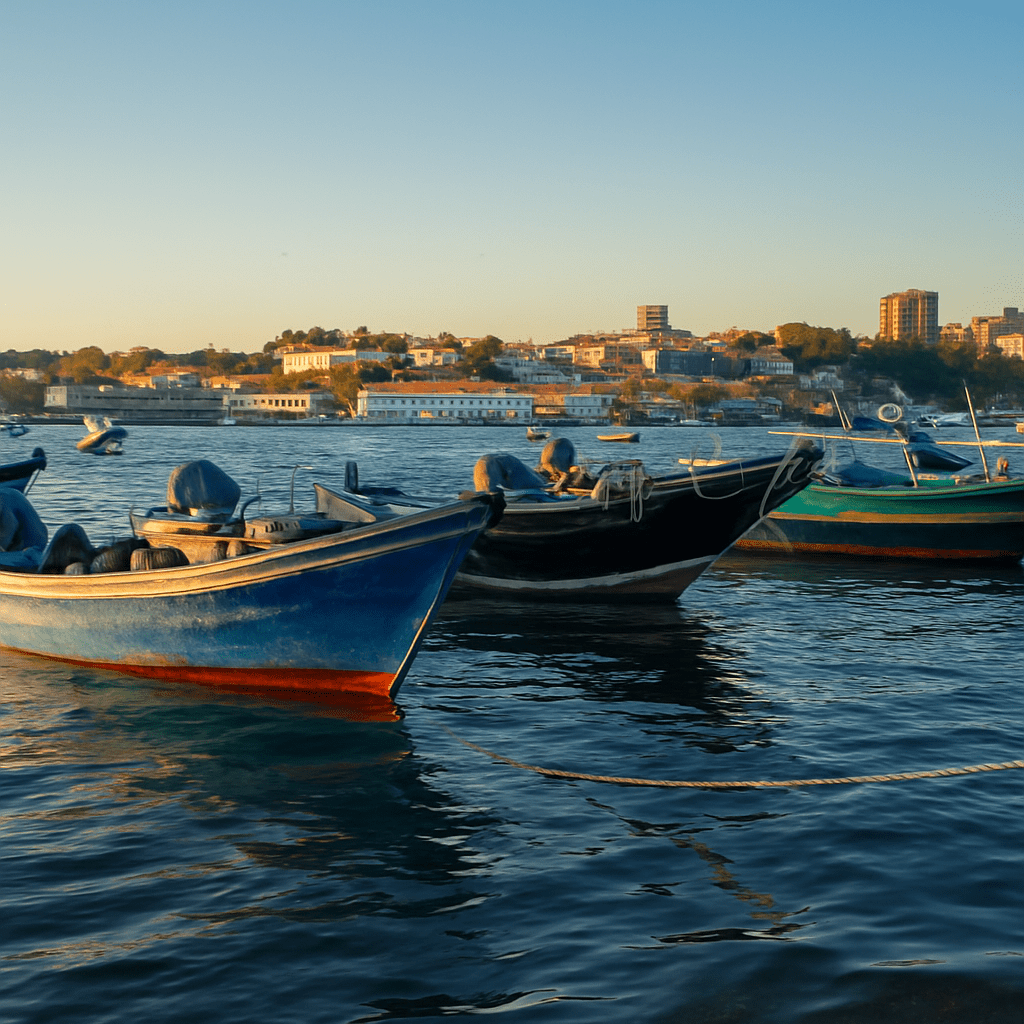
Take a short ferry ride or stroll from Porto proper into Afurada, a fishing village suspended in time. Here, laundry flaps between pastel buildings, and restaurants serve the freshest grilled fish on the terrace.

Local tips:

  • Visit early or late for the most authentic vibe

  • Seek out the small chapel festooned with ships and mosaics

  • Order the catch of the day from family-run tavernas

Afurada is an invitation to slow down and savor Porto’s connection to the river and sea.


18. Urban Secrets: City Walls, Tiles, and Courtyards

Porto’s unique personality shines in its ordinary spaces—medieval city walls, tiled staircases leading nowhere, and sun-dappled inner courtyards.

How to explore:

  • If a building is open and looks interesting, ask politely if you can enter; many house collaborative studios or striking art installations

  • The lower deck of the Dom Luís I Bridge offers intimate cityscapes just a few steps from the water, missed by most tourists climbing for a skyline shot

  • Tangled alleys off the beaten path are filled with stories—always keep your camera ready for a surprise mural, a secret garden, or a centuries-old fountain

Final Thoughts: Tips for Secret Porto Explorers

  • Map less, wander more: The best secrets are often steps from tourist hotspots but require letting go of plans.

  • Stay curious: Peek behind doors, follow the less-trodden staircases, and befriend the locals.

  • Visit in the shoulder season: Late spring and early autumn see fewer crowds, more locals, and the best weather.

  • Embrace serendipity: Some of Porto’s magic comes from getting just a little bit lost.

Porto may greet you with medieval towers and world-famous wine—yet it’s in its secret gardens, hushed squares, and unhurried corners that the city’s heart truly beats.
Wander well, and Porto will reveal its secrets to you, one hidden gem at a time.

All descriptions and recommendations are based on local guides, travel experts, and first-hand accounts of Porto’s best-kept secrets, ensuring your adventure is both authentic and unforgettableble

Before making any vacation plans, please check the constantly changing local limitations and safety rules. It should be noted that not all sites and services are operating as usual, so check their respective websites for the most recent details.

Stunning aerial shot of Cascais beach in Lisbon, capturing surf and sand under the summer sun.

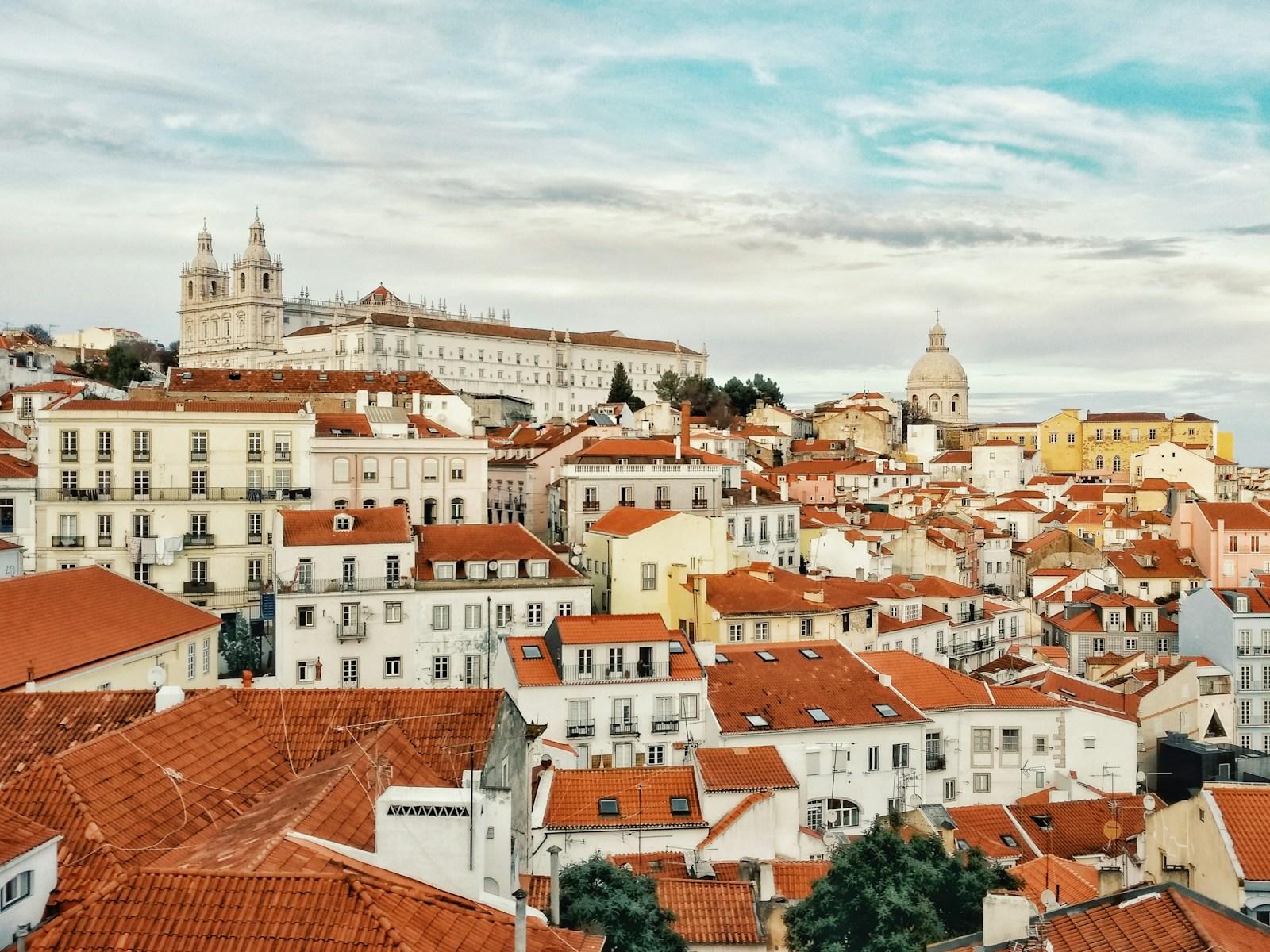
Lisbon, Portugal’s vibrant capital, isn’t just about tile-covered façades, soulful Fado music, or tram-lined hills. A short ride from its historic city center lies an Atlantic coastline famed for stunning beaches, rolling waves, breathtaking sunsets, and fresh-as-it-gets seafood. Whether you’re a thrill-seeker searching for the perfect surf break, a cyclist wanting endless seaside paths, or a dreamer looking to escape and do absolutely nothing, Lisbon’s beaches deliver an unforgettable, multifaceted coastal experience.

This comprehensive guide unlocks the best places to surf, cycle, soak in sunsets, feast on local seafood, and simply unwind. We’ll journey through each beach’s unique vibe, offer insider tips, and highlight why Lisbon’s shores are not to be missed for any kind of traveler.


Why Lisbon’s Beaches Are Exceptional

Few major European cities offer such easy access to truly wild, sun-kissed beaches. The Atlantic’s powerful embrace, ever-changing light, and the mix of cliffs, dunes, and golden sand set the stage for year-round adventure and serenity. Cities like Barcelona and Nice might lure with the Mediterranean, but Lisbon’s coastline is raw, vast, refreshingly untamed, and stretches well beyond the urban limits.

Highlights include:

  • Easy access: Many prime beaches are less than 30 minutes from the heart of Lisbon, reachable by train, ferry, or bike.

  • Epic surf: Consistent Atlantic swells make this a bucket-list destination for surfers of all levels.

  • Diverse atmospheres: Party-ready strips, rugged nature, quiet coves, and bustling promenades all await.

  • World-class sunsets and local cuisine: Golden evenings and mouthwatering seafood await the hungry and the wanderlust-filled.

Lisbon’s Main Beach Regions: Overview

Before diving into the top beaches by activity, here’s how the coastline unfolds:

  • North of Central Lisbon: Cascais-Estoril “Riviera” – glamour, small coves, bustling promenades.

  • West/Northwest: Sintra’s wild beaches – dramatic cliffs, powerful surf, nature escapes.

  • South across the River: Caparica coast and Serra da Arrábida – endless sand, hidden paradises, quieter local life.

Let’s explore the best beaches for your perfect day.

Top Beaches for Surfing

Carcavelos: The Capital’s Surf Classroom

Why it’s famous: Just 15–20 minutes by train from Cais do Sodré, Carcavelos is Lisbon’s most iconic surf beach. Think wide golden sands, reliable beach breaks, and a festive atmosphere buzzing with locals and expats.

What makes it special:

  • Consistent waves: Swells roll in year-round, ideal for both first-timers and advanced surfers.

  • Surf schools galore: Lessons, board rentals, and surf camps make it worry-free for all.

  • Social scene: Lined with beach bars, volleyball courts, and sunbathers, the energy is contagious.

  • Photogenic sunsets: The Saint Julian Fortress frames pastel evenings—don’t miss golden hour.

Getting there: Hop on the Lisbon-Cascais train (Linha de Cascais) for a 20-minute journey—no car needed. Or bike along the scenic seafront path from Belém.

Praia do Guincho: For Wild Souls and Experienced Surfers

Where: About 30km northwest of Lisbon, near Cascais.

What to expect:

  • Wild, windy Atlantic: Big, powerful waves and steady breezes attract experienced surfers and wind/kitesurfers.

  • Unspoiled beauty: Backed by protected dunes and crags, this is surf in its purest form.

  • Less crowded: Swimmers and beginners beware—undertows can be strong, but pros love it.

  • Great for photos: Sintra’s mountains loom behind, and sunsets here are legendary.

Facilities: Scattered beach cafes cater to hardy surfers. Wetsuits are a must—water stays chilly.

Getting there: Head to Cascais by train, then grab a quick bus or Uber.

blue city bike on wooden fence near sea during daytime

Costa da Caparica: Lisbon’s Surf Playground

Across the river: Cross the Tejo via the 25 de Abril Bridge or ferry, and you’ll find 15km of uninterrupted sand.

Why surfers love it:

  • Multipurpose waves: Several “praias” here deliver gentle beginner swells, punchy winter breaks, and everything between.

  • Surf schools and rental huts: Scattered across the main beach, all the way south.

  • More local, less touristy: Popular with Lisbon residents, especially during summer weekends.

  • Seaside cafés (“barracas”): Perfect for post-surf beers, grilled sardines, or people-watching.

Where to surf:

  • The northern section (near the town) is best for facilities and lessons.

  • Head south beyond Praia de São João for quieter sand, empty breaks, and nature.

Getting there: Either drive (it’s about 20 minutes from Lisbon), grab the Costa da Caparica bus, or combine train, ferry, and a short bike ride for an adventure.

Praia Grande: Surf with a Dramatic Backdrop

Location: North of Sintra, Praia Grande is a raw sweep lined with cliffs and heavy Atlantic swells.

Why go:

  • Big-wave surfing: Powerful, larger swells attract advanced surfers and national competitions.

  • Incredible scenery: Massive cliffs create a cinema-worthy setting.

  • Historic: You’ll spot ancient dinosaur footprints above the beach—a delight for the curious.

  • Uncrowded: Even at peak times, the beach feels spacious.

Tips:

  • Swimming can be dangerous outside summer lifeguard patrols.

  • Best reached by car; public transport is limited.

São Pedro do Estoril & Bafureira: Lisbon’s Under-the-Radar Gems

Where: Just a couple of stops west past Carcavelos.

Surf scene:

  • Consistent, punchy waves: Both beaches are top picks for intermediates and up.

  • Chill local vibe: Fewer crowds, plenty of friendly faces, and scenic cliffs.

  • Amenities: A couple of beachside cafes; family-friendly on calm days.

Insider tip: On weekends, surfers spill out onto the promenade with pastéis de nata and espresso.

Beaches for Cyclists: Ride the Atlantic

Cycling by the sea is one of Lisbon’s best outdoor pleasures—wind in your hair, salt on your lips, and plenty of stops for espresso or gelato.

Costa da Caparica (via Belém-Trafaria Ferry): Scenic and Accessible

Why it’s fantastic:

  • Easy from the city: Cycle to the Belém ferry, cross to Trafaria, and roll straight onto Caparica’s promenade.

  • Seafront bike paths: Newly built routes hug the shoreline all the way down to Fonte da Telha.

  • Pick your stop: Hop off at any beach—from bustling main sands to wild solitude further south.

  • Flat, safe, and family-friendly: Bring the kids, take it slow, and make it a day to remember.

Highlights:

  • Cotton candy sunsets, the tang of the ocean, and spontaneous stops for grilled prawns or cold beer.

Fonte da Telha: Ultimate Coastal Ride

What you’ll find:

  • From Caparica, keep cycling south: Bike paths and sandy access lanes snake through pine forests and dunes.

  • Wilder, quieter beaches: Each kilometer offers fewer umbrellas, calmer surf, and hidden “chiringuitos” (beach shacks).

  • Leisure or workout: Go slow and beach-hop, or push on for a full day’s exercise.

Must-see stop: Fonte da Telha’s fishing boats, colorful huts, and simple seafood restaurants.

Beaches Perfect for Doing Absolutely Nothing

Sometimes the best plan is no plan at all. For sand-between-the-toes serenity, untouched nature, and old-school charm, these are the beaches that beckon solitude-lovers, daydreamers, and those craving maximum chill.

Costa da Caparica: Find Your Quiet

How to unplug:

  • Vast, endless sand: Walk north or south from the main town and soon you’ll find space and silence.

  • Beach bars and sunset spots: Stretch out on a lounger, sip a caipirinha, and lose track of time.

  • Early mornings/late evenings: Beat the crowds for that magical hush when the Atlantic feels like yours alone.

What’s unique: Caparica’s flexibility—solitude and social scene exist side by side, each just a short stroll away.

Praia do Meco: Wild and Free

Location: South of Caparica, on the way to the Arrábida mountains.

Reasons to go:

  • Raw perfection: Towering cliffs, rolling dunes, and barely a building in sight.

  • Naturist-friendly: Portugal’s unofficial haven for clothing-optional swimming and sunbathing.

  • Perfect sunsets: Watch the sky ignite from deserted sands—it’s romance and tranquility combined.

  • Picnic paradise: Stock up with fresh bread, cheese, and vinho verde for a sunset meal.

Tips:

  • Pack supplies—bars and restaurants are limited (though what’s there is authentic and delicious).

  • Summer bus service exists, but driving is easiest.

: Secret Cove Charm

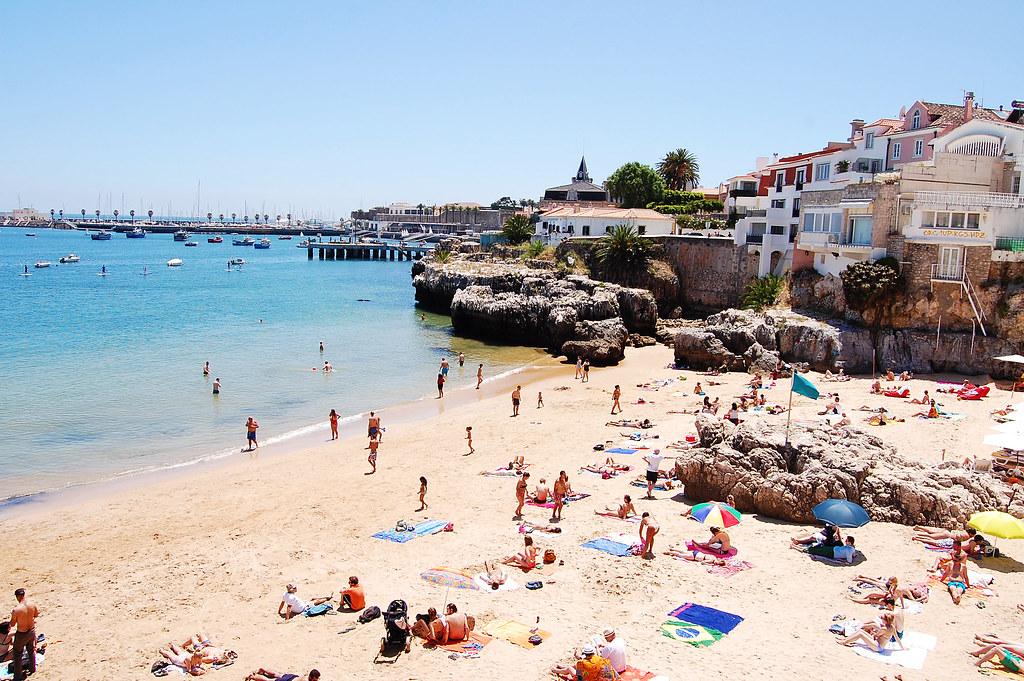
In the heart of Cascais: Praia da Rainha is a tiny cove with a regal name (“Queen’s Beach”)—intimate, sheltered, and protected from winds.

Why it’s a treasure:

  • Village atmosphere: Steps from shops, cafés, and the picture-perfect old town.

  • Calm swimming: Gentle, clear waters, ideal for a lazy dip and basking.

  • Great for people-watching: Locals, visitors, and even the occasional fisherman hauling in the day’s catch.

Perfect for: An easy, no-effort beach day with urban delights at your fingertips.

Praia da Adraga: For Nature Lovers

Where: West of Sintra, hidden behind narrow rural roads.

What you’ll love:

  • Rugged cliffs and rock formations: The most photogenic beach near Lisbon—ideal for dramatic shots and seaside strolls.

  • Peace and quiet: Less commercial, more wild. Even on weekends, Adraga feels unhurried.

  • Local seafood restaurant on the sand: Grilled fish and vinho verde served with Atlantic views.

Tip: Bring sturdy shoes for exploring caves, cliffs, and rock pools at low tide.

Praia de São Julião: Unplug and Reconnect

Farther north, past bustling Ericeira: São Julião is a bold sweep of untamed coastline.

Why go:

  • Away from it all: No tourist crowds—just fishers, surfers, and locals sharing the wide sands.

  • Waves and wildness: Reminds you how raw and beautiful Portugal’s coast can be.

  • Perfect for mindful walks, lone swims, writing, or sketching.

At a Glance: Beach Selection by Activity

Activity Top Beaches
Surfing Carcavelos, Guincho, Costa da Caparica, Praia Grande, São Pedro, Bafureira
Cycling Along the Coast Costa da Caparica (via Belém-Trafaria ferry), Fonte da Telha
Doing Absolutely Nothing Costa da Caparica, Praia do Meco, Praia da Rainha, Praia da Adraga, São Julião

Savvy Beach Tips for Lisbon Newcomers

  • Weekdays rule: Escape the city’s crowds and have the sand almost to yourself.

  • Sun safety: Atlantic breeze can fool you—always use sunscreen, even on cloudy days.

  • Public transport: Use trains (Cascais Line), buses, and ferries; you don’t need a car except for the remoter beaches.

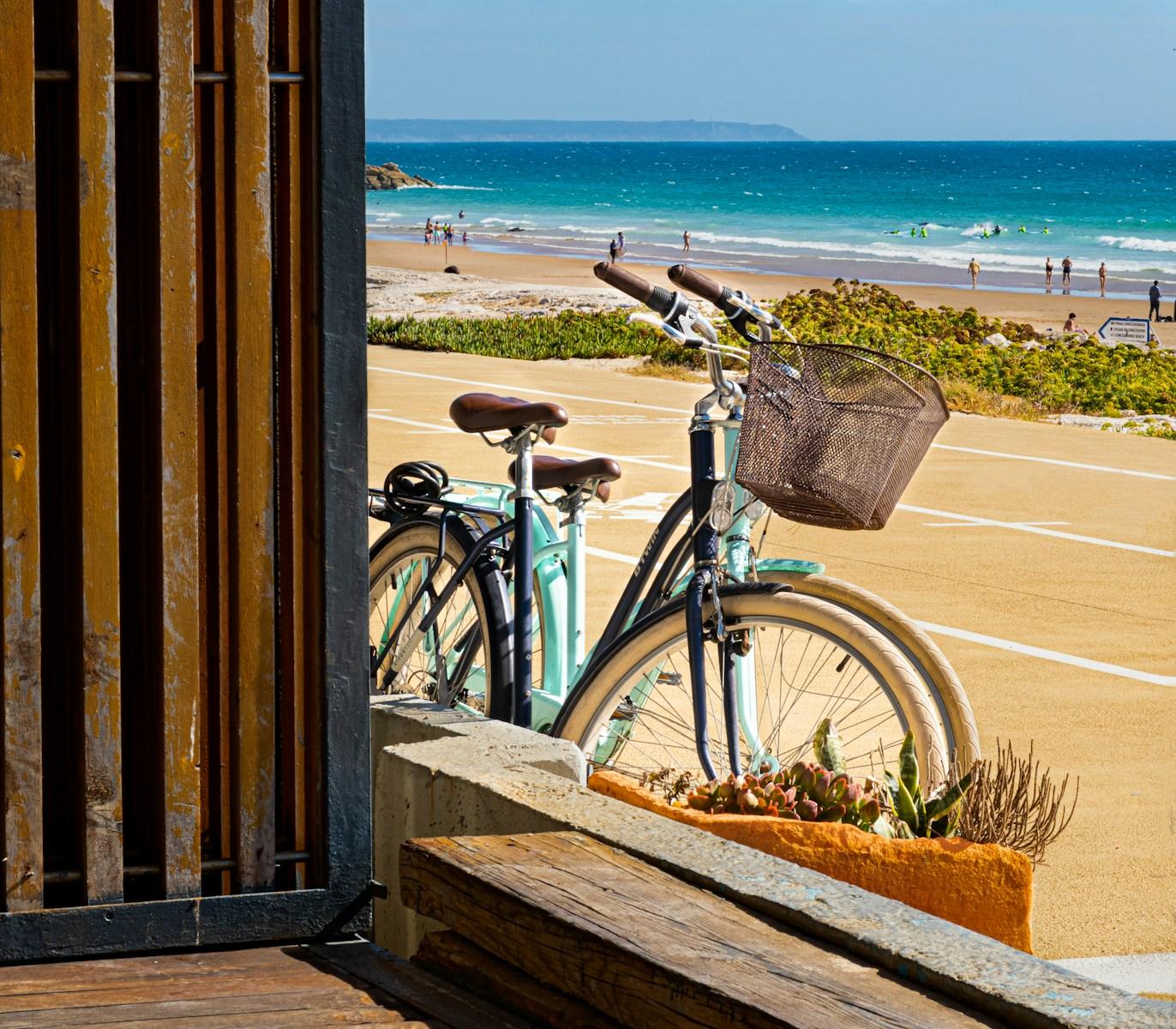
  • Biking: Many seafront paths are flat and well-maintained—rentals are plentiful.

  • What to pack: A light jacket (it can get windy), plenty of water, and your sense of adventure.

Seafood must-tries:

  • Grilled sardines fresh from the Atlantic

  • Amêijoas à Bulhão Pato (garlic clams)

  • Arroz de marisco (seafood rice)

  • Whole grilled dourada or robalo (sea bream and sea bass)

  • Local vinho verde for refreshment

Making the Most of Your Time: Sample Itineraries

1. Surf, Stroll & Savor: Day in Carcavelos

  • Morning: Catch a surf lesson.

  • Lunch: Refuel with a tosta mista and espresso overlooking the waves.

  • Afternoon: Cycle west on the promenade, stopping for ice cream in Estoril.

  • Sunset: Relax with a chilled drink at a beach bar; watch as locals pack up their boards.

2. Escape to Nature: Sintra and Praia da Adraga

  • Morning: Wander Sintra’s fairytale palaces, then head to Praia da Adraga by car or taxi.

  • Lunch: Feast on grilled seafood at the cliffside restaurant.

  • Afternoon: Hike cliff-top trails, explore caves, and nap on the sand.

  • Evening: Stay for a sunset you’ll never forget.

3. Coastal Ride & Beach Club Bliss: Caparica

  • Morning: Cycle across the river (Belém-Trafaria), then along the shore to Caparica.

  • Lunch: Chill at a “barraca”—frothy beer and fresh clams.

  • Afternoon: Explore quieter southern stretches or join a yoga session on the beach.

  • Evening: End with live music or a sunset DJ set overlooking the Atlantic.

Frequently Asked Questions

How warm is the water?
The Atlantic off Lisbon is brisk—expect 16–20°C (61–68°F) most of the year. A wetsuit’s handy for surfing, but swimming on hot summer days is refreshing.

What’s the best season to visit?
June–September for swimming and sun, but surfing is best autumn to spring. Even in winter, you’ll find mild days and empty beaches.

Can I find vegetarian or vegan food?
Absolutely. Lisbon’s dining scene caters for all diets with veggie-heavy salads, açorda (bread stew), and international cuisine at many beachside restaurants.

Is it family-friendly?
Most beaches are, especially Carcavelos, Estoril, and main Caparica. Lifeguards patrol major sites in summer; waters are calmer in small coves.

Where should I stay?
Cascais, Costa da Caparica, and even Sintra have hotels and guesthouses near top beaches. Lisbon’s city center works well for day-trippers—transit is fast and cheap.

Conclusion: Lisbon’s Coastline—Something for Every Traveler

Lisbon’s beaches are more than a backdrop for summer holidays—they’re an all-year playground for surfers, cyclists, foodies, families, and anyone who loves the rhythmic lull of waves. With the city’s pastel roofs behind and the vast Atlantic ahead, you’ll discover why locals never tire of their coast. Whether your idea of adventure is paddling out to conquer the surf, pedaling along salt-sprayed roads, savoring seafood with sandy feet, or simply soaking in the sunset in blissful silence, Lisbon’s shoreline promises the beach day you’ve been dreaming about.

Start from Lisbon’s bustling plazas and end with sand between your toes—these Atlantic treasures are ready to welcome you.

Before making any vacation plans, please check the constantly changing local limitations and safety rules. It should be noted that not all sites and services are operating as usual, so check their respective websites for the most recent details.

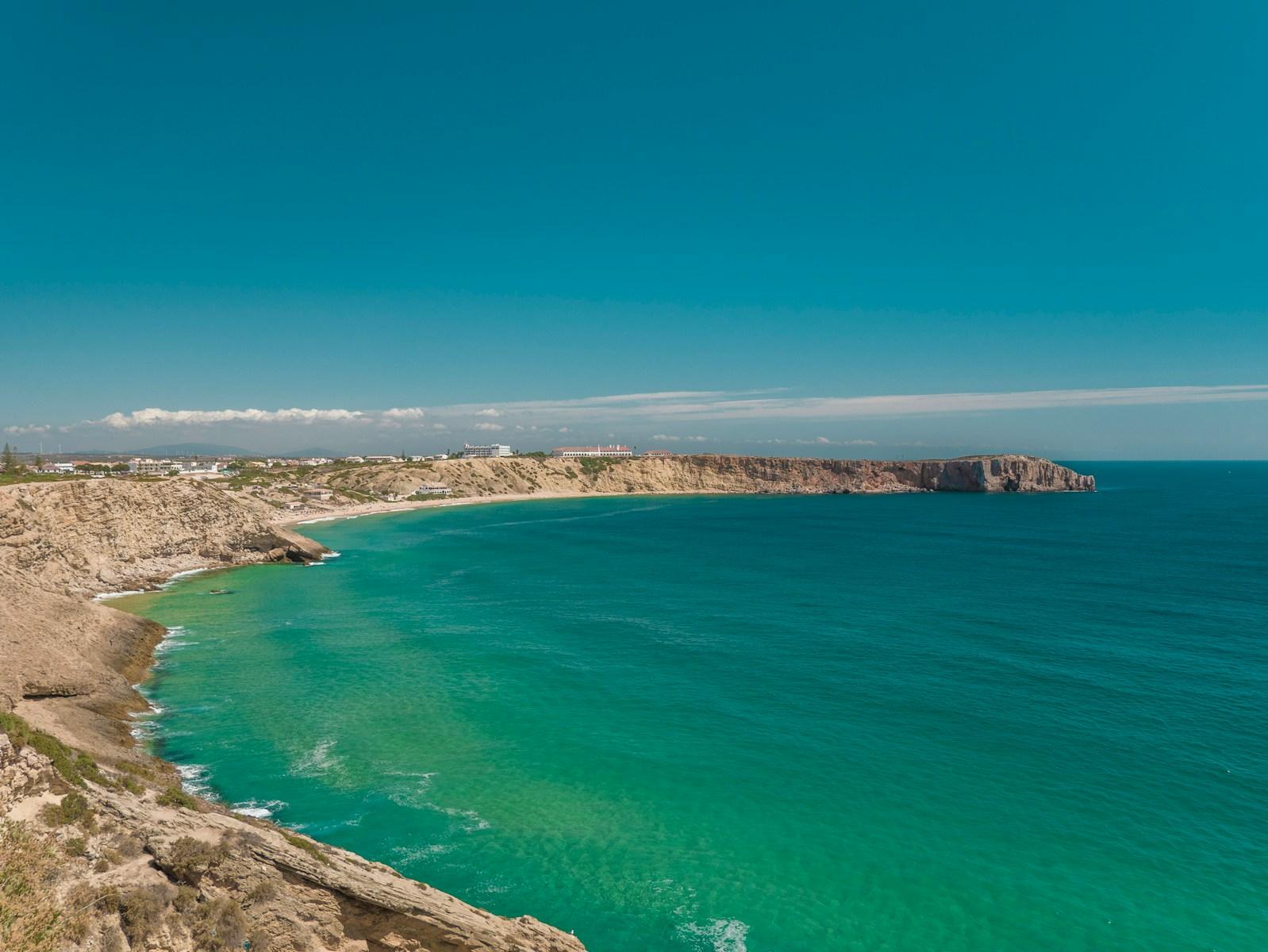
blue sea beside brown mountain under blue sky during daytime


Sagres, perched at the southwestern tip of Portugal, is famed for its wild Atlantic vistas, legendary surf, and deep-rooted maritime history. If you’re in search of dramatic cliffs, serene beaches, delicious seafood, and a taste of “the end of the world” atmosphere, Sagres is the place to be. Here’s your essential guide to the top things to do in Sagres, along with tips to make the most of your visit.

1. 

A visit to Sagres Fortress (Fortaleza de Sagres) is essential. Built in the 15th century for Prince Henry the Navigator, this imposing stronghold sits atop rocky cliffs overlooking the Atlantic, offering breathtaking views and a sense of the region’s strategic significance in the Age of Discoveries. Explore the fortress walls, climb the old ramparts, and visit the modest museum that exhibits Sagres’ historic role in world exploration. Don’t miss the enormous stone Wind Rose, a mysterious compass circle, and the voice of the sea cave, where the power of the ocean can be felt and heard.

2. 

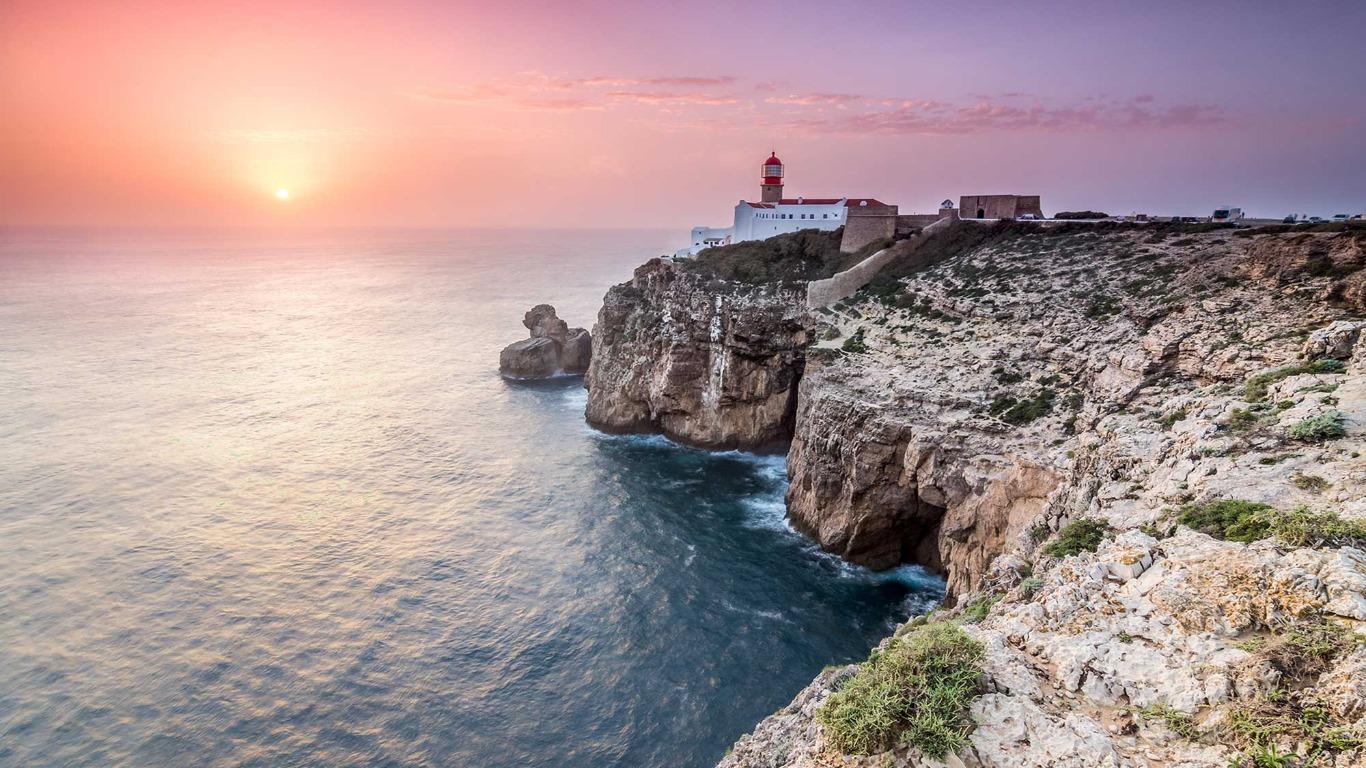
Venture just beyond Sagres to Cabo de São Vicente (Cape St. Vincent), the southwesternmost tip of mainland Europe. The views from these wind-blasted cliffs are awe-inspiring, especially at sunset. The iconic lighthouse here, one of the most powerful in Europe, guides ships along this once-treacherous coastline. Time your visit for dusk when the sun sinks into the ocean and the sky erupts in color—truly an unforgettable experience.

3. 

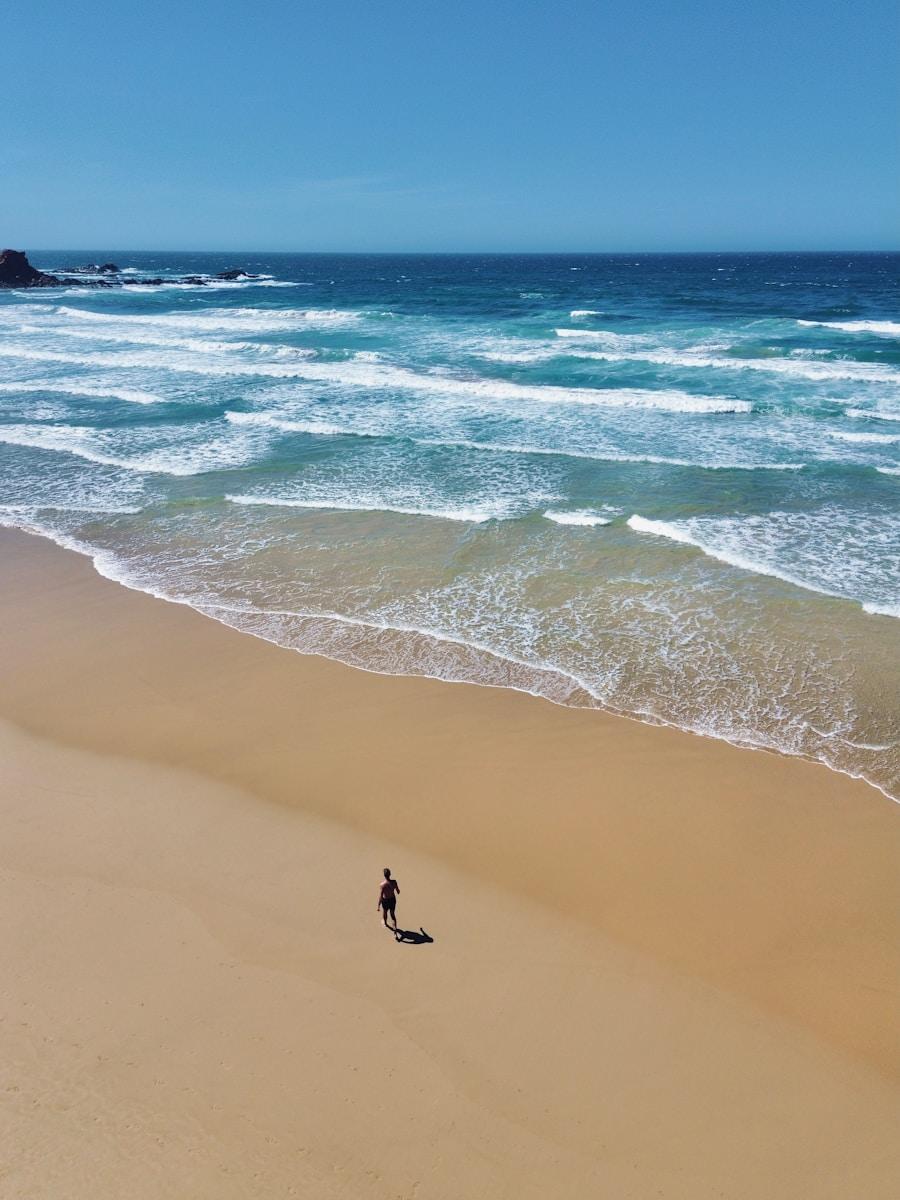
a person standing on a beach next to the ocean

Sagres is a gateway to some of the Algarve’s most beautiful and unspoiled beaches—each with its unique charm:

Beach Name Best For Highlights
Praia do Tonel Surfing Powerful Atlantic waves, dramatic cliffs
Praia da Mareta Relaxation, Swimming Central location, sheltered golden sands
Praia do Beliche Seclusion, Surf Cliff-ringed cove, quieter surroundings
Praia do Martinhal Families, Swimming Calmer waters, dunes, ideal for snorkeling
  •  is the go-to for surfers and those who want to watch wave riders.

  •  is ideal if you prefer calmer water to swim or relax close to town.

4. 

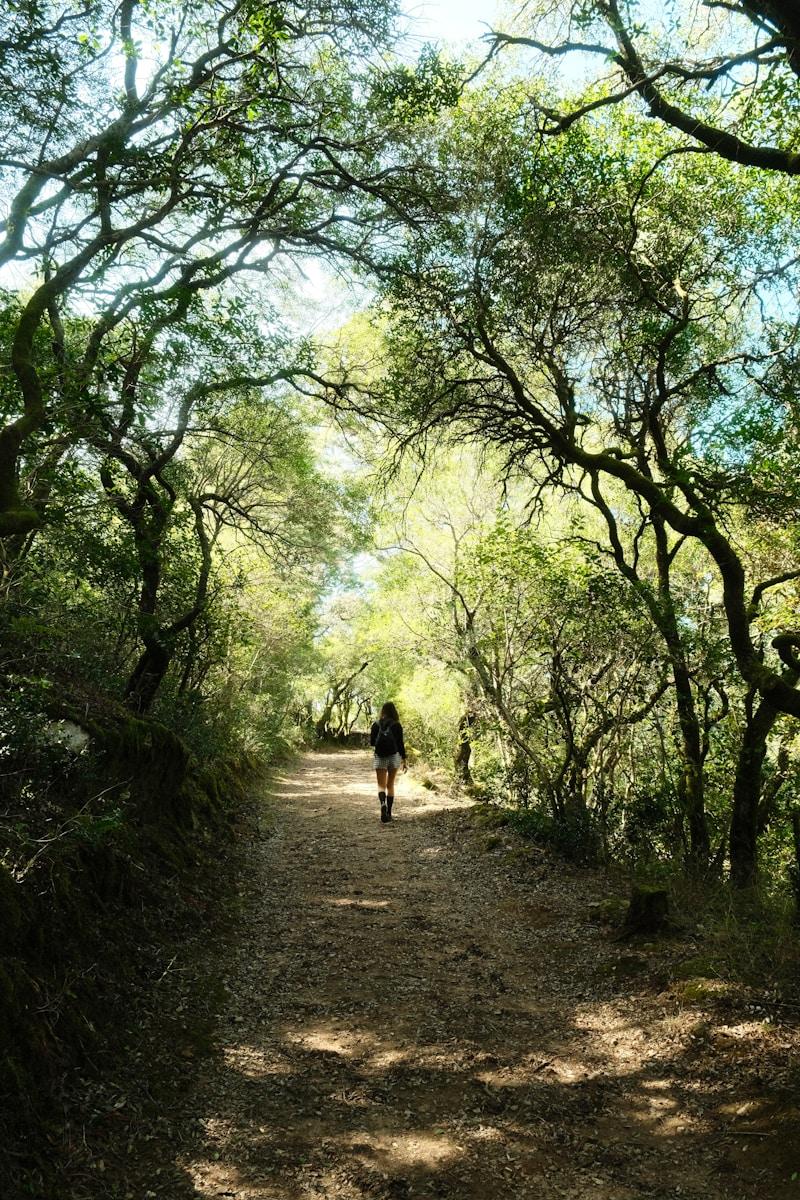
A person walking down a dirt road surrounded by trees

Hiking along the Costa Vicentina gives visitors a chance to connect with wild nature. Coastal trails offer sweeping views, wildflowers, and access to secret coves. The Parque Natural do Sudoeste Alentejano e Costa Vicentina covers the surrounding landscape, protecting rugged cliffs and a wealth of native wildlife. You’ll encounter everything from tidal pools to windswept moorlands along the way.

For adventure enthusiasts, Sagres is an outdoor lover’s playground:

  • : Reliable waves at Praia do Tonel and Praia do Beliche attract everyone from beginners to pros.

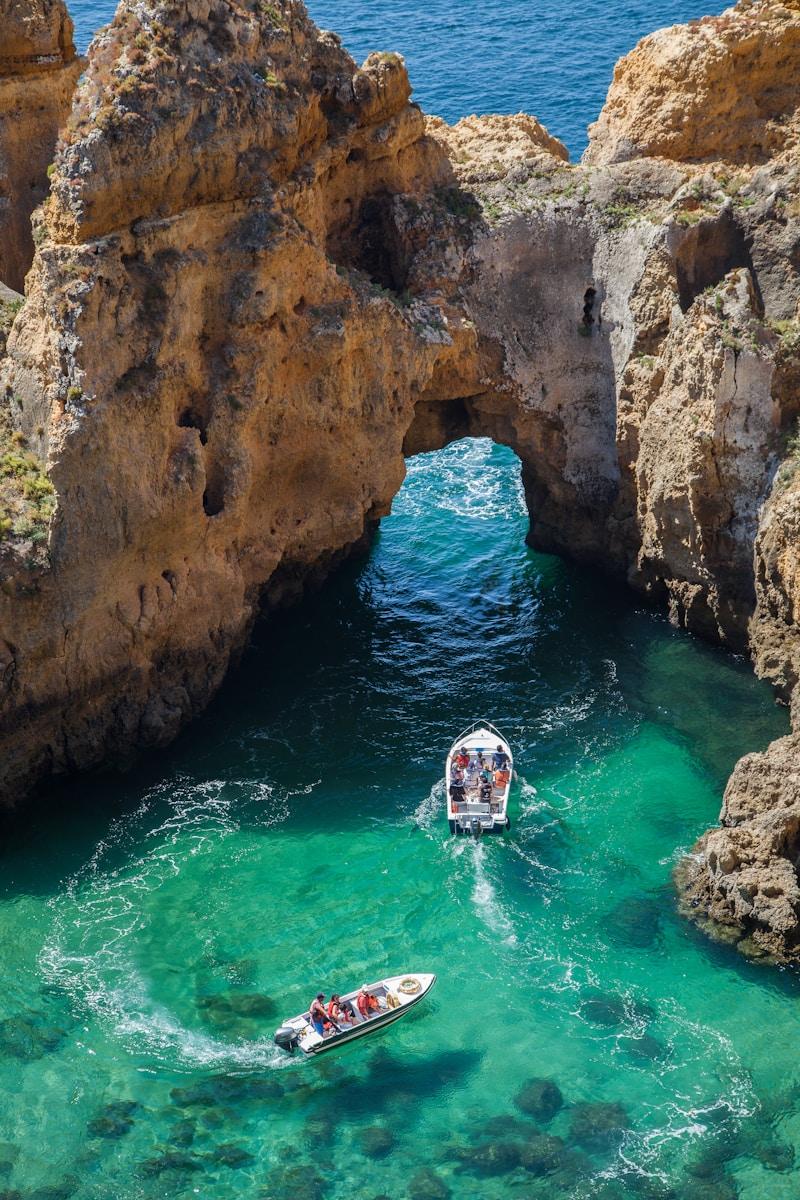
  • : Discover hidden sea caves, dramatic arches, and even spot dolphins.

  • Coasteering, Stand Up Paddle, Kitesurfing, and Mountain Biking: The rugged landscape offers a variety of thrills on land and water.

5. 

a plate of food that is sitting on a table


  • : Watch local fishermen prepare their daily catch, or stroll the colorful harbor and sample just-landed seafood at a quayside restaurant.

  • : Pick up artisanal pottery, cork products, and other Algarve specialties in town.

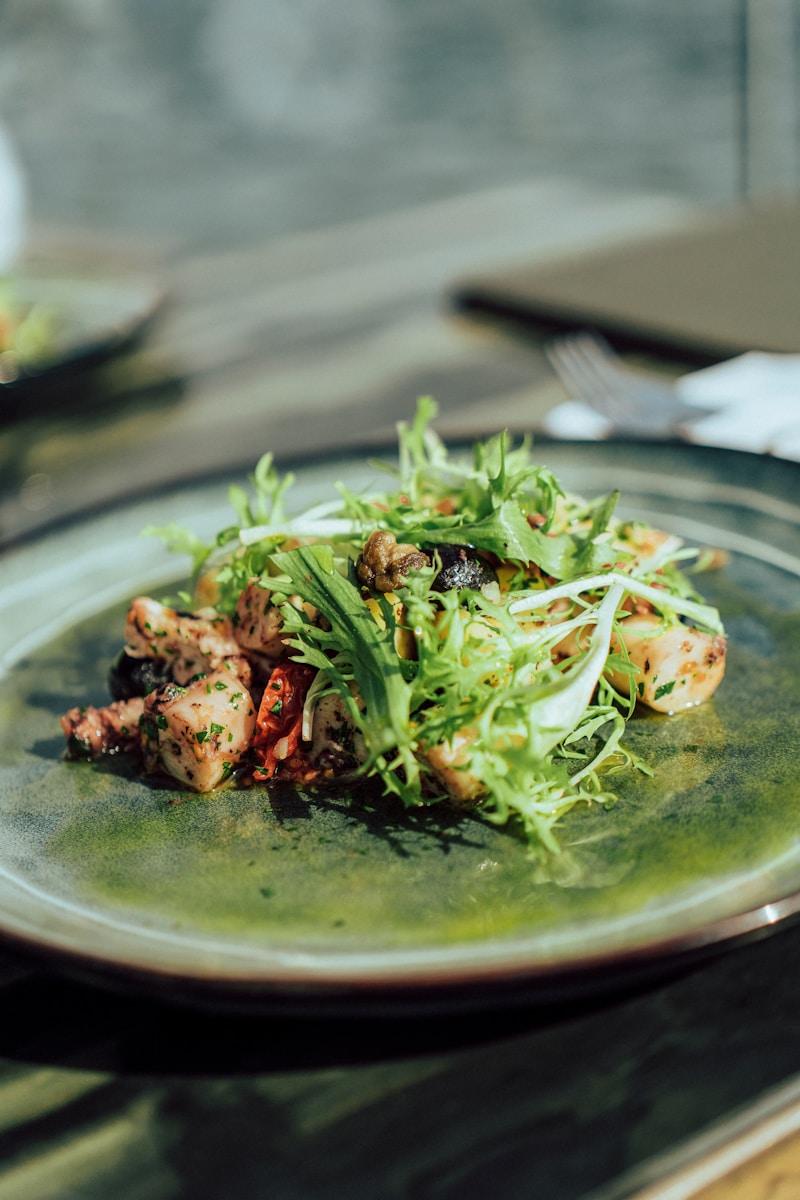
  • : Don’t miss the chance to savor grilled fish, octopus salad, and the region’s famous percebes (goose barnacles) at Sagres’ traditional eateries.

6. 

  • : The easiest way to reach Sagres is by car from Faro (about 1.5 hours). Regular buses also run from Lagos to Sagres.

  • : Two to three days lets you experience the highlights and soak up the relaxed vibe.

  • : Options range from boutique hotels like Memmo Baleeira, surfer lodges, and B&Bs to family-friendly guesthouses.

  • : Summer offers the best weather. Spring and fall bring quieter streets and fantastic hiking, but note that Atlantic winds can get strong even in July and August.

7. 

yellow flowers in front of brown concrete building

high-angle photography of two power boats surrounded by cliff

  • : Bustling historic town just 30 minutes away.

  • : A picturesque inland village nestled among rolling hills.

  • : Hire a car or bike to seek out Praia da Bordeira, Castelejo, Telheiro, and countless other wild stretches along the Costa Vicentina.

Sagres is more than a beach retreat—it’s a place of windswept drama, surf spirit, and living history. Whether you come for iconic sunsets at Europe’s edge, world-class waves, or the sense of unspoiled adventure, you’ll leave with memories as wild as the Atlantic itself.

Pack your curiosity, your camera, and your sense of adventure—Sagres awaits.

Before making any vacation plans, please check the constantly changing local limitations and safety rules. It should be noted that not all sites and services are operating as usual, so check their respective websites for the most recent details.