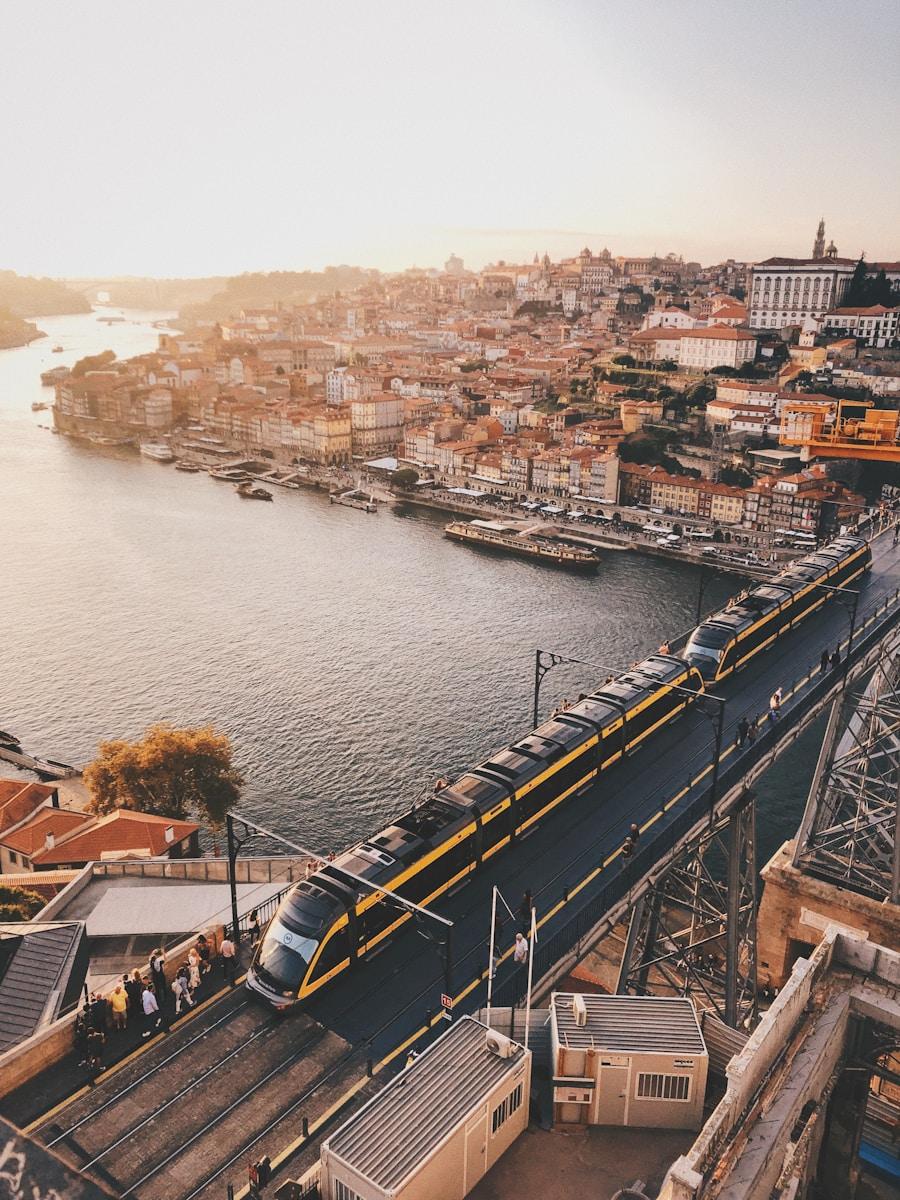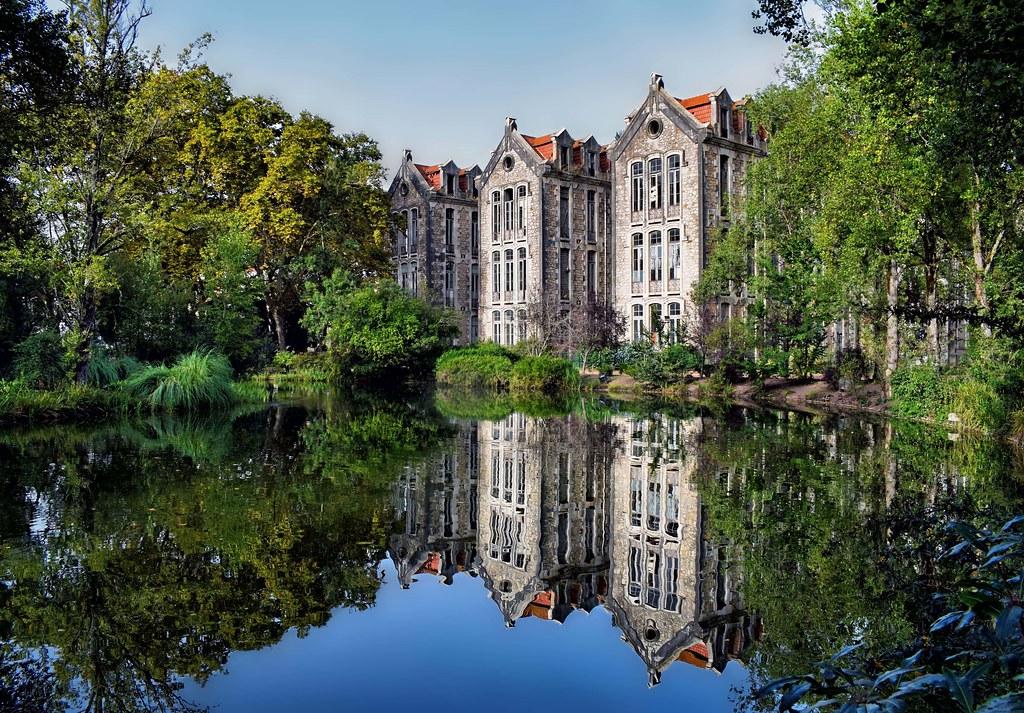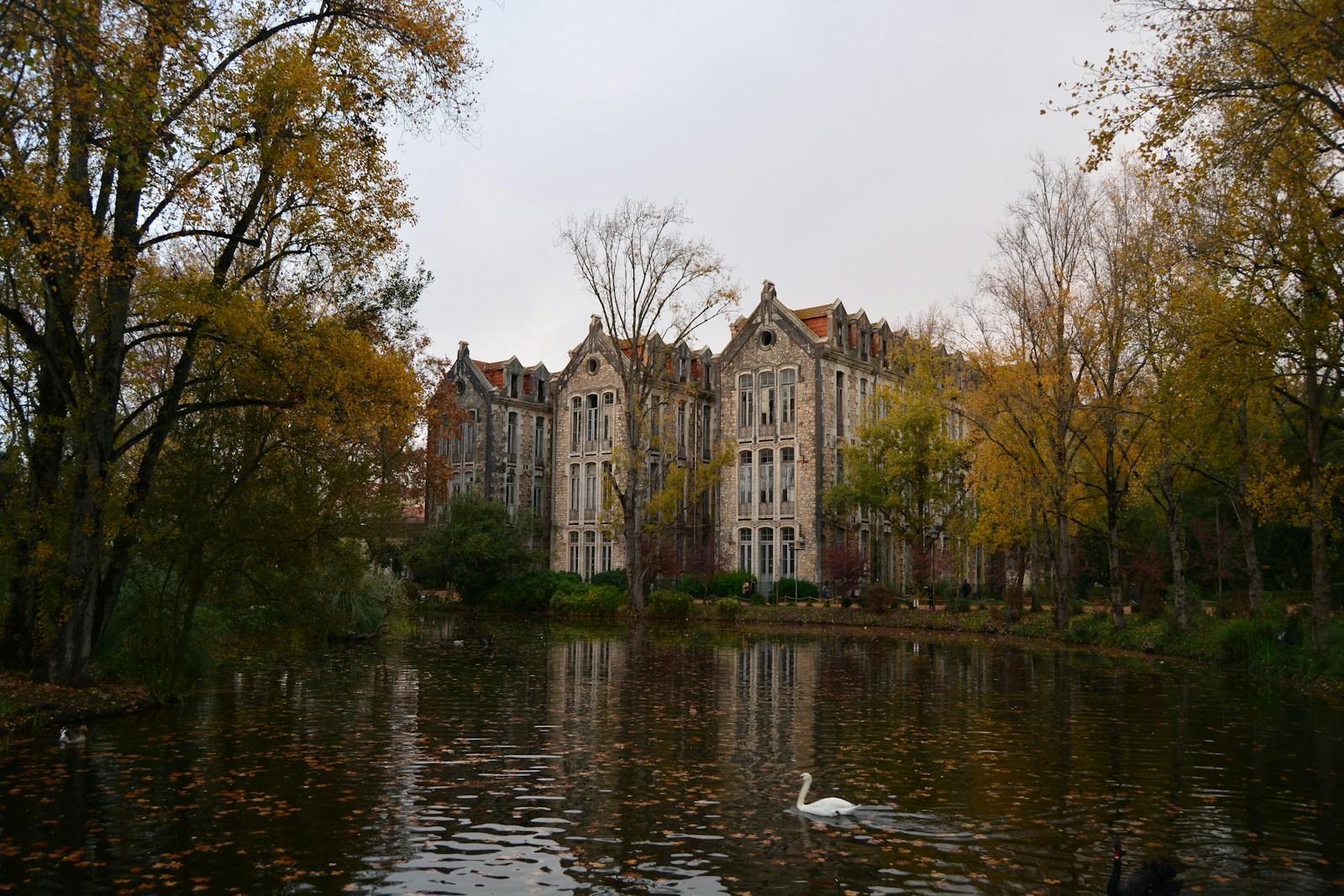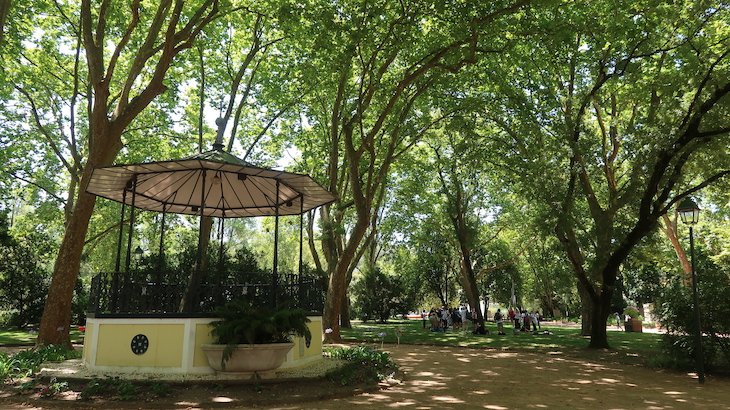
Standing on the Edge of Two Worlds

There are places in Portugal where the country feels familiar: tiled towns, wine terraces, sunlit plazas. And then there’s Miranda do Douro. Perched high above a gorge carved by the Douro River, on the very line that divides Portugal from Spain, this city feels like it belongs to another time altogether. The cliffs are sheer, the winds carry whispers of an ancient language, and the streets hum with traditions that survived precisely because of Miranda’s isolation.

Travelers who make the journey this far northeast don’t just arrive at a destination, they step into a cultural stronghold that has guarded its identity for centuries.


A Fortress with a Story

Miranda’s history is inseparable from its geography. The Romans saw its strategic value, fortifying the plateau to defend the river frontier. Centuries later, in the 12th century, it became one of Portugal’s great strongholds against Castile. The medieval castle, now a ruin with sweeping views, was once the cornerstone of that defense.

The city’s golden age came in 1545, when it was elevated to bishopric status. Wealth followed, along with a grand cathedral that still surprises visitors today: a Renaissance masterpiece rising from a town of cobbled streets. When the bishopric later moved to Bragança, Miranda slipped into decline, but the decline preserved something priceless: its own rhythm, untouched by outside currents.


Where Portugal Speaks Another Language

Walk the streets and you’ll notice something unusual. Road signs and bookshop shelves are bilingual, written not only in Portuguese but also in Mirandese, a language closer to Astur-Leonese than to Lisbon’s tongue. Children here grow up learning it in school. It’s not a museum piece; it’s a living, spoken identity.

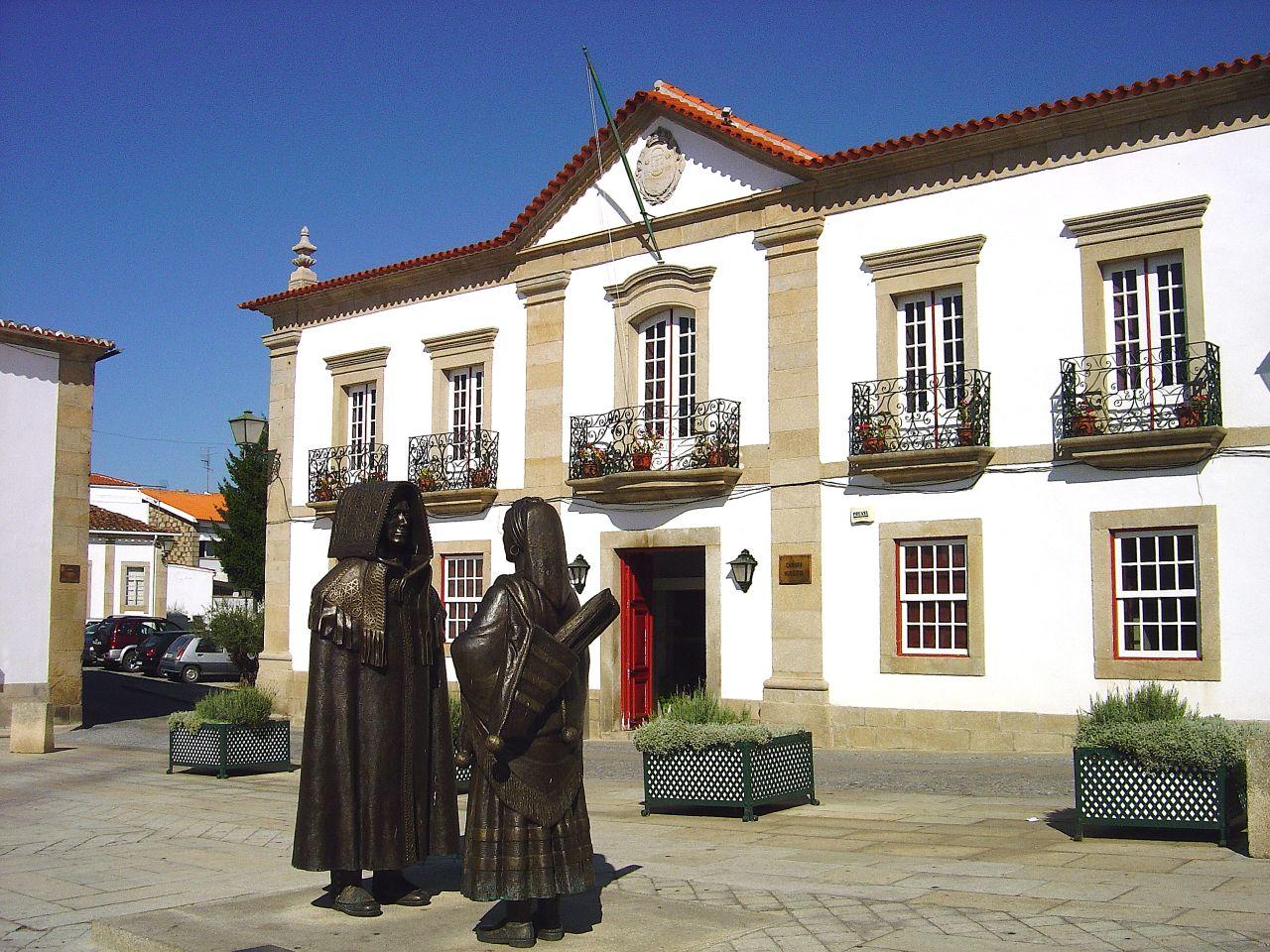
And then there’s the music and dance. The Pauliteiros de Miranda perform with sticks and rhythm, skirts swishing, the choreography carrying echoes of Celtic ritual. These aren’t staged performances for tourists; they’re threads in the town’s cultural fabric. Add to this the embroidered capas de honras, wool cloaks heavy with symbolic stitching, and Miranda feels more like a cultural island than a provincial town.


What to See in Miranda do Douro

The Cathedral (Sé de Miranda do Douro)
Step inside and find Renaissance architecture at its most elegant, gilded altars, and the beloved Menino Jesus da Cartolinha, a child Jesus in a little hat, dressed in new outfits through the year, a tradition unique to this city.

Castle and Walls
The fortress may be crumbling, but the view from its ramparts is enough to explain centuries of conflict. Below, the Douro twists like a silver blade through the canyon.

Museu da Terra de Miranda
This intimate museum explains what you see and hear around you: the language, the costumes, and the agricultural tools that once sustained life on the plateau.

Douro International Natural Park
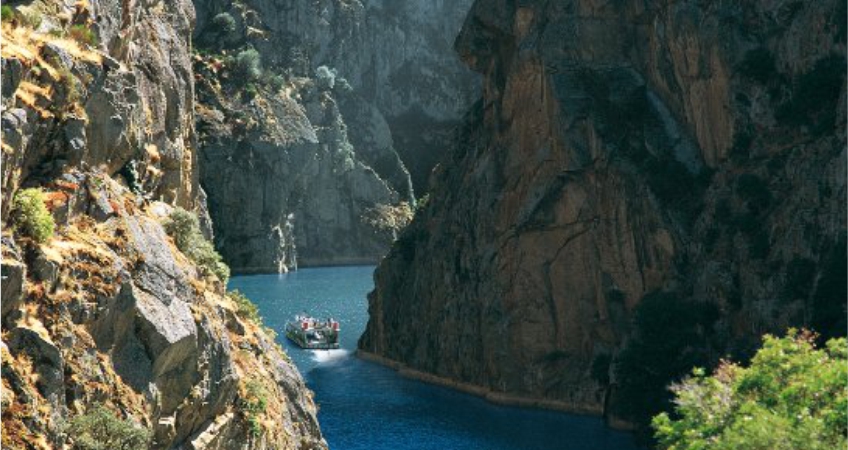
Perhaps Miranda’s greatest treasure lies outside its walls. The gorge of the Douro River is one of Europe’s most striking landscapes, with cliffs plunging toward water that forms the border with Spain. Griffon vultures, golden eagles, and black storks ride the thermals above. For the best views, head to the Fraga de Puio lookout in nearby Picote.

River Cruises
From the marina outside town, small boats glide between the cliffs. The silence of the canyon is broken only by birdsong and the echo of water against stone, a frontier wilderness few visitors ever see.

Villages Around Miranda
Each has its own character:

  • Picote with artisans and breathtaking views.

  • Sendim, where the Mirandese language is strongest.

  • Palaçoulo, known for traditional crafts and knife-making.


Food of the Highlands

Miranda’s cuisine speaks of winters that bite and fields that demand strength. The signature dish is Posta Mirandesa, a thick beef steak, flame-grilled and impossibly tender. Winter brings butelo com casulas, a smoked sausage stew with beans. Honey, cheeses, and cured meats are staples, and everything tastes of the land: strong, rustic, and sustaining.


Secrets Few Know

  • Miranda was once more important than Bragança and nearly became the regional capital.
  • Children’s voices in the schoolyard ring out in Mirandese, a living, everyday language.

  • The beloved Menino Jesus da Cartolinha has an entire wardrobe of outfits, stitched by locals.

  • The Douro gorge here is not the wine country of postcards; it’s wild, sharp frontier land.
O que visitar em MIRANDA DO DOURO, "Cidade Museu" de Trás-os-montes! | My Best Hotel

Getting There

Reaching Miranda requires intention. It’s a 3.5-hour drive from Porto or about an hour from Bragança. Public transport is sparse, so a car is almost essential. The drive itself is part of the experience, winding through Trás-os-Montes, a region as remote as its name suggests, “beyond the mountains”.


Why You Should Go

Miranda do Douro is in Portugal, but it is also something apart. A borderland where language, ritual, and geography created a culture with its own pulse. Come for the cathedral, stay for the canyon, and leave remembering the sound of a dance that feels as old as Europe itself.

This isn’t just another stop on a Portugal itinerary. It’s a place that rewrites your sense of the country.


Travel Essentials

Best Time to Visit: Spring and autumn for mild weather and festivals; winter for hearty food and quiet streets.
Stay: A handful of small hotels and guesthouses in town; rural accommodations in surrounding villages.
Don’t Miss: A Pauliteiros performance if you’re lucky enough to catch one.
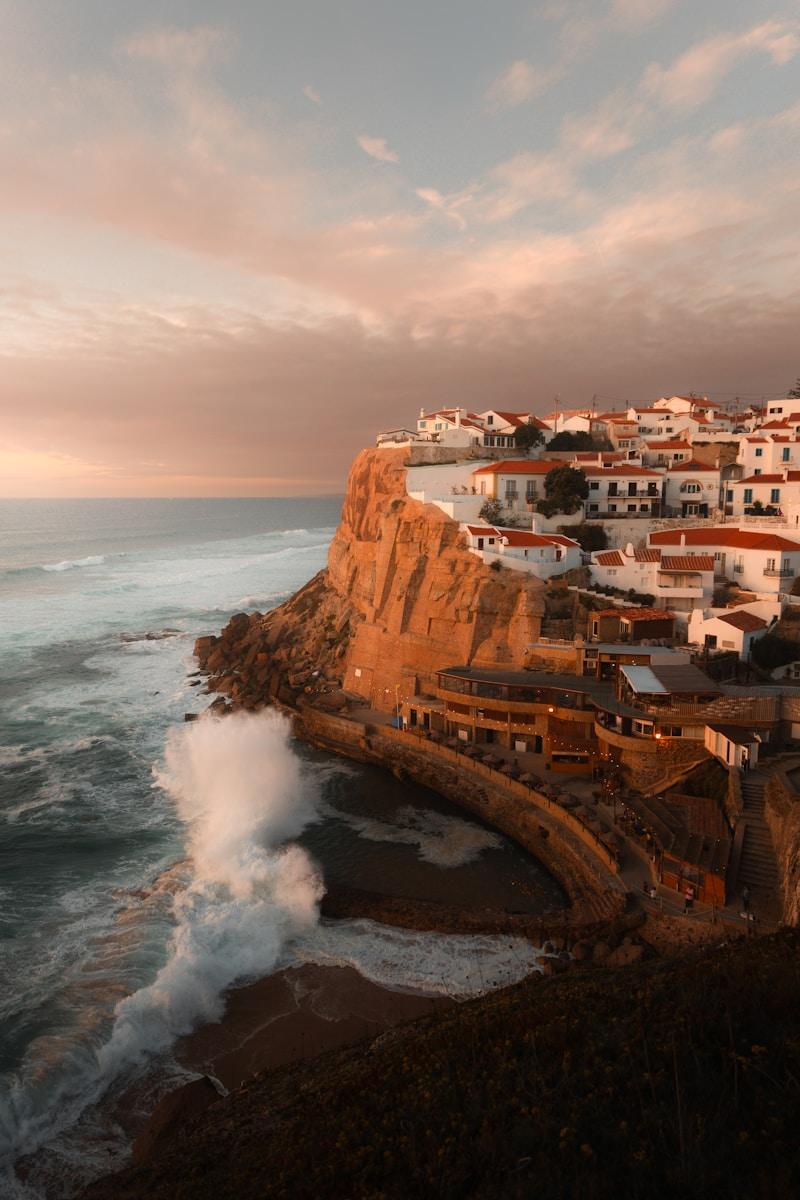
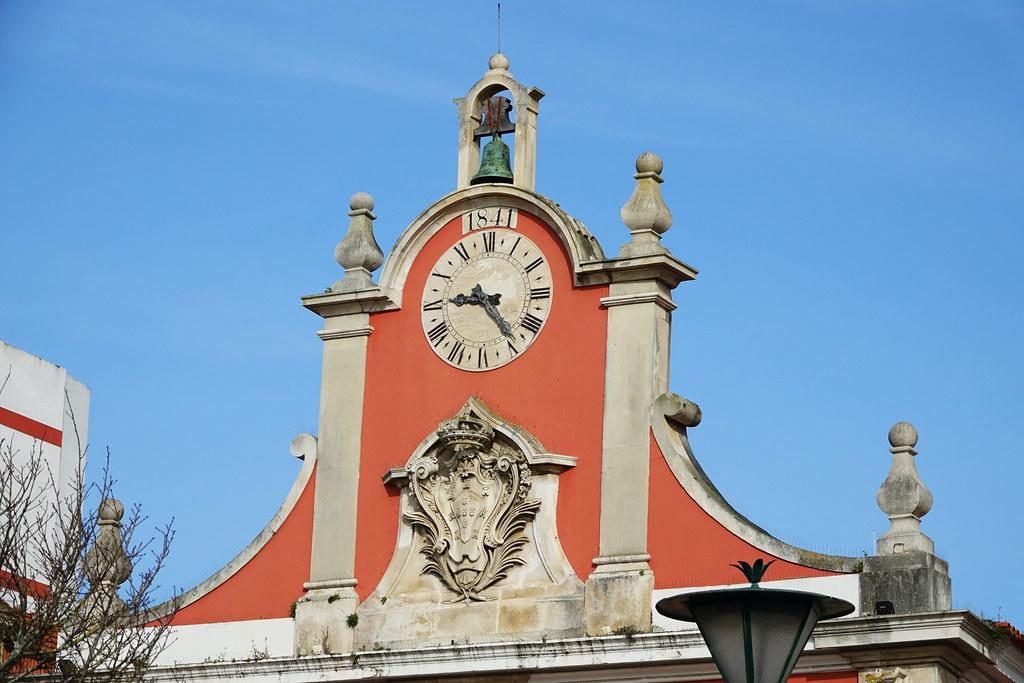
Before making any vacation plans, please check the constantly changing local limitations and safety rules. It should be noted that not all sites and services are operating as usual, so check their respective websites for the most recent details.

a large building sitting on top of a lush green forest

Step off the train and the first thing that hits you is the smell. Sweet, buttery cavacas pastries waft from a corner bakery, their sugar shells cracking under the weight of soft dough inside. The streets ahead are lined with tiled façades, not the pristine blue-and-white patterns you might expect in Lisbon, but earthier, quirkier mosaics that speak of a town proud of its artisans. A few steps farther and the rhythm shifts: the sound of water running beneath the cobbled pavement, the rustle of tall trees framing the pathways of Parque D. Carlos I, and the laughter of locals drifting from an outdoor café. This is Caldas da Rainha—a city whose very name means the Queen’s Springs, and whose identity is wrapped up in wellness, creativity, and an unhurried pace of life.


A Queen, A Spring, and the Birth of a City

Caldas_da_Rainha_NL.jpg

The story of Caldas da Rainha begins in the late 15th century with a queen who refused to look away from human suffering. Queen Leonor of Portugal, wife of King John II, was traveling through the region when she encountered peasants bathing in foul-smelling, sulfurous waters. Curious, she discovered they were not indulging in superstition but easing their ailments—rheumatism, skin problems, lingering pains. Leonor herself tested the springs and felt their healing properties. In 1485, she ordered the construction of a hospital and thermal complex, free to the sick and poor.

From that single act of compassion grew a town. The thermal hospital became Caldas’s beating heart, attracting patients, doctors, and eventually artists and writers who came for both treatment and inspiration. The name—Caldas da Rainha, the Queen’s Spa—stuck. To this day, the original thermal hospital still stands as one of the oldest continuously operating spa institutions in the world.


A Town of Clay and Color

If water was Caldas’s first gift, clay was its second. The town sits on rich deposits that gave rise to a pottery tradition spanning centuries. By the 19th century, Caldas was not just producing utilitarian ceramics but flamboyant, satirical works. Enter Rafael Bordallo Pinheiro, the cartoonist-turned-ceramicist whose playful designs—frogs, cabbages, caricatures—still define the town’s artistic identity. His works were bold, political, humorous, and distinctly Portuguese.

Today, Caldas da Rainha is recognized by UNESCO as a Creative City of Crafts and Folk Arts, cementing its place on the global stage. Walk its streets, and you’ll see why: ceramic murals splash color on walls, shop windows brim with plates shaped like lettuce leaves, and the Ceramics Museum preserves treasures ranging from 18th-century faience to modern experimental works.

For travelers, exploring the town’s ceramics is more than browsing shops—it’s an immersion in cultural pride. Many workshops open their doors, allowing you to watch clay take form on the wheel, feel the weight of a still-warm pot, or try your hand at painting glazes.


The Heartbeat of Everyday Life: Markets and Food

Mercado em Caldas da Rainha: 2 opiniões e 6 fotos

Caldas da Rainha is often called the “Capital of Fruit” thanks to its fertile surrounding orchards. The best place to taste this identity is at the Mercado da Fruta, one of Portugal’s most authentic daily markets. Under its iron-roofed pavilion, stalls overflow with apples, pears, cherries, and figs depending on the season. Farmers sell directly, sometimes from wicker baskets, while fishmongers hawk gleaming sardines and butchers lay out cured sausages.

No visit is complete without trying the cavacas—a kind of oversized profiterole without filling, covered in a crisp sugary glaze. They are messy to eat and unapologetically sweet, often paired with a strong Portuguese coffee. Local restaurants, meanwhile, showcase heartier fare: roast goat, cod baked with cream, and the wines of nearby Óbidos and Bombarral.

Caldas is also known for its tasquinhas—small taverns where petiscos (Portuguese tapas) are shared over laughter and local wine. Don’t miss the ginjinha, a cherry liqueur served in small glasses, especially good after a salty dish of grilled chouriço.


Architecture and Streets that Whisper History

Rota da Arquitectura Caldense, Largo Dr. José Barbosa, Caldas da Rainha, Gocaldas, o teu Guia Turístico Local

Beyond food, the town’s very layout tells its story. Praça da República, the main square, is flanked by arcaded buildings that once sheltered merchants. The Mata Rainha Dona Leonor, a woodland park attached to the spa complex, still carries the scent of eucalyptus. The Church of Nossa Senhora do Pópulo, built in 1500, is a rare Manueline structure connected directly to the thermal hospital, where patients once prayed before treatments.

Wandering the center, you’ll see tiled townhouses in varying states of repair, a reminder that Caldas is not a manicured museum-town but a living community. On Saturdays, antique stalls spill into the streets, selling everything from azulejo tiles to vintage radios.


Art, Museums, and Culture

Hospital Termal de Caldas da Rainha - GoCaldas Guia Turístico

For a relatively small town, Caldas da Rainha punches above its weight in culture. The Museu de Cerâmica sits inside a former manor house and guides visitors through centuries of Portuguese ceramic artistry. Just nearby is the Museu José Malhoa, dedicated to the realist painter who captured Portuguese life in the 19th and early 20th centuries. Its collection includes portraits, landscapes, and satirical works that mirror Bordallo Pinheiro’s humor in clay.

For something more contemporary, the Centro de Artes brings together multiple spaces, from a design museum to galleries hosting temporary exhibitions. Add in a theater, live music bars, and an annual arts festival, and it’s clear Caldas is no sleepy provincial town—it’s a cultural hub.


Green Spaces and Coastal Escapes

Pavilhões do Parque - GoCaldas o Teu Guia Turístico Local

When the rhythm of town life slows, head to Parque D. Carlos I, laid out in the late 19th century as a romantic leisure ground. Its tree-lined avenues, ornamental lake, and wrought-iron bandstand feel like stepping into an old postcard. Families paddle boats on the lake, joggers circle the paths, and students sprawl on the grass with sketchbooks.

A short drive away lies Foz do Arelho, where the Lagoa de Óbidos meets the Atlantic. It’s a rare dual landscape: calm lagoon waters perfect for paddleboarding and windsurfing on one side, crashing Atlantic waves beloved by surfers on the other. From the beach cafés, you can watch fishermen mend their nets at sunset while sipping vinho verde.

For hiking, the surrounding hills offer trails with sweeping views of vineyards and orchards, dotted with chapels and windmills. Many visitors pair Caldas with the medieval village of Óbidos, only 8 km away, with its cobbled streets and annual chocolate festival.


Evenings and Atmosphere

Nightlife in Caldas da Rainha is understated but inviting. Locals gather in Praça da Fruta for a glass of wine at outdoor tables, while younger crowds head to bars tucked in side streets. Some evenings feature fado performances in intimate venues, though just as often you’ll stumble upon a jazz trio or DJ set.

Unlike Lisbon or Porto, this is not a city that stays up until dawn. Instead, the rhythm reflects the town’s spa heritage: conversation, relaxation, and connection. A perfect end to the day might be a soak in a modern thermal spa, where mineral-rich waters still bubble up from the same springs that Queen Leonor once discovered.


Practical Travel Tips

Best Time to Visit: Spring and early autumn (April–June, September–October) are ideal. The weather is mild, orchards are at their most colorful, and the beaches nearby are less crowded than in summer.

Getting There: Caldas da Rainha lies about 90 km north of Lisbon. Direct buses run frequently from Lisbon’s Campo Grande station, taking about 1 hour 15 minutes. Driving offers flexibility, especially if you plan to visit Óbidos, Foz do Arelho, or Nazaré.

Accommodation Highlights:

  • SANA Silver Coast Hotel – a boutique hotel opposite the fruit market, blending historic charm with modern comfort.

  • Inatel Foz do Arelho – for those who want a seaside stay with lagoon views.

  • Guesthouses and local B&Bs – often family-run, with ceramic accents and homemade breakfasts.

Insider Recommendations:

  • Visit the Saturday flea market for antiques.

  • Stop by Pastelaria Machado for the best cavacas.

  • If you’re driving, explore small villages like Salir do Porto, with its giant sand dune and quiet bay.

  • Check the cultural calendar—Caldas hosts frequent festivals celebrating ceramics, arts, and local produce.


Reflection: The Gift of Slowness

Caldas da Rainha doesn’t try to dazzle in the way Lisbon or Porto does. Its charm lies in the layers you only see if you linger—the grandmother selling cherries at the market, the ceramic frog perched on a fountain, the hush of eucalyptus in the spa gardens. It’s a town that invites you to pause, sip, taste, and reflect.

Here’s the thing: in Portugal, travel is often about contrasts. The grandeur of Lisbon, the romance of Porto, the drama of the Douro Valley. Caldas offers something else entirely—a slower, steadier rhythm, where wellness and artistry meet daily life. Come for the springs or the ceramics, but stay long enough to let its pace seep into your own. You’ll leave not just refreshed, but reminded that sometimes the greatest luxury is simply time well spent.

How to Get to Caldas da Rainha

Caldas da Rainha is about 90 km north of Lisbon, making it one of the easiest day trips or short escapes from the capital.

  • By Car: Take the A8 motorway north from Lisbon toward Leiria. The drive is straightforward and takes around 1 hour. This option gives you the freedom to explore nearby towns like Óbidos, Foz do Arelho, or Nazaré.

  • By Bus: Rede Expressos runs frequent direct buses from Lisbon’s Campo Grande station. The journey takes about 1 hour 15 minutes, and the station in Caldas is right in the centre of town.

  • By Train: While trains connect Lisbon and Caldas, the route is less direct and slower (about 2–2.5 hours). Unless you’re keen on the scenic ride, the bus or car is usually more convenient.

Tip: If you’re planning to explore the Silver Coast beyond Caldas, renting a car is the best choice. But if you’re just coming for a spa day, ceramics shopping, or the market, the bus is quick, reliable, and stress-free.

Portugal welcomes us not just with sunny skies and golden beaches but with a soulful warmth that lingers far beyond our travels. For first-time visitors, this is a country where medieval alleyways and Atlantic breezes mingle, where plates arrive brimming with tradition, and locals greet us not as strangers, but as potential friends. If you’re planning your first adventure, our Portugal travel tips will help you unlock the country’s best, savor hidden gems, and travel with purpose and ease.


Best Time to Visit Portugal

Portugal’s seasons each carry their own magic, but when we plan our trip, timing can elevate our experience. The high season peaks from June to August, drawing sun-seekers to the Algarve’s famous beaches and bustling city squares in Lisbon and Porto. Expect crowds along the dramatic Praia da Rocha or at Sintra’s hilltop palaces.

Our favorite times, though, are the shoulder seasons — spring (April to June) and autumn (September to October). Imagine Douro Valley vineyards awash in grape blossoms or the golden plains of Alentejo dotted with olive groves in the fall. Strolling through Évora in late September, we might find ourselves in the midst of a village harvest festival, with the air carrying sweet notes of local wine.


Getting Around: Navigating Portugal with Ease

Getting around Portugal is delightfully simple if we match our mode of transport to our destinations.

  • By Train: For intercity journeys — like Lisbon to Porto, or onward to Coimbra — the sleek Alfa Pendular fast trains glide along scenic routes in comfort and style. The tiled stations, such as São Bento in Porto, feel like living museums, making the journey part of the adventure.

  • Trams & Public Transport: In Lisbon, hop on the iconic yellow Tram 28 as it rattles through Alfama’s narrow lanes. Porto’s metro and funicular invite us to glide across the Douro’s bridges with unforgettable river views.

  • Car Rental: Venture beyond cities, and a rental car opens up Portugal’s countryside wonders: winding through the forested Peneda-Gerês National Park, we might slow to let wild ponies cross or pause to snap photos of granite villages like Lindoso.

  • On Foot: Many old towns, like the whitewashed Monsaraz or river-split Tomar, are best savoured on foot. Expect cobblestone streets, so choose comfortable shoes.

  • Buses: Reliable and affordable, especially for smaller towns like Óbidos or Nazaré, where trains may not reach.

When exploring Portugal, we often mix and match — speeding between cities on trains, then lingering in rural corners with a rental car or on leisurely walks.


Basic Portuguese Phrases (with Pronunciation)

Learning a few essentials is more than polite — it’s a bridge to genuine smiles. Portuguese pronunciation can be tricky, but locals appreciate every effort.

  • Bom dia (bohm DEE-ah) — Good morning

  • Boa tarde (BOH-ah TAR-deh) — Good afternoon

  • Por favor (poor fah-VOR) — Please

  • Obrigado/Obrigada (oh-bree-GAH-doo/dah) — Thank you (male/female speaker)

  • Desculpe (dsh-KOOL-peh) — Excuse me / Sorry

  • Fala inglês? (FAH-lah een-GLAYS?) — Do you speak English?

  • Quanto custa? (KWAN-too KOOSH-tah?) — How much does it cost?

  • Onde fica… (ON-deh FEE-kah…) — Where is…?

Speaking these words can turn a transaction into a friendly chat, or earn us an extra tip at a family-run café as the owner beams with pride.


Cultural Etiquette & Customs

Portugal’s charm runs on centuries-old traditions. To connect with locals (and avoid faux pas), keep these customs in mind:

  • Greetings: A handshake and warm eye contact suffice with strangers. Friends often greet with two cheek kisses, starting on the right. (If in doubt, follow your host’s lead.)

  • Dining Manners: Wait for all to be served before eating, and keep hands (not elbows) on the table. If we’re offered “cover” appetizers — bread, olives, cheese — know these aren’t free unless included with the meal.

  • Timing Matters: Meals are later here; lunch is around 1–3pm, and dinner is from 8pm onwards. Take time to savour each course — rushing is considered rude.

  • Tipping: Leave small change (5–10%) for good service, though it’s never obligatory. A gracious “obrigado” is always welcome.

  • Why It Matters: Respect for tradition is woven into Portuguese life, and observing local customs opens doors (sometimes literally, as a neighbor invites us in for a taste of homemade vinho verde).


Must-Try Food & Drink

To visit Portugal is to eat — and eat well. Our best meals often come with stories told by the sea and sun.

  • Bacalhau: Salted cod, cooked in endless variations. Try “bacalhau à Brás” in Lisbon — shredded cod mingled with potatoes, onion, egg, and parsley, always delicious.

  • Caldo Verde: A comforting green soup from the north, blending potato, collard greens, and chorizo. Perfect for misty evenings in Porto.

  • Pastel de nata: Flaky custard tarts with caramelized tops, best dusted with cinnamon. Don’t miss a still-warm pastel at Pastéis de Belém, where tiled walls tell centuries of history.

  • Francesinha: Porto’s decadent sandwich — layers of meat, cheese, and spicy sauce, sometimes topped with a fried egg.

  • Cataplana de Marisco: Algarve’s seafood stew, bubbling with clams, prawns, and the zing of piri-piri.

  • Ginjinha: A cherry liqueur, sipped from tiny glasses on Lisbon’s street corners, often accompanied by laughter from locals.

  • Vinho Verde: Young, slightly fizzy “green wine”, perfect after climbing Coimbra’s sun-drenched hills.


Money & Payment Tips

Portugal’s currency is the euro. While cards (especially Visa and Mastercard) are widely accepted in cities and larger towns, it’s wise to carry cash for smaller transactions in rural areas or local markets.

  • ATMs: Called “Multibanco,” these are easy to find and offer clear English options. Avoid private ATMs (often bright white or blue) due to higher fees.

  • Cash: Essential in mountain villages like the Schist Villages (Aldeias do Xisto), or for grabbing market cheese and honey in Loulé.

  • Tipping: As mentioned, small tips are appreciated but not expected — simply rounding up is common.

  • Contactless Payments: Growing in popularity, but don’t rely on your phone or smartwatch everywhere yet.


Safety & Awareness

Portugal is considered one of the safest European countries, but awareness is key.

  • Petty Theft: Watch your belongings in crowded spots — trams, markets, festivals. A cross-body bag and zipped pockets are our go-to in Lisbon’s Bairro Alto or Porto’s Ribeira.

  • Scams: Be wary of unofficial taxi drivers and overpriced tuk-tuks at tourist hotspots. Always check the meter or agree on a fare in advance.

  • Beach Safety: Atlantic currents can be strong. Swim only where lifeguards are present, especially at wilder beaches like Praia do Guincho near Cascais. The classic green-yellow-red flag system helps us identify safe spots for a dip.

  • Driving in the Countryside: Mountain roads can be winding and narrow. Take it slow, and be cautious of wandering livestock (sheep often have the right of way in Alentejo!).


Hidden Gems & Unique Experiences

Beyond Portugal’s biggest draws lie places where time slows down and traditions thrive.

  • Monsaraz: A hilltop village in Alentejo, clad in whitewashed walls and flowering vines, with starlit skies above a medieval castle. Wander lanes dusted with rosemary, feeling centuries in each step.

  • Peneda-Gerês National Park: Portugal’s northern wild heart — granite peaks, mossy waterfalls, stone shepherd huts. Here, we might spot Garrano ponies or picnic by mirror-still lakes.

  • Aldeias do Xisto: The Schist Villages, nestled in central Portugal’s mountains, offer winding alleys and basket-weaving workshops. Sample hearty “migas” (bread porridge) and hike ancient Roman trails.

  • Óbidos: A storybook walled town overflowing with bougainvillea and cherry liqueur stalls.

  • Saturday Markets: Join locals at Vila Nova de Cerveira’s riverside market for fresh cheeses, wild honey, and the latest village gossip.

  • Scenic Drives: The N2, Portugal’s answer to Route 66, crosses the country north to south. Take it slowly, stopping in sleepy hamlets and olive groves along the way.


Packing Tips for Portugal

Our essential Portugal guide wouldn’t be complete without a packing cheat sheet.

  • Seasonal Layers: Spring and autumn days can be sunny but cool — pack a light sweater and a windbreaker.

  • Comfort First: Choose sturdy walking shoes for cobbled towns and trails. Sandals for beaches, but avoid flip-flops in cities (locals rarely wear them around town).

  • Adapters: Portugal uses the European standard Type C/F plugs (220V). Bring an adapter if coming from outside Europe.

  • Beach & City: Coastal escapes mean swimsuits and sunblock, but a scarf or shawl helps in breezy evenings or when visiting churches.

  • Rain Ready: A small umbrella goes a long way from October to April, especially in Porto, where Atlantic showers appear unannounced.

  • Backpack: Handy for impromptu market stops or day hikes in the Douro Valley or Serra da Estrela.


Slow Travel and Lasting Connections

As our journey ends, the real beauty of visiting Portugal isn’t in checking off sights — it’s in the moments in between. Taking time for a cup of bica (espresso) as locals debate the football scores, pausing at a country chapel heavy with lavender, striking up late-night conversations over vinho verde in a taverna where fado music echoes through the stone walls.

If we travel slowly, sharing stories as much as sights, Portugal gives us far more than just memories. It welcomes us into its rhythm — soulful, sunlit, and unforgettable.

Bom viagem! (Safe travels!)

Before making any vacation plans, please check the constantly changing local limitations and safety rules. It should be noted that not all sites and services are operating as usual, so check their respective websites for the most recent details.

The first thing you notice about Caldas da Rainha is that it doesn’t rush to impress you.
It isn’t Lisbon with its drama of hills and river, nor Porto with its crumbling splendour.
Caldas draws you in differently — through quiet detail, the hum of market stalls, the warmth of tiled façades in morning light, and the faint scent of minerals in the air that hints at its centuries-old heartbeat: the thermal springs.

This is a place where life has revolved around healing waters, art, and the steady pulse of local life for over 500 years. And the best way to experience it is to walk it slowly, letting the city reveal itself corner by corner.


The Journey In — How to Get to Caldas da Rainha

From Lisbon, it’s an easy escape — about 90 km north. You can take a Rede Expressos bus from Campo Grande station (about 1 hr 15 min), or drive via the A8 motorway, which winds past rolling countryside, vineyards, and small villages.

Arriving by car gives you the freedom to explore the surrounding Silver Coast — Foz do Arelho, Óbidos, and São Martinho do Porto are all within 20 minutes — but even if you come by bus, Caldas da Rainha is a perfectly walkable city.


A City Born from Healing Waters

The name literally means “Queen’s Hot Springs.” In the late 15th century, Queen Leonor, wife of King João II, was travelling through the area when she saw people bathing in sulphur-rich waters to ease ailments. Intrigued, she tried it herself and was so impressed she founded a hospital and thermal baths here in 1485 — the first of their kind in the world.

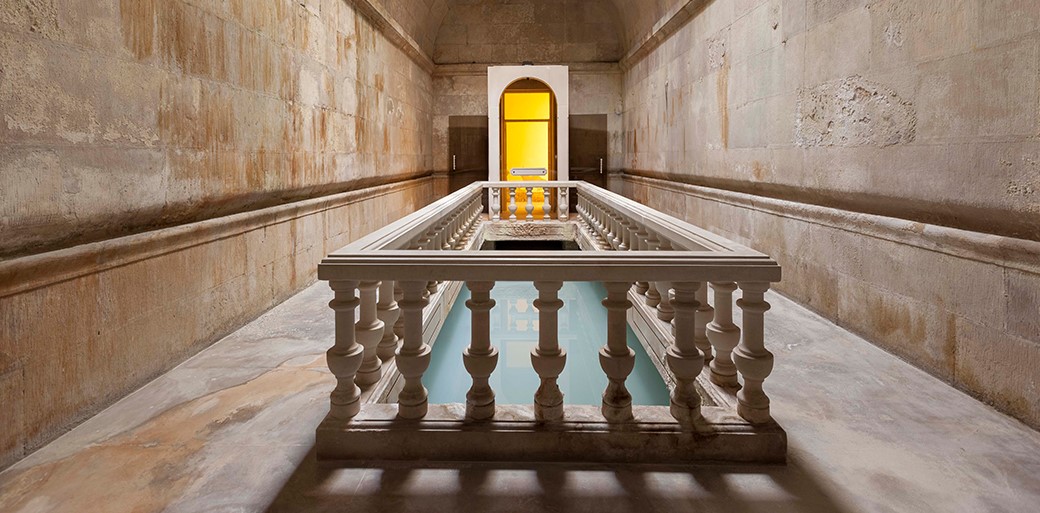
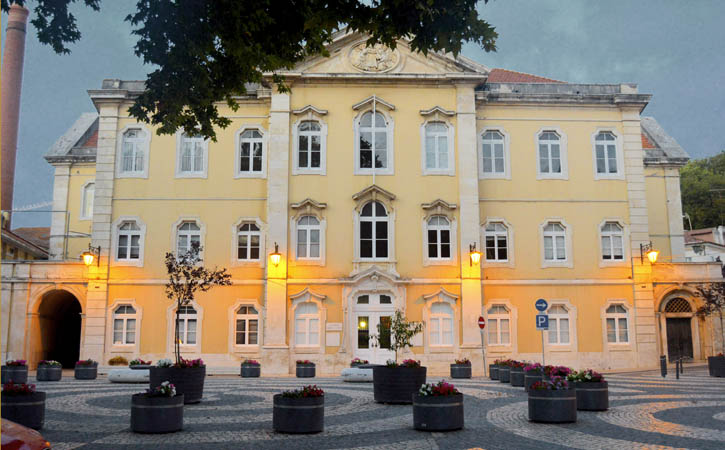
The Hospital Termal still stands, an elegant stone building that anchors the historic centre. Today, it’s a working spa offering treatments, but even if you’re not booking a session, its exterior, arches, and sense of history are worth lingering over. Inside, the light falls on azulejo-covered walls and echoes off tiled floors, carrying the sound of water running unseen below.


Morning in Caldas — Start at Praça da Fruta

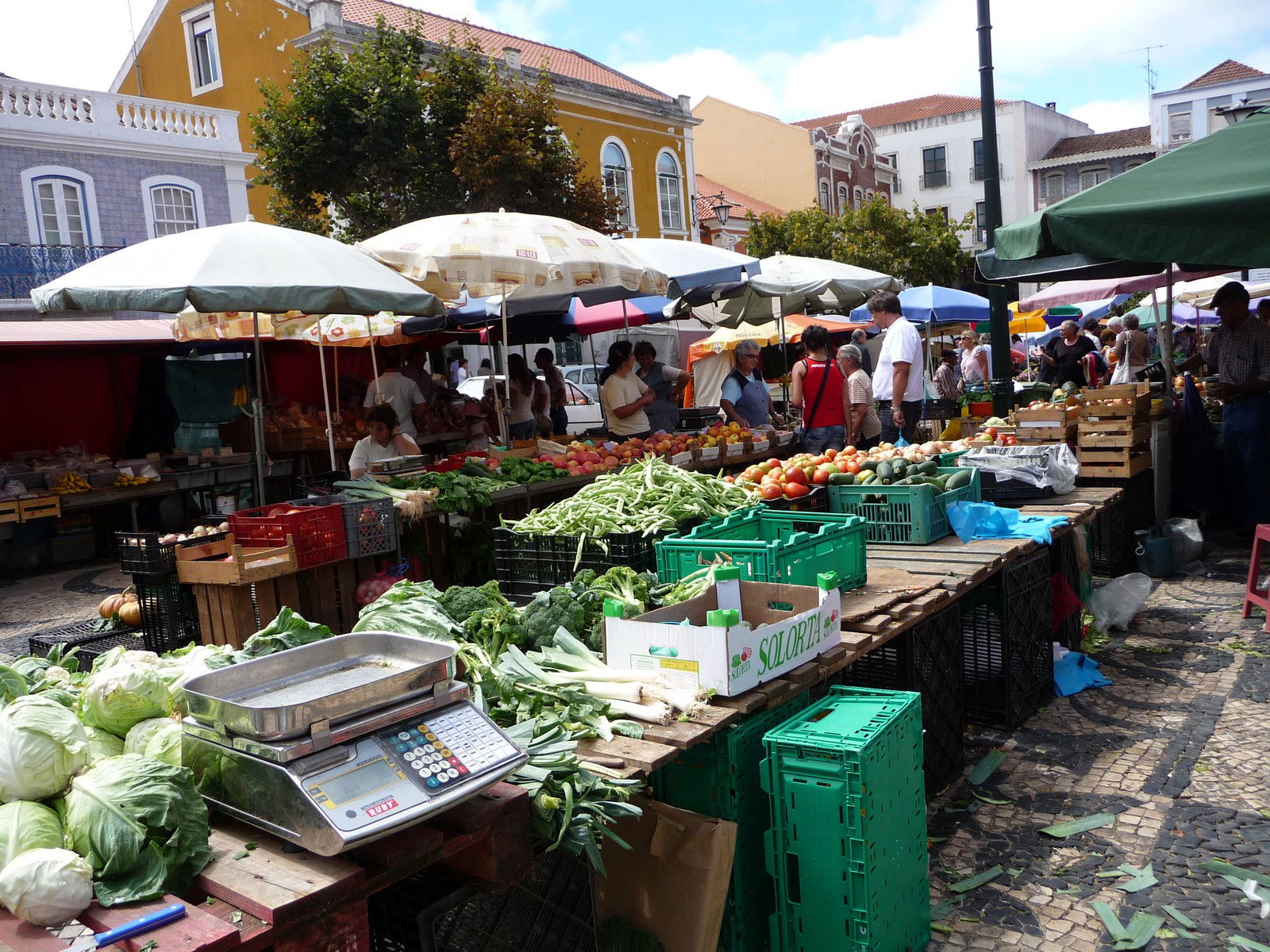
Caldas wakes with its market. Praça da Fruta (Fruit Square) is the only daily open-air fruit and vegetable market in Portugal still operating in its original location. Its patterned cobbles are framed by 19th-century buildings with wrought-iron balconies, and its stalls spill over with the season’s best: cherries in early summer, figs in late August, pumpkins in autumn.

Here, bargaining is gentle, conversations are long, and the produce is grown by people who often sell it themselves. You’ll find cheeses wrapped in cloth, golden broas (cornbread), bunches of fresh herbs, and flowers in every colour.

If you want to feel the city’s rhythm, come early. Order a bica (espresso) at one of the cafés edging the square and watch the market unfold.


Into the Green — Parque Dom Carlos I

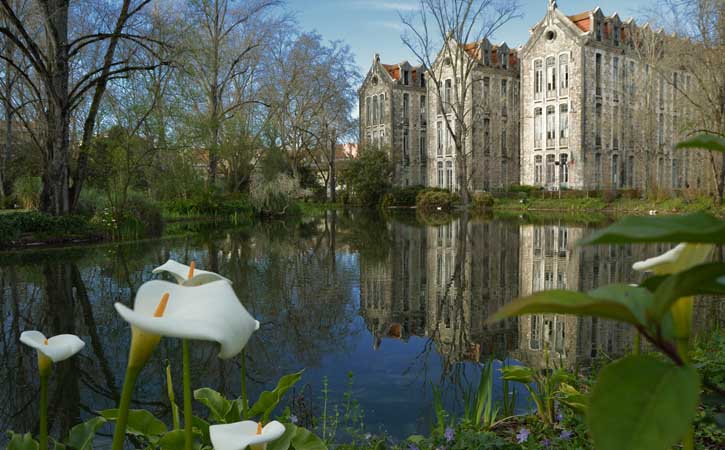
From the square, it’s a short stroll into Parque Dom Carlos I, the city’s green lung. Opened in 1889, it’s a landscape of wide lawns, shaded avenues, and two lakes where ducks paddle between willows. The air smells faintly of pine and damp earth.

Locals walk dogs here, children feed the swans, and couples sit reading on benches. In spring, the flower beds explode with colour; in autumn, the trees turn amber and gold.

Tucked inside the park is the Museu José Malhoa, dedicated to Portugal’s leading realist painter. The building, with its tile-clad facade and central dome, is as beautiful as the art it houses. Inside, Malhoa’s works sit alongside pieces by other Portuguese artists, offering a glimpse into the late 19th and early 20th centuries through paint.


The Artistic Soul — Bordallo Pinheiro and Beyond

Caldas da Rainha’s personality is as much about art as it is about healing waters.
Rafael Bordallo Pinheiro, the famed 19th-century ceramicist and political caricaturist, made his home here, and his playful, nature-inspired creations still shape the city’s visual identity.

Visit the Fábrica Bordallo Pinheiro, where cabbages, sardines, and swallows are reimagined in glossy ceramics. You’ll find shop displays full of lifelike fish platters, vine-leaf serving dishes, and the iconic ceramic swallows that flutter across Portuguese homes.

But art here isn’t confined to museums or factories. Wander the streets and you’ll stumble upon contemporary murals, ceramic sculptures on roundabouts, and unexpected bursts of colour — a cabbage the size of a small car, a wall of azulejos with comic scenes, a street installation that blends humour with craftsmanship.


What to See and Do — The Essentials

If you’re short on time, here’s a curated list of what not to miss:

Praça da Fruta – União das Freguesias das Caldas da Rainha – Nossa Sr.ª do Pópulo, Coto e São Gregório

1. Praça da Fruta

Daily market (morning only). Best for fresh produce, local cheese, bread, and a slice of city life.

Parque Dom Carlos I, Caldas da Rainha, Portugal | Viaje ComigoViaje Comigo

2. Parque Dom Carlos I

Stroll the paths, rent a small rowboat on the lake in summer, and visit the Museu José Malhoa.

3. Hospital Termal / Termas da Rainha Dona Leonor

Historic thermal baths. Guided visits sometimes available; otherwise, admire the exterior and peek inside.

4. Museu da Cerâmica

Located in a charming 19th-century manor house, it displays Portuguese ceramics from the 17th century to the present, including Bordallo Pinheiro’s work.

5. Fábrica Bordallo Pinheiro

Tour the factory shop for ceramics — from classic to quirky—and maybe take home a cabbage salad bowl.

6. Igreja de Nossa Senhora do Pópulo

Built by Queen Leonor, this Gothic church features striking tile work and an intimate atmosphere.

7. Centro Cultural e de Congressos

Check what’s on—from concerts to theatre, this is the city’s main performance space.

8. Street Art Trail

Caldas embraces public art — keep your camera ready for murals, sculptures, and installations scattered across the city.

Caldas da Rainha Thermal Baths | Health & SPA 4 Min from 19 Tile

9. Caldas da Rainha Hot Springs

For the full experience, book a spa treatment using the mineral-rich waters. Options range from thermal baths to modern hydrotherapy.

10. Day Trips from Caldas

  • Óbidos – A perfectly preserved medieval town, just 10 minutes by car.

  • Foz do Arelho – A stunning lagoon-meets-ocean beach, 15 minutes away.

  • São Martinho do Porto – Horseshoe-shaped bay, calm waters, ideal for swimming.


Eating and Drinking in Caldas

Caldas doesn’t put on a tourist show — it feeds you the way it feeds itself. You’ll find family-run tascas with menus that change daily, pastelarias with glass cases of golden pastries, and more than a few spots for a well-poured glass of vinho verde.

What to try:

  • Cavacas – The city’s signature pastry: crisp, light, and glazed.

  • Pastéis de Feijão – Sweet bean tarts, richer than they sound.

  • Fresh fish – Especially dourada or robalo, grilled and served with potatoes and greens.

  • Amêijoas à Bulhão Pato – Clams in garlic, olive oil, and coriander.

Recommended spots:

  • Solar dos Amigos – A few kilometres out of town, famous for generous portions and traditional Portuguese flavours.

  • Sabores d’Italia – If you’re craving Italian, this is a favourite among locals.

  • Maria dos Cacos – A cosy spot for coffee and pastries.


Afternoon Wandering — The Joy of Slow Travel Here

After lunch, Caldas is best explored with no fixed plan. Slip into side streets lined with blue-and-white azulejos, pop into artisan shops, and watch locals playing cards in the shade. You might find a small gallery exhibiting local artists or a doorway leading to a hidden courtyard.

The city’s scale means you can take your time — nothing is far, and each turn has the potential for something unexpected.


When to Visit

Caldas da Rainha works year-round, but each season has its charm:

  • Spring – Mild weather, blooming parks, market stalls full of strawberries.

  • Summer – Bustling, especially with nearby beaches just minutes away.

  • Autumn – Rich harvest produce, golden leaves in the park.

  • Winter – Quieter, atmospheric, and perfect for spa treatments.


Final Thoughts — Why Caldas Stays With You

Caldas da Rainha is not a city you “do” in a checklist sense. It’s a place that invites you to slow down, wander without aim, and notice the details — the curve of a balcony railing, the way light hits the market square at 10 am, and the playful tilt of a ceramic sardine in a shop window.

It’s the mix of the tangible — healing waters, markets, museums — with the intangible — the rhythm of daily life, the creativity baked into its streets — that makes Caldas linger in your mind long after you leave.

I came for the history. I left with a bag of ceramics, a pocket full of market figs, and the kind of quiet contentment you can only get from a place that knows exactly who it is.

Before making any vacation plans, please check the constantly changing local limitations and safety rules. It should be noted that not all sites and services are operating as usual, so check their respective websites for the most recent details.

brown concrete building beside river under blue sky during daytime

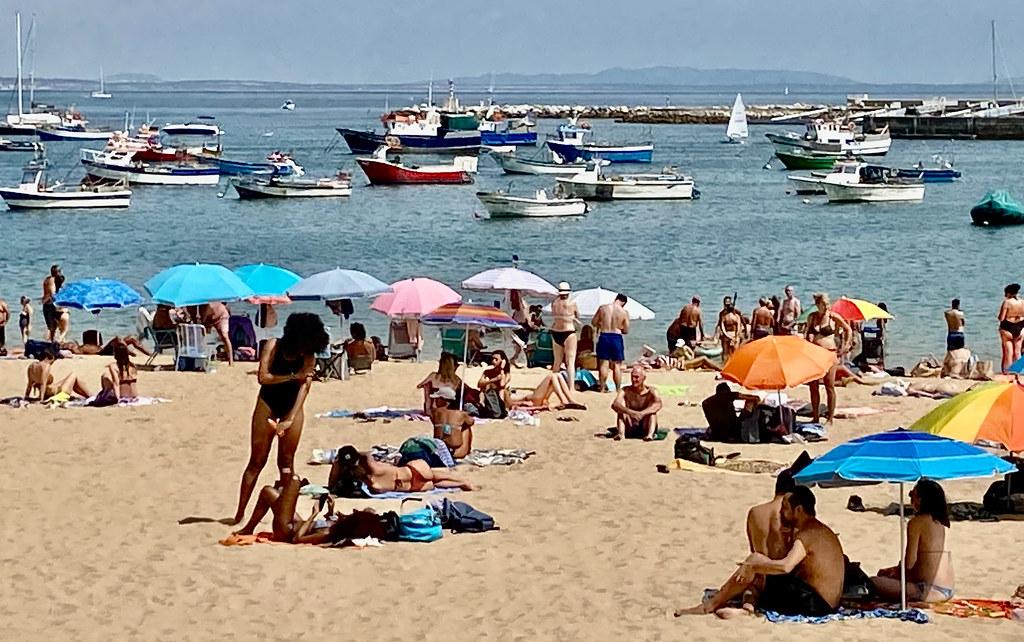
Cascais has a way of pulling you in. It’s the mix of salt air drifting off the Atlantic, the sun warming centuries-old stone, and the easy hum of a coastal town that has lived more than one life.
Once a humble fishing village, it became the summer retreat of kings and aristocrats, and now it’s a stylish, sunlit escape where cobblestone lanes spill into wide beaches and the scent of grilled sardines hangs in the air.

When we set out to explore Cascais, I thought I knew the outline: a few elegant streets, the marina, some beaches. But the deeper we wandered, the more I realised that Cascais isn’t just a pretty postcard. It’s a living, breathing place — part historic harbour, part open-air museum, part café terrace under a blue sky — where history, nature, food, and the sea are constantly in conversation.

Here’s what we found, from the obvious showstoppers to the quiet corners most visitors never reach.


Getting There — The First Glimpse

We left Lisbon from Cais do Sodré station on a sunny morning, boarding the coastal train that runs straight to Cascais. It’s an easy journey — about 40 minutes — but it’s worth arriving early to choose your seat.

On the left side of the train, the view opens onto the Atlantic almost immediately. The sea glitters between palm trees and terracotta rooftops. Fishing villages and beach towns flash past: Paço de Arcos with its old fort, Carcavelos with its long sweep of sand, Estoril with its grand casino and faded glamour.

As we rolled into Cascais Station (GPS: 38.6975° N, -9.4198° W), the briny scent of the ocean came through the open carriage windows, mixed with the faint aroma of sardines grilling somewhere nearby.

Insider Tip: Sit on the left side of the train for uninterrupted coastal views.


First Steps — Rua Frederico Arouca

From the station, it’s a short stroll to Rua Frederico Arouca (GPS: 38.6971° N, -9.4212° W), the pedestrian artery of Cascais’ old town. The pavement here is laid in the distinctive black-and-white calçada mosaics, worn smooth by decades of footsteps.

Shops spill onto the street: linen dresses swaying in the breeze, cork handbags stacked in neat towers, shelves of glazed tiles in every imaginable blue.
Between the souvenir stands, we found Cerâmicas na Linha, a small workshop where the owner paints each tile by hand. The brush strokes are careful but fluid, like someone who has been painting the sea all their life.

Insider Tip: Arrive before 10 am if you want to photograph the street without crowds.


Praça 5 de Outubro — The Heartbeat of Town

Follow Rua Frederico Arouca and you’ll be drawn, inevitably, into Praça 5 de Outubro (GPS: 38.6977° N, -9.4205° W).
The patterned pavement here ripples like ocean waves — black basalt and white limestone reflecting the strong midday sun.

On one side is the Cascais Town Hall, fronted by blue-and-white azulejo panels that tell the story of the town’s maritime heritage. On another, café terraces stretch under wide umbrellas, each table an invitation to linger.

We chose Café Galeria House of Wonders, a vegetarian-friendly café with a rooftop terrace. From up there, you can catch the breeze off the sea and hear the faint chime of church bells over the square.

Address: Largo da Misericórdia 53, Cascais
Insider Tip: The rooftop is magical at sunset.


The Harbour — Where Cascais Began

From the square, it’s only a few minutes to the old fishing harbour (GPS: 38.6957° N, -9.4187° W). Here, wooden boats painted in bright reds and blues rock gently against the pier, nets lie in patient coils, and gulls circle in slow arcs overhead.

This is where Cascais started — as a fishing village long before royalty made it fashionable. Step a little further and you’re in the sleek Marina de Cascais, where white yachts line the docks and the waterfront is edged with boutiques and wine bars.

Insider Tip: Arrive at sunrise to see the fishermen hauling in their catch — a scene that hasn’t changed much in a hundred years.


The Beaches — Not Just for Summer

Cascais is wrapped in sandy coves and rocky shores, each with its own mood.

  • Praia da Ribeira (GPS: 38.6968° N, -9.4191° W) — Right in the centre, once where fishing boats landed. Small but full of life.

  • Praia da Rainha (GPS: 38.6973° N, -9.4196° W) — A hidden cove once reserved for royalty. Early morning is best, before the sunbathers arrive.

  • Praia de Conceição & Praia da Duquesa (GPS: 38.6978° N, -9.4175° W) — Side-by-side stretches with calm water, ideal for paddleboarding or just wading out to sea.

  • Praia do Guincho (GPS: 38.7326° N, -9.4725° W) — A wild, wind-lashed expanse backed by dunes and the Serra de Sintra. This is where you feel the full force of the Atlantic.

Insider Tip: At Guincho, even summer days can be chilly in the wind — bring a light jacket.


Boca do Inferno — The Mouth of Hell

We followed the coast west to Boca do Inferno (GPS: 38.6950° N, -9.4351° W), a jagged chasm where the sea crashes through an arch in the cliffs. On stormy days, the spray leaps high enough to mist your face. On calmer days, the sound is a deep, steady boom.

Insider Tip: Come in late afternoon for dramatic light without the midday crowd.


Museu Condes de Castro Guimarães

Back towards the marina, a path leads to Museu Condes de Castro Guimarães (GPS: 38.6944° N, -9.4204° W). Built in 1900, this mansion mixes Gothic towers with Moorish arches, and inside holds rare books, paintings, and antique furniture.

But it’s the library that lingers in your mind — one of the oldest in Cascais, its shelves filled with leather-bound volumes that smell faintly of sea air and dust.

Address: Av. Rei Humberto II de Itália
Opening Hours: Tue–Sun, 10 am–6 pm


Santa Marta Lighthouse

Just along the water stands the Santa Marta Lighthouse (GPS: 38.6940° N, -9.4208° W), striped in blue and white. Its small museum tells the story of Portugal’s coastal defences — from ancient beacons to modern navigation.


Parque Marechal Carmona

Next door, Parque Marechal Carmona (GPS: 38.6946° N, -9.4193° W) offers shade under jacaranda trees and the occasional peacock strutting across the lawn. It’s the perfect place to slow the pace.

Insider Tip: There’s a small café in the park serving fresh juices and pastries.


The Paredão — A Walk by the Water

From Praia de Conceição, you can follow the Paredão — a flat, scenic promenade that runs to Estoril (Start GPS: 38.6978° N, -9.4175° W, End GPS: 38.7045° N, -9.3975° W). The sea is on one side, small cafés on the other, and the rhythm of waves sets your walking pace.


Where We Ate

  • Mar do Inferno — Near Boca do Inferno, famous for grilled seafood. (GPS: 38.6943° N, -9.4359° W)

  • Taberna Clandestina — A cozy spot for creative petiscos. (GPS: 38.6971° N, -9.4210° W)

  • Fortaleza do Guincho — Michelin-starred fine dining in a 17th-century fortress overlooking Guincho Beach. (GPS: 38.7291° N, -9.4754° W)

  • Santini — Legendary gelato since 1949. (GPS: 38.6978° N, -9.4179° W)


Mercado da Vila

Our last stop was Mercado da Vila (GPS: 38.6990° N, -9.4217° W), Cascais’ municipal market. Mornings bring a bustle of fishmongers, cheese sellers, and fruit stalls. On Wednesdays and Saturdays, the artisan market takes over, with handwoven baskets, local wines, and small-batch olive oil.


Off-the-Beaten-Path Finds

  • Capela de São Sebastião (GPS: 38.6970° N, -9.4200° W) — A tiny fisherman’s chapel most visitors pass without noticing.

  • Hidden Courtyard Cafés — Watch for discreet “Café Galeria” signs; they often lead to leafy courtyards and quiet tables.


Practical Tips

  • Best Time to Visit: May–June or September–October for warm days without peak crowds.

  • Transport: Walk the old town; rent a bike for Guincho (€15–€20/day).

  • Nearby Day Trips: Sintra (30 minutes by bus) or Cabo da Roca, the westernmost point of mainland Europe.


Why We’ll Return

Cascais gave us more than views and photographs. It’s the sound of waves under a cliff, the taste of sardines fresh from the grill, the warmth of a cobbled square at dusk. It’s the feeling of a place that knows how to breathe — slowly, deeply, in rhythm with the tide.

We came for a day. We stayed longer. And we’ll be back, because Cascais, like the sea, always leaves you wanting one more walk along its shore.

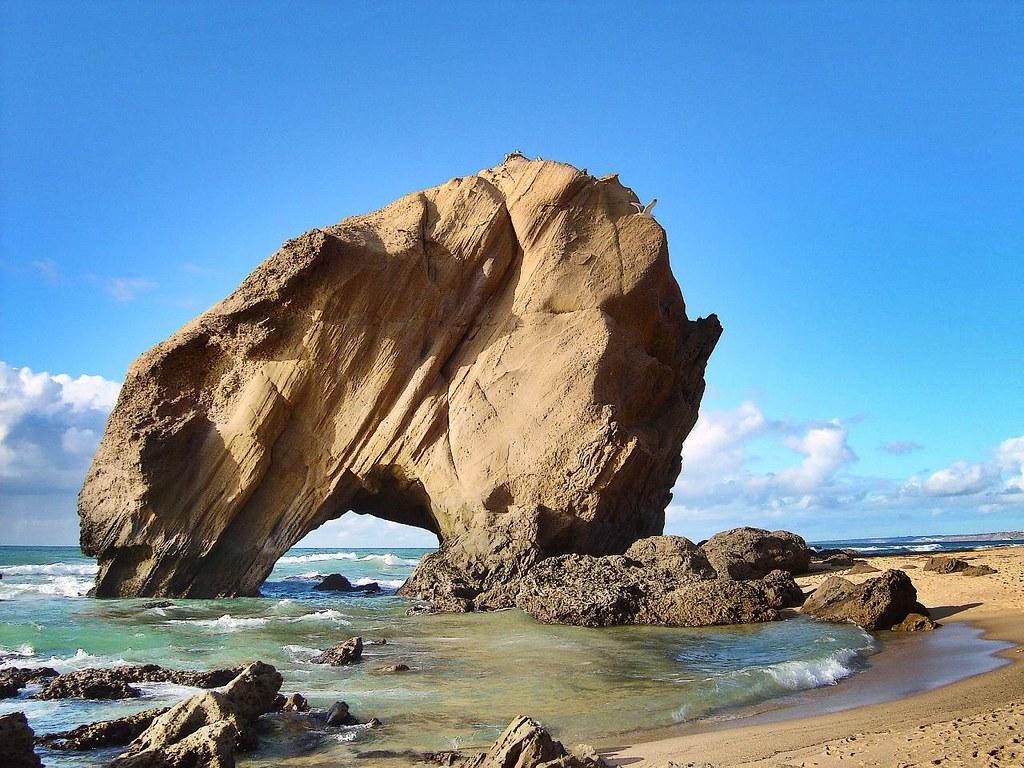
Penedo do Guincho Santa Cruz, Portugal, Sea, Crag, HD Wallpaper


Just north of Lisbon, tucked along the wilder stretch of Portugal’s west coast, Praia do Penedo do Guincho isn’t your average sandy escape. This is the kind of place where the sea has a voice—loud, relentless—and the landscape is defined by one show-stealing feature: a colossal wave-carved rock standing sentinel at the shoreline.

The Heart of the Beach: The Penedo Itself

Locals simply call it o penedo—the rock. Towering close to 30 metres high, with a circumference of around 100 metres, it’s nature’s sculpture at its most dramatic. At low tide, you can walk right up to it, tracing your hand along the weathered stone and even passing through its natural archway. At high tide, waves crash against its base with a power that makes you step back in awe.
This single monolith changes character with the light: golden at sunrise, shadowed and brooding at midday, fiery and luminous come sunset.

What to See and Do

1. Walk the Golden Sand Stretch

Penedo do Guincho is part of the Praia de Santa Cruz coastline, so you’ve got a generous stretch of soft, pale sand to stroll. Head south toward the main Santa Cruz beach for a livelier atmosphere, or north for solitude.

2. Catch the View from Riba Amarela

Above the beach, the “Riba Amarela” cliff offers a panoramic viewpoint over the Atlantic. It’s the spot for photographers, painters, or anyone wanting a sweeping perspective of the rock and shoreline.

3. Time Your Visit for the Tide

Low tide lets you explore around the rock and through its archway. High tide gives you drama—waves colliding with stone in a spray of saltwater. Both are worth seeing.

4. Stay for Sunset

The western exposure means you’ll get a full show as the sun dips. In summer, beach bars open late, and the air fills with music, chatter, and the clink of glasses.

5. Surf or Bodyboard

The Santa Cruz coast is known for its consistent Atlantic swell. Conditions can be rough for beginners, but local surf schools in Santa Cruz offer lessons and equipment hire.

6. Explore the Santa Cruz Promenade

A short walk south takes you into Santa Cruz town, where cafés, seafood restaurants, and ice cream parlours line the waterfront. Perfect for post-beach refuelling.

Fundo Santa Cruz Portugal 26 De Junho De 2017 Praia Penedo Do Guincho Em Santa Cruz Foto E Imagem Para Download Gratuito - Pngtree

How to Get There

  • By Car from Lisbon:
    Take the A8 freeway north toward Torres Vedras. Exit at junction 9 (Torres Vedras Sul) and follow signs for Santa Cruz. From Santa Cruz, follow the coastal road north—Penedo do Guincho is well signposted. Parking is available near the cliff-top viewpoint.
    GPS Coordinates: 39.13394° N, -9.38362° W — View on Google Maps

  • By Public Transport:
    From Lisbon’s Campo Grande bus station, Rodoviária do Oeste buses run to Santa Cruz. From there, it’s a short taxi ride or a 20-minute walk to the beach.

  • On Foot from Santa Cruz:
    If you’re staying in town, follow the coastal path north. You’ll pass a series of beaches before the great rock comes into view.

Practical Tips

  • Best Time to Visit: Late afternoon for softer light and fewer crowds.

  • Safety: Waves can be powerful; swimming here isn’t always advisable. Check local conditions.

  • Amenities: Seasonal lifeguards, nearby bars and cafés in summer, and parking above the beach.

  • Footwear: Flip-flops are fine for the sand, but bring something sturdier if you plan to scramble over rocks at low tide.


Why It’s Worth It:
Praia do Penedo do Guincho isn’t just a beach—it’s a stage where wind, wave, and stone perform a never-ending play. Whether you come to photograph it, surf beside it, or simply sit and listen to the Atlantic breathe, it leaves its mark.

Listen to the Atlantic breathe; it leaves its mark.

Before making any vacation plans, please check the constantly changing local limitations and safety rules. It should be noted that not all sites and services are operating as usual, so check their respective websites for the most recent details.

We stumbled upon Aldeia da Pena by chance — a remote slate village hidden in the mountains of Central Portugal. What we found was silence, soul, and one of the most memorable meals we’ve ever had.

You take the ferry from Cais do Sodré. It’s a short hop to Cacilhas, no more than ten minutes. But when you disembark and start walking along the crumbling riverfront past graffiti, rusted scaffolding, and abandoned warehouses, it feels like you’ve left the polished postcard version of Lisbon behind. And that’s the first sign you’re headed somewhere real.

At the very end of that promenade—just before the land gives up and the river takes over—sits Ponto Final. Literally, “Full Stop.” Aptly named. There’s nowhere else to go.

The Setting

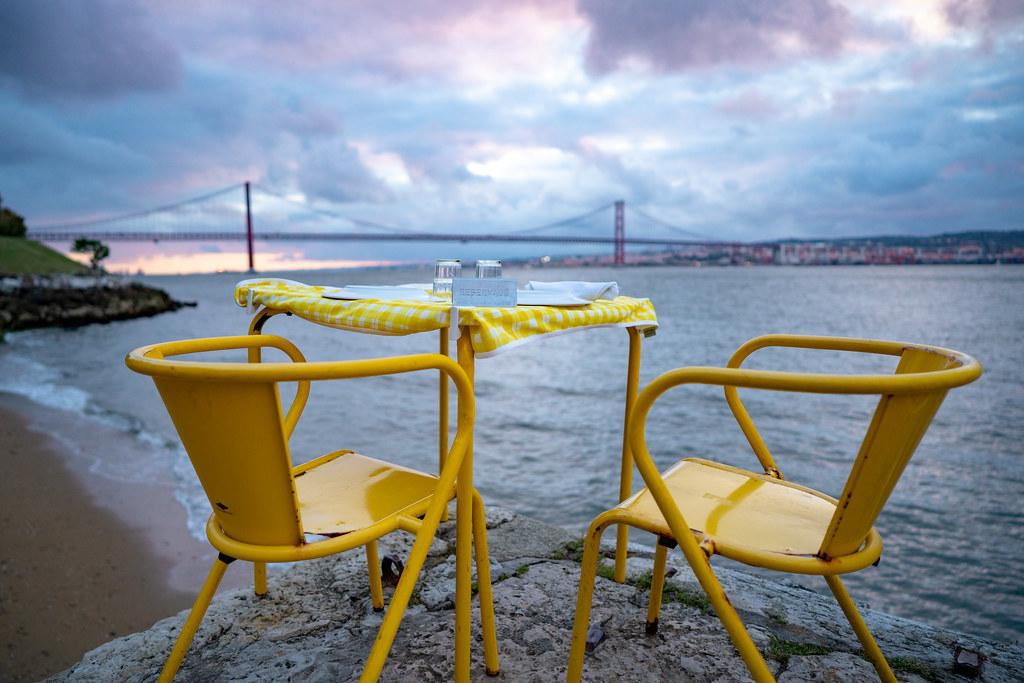
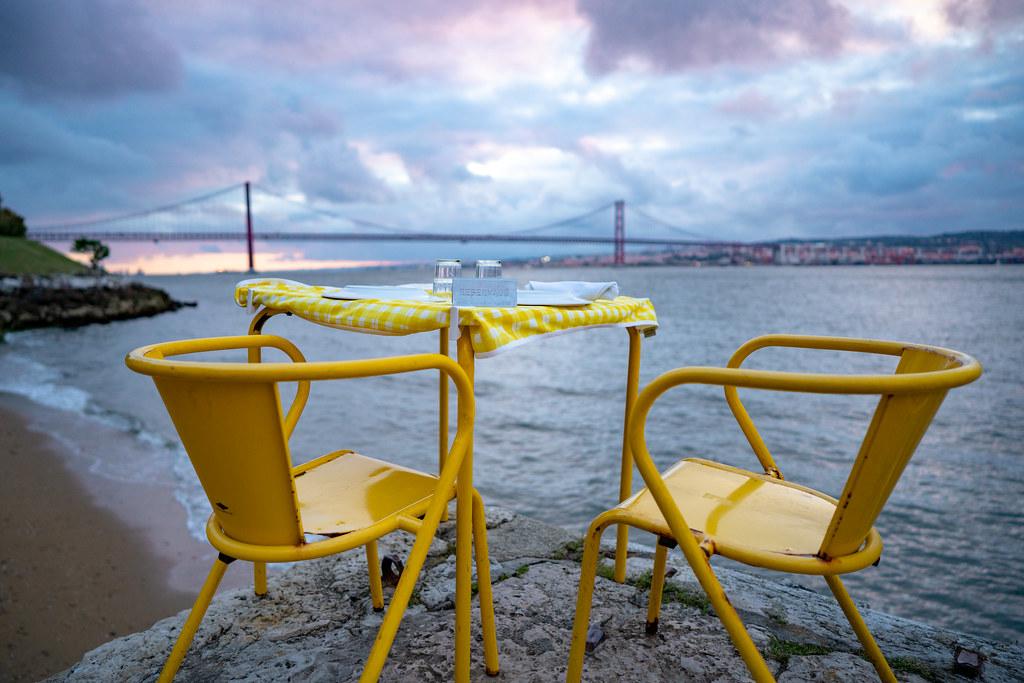
This place is cinematic. It’s not a restaurant, it’s a scene: chipped yellow chairs perched along a narrow concrete ledge, waves lapping a few feet below, Lisbon laid out across the water like a film set—saturated with golden-hour light. If you time it right, the sun sets directly behind the city’s rooftops, and the river glows. Every table turns to face it. Nobody talks much when it happens.

The Atmosphere

It’s laid-back but not lazy. You’re here to linger, not rush. The waitstaff move with purpose, but never in a hurry. It’s friendly service without flattery. And that’s refreshing.

There’s no piped-in music. Just forks on plates, seagulls overhead, and that low thrum of conversation that makes you feel like you’re exactly where you’re supposed to be.

The Food

Let’s get to it.

Ponto Final is not trying to reinvent Portuguese cuisine. It’s trying to honour it. Think grilled dourada, octopus rice, bacalhau à brás—done properly, generously, confidently. No foam, no reinvention, no nonsense.

I had the arroz de polvo (octopus rice). It came in a battered steel pot, swimming in a rich tomato broth with chunks of tentacle so tender you could slice them with a spoon. The portion could’ve fed two, easily. I didn’t share.

Starters included peixinhos da horta (green beans fried in tempura batter) and chouriço assado, flambéed at the table. Both traditional, both exactly what you want when you’re drinking cold vinho verde by the water.

Dessert? Skip the menu. Just ask for the leite creme (Portuguese crème brûlée). They torch it in front of you with a rusty kitchen blowtorch. It’s theatre—and it works.

Prices

For the setting, the prices are more than fair.

This isn’t a budget spot, but it’s not overpriced either. You’re paying for the view, sure, but the food holds its ground.

What to Expect

  • No reservations for outside tables – it’s first come, first served. Arrive early or expect to wait. And yes, it’s worth it.

  • Tourists and locals mix – but this doesn’t feel like a tourist trap. It feels like a place you discover, not one that’s been marketed to death.

  • Sea spray and wind – you’re basically on a dock. Bring a jacket. Maybe a scarf. Skip the heels.

  • Sunset magic – but stay after dark. Once the city lights come on across the river, it’s just as beautiful, in a quieter way.

How to Get There

  • Ferry: Take the short ferry from Cais do Sodré to Cacilhas (every 15–20 minutes).

  • Walk: From the ferry terminal, walk 10–15 minutes along the riverside toward the base of the Cristo Rei statue. Follow the yellow chairs. You’ll see them before you see the sign.

Final Thoughts

Ponto Final doesn’t care about trends. That’s its power. It gives you what’s been here all along: salt, smoke, sunset, and flavour.

It’s not just a meal. It’s a punctuation mark at the end of a Lisbon day.

When most visitors think of Coimbra, images of centuries-old university halls and fado echoing from storied cafés spring to mind. But this riverside city offers layers of magic far beyond the guidebooks – a quieter side brimming with hidden gardens, poetic viewpoints, and a tapestry of stories that weave seamlessly between past and present.

Wander Beyond the University Walls

Yes, the University of Coimbra is an essential stop, but its grounds hide treasures waiting to be found. The Jardim Botânico da Universidade de Coimbra, for instance, is a lush 13-hectare botanical wonderland that offers peaceful walks among bamboo forests, rare flora, and tranquil ponds – a living museum welcoming anyone seeking escape from urban bustle. Its winding garden paths promise moments of reflection in every season.

Gardens of Myths and Tragedy

Step into the romance and heartbreak of Portuguese history at Quinta das Lágrimas. More than a stunning estate, these gardens are steeped in the legendary tragic love story of Prince Pedro and Inês de Castro. It’s here, beneath ancient trees and beside peaceful streams, that the heartache of forbidden royal romance allegedly played out – the perfect spot for contemplation or a fairytale-inspired stroll.

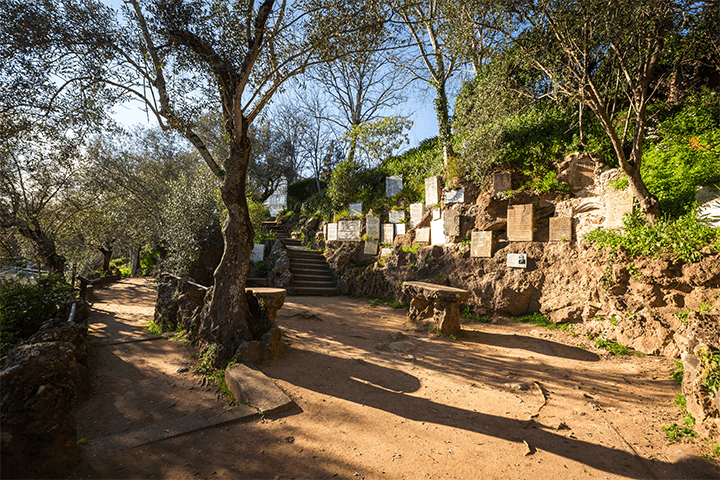
Penedo da Saudade in Coimbra

Overlook, Relax, and Reflect

For those who crave panoramic inspiration, seek out the poetic calm of Penedo da Saudade. This secluded clifftop viewpoint is less trafficked by tourists, adorned with tiles inscribed with verses that speak to Coimbra’s romantic soul and nostalgia for times gone by. The views over the city rooftops down to the broad Mondego River offer an unforgettable backdrop for quiet moments and creativity alike.

History Beneath Your Feet

Coimbra’s layers reach deep underground at the Museu Nacional Machado de Castro. While most visitors come for its exquisite religious art, few realize they’re walking atop a labyrinthine Roman cryptoporticus – the remains of the ancient forum of Aeminium (Coimbra’s Roman predecessor). Descend into these preserved marble halls for an evocative lesson in the city’s 2,000-year-old story.

Secret Corners of Spiritual Calm

Though the Old Cathedral (Sé Velha) draws crowds, the less-heralded Sé Nova holds its own quiet marvel: cloisters of baroque stonework and sunlight, peaceful enough for meditative rest without the bustle of larger tourist sites.

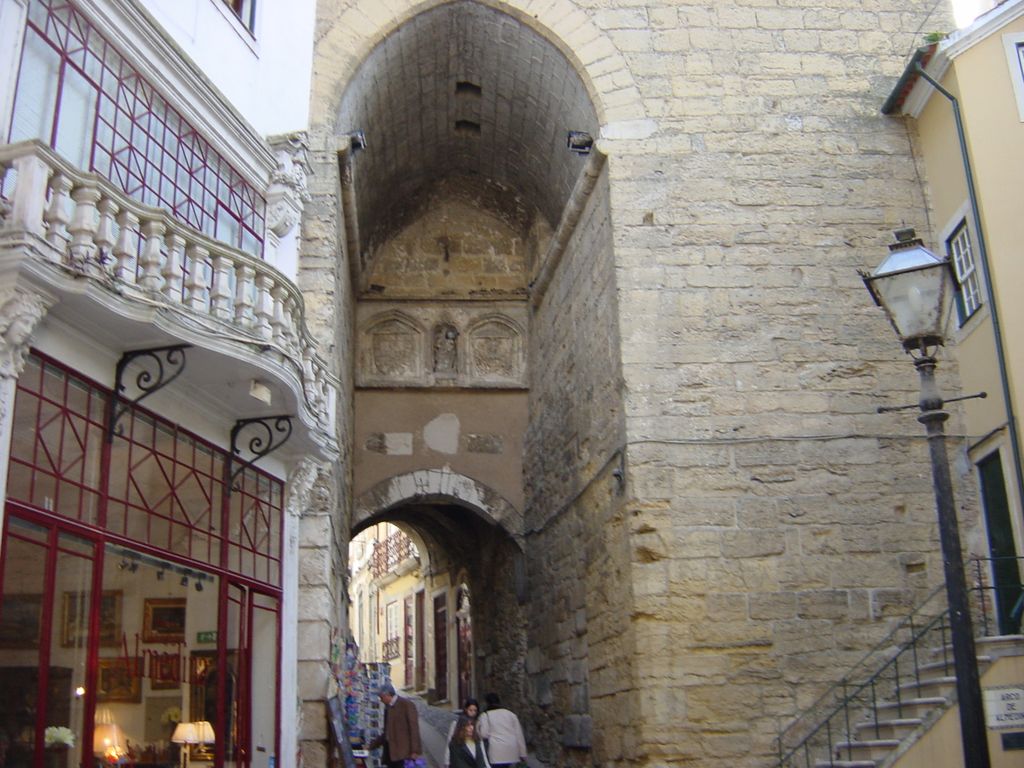
Arco da Almedina Top Tours and Tips | experitour.com

Beyond Landmarks: The Spirit of the City

Enter through the Arco de Almedina, Coimbra’s old Moorish gate, and you step not just into the medieval quarter but into the heart of artisan culture. Wander the tangled streets – some lined with blue-tiled panels, others echoing with the sounds of students – and find traditional bakeries, shoemakers, and tiny tascas serving local delicacies. Pause at Café Santa Cruz for a coffee or to hear Coimbra’s unique take on fado (Portugal’s mournful song tradition), surrounded by echoes of centuries past.

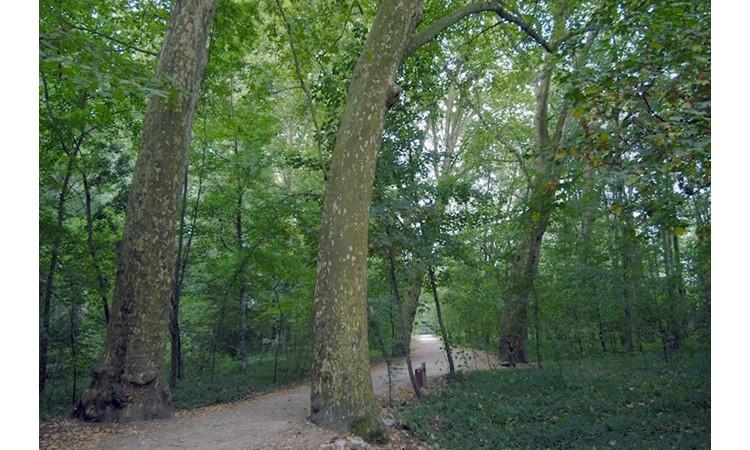
Choupal National Forest - Contribuir para o estudo, defesa, preservação e divulgação do património paisagístico com destaque para os jardins históricos

Nearby Escapes and Natural Retreats

Take a break from stone and story in the wild expanses of Choupal National Forest, a favorite green refuge in Coimbra’s outskirts. Go for a jog, watch birds, or simply let the river’s sounds lull you into the city’s more contemplative rhythm.

Conclusion

Coimbra isn’t just a city to see – it’s a place to feel, to step into another rhythm, and to discover stories written into hidden gardens, secret arches, and quiet viewpoints. By wandering beyond the main attractions, you’ll find another side to Coimbra – a poetic, peaceful, and deeply authentic Portugal