undefined

A Fortress Above the Mondego

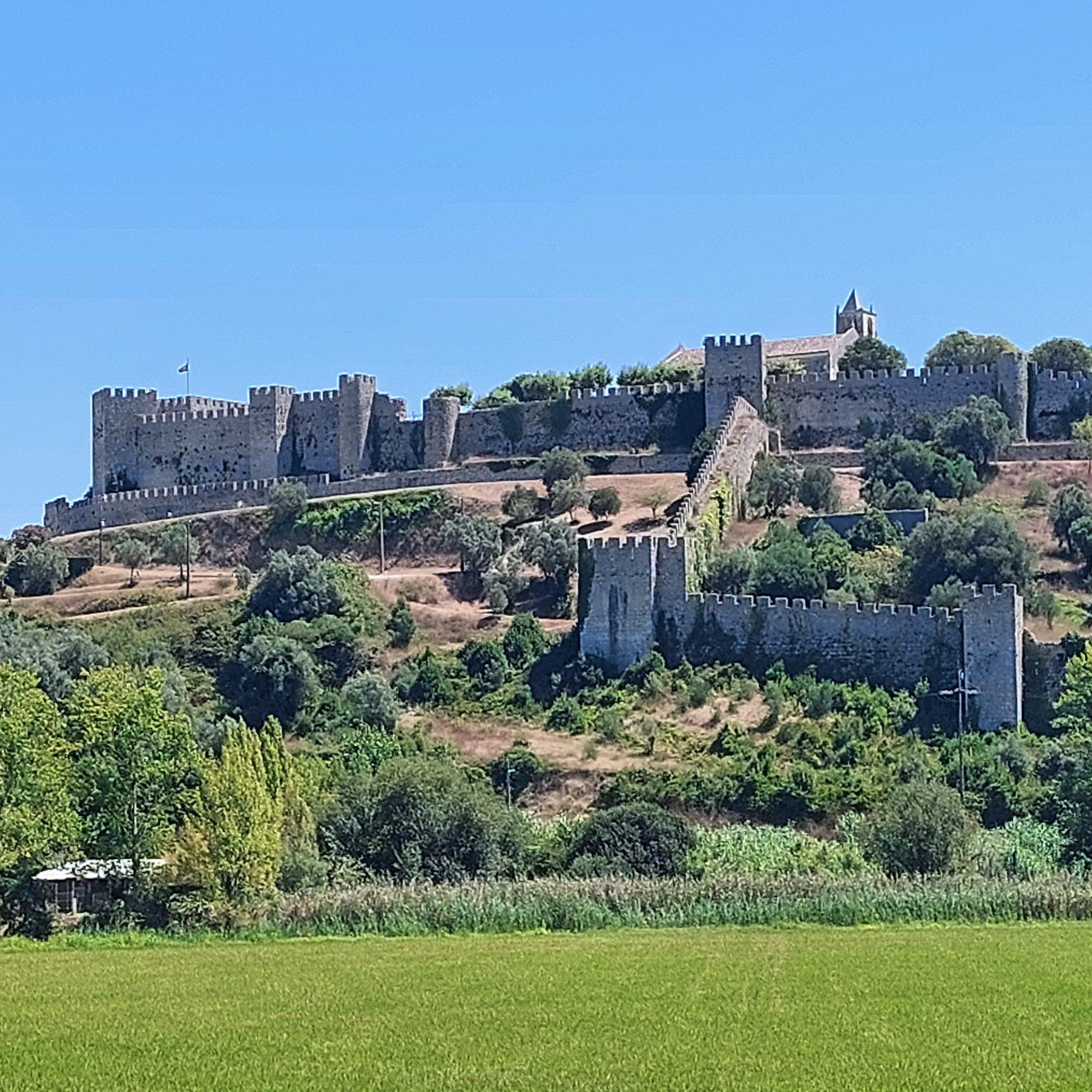
The silhouette of Castelo de Montemor-o-Velho rises dramatically above the floodplains of the Mondego Valley, its weathered stone walls tracing the outline of a past stretching back more than a millennium. From the castle’s battlements, the river unfolds like a silver ribbon, snaking its way through rice fields and marshlands before bending toward the ancient city of Coimbra.

Here, in central Portugal, history feels alive. The castle is not a ruined ghost—it is a sentinel that has watched over wars, royal intrigues, Moorish and Christian struggles, the fears of medieval farmers, the ambitions of dukes, and the quiet passage of centuries. To visit Montemor-o-Velho is not merely to admire medieval stonework; it is to stand squarely in the winds of time and feel them tugging at your imagination.

“Perched high above shimmering rice fields and the twisting Mondego, Castelo de Montemor-o-Velho doesn’t just guard a valley—it commands centuries of history. Standing atop its battlements, you feel the pulse of medieval ambition mingled with the serene weight of time.”

This is a journey into heartland Portugal—less celebrated than Lisbon or Porto, often overlooked in favor of Coimbra, but offering raw authenticity, agricultural tradition, and stories written into walls that have refused to crumble.

The Setting: Between River and Highlands

The Mondego River is central to this story. For centuries, the Mondego was a route of trade, invasion, conquest, and cultivation. And Montemor-o-Velho—resting on a strategic hilltop—was a natural fortress from which to command this artery.

Arriving in Montemor today, the landscape paints a different picture: expansive rice paddies gleam in the sun, their waters reflecting the medieval walls above. Few travelers know that this swath of land is one of Portugal’s richest agricultural plains, with rice cultivation dating back centuries. Driving through, you see tractors parked in muddy trails, herons circling overhead, and old men seated by irrigation canals with their fishing poles.

It is a world away from Portugal’s crowded tourist coasts. Here, the rhythm is slow, the patience enduring, shaped by seasons of cultivation and water management. The castle looms above it all, less as a romantic ruin and more as an inseparable anchor of the land.

Castelo de Montemor-o-Novo; características e antecedentes

A Fortress of Many Lives

Montemor-o-Velho Castle is one of Portugal’s largest medieval fortresses—and unlike many castles, its story doesn’t fit neatly into one chapter of history. Instead, it is layer upon layer:

  • Moorish Stronghold (9th–11th centuries): Originally fortified by the Moors, the castle commanded the Mondego frontier. For decades, it was a tug-of-war prize in the struggle between Muslim and Christian forces.

  • Christian Reconquest and Royal Drama (11th–12th centuries): Montemor changed hands multiple times. In 1064, Ferdinand I of León captured Coimbra, and Montemor became part of the Christian frontier. Royal courts often stopped here, and it was at Montemor that Afonso Henriques, Portugal’s first king, plotted campaigns.

  • Medieval Stronghold (14th century): By the reign of King Dinis, the castle expanded with walls, towers, and defensive structures. These centuries marked Montemor’s height as a center of military and political life.

  • Decline and Echo (16th–19th centuries): As Portugal’s urban centers moved west toward Lisbon and overseas ambitions replaced local defense, Montemor’s importance waned. It remained a quiet fortress—grim, imposing, and slow to crumble.

The castle was never just stone. Within its walls were houses, a governor’s palace, chapels, storage, and the lives of common people. Even today, you can still trace the outlines of what was once a vibrant fortified town.

Arriving at the Castle

The approach to Montemor is cinematic. The village spreads below, a huddle of whitewashed houses with terra cotta roofs. Narrow cobbled streets curl upward. The higher you climb, the more the Mondego plain stretches wide, a painter’s palette of greens, golds, and watery reflections.

The castle gates stand firm, their keystones blackened by centuries. Entering feels like stepping through a portal; the hum of modern Portugal slips behind, replaced by silence, only interrupted by the caws of crows or the footsteps of other pilgrims pausing to measure their breath against the fortress walls.

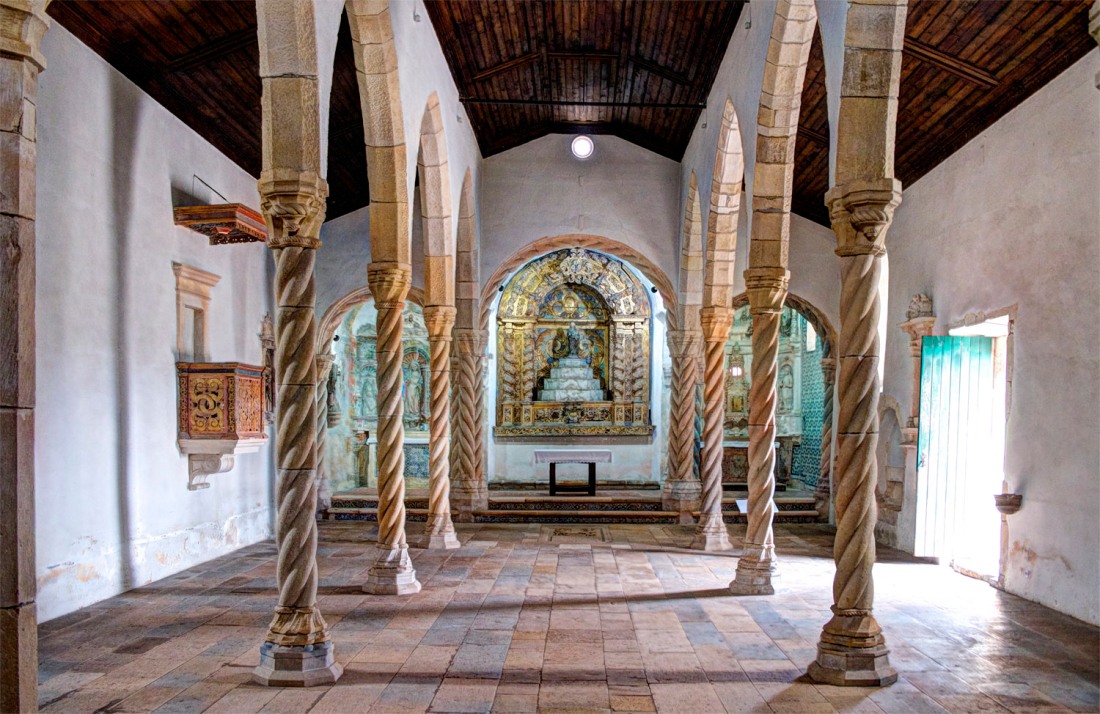
Inside, the size of the castle is striking. It is not a photogenic postcard ruin but a sprawling medieval stronghold. Some towers still rise intact; others spill stone into the earth like broken teeth. Pathways bring you past small chapels—Nossa Senhora da Vitória and Santa Maria da Alcáçova—which whisper of the castle’s once-pious heart.

“Walking within these fortress walls, the echoes of kings and farmers alike linger in the stones. With every step past chapels and empty courtyards, Montemor invites you to lose yourself not just in space, but in a story woven across a thousand years.”

And then there is the view: a vast horizon. The Mondego curling toward Coimbra. The Atlantic winds rustling through rice fields. The Serra da Estrela mountains hazy in the distance. This is Portugal from another perspective—a central crossroad, an inland lifeline.

undefined

Stories in Stone

Travel here is not about polished palaces; it is about imagination. Montemor asks you to pause, to picture armies camped below, to hear the march of boots in the night, to envision royals holding counsel within candlelit halls.

One of the caste’s most enduring associations is with Countess Teresa of León, the mother of Portugal’s first king. Legend says she met advisors here and plotted the ambitions that would give rise to a new kingdom.

Another tale recalls Montemor’s position as breadbasket and watchtower: its fields fed Coimbra and its fortress shielded it. Standing on the battlements, you understand the logic—control Montemor, and you control the valley.

The chapels tell quieter stories. Nossa Senhora da Victória, simple and unadorned, was said to commemorate victories over Moorish combatants. Time has stripped away grandeur, but devotion lingers; locals still return each year for processions tied to the castle’s religious heritage.

Igreja de Santa Maria da Alcáçova

Montemor Today: More than a Ruin

Though commanding, Castelo de Montemor-o-Velho is no longer a military frontier. Today, it is a cultural stage. In summer, its courtyards and walls vibrate with events: medieval fairs, fireworks festivals, concerts that cast sound against stone. The Festival Forte, an electronic music gathering, lights the castle with lasers and techno beats, blending medieval presence with twenty-first-century energy.

At quieter times, the castle is open to wanderers. Entry is free. Locals treat it as a park, walking dogs along the walls or bringing children to admire the towers. Photographers time their visits with the twilight light, where the Mondego plain glows fruitfully golden.

Beyond the Castle: The Town of Montemor-o-Velho

The charm of Montemor is not only in its fortress. Below, the town reveals slow provincial life wrapped in authenticity:

  • The Rice Fields: Montemor is the heartland of Portuguese rice. Stop at village taverns to taste steaming plates of arroz de lampreia (rice with lamprey), arroz de pato (duck rice), or seasonal seafood rice dishes drawn from the traditions of the Mondego.

  • The Narrow Streets: Stroll the alleys, where churches appear around corners, where blue-and-white azulejos frame doorways, where small cafés invite you for a bica and a pastel.

  • Cultural Heritage: The Church of São Martinho and parish chapels show Montemor’s layered religious devotion. Local festivals—especially around harvest—reveal an identity rooted in land and water.

  • River Activities: In summer, the Mondego is alive with canoeing, fishing, and riverside trails. Birdwatchers cherish this environment for its wetlands teeming with life.

Montemor is not staged for tourism—it is lived. Which makes every encounter feel authentic.

Practical Travel Tips

  • Getting There: Montemor-o-Velho is easily visited as a day trip from Coimbra (roughly 25 km west). By car, it’s around a 30–40 minute drive; trains also link the town to Coimbra and Figueira da Foz (on the coast).

  • When to Visit: Spring and autumn offer the richest light and most comfortable temperatures. Summer is lively with festivals; winter is atmospheric but quieter.

  • Photography Moments: Sunrise mists over the rice fields, sunset from the castle battlements, twilight when the castle is illuminated with golden spotlights.

  • Pairing Destinations: Combine Montemor with Coimbra for a cultural inland journey, or pair with Figueira da Foz for an inland-coastal contrast on the same day.
O castelo de Montemor-o-Velho que guarda a Senhora do Ó - Andarilho

Why Montemor Still Matters

So, why should a modern traveler seek out Castelo de Montemor-o-Velho, when Lisbon’s buzz and Porto’s wine cellars beckon louder? Because here, you experience the untamed layers of Portugal’s identity: land and water, feudal power and peasant toil, faith and endurance, history and reinvention.

Standing atop Montemor, you see the threads that weave Portugal: its agricultural resilience, its medieval struggles for independence, its interplay between land and river. The castle is not polished, nor is it packaged for selfies. But in its rawness lies its truth.

And perhaps that is Montemor’s most magnetic quality: it forces you to imagine, to listen to silence, and to understand that history is not just in museums—it still rules the air of certain landscapes.

Final Reflections

Castelo de Montemor-o-Velho is not just one of Portugal’s largest castles—it is one of its most evocative. Its towers may no longer command armies, but they still command imagination. Its chapels hum with memories, its walls embrace centuries of struggle, and its lofty perch surveys a valley that continues to pulse with rice, water, and life.

Travelers searching for authentic Portugal, away from predictable itineraries, will find in Montemor both grandeur and quiet poetry. This is where the kingdom once took shape, where the dream of Portugal was guarded, and where time stretches into golden horizons.

To walk here is to walk on the shoulders of a kingdom.
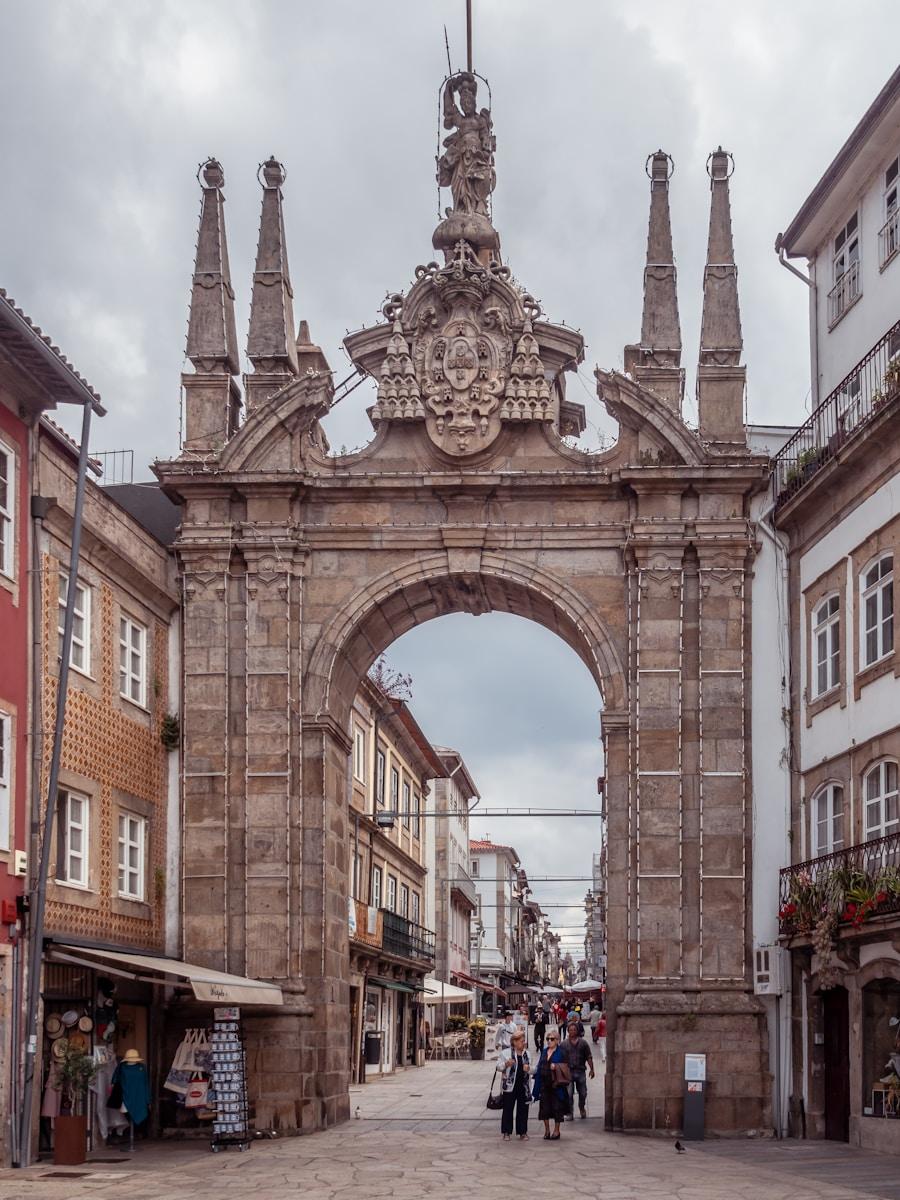
Braga is Portugal’s oldest city, where Roman ruins and baroque churches stand beside lively cafés and modern art spaces. From the iconic Bom Jesus do Monte to Holy Week processions, vibrant festivals, and day trips into the Minho, this guide reveals the top things to do in Braga.

Chase winter sun on Madeira, Portugal, where dramatic cliffs, lush levada trails, coastal adventures, and local cuisine make every moment unforgettable. Explore the island’s wild beauty and vibrant culture, from wicker toboggan rides to serene forest yoga.

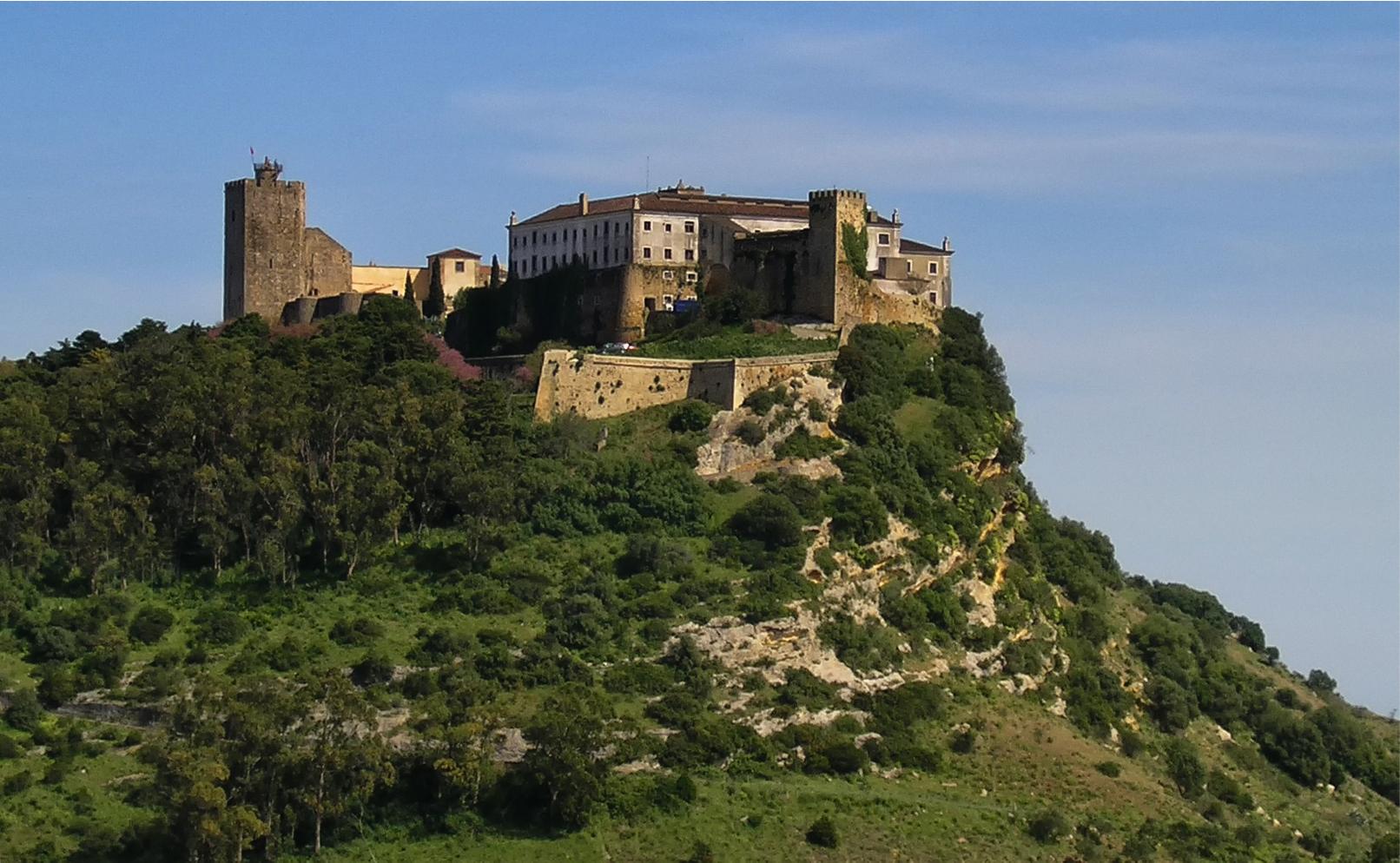
Perched atop the Serra da Arrábida, Palmela Castle offers a journey through Portugal’s layered history. From its Roman origins to Moorish expansions and its role in the Christian Reconquista, the castle blends medieval architecture with breathtaking views of the Setúbal Peninsula, inviting visitors to explore centuries of heritage and culture.

Perched atop the Serra da Arrábida, Palmela Castle offers a journey through Portugal’s layered history. From its Roman origins to Moorish expansions and its role in the Christian Reconquista, the castle blends medieval architecture with breathtaking views of the Setúbal Peninsula, inviting visitors to explore centuries of heritage and culture.

Portugal’s coastline is famous for golden sands and bustling surf spots, but beyond the crowds lie hidden beaches that feel almost secret. From dramatic cliffs near Lisbon and Sintra to secluded coves in the Algarve and quiet northern shores, these remote beaches offer turquoise waters, rugged landscapes, and the ultimate escape from the ordinary.

Discover the charm and history of Portugal’s 12 Historic Villages, each rich with medieval castles, unique traditions, and cultural heritage. Journey through these timeless gems to explore ancient fortresses, traditional festivals, and authentic rural life in the heart of Portugal.

Nestled on a cliff overlooking the Ria Formosa wetlands, Cacela Velha is the Algarve’s secret jewel—offering untouched beaches, rich Moorish history, and a tranquil village atmosphere that invites slow travel and deep exploration. Discover all the must-see sights, best local eats, and hidden experiences in this complete guide.

Nestled along the scenic Minho River in northern Portugal, Vila Nova de Cerveira is a captivating blend of medieval history, vibrant art, and stunning natural beauty. From its 14th-century castle and baroque churches to the renowned International Art Biennial and peaceful river beaches, this charming town offers travelers an authentic and enriching experience beyond the beaten path.

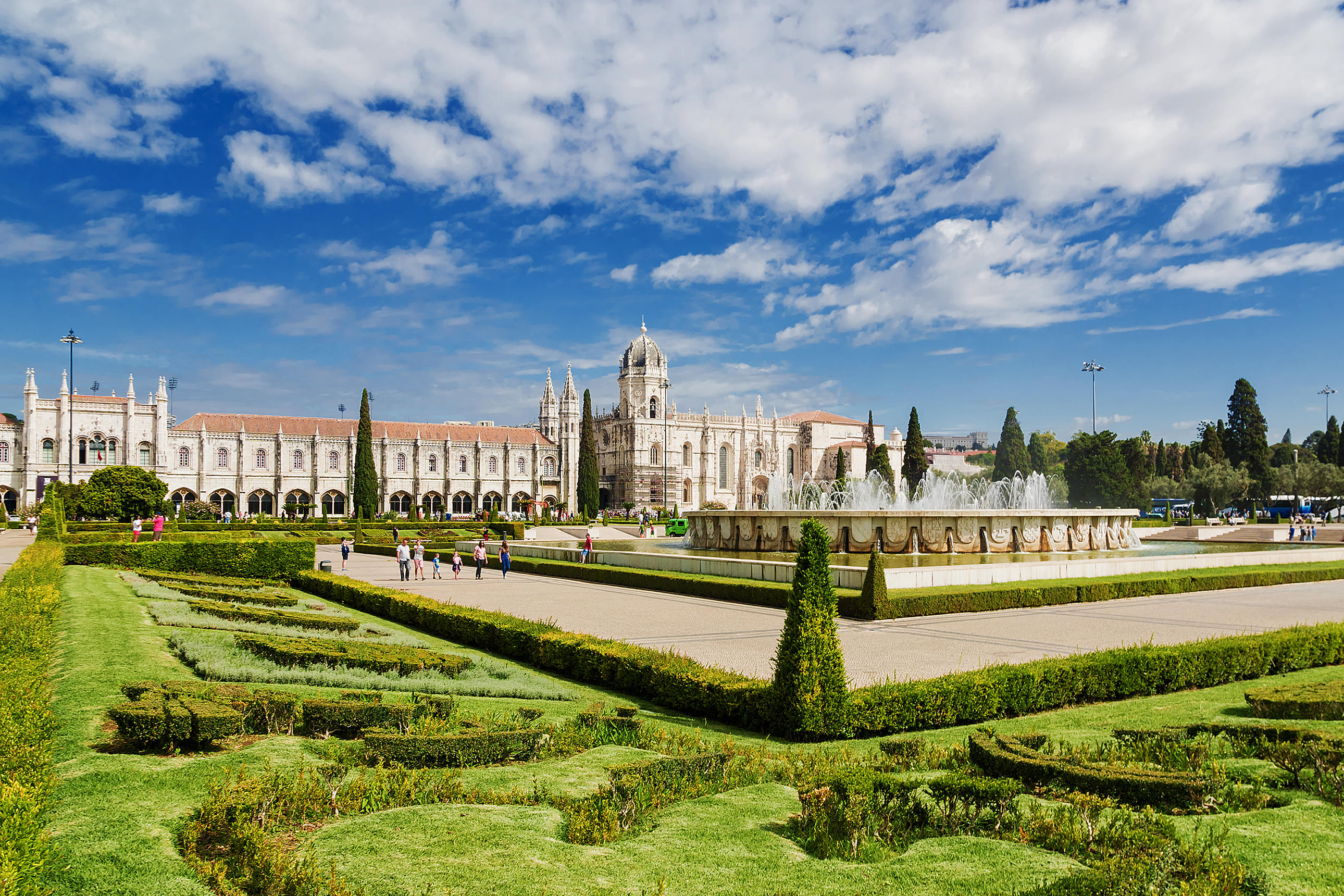
Jeronimos Monastery | Witness City's Most Iconic Landmark

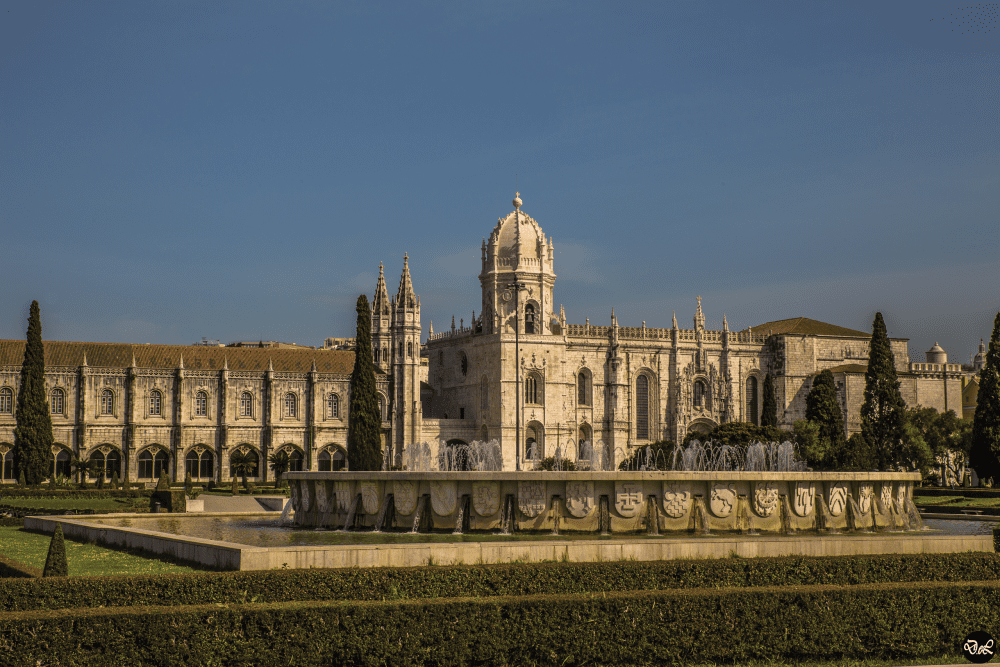
There are certain places where history isn’t just remembered; it feels alive. Jerónimos Monastery in Lisbon is one of them. Nestled in the Belém district along the Tagus River, this monumental structure seems to hum with centuries of devotion, ambition, and curiosity. From the sun-drenched limestone façades to the whispering cloisters, Jerónimos is a masterclass in Manueline architecture, a style uniquely Portuguese, exuberant, and richly symbolic.

Visiting it is not merely sightseeing. It is stepping into the very heartbeat of Portugal’s Age of Discovery, a period when the tiny nation at Europe’s western edge sent explorers across oceans and mapped worlds unknown.


A Monument Born of Ambition and Faith

Construction of Jerónimos began in 1501 under King Manuel I. Vasco da Gama had just returned from his voyage to India, opening the first sea route from Europe to Asia. In gratitude for his safe return, the king commissioned the monastery to honor the Virgin Mary and to create a spiritual monument to Portugal’s maritime achievements.

The style is Manueline, a Portuguese interpretation of late Gothic, distinguished by ornate carvings that celebrate exploration, wealth, and faith. At first glance, the façade overwhelms with detail: twisting ropes like ship rigging, armillary spheres, floral motifs, sea creatures, and angels, all meticulously carved from pale limestone. The architecture is theatrical, almost narrative, telling the story of a nation looking outward to the world.

As you approach, the scale of Jerónimos becomes apparent. The main portal alone is enormous, crowded with intricate figures and motifs. Each carving is intentional: celestial spheres symbolize navigation, shells and coral honor maritime journeys, and Christian symbols remind visitors of the faith that underpinned exploration. It is both a temple and a monument, a place where devotion meets national pride.


The Cloisters: Light, Shadow, and Silence

Step inside, and the monastery transforms from an imposing exterior to a serene sanctuary. The cloisters are two stories of arched galleries surrounding a rectangular courtyard. Sunlight pours in from above, bouncing off smooth stone floors and carved columns. Shadows shift with the passing hours, creating a constantly changing play of light and dark.

Each column is a small work of art. Twisted ropes, delicate foliage, mythical creatures, and tiny human faces invite careful observation. Wander slowly, and you begin to notice the subtle storytelling embedded in the stone: angels guiding explorers, floral motifs representing lands across the globe, and symbols of faith intertwined with the worldly ambitions of Portugal’s explorers.

This is a space that rewards stillness. The soft echo of footsteps, the rustle of leaves, and the occasional murmur of other visitors become part of the experience, mingling with centuries of whispered prayers once uttered by monks who lived here.


File:Belem Igreja de Santa Maria int.jpg

The Church of Santa Maria: Sacred Heart of the Monastery

Adjacent to the cloisters lies the Church of Santa Maria, the spiritual center of the monastery. The church’s interior is a masterpiece of Manueline design, with vaulted ceilings, gilded altars, and exquisitely carved columns. The light filtering through tall windows illuminates the tombs of Portugal’s most celebrated figures, creating an almost ethereal atmosphere.

Vasco da Gama’s tomb is here, understated yet commanding. Nearby rests Luís de Camões, whose epic poem The Lusiads immortalized Portugal’s maritime exploits. Kings and nobles are interred within these walls, each tomb telling a story of ambition, faith, and legacy. Standing here, it is easy to reflect on the courage of those who dared to cross unknown seas and the cultural identity their voyages forged.


Hidden Details That Reward Curiosity

The grandeur of Jerónimos is immediately striking, but the hidden details are equally compelling. Look closely at the façade, and you’ll spot armillary spheres, tiny sea creatures, exotic plants, and delicate ropes carved in stone. Inside, the cloisters reveal hidden faces of the artisans, subtle symbols of distant lands, and carvings that hint at Portugal’s global reach.

Even small touches reward patient observation. A lizard, almost imperceptible, curls around a column; angels clutch navigational instruments; saints appear to watch visitors pass. These details make Jerónimos more than architecture; it becomes a conversation across centuries, a chance to connect with the minds and hands that shaped it.


PASTÉIS DE BELÉM, Lisboa - Belém - Menu, Preços & Comentários de Restaurantes

Belém: More Than Just the Monastery

Jerónimos sits in the heart of Belém, one of Lisbon’s most historically rich neighborhoods. Beyond the monastery, there is plenty to see and do:

  • Monument to the Discoveries (Padrão dos Descobrimentos): A short walk along the river, this monument commemorates Portugal’s explorers. Its massive figures of navigators, cartographers, and patrons of discovery rise like the prow of a ship heading into the Atlantic.

  • Belém Cultural Center: Housing contemporary art and exhibitions, it contrasts beautifully with the historical architecture surrounding it.

  • Maritime Museum: A treasure trove of models, maps, and artifacts that contextualize Portugal’s Age of Discovery.

  • Pastéis de Belém: No visit to the area is complete without tasting the world-famous custard tarts at this bakery, where flaky pastry and creamy custard seem almost a tribute to Portugal itself.

  • Belém Tower (Torre de Belém): Another Manueline masterpiece, the tower once guarded Lisbon’s harbor and is an essential stop for history and photography enthusiasts.


What to See and Do Inside the Monastery

  1. Explore the Façade: Take your time walking around the exterior. Notice the nautical symbols, floral motifs, and carved faces, each telling a story.

  2. Visit the Cloisters: Allow at least 30–45 minutes to wander, study the details, and soak in the atmosphere.

  3. Attend the Church of Santa Maria: Step inside for a quiet moment among the tombs and admire the Manueline vaults.

  4. Photograph Thoughtfully: Wide-angle lenses work well for the cloisters and façade; morning or late afternoon light creates the most dramatic shadows.

  5. Guided Tours: Consider a guided tour to uncover stories behind the carvings, the construction, and the explorers’ journeys.


Planning Your Visit

  • Opening Hours: Daily, with seasonal variations; check ahead for closures.

  • Tickets: Purchase online in advance to skip lines, especially during summer.

  • Best Time to Visit: Early morning or late afternoon for light and fewer crowds.

  • Getting There: Tram 15, bus 728, or a 15-minute taxi ride from central Lisbon. Walking along the riverside from central Lisbon takes about 40 minutes, if you’re up for it.


Why Jerónimos Monastery Matters

Travel teaches perspective, and Jerónimos Monastery offers it in abundance. It is a reminder that ambition and faith, curiosity and artistry, can leave an enduring mark on the world. Every carved rope, every angelic figure, and every shadow in the cloister reflects a culture at the height of its curiosity and courage.

Jerónimos is not only a monument to explorers or a mausoleum for the famous; it is a living lesson in legacy. For visitors, it encourages reflection—not only on the achievements of those long gone, but also on the mark we leave in our own lives. Walking through its halls, one realizes that history isn’t just in books; it’s in stone, in light, in footsteps echoing across centuries.

Before making any vacation plans, please check the constantly changing local limitations and safety rules. It should be noted that not all sites and services are operating as usual, so check their respective websites for the most recent details.