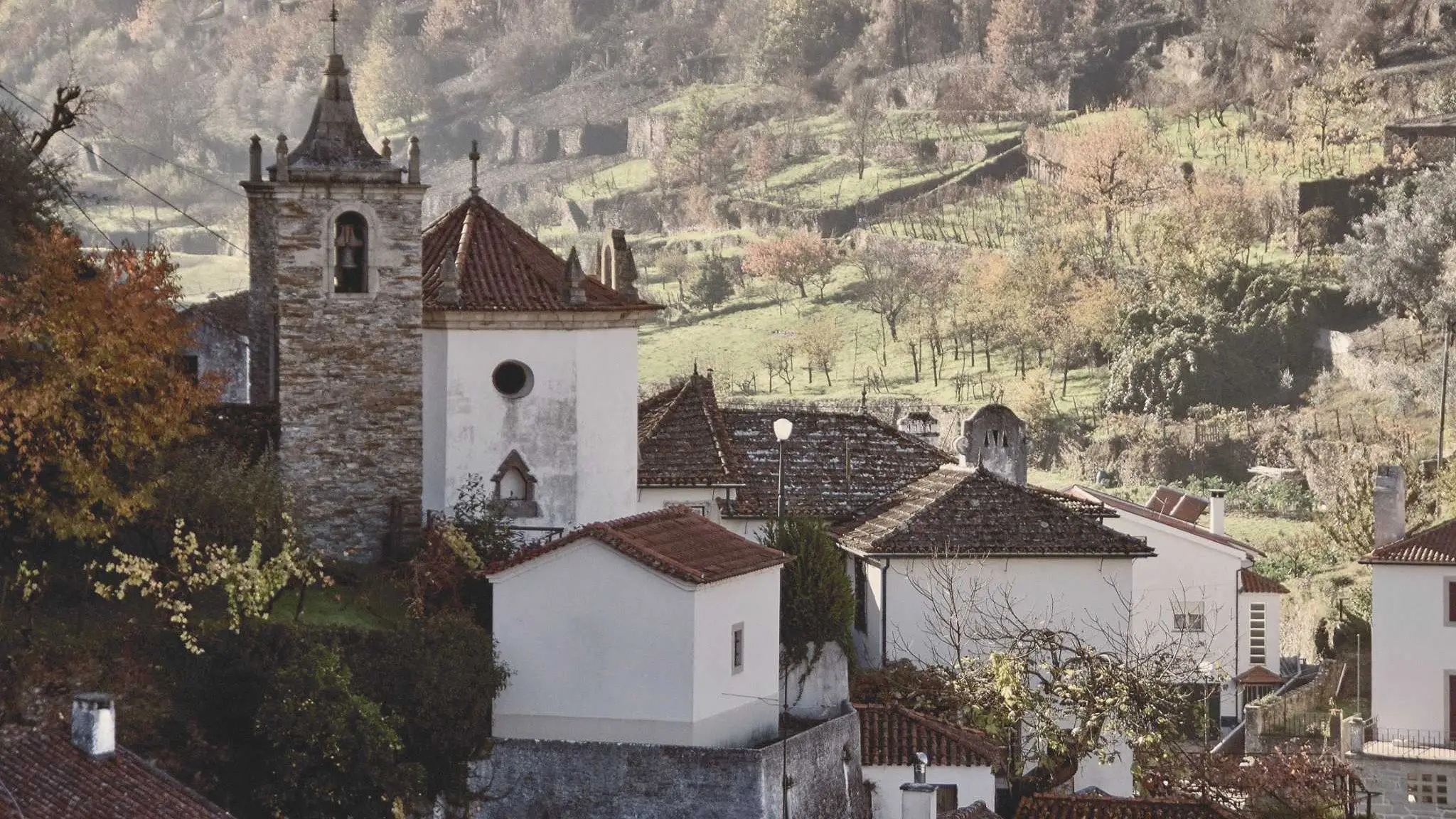
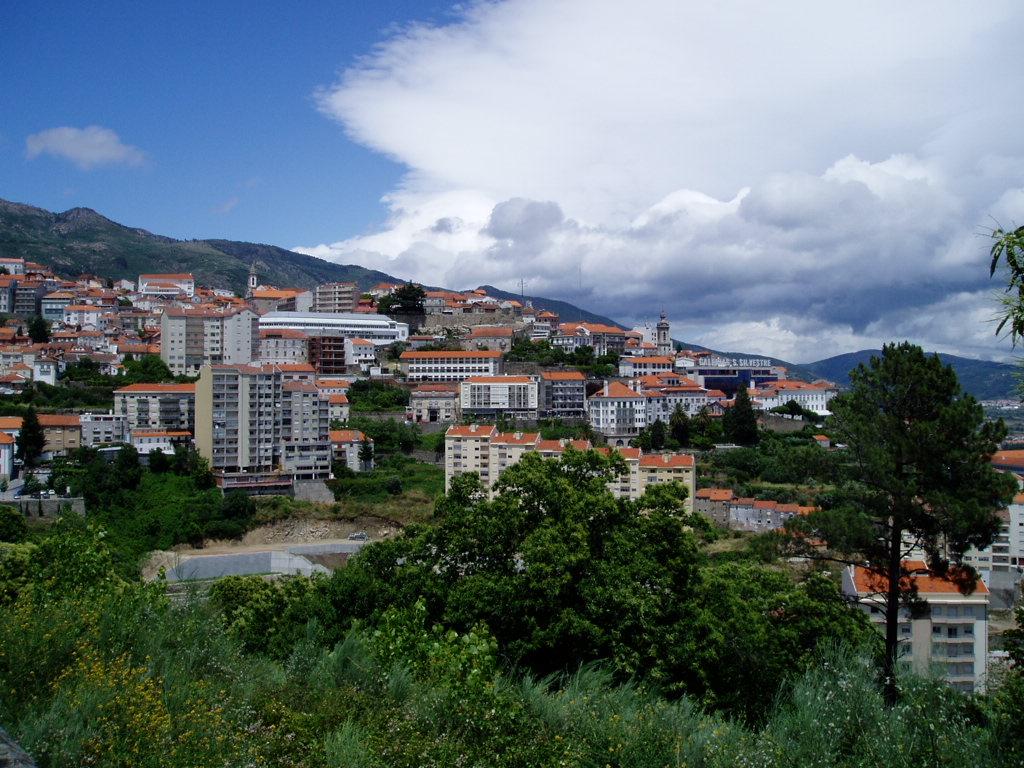
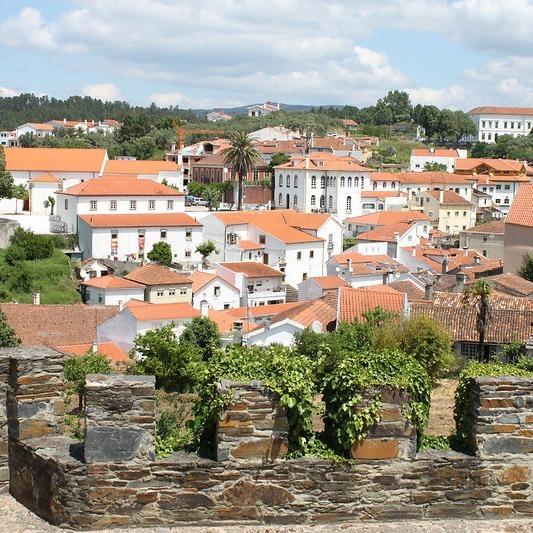
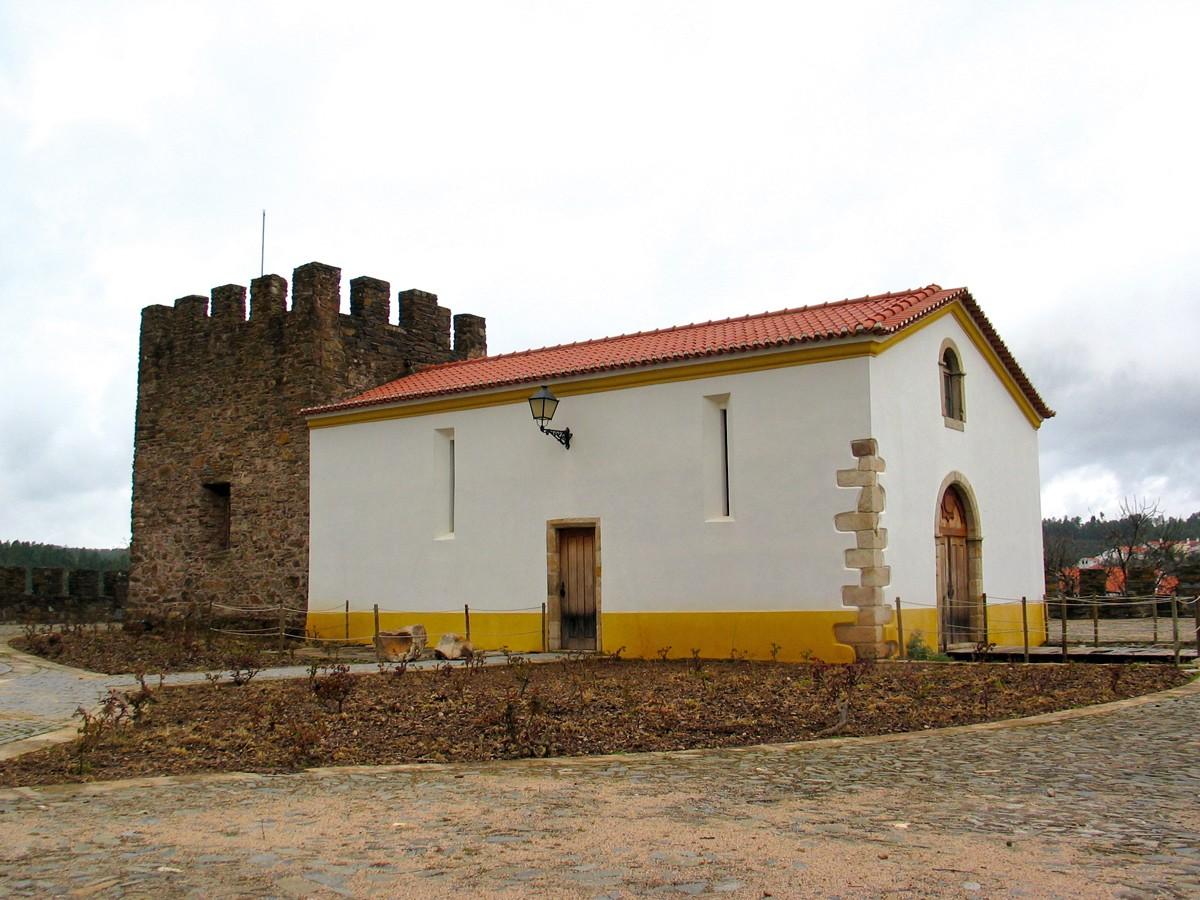
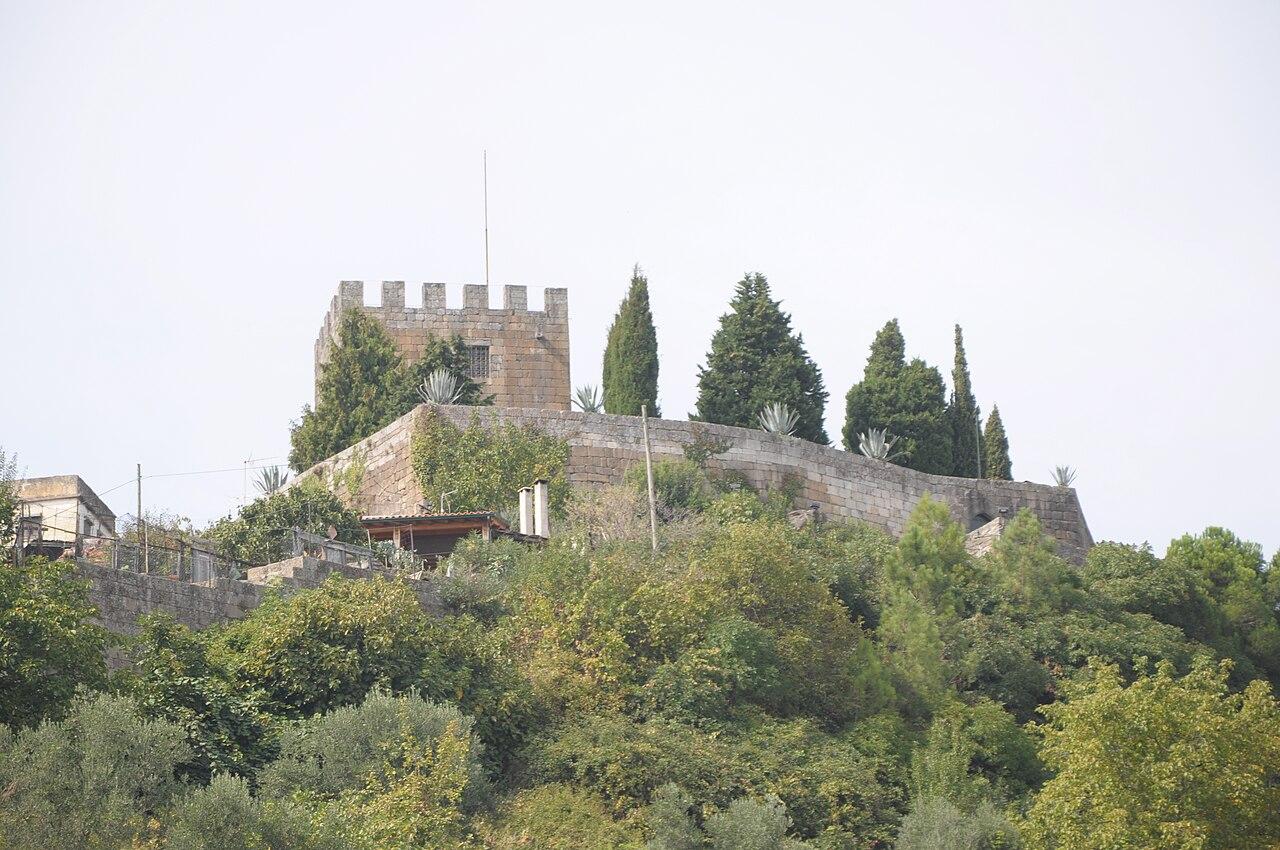
High above the town, the Castle of Lamego waits quietly, offering sweeping views, deep history, and a slower way to experience northern Portugal. Reached by a gentle climb through old streets, this hilltop fortress is less about grandeur and more about perspective, silence, and the feeling of standing where centuries once watched the world pass by.
Benfeita, a quiet schist village in Central Portugal, invites travelers to slow down and reconnect with nature amid waterfalls, forests, and timeless peace.
Perched on the edge of Serra da Estrela, Covilhã weaves its wool-making past with a vibrant present. Between stone lanes, university life, and sweeping mountain views, this mountain town tells a story of endurance, reinvention, and quiet pride.
Sertã is where Central Portugal slows down. Between forested hills and ancient bridges, life moves gently — shaped by history, nature, and everyday warmth.
Visit the Castelo da Sertã in Portugal’s Beira Baixa region—a modest yet deeply atmospheric fortress with a rich past and mythic legend.
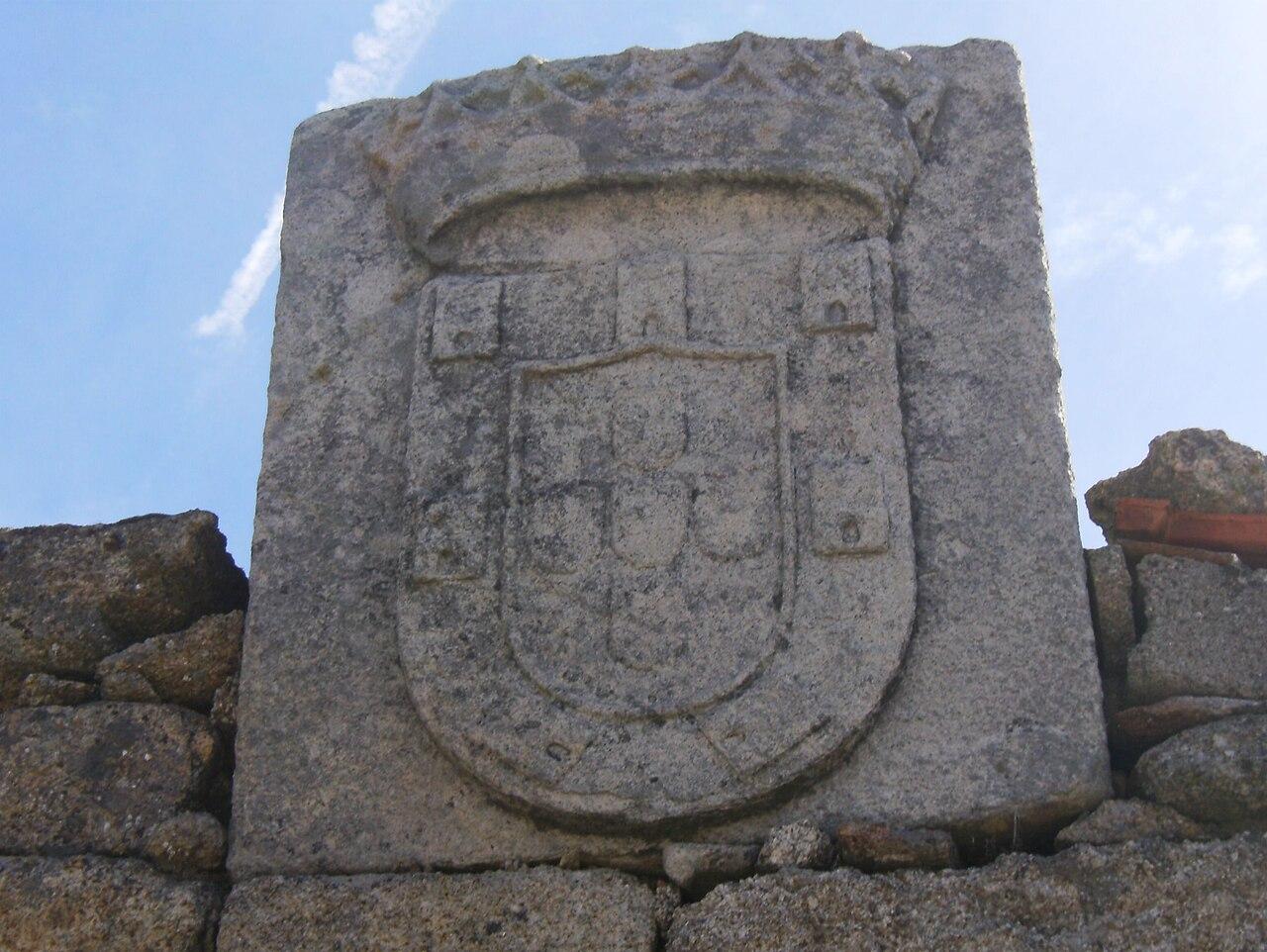
Perched above the Côa Valley, the Castle of Castelo Bom tells the story of Portugal’s frontier days—a place where stone met strategy, and kingdoms collided. Today its ruins remain a powerful reminder of the country’s medieval resilience and quiet beauty.
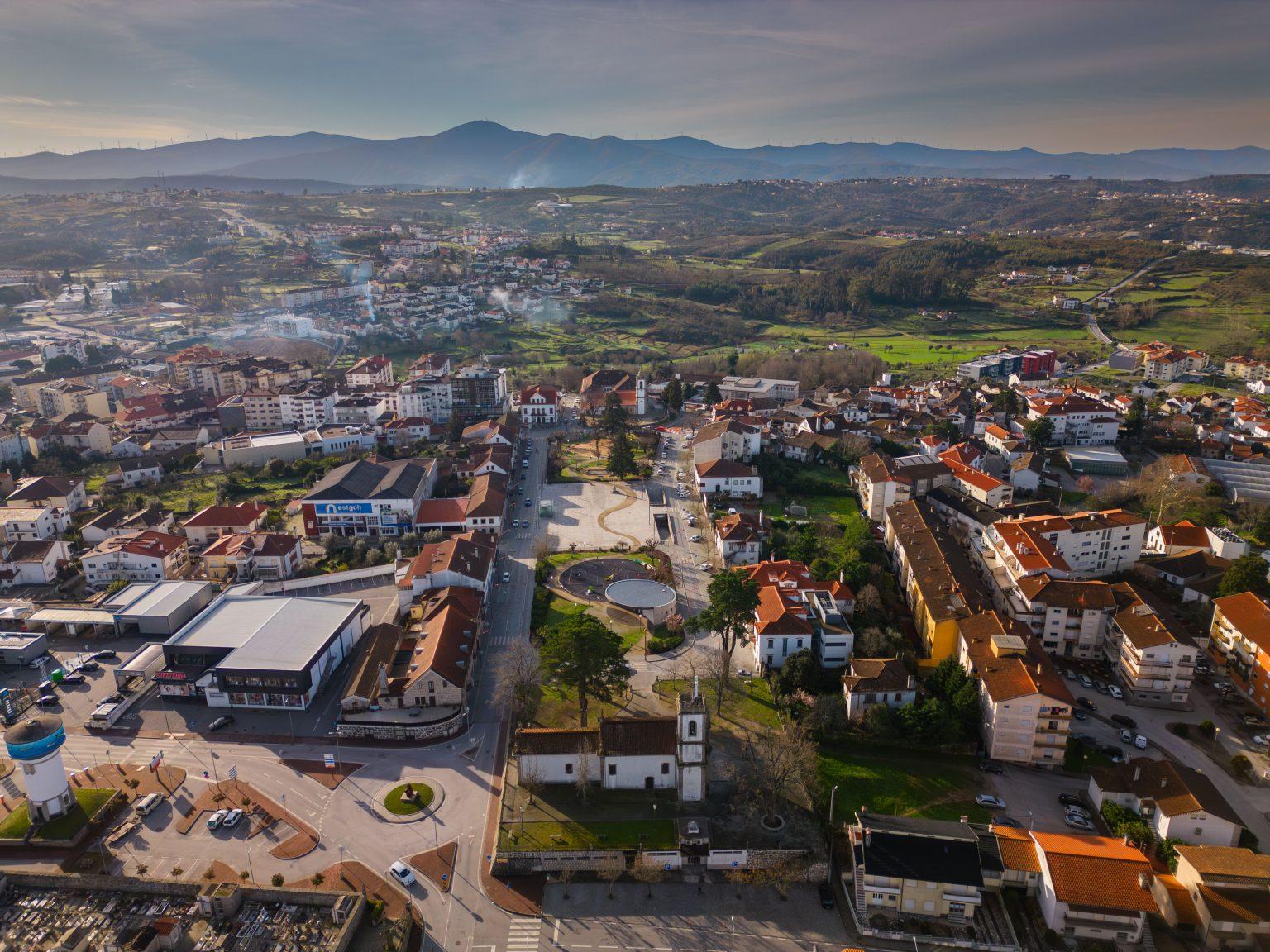
There’s a quiet kind of beauty in Oliveira do Hospital. The kind that doesn’t reveal itself at once. It lingers in the air, in the way the light falls over the hills, in the stillness of the river that seems to remember older times.
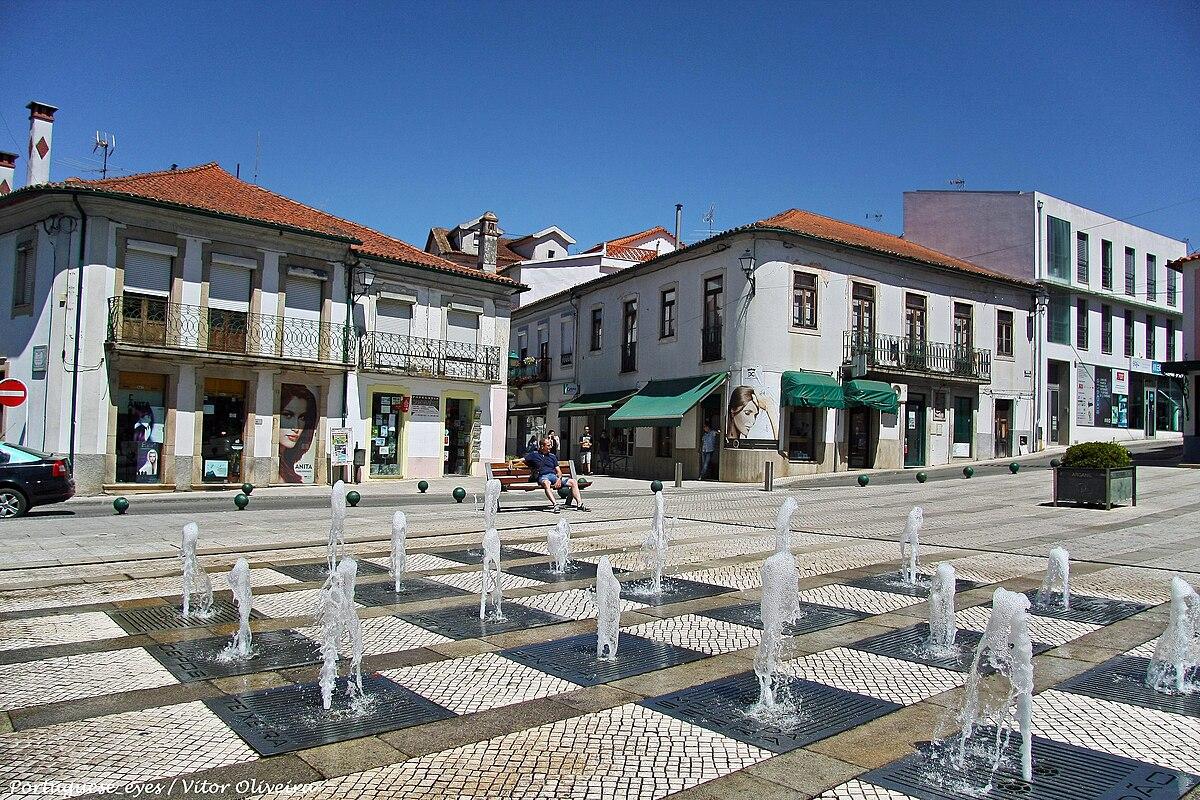
Arganil is the kind of place that doesn’t need to announce itself. Hidden in the green heart of central Portugal, it’s where rivers whisper through valleys, schist villages cling to mountainsides, and time slows to the rhythm of footsteps on cobblestone. This is a town made for reflection — where history lingers in stone bridges, locals still greet you by name, and nature does most of the talking. Visit not for spectacle, but for stillness. Arganil invites you to pause, breathe, and simply be.
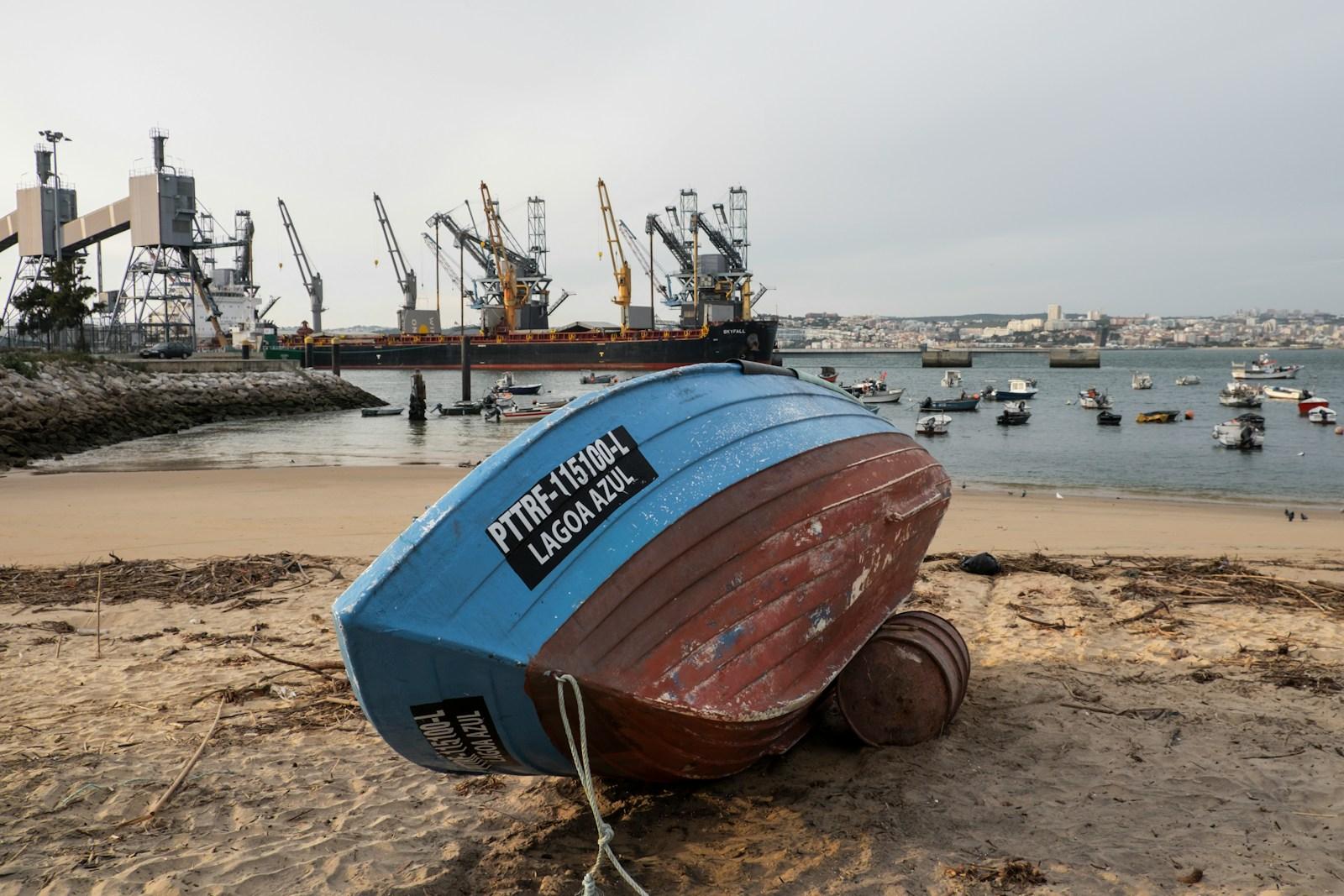
Across the Tagus from Belém, Trafaria offers a slower rhythm: cobbled streets, riverside views, fresh seafood, and the gateway to Costa da Caparica’s beaches.
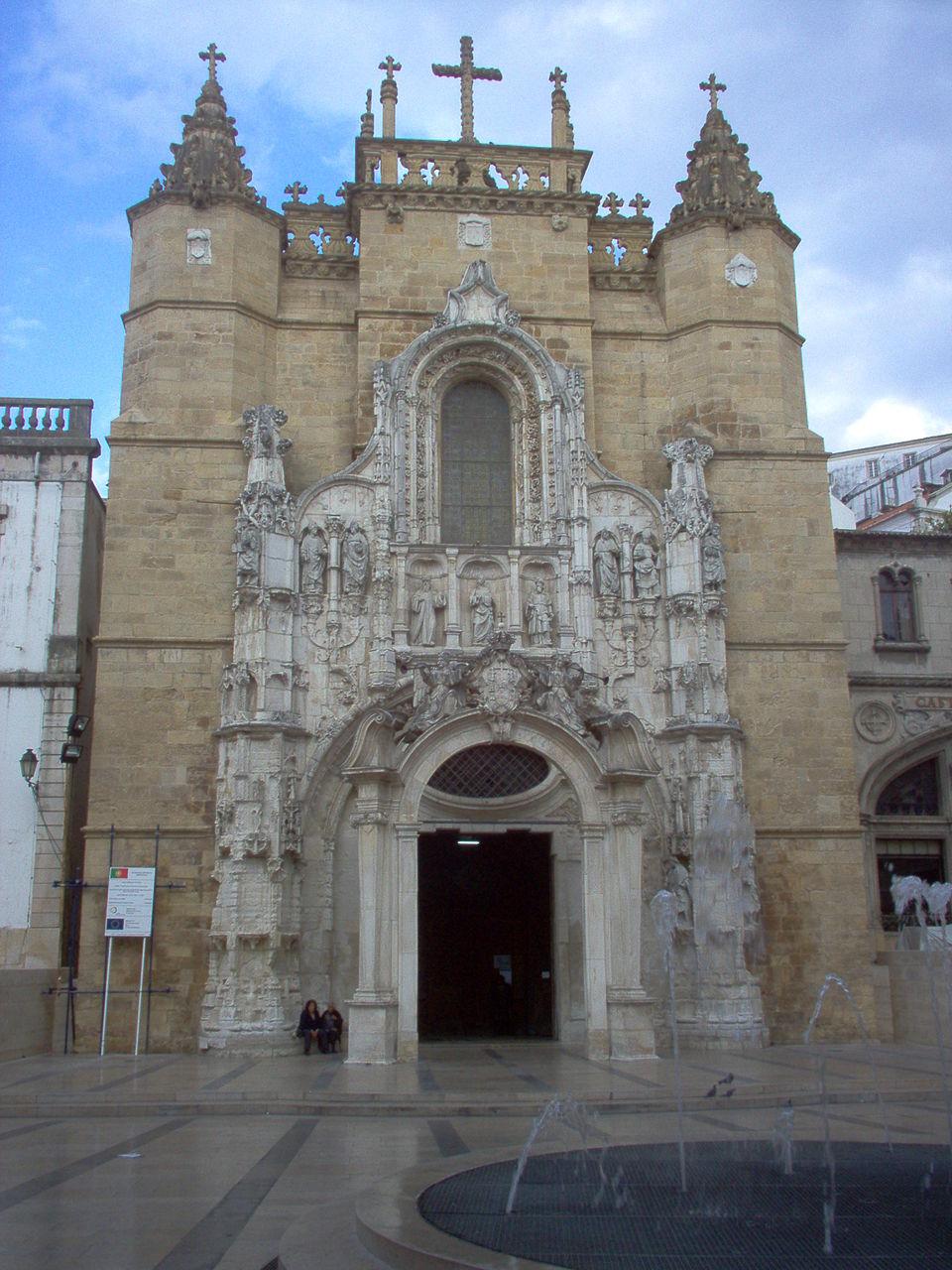
In Coimbra’s heart stands the Monastery of the Holy Cross — the cradle of Portugal’s identity and the resting place of its first kings. A masterpiece of Manueline art, it remains a living monument to faith, learning, and nationhood.