3 whole allspice berries, cracked and finely chopped
3 or 4 cloves garlic, minced
1 medium green bell pepper (about 6 ounces), thinly sliced
1 medium onion (about 6 ounces), thinly sliced
1/4 cup dry white wine
1/2 cup small black Portuguese or nicoise olives, pitted and rinsed
Kosher or sea salt and freshly ground black pepper
To cook the fish:
1/4 cup olive oil, preferably Portuguese
1 1/2 to 2-pounds hake fillets, trimmed, deboned and skinned; cut into 4 (6 to 8-ounce) portions
Kosher or sea salt freshly ground black pepper
2 cups cornmeal
Directions
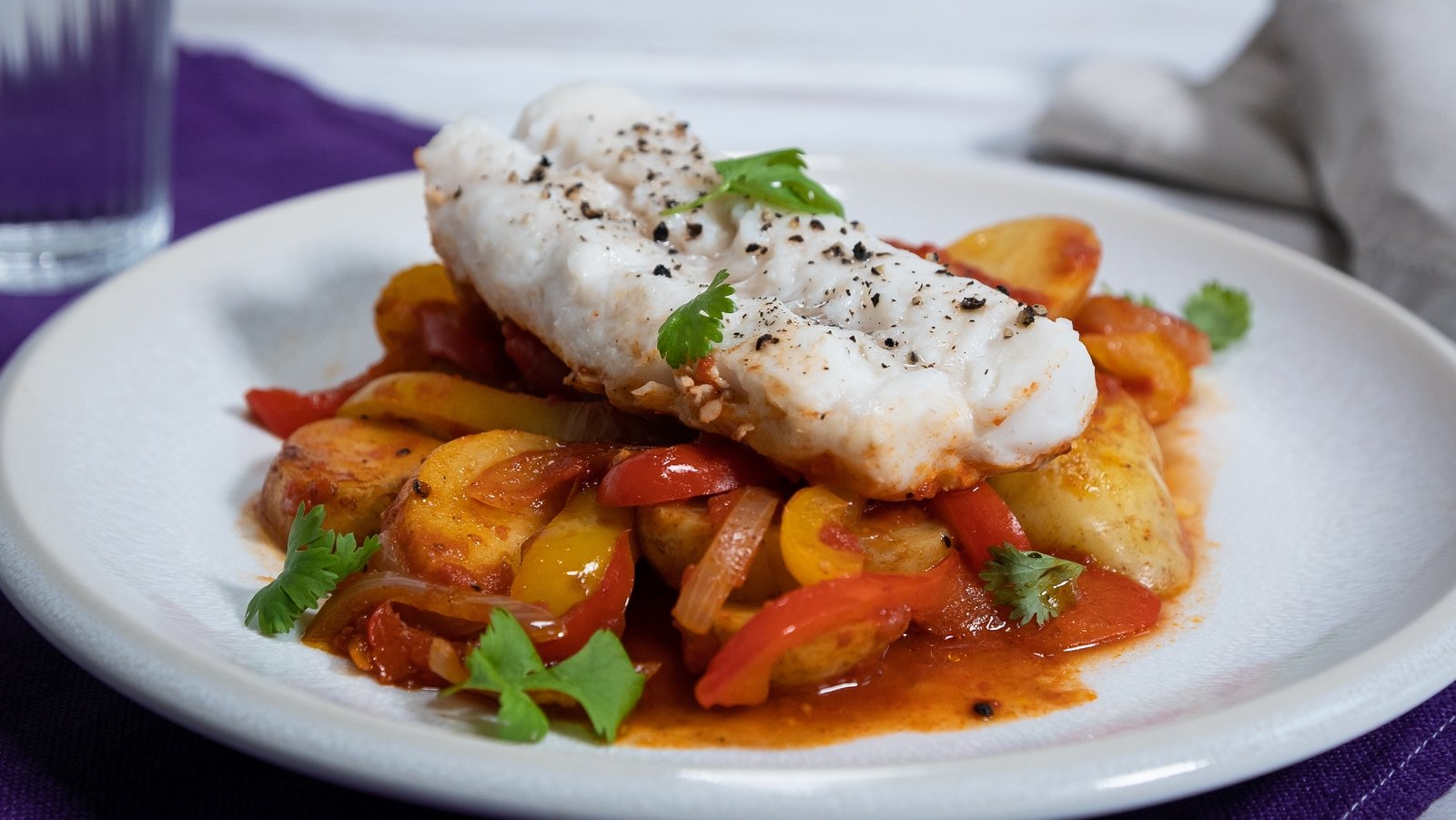
1. Fill the saucepan halfway with water and bring it to a boil over high heat. Score an x at the base of each tomato with a small paring knife. Lower the tomatoes into the boiling water until the skin splits, about 30 seconds. Plunge them into ice water after blanching to stop the cooking. Peel skins from the tomatoes, and cut them in half lengthwise. Remove the seeds, cut the tomatoes into 1/3-inch slivers (julienne) and set them aside. There will be about 1 1/2 cups.
2. You should start the sauce about 15 minutes before you want to serve the fish, so start heating up the larger skillet (for the fish) on medium heat at the same time you begin the sauce. Place the smaller skillet over medium-high heat and add the olive oil (3 tablespoons) and the bay leaves. Cook the bay leaves until they are lightly browned, 2 to 3 minutes. Add the allspice and garlic and cook for 30 seconds, stirring constantly with a wooden spoon. Add the bell pepper and onion and sauté, stirring frequently, until the vegetables are golden, about 5 minutes. Add the tomatoes, white wine, and olives. Simmer until the sauce is fragrant and has thickened slightly, about 5 minutes. Season with salt and pepper and remove from heat.
3. Just before you add the tomatoes to the sauce, add the olive oil (1/4 cup) to the preheated large skillet. Quickly season all the fillets with salt and pepper on both sides. Spread the cornmeal into a shallow bowl and dredge the fish portions in the cornmeal, 1 at a time, pressing to make the cornmeal adhere and then gently shaking off the excess. Work quickly and put each fillet into hot oil as you prepare them. As soon as the cornmeal appears to darken, turn the heat down a bit. The key is to have them cooking evenly so that when you turn the fillet, it should be a perfect golden brown. It will take about 3 to 4 minutes per side. The thicker the fish, the slower you should cook it. Turn the fillets, and cook for another 3 or 4 minutes until crisp and golden brown. Using a slotted spatula, transfer the fish to individual plates or to a platter. Divide the sauce by draping a small amount of the chunky sauce over the fish and spooning the remaining sauce around it. Serve immediately.
Heat the oven to broil and place the red peppers, skin-side up on a baking sheet for approximately 10 minutes or until all the skin is blackened.
Remove the red peppers from the oven and place them in an airtight container or bowl covered in plastic wrap to sweat and cool for 5 minutes. Cook’s Note: The skin will then be easy to peel off.
Reduce the heat of the oven to 350 degrees F.
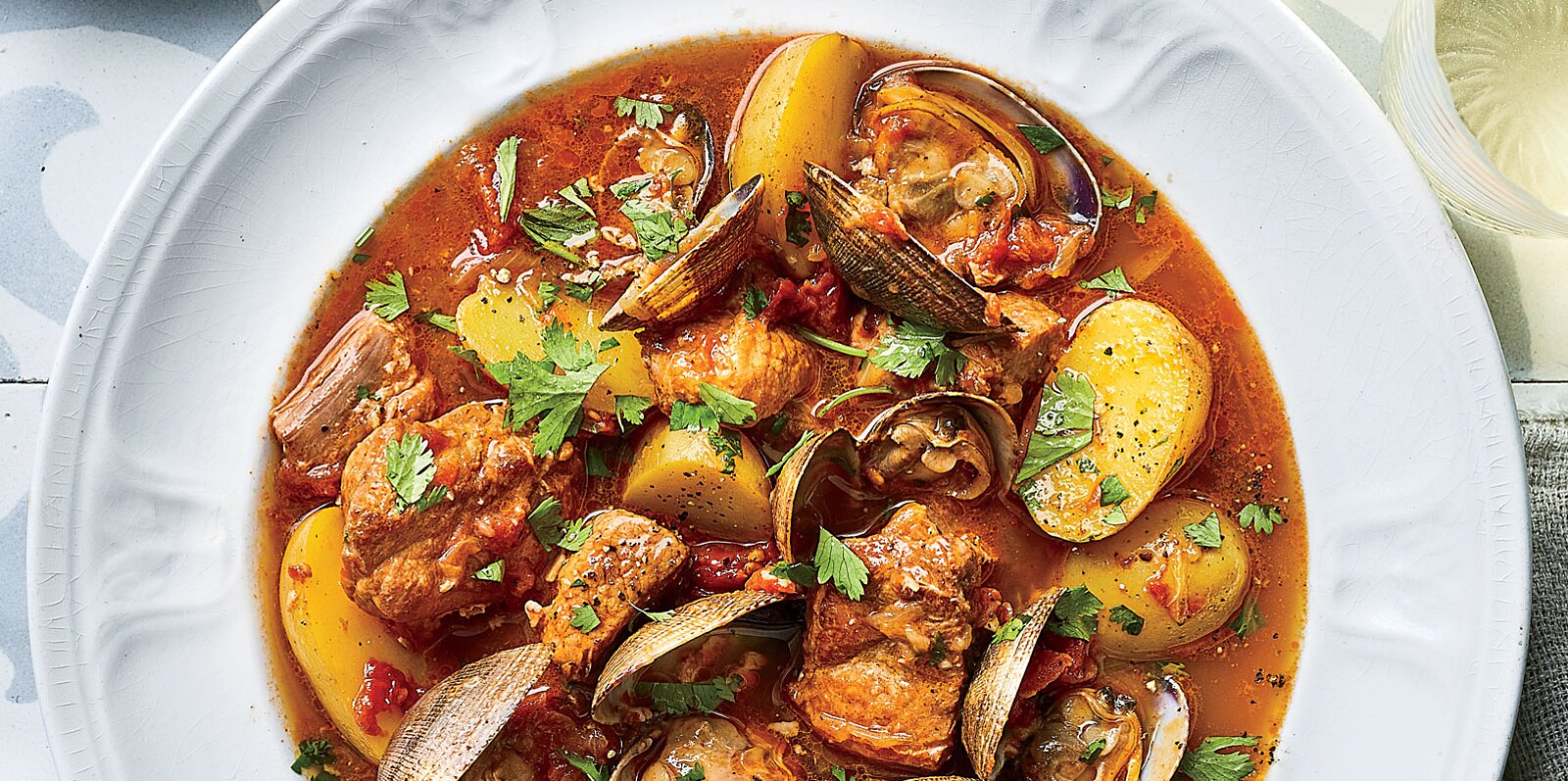
Meanwhile, place the chicken in a bowl and add the smoked paprika, paprika, chorizo, salt, pepper and mix well.
In a pan, heat the canola oil on high heat. Add the chicken and fry until crispy on all sides, about 3 to 4 minutes. Add the chorizo and do the same for another 2 minutes. Add the potatoes and onions and stir. Slice the skinless, roasted red peppers into long strips and add to the pan, along with all the juices. Place the smashed garlic on top of the chicken and season with salt and pepper. Put the pan in the oven for approximately 25 minutes, or until the chicken is fork tender. Remove from oven. Add the clams and kale. Cook for another 10 minutes.
Remove and plate, garnishing with fresh parsley, chives, a drizzle of olive oil and some crusty (Portuguese) bread on the side.
Cook’s Note: Chorizo can be replaced by bacon cut in pieces. Kale can be replaced by baby spinach.
1 1/2 cups stone-ground cornmeal, plus additional for sprinkling
2 teaspoons salt
1 cup boiling water
1/4 cup (1/2 stick) unsalted butter, melted and cooled
2 cups all-purpose flour, plus more for dusting
Extra-virgin olive oil, for brushing
1 tablespoon coarse salt
Directions
In a small bowl combine the yeast, sugar, and the warm water in a large bowl until the yeast is dissolved and foamy, about 5 to 10 minutes.
In a large mixing bowl, combine the cornmeal and salt with the boiling water. Beat vigorously with a wooden spoon to blend. Add the melted butter and mix to incorporate. Now, pour the yeast mixture into the cornmeal mixture, stirring to combine. Gradually add the flour, mixing well after each addition. Add a couple of tablespoons of water if the dough feels dry and doesn’t come together easily. Continue to mix until a dough forms into a ball. Turn the dough out onto a lightly floured surface and knead, adding just enough flour to keep the dough from sticking, until smooth and elastic, about 5 to 10 minutes.
Grease a large bowl with oil and transfer the dough to the bowl, brush the top with more oil so it is completely coated. Cover the dough with a kitchen towel and let it rise in a warm place until doubled in bulk, about 11/2 hours.
Turn the dough out onto the floured surface and knead briefly, 3 or 4 times, to punch out the air. Gather the dough into a ball and shape it into a round loaf. Cover the dough with a kitchen towel and let rise again until doubled in bulk, about 1 hour.
Preheat the oven to 400 degrees F. and place a pizza stone in the oven to heat up.
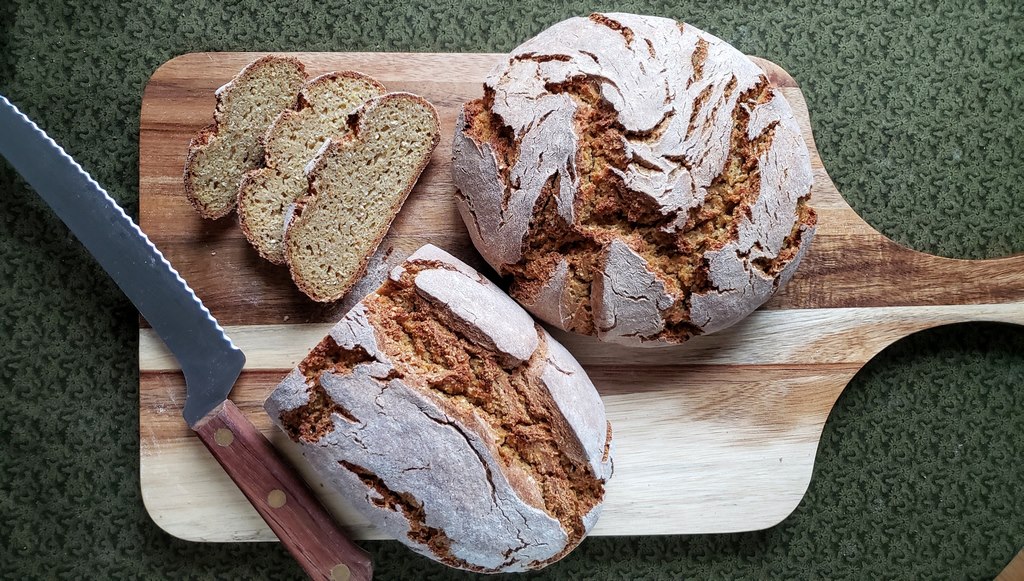
Put the dough round on the pizza stone and brush the top with oil. Sprinkle the top of the bread with coarse salt. Bake in middle of the oven for 40 to 50 minutes until the bread is golden brown and bottom sounds hollow when tapped. *To recreate the steam effect from authentic Portuguese brick ovens, spray the bread and oven walls with cold water every 10 minutes. Transfer the bread to a wire rack to cool.
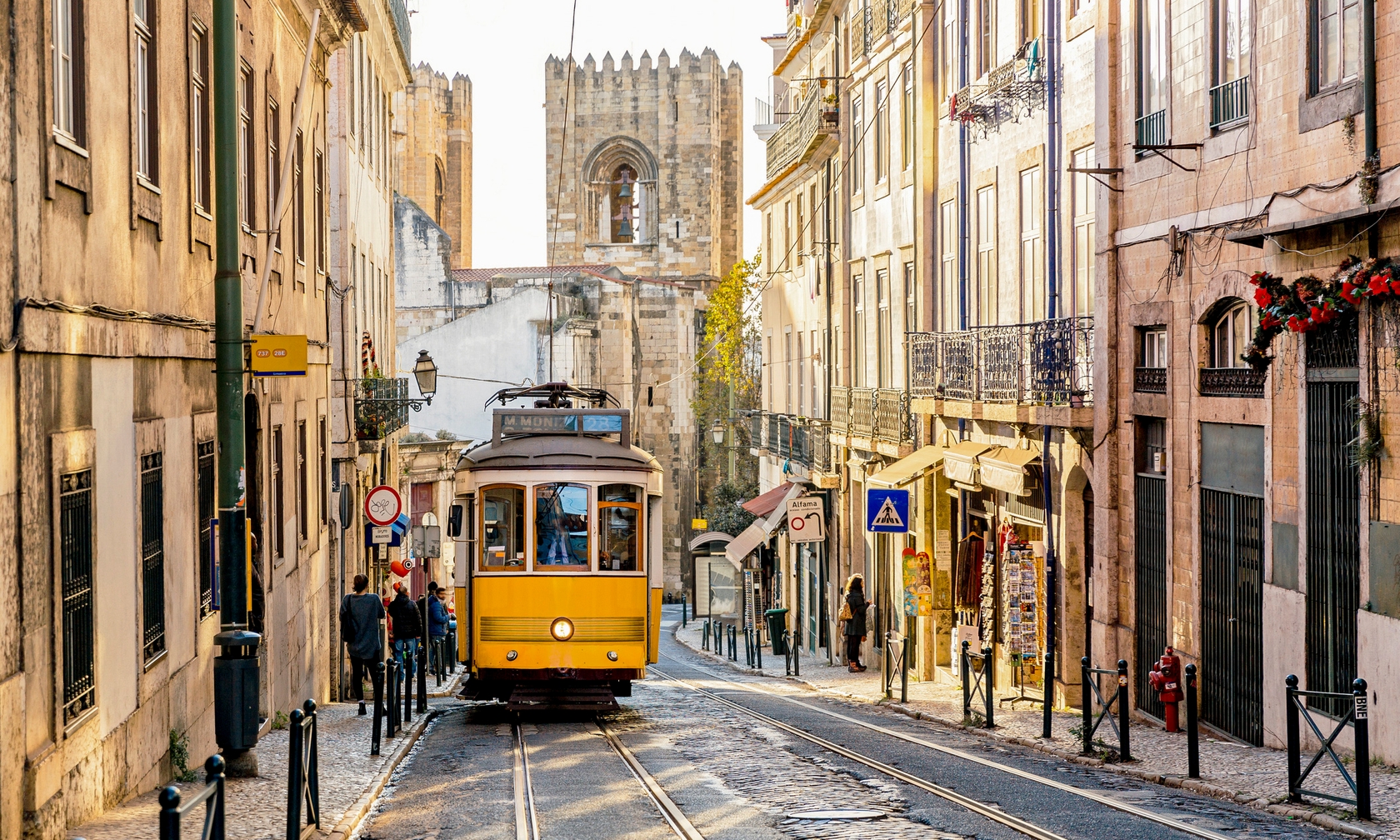
Discover some of the most stunning and attractive streets in the city of Lisbon.
Rua da Bica de Duarte Belo
Rua da Bica de Duarte Belo, in Lisbon, which connects Travessa do Cabral to Largo do Calhariz was chosen as the most beautiful street in the world alongside the Champs-Élysées and 5th Avenue.
@sorayacardim
Steps of São Cristóvão
In the centre of Lisbon, on the walls of centuries-old buildings that line a lengthy flight of steps that leads from R. da Madalena to the Church of S. Cristóvo, vibrant graffiti matches an equally vibrant mural on the other wall. The painting pays homage to St. Christopher as well as the musical genre known as Fado. Fado is a traditional folk dance from Portugal that is performed in tiny pubs and taverns all throughout the city as part of the city’s rich heritage.
The mural is located in Escadinhas de São Cristóvo (Steps to St. Christopher) in the Mouraria area of Lisbon, which is considered to be the birthplace of Fado. Escadinhas de São Cristóvo is a Portuguese phrase that means “Steps to St. Christopher.” The jumble of colours that may be seen there creates the impression that one is truly standing within an artwork.
Duke’s sidewalk
@luismbcarvalho
Rua do Vale
@cultuga
St. Peter’s Street
With the celebration of three Popular Saints, St. Anthony, St. John and St. Peter, June is a month of sweet, tasty, colourful and exciting parties.
St. Peter is the saint whose feast day is celebrated in the most understated manner. Bonfires are lighted, poles are hoisted with his flag, and procession routes are set up in his honour.
lane of paradise
@sergiomotapereira
Rua Cor de Rosa (or Rua Nova do Carvalho)
Lisbon boasts a number of streets with coloured tarmac that are worth taking a stroll along, but Rua Nova do Carvalho, often known as Rua Cor de Rosa or Pink Street by practically every one, is arguably the most well-known.
Rua Nova de Carvalho, located in Cais do Sodré, was “painted” in this hue in 2013, and it rapidly became renowned for hosting Lisbon’s nightlife. If you visit today, you’ll discover even more colours, thanks to the bright hats that were hanging by the top of your trip, as well as other colourful items.
Praça das Flores
It is considered to be one of Lisbon’s greatest squares.
What makes the square so attractive is the sense of calm that permeates the area all of the time. The park comprises primarily of calçadas with benches and a tiny fountain, which is about the extent of its amenities. There are also numerous trees in this area, which helps to keep the temperature down and gives you shade on hot days.
Rua de São Domingos à Lapa
Figueira’s Sidewalk
@caca_bg
Arrochela’s Traverse
@simoes.betty
Beating alley
@nyaasky
Corvinha alley
@angelpaulinho
Adiça street
@girlfromomsk
Santana’s sidewalk
A little distance away from the Torel viewpoint, the Santana promenade is located in the centre of Lisbon. It is a picturesque, tiny, and steep street that is steeped in history. It was at this door that the immortal poet Luís de Camões passed away, and it was through this door that the fado diva Amália Rodrigues was born. Balcony number 198, which is bordered by lions, which are emblems of strength and power, also stands out on this pavement.
Additionally, the route includes a detour to the Calçada Nova do Colégio and Rua Martim Vaz, which leads to the courtyard of the Santos monastery and the Santos courtyard. You will arrive at the Hospital de So José in a few minutes if you continue going in this direction. Additionally, the Igreja da Pena, one of the city’s original churches, can be seen on this street. In the distance, you can view the lovely Tagus River.
@manelpetiz
Chiado Square
@rubenmneves
Rua dos Remedios
Flanked by some fado taverns, these are the most attractive streets in Alfama. At the beginning of Rua dos Remédios, on the left, see the Manueline portal of Espírito Santo Church and, a little further away, at nº 2 of Calçadinha de Santo Estêvão, another portal from the same period.
Cristo Rei who has been adoring Lisbon for 61 years, forces himself to the scenery found when admiring the Tagus. From the top, he preserves anecdotes and details that only those who are well acquainted with him recall. Today, we’ll recollect a few of its episodes and quirks:
On May 17, 1959, it was inaugurated. The monument was dedicated on May 17, 1959, Pentecost Day, in the presence of the whole Portuguese Episcopate, the Cardinals of Rio de Janeiro and Lourenço Marques (now Maputo), and almost 300,000 spectators.
Cardinal Cerejeira was the one who spoke, and he spoke the phrase:
This will forever remain a symbol of National Gratitude for the gift of Peace.”
Photo: Christ the King Inauguration | Almada City Council
A Brazilian concept The National Sanctuary of Cristo Rei was conceived in 1934 during Cardinal Cerejeira’s, Patriarch of Lisbon’s, visit to Brazil. After seeing Rio de Janeiro’s magnificent Christ the Redeemer of Corcovado, he desired to create a comparable statue to appreciate the capital.
The threat of “war” The outbreak of World War II fueled the urge to ultimately construct the Cristo Rei. The Portuguese bishops met in Fátima on April 20, 1940, and formulated this vow:
If Portugal is spared the war, a monument to the Sacred Heart of Jesus will be constructed over Lisbon as a visual reminder of how God intends to win all humanity for Himself through Love”.
The land was purchased in 1941, and the foundation stone was laid on December 18, 1949.
Photo: Artur Inácio Bastos | AML (1967)
“Little Stones” campaign Portuguese youngsters were heavily involved in the fundraising effort, which was dubbed “Pedras Pequeninas.”
This occurred between 1939 and 1958 and expected that the youngest saved the money donated to them during the year and then offered it in the various parishes’ Crib on December 28th.
A ten-year construction project The monument was constructed during a ten-year period, from 1949 to 1959
40,000 tonnes of concrete Around 40 thousand tonnes of concrete were utilised in the building of Cristo Rei. Hand-carved into the building, more than a hundred metres above the ground, is indeed the figure. Plaster moulds were utilised for this.
Photo: Almada City Council
110 metres in altitude The Cristo Rei tower stands 215 metres above sea level and totals 110 metres in height. The sculpture’s supporting framework is 82 metres tall, while the figure itself stands at 28 metres.
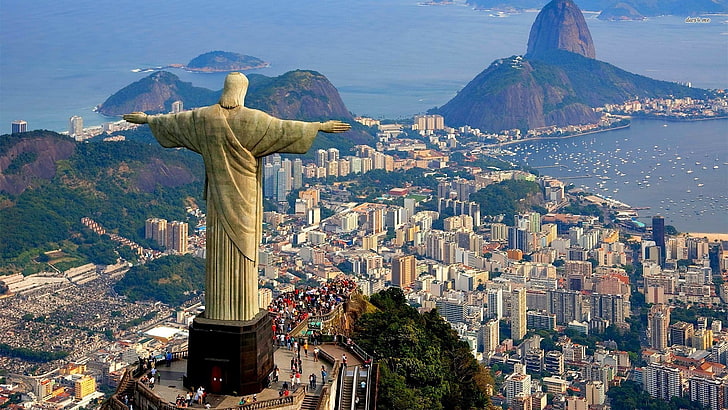
Corcovado’s Christ the Redeemer is 38 metres tall (the statue is 30 metres and the pedestal is 8).
Between-hands distance The distance between Cristo Rei’s hands is 28 metres or the same height as his torso.
@pedro-santos
A huge heart The Cristo Rei statue’s heart is 1.89 metres in diameter.
Chiado is undeniably one of Lisbon’s most enduringly charming districts, steeped in history and brimming with captivating attractions. From its historic stores to renowned international fashion labels, from its theatres and museums to cathedrals and scenic viewpoints, Chiado offers an eclectic blend of experiences that appeal to both locals and visitors alike.
Wander through the cobbled streets and discover iconic landmarks such as the historic Bertrand Bookstore, the world’s oldest operating bookstore, or the elegant São Carlos National Theatre, where operas and ballets grace the stage. Explore the cultural treasures housed within the Chiado Museum or immerse yourself in the vibrant atmosphere of the Carmo Convent ruins.
For those seeking panoramic vistas of the city, head to the Miradouro de Santa Catarina or the rooftop terrace of the historic Brasileira Café, where you can savour breathtaking views while indulging in a traditional Portuguese pastry and coffee.
As evening falls, Chiado comes alive with an array of dining options, ranging from cosy taverns serving authentic Portuguese cuisine to chic restaurants offering innovative gastronomic delights. Whether you’re craving traditional bacalhau or contemporary fusion dishes, Chiado boasts a culinary scene that delights the palate and satisfies every craving.
With its blend of historic charm, cultural richness, and cosmopolitan flair, Chiado stands as a timeless district that beckons travellers to immerse themselves in its allure and uncover the myriad treasures it holds. Whether you’re strolling along its bustling streets or savouring the flavours of its cuisine, Chiado promises an unforgettable experience that captures the heart and soul of Lisbon.
Viewpoint of São Pedro de Alcântara
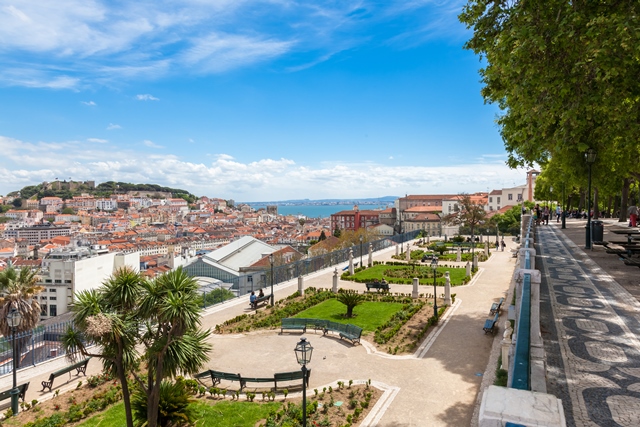
The Viewpoint of São Pedro de Alcântara stands as a magnificent gateway to both the vibrant district of Chiado and a breathtaking panoramic view of Lisbon. Positioned alongside the iconic Glória Elevator, this vantage point offers visitors an unparalleled perspective of the cityscape, with sweeping views that stretch from the majestic São Jorge Castle to the bustling Baixa district and the tranquil waters of the Tagus River.
Set amidst lush greenery and shaded alcoves, the patio of São Pedro de Alcântara invites weary travellers to unwind and savour the tranquil ambiance. Whether you’re enjoying a refreshing beverage or simply taking a moment to soak in the splendour of your surroundings, this serene oasis provides the perfect respite from the hustle and bustle of urban life.
As the sun sets and the city lights begin to twinkle, the viewpoint of São Pedro de Alcântara transforms into a romantic haven, offering couples a picturesque backdrop for an evening rendezvous. Whether you’re capturing memories with loved ones or simply basking in the beauty of Lisbon’s skyline, the Viewpoint of São Pedro de Alcântara promises an unforgettable experience that captures the essence of this enchanting city.
The Museum of São Roque
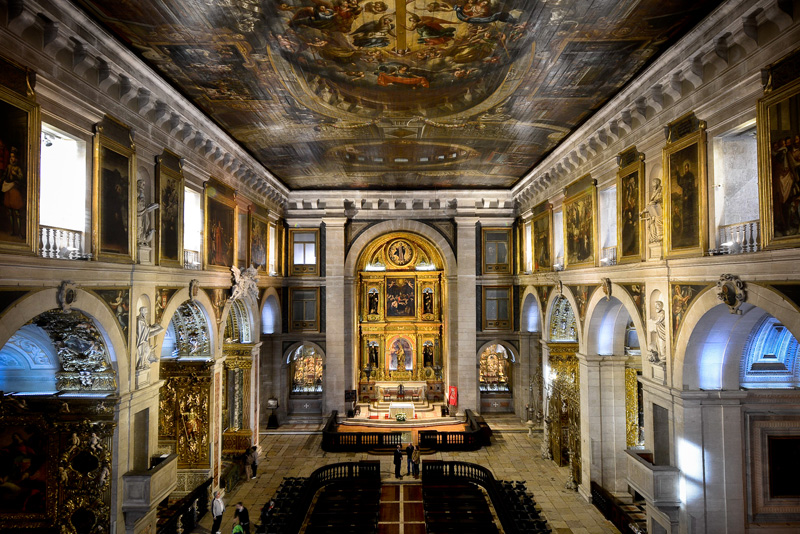
The Museum of São Roque, established in 1905, stands as a treasure trove of religious art, offering visitors a captivating journey through Portugal’s rich cultural heritage. Nestled within the historic confines of the Church of São Roque, this esteemed museum boasts a remarkable collection that spans centuries, encompassing a diverse array of masterpieces, including sculptures, paintings, reliquaries, jewellery, and more.
The exquisite craftsmanship and profound spiritual significance of the artworks on display will transport you back in time as you walk through the revered halls of the Church of São Roque. From intricately carved sculptures depicting scenes from biblical narratives to luminous paintings that capture the transcendent beauty of faith, each piece invites contemplation and reverence.
Among the highlights of the museum is its unparalleled collection of sacred artefacts, including ornate reliquaries adorned with precious metals and gemstones, a testament to the devotion and craftsmanship of generations past. Marvel at the intricate details of each artefact, from delicate filigree work to vibrant enamel embellishments, as you delve into the rich tapestry of Portugal’s religious heritage.
Whether you’re an art enthusiast, a history buff, or a spiritual seeker, a visit to the Museum of São Roque promises an enlightening and enriching experience. Immerse yourself in the timeless beauty of religious art and architecture, and discover the enduring legacy of faith that continues to inspire visitors from around the world.
Caza das Vellas Loreto
@lojascomhistoria_lisboa
Caza das Vellas Loreto is a timeless gem nestled in the heart of Lisbon’s historic Chiado district. Established in 1789, long before the advent of modern lighting, this venerable institution has stood the test of time, earning its status as a cherished landmark in the city.
Stepping into Caza das Vellas Loreto is like embarking on a journey through history. The store’s meticulously preserved interior, adorned with elegant glass cabinets and a majestic pendulum clock proudly displaying its foundation date, exudes an air of old-world charm and sophistication.
The enchanting aroma of essential oils and wax will greet you as you explore the store, creating a sensory experience that is both nostalgic and enchanting. Behind the scenes, hidden from view, lies the store’s bustling factory, where skilled artisans craft an impressive array of candles for various occasions.
From decorative candles to those used for religious ceremonies such as christenings and weddings, Caza das Vellas Loreto offers a diverse selection to suit every need and preference. What’s more, if you desire something truly unique, the artisans are more than happy to create custom candles tailored to your specifications, ensuring that every candle is a work of art unto itself.
Whether you’re drawn to its rich history, its exquisite craftsmanship, or simply the intoxicating scent of candles that fills the air, a visit to Caza das Vellas Loreto is an experience that captivates the senses and leaves a lasting impression.
Address: Caza das Vellas Loreto, Rua do Loreto 53, Chiado
Luís de Camões Square
Photo by @rubenmneves
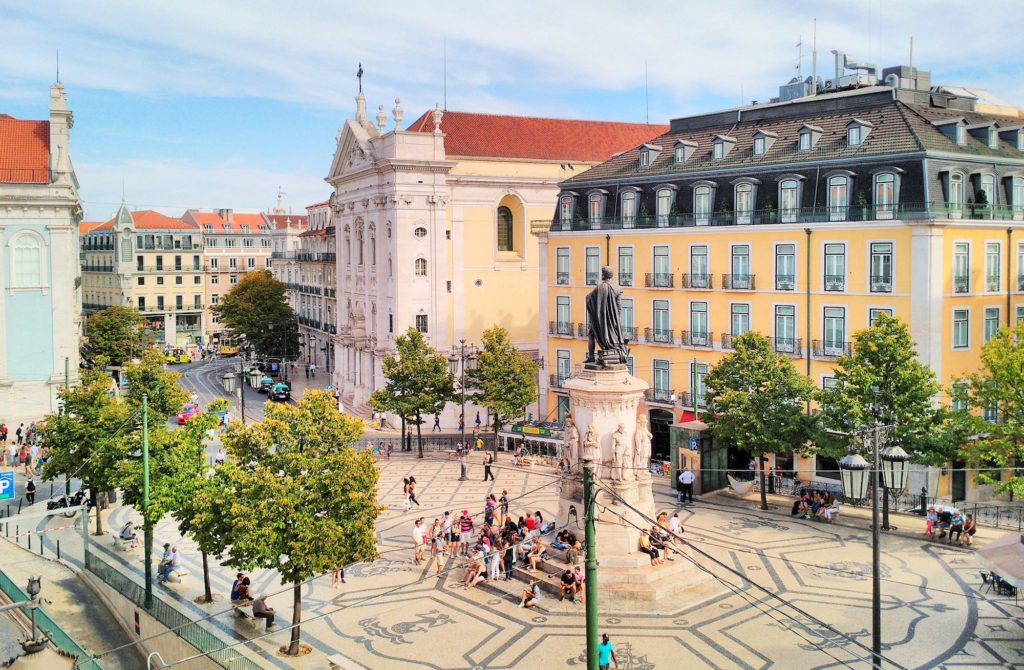
Luís de Camões Square, inaugurated in 1867, stands as a testament to the enduring legacy of one of Portugal’s most celebrated poets, the esteemed author of the epic masterpiece “Os Lusíadas.” At the heart of this bustling square stands a majestic bronze statue commemorating Camões, surrounded by smaller statues paying homage to eight national figures renowned for their contributions to letters and science.
Among these esteemed figures are chroniclers Fernão Lopes and Gomes Eanes de Azarara, epic poets Jerónimo Corte Real, Francisco de Sá Meneses, and Vasco de Quevedo, as well as historians Fernão Lopes de Castanheda and João de Barros. Additionally, the square honours the chief mathematician and cosmographer, Pedro Nunes, further enriching its cultural significance.
Nestled at the crossroads of two iconic Lisbon neighbourhoods, Chiado and Bairro Alto, Luís de Camões Square pulsates with life and energy, drawing visitors and locals alike with its vibrant atmosphere and wealth of attractions. While Chiado entices shoppers with its upscale boutiques and trendy cafes, Bairro Alto beckons with its eclectic array of dining establishments and lively nightlife scene.
Chiado Palace
Chiado Palace is a veritable masterpiece that enchants visitors from the moment they step through its grand entrance. Each corner of this illustrious establishment exudes elegance and charm, inviting guests to immerse themselves in a world where every wall whispers tales of bygone eras.
As you traverse the opulent rooms of Chiado Palace, it’s akin to embarking on a journey through a living tableau where every detail is meticulously curated to delight the senses. Whether you’re savouring a leisurely afternoon snack or indulging in a sumptuous business lunch, the palace’s culinary offerings cater to every palate and occasion with finesse and flair.
At the end of the day, there’s no better way to unwind than with a glass of wine in hand, soaking in the ambiance of Palácio Chiado’s Hall Bar. Settle into plush surroundings, let the strains of music from resident DJs wash over you, and revel in the enchantment of the moment as you bid farewell to another day in Lisbon.
Palácio Chiado promises an unforgettable experience where gastronomy meets artistry, where history blends seamlessly with modernity, and where every visit leaves an indelible mark on the soul.
Address: Chiado Palace Rua do Alecrim, 70 1200-018 Lisboa, Portugal
Church of Our Lady of the Encarnation
The Church of Our Lady of the Encarnation, located in the vibrant centre of Praça do Chiado, serves as a testament to the strength and lasting essence of Lisbon’s architectural legacy. The church was initially constructed in 1706 but was completely destroyed by the devastating earthquake of 1755. Despite facing challenges, repair operations began promptly and resulted in the church’s magnificent reopening in 1873.
Upon entering, guests are welcomed with a splendid late-Baroque interior decorated with intricate decorations and exceptional artistry. The prominent feature of the church’s splendour is the central altarpiece, an exceptional work of art by the well-known artist Machado de Castro. Displayed here is a magnificent portrayal of Our Lady of the Encarnação that captivates observers with its exquisite elegance and tranquilly, amidst the surrounding magnificence.
Visitors are encouraged to reflect upon the great beauty and spiritual importance of this revered monument as sunlight passes through stained glass windows and brightens the holy area. A visit to the Church of Our Lady of the Encarnation offers the opportunity to appreciate the fine details of the altarpiece and experience the peaceful atmosphere of the church. It is a journey that takes you back in time and serves as a witness to the lasting influence of faith and artistic skill.
Location: Church of Our Lady of the Encarnation, Praça do Chiado, 1200-467 Lisboa, Portugal
Basilica of the Martyrs
The Basilica of the Martyrs, standing in dignified juxtaposition to the Church of Nossa Senhora da Encarnação, serves as a poignant reminder of Lisbon’s rich religious and historical tapestry. Erected in the 18th century, in the wake of the city’s reconquest from the Moors in 1147, this venerable basilica traces its origins to a humble chapel established to honor the revered image of Our Lady brought by English Crusaders.
Exemplifying the opulent Baroque style synonymous with Pombaline architecture, the basilica boasts a resplendent interior adorned with exquisite details and ornate embellishments. The focal point of its grandeur is a magnificent ceiling adorned with paintings depicting scenes from the life of D. Afonso Henriques, infusing the space with a sense of reverence and awe.
At the heart of the basilica stands a splendid organ, surrounded by intricately carved gilded woodwork, a testament to the unparalleled craftsmanship of the era. It is within these sacred confines that the renowned poet Fernando Pessoa was christened, adding a layer of cultural significance to the basilica’s storied past.
As visitors traverse the hallowed halls of the Basilica of the Martyrs, they are enveloped in an atmosphere of tranquilly and reverence, where centuries of history and faith converge in harmonious splendour.
Address: Basilica of the Martyrs, Praça dos Mártires da Pátria, 1150-109 Lisboa
Statue of Fernando Pessoa (and Café A Brasileira)
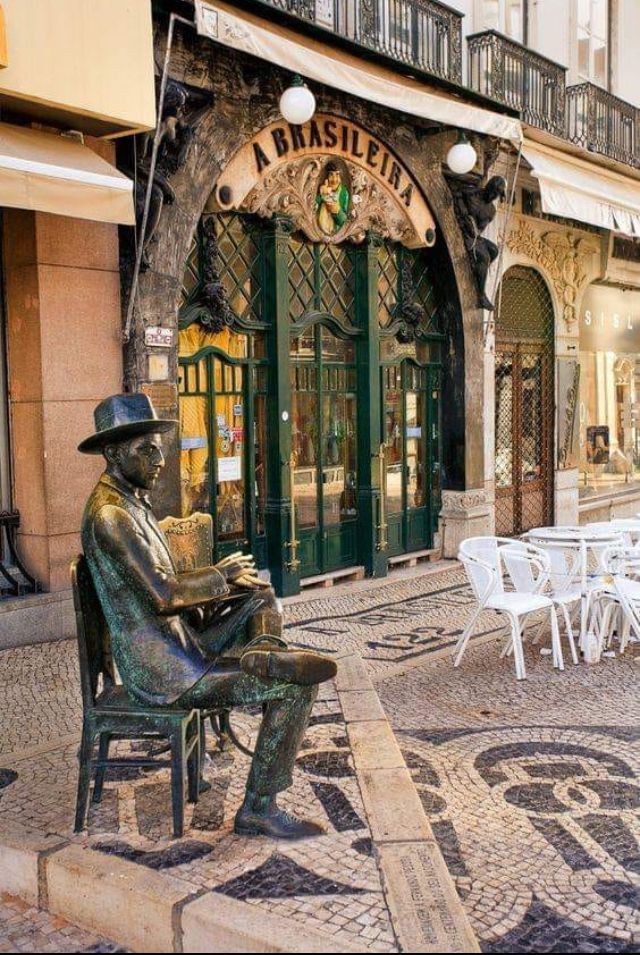
The Statue of Fernando Pessoa, a beloved landmark in Lisbon’s Chiado district, stands as a timeless tribute to one of Portugal’s most celebrated literary figures. Positioned adjacent to the terrace of Café A Brasileira, it has become an iconic meeting point and a popular spot for both locals and tourists alike.
Crafted in the likeness of Pessoa, the statue captures the essence of the enigmatic poet, who is revered for his contributions to Portuguese literature and his profound insights into the human condition. Since its installation in the 1980s, the statue has served as a focal point for admirers seeking to pay homage to Pessoa’s enduring legacy.
Café A Brasileira, steeped in history and charm, has been a cherished institution in Chiado since its inception in 1905. It started out as a small shop that specialised in Minas Gerais-grown authentic Brazilian coffee but quickly developed into a bustling café that intellectuals, artists, and writers frequented, including Pessoa himself.
Today, Café A Brasileira continues to exude an air of old-world elegance with its Art Nouveau facade and inviting interior adorned with vintage decor. Patrons can savour the rich aroma of freshly brewed coffee as they indulge in a variety of traditional Portuguese pastries and savoury delights.
Whether you’re drawn to the statue of Fernando Pessoa or the allure of Café A Brasileira, a visit to this iconic corner of Chiado promises a quintessentially Lisbon experience—one that celebrates the city’s literary heritage and culinary delights in equal measure.
Address: Café A Brasileira Rua Garrett 120 1200-273 Lisboa, Portugal
Benard Pastry
Benard Pastry, previously named Patisserie Benard, is a beloved symbol in the lively Chiado area, adding an additional touch of sweetness to this historical neighbourhood. The pastry store, originally named after its founder’s nickname, was later renamed Pastelaria Benard in the early 20th century. This modification was made to comply with legislation that required businesses with foreign names to pay a charge to the City Council.
Benard Pastry has a long and celebrated history as a popular destination for sophisticated customers, especially women, who are attracted to its delicious food and classy atmosphere. During the 1940s, the pastry store became well-known for its lavish banquets, attracting distinguished visitors such as Queen Elizabeth II, which solidified its status as a stronghold of culinary mastery.
Benard Pastry continues to be a vital component of the Chiado experience, captivating guests with its internationally acclaimed croissants and a variety of delectable pastries. Upon entering the establishment, clients are greeted with a delightful environment that is tastefully decorated with historical elements, creating an atmosphere of timeless elegance. This ambiance evokes a sense of luxury and refinement reminiscent of a past period.
If you desire a relaxed morning meal, a delightful snack during the day, or a revitalising boost in the afternoon, a trip to Benard Pastry guarantees a culinary adventure that pleases the senses and creates a memorable experience.
Location: Benard Pastry is situated in Rua Garrett, 104, Lisboa, Portugal, with a postal code of 1200-205.
National Theatre of São Carlos
The National Theatre of São Carlos, renowned for its historical significance and magnificent architecture, has served as Lisbon’s foremost opera venue since its establishment in 1793. São Carlos symbolises the endurance and cultural vitality of the city, emerging from the ruins of the destroyed Teatro Ópera do Tejo, which was damaged by the 1755 earthquake.
São Carlos emanates an atmosphere of ageless refinement and sophistication, with its neoclassical façade evocative of Milan’s famed La Scala and its lavish rococo interior. The theatre’s architecture, inspired by Italian equivalents, immerses guests in a realm of creative magnificence and dramatic enchantment.
Upon entering the theatre, guests are welcomed by the grandeur of the stage, embellished with allegorical representations of morality and custom in golden tones on either side. The combination of architectural and artistic components in this symphony provides a fully engaging experience that captivates the senses and carries spectators to the pinnacle of operatic drama and musical expertise.
São Carlos is transformed into a vibrant hub of creative expression and cultural enrichment when the curtains ascend and the captivating compositions of celebrated maestros resonate throughout the venue.
Location: The National Theatre of São Carlos is situated at Rua Serpa Pinto 9, 1200-442 Lisboa, Portugal.
National Museum of Contemporary Art
The National Museum of Contemporary Art, often known as the Chiado Museum, is a prominent institution in Lisbon that showcases creative innovation and preserves cultural legacy. The museum was established in 1911 and is located on the historic grounds of the old São Francisco da Cidade convent. This location adds a significant historical and traditional element to its displays.
The museum underwent a significant makeover and alteration in 1994, led by the renowned French architect Jean-Michel Wilmotte. The outcome is an impressive architectural masterpiece that effortlessly integrates contemporary design features with the enduring charm of its historical environment.
The Chiado Museum contains a wide-ranging and broad assortment of contemporary art, including paintings, sculptures, and films created by recognised local artists as well as known worldwide figures. Each exhibit provides visitors with a view into the dynamic and always-changing world of contemporary art, including avant-garde masterpieces and thought-provoking creations.
Visitors to the museum are encouraged to engage in an artistic journey around the galleries, connecting with thought-provoking pieces that challenge perceptions, stimulate imaginations, and generate significant conversations. Whether you are an experienced art connoisseur or an inquisitive visitor looking to expand your cultural knowledge, the Chiado Museum offers a remarkable experience that honours the limitless inventiveness and expressive capacity of the human spirit.
Location: The National Museum of Contemporary Art, often known as the Chiado Museum, is situated at Rua Serpa Pinto 4, 1200-444 Lisboa, Portugal.
The Little Garden
“The Little Garden,” nestled within the stairway of No. 61 Rua Garrett in the heart of Chiado, is a hidden gem that adds a touch of natural beauty and charm to one of Lisbon’s most enchanting streets. This diminutive florist, boasting a century-long legacy since its establishment in 1922, has enchanted passersby with its vibrant array of flora, including roses, carnations, poppies, sardines, marigolds, and camellias, among other species.
Over the years, “The Little Garden” has witnessed countless romantic encounters and heartfelt gestures as lovers and admirers alike have been drawn to its doorstep in search of the perfect bloom to convey their affections. Whether it’s a spontaneous gesture or a carefully planned token of love, the flowers from this cherished establishment have served as silent messengers of romance and devotion, brightening the lives of recipients and adorning the streets of Chiado with their colourful presence.
As visitors pause to admire the delicate blooms and breathe in their fragrant perfume, they are transported to a world of timeless romance and natural beauty, where even the smallest gestures hold profound significance. “The Little Garden” stands as a testament to the enduring power of love and the simple joys found in the beauty of nature, making it a beloved landmark in the tapestry of Chiado’s enchanting streets.
Address: The Little Garden, Rua Garrett, 61 1200-204 Lisboa, Portugal
Bertrand Bookstore
“The Little Garden,” located discreetly within the staircase of No. 61 Rua Garrett in the bustling Chiado district, is a concealed treasure that enhances the allure of one of Lisbon’s most captivating streets with its natural beauty and charm. This small flower shop, which has been in operation since 1922, has captivated pedestrians with its diverse selection of flowers, such as roses, carnations, poppies, sardines, marigolds, and camellias, among others.
Throughout the years, “The Little Garden” has observed several romantic rendezvouses and sincere expressions of love, as both lovers and admirers have been attracted to its entrance in pursuit of the ideal flower to transmit their emotions. Whether it is an impromptu gesture or a well-orchestrated symbol of affection, the flowers from this beloved institution have functioned as tacit emissaries of love and loyalty, enhancing the lives of receivers and embellishing the streets of Chiado with their vibrant existence.
As visitors stop to appreciate the fragile flowers and inhale their pleasant scent, they are taken to a realm of eternal love and organic elegance, where even the little actions carry deep meaning. “The Little Garden” is a cherished landmark in Chiado, known for its enduring celebration of love and the pure pleasures derived from the natural world. It adds to the enchantment of Chiado’s streets.
Location: The Little Garden is situated in Rua Garrett, 61, 1200-204 Lisboa, Portugal.
Ulisses Gloves
Ulisses Gloves, a quaint establishment founded in 1925 on Rua do Carmo, continues to be a beacon of sophistication and refinement in Lisbon’s Chiado district. In an era when no fashionable woman would dare venture outdoors without her gloves, Ulisses Gloves thrived as a purveyor of elegance, offering a wide selection of styles to suit every taste, budget, and hand size.
While societal norms may have evolved over the years, the allure of shopping at Luvaria Ulisses endures as a testament to timeless elegance and impeccable craftsmanship. Stepping into the store, patrons are greeted by a treasure trove of exquisitely crafted gloves, each pair a testament to the artistry and attention to detail that define the brand.
Adjacent to Ulisses Gloves lies Paredes-Meias, home to Joalharia do Carmo, a jewel of Chiado boasting one of the most magnificent facades in the neighbourhood. An exemplary showcase of Art Nouveau architecture, Joalharia do Carmo captivates passersby with its intricate ornamentation and timeless beauty, serving as a fitting counterpart to the elegance of Ulisses Gloves.
As visitors wander through the charming streets of Chiado, the sight of these iconic establishments serves as a poignant reminder of the district’s rich cultural heritage and enduring allure. Whether in search of the perfect pair of gloves or simply admiring the architectural splendour of Joalharia do Carmo, a visit to this corner of Chiado promises an experience steeped in sophistication and charm.
Addresses: Ulisses Gloves: Rua do Carmo 87A 1200-092 Lisboa, Portugal
Joalharia do Carmo: Rua do Carmo 87 1200-092 Lisboa, Portugal
Top Squeak, perched atop one of Lisbon’s most iconic buildings, offers visitors an unparalleled vantage point from which to admire the breathtaking vistas of the city. Situated between the historic Carmo Ruins and the elegant Santa Justa Elevator, this rooftop establishment beckons patrons to unwind and savour exquisite cuisine and refreshing drinks while soaking in the panoramic views that stretch as far as the eye can see.
As guests ascend to the rooftop terrace, they are greeted by a stylish and inviting atmosphere, where sleek furnishings and minimalist decor create the perfect backdrop for the main attraction—the stunning panorama of Lisbon’s skyline. Whether it’s a leisurely lunch, a romantic dinner, or simply cocktails with friends, Top Squeak offers an unforgettable dining experience that combines culinary excellence with unmatched views.
From traditional Portuguese delicacies to international favourites, the menu at Top Squeak is sure to tantalise the taste buds of even the most discerning diners. Enjoy a signature cocktail or a wine pairing with your meal while soaking up the golden glow of the setting sun against the backdrop of Lisbon’s picturesque landmarks.
As the evening unfolds and the city lights begin to twinkle, Top Squeak transforms into a magical oasis where every moment becomes a cherished memory. Whether you’re a first-time visitor to Chiado or a seasoned local, a visit to this rooftop gem promises an unforgettable experience that captures the essence of Lisbon’s timeless charm and beauty.
Address: Top Squeak Rua do Carmo 9, 1200-109 Lisboa, Portugal
Undoubtedly, a significant influx of travellers to Portugal seeks to bask in the abundant sunshine that graces this captivating destination. While the allure of the coastal wonders is undeniable, veer off the beaten path and discover the hidden gems nestled along the enchanting rivers that crisscross the country.
These inland havens, often overshadowed by their oceanic counterparts, boast a unique charm that sets them apart. River beaches, a well-kept secret, unfold a tapestry of delights for the discerning traveller.
Immerse yourself in the allure of these idyllic spots, where the tranquilly of swimmable waters replaces the tumultuous waves and treacherous undercurrents of the open sea. Revel in the pristine waters that meander through diverse landscapes, transforming each visit into a novel exploration.
Beyond their obvious appeal, river beaches offer an array of advantages. In stark contrast to the ocean’s vastness, find refuge under the natural cover that the lush surroundings provide. Moreover, relish the affordability of delectable local fare, a pleasant departure from the bustling beachfront eateries.
For those captivated by the idea of a sun-soaked escape with a twist, here unfolds a curated list of Portugal’s ten most exquisite river beaches. Embark on a journey to these hidden paradises, where the sun-kissed waters beckon and a tapestry of unique experiences awaits.
Praia da Franquia, Vila Nova de Milfontes
Praia da Franquia in Vila Nova de Milfontes is a unique river beach where the Mira River meets the sea, situated in the captivating Alentejo region. Set near the old fishing community, it offers a tranquil swimming experience compared to the ocean. Enjoy canoeing or basking in the sun on this distinct beach that seamlessly blends river serenity with open ocean access.
Pego Fundo, Alcoutim
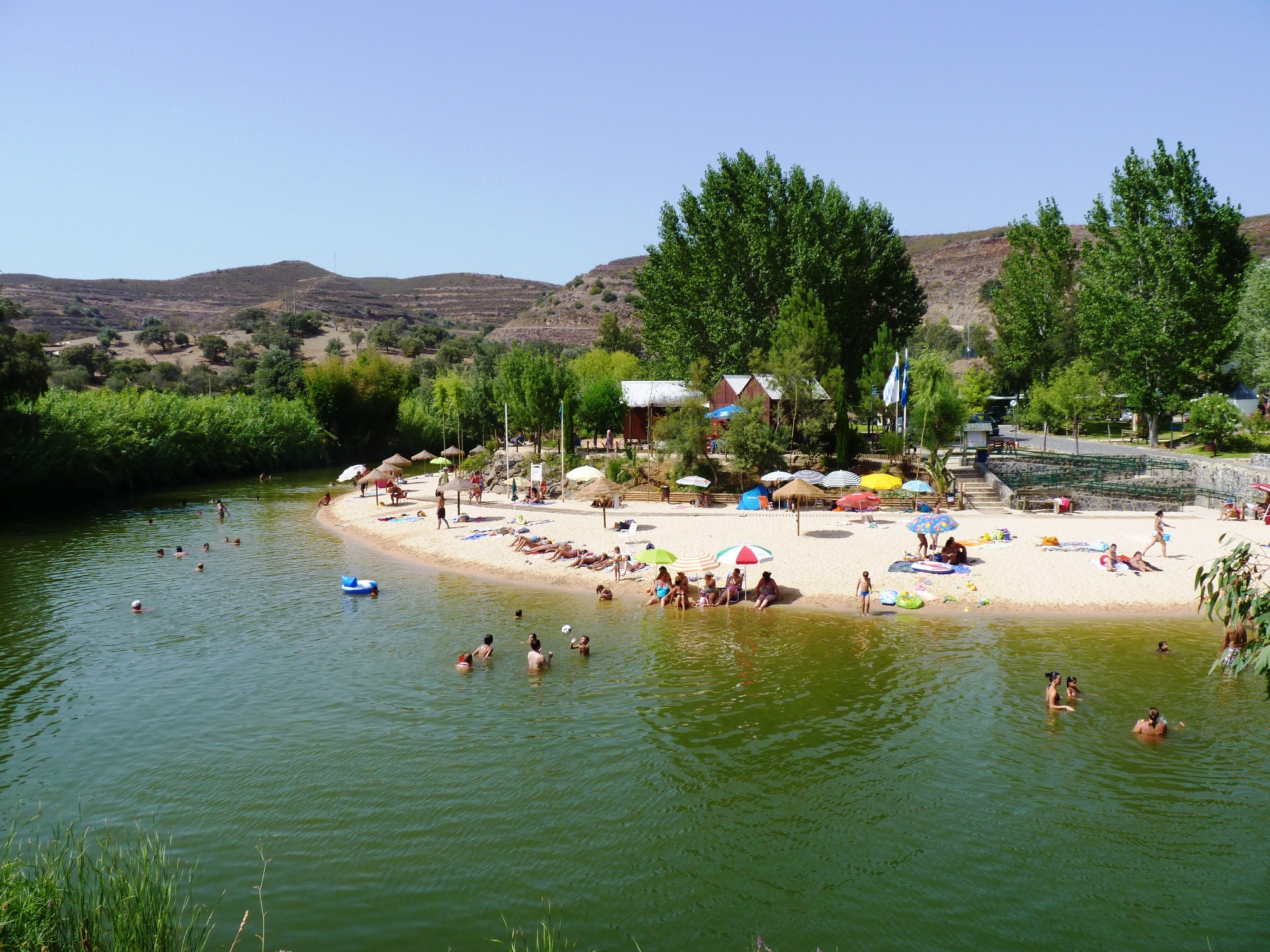
South of Faro, near the Spanish border, you’ll discover this delightful river beach in Portugal.
This beach is ideal for spending the day with family or friends and features a variety of facilities, including room for games like volleyball or beach soccer.
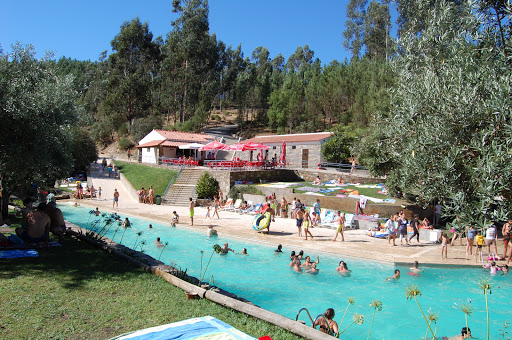
Cascalheira, Arganil
Discovering the stunning Cascalheira river beach in Secarias, Arganil is simply wonderful.
On one bank of the river, you’ll discover gleaming sand and wooden seats strewn among towering beech trees.
There are various eateries to pick from, as well as a canoe rental business and a well-kept riverbank promenade.
This is also an excellent location for hosting a large picnic, as there is a covered cooking and washing up area.
Praia Fluvial do Agroal, Ourém
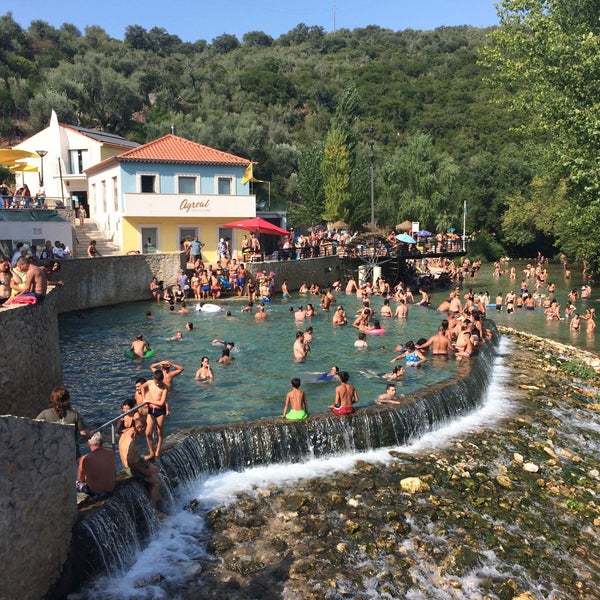
Located around 155 kilometres north of Lisbon, this lovely lakefront bathing facility is an ideal spot for relaxation and unwinding.
Set in a lovely setting, this resort features all you need for a fun-filled day in the sun, including a swimming pool, solarium, outdoor amphitheatre, restaurant, and spa.
This river beach has it all when it comes to river beaches.
Cardigos, Mação
This is the place to go if you’re looking for a beautiful river beach in Portugal that has complete access to modern facilities.
This beach in central Portugal provides a lifeguard service during the summer, making it an ideal spot for the entire family to swim and explore.
Additionally, they include big play spaces, picnic sites, two covered grills, and a bar that services the river beach.
Foz d’Égua, Piodão
Praia Fluvial de Foz d’Égua near Piodão. is another lovely river beach in central Portugal.
Set within a beautiful valley where two streams converge, this peaceful bathing site is easily accessible from the mountain settlement of Piodão.
This highly picturesque swimming spot, framed by two schist granite bridges, is an excellent way to conclude a trip over the region’s hills.
Praia Fluvial Avô, Oliveira do Hospital
If you didn’t believe Portugal could provide you with a lovely mountain village complete with a fresh river bathing hole, you’re mistaken. The Alva and Alvôco rivers merge in this unique location beneath the arches of an ancient stone bridge.
You may rent a rowboat to further explore the region, or if you’re looking for a thrill, there are rope swings that will get your pulse racing.
Praia Fluvial da Peneda, Góis
The perfect river beach in Portugal for the young, or the young at heart, this place offers rope swings upstream and shallow sandy islands downstream.
Not to mention, there is a wilder wooded area farther up that is perfect for exploring.
Decked out with all the amenities, there is even a river-side bar suspended over the water, so you can dip your toes while you enjoy an afternoon refreshment.
Ponte Soeira, Vinhais
Further north, near the Spanish border, is Praia Fluvial Da Ponte de Soeira.
This is one of the more rustic and uncultivated river beaches in Portugal, located around 225 kilometres from Porto.
The water is virtually unparalleled in purity, and you may float comfortably in a little natural lagoon.
There are a few bars and lots of options for exploring in the immediate vicinity.
Loriga, Seia
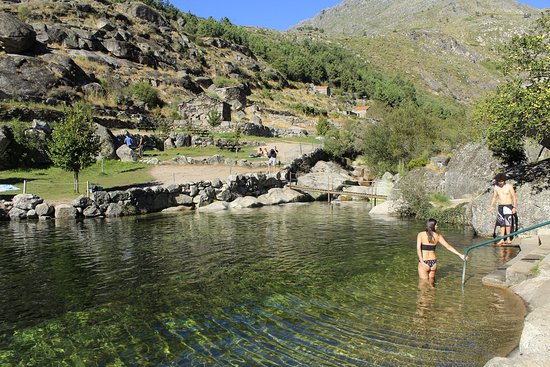
This river beach, located in the picturesque Serra da Estrela Natural Park, is around 180 kilometres from Porto and is well worth the effort.
The only river beach in Portugal, nestled within a glacier, the surrounding terrain is spectacular, as is the water.
If you’re looking for a truly unique natural refuge where you can swim, this is the spot for you.
It also features ample sanitary facilities, bars, picnic spots, and a children’s playground.
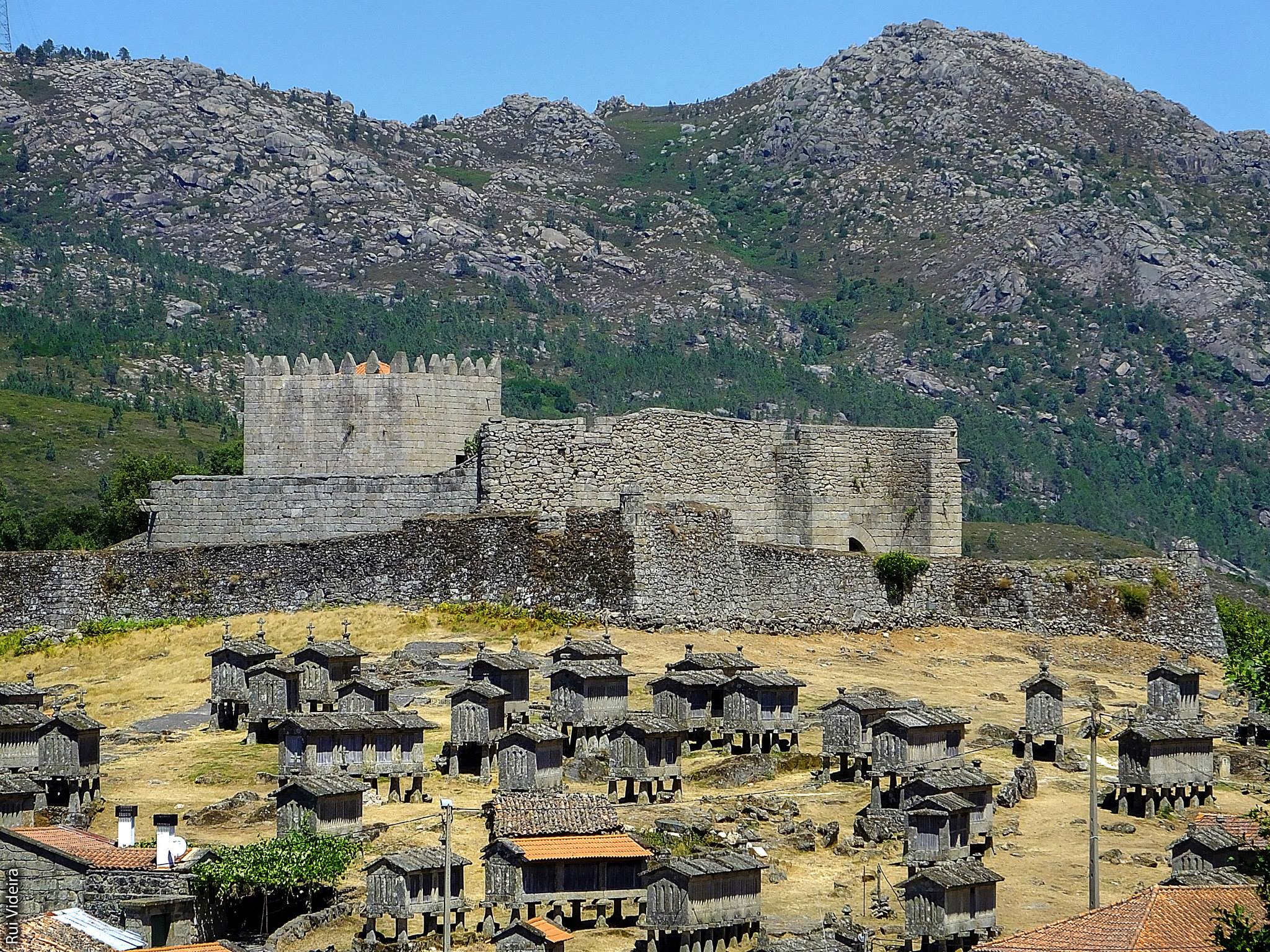
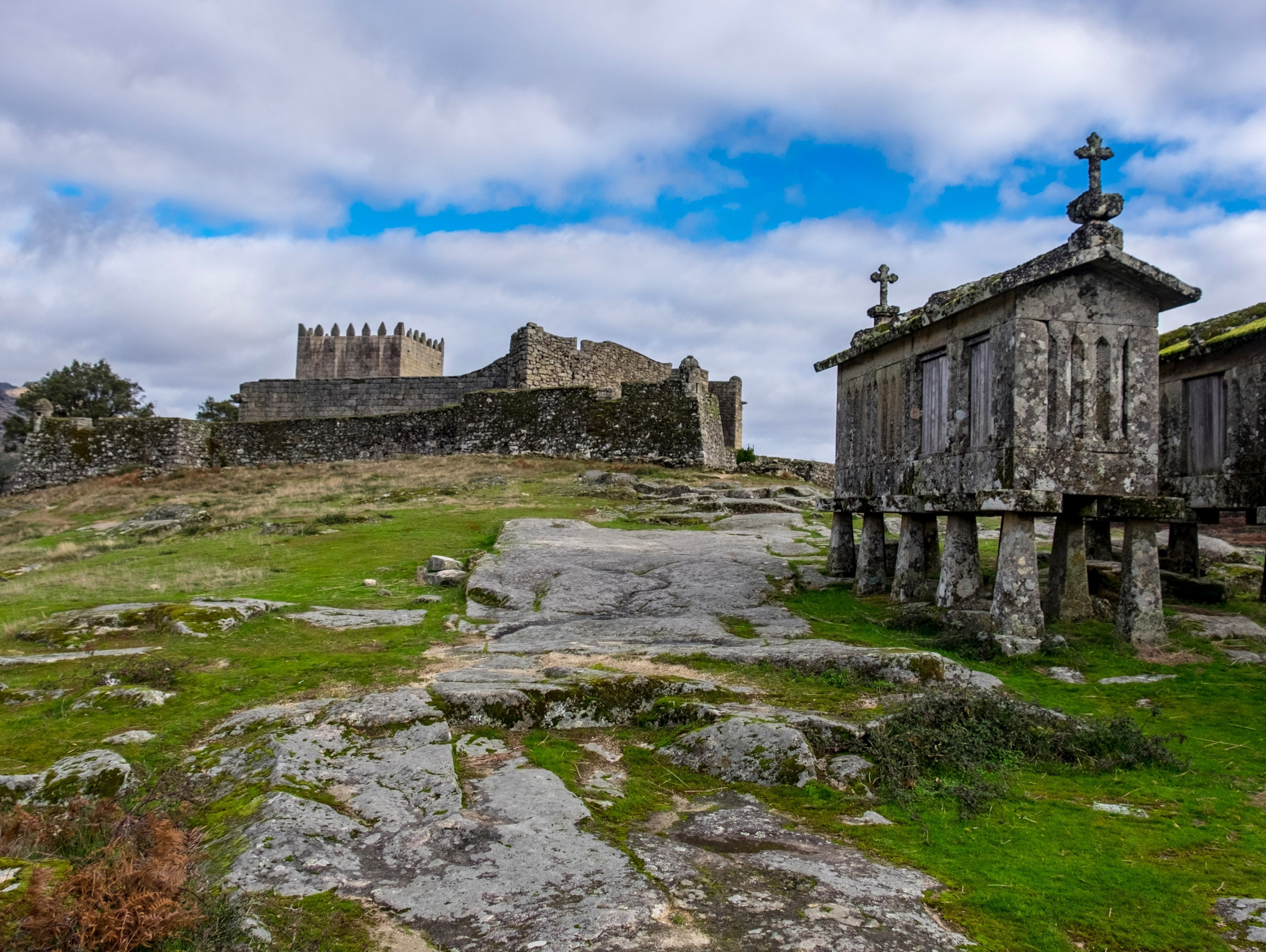
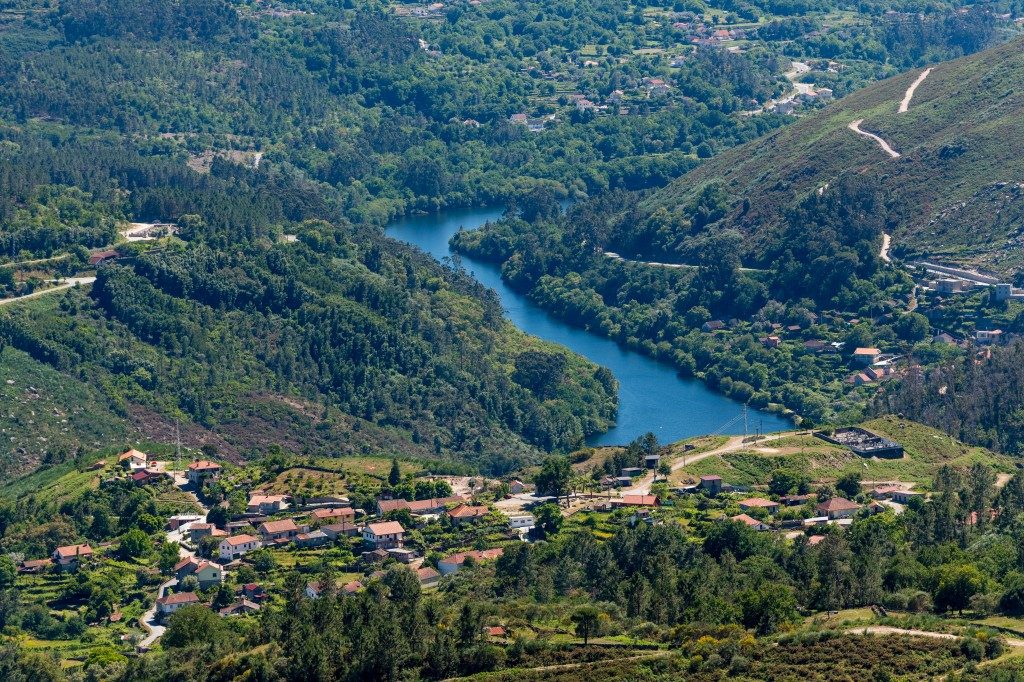
Located in the municipality of Ponte da Barca, in the midst of the Peneda do Gerês National Park. The terrain is dotted with almost fifty granaries, evoking the mountain communities’ communal culture. The castle at the top tells the history. Along with the different structures, ranging from the Igreja Matriz to the old washhouses, it’s worth taking a stroll along the pedestrian routes, which lead to breathtaking views and other unwritten secrets.
EXPLORE THE VILLAGE
Lindoso Castle
It was constructed during D. Afonso III’s reign (1210-1279). It is one of the most spectacular mediaeval military monuments. It is located on the Spanish border and acted as an observation point and defence for the country’s sovereignty.
Lindoso’s Spikes
There are 50 stone granaries dating from the 17th and 18th centuries. It is the country’s largest agglomeration and was historically a symbol of communal work.
Water Hiking Trail
7.5 kilometres to stroll leisurely, the sound of the stream creating the rhythm for the trail’s many sceneries. It starts with a stroll through the village, a living history, continues through the farmed fields and irrigation channels, enters the forest, passes through cork oaks, maritime pine trees, and heather, and ends in a stream environment.
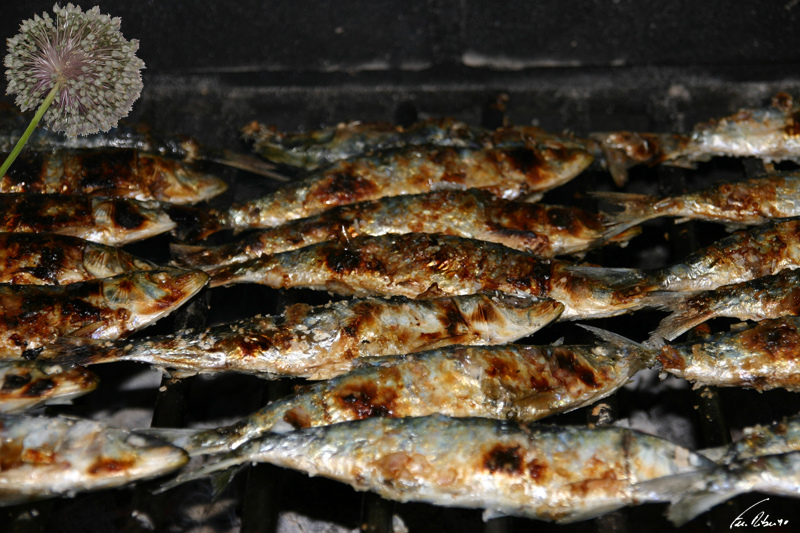
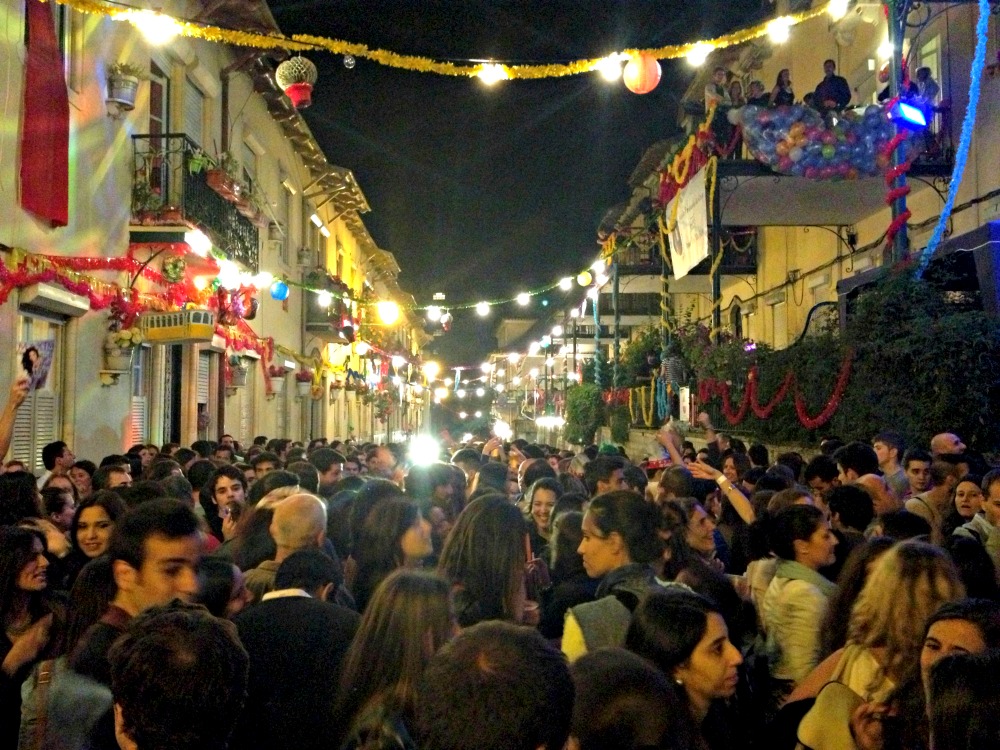
The small cobblestone alleyways of the old areas – Alfama, Castelo, Bica, Bairro Alto, and Madragoa – fill with music, dance, grilled sardines, wine and beer, and free entertainment for everyone.
The arraiais, as they are locally known, are the biggest and greatest street celebrations you’ll find in Lisbon.
The aroma of grilled sardines and basil pervades the entire space. Traditionally, men present their loved ones with a potted basil plant on St Anthony’s Day. A paper carnation bearing a love note is included with the basil plant.
Every corner is dotted with street food booths. Stages have been set up in the little squares of Lisbon’s historic neighbourhoods, and paper garlands strung between the buildings create a carnival-like atmosphere. Lisbon is preparing for the Feast of St Anthony, the city’s most important yearly festival.
Night of 12 June, Avenida da Liberdade comes alive with dancers and music after 9 p.m. The parade is a competition amongst Lisbon’s historic districts, which have spent an entire year developing their own choreographies.
Simultaneously, partygoers will pour into Lisbon’s historic districts, eager to dance and eat grilled sardines and caldo verde (Portuguese kale soup), accompanied by wine, sangria, and beer. Bonfire jumping is also a component of the custom. The party will continue until the sun rises. Lisbon will observe a public holiday the following day.
Alfama and Castelo are the most popular districts in Lisbon for celebrations. With its winding cobblestone alleyways, little squares, and taverns on every corner, this neighbourhood is ideal for the arraiais. The Bica neighbourhood, along with Bairro Alto and Madragoa, are also popular nightlife hotspots.
Bear in mind that the Feast of St Anthony may be a bit rowdy, as tiny streets and squares fill up with revellers on the evening of 12 June. Even walking, much alone dancing, can become quite challenging. Prepare to line for pricey sardines and wine.
When: June 12 Avenida da Liberdade (parade); Alfama, Castelo, Bica, Bairro Alto, and Madragoa (street parties)
Located within the Peneda Gerês National Park, in the municipality of Arcos de Valdevez’s boundary region. The communal threshing floor, comprised of 24 granaries perched on a massive granite boulder, the oldest was built in 1782. A community threshing floor that is still used by the population today. The construction is of stone with a granite base. We invite visitors to spend time learning about community life.
Additionally, the natural heritage offers a variety of outdoor activities, such as hiking trails, adventurous walks, and dips in the black lake.
We use cookies on our website to give you the most relevant experience by remembering your preferences and repeat visits. By clicking “Accept All”, you consent to the use of ALL the cookies. However, you may visit "Cookie Settings" to provide a controlled consent.
This website uses cookies to improve your experience while you navigate through the website. Out of these, the cookies that are categorized as necessary are stored on your browser as they are essential for the working of basic functionalities of the website. We also use third-party cookies that help us analyze and understand how you use this website. These cookies will be stored in your browser only with your consent. You also have the option to opt-out of these cookies. But opting out of some of these cookies may affect your browsing experience.
Necessary cookies are absolutely essential for the website to function properly. These cookies ensure basic functionalities and security features of the website, anonymously.
Cookie
Duration
Description
cookielawinfo-checkbox-analytics
11 months
This cookie is set by GDPR Cookie Consent plugin. The cookie is used to store the user consent for the cookies in the category "Analytics".
cookielawinfo-checkbox-functional
11 months
The cookie is set by GDPR cookie consent to record the user consent for the cookies in the category "Functional".
cookielawinfo-checkbox-necessary
11 months
This cookie is set by GDPR Cookie Consent plugin. The cookies is used to store the user consent for the cookies in the category "Necessary".
cookielawinfo-checkbox-others
11 months
This cookie is set by GDPR Cookie Consent plugin. The cookie is used to store the user consent for the cookies in the category "Other.
cookielawinfo-checkbox-performance
11 months
This cookie is set by GDPR Cookie Consent plugin. The cookie is used to store the user consent for the cookies in the category "Performance".
viewed_cookie_policy
11 months
The cookie is set by the GDPR Cookie Consent plugin and is used to store whether or not user has consented to the use of cookies. It does not store any personal data.
Functional cookies help to perform certain functionalities like sharing the content of the website on social media platforms, collect feedbacks, and other third-party features.
Performance cookies are used to understand and analyze the key performance indexes of the website which helps in delivering a better user experience for the visitors.
Analytical cookies are used to understand how visitors interact with the website. These cookies help provide information on metrics the number of visitors, bounce rate, traffic source, etc.
Advertisement cookies are used to provide visitors with relevant ads and marketing campaigns. These cookies track visitors across websites and collect information to provide customized ads.