The best things in life are free, and travelling the world is no exception.
Travelling the world is a fantastic adventure that you will remember for the rest of your life. You might be thinking that this is an expensive adventure. Certainly not. There are many inexpensive and even free ways to travel the world. Consider your global network of friends, relatives in other countries, couch surfing, and seizing every opportunity that comes your way. You don’t have to spend thousands of dollars to have an international adventure. All you need is some creative thinking, a lot of energy, the courage to keep going, and some ideas to get started.

Consider your options carefully.

man sitting on gang chair with feet on luggage looking at airplane

Items that are suitable for travel
You don’t want to be lugging a large suitcase around the world and risk incurring extra baggage charges. Make use of travel-size hair dryers and other toiletries to save space and weight.

The hotel provides complimentary toiletries.
Take advantage of the hotel’s complimentary toiletries; they are small and will last you for the duration of your stay.

Plan for your phone
Make sure you have a phone plan in place that will not cost you the money you don’t have while you’re away. You want to be able to contact family or make additional travel plans at a low cost.

No foreign exchange fees on credit cards
If you’re going to use a credit card, make sure you’re not going to be charged for currency conversions. When travelling in places like Europe, where countries have different currencies, this can quickly add up.

Travel insurance is included with your credit card.
While travelling abroad, some credit cards provide free travel insurance. The annual fee may be higher than your current card, but it is likely to be less than the cost of insurance.

Guides to travel
Get a travel guide that is appropriate for the type of travel you want to do. You can find ones that list youth hostels and other low-cost or no-cost attractions.

Accommodation 
House swap
House swapping is a fantastic way to get free lodging and a car while travelling around another country. House swapping websites exist, and this can be a very inexpensive way to travel in another country or city. Staying in a house has the advantage of feeling like you’re at home. You can come and go as you please because it is fully equipped with a kitchen and laundry.

House sitting
Many people do not want to leave their homes unoccupied while on vacation. Examine the websites and submit an application for a house sitting job. Many people require assistance with walking their dogs, caring for their pets, and watering their gardens. Free lodging in exchange for a few hours of work, and some people will even pay you.

Rent your home
Consider a short-term rental if you plan on travelling for a few months or years and own your home. Your travel expenses will be covered by the rental money.

Couch surfing
Many people all over the world are delighted to have someone stay on their couch for a few days while they travel.

Hostels
Take advantage of the low-cost lodging available in youth hostels and backpacker hostels all over the world.

Sleep on trains and planes
If you are travelling a long distance and there is a plane to train trip overnight, use this as your night’s accommodation.

Travel
parked white bicycle

Join the Peace Corp
Travelling to countries to help revitalise communities, villages, and towns can be a great way to see parts of the world that no one else does. The 27-month commitment may seem long, but you’re young and want to travel, so why not take advantage of the opportunities? Transportation to and from countries is free, medical and dental services are covered, food and lodging are provided, an intensive language course is provided, and any student loans may be deferred or even cancelled. You’ll also have 48 days to explore the country or region independently.

Teach English in a foreign country
When you apply to teach English in a foreign country and are accepted, you will be provided with travel and lodging. You can earn anywhere from $20,000 to $45,000 US per year.  You will be required to stay for a specific amount of time, and by earning money, you will be able to travel at the end of your contract.

Students can travel to different parts of the world by applying for a scholarship to study and travel abroad.

College graduates can apply for a Rhodes or Marshall scholarship in the United States and other countries. Artists, journalists, students, and scholars, among others, can apply for a Fulbright Scholarship. These include lodging, food, transportation, and a few other services along the way.

Make a tour group.
Create a tour group and plan a vacation for 20 of your friends. All you have to do is book a vacation through a travel agency. Plan your flights, transfers, and lodging, and your trip will be paid for. You are not a tour guide; rather, you are the tour group organiser.

The crew of a cruise ship
Apply for a position on a cruise ship sailing the Pacific, Caribbean, or Mediterranean seas. You’ll need to be able to provide educational or entertainment services. Check with the cruise lines about how much free time you’ll have in ports to see the sights. This is a good option for short-term travel. Typically, you will sign up for the cruising season.

The crew of a yacht
Many large yachts cruising the world are looking for crew members who can do more than just sail. Apply to be a crew member if you have culinary, mechanical, engineering, or navigational skills. Yachts are frequently moved around the world by their owners to take advantage of favourable weather or fishing conditions, and the boat must be relocated. It’s never a bad idea to have an extra pair of hands-on hands.

Low-cost airlines
Budget airlines in Europe and North America offer low-cost flights, so take advantage of them if you need to travel.

Others’ transportation vehicles
People who relocate to another country do not want to transport their cars by train or truck. They will compensate you for driving the vehicle to their new location. Some car rental companies require a driver to return the vehicles after one-way rentals.

Carpool
If you plan on renting a car for your trip, see if you can find others to join you and split the costs. Alternatively, you can join a car travelling in the same direction as you and pay a portion of the fare. This is usually something that needs to be planned ahead of time. While you’re away, look at websites, bulletin boards, and hotels.

Hitchhike
In some countries, this mode of transportation is still quite safe, so don’t dismiss it.

Take advantage of lower rates during the off-season.
Travel during the off-season whenever possible. Rates are lower, and even if it isn’t the time of year you prefer, travelling a few weeks earlier or later will always save you money.

Weekdays are frequently less expensive.
On weekdays, it is often cheaper to travel within a country by train, bus, or plane because they try to fill all of the seats. Even international travel can be less expensive because most people plan their trips around the Monday to Friday workweek.

Casual work

Exchange labour for a place to stay
Some hostels will allow you to trade work for a place to stay. You should double-check the exchange rate because you don’t want to be working 12 hours a day for a night’s lodging.

Work in a bar or a hotel
Working as a casual in a bar or hotel allows many young people to travel the world. If you enjoy talking to people and have some hospitality skills, this could be the job for you.

Nanny on the Move
If you have babysitting experience, you can use it to travel the world. Many families with young children look for a nanny while on vacation. They may be travelling for business or pleasure, and you will have days off to explore the city or country. If you speak a second language, you may have an advantage in landing a job.

Nanny 
Many families prefer to hire an international student or traveller as their nanny for a set period of time. You can earn money and travel at the same time this way.

Picking fruits and vegetables
Orchards and market gardens are great places to work during the summer, and some even offer to lodge. You can travel and earn money while following the seasons around the world.

Volunteering for charity work in other countries
Work on a development project in a third-world country as a volunteer. Some organisations will provide you with flights and lodging in exchange for 1 to 2 years of your time. Some companies seek people with specialised skills, such as construction and horticulture.

This organisation organises treks around the world to raise funds for developing countries. You raise sponsorship for the trek, which covers the costs of travel and other expenses. Cycling, sledging, rafting, and team challenges are among the various treks available. Mt. Kilimanjaro in Africa and Everest Base Camp were two recent treks.

WWOOF
This organisation provides opportunities on organic farms all over the world. In exchange for working on these farms, you are given room and board. Farms can be found all over the world.

Work away
This is a volunteer organisation that lists work opportunities in other countries. Accommodation and meals are provided while you teach English, assist in the reconstruction of a chateau, work on a construction or framing project, and more.

Volunteering with other organisations
Meals and lodging are provided by the Bob Marshall Wilderness Foundation in Montana, USA.
The Pacific Crest Trail Association provides meals and lodging along the trail that runs from Mexico to Canada through California, Washington, and Oregon.
Around the world, there are seventeen social and environmental projects. These projects aren’t all free.

Food
pasta dish on brown plate

Free breakfast offers
If you’re staying in a hotel, look for places that provide free breakfast. This will save you approximately $10 per day.

The accommodation that is self-contained
This type of accommodation includes a fully equipped kitchen, allowing you to buy food at low prices from local fresh produce markets and prepare your own meals. This is significantly less expensive than purchasing meals in many countries.

Use the complimentary coffee, tea, and sugar.
Always keep a small thermos with you, and use the complimentary supplies in your room to make a warm drink to take with you throughout the day.

Free food in Italy
Italy is a country where you can eat free of charge in a cafe or restaurant. You won’t get drinks, but food will be provided to travellers under a law that requires all cafes and restaurants to provide a free meal to anyone who asks. You might be asked not to return, but there are plenty of other options.

Don’t be afraid to seek assistance.
Never be afraid to ask for help or a job to pay for your lodging or food if you find yourself stranded somewhere without money. Offer to work in a cafe for a couple of hours in exchange for a meal or to make beds in a hostel in exchange for a night’s stay. Most places will try to assist you or point you in the right direction for assistance if they can.

Participate in competitions
This may appear to be a crazy idea because you may never win, but these competitions must be won by someone. You could be on your way to a worldwide adventure with just a little of your time, the cost of a text message, and a little imagination. There are hundreds of contests that offer travel and lodging in various locations around the world. This could be the start of your round-the-world journey.

Conclusion
There are ways to travel and stay overseas for free or at a very low cost no matter where you begin your global adventure. Don’t put your adventure on hold just because you don’t have enough money to go. Examine all of the ways you can get free travel by volunteering or doing charity work. Save as much money as possible while travelling by being thrifty and taking advantage of complimentary offers and meals. Remember that this is a once-in-a-lifetime opportunity, and you may find that you enjoy volunteering so much that you continue doing it for years to come.
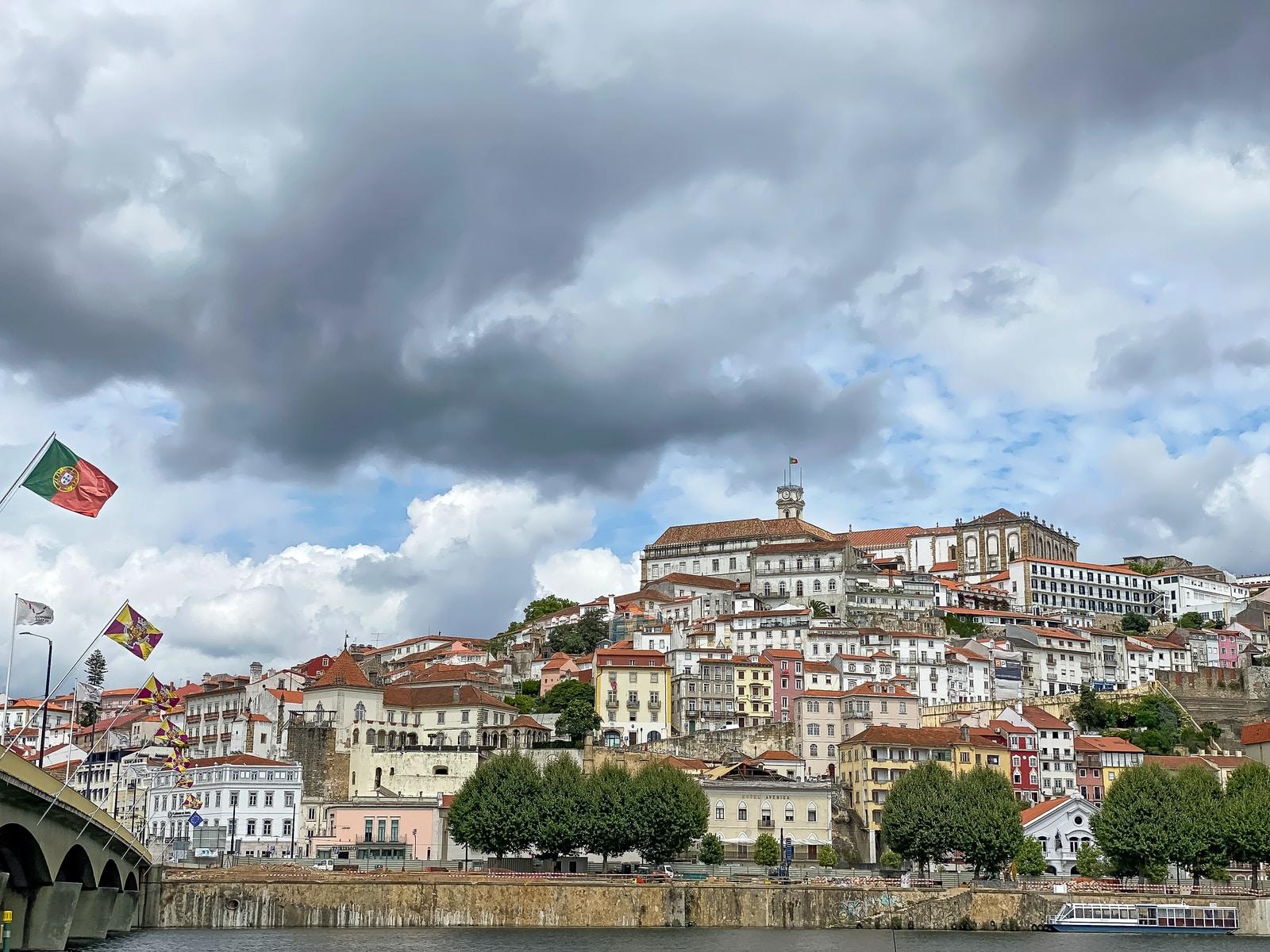
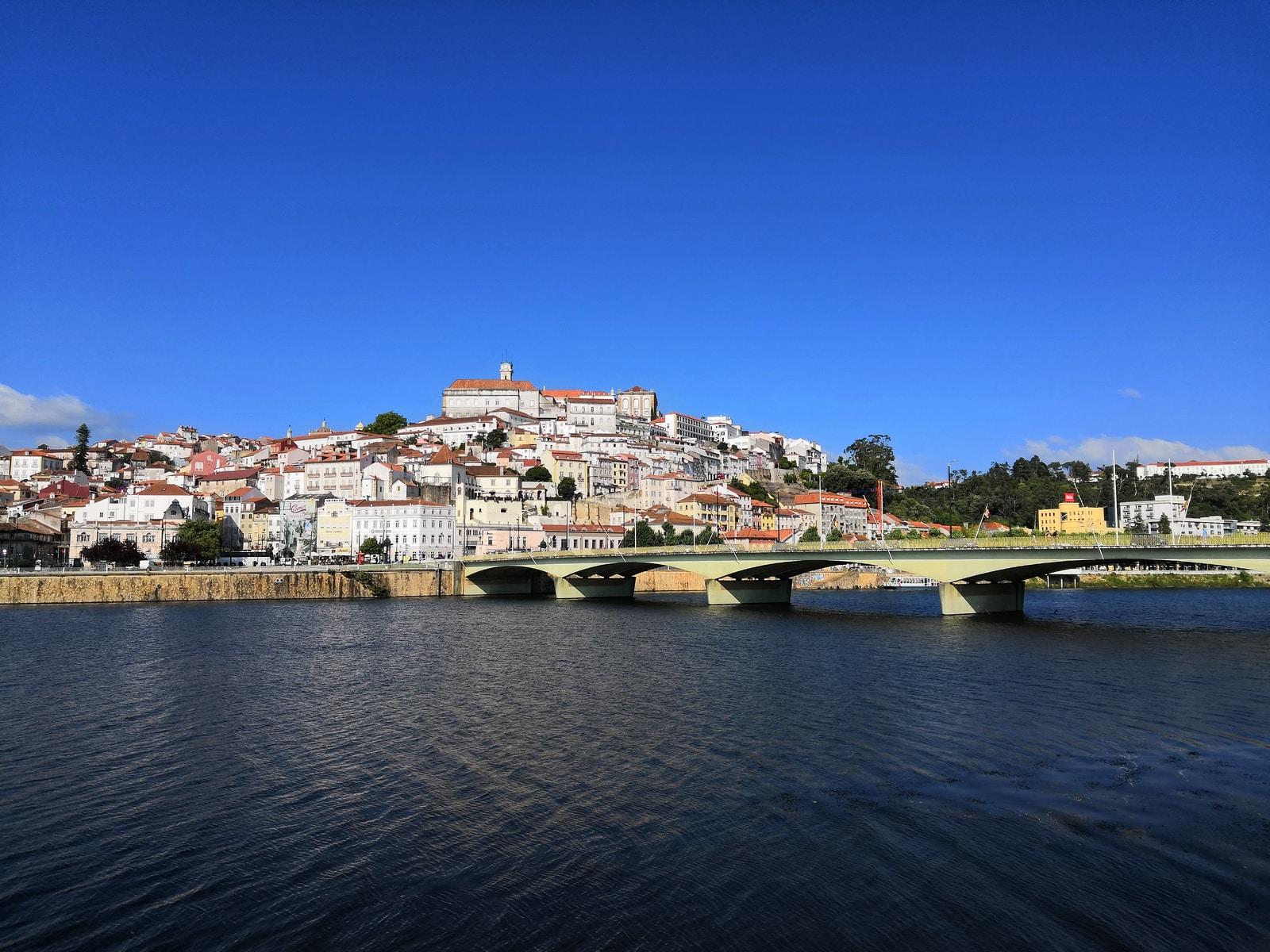
Coimbra, a riverbank city in central Portugal and the country's previous capital, is two hours north of Lisbon and is home to a preserved medieval old town and the famous University of Coimbra. The institution is known for its baroque library, the Biblioteca Joanina, and its 18th-century bell tower, which was built on the grounds of a former palace. The Sé Velha Romanesque cathedral, built in the 12th century, is located in the city's old center.

The Oldest University in Portugal

While not every city necessitates a trip to a university, Coimbra’s institution, like those in Oxford and Cambridge, has a long and distinguished history. Built amid the palace complex of 1537, it features a beautiful ivory-coloured bell tower, an expansive courtyard and an intricately carved Via Latina archway. The Biblioteca Joanina, with its frescoed ceilings, dusty leather tomes, and gilded embellishments, is the library’s most striking feature. Book a walking tour to understand the significance of these historic structures.

Visit the Miniature Village

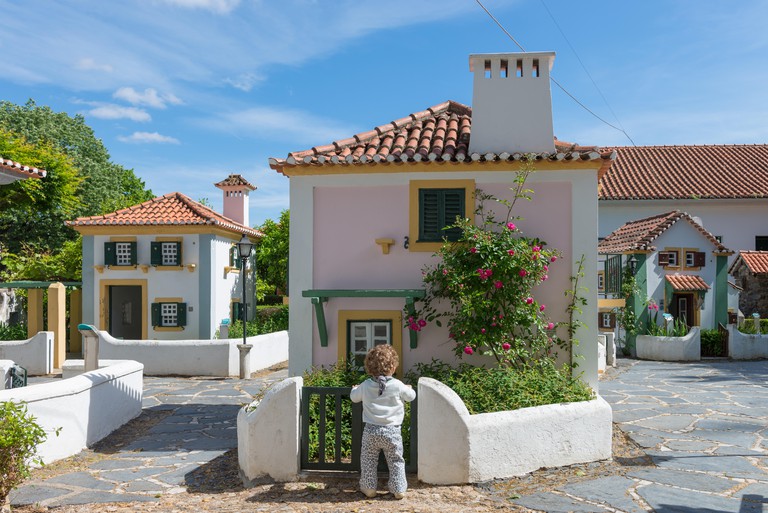
Portugal dos Pequenitos in Coimbra, Portugal. Image shot 02/2017. Exact date unknown.

The area known as Portugal dos Pequenitos contains miniature replicas of the country’s most famous sites. It’s a fun and instructive place for kids to learn about the fundamentals of Portuguese culture. As you recognize these models of renowned houses and monuments, take photos of your favourite little constructions.

On a warm summer afternoon, take a stroll through the beautiful gardens. Relax with drinks and refreshments at the café. You can also bring a picnic basket with you.

Portugal dos Pequenitos is located near the heart of Coimbra, on the quieter western bank of the Mondego River.

Velha Cathedral

Old Cathedral, Coimbra | This is the only Romanesque cathedr… | Flickr

Architecture enthusiasts should search out the layers of Moorish, Renaissance, Romanesque, and baroque design that has been incorporated into the spectacular Sé Velha, a fortress-like cathedral in the centre of the city that has been influenced by centuries of Coimbrans. Keep an eye out for the Porta Especiosa (beautiful door), the exquisite gothic altar within, and the interior, which is predominantly painted with Romanesque floral and natural motifs rather than the more traditional human-centred Biblical images. Take a peaceful moment to admire the central courtyard from the shade of the gothic cloisters.

Enjoy a cup of coffee in a historic church.

Cafe Santa Cruz, Coimbra, Portugal, Europe

Take a seat at Cafe Santa Cruz, which is set within the enormous former Church of São João, which dates all the way back to 1530. While you sit in medieval-style oak chairs beneath majestic stone arches and place your order, dappled light rushes in through the exquisite stained glass over the entryway. Make sure you get the compulsory pasteis de nata (a pastry considered a national dish), as well as toasted sandwiches and the house speciality, crúzios – sugared almond pastries created by nuns. Additionally, keep an eye out for notifications about free fado music nights.

Address: Praça 8 de Maio, Coimbra
Open: 8am–12am
cafesantacruz.com

Discover unusual museums

Machado de Castro museum interior in Coimbra, Portugal

Coimbra’s imposing temples to history, the arts, and science reflect the city’s educational heritage – the city is home to museums dedicated to everything from zoology to water supply. The Museu de Machado de Castro takes centre stage, a grand bishop’s mansion brimming with religious art, sculptures, and vintage furniture (though just as many come here for the fab view from the restaurant). Priso Academica – a two-cell prison where university students were thrown if they became too rowdy – and Brain Maze – an escape room that incorporates elements of Portuguese history into the complex tangle of puzzles you must solve to escape.

www.museumachadocastro.gov.pt

People-watch in Praça da República

May be an image of one or more people, tree and outdoors

The broad Praça da República, which is leafy, sprawling, and etched with a looping pattern on its paving stones, serves as a hub for students, professionals, and visitors. Sit in a canvas chair at one of the informal metal tables and sip a cup of coffee or a local beer while young cyclists zip past flower vendors and groups of laughing twentysomethings shoot the breeze late into the night. The majority of cafes offer complimentary snacks — including plates of fries and croquetas — with each drink.

Before making any vacation plans, please check the constantly changing local limitations and safety rules. It should be noted that not all sites and services are operating as usual, so check their respective websites for the most recent details.

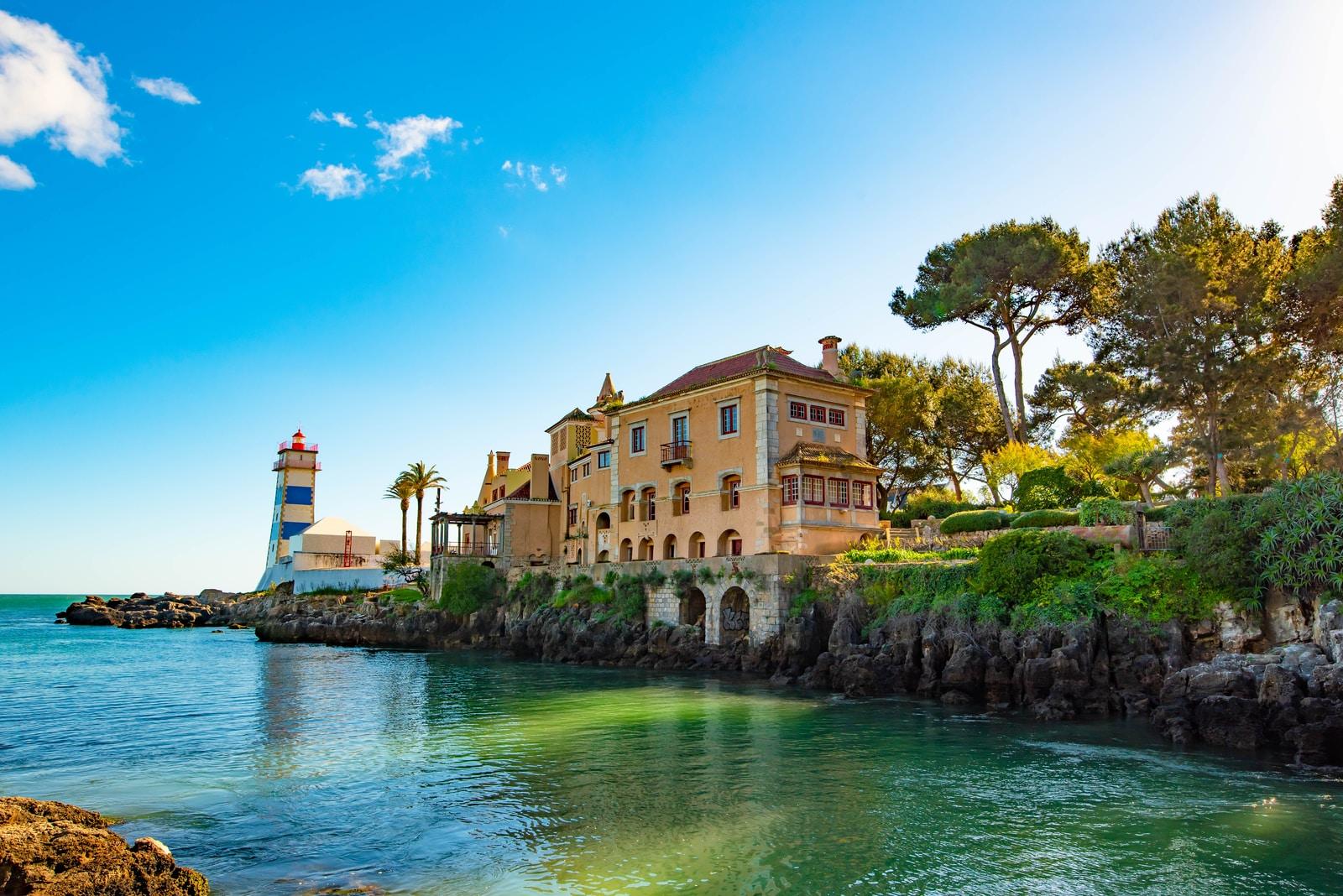
Cascais has a way of conquering its visitors. Either for all the amazing things to do, the incredible food (with delicious fish restaurants and seats where you can soak up the sun), free attractions, or its beautiful beaches. Prepare to discover a historic town where once kings and aristocrats lived and which is now the home of people who like to live well and unhurriedly.

1. All year, live as if it were summer.

Cascais, Lisbon, Portugal, Travel, Sea, Summer, Europe

Although this is not a tropical region, you are not far from that warm, pleasant sensation. Even in spring and autumn, you can wear sleeveless shirts. It helps that Cascais is surrounded by beaches and has an average of roughly 300 sunny days per year (yes, you read that right). Thus, even during the coldest months, the waves are densely packed with surfers, the beaches are usually filled with athletes, and the Cascais “paredão” is crowded with people meandering. 

2. There is a district devoted entirely to museums.

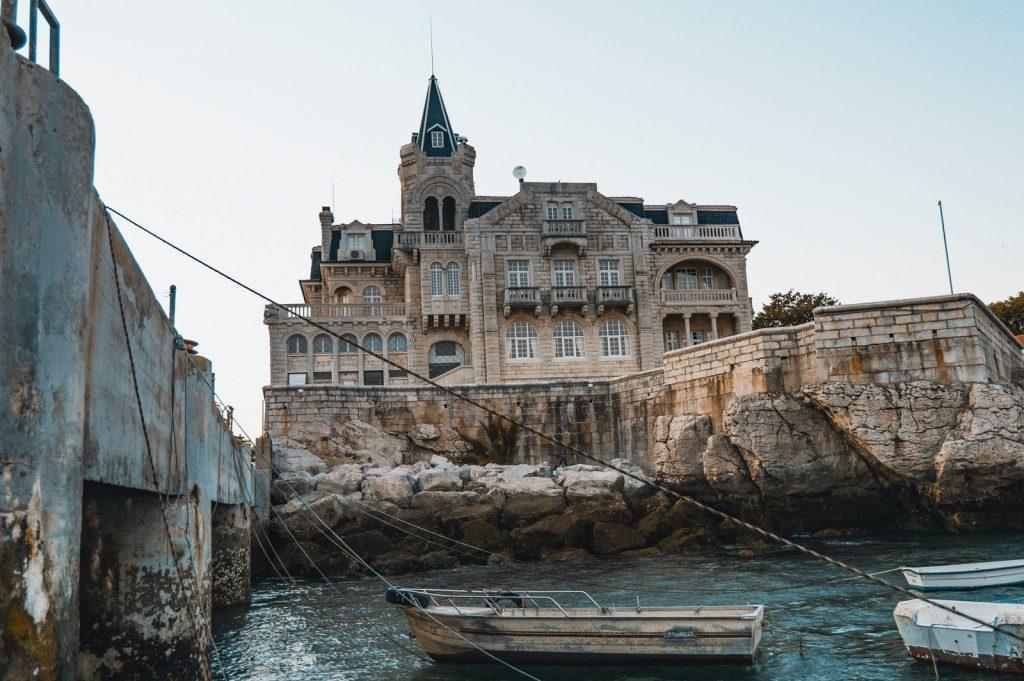
It’s actually called Museum Quarter, and almost all of the museums are within easy walking distance. For the time being, we’ll just whet your appetite for the best way to learn about Cascais’s history. Begin with the town museum, which is located in the same building as the City Hall and contains information about the town. Then proceed to Sommer House, which houses the Cascais Municipal Archive and hosts temporary exhibitions at Ribeira Beach. Cross the garden in front of the park to enter the Rei D. Carlos Museum of the Sea, which combines stories about Cascais’s fishing community with interactive exhibits about the ocean’s bottom. Without returning to the street, proceed to the Paula Rego House of Stories, where the museum’s collection of works by the Cascais-born artist is displayed in temporary exhibitions. And this is only the beginning… Additional information is available at www.bairrodosmuseus.cascais.pt

3. You get to know one of the country’s oldest general stores…

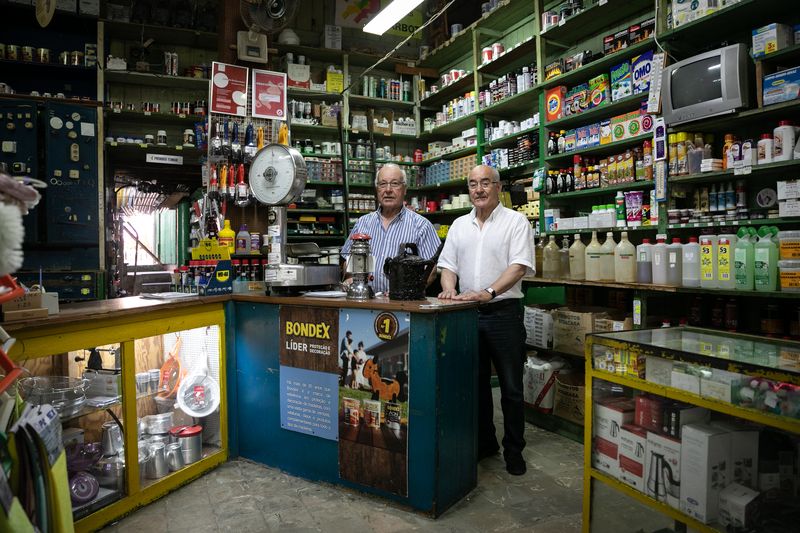
Drogaria Costa is located in the heart of Cascais and is one of the town’s few remaining general stores. It’s a 127-year-old family business, and if you’re unfamiliar with the Portuguese concept of a “drogaria,” it’s a store that sells everything you need to keep your home tidy, from mops to detergents, brooms to watering cans, electric outlets to brushes, as well as shampoos, hairpins, and soaps. They have a homemade recipe for a special oil for cleaning furniture that they sell in bulk.

4. The old town is a photographer’s dream…

Once you’re in Cascais’s narrow streets, you’ll understand what we mean and you’ll take your camera out of your bag. The Portuguese “calçada” pavement or the low cottages, many of which have been occupied by the same families for centuries, show the compatibility between Cascais’ dual identities as a fishing town and a royal vacation resort. We recommend wandering around the city centre without a map in hand and stumbling onto beautiful streets like Rua do Gama, Rua Tenente Valadim, or Rua Fernandes Thomás.

5. There are several cottages and palaces more than 100 years old.

When King D. Luis chose to move to the Citadel Palace in the year 1870, he did it in order to be closer to the ocean. Royals and other members of the court would spend their vacations in this village, and D. Carlos, the heir apparent, continued the tradition. In other parts of Europe, seaside resorts are springing up in response to growing awareness of the health benefits of spending time at the shore. As a result, in what is now known in Portugal as Cascais, some bungalows were erected for summer use and others for year-round habitation “touristic architecture. “Here are some favourites: http://www.cascais.pt/rota/arquitetura-de-veraneio.html

6. The town is an open-air fitness centre.

If you wander around Cascais during the day, you may notice various people dressed in athletic attire. While the “Paredo” and bike path in Cascais urge you to exercise, the City Hall is making a concerted effort to make sports accessible to all and free. . One example is the mega-gym on Avenida Diana Spencer, which opened in 2017 near Casa da Guia and features eight training stations. There are several information panels that explain how to operate each machine safely; it’s an excellent accompaniment to a session of jogging or bicycling, especially if you’re on the neighbouring bike path. . However, we saved the best for last: the Guia Fitness Park boasts a stunning sea view. It will make the workout appear to be simpler.

7. You can shop in a 19th century palace

What to visit in Cascais, an unforgettable town | holiday-active.com

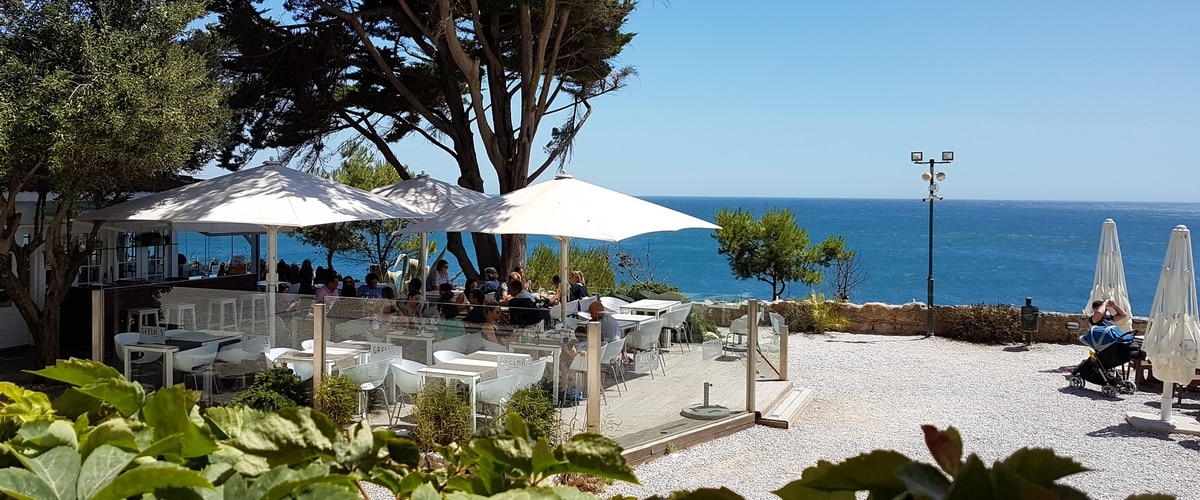
You can shop, eat, drink tea, sunbathe, and pick plants for your garden in a 19th-century palace. Casa da Guia is the name of the palace in question. It’s one of those spots where you can spend an entire afternoon and never get bored. Casa da Guia was built in 1895 by D. José Saldanha Oliveira e Sousa de Rio Maior and bequeathed to his daughter Maria Teresa, who lived there until 1973 with her entire family. Today, the palace, both the mansion and the gardens, are open to the public and serve as a shopping centre and restaurant hub. Outside, the restaurants are plentiful, with plenty of dining tables adjacent to the wall with Casa da Guia and a great view of the sea. In addition to ample space to breathe fresh air and run around, children have access to a fully equipped playground.

8. Travel back to the past in various forts.

There is little doubt that Cascais’ coast has been severely defended since the days of Napoleon. If you have time, you can visit three of such forts: -Santo António da Barra Fort, which was built during the era of privateers and attacks from the sea. It was, therefore, necessary that a fort be built between Cascais a

Cascais’s coast has always been heavily fortified. Some of those forts are still standing, and three of them are worth seeing: -Santo António da Barra Fort, which arose during times of privateers and sea invasions. Thus, King Filipe I of Portugal ordered the construction of a fort between Cascais and São Julião da Barra in 1589.  Later, it would be dictator António de Oliveira Salaza’s seasonal residence.  It is only open to the public on weekends, from 10 a.m. to 6 p.m. 
Nossa Senhora da Luz Fortress: Although it now has a more modern appearance, the entire Citadel fortification was built in 1488, during the reign of D. João I.

The visit is worthwhile for the subterranean areas as well as the old lookout points. São Jorge de Oitavos Fort was constructed between 1642 and 1648 to protect the coast from hostile landings. The fort has been converted into a museum where visitors can learn about its history and how it influenced the town.

9. You can visit all the beaches and choose the one that best suits your needs.

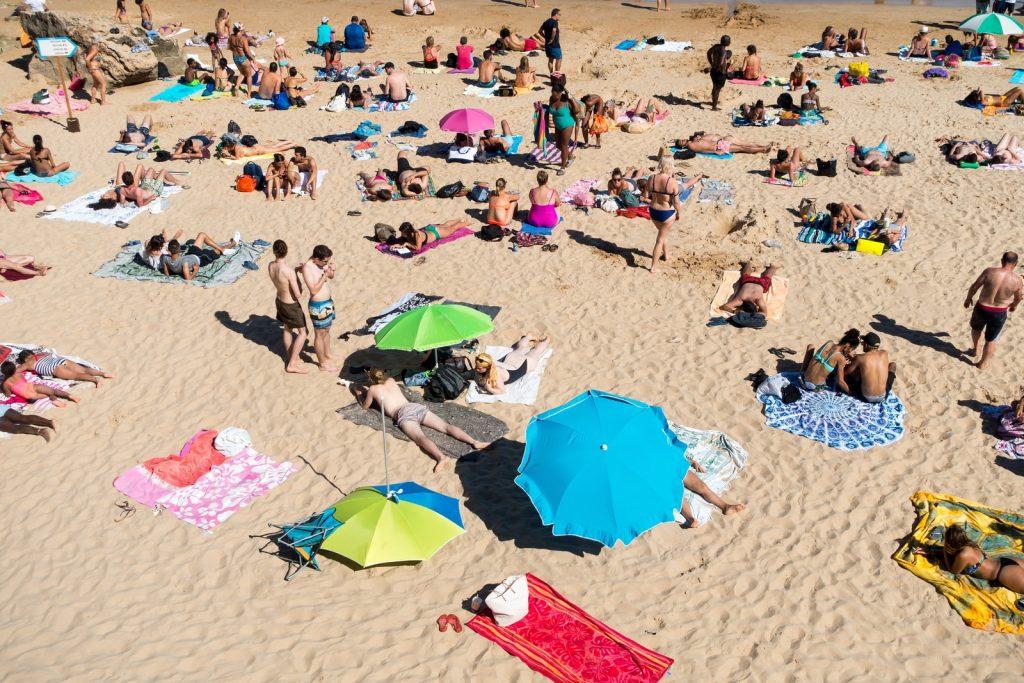
In the summer, Cascais’ beaches are a big draw for tourists. 20 must-see beach destinations. Pick a spot to cool yourself in the water and unwind when you’re done.

10. You can get the best fish in the world in a fishing village.

From a distance, it’s clear that Cascais is a fishing town. Small boats dot the landscape of Cascais Bay (also known as Ribeira Beach or Peixe [“fish”] Beach), leaving no doubt as to where you are in relation to the location’s maritime history. Fishermen’s utensils may be seen on both sides of the structure, which is used every day. There are species of sole, octopus, mackerel, and other fish that they catch. 

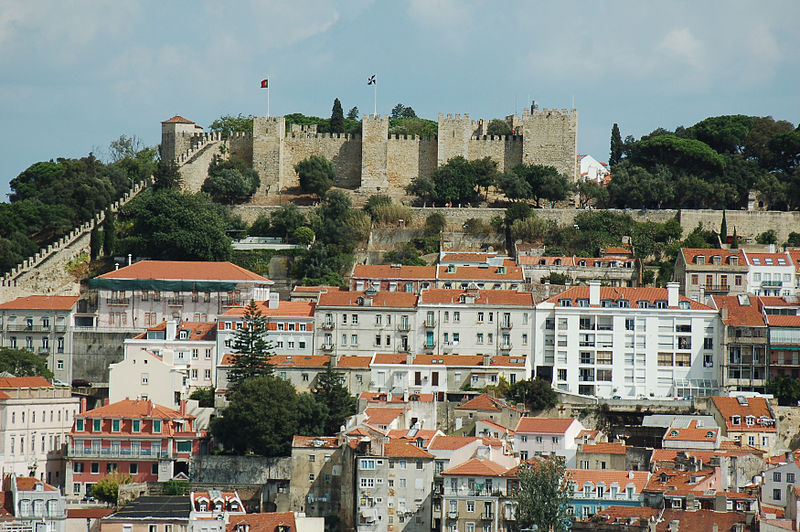
File:The Castle of São Jorge (general view). Lisbon, Portugal, Southwestern Europe.jpg

São Jorge Castle

São Jorge Castle is a historic castle in the Portuguese capital of Lisbon, located in the freguesia of Santa Maria Maior. Human occupation of the castle hill dates to at least the 8th century BC, while the first fortifications built date from the 1st century BC.

Sintra

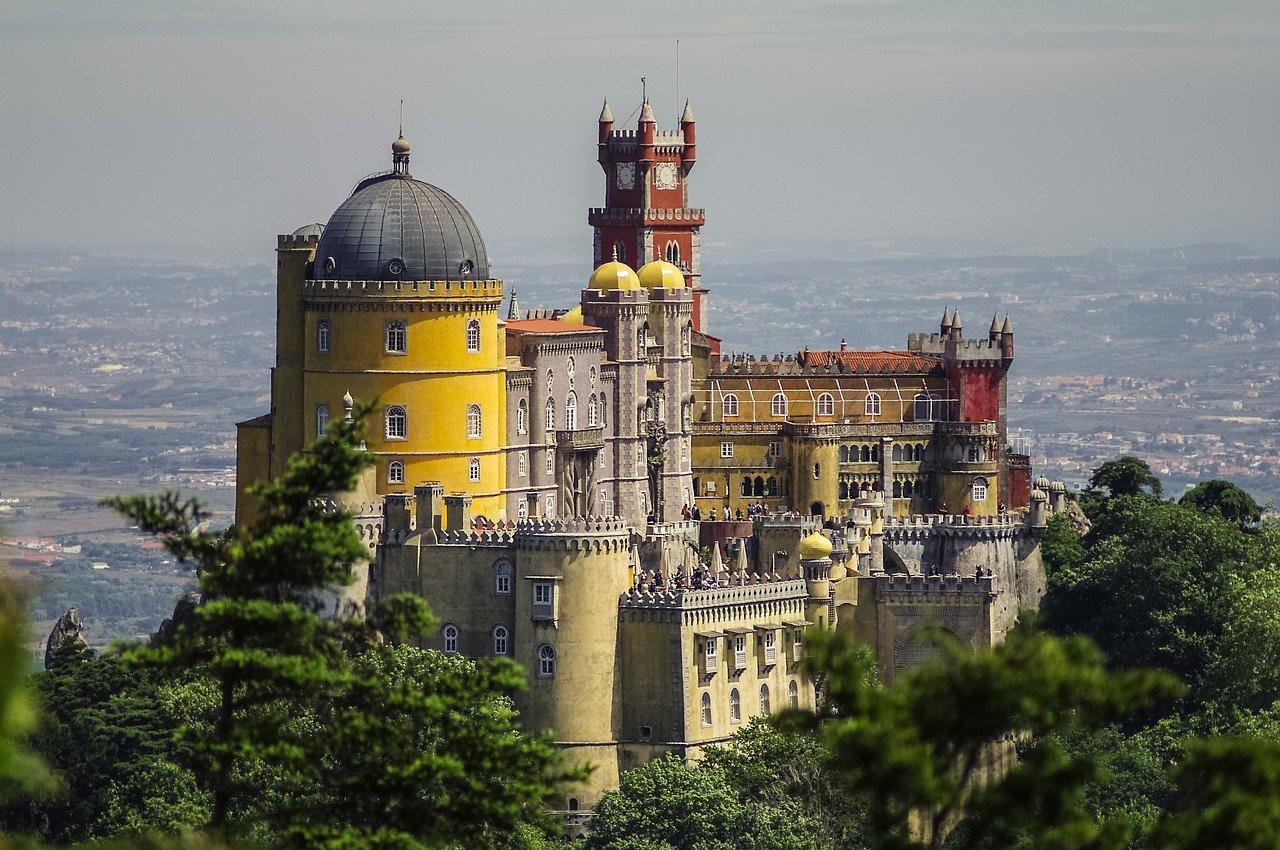
A town and municipality in the Greater Lisbon region of Portugal, located on the Portuguese Riviera. A major tourist destination famed for its picturesque, the municipality has several historic palaces, castles, scenic beaches, parks, and gardens.

The area includes the Sintra-Cascais Nature Park, through which the Sintra Mountains run. The historic centre of Vila de Sintra is famous for its 19th-century Romanticist architecture, historic estates and villas, gardens, and royal palaces and castles, which resulted in the town’s classification as a UNESCO World Heritage Site. Sintra’s landmarks include the mediaeval Castle of the Moors, the romanticist Pena National Palace, and the Portuguese Renaissance Sintra National Palace.

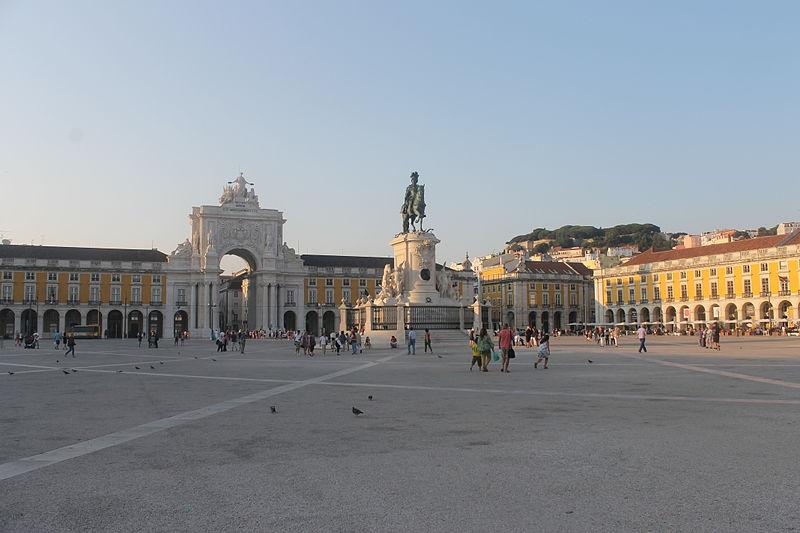
Praça do Comércio

The Praça do Comércio is a large, harbour-facing plaza in Portugal’s capital, Lisbon, and is one of the largest in Portugal, with an area of 175 x 175 m, that is, 30,600 m2. Facing the Tagus to the south, the plaza is still commonly known in Portuguese as Terreiro do Paço.

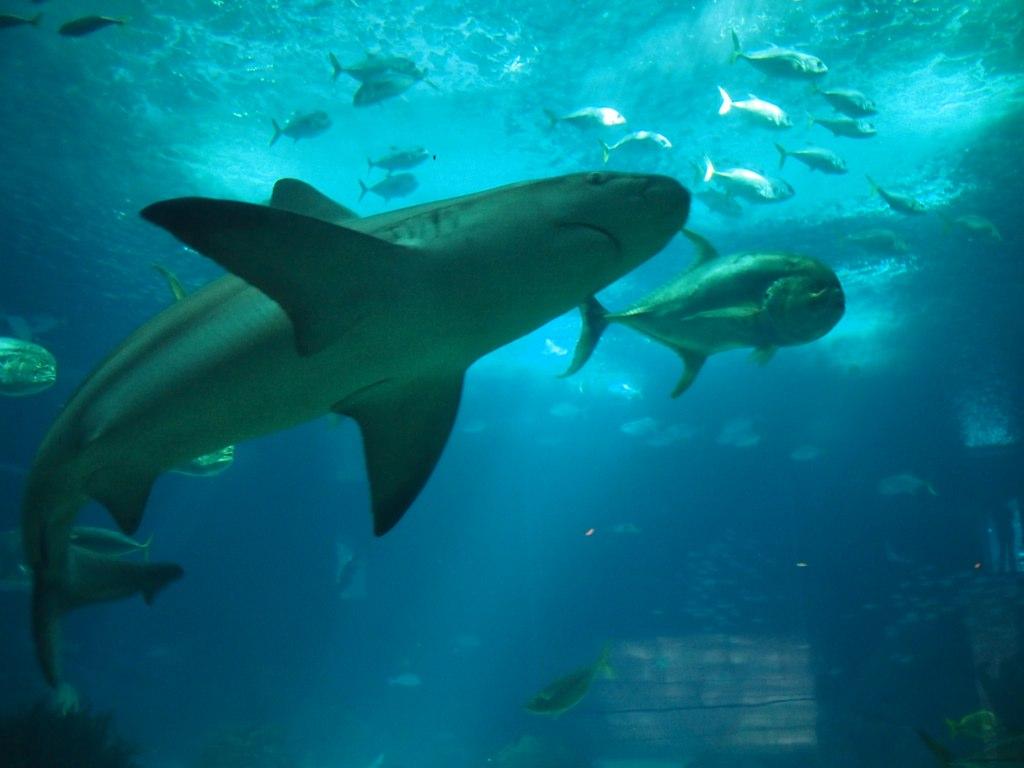
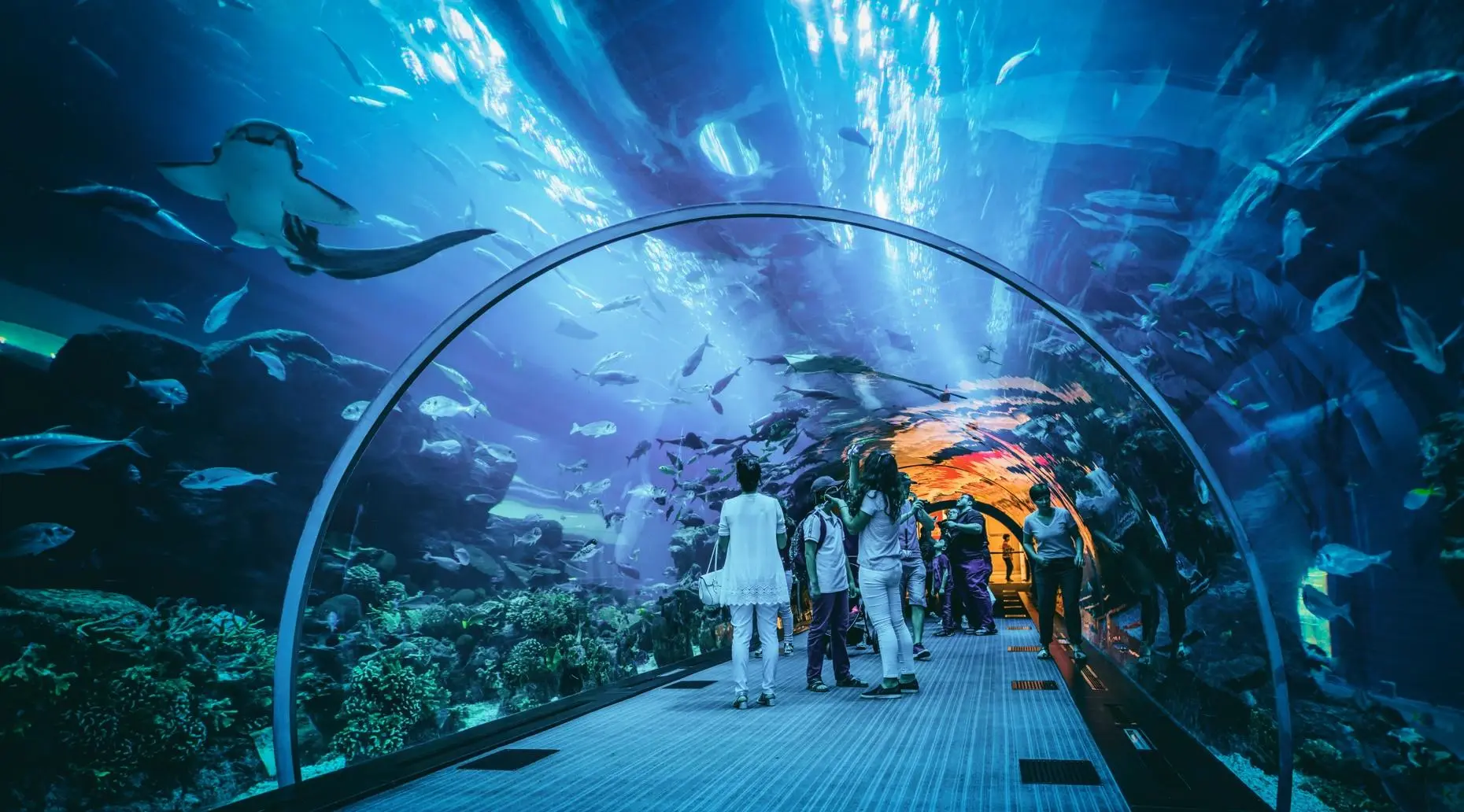
Oceanário de Lisboa

The Lisbon Oceanarium is an oceanarium in Lisbon, Portugal. It is located in the Parque das Nações, which was the exhibition grounds for Expo ’98. It is the largest indoor aquarium in Europe.

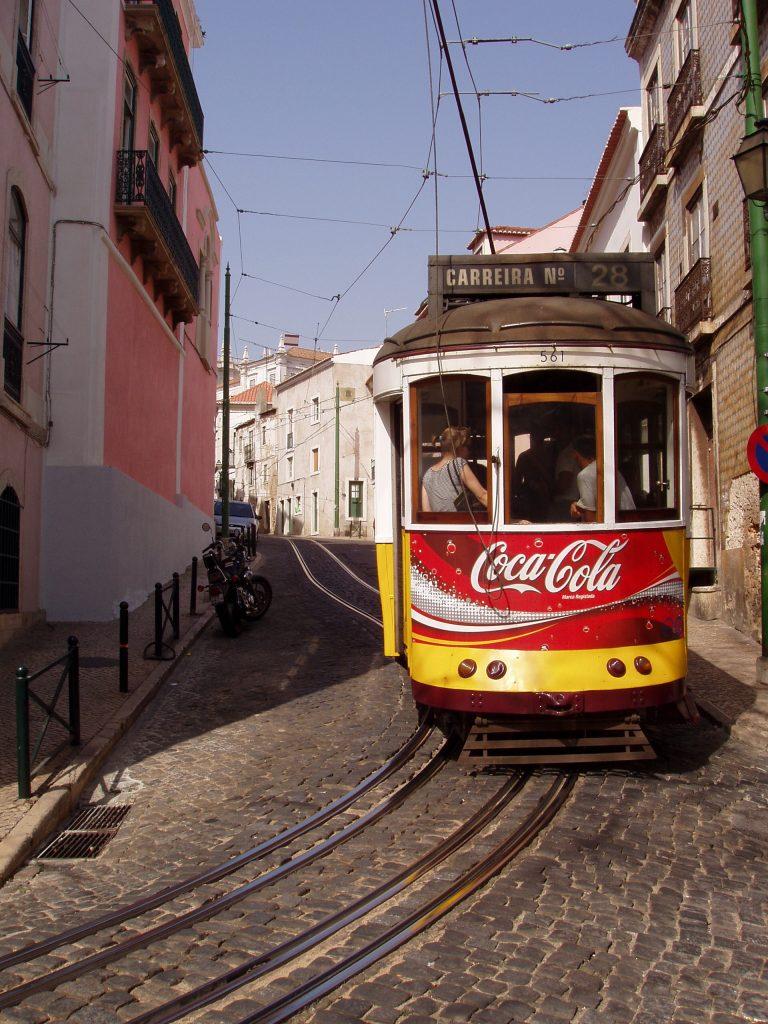
Alfama

Alfama is one of the most famous parts of Lisbon, and it’s also one of the best places to walk and take pictures because of its mediaeval streets and great views.

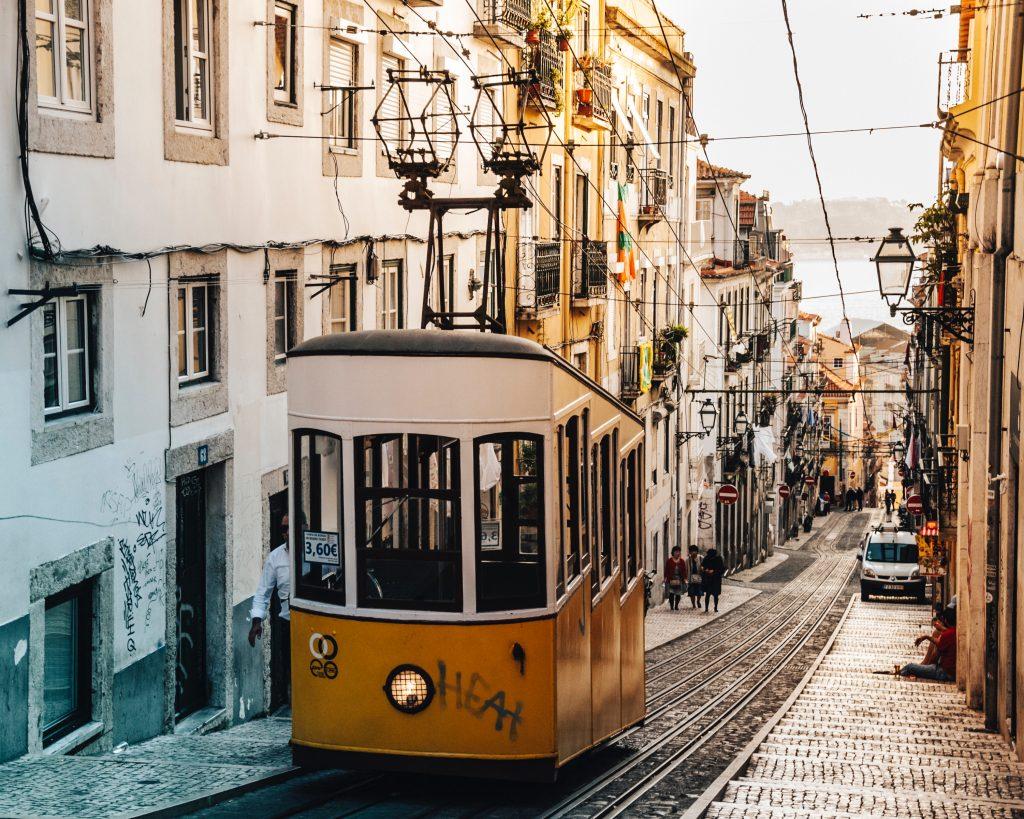
The steep streets of Alfama, one of Lisbon’s oldest areas, are lined with shops selling traditional crafts and cafes. Passengers pack the historic No. 28 tram, which winds through Alfama on its way up to the 11th-century São Jorge Castle. Views from the Miradouro da Graça terrace stretch over the city to the River Tagus. In the evening, melancholy Fado music can be heard in some of the area’s long-running restaurants.

Arco da Rua Augusta

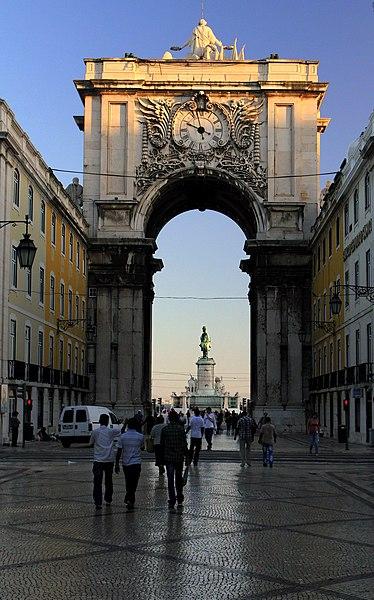
The Rua Augusta Arch is a stone, triumphal arch-like, historical building and visitor attraction in Lisbon, Portugal, on the Praça do Comércio. It was built to commemorate the city’s reconstruction after the 1755 earthquake. It has six columns and is adorned with statues of various historical figures.

Miradouro de Santa Luzia

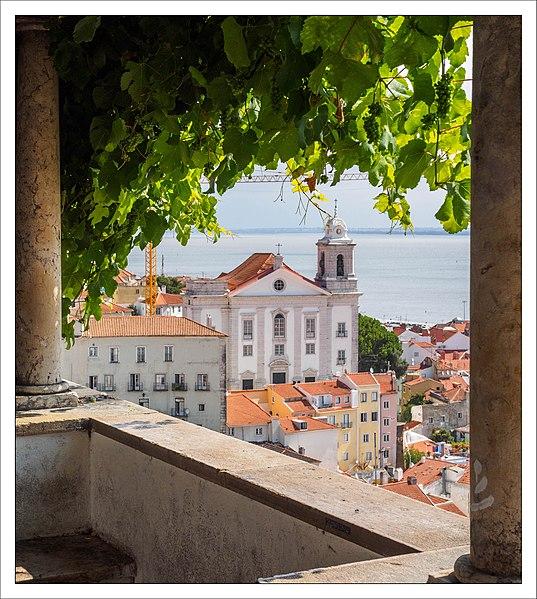
This serene viewpoint introduces visitors to Lisbon’s Old Town, the Alfama. It’s a landscaped terrace and one of the city’s most romantic spots, found next to the Church of St. Lucy (“Santa Luzia”), which is the headquarters of the Order of Malta in Portugal.

Pastel de Nata

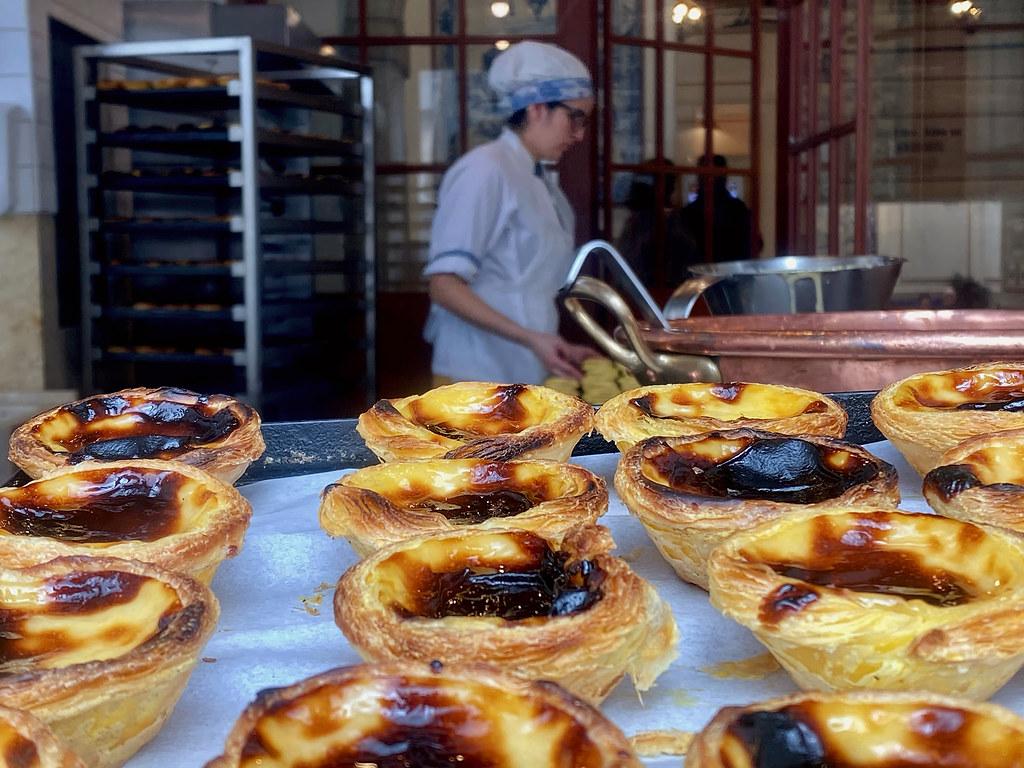
Pastel de nata is a Portuguese egg custard tart pastry, optionally dusted with cinnamon. Outside Portugal, they are particularly popular in other parts of Western Europe, Asia, and former Portuguese colonies, such as Brazil, Mozambique, Macau, Goa, and East Timor.


The National Palace of Queluz

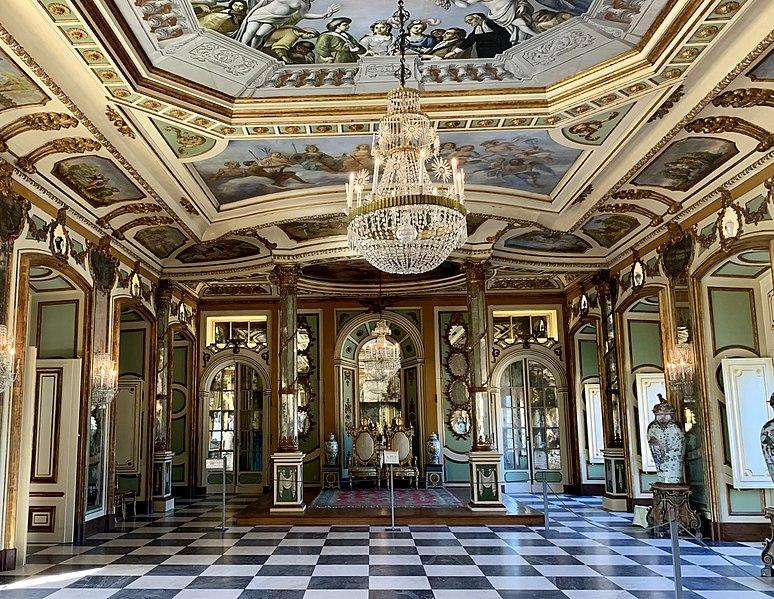
The Palace of Queluz (Portuguese: Palácio de Queluz) is an 18th-century palace on the Portuguese Riviera, located in Queluz, a city in the Sintra Municipality, in the Lisbon District. The palace was created as a summer getaway for Dom Pedro of Braganza and is one of Europe’s last outstanding Rococo structures.


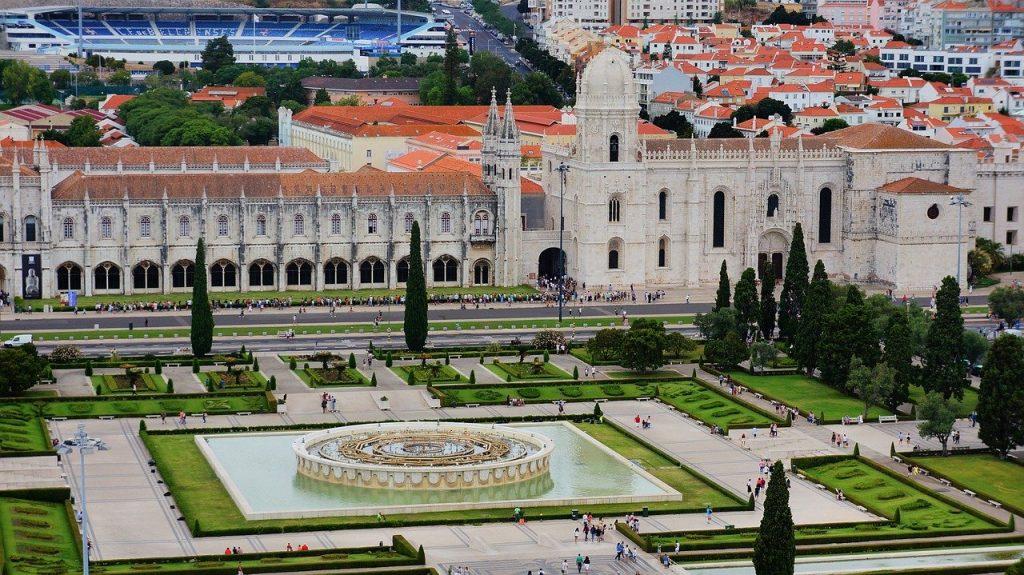
Jeronimos Monastery

The most imposing sign of Portugal’s strength and wealth during the Age of Discovery is the Jeronimos Monastery. It was established in 1502 by King Manuel I on the site of a hermitage founded by Prince Henry the Navigator, where Vasco da Gama and his crew spent their final night in Portugal praying before sailing to India. It was created thanks to Vasco Da Gama’s journey and the Virgin Mary.

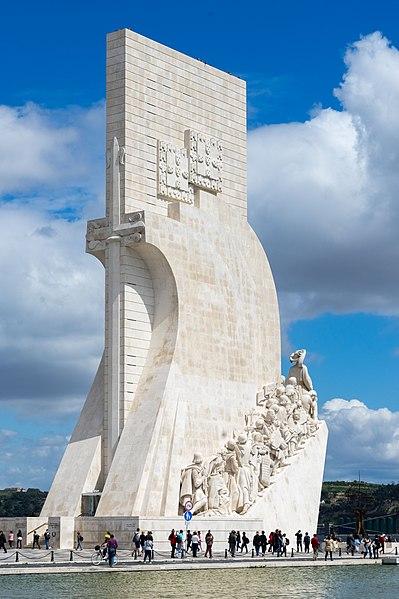
Monument to the Discoveries

Padrão dos Descobrimentos is a monument on the northern bank of the Tagus River estuary, in the civil parish of Santa Maria de Belém, Lisbon.

Standing alone in a striking position on the breakwater on the bank of the Tagus, the Monument to the Discoveries evokes the Portuguese overseas expansion, recalls the country’s glorious past and symbolises the enormity of the work carried out by the Infante, the driving force behind the Discoveries.

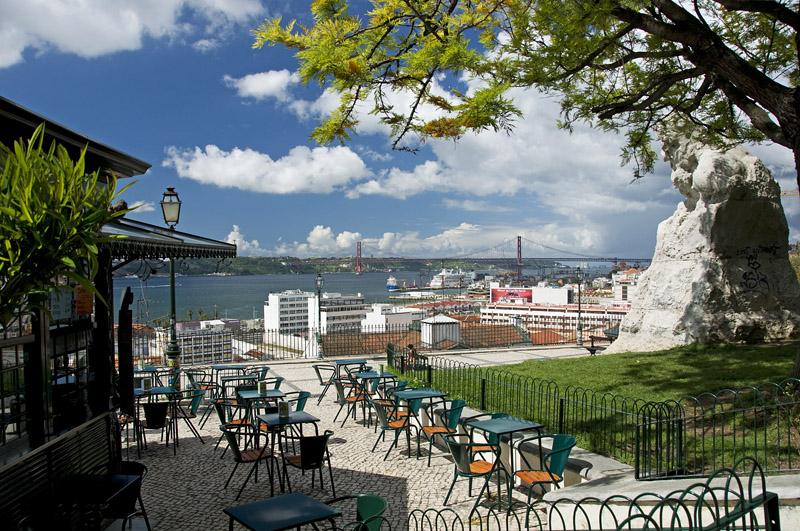
Miradouro de Santa Catarina

The Rua do Loreto, which runs behind Camões Square, connects Bairro Alto and the Santa Catarina neighbourhood. This charming neighbourhood of pastel-painted cottages contains a few restaurants and pubs, but it’s best renowned for its breathtaking views from its patio. A stone statue of Adamastor, a mythical sea monster from the epic poem “The Lusiads,” faces the terrace, the river, and the 25 de Abril Bridge. There is also a beautiful café where locals and visitors gather to watch the sunset over the Tagus River.

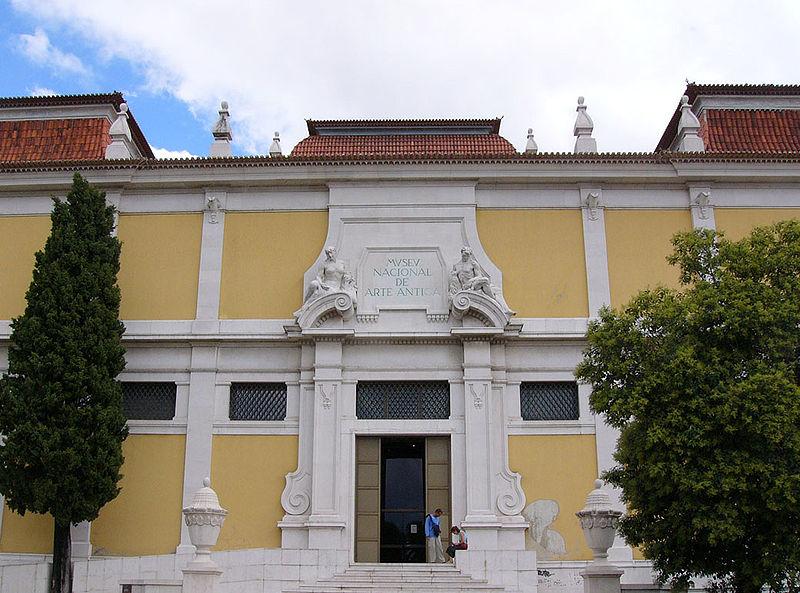
MNAA National Museum of Ancient Art

Created in 1884 and housed in the Palácio Alvor for almost 130 years, the MNAA-Museu Nacional de Arte Antiga has had its current title for more than a century. It is home to the most important Portuguese public collection of art, ranging from paintings to sculpture, and gold and silverware, as well as decorative arts from Europe, Africa, and the Far East.

Comprising over 40,000 items, the MNAA collection has the largest number of works classified by the State as “national treasures”. In its various sections, it also has a number of major works of art in the context of the world’s artistic heritage.

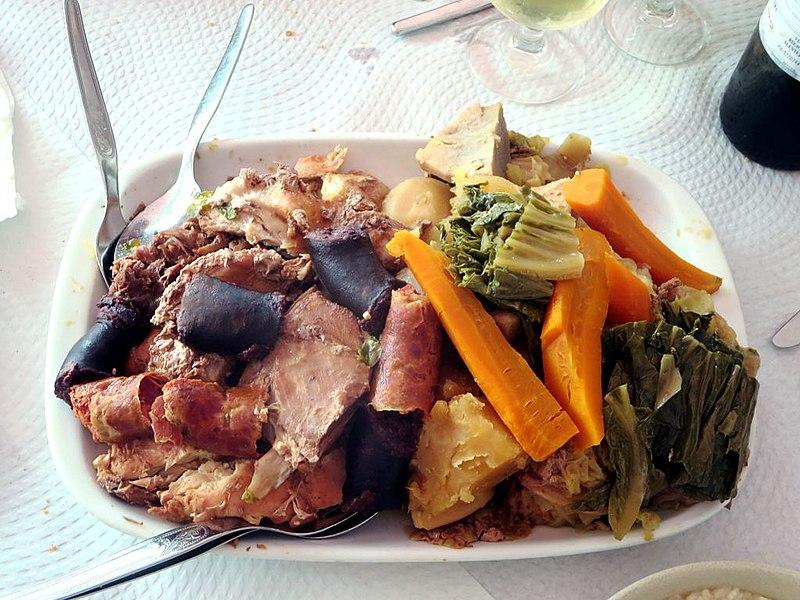
Cozido à Portuguesa

This is a delicious, traditional and healthy Portuguese meal for the whole family.

This Portuguese dish is made with a lot of different kinds of meat and vegetables. There are smoked sausages like farinheira and blood sausage, as well as chouriço, farinha, and morcela, among many others.

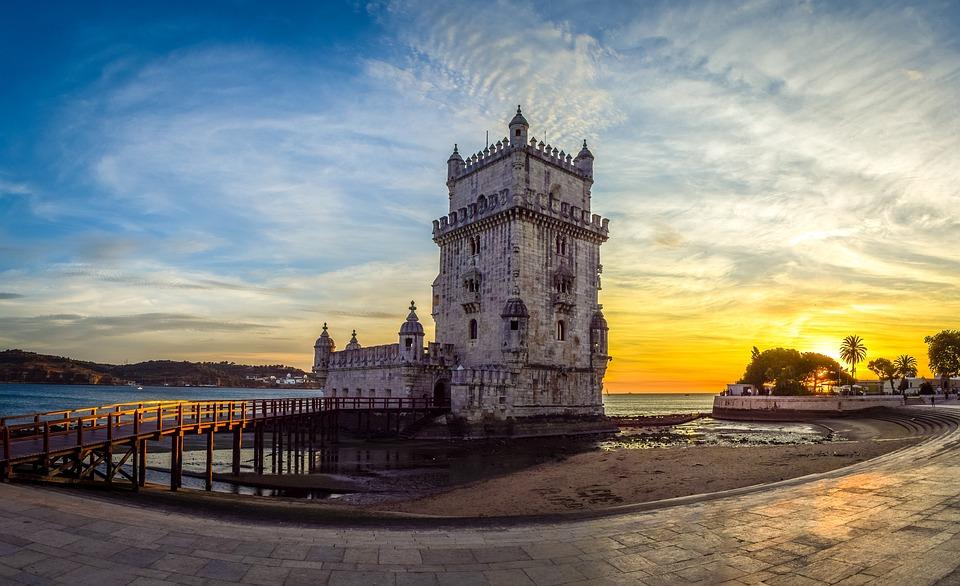
Belém Tower

Belém Tower, officially the Tower of Saint Vincent, is a 16th-century fortification located in Lisbon that served as a point of embarkation and disembarkation for Portuguese explorers and as a ceremonial gateway to Lisbon.

Bairro Alto

Visitors can ride the Bica Funicular, visit the lavish São Roque Church, and enjoy the views from Miradouro de São Pedro de Alcântara while strolling through the steep, cobblestone streets of bohemian Bairro Alto. Many of the centuries-old houses in the neighbourhood are decorated with vivid street art. After the sun goes down, a wide range of people arrives at the hip, quirky bars. Fado music can be heard coming from traditional restaurants.

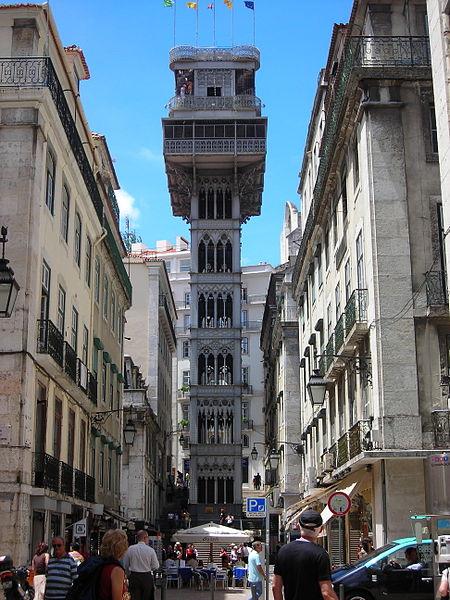
Santa Justa Lift

The Santa Justa Lift, also known as the Carmo Lift, is a lift located in the civil parish of Santa Justa in Lisbon’s old centre. It connects the lower streets of the Baixa with the upper Largo do Carmo and is located at the end of Rua de Santa Justa.

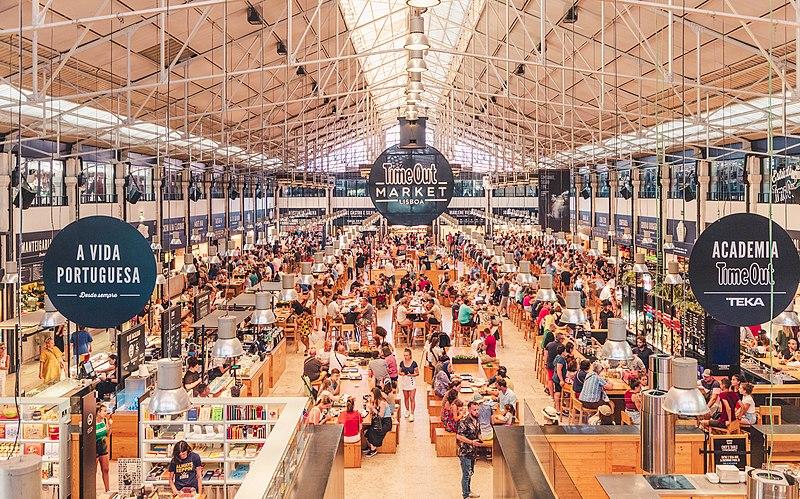
Time Out Market

The Time Out Market Lisboa is a food hall located in the Mercado da Ribeira at Cais do Sodré in Lisbon.

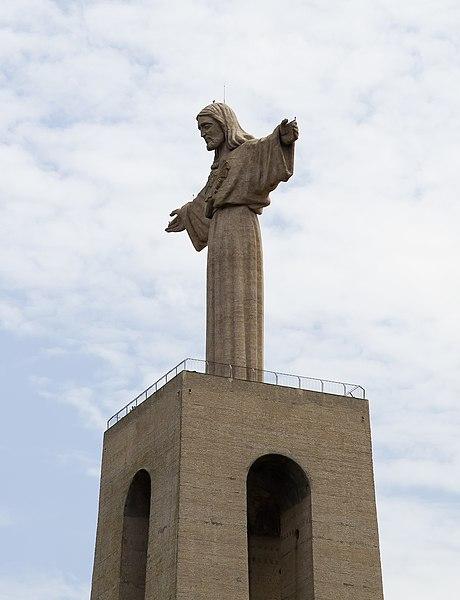
Cristo Rei

The Sanctuary of Christ the King is a Catholic monument and shrine dedicated to the Sacred Heart of Jesus Christ overlooking the city of Lisbon, situated in Almada, Portugal. It was inspired by the Christ the Redeemer statue in Rio de Janeiro, Brazil after the Cardinal Patriarch of Lisbon visited that monument. The project was inaugurated on May 17, 1959. The huge statue was built to show how grateful the Portuguese were that they didn’t have to deal with the direct effects of World War II.

Praça Dom Pedro IV (Rossió Square)

The Rossio is the popular name of King Pedro IV Square in the city of Lisbon, Portugal. It is located in the Pombaline Downtown of Lisbon and has been one of its main squares since the Middle Ages.

The Navy Museum (Museu de Marinha)

The Navy Museum is a maritime museum in Lisbon, dedicated to all aspects of the history of navigation in Portugal. The museum is run by the Portuguese Navy and is in the tourist area of Belém.

Drink Port Wine

Port Wine, one of the great classic European wines, has a long and fascinating history. Produced on the magnificent terraces of the Douro Demarcated Region, which boasts one of the most beautiful wine landscapes in the world, its first shipments outside Portugal were recorded in 1678.

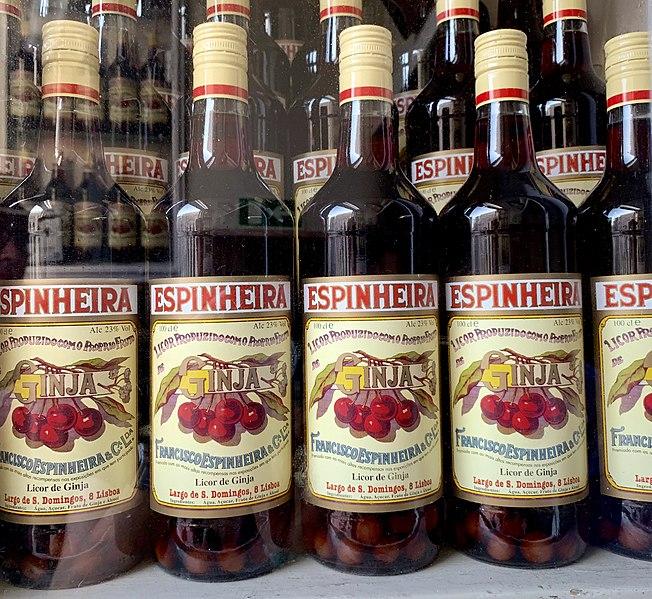
When in Lisbon, do as the locals do and drink ginjinha.

Ginjinha is a must-try when visiting Lisbon. This sweet liqueur, also known as ginja, is produced from Morello (sour) cherries steeped in aguardente, a distilled alcohol. Sugar and spices such as cinnamon are used to flavour the combination. It’s shockingly sweet, small, and powerful.

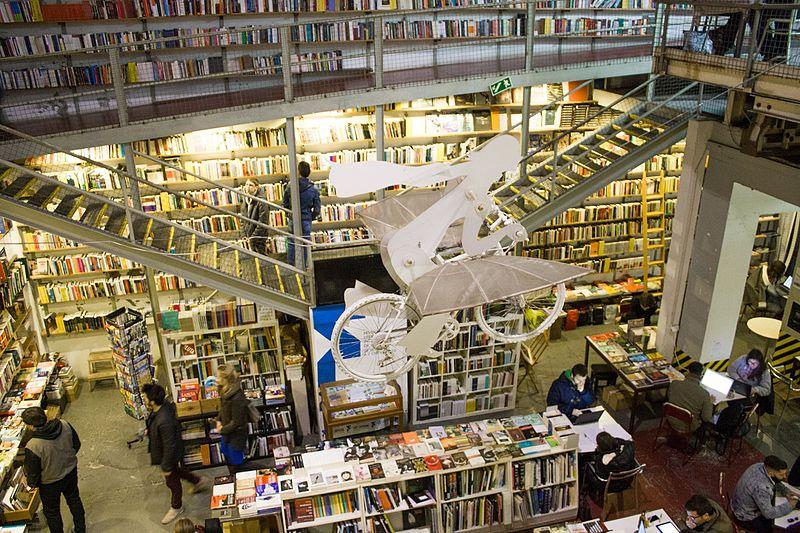
LX Factory

This historical industrial complex houses an array of arty retailers and unique restaurants.

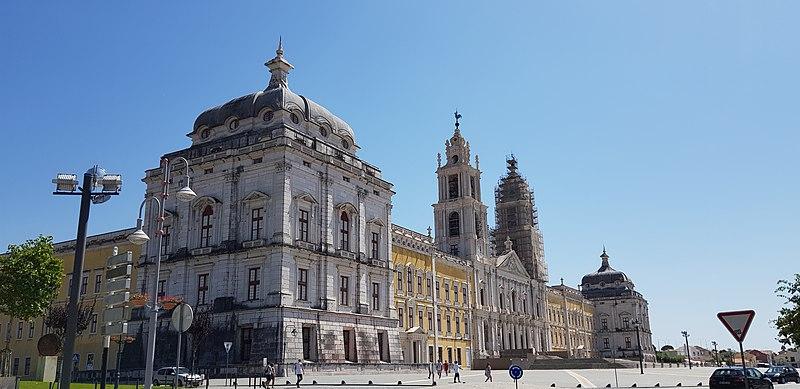
Royal Building of Mafra – Palace, Basilica, Convent, Cerco Garden and Hunting Park 

The Palace of Mafra (Portuguese: Palácio de Mafra), also known as the Palace-Convent of Mafra and the Royal Building of Mafra (Real Edifício de Mafra), is a monumental Baroque and Neoclassical palace-monastery located in Mafra, Portugal, some 28 kilometres from Lisbon.

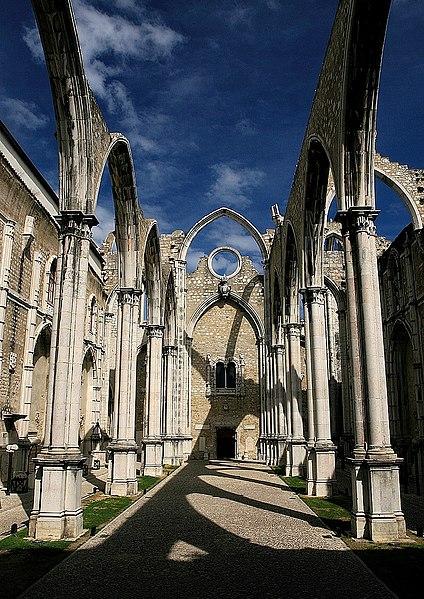
CONVENTO DO CARMO

The ruined Carmo Convent is one of Lisbon’s most hauntingly beautiful sights. It was its greatest medieval building, but it stands as a reminder of the devastating earthquake of 1755 that destroyed most of the city. 

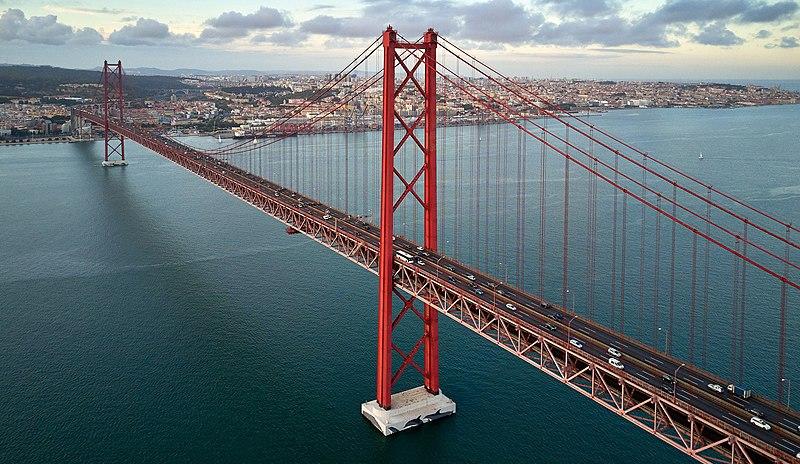
Ponte de 25 de Abril

The 25 de Abril Bridge is a suspension bridge connecting the city of Lisbon, the capital of Portugal, to the municipality of Almada on the left bank of the Tagus river. It has a total length of 2,277 metres, making it the 43rd longest suspension bridge in the world.

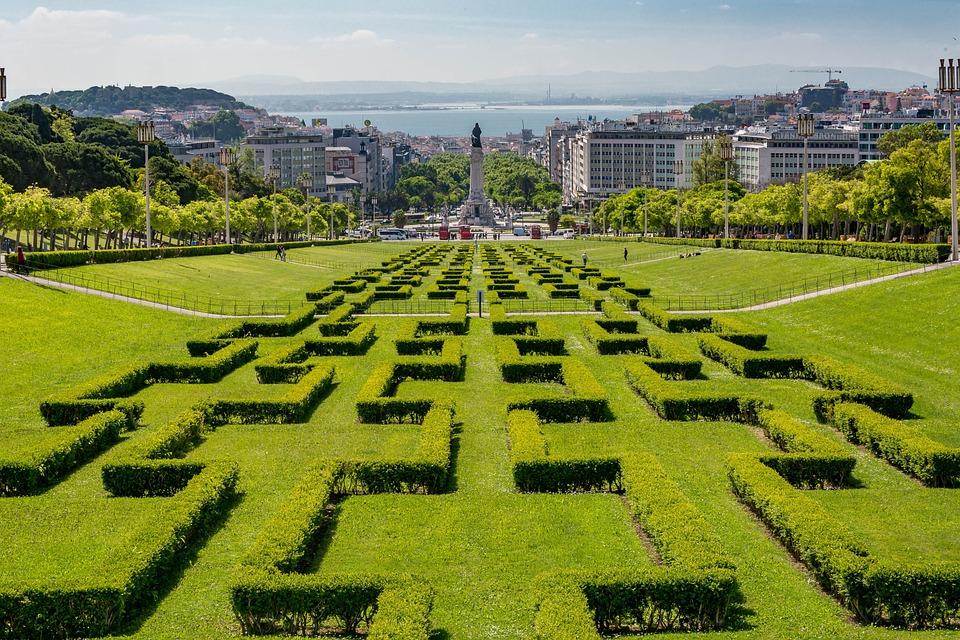
Parque Eduardo VII.

Eduardo VII Park is a public park in Lisbon, Portugal. The park covers an area of 26 hectares to the north of Avenida da Liberdade and Marquis of Pombal Square in the heart of the city.

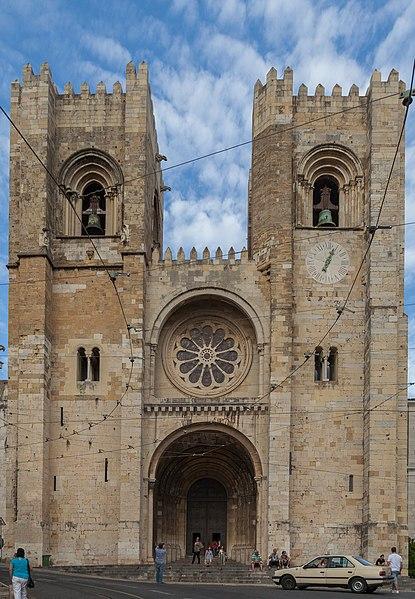
Lisbon Cathedral

The Cathedral of Saint Mary Major, often called Lisbon Cathedral or simply the Sé, is a Roman Catholic cathedral located in Lisbon, Portugal. The oldest church in the city is the seat of the Patriarchate of Lisbon.

Join the craze for Portuguese canned fish.

Yes, as strange as it may sound, tinned fish is a thing in Portugal—and particularly in Lisbon—and there is much more on offer than sardines. This legacy makes sense when one considers that Portugal has the largest maritime zone in Europe and the continent’s oldest operating cannery. Until the mid-twentieth century, canned fish was one of the most famous exports of the country. While much has changed since then, the smart Portuguese have transformed what was once a plain and uninspiring product into a boutique, gourmet food of distinction.

Thanks to innovative technology and fantastic marketing, Portugal exports nearly the same amount of canned fish now as it did 50 years ago. And let us be clear: we are not referring to stinking sardines or tuna for your salad; today, everything from anchovies to horse mackerel, octopus to eel, and yes, sardines and tuna, is available. Because there are so many sauces and tastes to choose from, the results are clear.

You may visit The Fantastic World of Portuguese Sardines, an extremely touristic souvenir shop that displays elegant tins of Portuguese sardines in bizarre settings, including your own circus-like setting. For a more authentic experience, we recommend paying a visit to Sol e Pesca, a fishing-themed restaurant selling canned fish and wine, or Loja das Conservas, a free temple/museum dedicated to canned fish and its history. Even if you don’t like tinned fish, you can’t visit Lisbon and not try at least one tin.

Gaze upon Lisbon under the stars at the Carmo Convent.

The jaw-dropping, roofless Carmo Convent and Church have to be one of the most spectacular tourist attractions in Lisbon at the moment. Although it is no longer a place of worship, this lovely Gothic husk makes you want to envision what it looked like when it was.

The Carmo Convent, a monastic structure built between 1389 and 1423, was destroyed beyond repair in the great earthquake of 1755. It was retained for several purposes after that, including a garrison for a sharpshooter unit and a sawmilling shop. It was converted into a museum in 1864, and people can now come during the day to learn about archaeological artefacts from various times in Portugal’s history.

We urge, however, that you visit at night for a 45-minute multisensory light show called Lisbon Under The Stars, which mixes 360o digital animation, live-action, and special effects projections to depict the fascinating narrative of Lisbon. Travel back in time to witness the first caravels departing during the Portuguese Discoveries, stop at the strange landscapes explored by these daring navigators, and witness the 1755 earthquake and subsequent reconstruction of the city.

This is something really unique and distinct. It takes place once a night during the summer, with encore performances on Friday and Saturday. Because there are no assigned seats, you are also free to move and take in the spectacle from all viewpoints, which adds to the entire experience.

Submerge yourself in the world-famous Lisbon Oceanarium.

The Oceanário de Lisboa, which opened in 1998 as part of Expo ’98 in Lisbon, is a physical tribute to the centuries-old connection between the ocean and Portugal. The centrepiece of Parque das Naçes, a renovated region on the Tagus River used for the Expo, this incredible oceanarium is Europe’s largest indoor aquarium and attracts over a million visitors each year, making it one of Portugal’s most popular cultural attractions.

The world-famous displays and the intriguing, symbolistic architectural aspects of the buildings ensure an outstanding experience for every admirer of nature and life beneath the water. The Oceanário de Lisboa, designed by Chermayeff, who previously constructed the world’s largest aquarium in Osaka, resembles an aircraft carrier and is built on a pier in an artificial lagoon. From penguins and seagulls to sharks, rays, and seahorses inside, there is a wide variety of marine life to look at.

There are over 16,000 animals representing 450 species, including the extremely rare Sunfish, which is found in only a few aquariums worldwide.

Watch a film at the historic cinema São Jorge

On one of Europe’s most famous avenues, the famed São Jorge Cinema opened in 1950 as a showcase for British film studio The Rank Organisation.

The São Jorge was a luxurious Art Deco style theatre with 1,820 seats on its dual orchestra and balcony levels. It was the largest cinema on the Iberian peninsula at the time. Additionally, it included Lisbon’s only cinema organ.

In 1982, the São Jorge Cinema was expanded by dividing its area into three theatres (two on the orchestra level and one on the balcony), but tragically, the organ was also removed. Finally, the City of Lisbon Council reopened it in 2007 after it had been closed for a long time because of damage.

Today, the cinema is a destination for film festival screenings, art-house films, documentaries, and premieres, as well as music and poetry. Outside, the steps are constantly bustling with activity, and the films on offer draw a varied cross-section of Lisbon’s population. Check out the elegant bar with outdoor seats overlooking the tree-lined street below if you find a movie that interests you. You can get food or drinks there before the movie starts so you can enjoy the view.

On Avenida Ribeira das Naus, take in the sunset.

This tranquil waterfront neighbourhood between Praça do Comércio and Cais do Sodré was once the home of many of Portugal’s renowned explorers. However, Lisbon, like many other towns in the twentieth century, was mostly neglected and turned away from its shoreline. Today, after an imaginative restoration in 2013, this beautiful place has a new lease on life. The people of Lisbon have come back in droves to enjoy the spacious, well-kept promenade.

A modern new public plaza with numerous calm spots to sit and take in the vista. It’s also ideal for sunbathing, people-watching, or grabbing a drink from one of the vendors who set up shop along the road. Halfway along, there is a modern pub with a DJ that is definitely worth a stop – as is a wide piece of grass ideal for picnics. A two-lane road still runs through here, but it is closed to traffic on Sundays, making it the ideal day to visit Avenida Ribeira das Naus. There is a little beach here, but swimming is not permitted—or recommended—due to concerns about the purity of the water.

Bring a book, a drink, or a hat; there is no right or wrong way to enjoy this space. However, one thing is certain: It will quickly become one of your favourite Lisbon spots, luring you back repeatedly.

No matter what time of year it is, there’s a festival going on in Portugal, and the locals know how to party. Outdoor concerts and popular saints’ festivals, especially in Lisbon and Porto, are two of the most well-known events, but there are many more to discover and enjoy. In addition to religious events, myths and legends, and even plain old fun, there are a few celebrations that focus solely on having fun.

JANUARY
During Epiphany, a cake shaped like a king’s crown, known as bolo rei, is traditionally eaten (Dia de Reis)

The Festa das Fogaceiras, held annually on January 20 in Santa Maria da Feira, features young girls dressed in traditional attire carrying castle-shaped fogaças cakes on their heads to express gratitude for good health.


FEBRUARY
Carnaval Portugal celebrates carnival as a whole, but there are famous Rio-style carnival processions with floats, music, and costumes in Lisbon, Loule, Nazare, and Viana do Castelo.

The Fantasporto International Film Festival is one of the oldest and most established film festivals in Portugal. The film festival first took place in Porto in 1981 and has been going strong ever since, with past contributors including Pedro Almodóvar, Luc Besson, and David Cronenberg.

The Entrudo dos Comprades in Lazarim, near Lamego, is a raucous, masked carnival celebration complete with fireworks and a male/female face-off.

Essência do Vinho is an international wine show held in Porto’s Palácio da Bolsa.

MARCH
Beja hosts a nine-day agricultural festival complete with music, food, and handicrafts.

From late March to late April, Aveiro hosts the Feira de Março, a historic festival that now includes folk and rock concerts.

The Porto Interceltic Festival honours Celtic music from all over Europe.

Portugal isn’t just about traditional festivals; new ones appear on a regular basis. Film, music, and food festivals, in particular, are frequently sponsored by local governments in order to boost local tourism.

We have attempted to list the major festivals in Portugal, but no list can be comprehensive, so please check with local tourist offices.

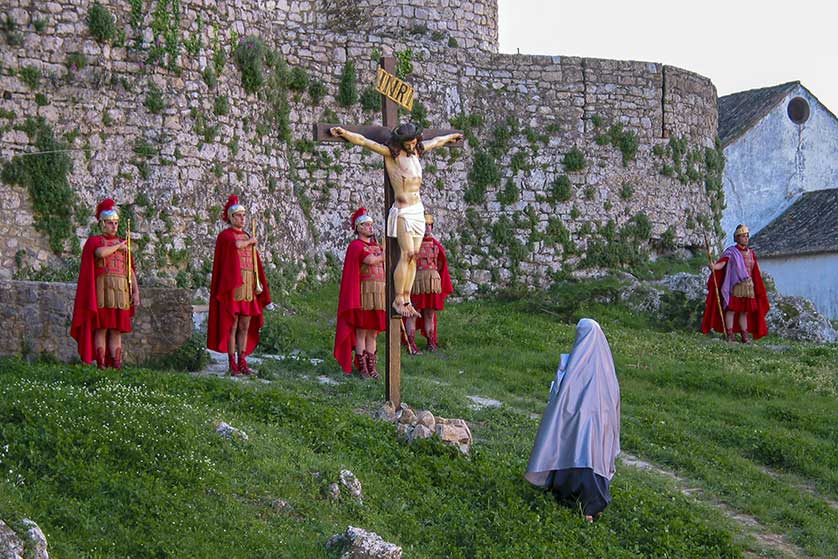
Easter Biblical re-enactment in Obidos

APRIL
Semana Santa (Easter/Holy Week)
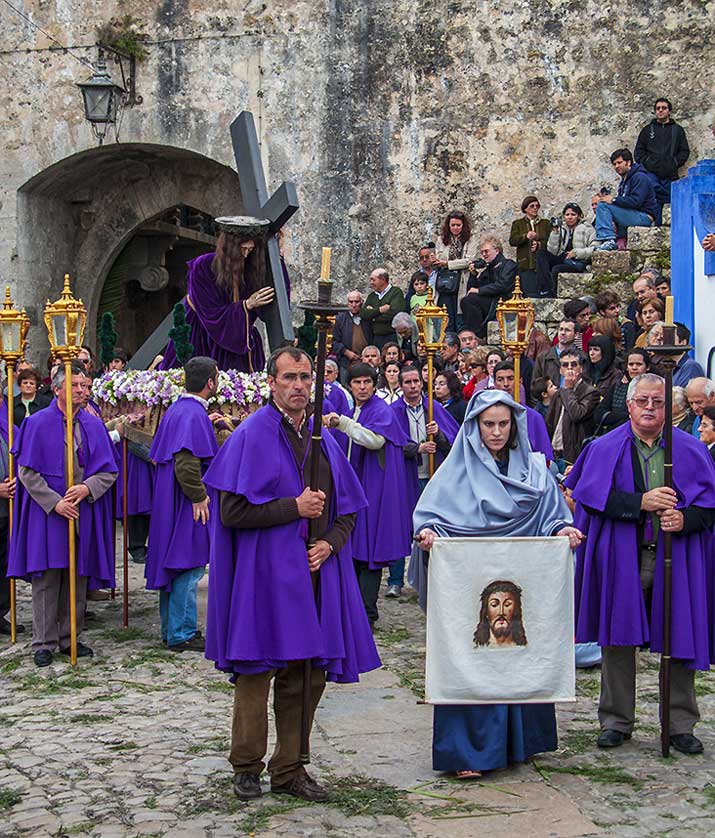
Braga’s Easter festival, Procissão do Senhor Senhor Ecce Homo, takes place on Holy Thursday and features barefoot, torch-bearing, hooded penitents in a spooky procession through the town. It is part of the city’s Semana Santa celebrations, which attract thousands of visitors each year. Each day of the ten-day festival features a variety of events such as symphonic concerts, biblical pageants, masses, and processions such as Ecce Homo, the Lord’s Burial Procession on Good Friday, and the Resurrection Procession in Braga Cathedral on Easter Sunday.

On Passion Sunday (the second Sunday before Easter), a procession takes place near the church of Nossa Senhora da Esperanca in Porto. On Easter Day, Judas effigies are burned around the cathedral.

The Festa das Toches is an Easter procession held in  São  Brás de Alportel, Algarve.

Another large Easter festival is the Festa da Mãe Soberana in Loule.

On Easter Sunday in Loulé, the Algarve, eight men dressed in white carry a statue of the Virgin Mary (Nossa Senhora da Piedade) to the Church of São Francisco. This is known as the “Little Festival” (Festa Pequena), and the heavy image is paraded through the streets again two weeks later, accompanied by a band, an open-air mass, and concluding fireworks.

Religious processions take place in many places in Portugal during Easter

Obidos’ Semana Santa celebrations are among the most vibrant in Portugal, lasting two weeks. Torchlight processions take place at night, and during the day, the last moments of Christ are re-enacted, with a Christ figure wearing a crown of thorns, carrying a cross, and surrounded by Roman soldiers.

Castelo de Vide’s Easter rites combine Catholic and Jewish traditions, while straw figures of Judas are ceremoniously burned in Portalegre.

The large Festas do Senhor Santo Cristo dos Milagres is held on the fifth Sunday after Easter in Ponta Delgada, Azores (Lord Holy Christ of the Miracles). The streets are carpeted with flowers, and processions with brass bands are held. A flower-adorned image of Senhor Santo Cristo (Lord Holy Christ) is carried through the streets.

MAY
The Fatima romarias (pilgrimage) is held in Fatima to commemorate the anniversary of the Virgin Mary’s apparition.

The lively Festas das Cruzes lasts a week in Barcelos and includes a procession and a handicraft fair.

Throughout May/June, Faro hosts an international music festival.

The civic festival of Santa Joanna is held in early May to honour the royal princess Joana, who retired to Aveiro’s convent (now a museum) in the 15th century.

The Queima das Fitas is a drink-filled festival in Coimbra that features parades, fado, and the burning of gowns. The Queima das Fitas do Porto is a Porto-specific version.

The Corpus Christi Vaca das Cordas “bull running” ceremony in Ponte de Lima takes place at the end of May or early June.

Since 1978, the Festival Internacional de Teatro deExpressão Ibérica (International Iberian Language Theatre Festival) has been held in Porto in late May/early June.

The Festa do Senhor de Matosinhos in Matosinhos, near Porto, is a religious festival that lasts about three weeks.

JUNE
June is a great month to visit Portugal. There are Corpus Christi celebrations, as well as the more boisterous Festa de Santo Antonio in Lisbon and Festa de São João in Porto.

The Corpo de Deus (Corpus Christi) festival, which includes processions, is celebrated throughout the country.

The Festa de Santo Antonio in Lisbon honours the saint of love,’ with newlywed couples giving thanks and singles praying for a match made in heaven – usually on June 13.

The Feira Afonsina, a Medieval fair in  Guimarães, will take place from June 18 to June 21, 2020. There are Medieval costumed participants, processions, and a variety of local products for sale.

On June 23-24, Porto, Aveiro, and Braga celebrate the Festa de São João (John the Baptist). In Porto, people are hit on the head with harmless plastic hammers; in Braga, expect dancing, illuminations, folk dramas, poems to loved ones in basil pots, music, and processions.

In the first week of June, Santarem hosts a 10-day Feira Nacional da Agricultura, which includes horse racing, bullfights, and bull-running in the streets.

Rock in Rio-Lisbon is a massive rock festival that is billed as the world’s largest music festival. It is held annually at the Parque the Bela Vista in Lisbon and attracts some of the biggest names in popular music.

Amarante’s Festa de São Gonçalo features a large procession of single people exchanging phallic-shaped cakes as love tokens.

In June, Setubal hosts an international film festival called Festroia.

On June 29, Porto celebrates the Festa de São Pedro (Saint Peter) with music, dancing, and processions.

Porto hosts a beer festival in Foz do Douro’s Jardim do Passeio Alegre. Serralves em Festa (Serralves Festival), an arts festival of dance, music, and theatre, is also held in the city at the Fundaço Serralves. The Porto Book Fair takes place in June at the Palácio De Cristal’s Rosa Mota Pavilion. The Regata dos Rabelos (Rabelo Boat Races) are held on the River Douro and are sponsored by port wine producers in the city.

Fundão, known for its cherries, hosts a “cherry festival” in June, complete with guided tours of cherry orchards and cherry-themed menus at local restaurants.

Arraial Pride is the largest gay pride festival in Portugal, held in June in Lisbon.

JULY
July is a popular month for relaxing on Portugal’s beautiful beaches in the Algarve or on the coast at Caparica, south of Lisbon. There are also numerous art and music festivals to attend.

NOS Alive is a music and arts festival held each year in Oeiras, west of Lisbon. The event, which began in 2007, was cancelled in 2020 and 2021 due to the Covid-19 pandemic, but it will return in 2022. Beastie Boys, Bob Dylan, Coldplay, Foo Fighters, Metallica, Muse, and Radiohead have all performed at the festival.

Also in Oeiras, the new Jardins do Marquês classical music and cuisine festival hopes to debut in 2022.

The Festa do Colete Encanado in Vila Franca de Xira includes street bull-running, similar to the more famous festival in Pamplona, Spain, with drunken youth running the bulls through the town’s narrow streets.

Estoril’s world-famous classical music festival takes place in July and August, coinciding with the town’s Handicrafts Fair.

The pagan-inspired Festa dos tabuleiros, held every four years in Tomar (during the first week of the month – next in 2023), features a procession of young girls dressed in white, balancing large trays of bread and wheat on their heads.

The Rallye Biker in Faro takes place on the third weekend of July, and it is one of Europe’s largest biker gatherings, complete with rock music and a motorcycle parade through the streets of Faro.

From mid-July to mid-August, Aveiro celebrates its historic heritage of painted boats – moliceiros – with races and general merriment.

At the end of the month, the Vilar de Mouros music festival in Caminha hosts top-tier rock bands from around the world.

On the last Saturday of each month, Barcelos hosts the Festival de Folclore, which includes traditional singing and dancing.

In July, Sintra hosts its annual Sintra Music Festival, which includes events in Sintra, Cascais, and Estoril.

The FMM Sines – Festival Musicas do Mundo is a world music festival held in July in the Atlantic Coast towns of Sines and Porto Covo.

EDP Cool Jazz at the Hipódromo Manuel Possolo in Cascais has a devoted following, attracting jazz performers from around the world such as John Legend and Herbie Hancock.

MEO Marés Vivas is a music concert held in mid-July in Vila Nova de Gaia, the port wine district south of the River Douro across the Ponte Luis I Bridge from Ribeira in Porto. It features both international and Portuguese performers. In July, Gaia hosts the Porto Wine Fest.

In July, Porto hosts the Festival Internacional de Folclore Cidade do Porto (Porto International Folklore Festival), which features folk music acts from Portugal and around the world.

The Festival ao Largo takes place in the open air in front of the Teatro Nacional São Carlos in Lisbon. The Portuguese Symphony Orchestra, the National Ballet Company, the Teatro Nacional São Carlos Choir, and the Teatro Nacional D. Maria II all offer free performances of classical music, opera, ballet, and choral singing.

The Vilar de Mouros Festival (EDP Vilar de Mouros) is the Iberian Peninsula’s oldest rock festival. In the 1960s, the festival began as a local folk music festival. It expanded to include rock music in 1971, with the first edition featuring Elton John and Manfred Mann. Due to financial constraints, the festival was only held infrequently in the years that followed until it was revived in 2014. The festival is now held in late August on a regular basis.

The Umbrella Sky Project is welcomed in the town of Águeda. The vibrant event first took place in 2012 as part of the  Ágitagueda Art Festival. In the hot summer months, umbrellas and parasols help to create shade and pleasing shadows. The practice has spread to other cities in Portugal, including the capital and the northern city of Bragança.

AUGUST
In August, there are several music festivals as well as traditional religious festivals to enjoy in Portugal.

The Romaria da Nossa Senhora da Agona (Our Lady of Sorrows), held around August 20 in Viana do Castelo, includes an impressive parade of floats, displays of local crafts, carnival giants (gigantones), local music, nightly fireworks, and plenty of drinking.

Since 1452, the Festas Gualterianas (St Walter) has been held in Guimarães on the first weekend of August.

The Festa Sao Bartolomeu in Porto (the Sunday following August 24) features a parade of puppets and a healthy dip in the sea at Foz do Douro.

The Ocean Festival (Festival dos Oceanos), held on an irregular basis at Parque das Nações in Lisbon, celebrates the city’s ties to the high seas through boat races and a variety of special events.

The Week of the Sea Festival, held in Horta on the island of Faial in the Azores in mid-month, is a 7-day celebration of marine sports and traditional whaling boat regattas.

The Rio Formosa Festival, held in Faro’s cathedral square, is a modern civic seafood and beer festival that emphasises the importance of preserving the area’s Rio Formosa lagoon.

The Silves Medieval Fair (Silves Feira Medieval) lasts ten days and features historical re-enactments, horse tournaments, period costumes, and plenty of food and drink.

On August 14th, Albufeira celebrates the Festa Nossa Senhora da Orada, when an image of the Virgin Mary and the child Jesus is paraded around town and transported on a boat.

Images of saints are carried through the streets of Cascais and then onto fishing boats during the Our Lady of the Seafarers festival, which also includes bull running, music, fireworks, and plenty of food.

The Feira de São Mateus in Viseu lasts from mid-August until September 21. (Dia do São Mateus). This agricultural fair features bullfights, fado, and folk dancing.

From the end of August to the middle of September, Lamego hosts the Festas de N.S. dos Remedios.

Viana do Castelo hosts the Neopop Festival, Portugal’s most prestigious electronic music festival. The main event site is near the Castelo de Santiago da Barra at the river’s mouth.

The Festival Sudoeste is a 5-day rock, indie, and electro music festival held in Zambujeira do Mar that features acts from Portugal and around the world.

Peniche’s Festa do Nossa Senhora da Boa Viagem, with land and sea processions.

Ritual Rock Nights (Noites Ritual Rock) at Porto’s Palácio De Cristal is a rock festival for emerging bands.

The Festival do Marisco in Olhão is a seafood and music festival that lasts six days. It is held on the beach in Jardim Pescador Olhanense.

Paredes de Coura, now known as Vodafone Paredes de Coura, was founded in 1993 and has hosted artists such as Coldplay, Foo Fighters, Kasabian, Morrissey, and Nine Inch Nails. It was last held in 2019 and hopes to resume in 2022 following the Covid-19 pandemic. The location is Praia do Taboão in Paredes de Coura, a small town on the Spanish border about 50 kilometres northeast of Viana do Castelo.

SEPTEMBER
In early September, Aveiro hosts the Festas do São Paio, which includes a traditional boat race on the northern lagoon.

Porto’s Nossa Senhora do Ó – a procession in honour of the pregnant Virgin beginning at the church of Nossa Senhora da Piedade do Cais – takes place on the last Sunday of the month.

Ponte de Lima’s Feiras Novas (New Fairs) date back to 1125 and feature music, dancing, processions, and general revelry.

On the first Sunday of each month, Tomar celebrates Nossa Senhora de Piedade with a candle-lit procession of decorated floats.

The biggest festival in Nazare is the Nossa Senhora da Nazare Romaria festival (September 8). In the evenings, expect to see a solemn religious procession, bullfights, and folk dancing.

In early September, Leiria hosts a Festival de Gastronomia, complete with food stalls and folk dancing.

The Festival Internacional De Marionetas Do Porto is a Porto-based international puppet festival. In September, Porto also hosts the Vinho Verde Wine Fest at the Customs House (Alfândega Do Porto) and the Porto Blue Jazz Festival in the Jardins do Palácio de Cristal.

In late September, Elvas hosts the Festas do Senhor da Piedade and the Feira de São Mateus.

OCTOBER
The Feira de Outubro takes place in Vila Franca de Xira in early October. In the Praça de Touros Palha Blanco, there is bull-running and a series of bullfights.

The second large annual pilgrimage to Fatima to commemorate the ‘Miracle of the Sun’ of 1913 takes place on October 12-13.

Faro’s largest traditional Festa, the Feira de Santa Iria, is held in the middle of the month.

Lagos celebrates its connection to Portugal’s maritime past with the Festa dos Descobrimentos (Festival of the Discoveries), which includes processions through the town’s streets in period costume (late October/early November).

Santarem hosts the National Gastronomic Festival from late October to early November. The festival began in 1980, and each day is dedicated to a different region and its food culture.

The Festival da Francesinha in Porto honours the city’s signature Francesinha, a dish of bread, grilled steak, ham, and cheese in a beer and tomato sauce, frequently topped with a fried egg.

NOVEMBER
All Soul’s Day (All Saints’ Day) is a national holiday celebrated on November 1 with processions across the country.

The Feira de São Martinho is held in Golega Ribatejo and features bullfighting, horse parades, and general good cheer.

Golega hosts the Feira Nacional do Cavalo (National Horse Fair).

The Porto Marathon is held in November and begins and ends at the Parque da Cidade do Porto.

DECEMBER
Independence Day, a public holiday celebrated on December 1, is typically marked by fireworks and joyous parties.

Dia do Natal (Christmas Day) is a family festival celebrated on December 25th, with the tradition of burning a Xmas oak log to ensure good fortune.

Vespera de Ano Novo (New Year’s Eve) is celebrated throughout the country with fireworks, music, and, like in Spain, the consumption of 12 grapes as the clock strikes midnight. Lisbon’s well-known party is in Belem, near the tower.

The Festa dos Rapazes (Festival of the Boys) has become a rite of passage for adolescent boys, who wear rattles and pigs’ bladders as fertility symbols.

These pagan festivals were incorporated into Christianity and became the Carnival celebrations that are celebrated throughout much of southern Europe.

From December 24-26, several villages in the district of Bragança in the Trás-os-Montes region of northeastern Portugal will host the festival. Participants are dressed in traditional garb and wear the region’s highly ornate folk masks.

The cathedral is older than Portugal.

To begin any discussion about cathedrals, we must first define what a cathedral is.
A cathedral is unrelated to any architectural style, size, or level of ostentation.
A cathedral is simply the home church of a bishop in a diocese. In theory, a cathedral could be a mobile home if it was a bishop’s church.
The word cathedral is derived from the Latin word ‘cathedra,’ which means ‘chair.’ The chair in the church was a symbol of a bishop’s leadership and authority, so the cathedral was the structure with the chair.
Today, the chair is more metaphorical than literal. Every church has chairs, and a bishop can have one in the same way that someone can chair a meeting while standing up.

Because a cathedral is defined as the principal building of a bishop, many churches that people mistakenly believe are cathedrals are not technically cathedrals.

The Cathedral of Braga

Photo Copyright Daniel VILLAFRUELA

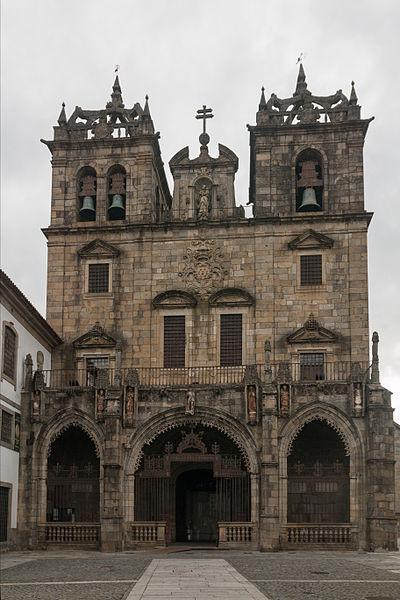
The Cathedral of Braga is the country’s oldest cathedral, giving rise to a popular saying in Portugal: “older than the Cathedral of Braga.” The building began before Portugal was a nation, which explains why the entire city has grown around the Cathedral. Over the years, the Cathedral has incorporated five chapels, two cloisters, a Galilee, an Apse chapel, a chevet, and a sacristy, with several architectural styles visible on its facades and walls, namely Romanesque and Gothic, with a mostly baroque interior.

The Cathedral of Braga was Portugal’s first cathedral, built several decades before the country’s founding. It began construction at the end of the 11th century and was consecrated and dedicated to the Virgin Mary on August 28, 1089, during a solemn session presided over by Bishop Pedro. It is the city’s jewel, competing in power with the Cathedral of Santiago de Compostela. The parents of Portugal’s first king, D. Henrique and D. Teresa are buried in the Chapel of Kings.
Also known as the Santa Maria de Braga Cathedral, it contains artistic relics from its over nine centuries of history. The Porta do Sol door, the ambulatory floor plan, the main portico, and the apse of the Santo Amaro cloister all retain the original Romanesque style. The architects were the abbots of the Cluny (France), Saint Gerard, and Brudino Monasteries. The temple’s entrance porch was constructed in the Gothic style in the 15th century. Within is a wooden Gothic-Flemish style tomb for Infante D. Afonso, son of King Joo I and D. Filipa de Lencastre.
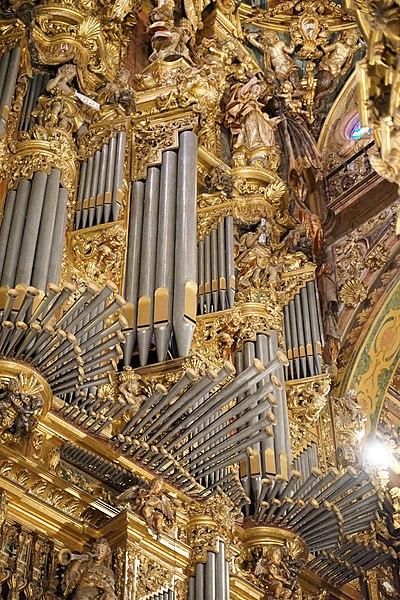
Other decorative elements were added in the following century, most notably the Baptismal Font and, outside the main chapel, a niche with the statue of Our Lady of the Milk, attributed to Nicolau Chanterenne and incorporating the city’s coat of arms. The baroque style was also incorporated, most notably in the interior decoration of the altars, gilded woodwork, the Upper Choir stand, and the monumental organs in the main chapel, as well as the two intriguing bell towers that distinguish the exterior façade.
To conclude your visit, do not miss the Cathedral’s Treasure Museum, which houses the cross from the country’s first mass, led by Pedro lvares Cabral.

man sitting on gang chair with feet on luggage looking at airplane

If you’ve never travelled with only a carry-on, we strongly encourage you to do so. Why? Because it is liberating. There is no need to wait for your checked luggage at the airport. You can quickly pass through security. At the very least, you’ll always have what you need with you.

In most cases, a carry-on-sized bag forces you to be more conscientious about what you bring, which means you won’t have to lug around bulky luggage or excess gear. Even if you stuff your bag to the brim, it’s still a manageable size.

The packing techniques we’ll discuss are ideal for long journeys, weekend getaways, and everything in between.

Step 1: Choose Your Bag
Step 2: Lay It All Out
Step 3: Compartmentalize
Step 4: Pack It Up

Step 1: Choose a Bag

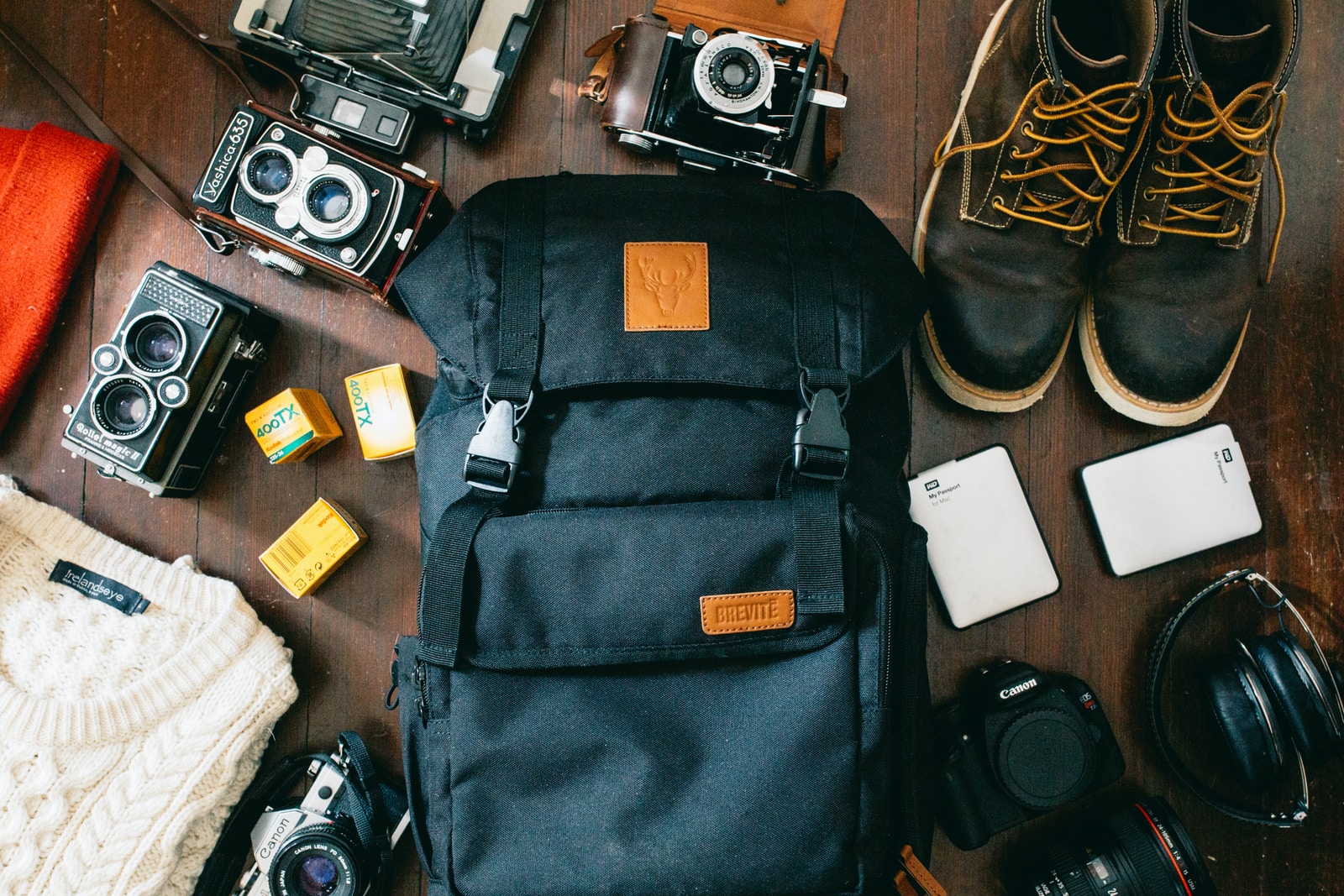
Which bag you choose is entirely dependent on your intended use, travel style, and personal preferences. Travelling with a backpack elevates the concept of carry-on luggage. Your hands are free with a backpack. And, because you are not restricted by roller luggage, you can easily navigate almost any terrain—from cobblestone streets to picturesque beaches.

PRO TIP: If you choose a boxy-shaped bag, it will be easier to maximise the interior space.

Step 2: Arrange Everything
Now that you’ve determined which bag to pack, it’s time to gather all the items you believe you’ll need, lay them out, and get organised.

It’s critical to arrange your belongings in a staging area where you can see everything you’re bringing. You can use your bed, the floor, a kitchen or dining room table, or anything else you have available. Simply ensure that this area contains only the items you wish to pack.

Once you’ve laid out everything, it’s time to organise.

Three effective organisational techniques are listed below.

To begin, you can organise your gear according to Context.
This includes storing complementary pieces that you intend to use in close proximity to one another. To stay warm, you could bring a hat, buff, gloves, and a packable jacket. Therefore, group those items together. Alternatively, you may bring a tablet, pen, and notebook for reading, taking notes, or working. You can also combine those items. You can also organise by outfit, but keep in mind that the majority of the clothing you bring on a trip should be interchangeable with the majority of the items you pack. Consider what you can wear in transit to free up space in your bag.

Second, you can organise according to Type.
This method is simple—simply group similar objects together. Sort your socks into one pile, your underwear into another, and your t-shirts into yet another. This system is ideal if you’re packing with smaller organiser pouches or a bag with a lot of internal organisation, as it allows you to keep things separate. Additionally, it works well for larger, bulkier items that will be carried independently in your bag.

Thirdly, you can categorise your items.
This method is similar to Type but encompasses a broader range of objects. For instance, rather than sorting your shirts separately, you’ll pack all your tops together—t-shirts, button-up shirts, sweaters, and so on. Then, group together all of your bottoms—pants, underwear, and socks. This method also works well for toiletries.

Step 3: Segment
After you’ve laid out and sorted everything according to your preferred strategy, it’s time to compartmentalise. Begin by sizing your groupings and determining the most effective method of compartmentalising the elements. Essentially, decide how you want to keep these groupings distinct within your pack.

You can pack your belongings straight inside your bag, utilising any built-in organisation if that is your preference. Alternatively, you can organise your belongings using packing cubes and other organiser packs. You may also use old Ziploc bags and rubber bands to keep everything together (they’re convenient to take on the road, and you may already have some hanging around).
Packing cubes, pouches, and Dopp kits have proven to be invaluable friends on the road. Pick up packing cubes in different colours to further organize your gear.

Fold your clothes first. Now, there are a variety of fancy folding techniques available. We prefer to keep things simple. And by simple, we mean that they are rolled. We’ve discovered that rolling your garments makes them more compact and helps a little with creases.

All of our cold-weather gear (categorised) will be placed into a single packing cube. It’s a good idea to leave your rain jacket out (loose inside your luggage) to facilitate access in the event of an unexpected downpour.
Keep our sandals in a separate shoe pouch after wrapping the garments. This way, if they become soiled, sand-covered, or otherwise unsanitary, we can keep them apart from the rest of our gear. Wear heavier shoes—as in, not sandals—during transit. There is no requirement to pack them. Additionally,  if you travelling with a hat, which you can wear, put it at the top of your pack, or clip with a carabiner to the outside.

Two points to consider when organising your toiletries:
1. Attempt to locate the tiniest possible versions of everything. Full-sized toiletries and grooming items may become very large, so if you can reduce the size of your razor, toothbrush, or even nail clippers, the packing will be a breeze. Additionally, you can soak your liquids in tiny containers and leave the large containers at home. This is especially critical for carry-on travel, as all liquids must comply with TSA regulations.
2. A Dopp kit with a clear window is ideal for packing liquids that must be TSA-compliant. Additionally, it is preferable if your toiletry bag is weather-resistant or waterproof since this ensures that any liquids that leak will not spill all over your bag. (No one enjoys opening their bag and discovering that a shampoo wrestling match occurred somewhere across the Atlantic.)

If you’re travelling with technology, you’ll need the means to manage all those cords and other accessories. We recommend carrying a tech pouch. The size and number of tech pouches you carry will depend on your equipment.
Prepare two separate pouches for the stuff you set out and arranged. The smaller cords, cables, chargers, and battery bank will all fit in one pouch. The other will be used for bulkier stuff, such as that cumbersome laptop charger.

If you’re travelling with a backpack, it’s generally a good idea to keep your heavier stuff close to your back. Additionally, attempt to keep them in the upper portion of your bag. This helps distribute the weight and makes carrying it more pleasant during those lengthy trip days. This is less critical when packing a duffle bag or rolling luggage.
We’ll begin by putting our sandals in the bottom of the bag, followed by the four packing cubes of clothing.

As if you were laying bricks for a house, pack in flat layers. Packing your clothes flat will allow you to maximise the space in your bag while avoiding any unexpected bulges that will make it difficult to zip shut.

We’ll move our tech pouches, tablet, and other loose items to the secondary compartment on the front of the bag now that the main compartment is full.

Leave an exterior or quick-access pocket empty so you can quickly dump items from your pockets into your bag while passing through airport security.

This post contains affiliate links, which means we may receive a small commission, at no additional cost to you, if you make a purchase through these links. See our full disclosure page.

UGREEN Electronics Travel Organizer Accessories Cord Cable Storage Bag with Double Layer for Mouse, Power Bank, USB-C Charger, SD Card, Hard Drive, USB…

Why choose UGREEN Electronics Travel Organizer?

Lots of cables? A lot of electronic equipment? Do you spend a lot of time organizing daily or travelling? Own this electronics accessories organizer, you can keep them in order and save your time.
  • Well organized your electronic accessories and wires, no need to search everywhere.

  • Protect your electronic accessories from scratches, breaks, dust and accidental drops.
  • Application: SD card, U disk, earphone, USB cable, charging head and other accessories.

4332zzxxxcvv

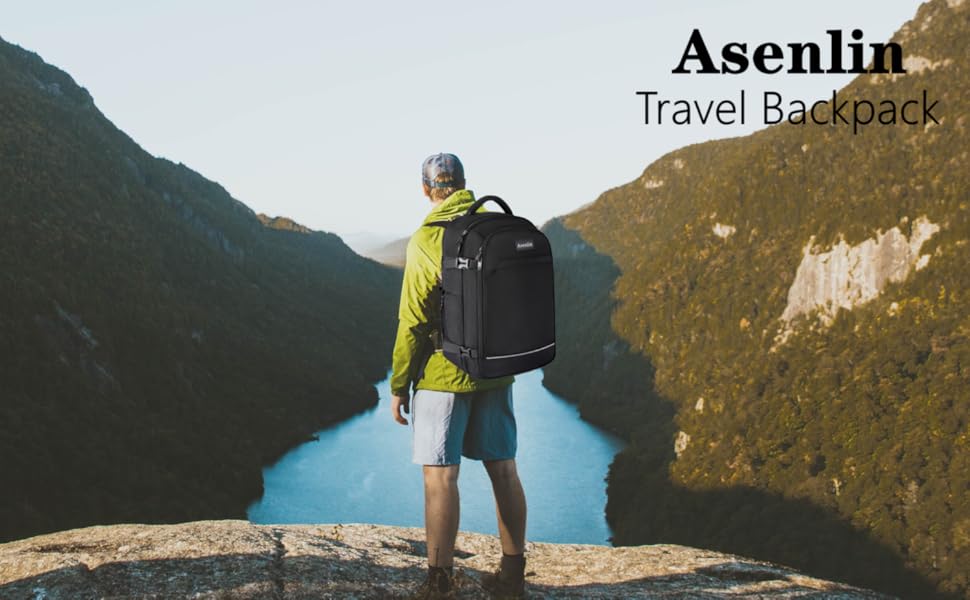
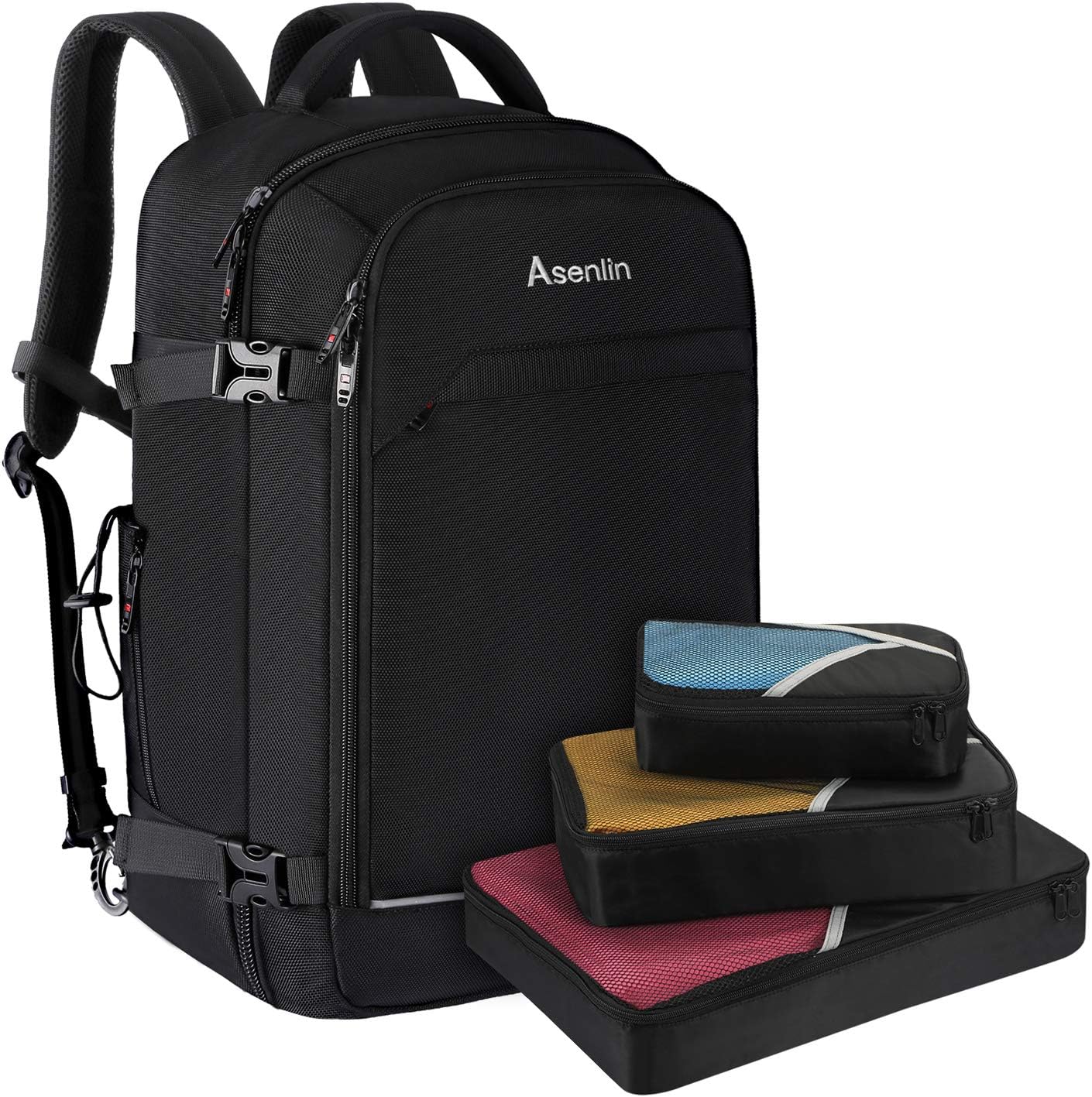
Asenlin 40L Travel Backpack. Flight Approved Luggage Carry-On.

Carry and travel: The large backpack accommodates three custom-made storage bags. The overall size meets the airliner size standards, and the portable zipper opening allows you to quickly pass through airport security. It has straps built-in to keep your clothes from falling out.

Dimensions and materials: The measurements of the travel backpack are 18.5 * 12.5 * 9.5 inches, and it includes a special pocket that can hold a 17-inch laptop. The backpack can be attached to the trunk pole or carried by hand; it is made of water-resistant high-quality polyester Oxford cloth and has a strong zipper.

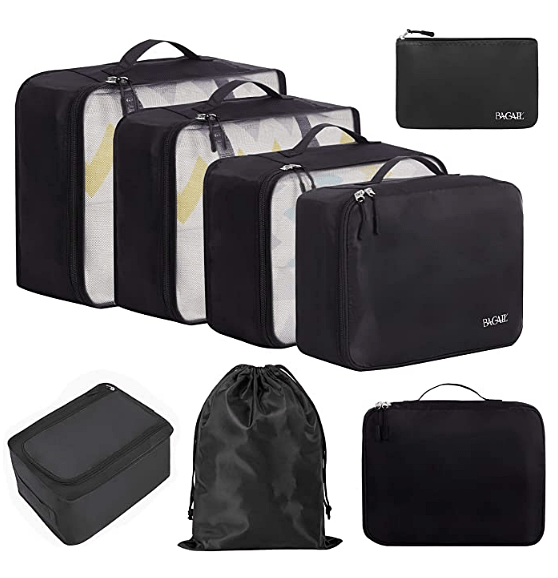
BAGAIL 8 Set Packing Cubes Luggage Packing Organizers for Travel Accessories


At the time of writing, all of the prices are current, and all of the items are in stock.

These goods are timeless classics that will never go out of style. With the correct basics on hand, you can stay comfortable, organised, and feel fresh even in the face of red eyes, train delays, and bad weather. These trendy travel accessories make it simpler to handle those unforeseen moments that make travel so much fun without losing your easy charm.

Travellers Club Midtown Hardside 4-Piece Luggage Travel Set.

  • Colours: Five Different Colours to choose from
  • 26″ Spinner suitcase
  • 20″ Carry-on spinner luggage
  • Boarding tote
  • Travel kit toiletry bag case
  • Features pockets for accessories

All Travelers Club Luggage products and brands are covered by manufacturers’ warranty.

Travel Beach Tote Bag with Mesh.

Organize your belongings. Towels, drink bottles, sunglasses, toys, sunscreen, and practically everything else you would bring to the beach, pool, or on vacation will fit in this bag. With the addition of comfy straps, you won’t even notice you’re carrying everything you need for your excursion, yet it will be easily accessible.

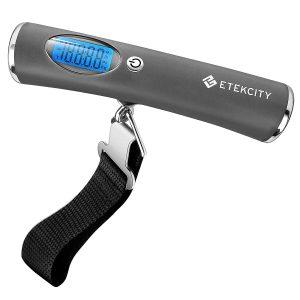
Handheld Digital, 110LB Baggage Scale for Travel with Blue Backlit LCD Display, Portable Suitcase Weight Scale with Hook, Battery Included

Features: The scale has high quality blue backlit LCD display in different weight units: kg, lb,g, oz. The weight of the scale is light, small in volume and convenient to carry. With a button operation, you can turn on the scales and replace the weight units. It has a high precision strain sensor system with rubber paint. This scale is suitable for family, business, tourism or outdoor activities.

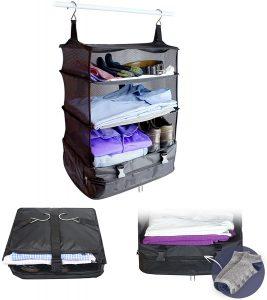
Space-Saving Travel Luggage Organizer and Packing Cube with Built-In Hanging Shelves and Laundry Storage Compartment

The Stow-N-Go is a collapsible shelf unit that fits nicely into your baggage. Place your clothing or shoes neatly on the shelves, then drop the Stow-N-Go inside your baggage.

Travel Pillow

The memory foam travel pillow will cuddle you and provide you with comforting support. You’re going to adore it! Give it a go and you’ll see why we think this is the greatest pillow on the market.

  • Packaging Includes
    1 x pillowslip
    1 x Pillow core
    1 x Pillow storage bag cloth side blank

Sony WH-1000XM4 Wireless Noise Cancelling Overhead Headphones with Mic for Phone Calls and Alexa Voice Control

Industry-leading noise cancelling with Dual Noise Sensor technology.

  • Up to 30-hour battery life with quick charging (10 min charge for 5 hours of playback)
  • Touch Sensor controls to pause play skip tracks, control volume, activate your voice assistant and answer phone calls

This post contains affiliate links, which means we may receive a small commission, at no additional cost to you, if you make a purchase through these links. See our full disclosure page.

At the time of writing, all of the prices are current, and all of the items are in stock.

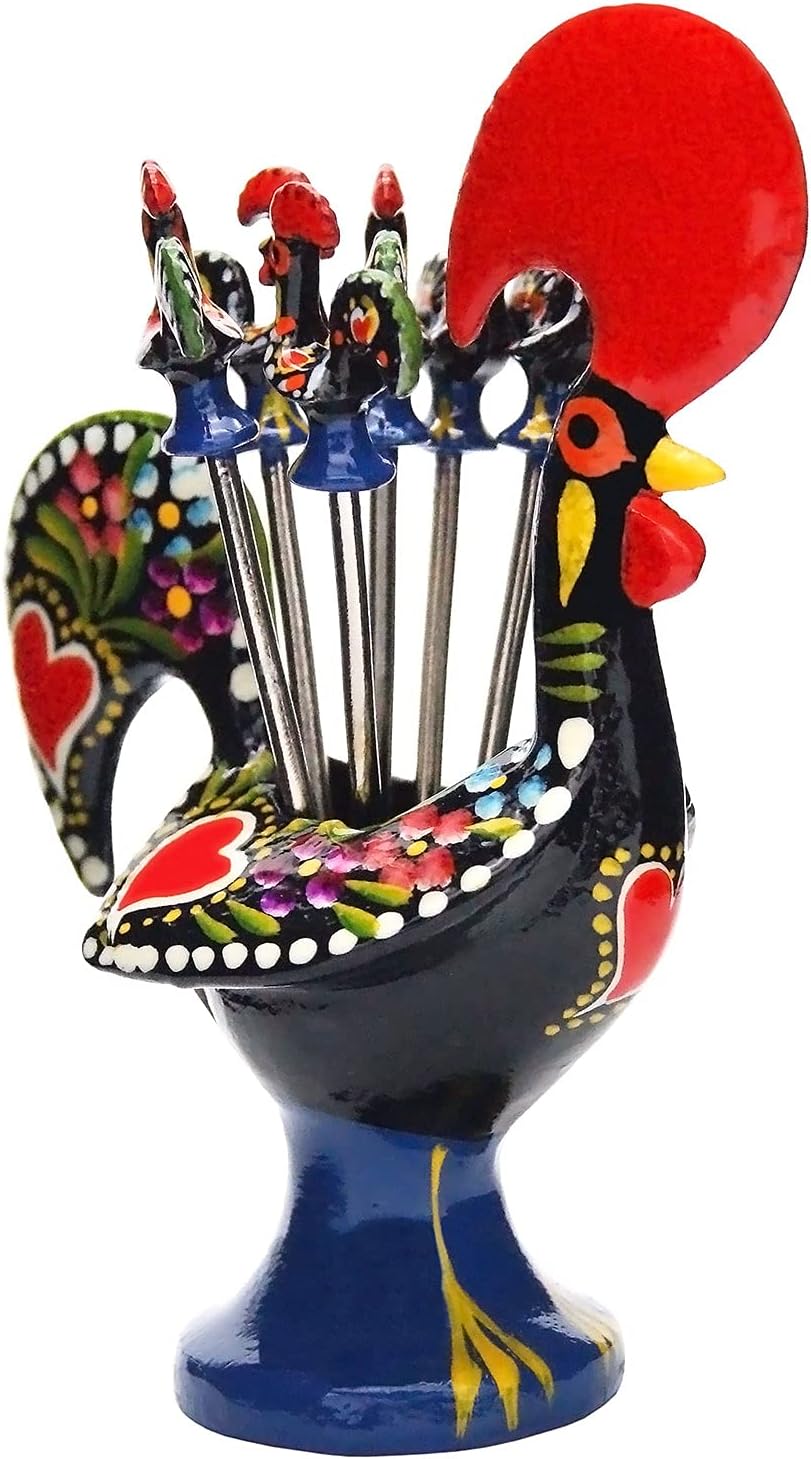
The Story Behind The Barcelos Portuguese Rooster Symbol

As the legend goes, back in the middle ages the people of Barcelos were deeply concerned about an unsolved crime. When a stranger from Galicia arrived in town, claiming to be en route to Santiago de Compostela in Spain, the finger of blame was pointed at him. He, of course, protested his innocence but he was sentenced to death by hanging. In a bid to avoid this fate, he begged to see the judge who had passed the sentence. The judge happened to be eating dinner with some friends when the Galician arrived. The condemned man pointed to a roasted cockerel on the dinner table and declared that “It is as certain that I am innocent as it is certain that this rooster will crow when they hang me.” Needless to say, he was laughed out of the room and dragged off to his fate. The official and his friends decided against eating the bird but they were still taken aback when the cockerel actually stood up and crowed, proving the man’s innocence. Realizing his mistake, the judge rushed to the gallows to try and prevent the innocent man from being hanged. By the time he arrived, however, the Galician was dangling from a rope. Luckily, the knot had been badly tied, saving the man’s life. The judge ordered him to be cut down immediately and freed. O Galo de Barcelos is the unofficial symbol of Portugal. In any curio or tourist shop you will find the symbol represented by a ceramic rooster and in the motif embroidered in towels, aprons, stamped on key chains, paperweights, etc. Because of its lively colours, the Rooster of Barcelos is difficult to miss where ever it appears. The motif seems to embody the love of life displayed by the Portuguese people. The symbol has its genesis in the history of Barcelos. The city of Barcelos is located just east of Braga. Even though it is not on a major highway, it still is a good-sized city. The legend of the Rooster is so old that no one knows for sure its real source.

Traditional Portuguese Clay Terracotta Sausage Roaster
  • Hand Painted
  • Food Safe (Lead & Cadmium Free)
  • Dishwasher Safe
  • Made in Portugal

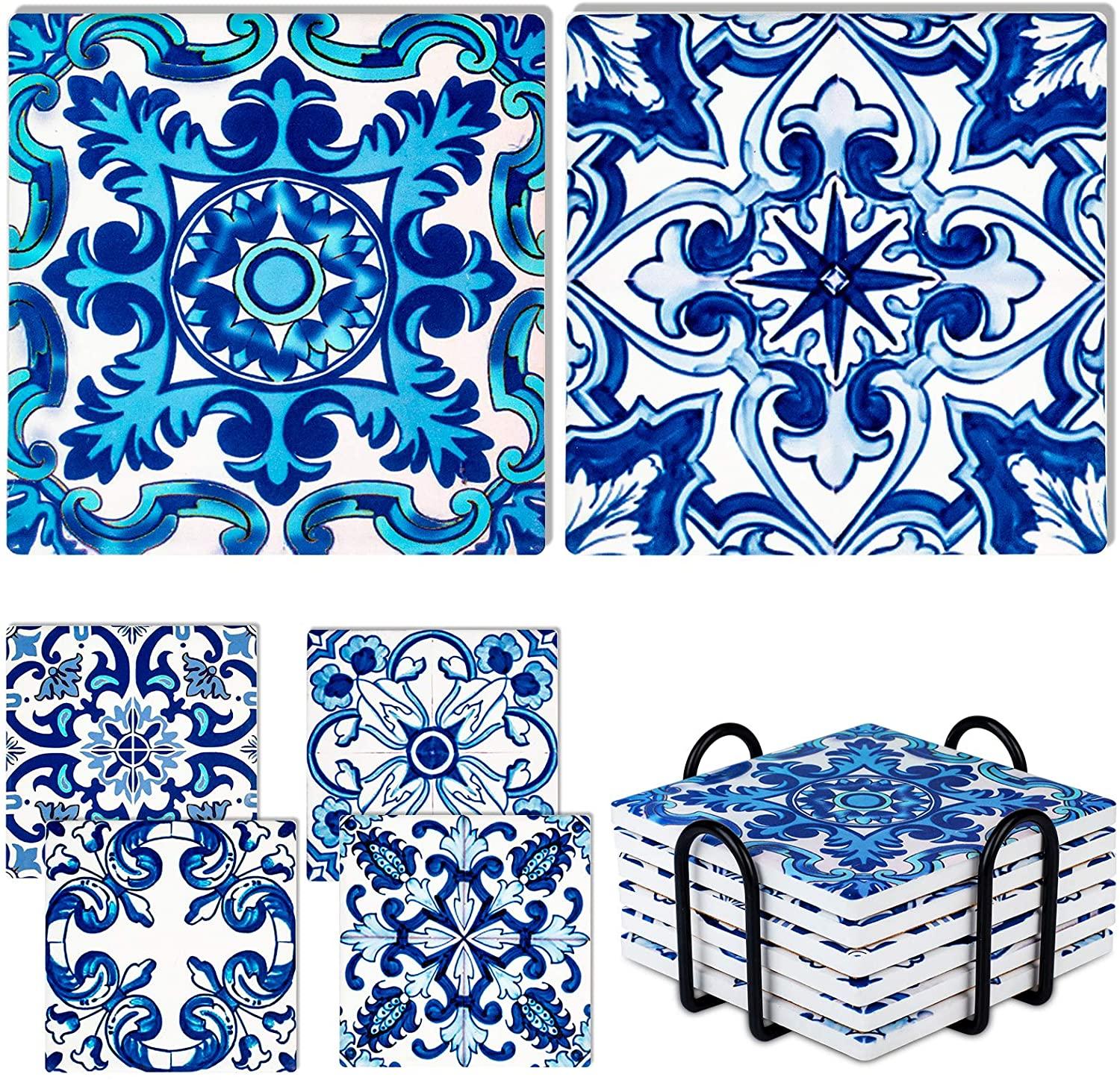
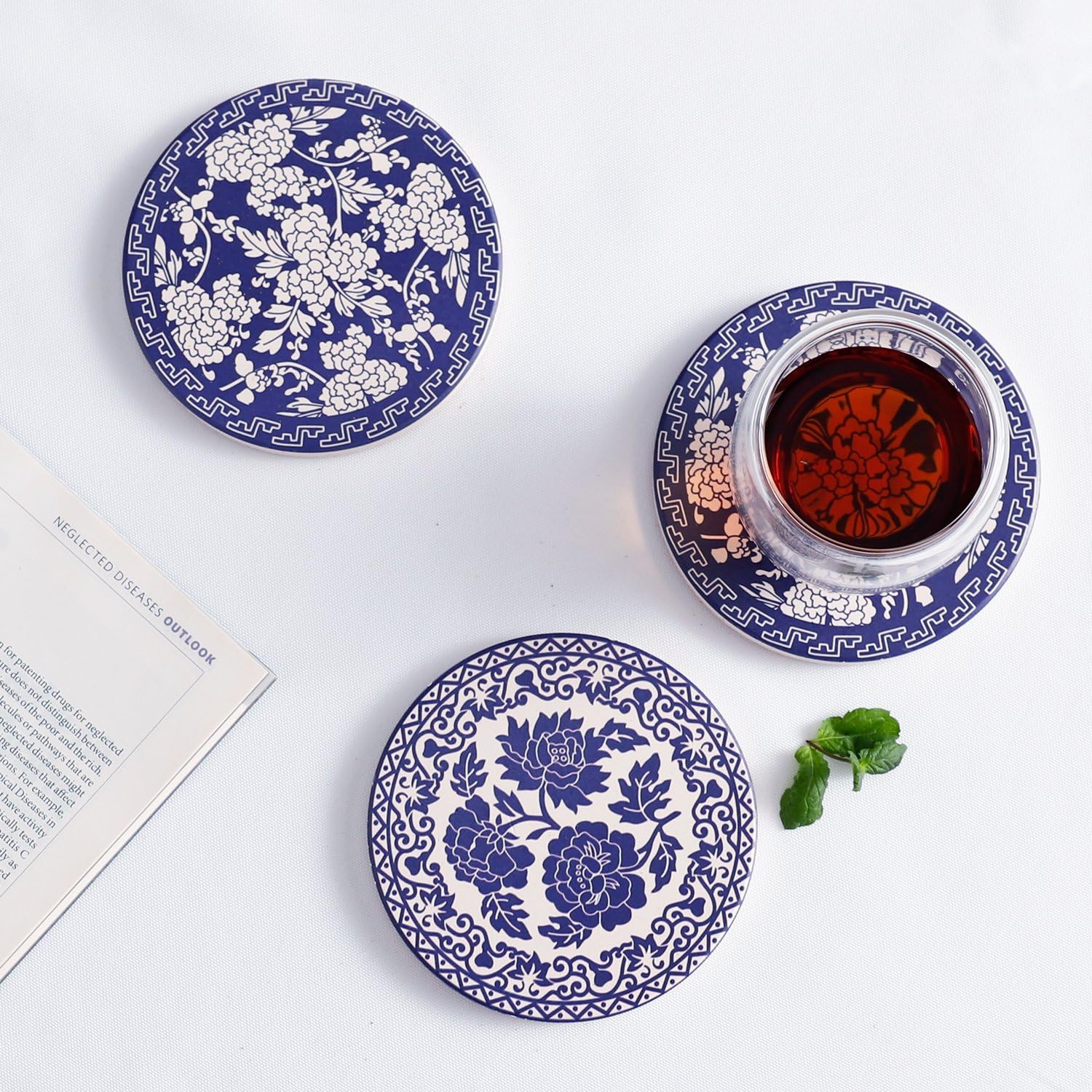
Set of 6 Ceramic Drink Coasters with a Thin Cork Bottom.

Beautiful patterns to liven up your home: The set of 6 coasters comes in different beautiful patterns, covered by a frosted gaze that keeps the colours bright and prevents fading. Vivid and lively, they will lighten up any room and make a great gift.

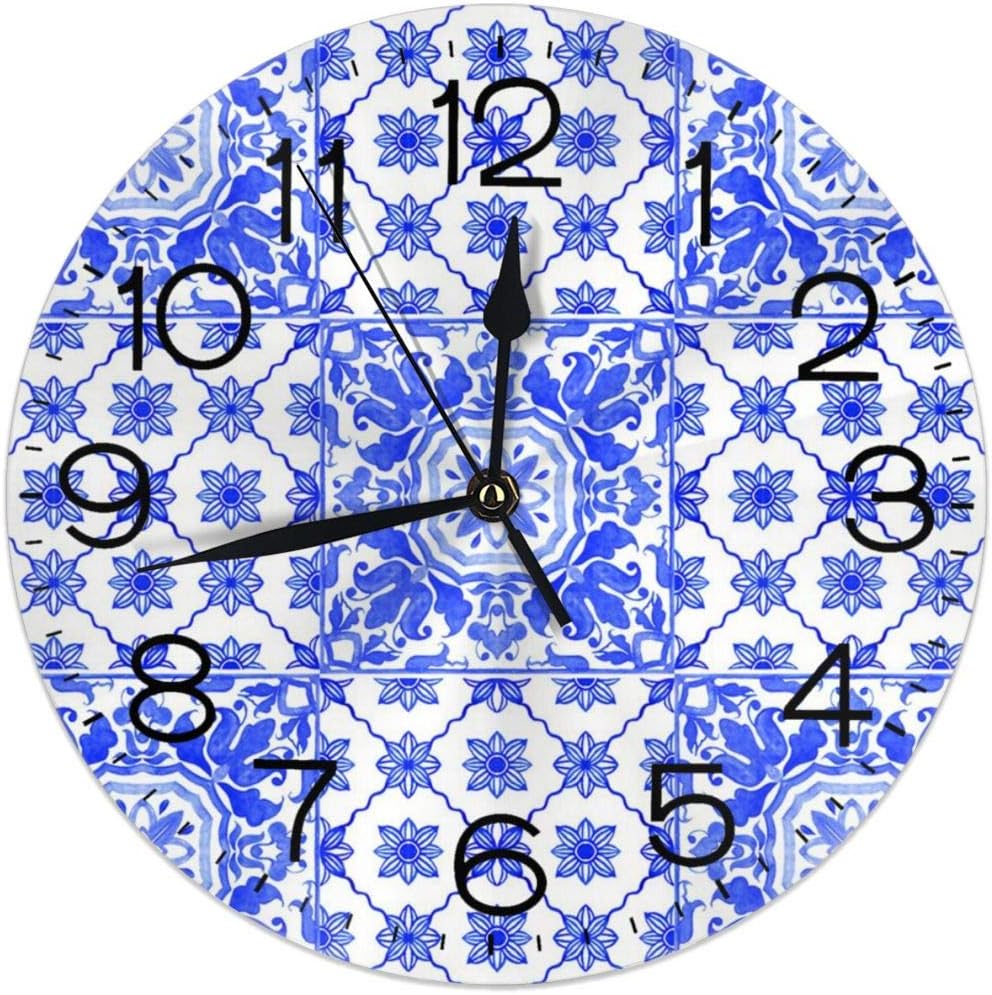
Decorative Wall Clock with Azulejo Tiles from Portugal

  • Dimensions: 9.8″ x 0.2″The diameter of the clock is 9.8 in. The thickness of the clock is 0.2 in. The wall clock has a round shape.
  • The printing is of high quality, never fades, and has a great effect. It weighs only 0.6 pounds. Throughout its long life, it will maintain time accuracy and stable performance.

Portuguese Girl Portugal Portuguese flag T-Shirt

Portuguese Girl T-Shirt

  • Solid colours: Cotton
  • Imported
  • Machine Wash
  • Lightweight, Classic fit, Double-needle sleeve and bottom hem
  • 5 Colours to choose from

Portuguese Galo De Barcelos Towel, 15″ x 22″

    • Machine washable, do not bleach
    • 15 x 22 inches
    • Made of 63 Percent polyester (Microfiber) / 37Percent Cotton (velour terry cloth)
    • Image printed on Microfiber side/terry cloth side blank

Rooster Barcelos Portuguese Symbol Throw Pillow Cover Set of 2

    • Material: Made of 100% Polyester and Polyester Blend, short Velvet
    • Size: 16 x 16 inches / 40 x 40 cm. High-quality material, without pillow insertion.
    • Features: The pillowcase is printed on two sides. 

Galo De Barceló’s Two-Tone (11 oz) Mug.

A perfect gift for any occasion.

Traditional Portuguese Rooster with 6 Tapas Appetizer Forks

      • Made in Portugal by a family of master artisans

Traditional Portuguese Aluminum Rooster Corkscrew Made in Portugal

    • Made in Portugal
    • Hand Painted, perfect touch to any kitchen or bar
    • Made of Aluminum – Solid Construction
    • Dimensions 5 3/8 inches Height

This post contains affiliate links, which means we may receive a small commission, at no additional cost to you, if you make a purchase through these links. See our full disclosure page.

At the time of writing, all of the prices are current, and all of the items are in stock.