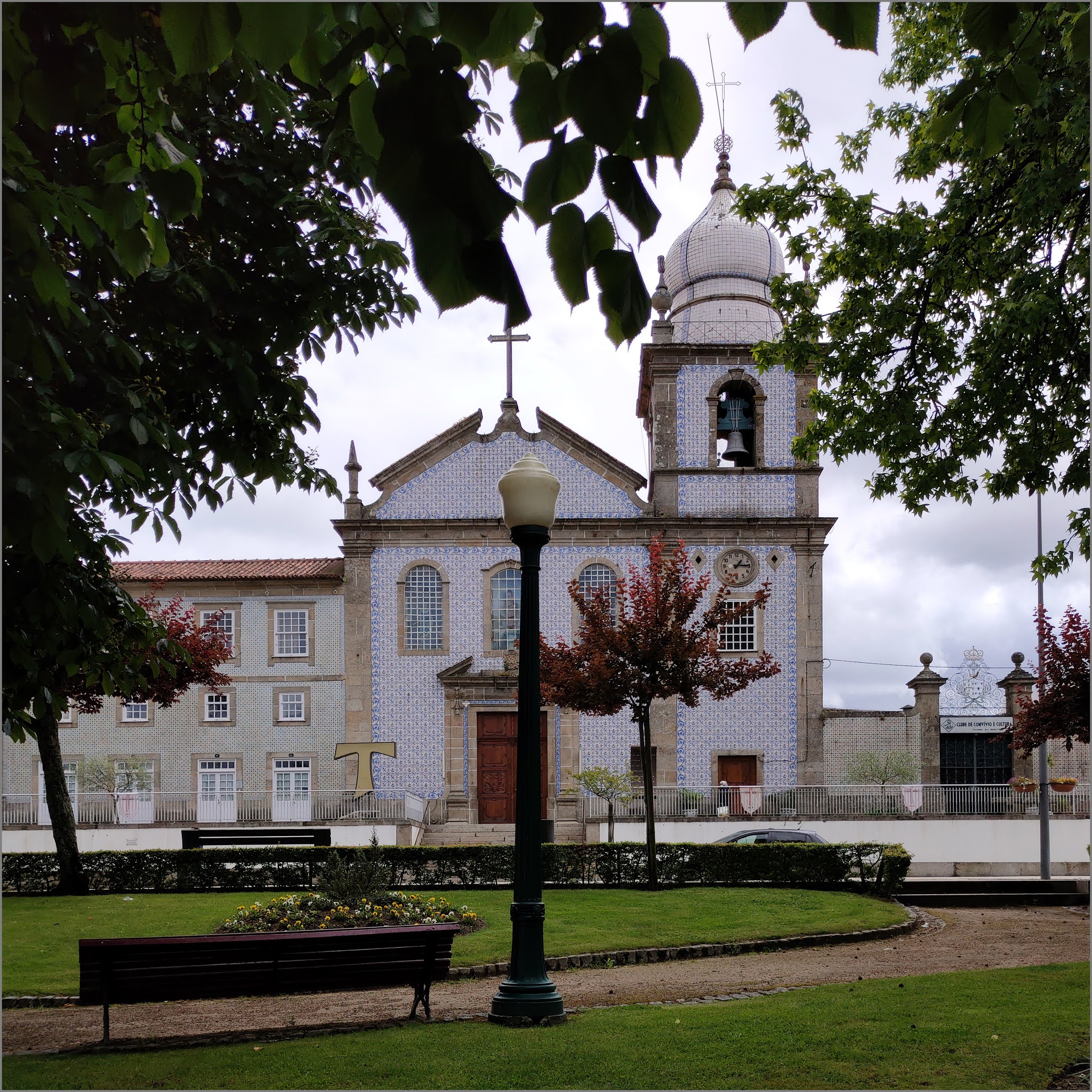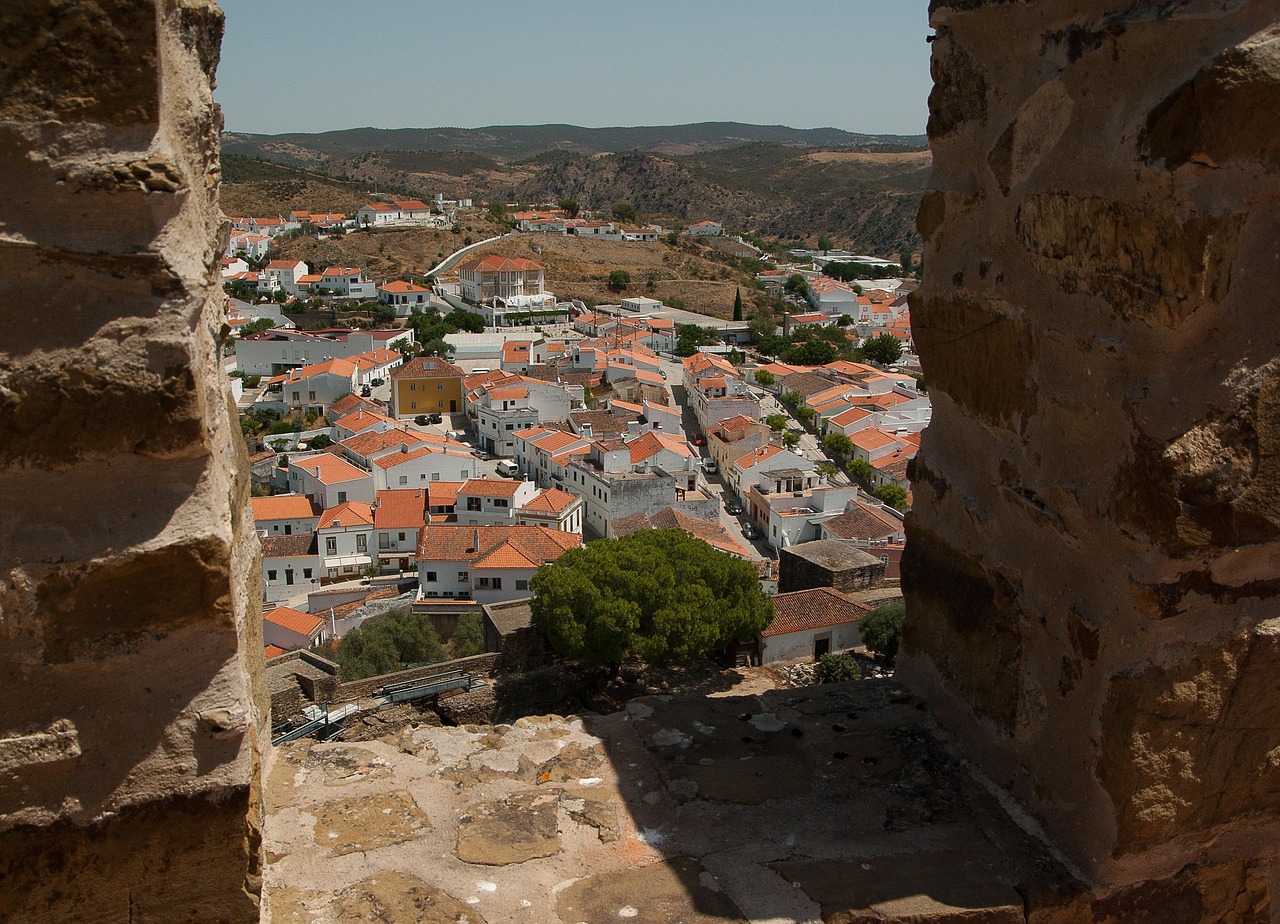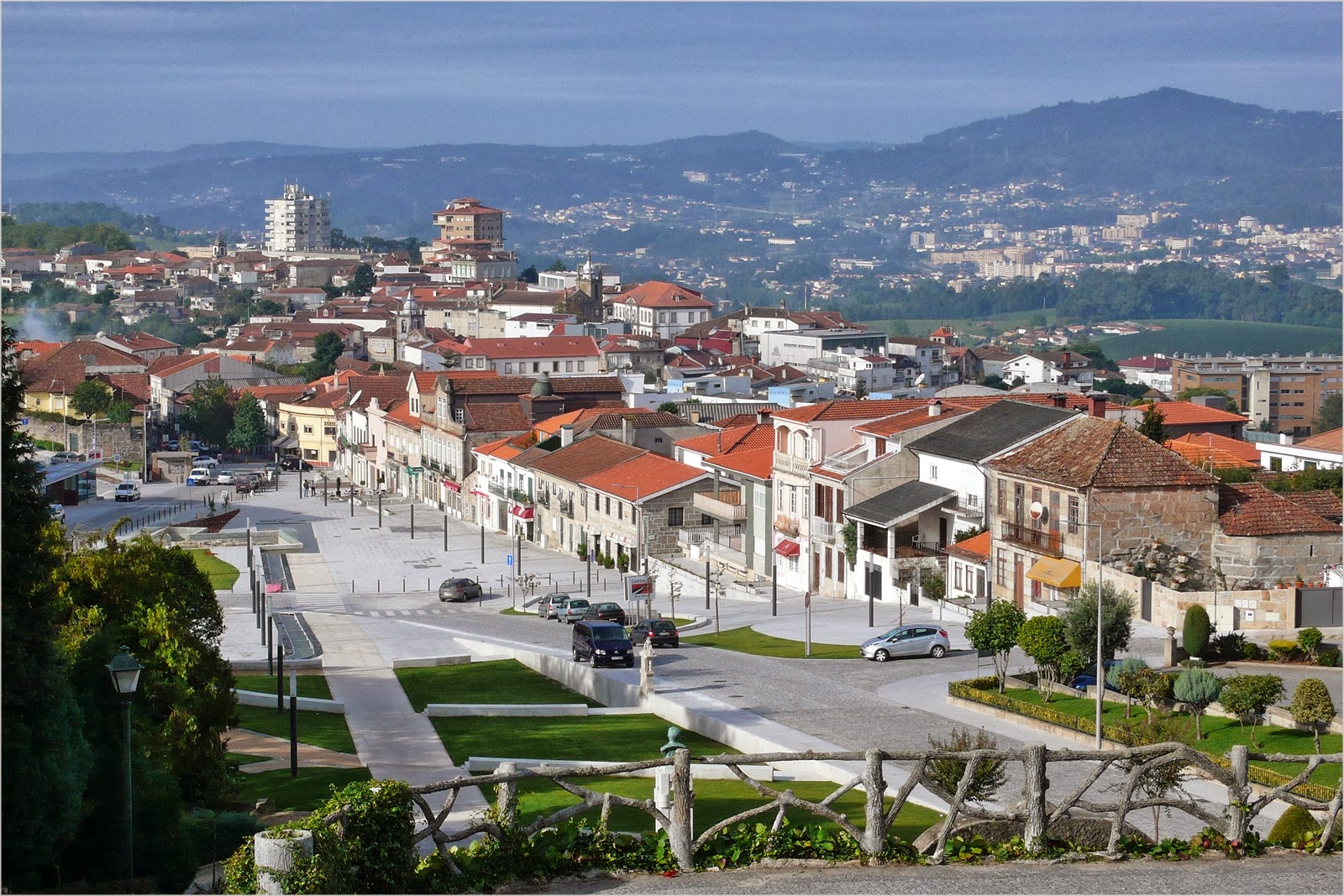
Penafiel is a town in the Douro region of Portugal. Several historic churches in the municipality are listed as national monuments.

Penafiel, located among the hills, valleys, and rivers of Portugal’s Norte Region, is a mid-sized town with a surprising number of things to do. This is a landscape that must be explored on two feet or two wheels, with a big dose of history and culture thrown in for good measure.

You may walk the streets of a pre-Roman city or follow a Romanesque route that includes churches erected before Portugal became a nation. And the environment is stunning, with hues of green ranging from the lush banks of the Douro and Sousa Rivers to the idyllic vineyards and pine forest that cover every slope.

Let’s explore things to do and see in Penafiel 

  • Santuário do Sameiro
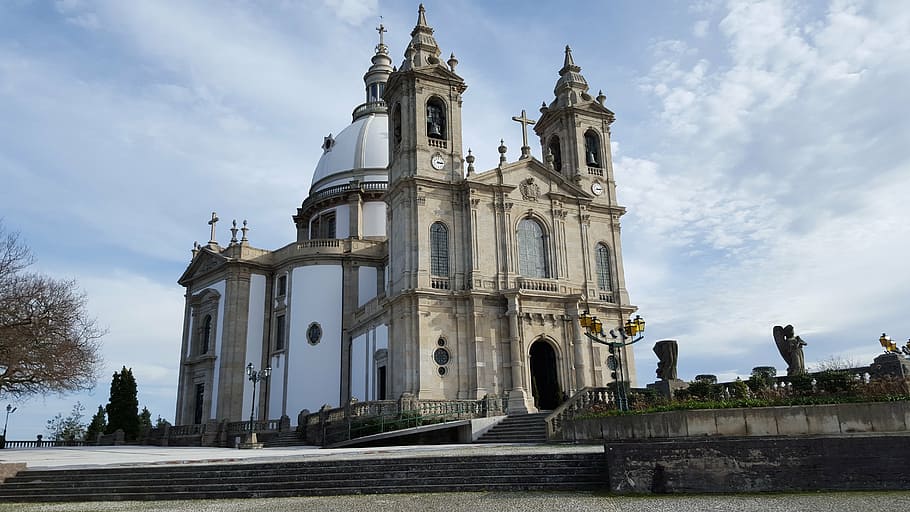
Santuário do Sameiro

A hill rising east of town has been made into a park and is topped with a 19th-century sanctuary.

The cathedral has a fantasy atmosphere, and its huge white dome may remind you of the Sacré-Cour in Paris.

The park, with coniferous woods on its slopes, ushers you to exquisite formal gardens at the stairs below the church.

Admire the view of Penafiel and its outlying towns against the towering, woody hills from the highest platform.

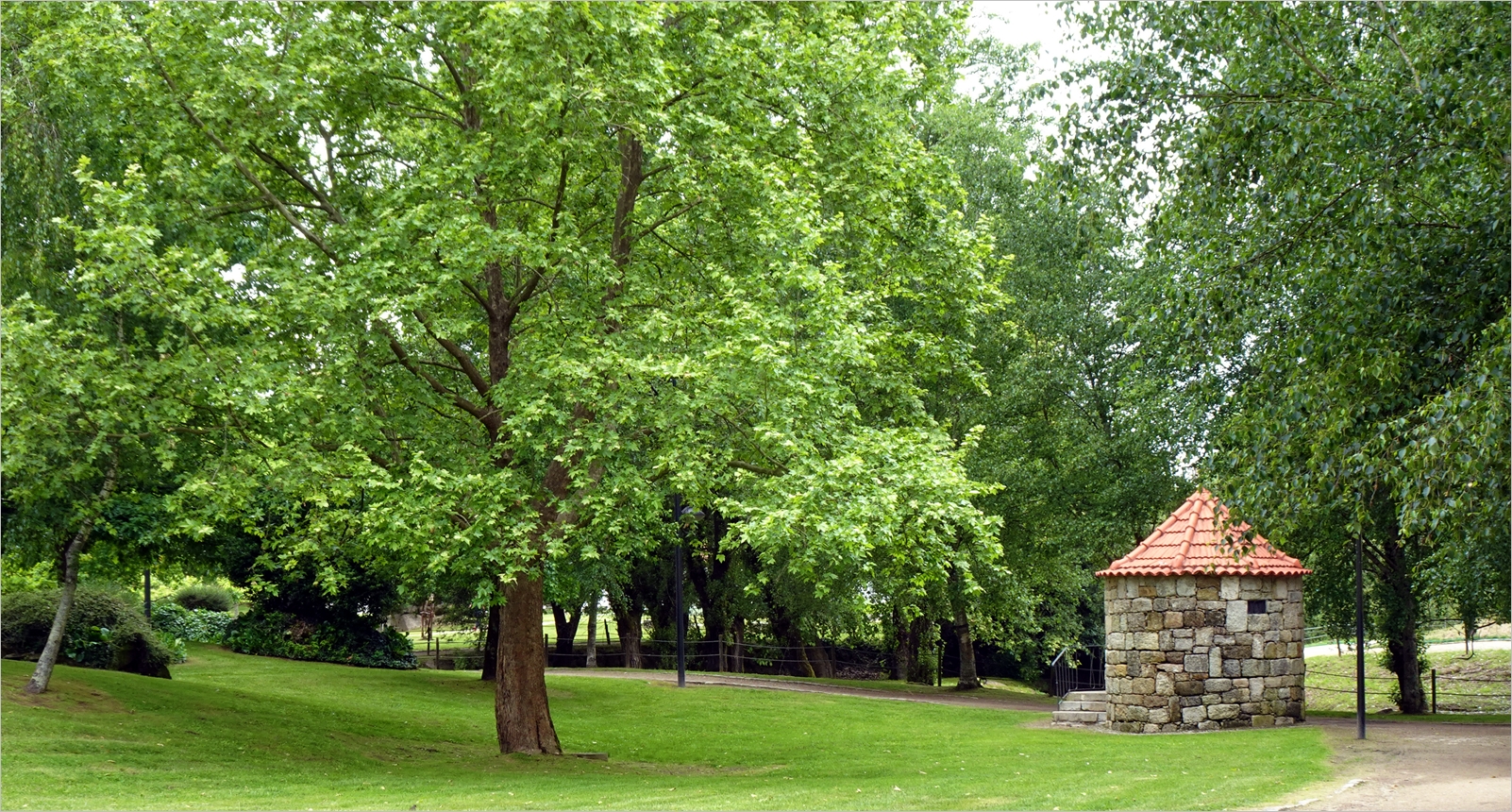
  • Jardim do Calvário de Penafiel

Jardim Egas Moniz, after Afonso Henriques’ preceptor, is another name for this garden.

There’s a bust of him here with a rope around his neck, which refers to a tale about Moniz travelling to Toledo in Spain with a rope carrying a boulder as a sign of allegiance to Alfonso VII of León.

If the park has a refined feel, it is because it was where Penafiel’s upper social strata would go to unwind around the turn of the twentieth century.

The wrought-iron gazebo and lofty century-old trees are relics of a bygone era.

  • Castro de Monte Mozinho

File:Castro Mozinho base romana by Henrique Matos 02.jpg

“Castros” are Bronze or Iron Age hilltop settlements in northern Portugal.

Many of them were rediscovered in the twentieth century when complex systems of dwellings and defences were discovered.

Many were also occupied far into the Roman period, including Monte Mozinho, which is located more than 400 metres above sea level.

This Castro, with 22 hectares of walls, is notable for its variety of housing types, ranging from rudimentary circular structures to the more complex rectangular homes used by the Romans.

  • Preserved Villages

Penafiel is particularly well-known for its charming historic villages that serve as living time capsules.
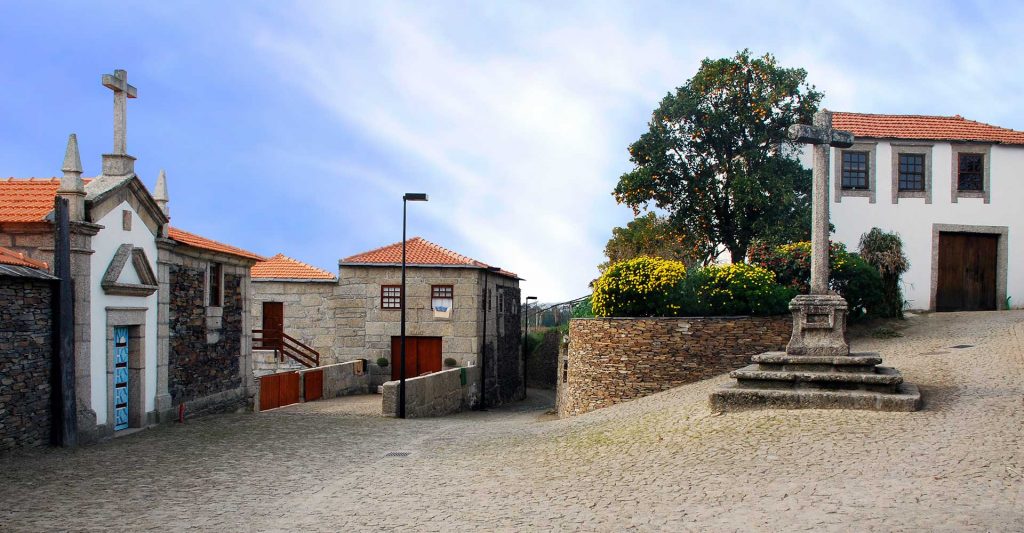
QUINTANDONA VILLAGE

Quintandona (Lagares) and Cabroelo (Capela) are two excellent examples, and both are worth a visit.

Cabroelo is a charming tiny village nestled among pine-clad hills, made of granite and complete with charming wooden granaries, water mills, and windmills.

Quintandona, with a population of only 60 people, is similarly attractive.

The buildings in this village are composed of black slate and shale, giving them a distinct look.

There’s a 200-year-old chapel, a washhouse, several wooden granaries, and a couple of lookout platforms for the highland panorama.

  • Museu da Broa

Museu da Broa

In scenic Cabroelo, six historic mills in a dreamlike setting near a cascade allow visitors to learn about Penafiel’s bread-making tradition.

These little granite structures have been restored to working order, transporting you back to a time when cornbread was essential for the existence of the hamlet.

They would grind flour 24 hours a day, and there are now footbridges connecting each mill across the Tranqueuira River.

There are panels along the way that describe each stage of the process of converting maize into cornbread, from seeding to threshing, grinding, and baking.

  • Termas de São Vicente

Termas de São Vicente

These springs in the parish of the same name provide some of Europe’s most mineral-rich water.

The Luso-Romans discovered them in the 4th century, and the remnants of this old bathing complex may be found immediately to the side of the current spa.

The spring is very alkaline and high in sodium, sulphur compounds, and fluoride.

The waters are said to be more helpful in treating musculoskeletal and respiratory issues as a result of this.

If you just have a few hours, you may relax in the thermal pool and spa’s jacuzzis and whirlpools.

  • Outdoor Recreation

Entre-os-Rios

Penafiel’s scenery is breathtakingly beautiful, particularly in the south, where the River Tâmega joins the Douro at Entre-os-Rios.

A new port receiving Douro cruise vessels has been built between the high green banks.

In a location of steep hills and woodland, it’s no surprise that mountain biking is popular in Penafiel, and there are hundreds of routes and five clubs to contact for advice.

You might also take a lesson at one of two equestrian centres, Casa de Gato Morada and Centro Hpico de Penafiel, or go off on foot over a network of well-marked trails.

  • Romanesque Route

Romanesque Route

The Sousa Valley is home to a plethora of Romanesque churches and monasteries, many of which have lately been transformed into tourist attractions.

This continues right through Penafiel, so if you like historic ecclesiastical buildings, you may spend days wandering from one wonder to the next.

There are 21 in total along the road, with six in Penafiel. The Igreja de São Gens in Boelhe is the second most important church after the Paço de Sousa monastery.

This one is a 12th-century National Monument that stands out for its Romanesque baptismal font and the images engraved into the capitals and corbels on the facade.

  • Quinta da Aveleda

Quinta da Aveleda

The Quinta da Aveleda is a notch above most wine estates, and it’s worth a visit even if you’re not a fan of vinho verde.

However, if you are a fan, a tour of this gorgeous property will be much more enjoyable because it concludes with a tasting.

The Guedes family has owned the Quinta da Aveleda since the 1870s, while the estate dates back to the 17th century.

The gardens were designed in the late 1800s in the English style and are filled with eccentric follies, one of which is a stone tower for the estate’s goats to play on.

There are other oddities, such as a mullioned window arch borrowed from the 14th-century home of Henry the Navigator.

In terms of wine, Casal Garcia is one of the most well-known exporting vinho verde brands.
Penafiel map

e%2C+San+Francisco%2C+CA+94129!5e0!3m2!1sen!2sus!4v1435826432051" width="600" height="450" style="border:0" allowfullscreen>

Before making any vacation plans, please check the constantly changing local limitations and safety rules. It should be noted that not all sites and services are operating as usual, so check their respective websites for the most recent details.

Albufeira is a beach town in Portugal’s southern Algarve area.  It is 250 kilometres (160 mi) from Lisbon and is within close proximity of Paderne Castle. Lagos is located 30 kilometres (19 mi) to the west, and Faro 45 kilometres (28 mi) to the south-east.

Albufeira’s origins trace all the way back to ancient times. It was afterwards colonised by the Romans, who gave it the name “Baltum”. Albufeira derives from the Moorish name “Al-Buhera,” since the town was a major commerce centre in the eighth century. There are few relics from this era, with the exception of a plaque commemorating the previous Moorish castle atop the upper town. Albufeira was regained in the mid-13th century by the Order of the Knights of Santiago under the leadership of Afonso III of the Moors. Following then, it was a little fishing community for many centuries. Albufeira was particularly hard hit by the massive Lisbon earthquake of 1755. The ensuing tsunami swamped the village’s bottom section. This resulted in the destruction of all notable monuments.

Albufeira’s fortunes were restored in the last quarter of the twentieth century. Its identification as the Algarve’s primary tourist destination triggered a massive development from fishing village to town to metropolis. Today, the hotels and resorts run nearly along the stunning Albufeira shoreline. Summer months see an increase of up to 300,000 vacationers, in addition to the typical 22,000 locals.

Albufeira is a municipality (concelho) and a city (cidade) in the Faro area of Portugal (Algarve). Albufeira is one of the most popular and globally renowned tourist spots in the Algarve, continental Portugal’s most southern and sunniest area. From Olhos d’Agua to Galé, the resorts and hotels stretch along the area’s stunning rocky coastline. Numerous holidaymakers come year after year due to the beautiful beaches, excellent temperature, and accessibility to numerous restaurants, bars, and pubs.

File:Albufeira (Portugal) (10539137074).jpg

The tourism districts are separated into two distinct sections: Areias de São João, informally referred to as The Strip and the Old Town. Avenida Francisco Sá Carneiro is the Strip’s major thoroughfare, lined with clubs, restaurants, and open-air discothèques.

Browse All Photos - PixaHive

Lagoa de Albufeira - Portugal | See where this picture was t… | Flickr

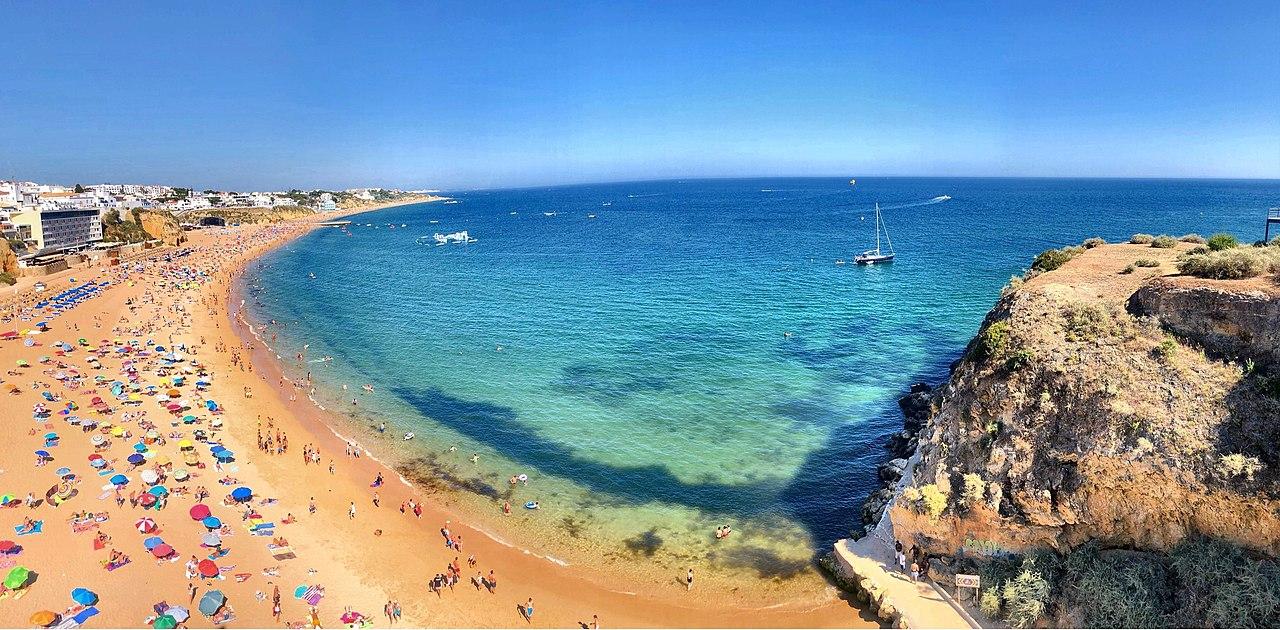
Over 25 magnificent beaches, several of which have been awarded the prestigious Blue Flag by FEE, tempt vacationers to swim and walk. The miles-long sandy beaches of Praia dos Pescadores, Praia do Tunel, and Praia do Inatel in front of the old town are ideal for water activities such as parasailing, jet skiing, and kayaking. Smaller sandy beaches are shielded on all sides by rocky coves with unusual sandstone cliffs.

The marina is an artificial basin on the city’s western outskirts and can moor almost 500 boats.

beach, sea, coast, water, ocean, horizon, silhouette, people, sky, sun, sunrise, sunset, morning, shore, wave, dawn, pier, vacation, dusk, evening, bay, body of water, family, waves, children

Alufeira has a diverse range of culture, entertainment, and family activities.

There are lots to do in Albufeira, the Algarve’s salt-washed and bustling holidaying hotspot. It’s every inch a summertime vacation drenched in sunlight, from a chirpy waterfront studded with bars and clubs to a cobblestone Old Town bursting with souvenir booths and Portuguese tapas eateries. People come to get a tan during the day, play golf, and have hedonistic nights of fresh seafood and dancing on the dance floor.

Albufeira is the centre of an area known for its beaches and charming hill villages. With gorgeous Arrifes Beach and the ochre-tinted cliffs of Praia da Coelha nearby, you won’t have to travel far to get away from the crowds. Other suggested excursions include seaside cruises and visits to Alte’s babbling springs.

Things to do and see:

  • Praia dos Pescadores
    Unwind on Albufeira’s biggest beach. Praia dos Pescadores, often known as Fisherman’s Beach by Albufeira’s devoted repeat tourists, is the closest stretch of beach to the town itself. You simply need to stroll to the south end of the Old Town to see a 220-metre expanse of gold-flecked beach kissed by the sea.


  • Praia da Coelha

File:132PT 13 November 2013 Praia de São rafael.JPG

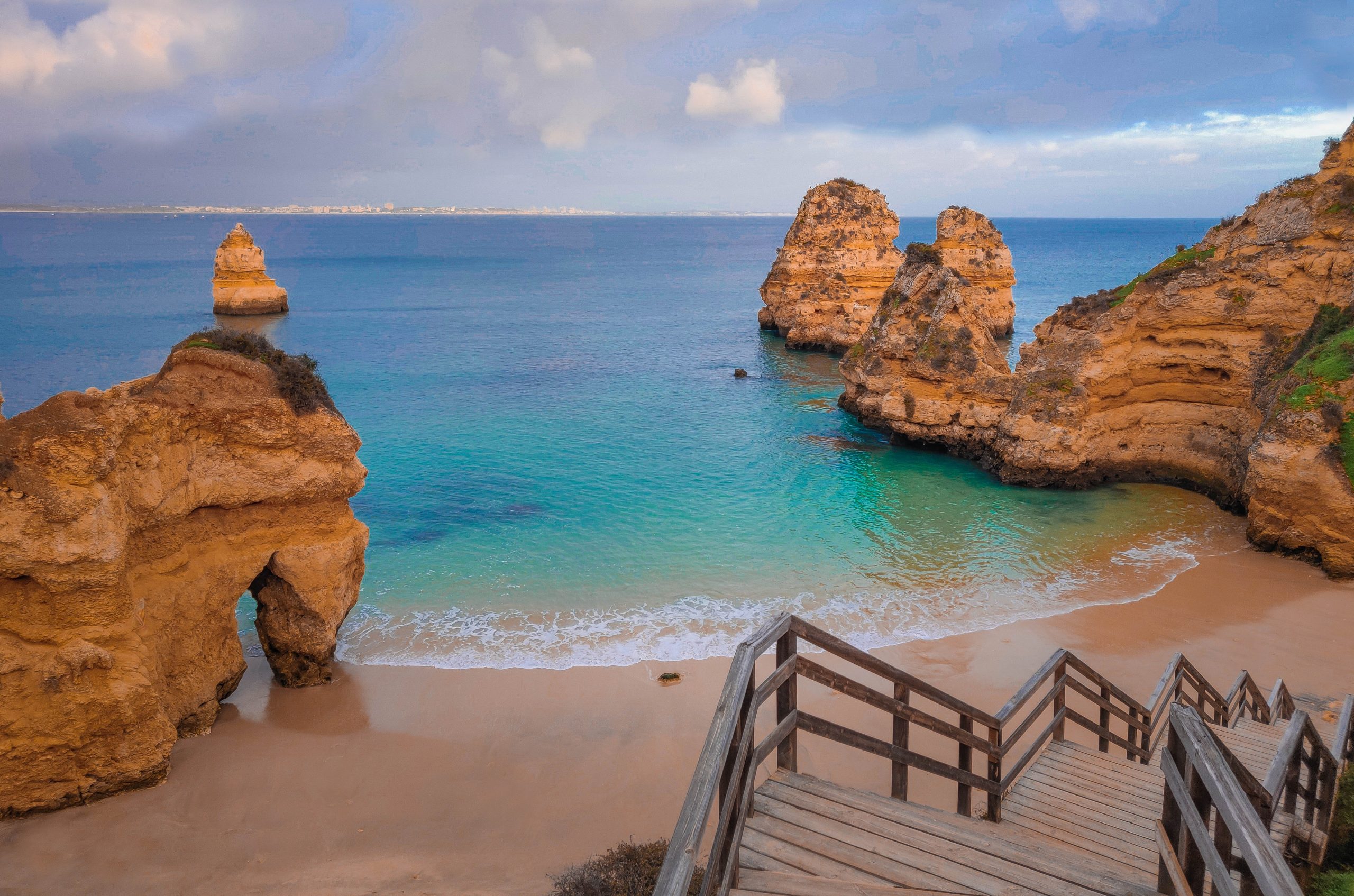
If you’re searching for someplace private on the Algarve’s gorgeous shore, head to Praia da Coelha. You simply need to go a little distance west of Albufeira. The car trip takes around 15 minutes. Then it’s down a winding trail past pockets of bush and stones before emerging onto a broad bay surrounded by high sandstone cliffs.

When compared to the beaches closer to the resort’s centre, Praia do Coelha rarely has the same crowds to cope with. But you get the same typical south-Portuguese experience, with golden sand, sparkling green-blue ocean, and a delightful tiny tavern serving regional seafood only metres from the surf.


  • Alte

Bathe in pristine springs in a rural hill village.

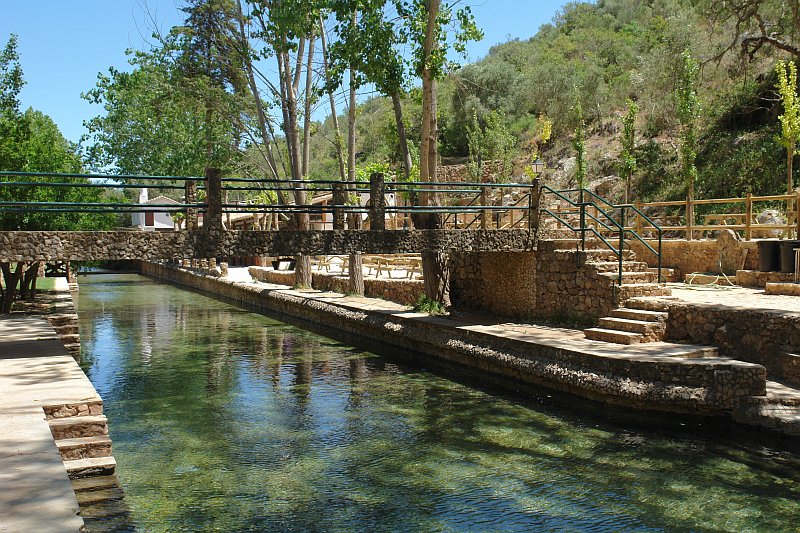
Alte, a little village hidden between olive groves and low hills, is about 16 miles north of Albufeira. It’s famous for its springs. With so many beautiful beaches to choose from, it’s easy to overlook the natural landscapes that dot the Algarve’s interior. The rushing Queda do Vigari waterfall and the wooded slopes of the Serra do Caldeirao ranges entice you to explore the Alte River’s natural swimming holes and walking pathways. The centre, with its cobblestone alleys dotted with typical Portuguese bars and whitewashed homes, is also worth a visit.


  • Castle of Silves

skyline, town, city, cityscape, panorama, downtown, vacation, village, suburb, castle, tourism, old town, fortress, portugal, historically, neighbourhood, residential area, geographical feature, human settlement

Uncover Moorish and Roman history in an amazing ancient fortress. The Castle of Silves towers over the town of the same name, some 30 minutes northwest of Albufeira. It has adorned the Algarve’s slopes since the time of Moorish dominance in the region started in the 8th century. It is regarded as one of the most well-preserved Arab fortresses in the nation.


  • Aventura Theme Park
    Test your courage in the treetops.

Home

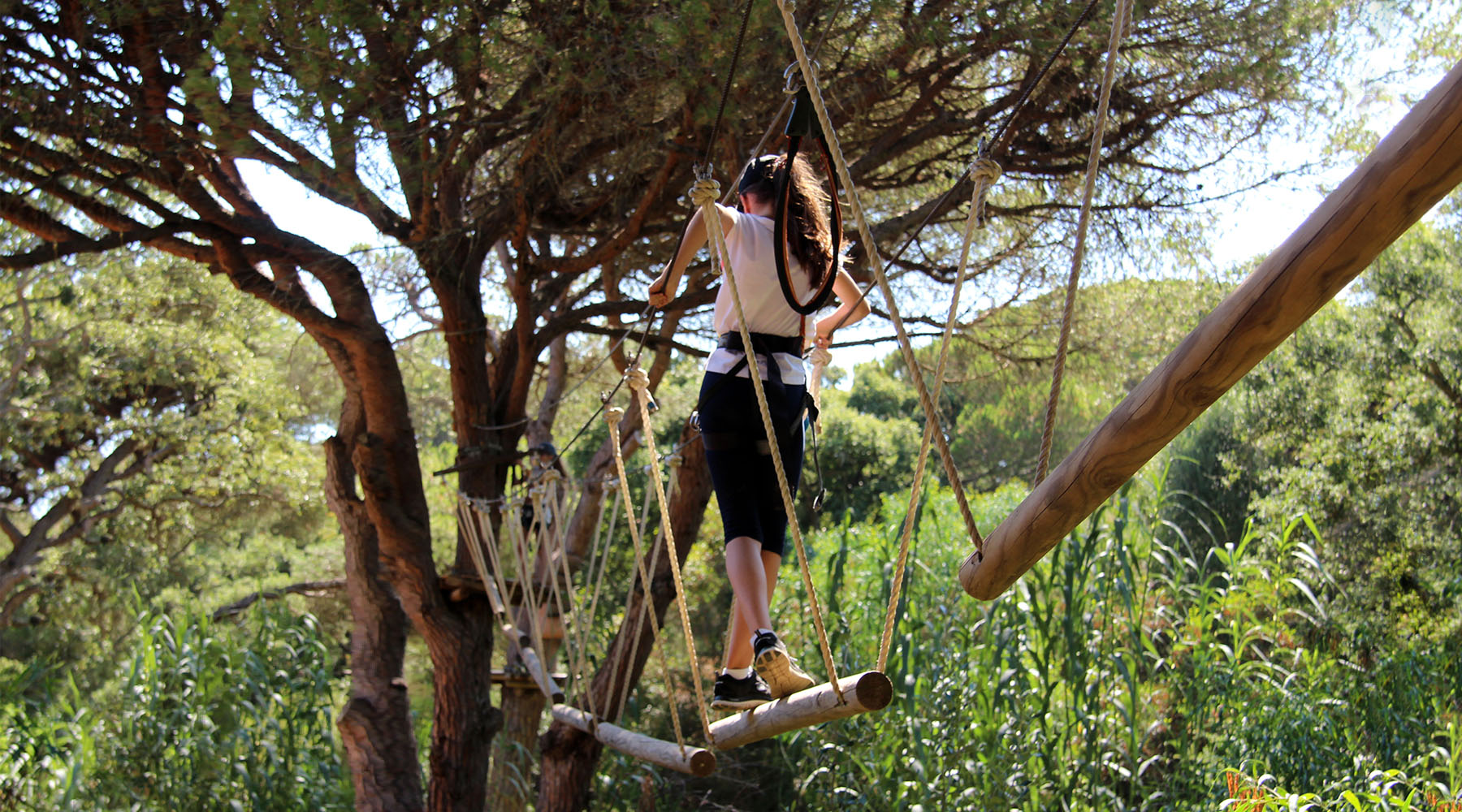
Parque Aventura is a daring expedition of the Algarve’s forest canopy that is not for the faint of heart. This adventure park is located about 10 minutes by car east of Albufeira.

The unnervingly called High Ropes Course is the show’s star. It will transport you to the very summits of the pine trees, where you may walk across swinging wire bridges, zip down zip lines, and overcome your vertigo.

Albufeira

Before making any vacation plans, please check the constantly changing local limitations and safety rules. It should be noted that not all sites and services are operating as usual, so check their respective websites for the most recent details.

Elvas, a very well-preserved old frontier town, is located in the parched plains that constitute the boundary between Portugal and Spain. Elvas was original of immense strategic importance, being only 12 kilometres (7 miles) from the Spanish border and only over the river Guadiana from Badajoz. As a result, the town’s defences expanded in size and effectiveness. Elvas has been designated a UNESCO World Heritage Site because of its famous star-shaped defensive walls and a series of equally significant outlying forts.

Elvas’ military role has decreased over time, and until very recently, this secluded town in the interior of Portugal was mostly unknown to tourists. However, as a result of its inclusion on the UNESCO list and picture-postcard appeal, it is attracting tourists from all over the world.

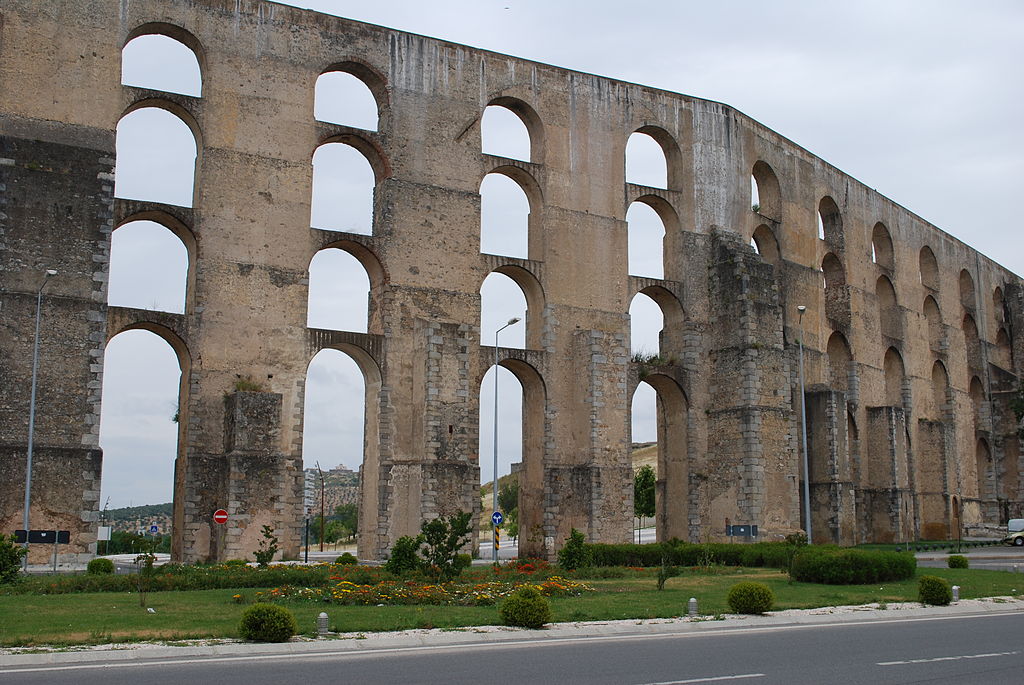
Along with Elvas’ walls, is another attraction, the Amoreira Aqueduct a 16th-century aqueduct that spans the Portuguese municipality of Elvas Located at the town’s entrance, this massive structure spans over 7 kilometres (4.5 miles), with portions soaring 30 metres (100ft) above the ground and having five-tiered stone arches. The aqueduct was constructed to transport water from the spring at Amoeira to the town, a distance of around 8 kilometres (5 miles). This was necessary since the town relied on a single well, the Poço de Alcalá. The aqueduct took over 100 years to build, and understandably, the enormous project encountered a slew of technical difficulties. However, the remarkable building with its 843 arches was eventually built and effectively supplied water to the town’s subterranean cistern. Over time, the system was improved and defences were constructed to make the town even more siege-proof. Although Elvas’ water is no longer supplied by the aqueduct, the system continues to provide the fountain in the Largo da Misericórdia.

Fort of Nossa Senhora da Graça

File:Portugal-Elvas-Forte de Nossa Senhora da GraçaP1170654 (25772772652).jpg - Wikimedia Commons

File:Forte de Nossa Senhora da Graça b.jpg - Wikimedia Commons

File:Forte de Nossa Senhora da Graça dd.jpg - Wikimedia Commons


Around 3 kilometres north of Elvas’ historic centre lies one of the forts that served as the stronghold’s line of defence, the Fort of Nossa Senhora da Graça.

This fort was constructed in response to the necessity to hold one of the region’s most strategic places, the Monte da Graça (Graça Hill), which had been invaded and conquered multiple times by the Spanish troops. As a result, its construction was unavoidable and happened in the 18th century, bolstering the Portuguese presence along the Spanish border.

Regrettably, the fort lost its usefulness over time and became a political prison, until being fully abandoned a few years later. In 2014, this monument underwent consolidation and repair, transforming it into what it is now — one of the region’s primary tourist attractions.

You can travel all the way to Elvas’ beautiful historic centre, which is surrounded by majestic ramparts. You may begin your visit here by parking your automobile at the castle of Elvas.

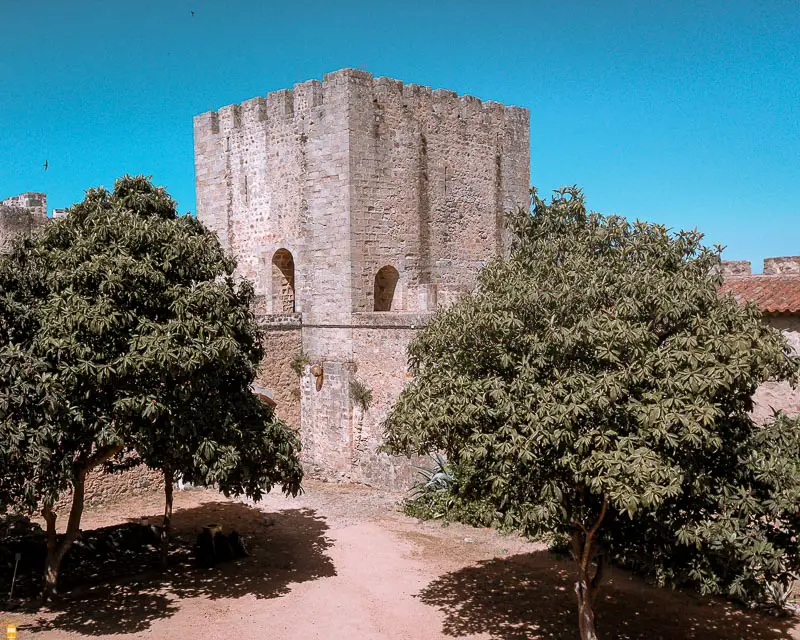
This castle of Moorish beginnings was restored in the 13th and 14th centuries but did not reach its ultimate form until the 16th century. The castle was the first structure to be designated a Portuguese national monument, and it is now included in the fortifications and other buildings that have been inscribed as World Heritage by UNESCO since 2012.

Following your visit to the castle, keep in mind that you may travel in any direction and find more areas of interest across the city. Indeed, the magnificent castle serves as an excellent starting place for a stroll through the traditional streets of Elvas’ historic centre.

You can drive to the Praça da Repblica plaza, where an underground parking garage is located.

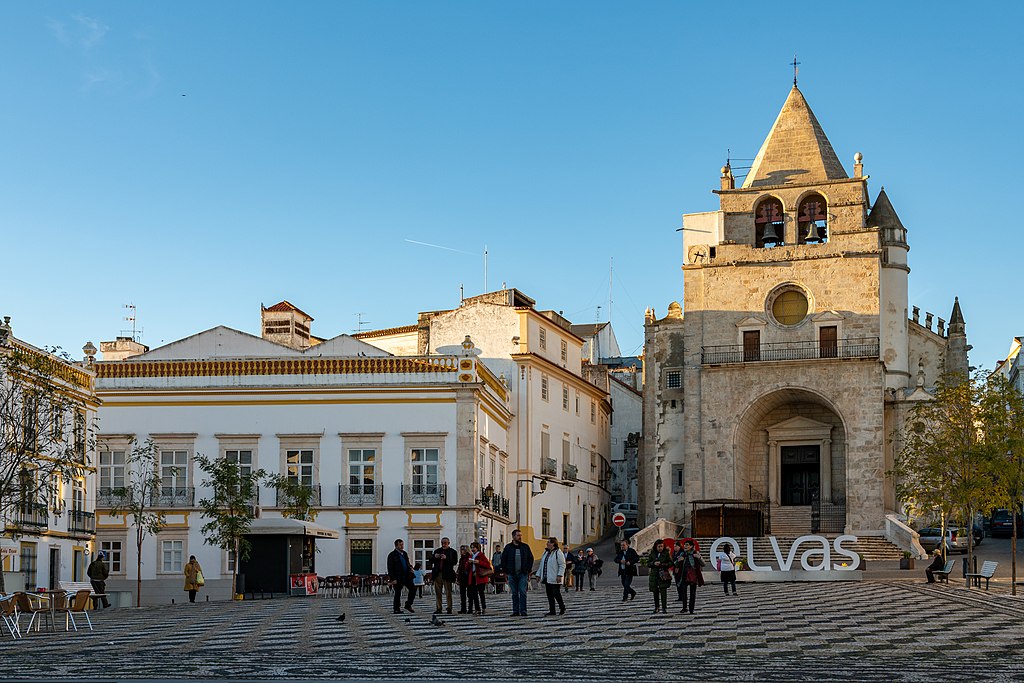
This lively area is located in the heart of the historic district, near the famous (church) Igreja de Nossa Senhora da Assunção, once the Cathedral of Elvas.

Built-in the 16th century, this church is a must-see for its beautiful construction that combines Manueline and Baroque styles.

The church has seen several renovations throughout the ages, but I must highlight its wonderful neoclassical doorway, glazed tiles, and superb 18th-century organ.

After admiring the square and church, tour the surrounding region and find more areas of interest such as the Cemitério dos Ingleses (English Graveyard), the Igreja de São Domingos (church), the Photography City Museum, and the lovely Elvas Contemporary Arts Museum.

Things to do and see

  • Forte de Nossa Senhora da Graça.

A pentagonal fort with views & a museum

  • Castelo De Elvas
Medieval castle with panoramic views
  • Amoreira Aqueduct

Architecture and history

  • Fuerte de Santa Luzia

Architecture and history

  • Our Lady of the Assumption

Church, cathedral and architecture

  • Museu de Arte Contemporânea de Elvas

Art museum, museum and art

  • Ponte da Ajuda

The Bridge of Ajuda is a bridge that crosses the Guadiana River between Elvas and Olivenza.

  • Military Museum of Elvas
  • Albufeira da Barragem do Caia

The Caia Dam was built to supply the population of the municipalities of Elvas and Campo Maior, and from 2007 onwards, it also began to supply the population of the municipalities of Arronches and Monforte.

  • Church of São Domingos

  • Museu Municipal de Fotografia João Carpinteiro

Tourist attraction in Elvas

  • Republic Square

Historical landmark in Elvas

  • Santuário do Senhor Jesus da Piedade

Catholic church in Elvas

  • Parque Aquático Elxadai

Park and garden

  • Parque da Piedade

Park and garden

  • Igreja das Domínicas

Catholic church in Elvas

  • Pelourinho de Elvas

Historical landmark in Elvas

  • Museu de Arqueologia e Etnografia

Archaeological museum in Elvas

  • Portas de São Vicente

Historical landmark

  • Monumento aos Bombeiros

Historical landmark in Elvas

  • Elvas City Wall

Fortress in Elvas

  • Arco de Santa Clara

Historical landmark in Elvas

  • Church of the Third Order of St. Francis

Catholic church in Elvas

  • Casa da Cultura de Elvas

Museum in Elvas

  • Jardim Municipal de Elvas

Garden and park in Elvas

  • Portas de Olivença

Museum in Elvas

  • Capela Nossa Senhora da Conceição

Chapel in Elvas


Watch this short video about the town of Elvas

Elvas, Portugal

Before making any vacation plans, please check the constantly changing local limitations and safety rules. It should be noted that not all sites and services are operating as usual, so check their respective websites for the most recent details.

  • You should scan or photograph all of your most crucial documents.

Take a picture of or scan all of your crucial papers and store them on your phone. Any booking confirmations you have can be done the same way. You’ll be glad to have a backup plan if something goes wrong.

  • Put your shoes in shower caps.

It can be difficult to pack shoes. Even if you wash them well, it still seems a little icky to place them in the same pile as your other clothing. Put a shower cap on the bottoms of your shoes to avoid the “yuck” issue. You may rest assured that your freshly laundered garments will remain so.

  • A basic first aid pack should be put together.

Bring any medications you may need, as well as some essentials, with you. Having pain relievers, cough drops, stomach pills, and motion sickness medicines on hand is a smart idea. Plasters are a must-have for any vacation. Totally life-changing. Remember to pack your preferred method of contraception as well.

  • Use binder clips to hold your headphones in place as you listen to music. As soon as you put headphones in your pocket, they turn into a tangle of cables. Use binder clips to keep your headphones from falling out of your ears. You won’t have to worry about tangles, and you’ll have saved yourself a lot of time.
  • Use Cotton wool to keep cosmetics safe.

Open your makeup bag only to find your blush broken into a thousand pieces and everything now pink and dusty. This happens much too often. Save yourself time and money by swabbing a cotton swab into your compact cosmetics instead.

Allianz - How to Pack a Suitcase

  • Packing tips for a universal charging station are crucial.
    This is ideal for those who travel with a lot of gear (which is pretty much all of us) or for large groups. Since overcharging is no longer an issue, you may keep all of your electronic devices charged at all times.
  • Don’t forget to bring a credit card without foreign transaction fees.
    If you use a debit or credit card at home, you usually don’t have to worry about this because most cards don’t impose a transaction fee. Check before you travel to see which card will save you the most money when you’re overseas.
  • Carry plastic and zippered pouches with you
    This isn’t something you’d think you’d need, but you’d be surprised how useful and adaptable they can be. While at the beach, you can keep your dirty clothes, damp swimsuits and towels, and any devices safe from the sand.
  • Keep some room for Holiday mementoes.
    The desire to pack as much as possible in your suitcase is quite normal. However, you’ll undoubtedly want to stock up on a slew of wacky mementoes (maybe a bottle of that delicious Italian wine or some local delicacy). Your bag is suddenly overflowing, and you’re unable to close it. If you want to avoid this, you should start thinking about your vacation purchases as soon as you pack your bags.

3 Hacks That Will Help You Fit More Into Your Suitcase

  • Packing tip: Roll your clothes up tightly.
    You can roll your garments instead of folding them in order to avoid creasing, which is preferred by many individuals.
  • Keep your valuables in your carry-on luggage, rather than putting them in your checked luggage. 
    Hand baggage is the best place to store valuables like jewellery, electronics, and vital documents. It’s better to be on the safe side than on the wrong one.
  • Make sure you have adapters with you.
    If you’re planning a trip to another country, be prepared for the possibility that the power outlets there will be of a completely different design. Grab a universal adaptor from the store before you go.
  • Bubble wrap any goods that are very delicate.
    Use bubble wrap to protect your priceless mementoes during transit. Before you depart, you can place some in a bag and take it with you.
  • Buy travel towels instead of bringing your own towels.
    Towels are a given whether you’re staying in a hotel or an Airbnb. Buy a travel towel if you prefer to bring your own or if you want to go backpacking. Despite their size, they’re extremely absorbent, and they take up very little room.
  • Purchase travel-sized versions of your usual toiletries.
    Don’t bring your usual toothpaste, consider a travel-sized one. For most personal care products, this is an excellent method to reduce space.
  • Prevent spills using plastic wrap under the bottle cap.
    We’ve all experienced the horror of opening our baggage and frantically checking to see whether something spilt and ruined our entire wardrobe. If something can be spilt, it almost always is (thanks to Murphy!). To avoid any shampoo-related mishaps, insert a little piece of plastic wrap under the bottle’s cap.
  • Stuffing your shoes is a great way to save space in your suitcase.
    A lot of space is taken up by packing shoes, which can be used for other things. If you’re travelling with only one carry-on bag, this could be a problem. Stuff your shoes with the socks you plan to bring on your trip to make the most of your luggage space. No more squandered opportunity.
  • Don’t only use the “fragile” label.
    To ensure that your suitcase is handled with additional care, simply label it as delicate. There isn’t much of a difference in the end, after all. If you don’t have the option of packing fragile items in your carry-on, use a lot of bubble wrap.
  • The use of beeswax as a waterproofing agent
    Your shoes, jacket, or backpack can be protected from the elements using this environmentally responsible method. It’s as simple as rubbing the beeswax on them.
  • Free digital tour guides are available for download.
    You may download a variety of free walking tour apps to your smartphone and utilise them while you’re away. Now you have the freedom to travel at your own speed while also saving money for future adventures.

Offline access to Google Maps is now possible with the download of the app.
When you’re on the road, this is a terrific way to conserve data. Save a copy of the city’s map to your phone so you can easily access it whenever you need it. In addition, you may mark all the destinations you want to see, making it easier to select where to go next.

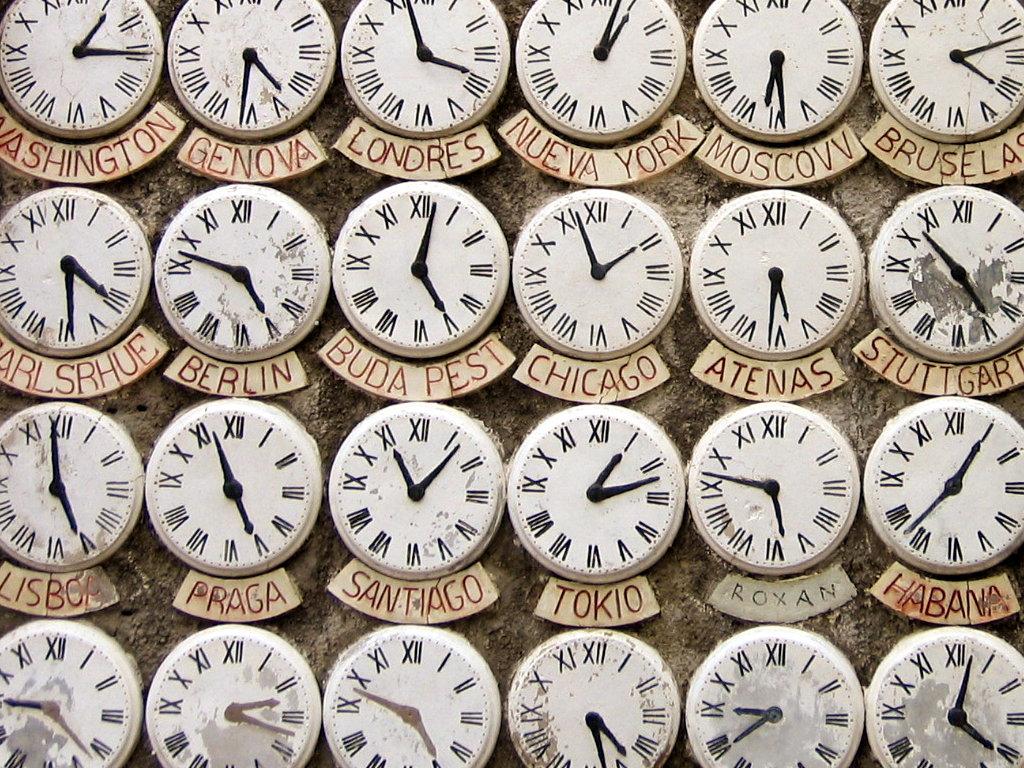
Jet lag happens when you travel suddenly across time zones and your body’s normal rhythm is disrupted. It normally just lasts a few days.

Your body will gradually adjust to its new time zone, but there are several things you can do to go on a new schedule faster and lessen jet lag symptoms.

sunset, night, airport, airplane, aircraft, dusk, evening, vehicle, airline, aviation, flight, aeroplane, boarding, airliner, screenshot, passenger boarding bridge, atmosphere of earth, jet bridge

Remember that your body will ultimately adjust to the new time zone, but if you’re on a short trip or need to remain highly functional immediately after your flight, these techniques may come in handy.

  • Adapt to your new time zone as soon as possible.
    When you get to your destination, try as hard as you can to forget about your previous time zone. Your technology will most likely automatically update clocks, but if you have a manually set watch or travel clock, adjust it to the new time as soon as you leave. Eat and sleep according to the times of your new destination.
  • Control your sleeping habits.
    Make sure you sleep when it is most convenient for your new schedule. Because your aircraft may be in the air during the night at your destination, try to get some shut-eye while in the air. Some items that will help you sleep include:
  • Headphones with noise-cancelling capabilities
  • eye masks
  • earplugs
  • travel blankets and pillows that are comfortable

You should also resist the impulse to slumber when you arrive, especially if it’s during the day. Later on, this can make it difficult to sleep.

  • Drink plenty of water.
    Long-distance travel can dehydrate you, and you may even cut your water consumption to minimise toilet breaks. Consider your options again. Proper hydration may aid in the management of jet lag symptoms and travel tiredness.

Carry an empty water bottle through security and refill it once inside the terminal. Water can also be purchased in the airport or requested in-flight. Upon your arrival, continue to drink plenty of water.

  • Consider using light.
    Jet lag disrupts your internal clock because your exposure to light changes when you travel and switch time zones.

Going outside in the sun can help you wake up your body and minimise the release of melatonin hormones, which cause you to sleep.

If you need to wake up and function earlier when travelling east, exposing yourself to morning light will help. Having more light at night can be beneficial if you need to stay up later in your new time zone when travelling west.

You can also expose yourself to light by using a dedicated bulb. Lights that can aid with jet lag can take the form of a lamp, a lightbox, or even headgear.

  • Engage in physical activity
    While avoiding sitting on a flight can be challenging, a little exercise can help you sleep better. Whenever possible, attempt to stretch your legs. Only stand when it is safe to do so.

If you’re changing flights, instead of sitting at your departure gate, take a trip around the airport or stand.

  • Consume a caffeinated beverage.
    Caffeine will not cure jet lag, but it may be a useful aid for staying alert and focused during the day. According to one study Trusted Source, 300 milligrammes (mg) of slow-release caffeine increased alertness in individuals travelling eastbound.

Jet Lag in Venice | Louis Vest | Flickr

Caffeine can be found in coffee, tea, soda, energy drinks, and even chocolate.

Caffeine should be limited or avoided in the afternoon and evening. You don’t want to have trouble sleeping as a result of a caffeine overdose plus jet lag.

  • Maintain a comfy sleeping environment.
    Make sure your sleeping accommodations are comfortable and conducive to adequate sleep when travelling. Here are a few pointers:
  • Check your room’s thermostat to ensure that it can be set to a pleasant, chilly setting overnight.
  • Make sure no phones or clocks in the room ring or beep as you sleep. If necessary, you can ask the hotel receptionist to transfer any calls to phone service.
  • Bring home comforts to help you sleep better. If you sleep with a white noise machine or a fan, look for something portable that you can take with you.
  • Bring any extra lightweight comforts you might need to fall asleep, such as a family photo, a favourite throw blanket, or a familiar fragrance lotion.

Treatments
Because jet lag isn’t permanent, there aren’t any long-term therapies. If you travel frequently and are aware that jet lag can be a problem, you can seek advice from your doctor.

They may give you sleeping medication or advise you on how to use supplements like melatonin most efficiently.

If your jet lag symptoms don’t go away after a week or two, they could be an indication of something else, so consult your doctor if this happens.

How long does it usually take to recover?
If you’ve travelled across multiple time zones, you’re more likely to encounter severe jet lag symptoms. The general guideline is that it will take a day to adjust for each time zone you pass. As a result, if you travel across five time zones, you will most likely suffer jet lag symptoms for five days.

Can you stop it?
Travelling has several drawbacks, such as jet lag. If you have time to adjust to your new schedule before leaving, consider getting up earlier or staying up later a few days before your trip, closer to the time you’ll be on following your trip.

You should also allow enough time throughout your journey to acclimate to the new time zone so that you can have some days where you feel on time and refreshed.

Portugal is home to a plethora of magnificent monasteries, some of which are believed to be as old as the country itself.

Alcobaça Monastery

Alcobaça Monastery

This Roman Catholic monastery is located in the central Portuguese town of the same name, approximately (120km) north of Lisbon. It is regarded as one of the most important medieval monastery complexes in Portugal, having been commissioned by King Afonso Henriques in 1153. The church and monastery, both of which are great examples of Gothic architecture, were 1989 inscribed on the UNESCO World Heritage List. From its inception until the 18th century, the complex underwent several alterations. The church’s transept contains royal tombs that are well worth viewing. Visit the monastery’s Chapter House, which is adorned with magnificent Baroque statuary, as well as the kitchen, which features a massive central chimney. The Cloister of Silence, with its ornate columns, is also quite lovely.

Batalha Monastery

Batalha Monastery

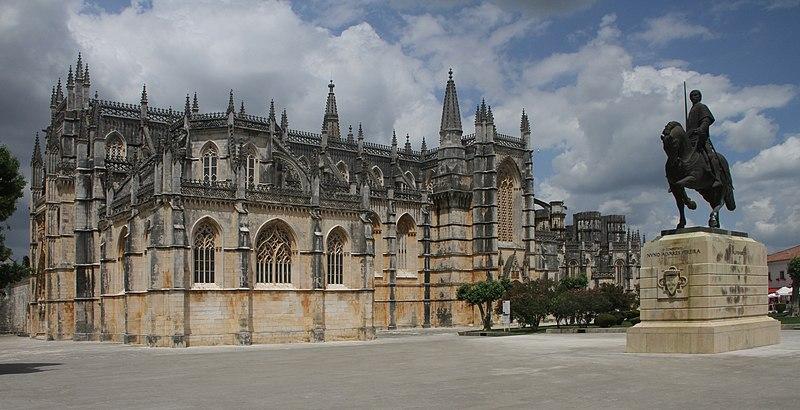
This is another 1983 UNESCO World Heritage Site. Officially known as the ‘Monastery of Saint Mary of the Victory,’ this complex of monasteries is one of the best-preserved in Portugal. It was constructed in the 14th century to commemorate the Battle of Aljubarrota; nonetheless, it became the burial church for the Portuguese monarchy in the 15th century. From adorned columns and vaulted ceilings to cloister windows and flying buttresses, this complex possesses all of the design aspects necessary to make it not just distinctive but also study-worthy. Within the ancient Manueline cloister, there is a lovely fountain that immediately draws the eye. Additionally, there is a particular area dedicated to the Tomb of the Unknown Soldier from World War I.

Monastery of Dumio

Roman ruins

The Monastery of Dumio (sometimes spelt Dumium or in Portuguese, São Martinho de Dume) is a former paleo-Christian monastery located in the civil parish of Dume in the municipality of Braga, northwest Portugal. Originally a Roman villa, it served as the foundation for a Suebi tribal basilica and then a Christian monastery led by Martin of Braga in the sixth century (about 550–560). The late-twentieth-century rediscovery of the Roman ruins resulted in archaeological excavations that revealed the site’s former function.

Jerónimos Monastery

View from Padrão dos Descobrimentos – Mosteiro dos Jerónimos

Also known as Hieronymites Monastery This is a UNESCO World Heritage Site, having been inscribed in 1983. This building, located in western Lisbon’s parish of Belém, was commissioned in the early 16th century by King Manuel I on the site of the old church of Santa Maria de Belém. This monastic complex is approximately 55 square metres (592 square feet) in size and has two levels. The bottom storey was created by prominent Manueline architect Diogo de Boitaca and contains large arcades ornamented with exquisitely detailed Gothic and Renaissance-style colonnettes. In one of these arcades is the sober tomb of the poet Fernando Pessoa, while several other tombs in the chapterhouse contain the remains of the poet and playwright Almeida Garrett (1799–1854), the writer-historian Alexandre Herculano (1810–1877), former presidents Teófilo Braga (1843–1924) and Óscar Carmona (1869–1951). Within the church, in the lower choir, are the stone tombs of Vasco da Gama (1468–1523), and of the great poet and chronicler of the Age of Discoveries, Luís de Camões (1527–1580). Both tombs were sculpted by the 19th-century sculptor Costa Mota in a harmonious neo-Manueline style. The mortal remains of both were transferred to these tombs in 1880.

Monastery of the Mónicas

A view of the former Monastery and prison establishment of Lisbon.

The Monastery of the Mónicas (Portuguese: Mosteiro das Mónicas), located in São Vicente, Lisbon, was a Portuguese nunnery dedicated to the mother of Augustine of Hippo, Saint Monica. It later became a prison.

In 1585, a monastery was established dedicated to the religious Order of Saint Augustine, through the initiative of Maria de Abranches, on lands and buildings of her father, Álvaro de Abranches, Captain-major of Azamor. The first stone was laid on 1 January 1586 and the first nuns began arriving on 11 October of the same year. The Cenobitic monastery included 100 devotees, with the three principal founders coming from a building in Évora, dedicated to Menino Jesus (the infant Jesus). The convent chapel was consecrated in 1586.

Monastery of Rates

Main façade of the old church of the Monastery of Rates.

The Rates Monastery (Portuguese: Mosteiro de Rates) was a Benedictine monastery in Portugal, located in the parish of Rates in the municipality of Póvoa de Varzim. The monastery’s bell tower and, most significantly, the Parish Church of St Peter of Rates (Igreja Paroquial de São Pedro de Rates), also known as the Romanesque Church of Rates (Portuguese: Igreja Românica de Rates), have remained standing since 1910 as a national monument. The church was restored between the 11th and 12th centuries, transforming it into one of the earliest extant Romanesque churches in Portugal.

The middle ages of the monastery of Rates were one of the most significant in Portuguese Romanesque art; the relationships it established with the ruling powers, the significance of its architecture and sculptures with diverse influences make this temple a case study that is reflected in the production of the nascent kingdom of Portugal’s Romanesque art. The temple’s origins, as they pertain to the church, are dated to the Suebi-Visigothic period, although it incorporates older Roman-era components. Additionally, it is associated with the Asturian-Leonese period, prior to the Romanesque rebuilding.

Monastery of São Martinho de Tibães

View of the Monastery of Tibães showing the church façade.

The Monastery of St Martin of Tibães (Portuguese: Mosteiro de São Martinho de Tibães) is a monastery in the parish of Mire de Tibães near Braga in northern Portugal. It was the motherhouse of the Benedictine order in Portugal and Brazil, and it is known for its church’s exuberant Rococo interior.

The oldest mention of a monastic community in the region originates from the sixth century when Saint Martin of Braga founded the Monastery of Dumio near Tibães.

The Tibães  Monastery was built around 1060, and Henry of Burgundy, Count of Portugal, awarded it feudal rights in 1110. During the Middle Ages, once the Kingdom of Portugal gained independence, the Monastery acquired rich and vast lands in the country’s north. However, due to intensive repair work in the 17th and 18th centuries, no architectural traces from this early period remain.

The monastery became the motherhouse of the Order of Saint Benedict for Portugal and the colony of Brazil in 1567, with the Order’s first general gathering in Tibães in 1570. With the old monastery in ruins and tremendous resources at their disposal, the monks began the major renovation that gave rise to the ensemble that exists today in the first part of the 17th century. The refectory and cemetery cloisters, as well as the church, were erected between 1628 and 1661 in Mannerist style by architects  Manuel Álvares and João Turriano. By the early 18th century, the monastery’s additional wings, which included the Gate House, Dormitory, Guest House, Chapter House, and Library, had been completed.


During the 17th and 18th centuries, the monastery was a hub of artistic activity, exerting a significant effect on Northern Portuguese and foreign colonies’ Baroque and Rococo art. André Soares designed the main altarpiece, the woodwork of the triumphal arch of the main chapel, as well as the pulpits and lateral altarpieces, all of which are landmarks in Portuguese Rococo art, between 1757 and 1760. José de Santo António Vilaça carved the gilded woodwork. Cipriano da Cruz, another well-known sculptor, is responsible for several of the statues throughout the church.

The Tibes Monastery and its surrounding environs fell into deterioration and ruin after it was auctioned off in 1864. In 1894, a fire destroyed much of the complex, including the refectory cloister. The Monastery was declared state property in 1986, and an enormous restoration project began that is still ongoing today.

Monastery of Serra do Pilar

Serra do Pilar church, Porto, Portugal

The Monastery of Serra do Pilar is a former monastery located in Vila Nova de Gaia, Portugal, on the opposite side of the Douro River from Porto. The monastery is situated on an outcrop overlooking the Dom Luís I Bridge and the historic centre of Porto. Together with these locations, the monastery was designated a UNESCO World Heritage Site in 1996. The monastery is notable for its church and cloister, both of which are circular.

Monastery of Santa Maria de Maceira Dão

Mosteiro de Maceira Dão

The Monastery of Santa Maria de Maceira Dão is a monastery in the civil parish of Fornos de Maceira Dão, in the municipality of Mangualde in the Portuguese central subregion of Dão-Lafões, classifies as National Monuments (Portuguese: Monumento Nacional).

The monastery is located five kilometres from the centre of the municipal seat of Mangualde, accessed from the Estrada Nacional E.N.16 at the 105.6 kilometres marker, in the village of Vila Garcia, then by the municipal road 1441, along a dirt road towards the Moinhos do Dão. Santa Maria is located in an isolated, rural landscape, situated on a fertile valley of the Dão River. It is set between the Serra de Santo António dos Cabaços and the Serra de Fagilde, relatively close to the settlement of Vila Garcia.

The monastery was founded in 1173 in its actual location.

Latitude: 40° 36′ 57″ N
Longitude: 7° 49′ 38″ W
Lat/Long (dec): 40.61608,-7.82746

The property is currently privately owned and the monastery is virtually abandoned.

Monastery of Lorvão

File:Monstery of Lorvao.jpg

This 6th-century monastic complex, also known as the Abbey of Our Lady of Lorvão or simply Lorvão  Abbey, is located in the municipal parish of Lorvão in Portugal’s Coimbra District. According to historical texts, this complex developed at first because it was an important centre of trade between northern Christian inhabitants and southern Muslim authorities. Indeed, this monastery’s workshops were well-known in the 12th century for their magnificent illuminated manuscripts. However, this structure was unable to withstand the fall that most Portuguese monasteries experienced following the dissolution of religious organisations in the nineteenth century. Surprisingly, the building was converted into a psychiatric institution at the turn of the twentieth century. At the same time, it was designated as a national monument. The hospital closed in 2012, and the complex has since been home to a museum highlighting holy arts.

Monastery of Saint Peter of Cête

Mosteiro de Cete

This monastic structure from the tenth century is located in the civil parish of Cête in the municipality of Paredes in northern Portugal. Although the majority of the complex is constructed in late-Romanesque style, there are some attractive Gothic components, such as the church’s bell tower. The complex was originally commissioned by the Portuguese lord Gonçalo Oveques and later repaired during the 12th and 14th centuries under the patronage of the abbot D. Estêvo Anes. Following these repair attempts, several Manueline period components were added, which may be seen in the chapter hall and major cloister. The monastery’s interior features exquisite limestone reliefs of Saint Peter, Saint Lucia, and Our Lady of Grace, as well as a fresco of Saint Sebastian.

Before making any vacation plans, please check the constantly changing local limitations and safety rules. It should be noted that not all sites and services are operating as usual, so check their respective websites for the most recent details.

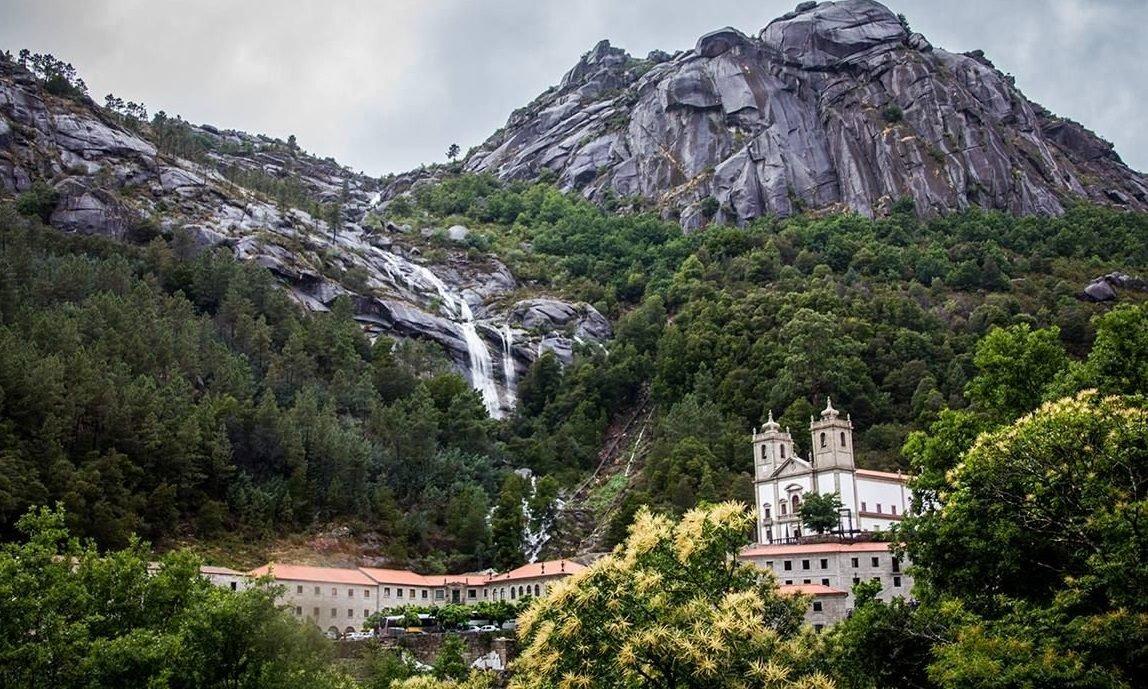
Sanctuary of Senhora da Peneda: Where Granite, Legend, and Pilgrimage Meet

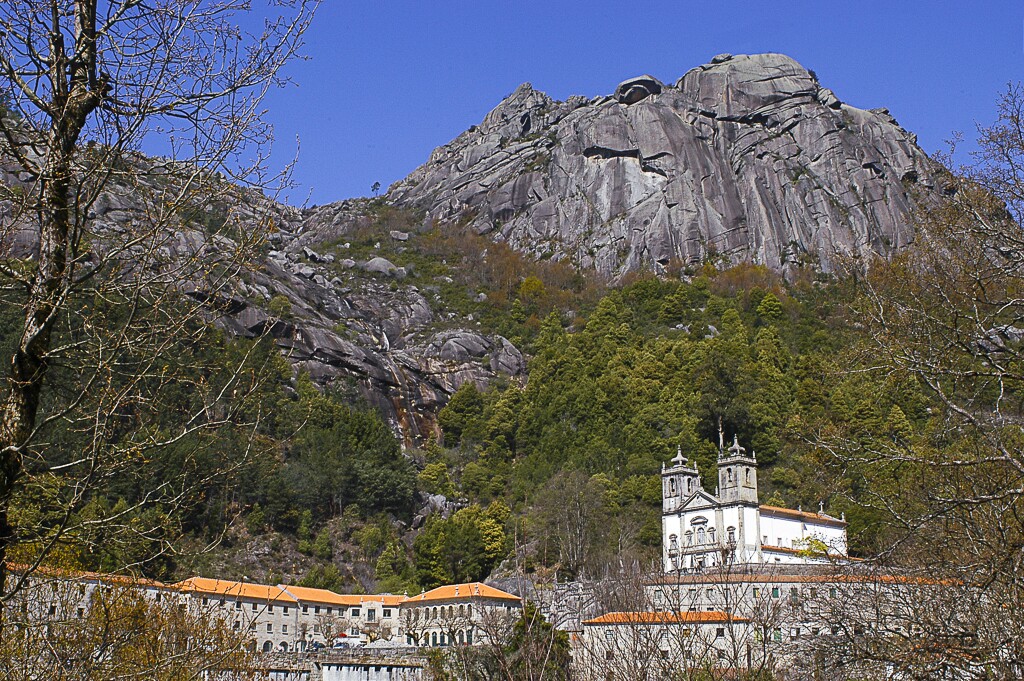
Tucked into the folds of northern Portugal’s Peneda-Gerês National Park, under the watchful gaze of a granite monolith known as Penedo da Meadinha, lies one of the country’s most atmospheric sanctuaries. The Santuário de Nossa Senhora da Peneda (Sanctuary of Our Lady of Peneda) isn’t just a place of worship—it’s a place of wonder, legend, and deep-rooted tradition.

A Sacred Site Born from a Shepherd Girl’s Vision

The origins of the sanctuary are tangled in myth and mystery. According to local lore, in the year 1220, a young shepherdess tending her flock witnessed a dove that transformed into a vision of the Virgin Mary. The Lady asked that a shrine be built on that very spot. When the girl ran to the village to share her experience, no one believed her. Days later, the vision returned—this time in the human form that devotees now revere.

The Lady then gave the girl a name: Domingas Gregório, a woman from the nearby village of Roussas who had long been incapacitated. The villagers brought her to the spot, and in the presence of the apparition, she was miraculously healed. That moment marked the beginning of the devotion to Our Lady of the Snows and the first small hermitage was built on the site of the apparition.

Architectural Grandeur in a Wild Landscape

Over the centuries, the humble shrine evolved. Between the late 1700s and mid-1800s, the sanctuary we see today took form—an impressive composition of granite structures that seem to rise organically from the rocky terrain.

At the heart of it all is the main church, whose construction began in 1838 and was completed in 1857. In front of it stretches the Escadório das Virtudes (Staircase of Virtues), built in 1854, symbolising faith, hope, charity, and glory in sculptural form. The setting is majestic: the sanctuary nestles into a concave granite bowl, protected by cliffs and wild forest, giving it an almost otherworldly isolation.

Visitors pass through the Angel Gabriel square and a grand arched porch adorned with a statue of Our Lady of the Incarnation—features that date to the 18th century. Twenty small chapels flank the climb to the main church, each one telling a part of the life of Mary. At the top, the Evangelists’ Quadrangle (built in 1860) completes the ensemble.

Santuário de Nossa Senhora da Peneda.03

The September Pilgrimage: A Tradition Like No Other

If you want to truly experience the spirit of this sanctuary, visit in early September. The annual pilgrimage, held on the 7th, draws thousands of devotees from across Portugal and Galicia. It’s not only a religious event but also a celebration of community, heritage, and landscape.

There’s a raw energy in the air. Pilgrims move in rhythms shaped by song, prayer, and the steady hum of folk instruments. Families camp in the surrounding hills, and traditional vendors line the roads. Despite the crowds, the granite cliffs and remote mountain setting preserve a sense of seclusion. It’s a unique combination—deep spiritual focus meets joyful festivity.

Why You Should Go

This isn’t just a stop on a religious circuit. Even if you’re not a pilgrim, Nossa Senhora da Peneda is worth the journey. The combination of remote beauty, local folklore, and monumental architecture makes it one of Portugal’s most evocative sites. The hike or drive through Peneda-Gerês to reach the sanctuary is an adventure in itself, winding through dense forest, waterfalls, and ancient shepherd paths.

You’ll find no souvenir shops cluttering the experience. No manicured perfection. What you’ll get instead is something far richer: a feeling that this place belongs more to myth than to modernity—and that you’ve stepped into a story that has been told and retold for over 800 years.


Getting There: The sanctuary is located near the village of Gavieira in the Arcos de Valdevez municipality. A car is the best option, though adventurous travellers can pair a visit with hiking routes through Peneda-Gerês National Park.

Best Time to Visit: Early September for the pilgrimage or late spring to autumn for cooler temperatures and fewer crowds.

Tip: Don’t rush. Stay overnight in one of the small casas de turismo rural nearby and let the stillness of the mountains do its work.


In short? The Sanctuary of Senhora da Peneda isn’t just a place you visit. It’s a place you feel—etched into the stone, whispered in the wind, and remembered long after you’ve left.

.

Peneda

Before making any vacation plans, please check the constantly changing local limitations and safety rules. It should be noted that not all sites and services are operating as usual, so check their respective websites for the most recent details.

File:Lamego - Castelo de Lamego.jpg

Lamego is a town and municipality in northern Portugal’s Viseu District, Douro Norte Region. It is situated on the banks of the Balsemão River. It dates back before the Roman colonisation of the Iberian Peninsula is recognised for its mediaeval town centre and has a long history as the capital of the former Trás-os-Montes e Alto Douro Province. According to legend, the first Portuguese Cortes were held in Lamego in 1143. The Lamego Roman Catholic Diocese is located in the city centre.

Lamego which is about 12 kilometres from the banks of the Douro River, saw a period of tremendous wealth in the eighteenth century when it produced the so-called “excellent wine” that gave rise to the world-famous Port wine. It is a very old town, having been elevated to the rank of the bishopric by the Visigoths in the seventh century under the name Lamecum.

Later, it would suffer the same fate as so many other towns and villages that became Portuguese: it was captured by the Moors, reconquered by the Christians, and then returned to Muslim hands until it was finally reconquered in 1057 by Ferdinand I, the Great, king of Castile and León and the great grandfather of D. Afonso Henriques, the first king of Portugal. The castle on the hill overlooking the city, the Cathedral, and the little church of Santa Maria de Almacave are all remnants of these mediaeval eras.

File:Lamego - Chafariz dos Remédios (1).jpg

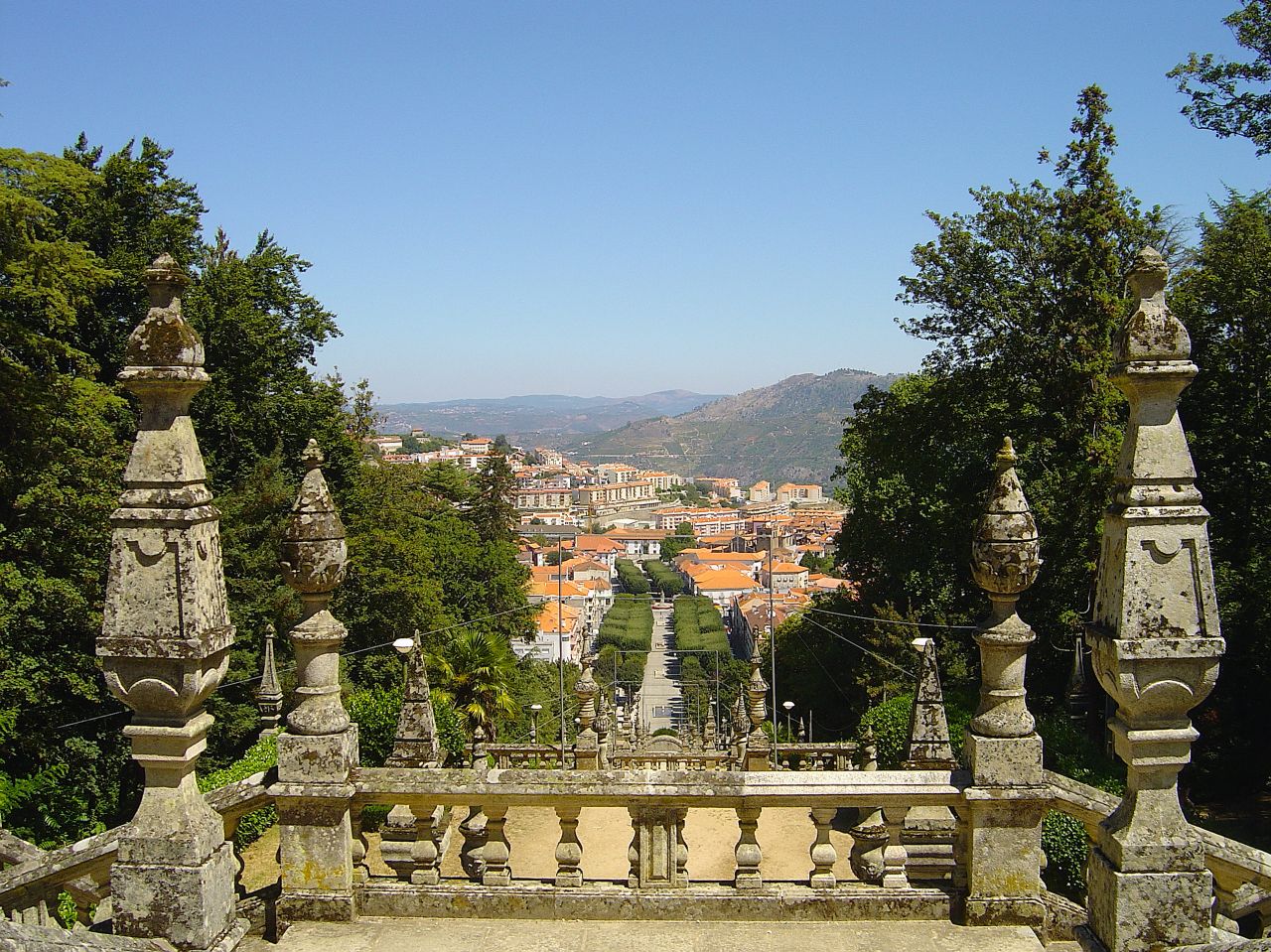
The Church’s great influence throughout many years, which was subsequently restricted by the dissolution of Religious Orders in 1834, has left Lamego with a large number of churches that reflect the classical influences common at the time of their construction in the sixteenth and seventeenth centuries. When you see one of them, make sure to go inside and enjoy the stories told on the azulejos covering the walls, the religious paintings, and the gorgeous carved and gilded wood decorations added during the baroque period. The Church of the Convent of Santa Cruz, which offers a lovely view of the city, and the sumptuous and monumental baroque shrine dedicated to the Virgin Mary, in the form of Nossa Senhora dos Remédios, who responds to the appeals of distressed worshippers by granting them a remedy for their afflictions from her lofty position some 600 metres above the town, are particularly impressive. Every year, the city pays much-deserved honour to Our Lady by dedicating a festival to her – the magnificent Romaria de Nossa Senhora dos Remédios.


File:Lamego - Chafariz dos Remédios (2).jpg

A stunning eighteenth-century palace, built in an attractive and sober baroque style, stands at the opposite end of the city, but in direct line with the staircase leading to the shrine of Nossa Senhora dos Remédios, and was originally the residence of the bishops of Lamego. The coat of arms of Bishop D. Manuel Vasconcelos Pereira, who was in charge of restoring and expanding the previous episcopal residence, is carved above the entrance door. This area was remodelled in 1940 to hold the Lamego Museum’s extremely rich collection, which is a must-see for all visitors.

Because Lamego is so near to the banks of the Douro River, there are numerous hikes and trips that offer breathtaking panoramic views of the immense valleys planted with the vines that make the famed Port wine.

Things to do and see in Lamego

  • Santuario Nossa Senhora dos Remedios
  • Catedral ( Cathedral ) de Lamego
  • Douro Breathtaking Landscapes
  • Capela de S.Pedro de Balsemão (Chapel)
  • The Castle of Lamego
  • Lamego Museum. Founded in 1917
  • Various wineries and vineyards
  • Fluvial river beach of the Varosa River

Lamego, Portugal

Before making any vacation plans, please check the constantly changing local limitations and safety rules. It should be noted that not all sites and services are operating as usual, so check their respective websites for the most recent details.

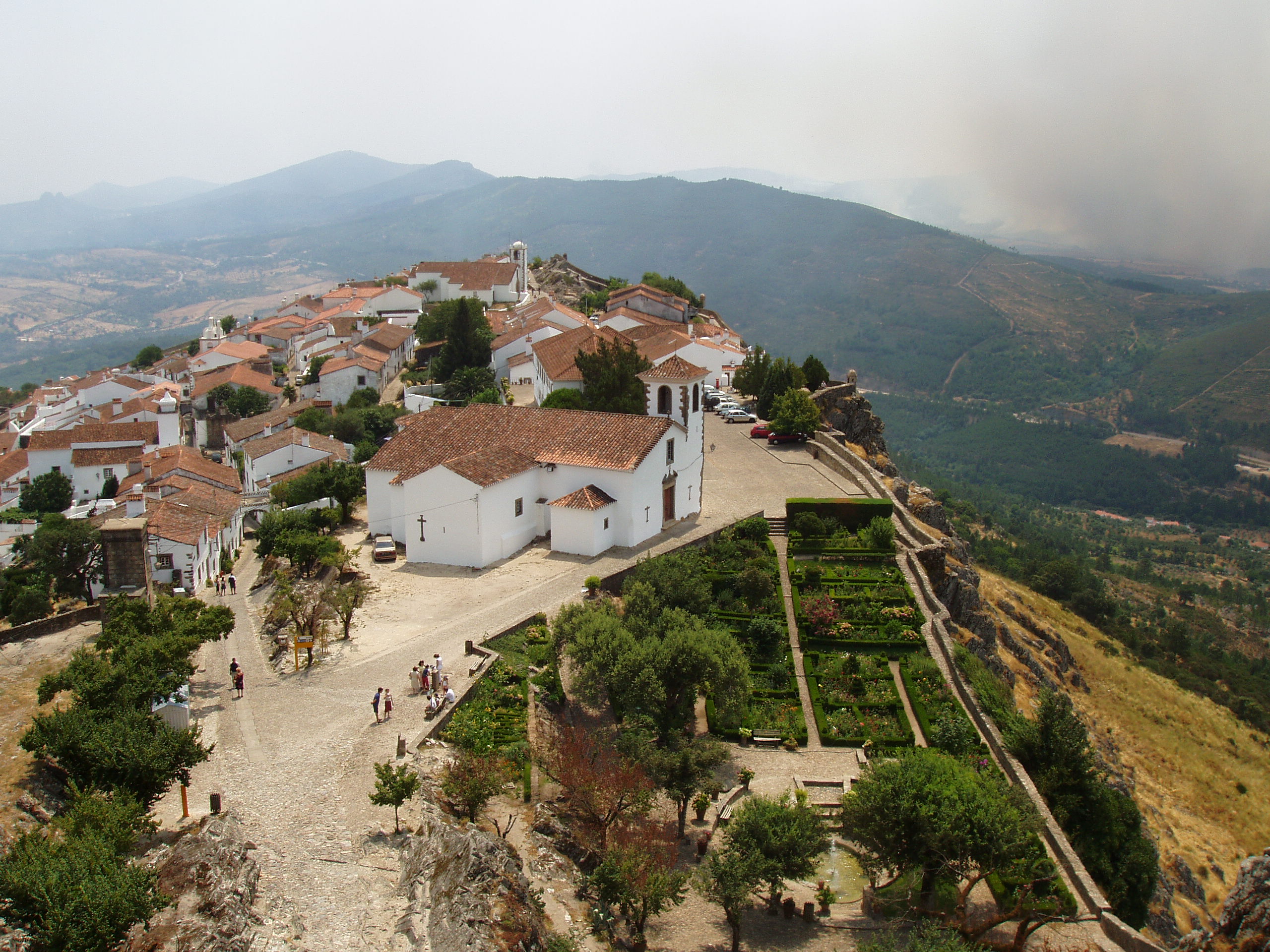
There’s a place in Portugal where time doesn’t just slow—it pauses. Perched high on a granite escarpment near the Spanish border, the medieval village of Marvão feels like it belongs to another world entirely. One road in. One gate through ancient walls. And suddenly, you’re walking through centuries.

Portugal Marvao Chateau Medieval - Free photo on Pixabay

A Walled Village Above the Clouds

Marvão isn’t just a hilltop village. It is the hilltop. Its stone walls follow the contours of the Serra de São Mamede like the spine of a sleeping dragon. From up here, you can see deep into Spain to the east and across the Alentejo plains to the west. The view is panoramic and oddly spiritual—like the land is revealing its history to you all at once.

This strategic spot was no accident. Built as a defensive fortress in the 9th century by Ibn Marwan, a rebellious Moorish noble, Marvão has been a refuge, a stronghold, and a symbol of independence for over a thousand years. Every cobbled street still whispers it.

What You’ll Find Inside the Walls

Step through the arched entrance and it’s like you’ve crossed a threshold in time. There’s no rush here. Whitewashed houses with red-tiled roofs press close to one another like they’re bracing against the wind. Wooden shutters creak. Bougainvillea climbs. Everything is tidy, worn, and quiet.

  • The Castle: At the village’s highest point, the 13th-century castle is the crown jewel. Its thick battlements and cistern (still full of water) tell stories of siege and survival. Climb the ramparts—no railings, no warnings—and you’ll be rewarded with some of the most dramatic views in all of Portugal. The kind that make you exhale differently.

  • Igreja de Santa Maria: This simple church now houses the town’s small museum, with local archaeological finds and a model of Marvão through the ages. It’s understated, but intimate.

  • Walking the Walls: One of the best things you can do is simply walk. The wall path runs nearly unbroken around the village and offers lookout after lookout. At sunset, when the light turns gold and long, it’s breathtaking.

Local Life, Slow and Grounded

With a population of fewer than 100 permanent residents, Marvão doesn’t pretend to be anything it’s not. There are no chains. No crowds. Just a handful of family-run guesthouses, cafés with ginginha (cherry liqueur), and restaurants serving Alentejo’s rustic cuisine—think migas, black pork, and local cheese with honey.

In October, the chestnut festival Festa da Castanha draws visitors with roasted chestnuts, music, and wine. But most of the year, Marvão is yours to quietly absorb.

undefined


How to Get There

Marvão isn’t the kind of place you stumble across. It’s out of the way, and that’s part of the appeal. You’ll likely need a car. From Lisbon, it’s a 3-hour drive east. The nearest train station, Beirã-Marvão, is charming but limited in service. Don’t expect a quick detour. Come with intention.

Why It Stays With You

Marvão doesn’t shout. It doesn’t try to impress. It just is. Stark, still, and strangely moving. For a moment—or a weekend—you can forget the emails, the pings, the noise. You can look out from those castle walls and feel like the only person in the world.

It’s not just about what you see in Marvão. It’s about what you don’t hear.
And sometimes, that silence says more than any city ever could.


Planning tip: Stay overnight. Most day-trippers leave by late afternoon, and the village transforms. Fog rolls in. The lamps glow. And in that stillness, you’ll see Marvão for what it really is: not a destination, but a dream you wandered into and won’t quite forget.

undefined

Before making any vacation plans, please check the constantly changing local limitations and safety rules. It should be noted that not all sites and services are operating as usual, so check their respective websites for the most recent details.

Marvão is located in Alentejo, directly on the highest point near the border with Spain, and is located between Castelo de Vide and Portalegre.