The unique, picturesque, and endearing fishing neighbourhood of Portugal.

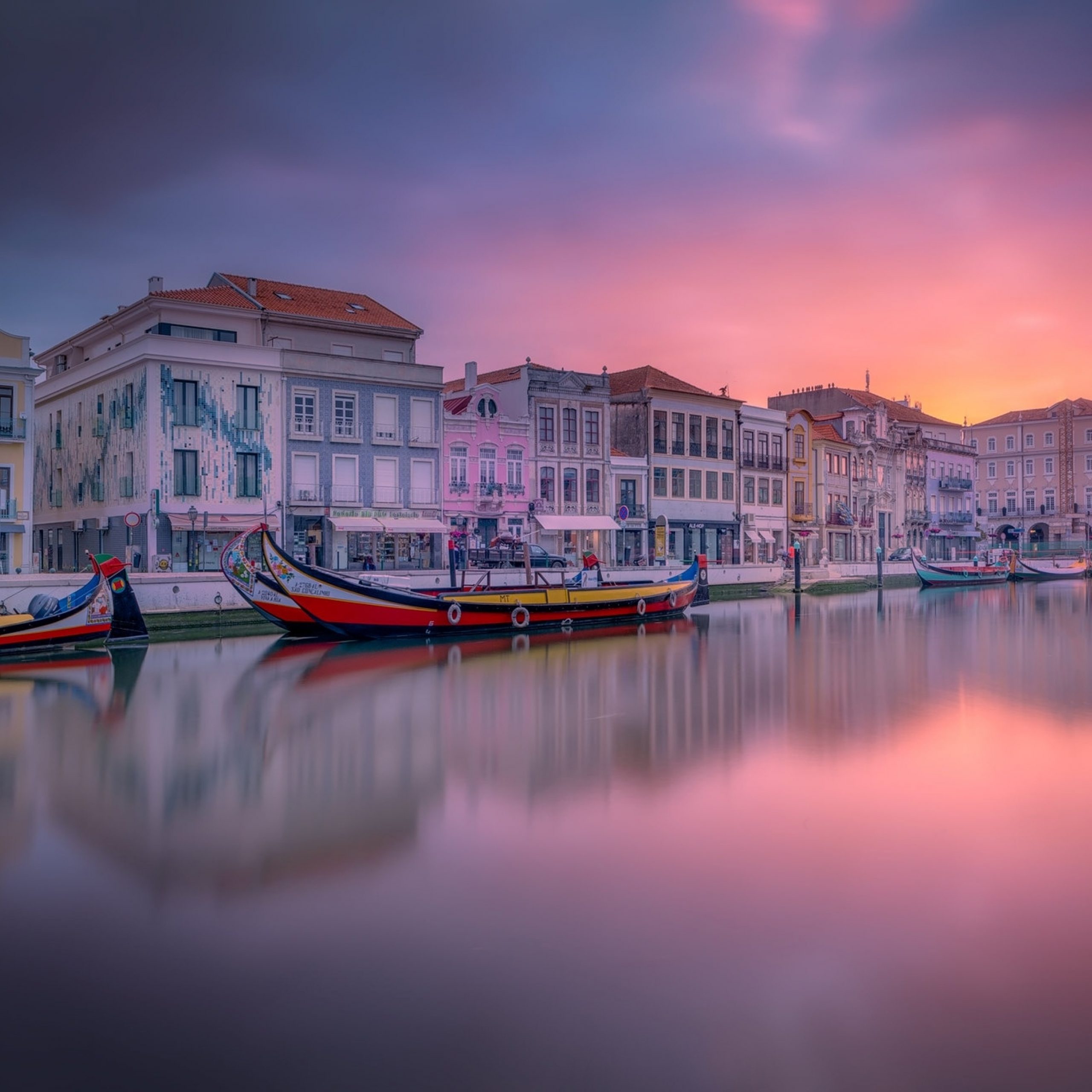
Aveiro is a city on the west coast of Portugal built around a lagoon named Ria de Aveiro. It’s recognised by its canals piloted by colourful boats (Barcos moliceiros), originally used to gather seaweed.

While the adjacent beaches draw thousands throughout the summer, the legacy and lively culture continue to draw visitors outside of the peak vacation season. Aveiro dubbed the “Venice of Portugal,” is known for its maze of canals lined with vividly coloured boats and is unquestionably one of the country’s most romantic attractions.

  • Discover the Art Nouveau style.

Hidden pearls of Portuguese Arte Nova in the North of Portugal

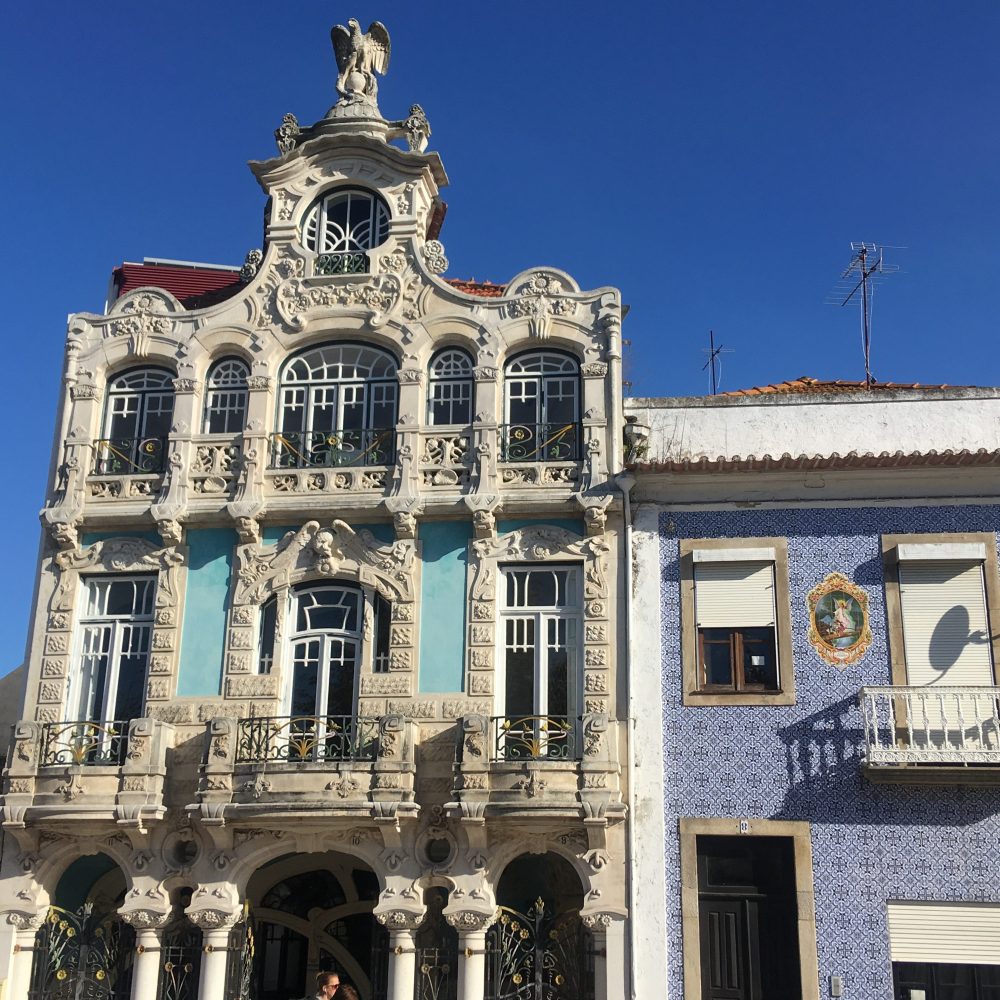
Along Aveiro’s major canal, a number of buildings with façades inspired by the romantic Art Nouveau period have earned the city the reputation as an open-air Art Nouveau museum. These architectural masterpieces stand out because of their vibrant hues, flowing and curving forms, and wrought-iron decorations.

Make a point of visiting the nearby Art Nouveau museum (Museu de Arte Nova) and Tea House (Casa de Chá).

  • Capture unforgettable images of Costa Nova.

Costa Nova, Aveiro, Portekiz | Costa nova, Beach pictures, Around the worlds

Barra and Costa Nova are both worth seeing, although the latter is a little more unique owing to the rainbow-striped fishermen homes in the “downtown” area. These beautifully charming structures, reminiscent of dollhouses, were originally used to store fishing gear, but some are now utilised as lodging.

  • Visit the fish market at its busiest hours.
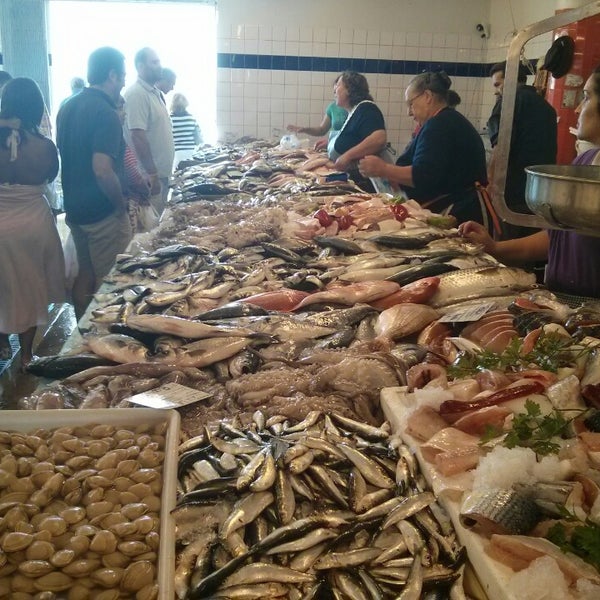
Mercado Costa Nova - Fish Market

Nothing compares to strolling through a Portuguese fish market (Mercado do Peixe) at its peak hours (usually early in the morning). While the odours, noises, and views may be a little overpowering, they are as authentic as they get, and the fish market in Aveiro is unique in that it also features an on-site restaurant. The market, which dates all the way back to the 18th century, was reconstructed at the turn of the twentieth century and serves as a location to purchase and consume locally caught fresh fish (the restaurant is on the second floor and takes in views of the canals).

Costa Nova’s fish market is just around the corner from the Costa Nova Hotel.

  • Visit The Aveiro Museum and the Sé CathedralPortugal’s religious heritage is a stunning part of the culture, and the Aveiro Cathedral (Sé Cathedral) is, therefore, a top landmark in the city. Originally built in the 15th century, it was a local Dominican convent and only one wall of the original church remains today. Due to renovations and restorations over the centuries, the architecture reflects different styles including Baroque and Gothic.

per aspera ad astra — Museu de Aveiro/Santa Joana, Portugal

The Aveiro Museum is located across the street from the Sé Cathedral. It is a magnificent religious museum dedicated to the life of a Portuguese princess. Originally constructed in the 15th century, the structure served as the Convent of Jesus of the Dominican Order, where Princess Joanna spent most of her life. The museum’s finely detailed marble tomb is one of the first things visitors encounter upon entering, but it also has a religious collection that includes (but is not limited to) paintings, sculptures, and old furniture. Additionally, there is an ornately decorated chapel and central courtyard where the convent’s nuns pray.

  • Pay a visit to the beach

Although Aveiro is frequently referred to be a summer resort, the city is not located on the coast, and the nearest beaches are around 10 kilometres away. Barra and Costa Nova are the names of the two beach “towns,” the latter of which is slightly further along the peninsula. They are, however, easily accessible through public transit, and a daily bus route ensures that traffic flows into and out of this sandy stretch. Not only are they ideal locations for sunbathing and water activities, but the restaurants are also well-known for providing fresh seafood and traditional local specialities.

  • Make reservations for a moliceiro ride.

The front of a beautifully-painted Moliceiro | © François Philipp / Wikimedia Commons

Without a doubt, a trip on the gondola-like boats known as moliceiros is a highlight of visiting Aveiro. They are bigger than their Italian counterparts and are accessible year-round to delight visitors. Not only is booking a moliceiro ride a classic experience, but it’s also a cost-effective one.
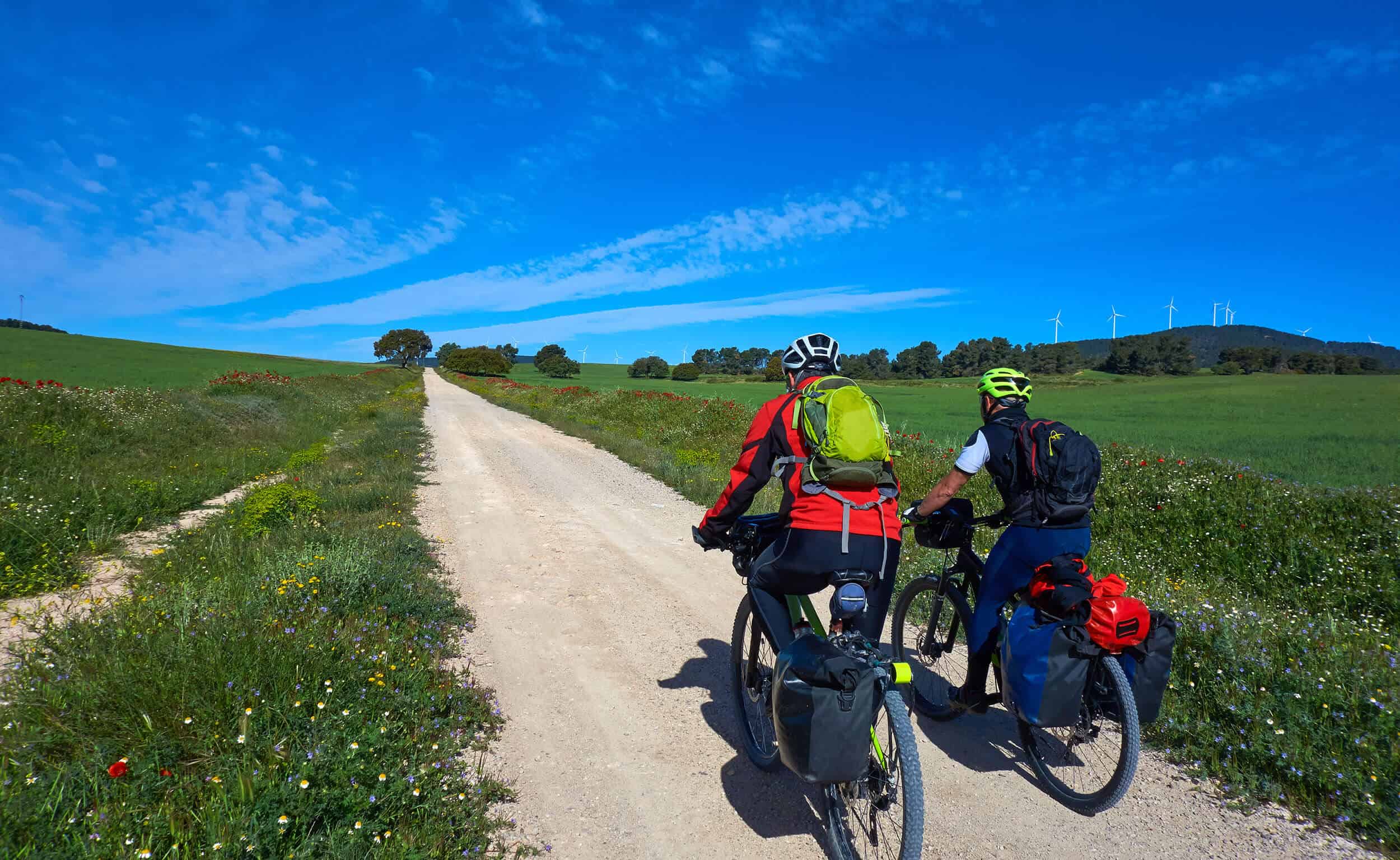
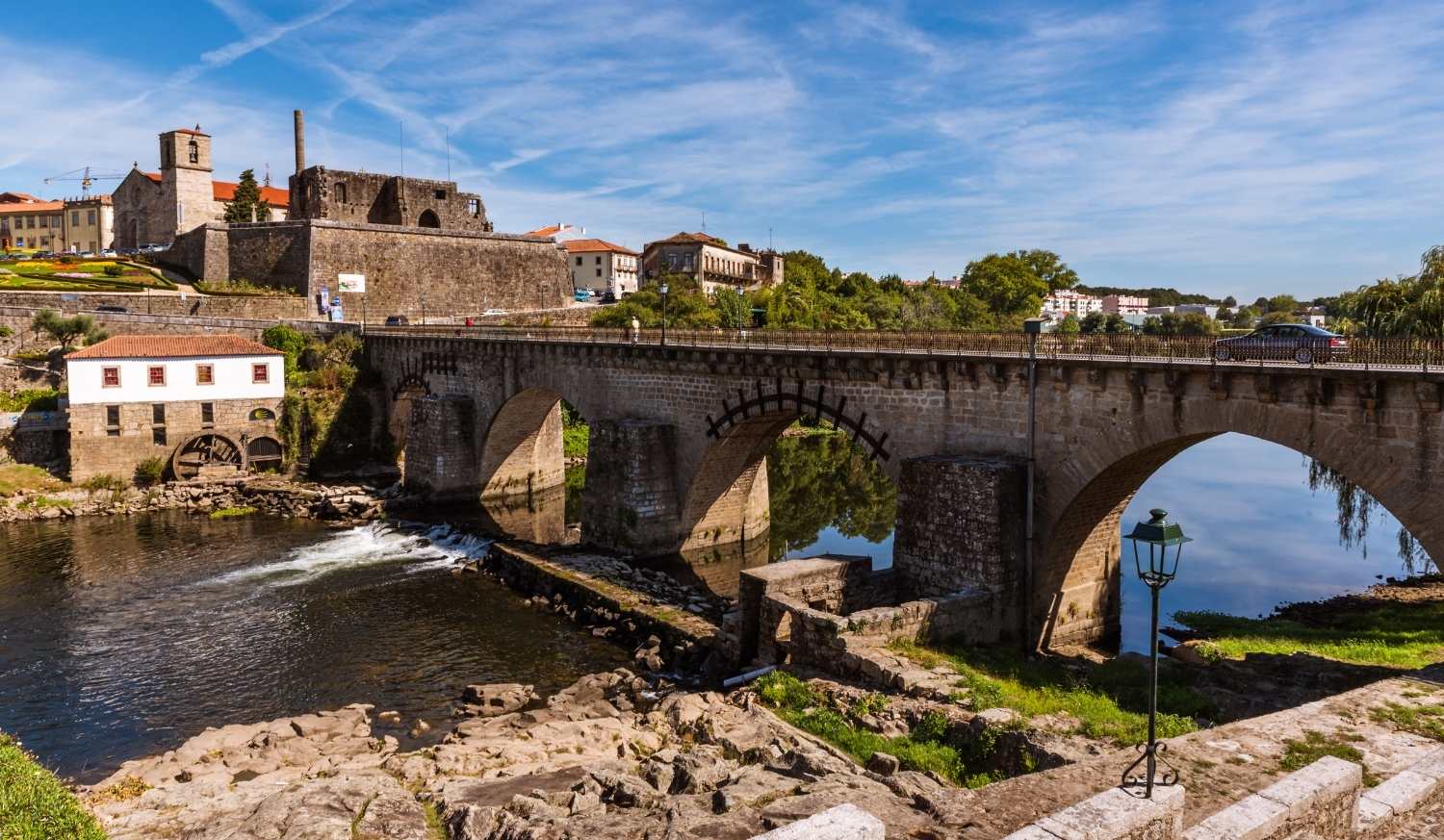
From Porto to Santiago de Compostela, cycle the Camino, the Way of St James, through ancient roads that pass through woodlands, farmlands, historic cities, towns and villages such as Barcelos, Ponte de Lima, Tui, and Pontevedra. This is a six-day bike trip via St James’s roads, trails, and paths, past chapels, churches, convents, and the ubiquitous road markings in northern Portugal, as well as Galiza’s rich cultural legacy.

Here is a suggested route:

Day 1: Cycling the Camino of Santiago from Porto to Barcelos (57km, 890 metres accumulated height)

Cycle down the Douro river towards the coast until you reach Leça da Palmeira, your first day on the Way of St James is primarily comprised of urban roads. From Leça, you’ll largely be cycling along the beach, with little effort, until you reach Vila do Conde, a beautiful place on the Ave river with a lot of historical significance. We’ll ride inland from Vila do Conde, into Rates, where you’ll join the major Camino, and then continue on country roads and via Roman bridges until you reach the centenary city of Barcelos.

Barcelos is a city worth exploring; it has a 14th-century bridge and the old historic centre retains its original cobblestone pavement and several churches, residences, and structures dating from the 14th century. Manueline through neoclassical architectural styles are shown. Discover the “rooster legend” and how the rooster evolved into a near-symbol of the Portuguese.

Day 2: Cycling the Camino de Santiago de Compostela: Barcelos – Ponte de Lima (35km, 530 metres of accumulated height)

Barcelos | Portuguese Way | Viajes Camino de Santiago.

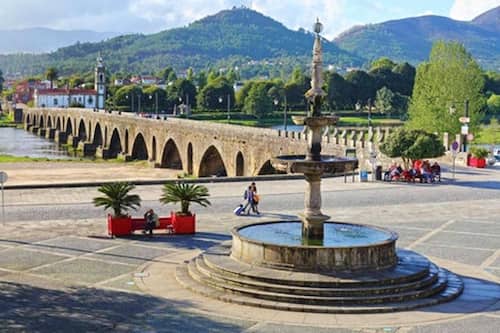
After breakfast, begin riding the Camino de Santiago to Ponte de Lima, passing through forest regions, tiny villages, and churches in the Minho region until you reach Ponte de Lima, Portugal’s oldest village, which sits alongside the magnificent Lima River. Due to its rich cultural, natural, and historic traditions, this village has filed its application to become a UNESCO world heritage site. Don’t miss the handicrafts, pastries, and cuisine.

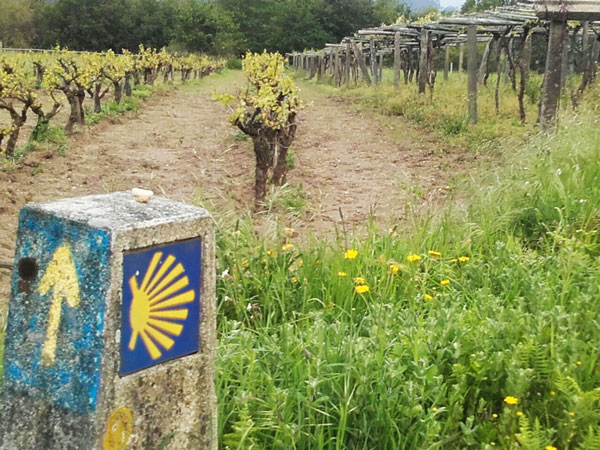
after your breakfast, you’ll resume pedalling the Camino, escorted by the pilgrims’ yellow arrows, the Way of St James’ route markers. Today, you’ll face the “Labruja” climb; while there is a way around it, this is the most difficult section of your Way. We’re still in the Minho area, which is rich with greenery, trees, and forests, as well as excellent restaurants and wine. You’ll travel through Valença do Minho, a fortified city on the Minho River’s banks that faces Spain. From the fortress’s gothic and baroque architecture, visitors may take in the panorama of the Minho region. Cycling the Camino, cross into Spain via an ancient Eiffel-inspired international bridge and explore Tui’s historic mediaeval neighbourhoods, a Spanish city located just across the river from Valença.

Day 3: Cycling the Camino from Ponte de Lima to Tui (41km, 730 metres of accumulated height)

Villa With 4 Bedrooms in Pte. de Lima, With Wonderful Mountain View, Private Pool, Enclosed Garden (Ponte de Lima, Portugal), Ponte de Lima hotel discounts | Hotels.com

After your breakfast, you’ll resume pedalling the Camino, escorted by the pilgrims’ yellow arrows, the Way of St James’ route markers. Today, you’ll face the “Labruja” climb; while there is a way around it, this is the most difficult section of your Way. We’re still in the Minho area, which is rich with greenery, trees, and forests, as well as excellent restaurants and wine. You’ll travel through Valença do Minho, a fortified city on the Minho River’s banks that faces Spain. From the fortress’s gothic and baroque architecture, visitors may take in the panorama of the Minho region. Cycling the Camino, cross into Spain via an ancient Eiffel-inspired international bridge and explore Tui’s historic mediaeval neighbourhoods, a Spanish city located just across the river from Valença.

Day 4: Cycling the Camino de Santiago from Tui to Pontevedra (53km, 845 metres of accumulated height)

Tui, a town in Portuguese Camino – Camino Travel Center

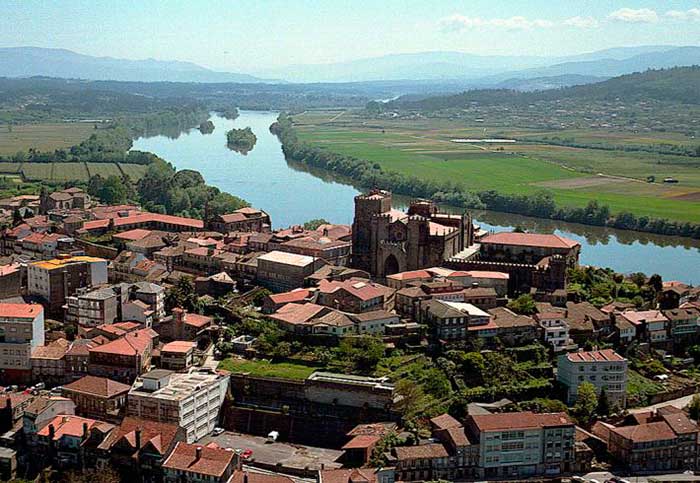
After breakfast and your first night in Spain, you’ll undoubtedly note that, except for the language, the clothing, traditions, and terrain are quite similar to those of Portugal, at least until Redondela, where the Way enters the stunning coastal region of Galicia and continues until Pontevedra. This is the city you stop at for the night. It is also a significant coastal city in Galicia, with a beautiful historic core that is home to two significant monuments: the Basilica of Santa Maria Maior and the church of La Peregrina. Stroll through the historic plazas and tiny lanes of the old town and savour the fresh seafood from the estuary and the Atlantic Ocean.

Day 5: Cycling the Camino de Santiago from Pontevedra to Padrón (41km, 550 metres of accumulated height)

Things to see in Pontevedra, Galicia Region, Spain - PNT

After your breakfast, you’ll continue your journey with the sense that you’re coming close to Santiago. You’ll notice another shift in the environment when you leave the shore and head inland to Galicia’s beautiful green woodlands and wooded areas. Your day’s stop is at Padrón, a village famous for being the cradle of Galicia and for its Padrón Green Peppers. Spend some time exploring the village, climbing to the viewing point of Santiaguio do Monte, or visiting the botanical gardens or Toxa waterfall.

Day 6: Cycling the Camino de Santiago de Compostela: Padrón – Santiago de Compostela (26km, 490 metres of accumulated height)

Gastronomic getaway in Santiago de Compostela

Following breakfast, you’ll embark on the final section of your Way of St. James journey. This will be a modest test of your determination and persistence since the road begins ascending practically immediately. You’ll pass through little communities and churches that serve as unmistakable indicators that the Way’s finish is nearing. When you arrive, pay a visit to the Cathedral of Santiago de Compostela, the culmination of your trip. Compostela is a millennium-old city with locations and monuments worth visiting, including the plazas in the old town’s core area, the narrow lanes, and traditional marketplaces.

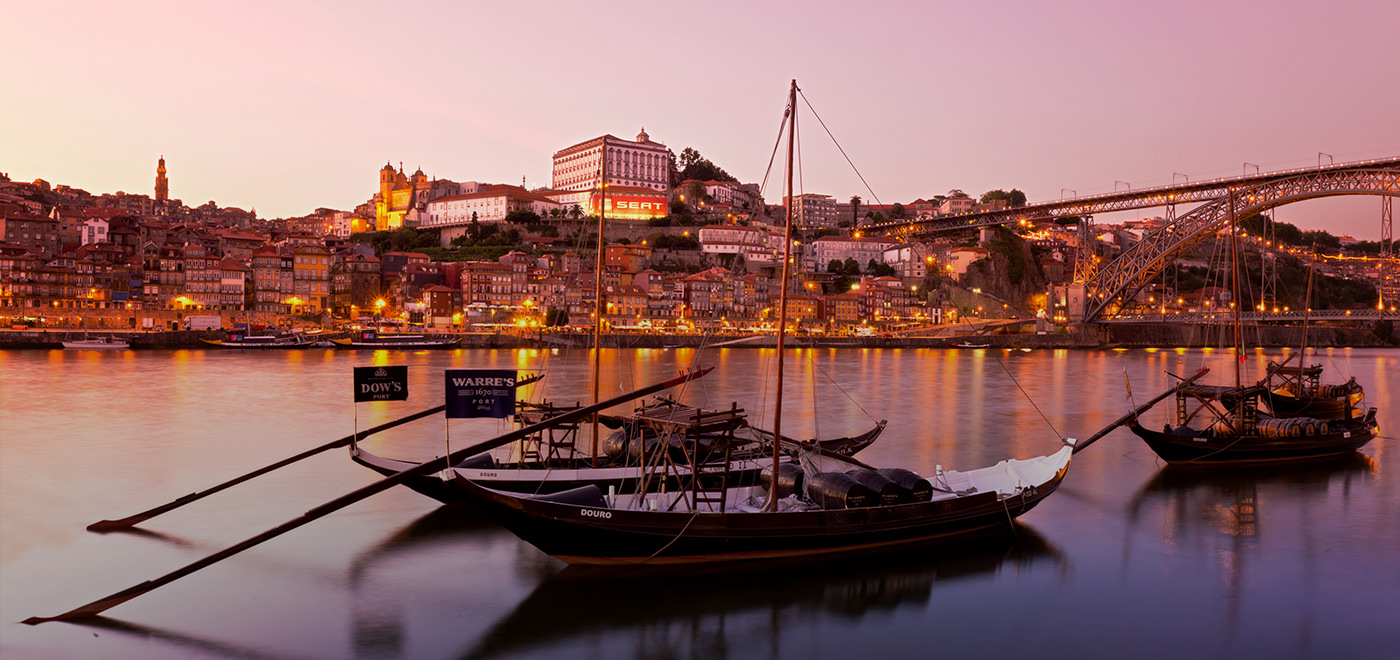
The Pérgola da Foz is a tranquil seaside promenade, and the Fortress  of São João Baptista, situated at the confluence of the Atlantic and Duomo,

The Fernandina Wall exemplifies the city’s illustrious cultural legacy; in fact, this cluster of fortifications extends all the way back to the 1300s, with several improvements and extensions (and collapses) along the way.

You may easily lose track of time traversing the city for a week without noticing it. Why? Because a large portion of the historic walls has been smoothly blended into the old town’s structures.

That said, the most prominent piece of the wall is the Guindais wall and tower adjacent to the Guindais Funicular.


Take a seat in the Majestic Café, a world-famous establishment.


50 Things to do in Porto [Updated 2021]


Majestic Café, according to its name, is not simply about the service.

This classic café/restaurant, which has been awarded one of the world’s top ten most beautiful cafés, has glittering chandeliers, a sense of grandeur, and glamorous decorative elements everywhere.

While the cuisine is also well-known for its quality, even if it’s only for a cup of coffee, this should be at the top of your list of things to do in Porto.


Discover Vila Nova de Gaia’s hidden jewels


bridge #river #boats #Portugal #Portugal Vila Nova de Gaia #Porto #Port the  river Duero Vila Nova de G… | Beaches in the world, Beautiful places to  visit, Portugal


One of the intriguing facts that most people are unaware of until they visit Porto is that the majority of the city’s most famous Port wine cellars are located over the river in Vila Nova de Gaia (affectionately known as Gaia), where beautiful vistas of Porto await.

Apart from strolling along the riverwalk’s wine cellars (scroll up to #4) and visiting the UNESCO-listed Monastery of Serra do Pilar, deeper inside the city are a number of important sites, such as the tranquil Jardim do Morro garden and the Parque Biológico de Gaia.


The  São Roque House & Garden  is a great place to get some fresh air.

The São Roque House & Garden is another must-see in Porto, especially for nature and architectural enthusiasts. It’s a great reason to venture out of the city centre and into the surrounding suburbs.

The site is designed with families in mind, with a playground, hedge labyrinth, fountains and ponds, and a stunning camellias zone among the many features.


Visit Casa da Música  and enjoy the architecture.


File:Casamusicaexterior.jpg - Wikimedia Commons


Porto’s new national orchestra’s new home is the renowned Casa da Música music venue in the suburbs of Boavista, just a few blocks away from the Praça de Mouzinho de Albuquerque square.

It’s a world-renowned performance venue, it’s thats also available to the public for daytime tours so you can take in all of the lavish architectural aspects.


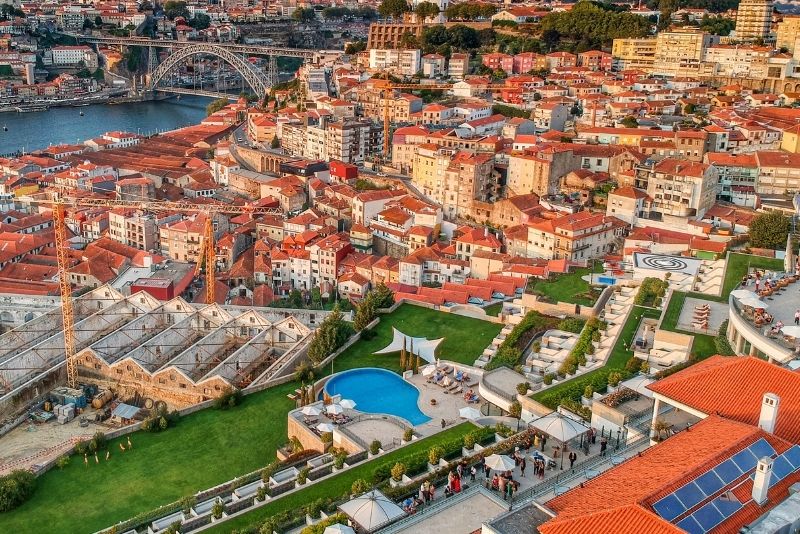
Dine (or drink) with a view at The Yeatman hotel

The Yeatman hotel, Porto


One of the most prestigious restaurants in Porto, The Yeatman Gastronomic Restaurant in the Yeatman Hotel is a contemporary interpretation of a classic wine lodge.

With a rooftop bar overlooking the city and spectacular sunset views, Dick’s Bar & Bistro is an excellent place to relax after a long day of seeing the city.

The Monsanto Forest Park is Lisbon’s largest green space, a refuge of serenity, tranquilly, and quiet.

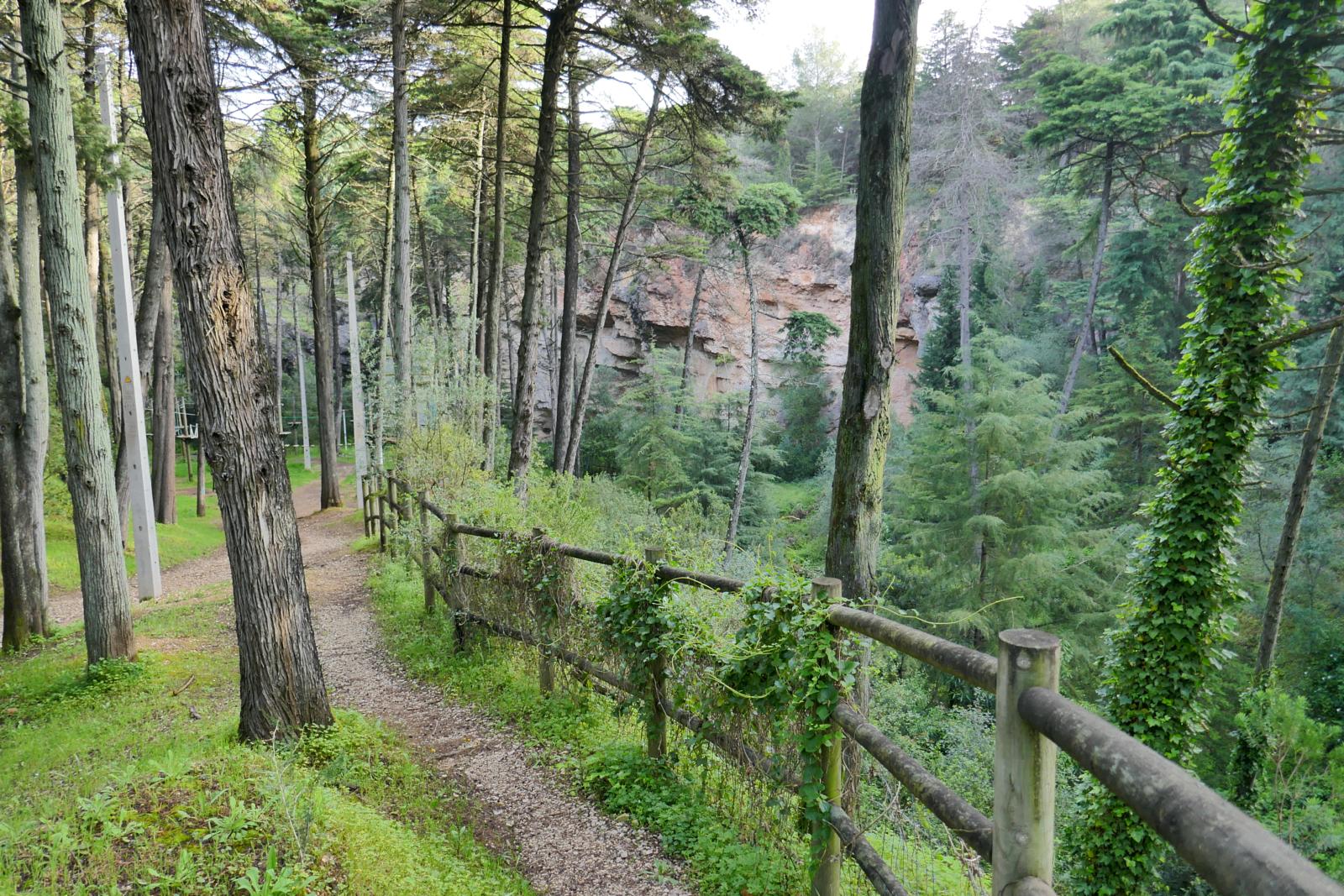
Wikiloc | Picture of Encosta Nascente de Monsanto - Lisboa (3/6)


Points of interest:

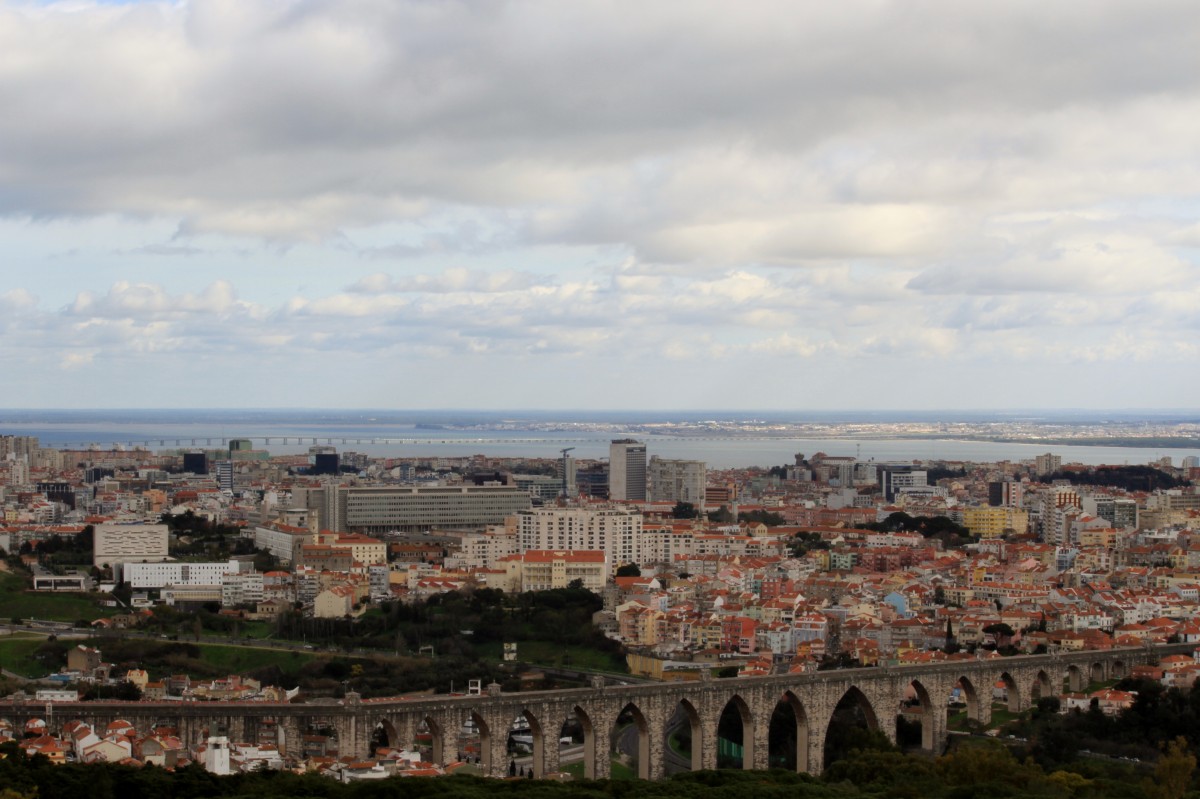
  • Aqueduct Runway | A path that leads to many vents of the Águas Livres Aqueduct, a magnificent 19th-century structure,  which previously provided water to Lisbon.
  • Stone Park | A Buçaco cypresses-dominated region where the “crater” left by the old Serafina quarry was utilised to build a number of leisure amenities.
  • Monsanto Panoramic Viewpoint | The abandoned panoramic restaurant in Monsanto is said to have the greatest view in Lisbon. It is located at the top of Parque Florestal and provides a 360o view of not just the vast green region, but also of the city.
  • Calhau Park | A wide grassland studded with cork and holm trees, like an Alentejo dehesa.
  • Viewpoint of Moinho das Três Cruzes | Ruins of several of the mills that were in Monsanto when there was no forest but only wheat fields.


  • Wikiloc | Picture of Encosta Nascente de Monsanto - Lisboa (5/6)


The easiest approach to navigate Parque Florestal is to check the General Map of Monsanto, which shows the main points of reference as well as all pedestrian paths, including the Volta do Planalto.
If you don’t want to drive, you can get to the trailhead on foot or by bicycle. The Monsanto Green Corridor connects downtown Lisbon and Parque Eduardo VII to the Monsanto Forest Park for walkers and bicycles.
Once at the car park, where the trail begins, walk up the path that exits the upper left corner, where there should be a general map of the park. If you are unable to find one there, it is recommended that you then take a photograph of the sighned boards. The signage throughout the path might be misleading at times, therefore consulting a map is advised.


Monsanto | Lisboa Autêntica


What to take

  • Hiking attire and shoes that are comfortable, as well as a small backpack
  • Water and high-energy foods ( granola bars)
  • Cell phone (especially for emergencies)
  • Waste bags

Respect the serenity of the area by not talking loudly or generating a lot of noise. Do not leave trash in your route. Carry it with you and place it in the relevant locations.

The Camino Portugues follows the shoreline all the way from Porto to Santiago.

This Camino route begins in the beautiful UNESCO-listed city of Porto and takes you to attractive beach towns and villages in Northern Portugal like as Viana do Castelo and Vila Praia de Ancora before crossing the River Minho by boat to A Guarda in Galicia.

The grade is moderate. The walking is done on a mix of coastal paths, tiny quiet roads, woodland tracks, and paved walkways, with considerable deformation along the shore as one would anticipate. The walking is perfectly achievable for someone with a moderate degree of fitness, with days of roughly 20km.

Why would you walk here?
Despite appearances, Portugal is one of Europe’s hidden beauties. While tourists flock here in droves, more than a third of them only visit the Algarve, with the remainder focused on Lisbon and Porto. Outside of these little pockets of beauty, there is a really lovely nation, steeped in rich culture, just waiting to be found. The people of Portugal are extremely nice, quite welcome, and constantly eager to assist. The Portuguese people make it a pleasure to visit their country.


The Camino Portugués symbol | Macs Adventure

Between March and October, you can walk the Camino Portugués: Coastal Way. While summer in many regions of southern Europe is excessively hot, it is not that awful here, so you may walk pleasantly on this path even in the hotter months of July and August. There are several direct flights into and out of Porto, making travel to and from the route a breeze.

Begin your Camino de Santiago walk in Porto, which has a UNESCO-listed historic town, a scenic riverfront, and is the birthplace of Port wine.

Day 1 – Povoa de Varzim – 25km

Today, take the Metro to Matosinhos to bypass the outskirts of Porto and get to the seaside to begin your Camino de Santiago walk. Take the bus to the ‘Mercado’ stop. You’ll walk along the coast, through fishing towns, forts, and chapels, the prehistoric Castro of São Paio and, of course, lovely sandy beaches.

Day 2 – Esposende – 22km

Before continuing your Camino, take a stroll along the picturesque Póvoa de Varzim harbour and visit its historic quarter. The nicest views of the town and the surrounding coast may be seen by walking up to the Convento de Santa Clara. You will travel through the popular seaside town of Póvoa de Varzim with its sandy beaches on your journey to Esposende, as well as the Coastal Natural Park, Parque Natural do Litoral Norte.

Day 3 – Viana do Castelo – 24km

What to See and Do in Viana do Castelo

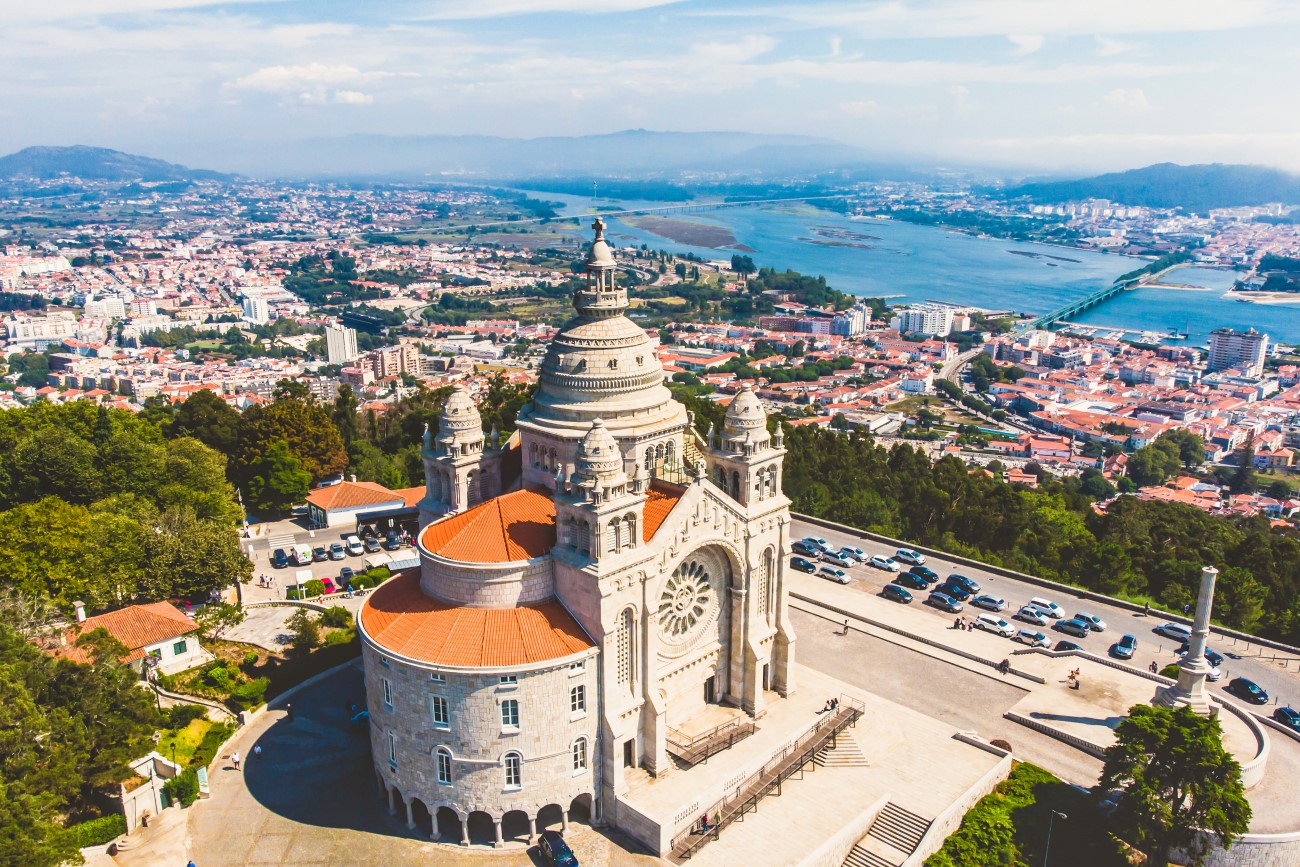
Today you will continue your Camino de Santiago seaside walk from Esposende to Viana do Castelo, passing through the Coastal Natural Park. Take advantage of the chance to sample the local food, visit the historic centre, and ride the funicular to the Basilica de Santa Luza for spectacular views. According to legend, when the Romans arrived at Viana in the first century BC, they felt they had arrived in heaven because of the town’s beauty.

Day 4 – Vila Praia de Ancora – 19km

Today you will leave Viana do Castelo and go north along the lovely Atlantic coast. Today is a rather simple day, with plenty of time to enjoy a moderate pace and see the beach villages and towns along the route. Stay the night at Vila Praia de Ancora, a beach village.

Day 5 – A Guarda – 13km

File:A Guarda. Galiza G24.jpg

You will continue on your coastal Camino from Vila Praia de Ancora to Caminha, close by the Minho estuary, where the river meets the Atlantic. From Caminha, take the Santa Rita de Cássia ferry across the Minho River to Galicia. There are around ten crossings every day between Caminha and A Guarda (the schedule varies depending on the season).  You may either proceed straight to A Guarda from the boat or take a diversion along the estuary for spectacular coastline views (4km longer). If you have time, pay a visit to A Guarda’s spectacular hilltop ‘castro,’ a Celtic hamlet.

Day 6 – Baiona – 30km

Your road continues north from the fishing community of A Guarda, where you will be rewarded with additional spectacular views of the ocean on your left. Tonight you’ll arrive at Baiona, a bustling coastal town with a beautiful marina. Visit one of the town’s attractions, such as the Museo de la Carabela Pinta and the Monumento Encuentro entre dos Mundos, while in Baiona.

Day 7 – Vigo – 26km

Today, travel the coast from Baiona to Nigrán and then to Vigo. You will have spectacular views of the Bay of Vigo, as well as the famous Illas Ces with its Natural Park in the distance. On a hot day, stop at Nigrán’s blue flag beach Praia América for a brief swim.

Day 8 – Arcade – 23km

Today is your final day along the coast, and it’s a short walking day so you can enjoy the beach. Stop at Arcade’s fishing town to sample the famed oysters.

Day 9 – Pontevedra -12km

You will cross the Verdugo River through Ponte Sampaio. Napoleon’s army suffered one of its most devastating defeats in Galicia over this bridge. The Camino continues along a cobblestone route from Ponte Sampaio to the 13th century Church of Santa Mara, where travellers may enjoy wonderful views of the Bay of Vigo while walking towards Pontevedra.

Day 10 – Caldas de Reis – 22km

$480 Flights to Caldas de Reis, Spain - Tripadvisor

Today, the Camino de Santiago will take you through chestnut forests, pine and eucalyptus woodlands, beginning at Pontevedra. Take a moment to observe the rectory of Santa Mara de Alba in Ponte Cabras. A statue of Saint James with his walking stick, pointing the path for pilgrims, can be found in Lombo da Maceira. On your route to Caldas de Reis, you’ll pass through Tivo, which has a wonderful fountain and a public washing place. Spend the night in the resort town of Caldas de Reis.

Day 11 – Padron – 18km

The Camino Portugués leads from the resort town of Caldas de Reis over the Umia River and the hot springs that have given the town its name since Roman times. The Camino route leads you back into the woods, gradually ascending to the settlement of Santa Maria. After a descent, you will bridge the Fontenlo River before making your way through pine trees to today’s ultimate destination: Padrón, which is thought to be the arrival place of Saint James’ body when it was taken to Santiago de Compostela by ship.

Day 12 – Santiago de Compostela – 25km

Santiago de Compostela - What you need to know before you go – Go Guides

Santiago de Compostela is a hidden gem of a city, small enough to explore and discover on foot while being energetic and alive. Wander the cobblestone alleys of its UNESCO-listed old town, take a stroll through Alameda Park, and sample regional flavours at the local market (Mercado de Abastos) and the numerous restaurants and pubs.

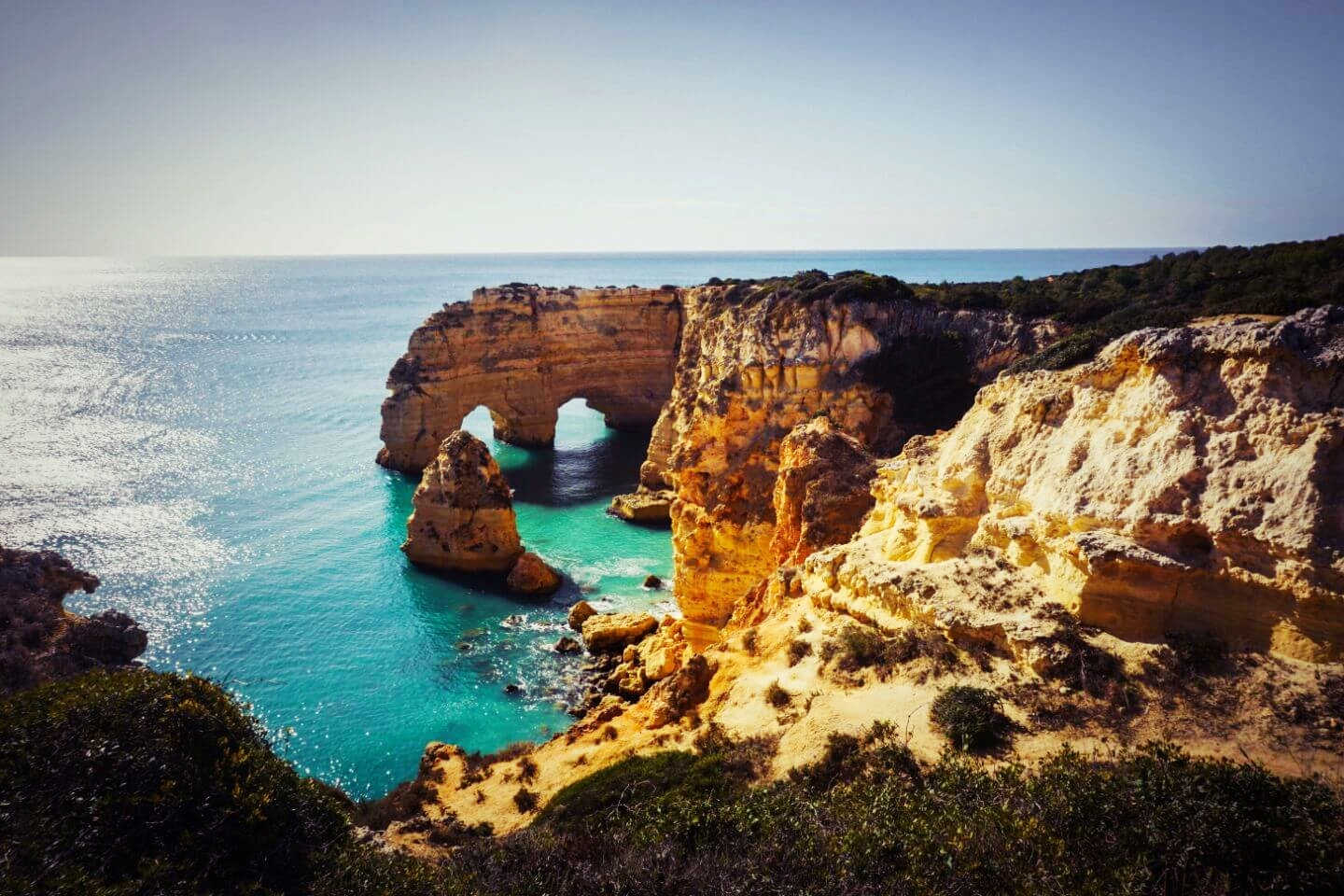
The views are breathtaking. Beautiful coves. Amazing geology. Beautiful sunsets. The Seven Hanging Valleys Track is not to be missed – and indeed, it is quite simple to become enthralled by this meandering, scented trail that leads you through some of the Algarve’s most spectacular natural beauties. The turquoise water is merged with the warm-coloured rocks to form the iconic Algarvian seascape…and one of the most gratifying and unforgettable hikes along the sun-kissed coastline.

Seven Hanging Valleys” in de Algarve uitgeroepen tot beste Europese wandelpad - OutdoorInfo Magazine | Alles over actief outdoor

This gorgeous path extends from Praia da Marinha in the east to Praia de Vale Centeanes in the west and was named one of the greatest walks in Europe by European Best Destinations. It has a number of significant stops, including the Alfanzina lighthouse and the beaches of Benagil and Carvalho. The hike follows the tops of coastal cliffs with finely carved patterns and magnificent ocher and golden hues; the colours of the rock strata shift throughout the day as sunshine paints them in tints ranging from brilliant yellow to darker copper.

The route may be followed in either direction by following the painted marks on the posts and rocks along the way. A sturdy pair of shoes is required for a comfortable stroll. The main dirt roadway is steep and difficult in sections, although the most exposed stretches are fenced for safety, as are sinkholes. Visitors should, however, remain a safe distance from the cliffs’ and sinkholes’ edges at all times (most notably when accompanied by children). In the summer, don’t forget to wear a hat and sunscreen, and keep plenty of water on hand.

Something you should know about this route is that it has no shade along the way. It’s highly exposed, which means it’ll be terrible about noon on a sunny summer day. Get an early start if you’re hiking between June and August. It’s also the busiest time of year, so get to the parking lot early to get a place.

Seven Hanging Valleys Trail | Holamon.cat - The alternative travel guide around the world

You have a choice of three different hiking routes.

Option 1: The Round Trip Full Hike – 7 miles / 1,200 feet elevation gain (11.4 km / 365 m). Hike the full trail from Praia da Marinha to Praia do Vale de Centeanes, then return the same way.

Option 2: The Full Hike, One Way — 3.5 miles / 600 feet elevation gain (6 kilometres / 180 metres). Complete the full hike, but only in one direction. This necessitates using cabs, Uber, or catching a ride back to your car at the first trailhead (or finding a way to get there without a car).

Option 3: Partial Hike, Out and Back — 3.3 miles / 600 feet elevation gain (5.6 kilometres / 180 metres). Hike the portion between Praia do Marinha and Praia do Carvalho. You may continue on to the lovely Farol de Alfanzina lighthouse for an extra 2 miles (3.2 km) to your round-trip route.

Seven Hanging Valleys Hiking Trial

Ares do Montemuro, Holiday home Campo BenfeitoCampo Benfeito is located in Castro Daire’s parish of Gosende. Campo Benfeito, located in the midst of the Montemuro mountain range, is a really unique natural landscape worth savouring! Nature meets culture in a way that is typified by the rurality of a village that has long been tied to agriculture. The community, which is surrounded by the Montemuro mountain range, continues to live according to the customs it acquired from the past. A visible heritage in the design of the traditional homes constructed of local granite.
Pelourinho de Campo Benfeito – Wikipédia, a enciclopédia livreThe location merits a long walk through the village, where you can enjoy the friendliness of the people of Campo Benfeito, passing by the viewpoint, where you can admire the pillory, but also by the streams, where the waters are clear and crystalline, and, on hot days, enjoy the refreshing shade of oaks and alders. The traditional mountain windmills, built-in granite and covered in thatch, are a must-see local ex-libris. This is also a culturally rich village: professional theatre performances are presented here on a regular basis, and the Altitudes Festival, which hosts the Serra do Montemuro Regional Theater Center of the Fôjo Cultural, Sports, and Recreational Association, takes place every year.

The characteristics of the town provide the materials for the local handicrafts that you may enjoy here: linen and burel work, needlework, and basketry are the most typical goods available at the Casa das Capuchinhas workshop and store.

What to do in Campo Benfeito

  • Get to know the people: it’s really worth getting lost in the streets of Campo Benfeito, talking to the residents, showing genuine interest in village life, socializing and sharing experiences.
  • Discover the work of the Capuchins: In the village’s old primary school., you will not only watch the preservation of traditional art in person, but also be able to buy gorgeous pieces of clothing in burel, linen, and wool, woven on a handmade loom but with contemporary design, and thus contribute to the financial independence of these mountain women.

  • Watch a theatre play: During the summer, Teatro do Montemuro hosts the Altitudes Festival, which fills the town with artists and radically alters the ambience of Campo Benfeito. But even outside of that period, it’s worth going to watch a show – if it’s on! – or to a rehearsal, chat to the company’s crew, and take in some of the energy and inspiration of individuals who keep a theatre company working in an isolated and a priori implausible place like Campo Benfeito.

  • Do the Carvalho’s Hike (PR3 Castro Daire): The so-called “Oaks Hike.” is a 7.5-kilometre-long circular walk that begins in Campo Benfeito and passes via the villages of Codeçal, Gosende, and Cotelo. It’s not challenging, and it gives you the opportunity to get to know the surrounding villages.

  • Folgosa river beach: The river beach of Folgosa is located in the district of Castro Daire, on the right bank of the Paiva River, less than a half-hour trip (by car) from Campo Benfeito.

There are no restaurants in Campo Benfeito. You will find a Restaurant called O Corvo, located 7 kilometres from Campo Benfeito in the neighbouring village of Picão. It’s one of those typical eateries that are modest and comfortable.

Campo Benfeito

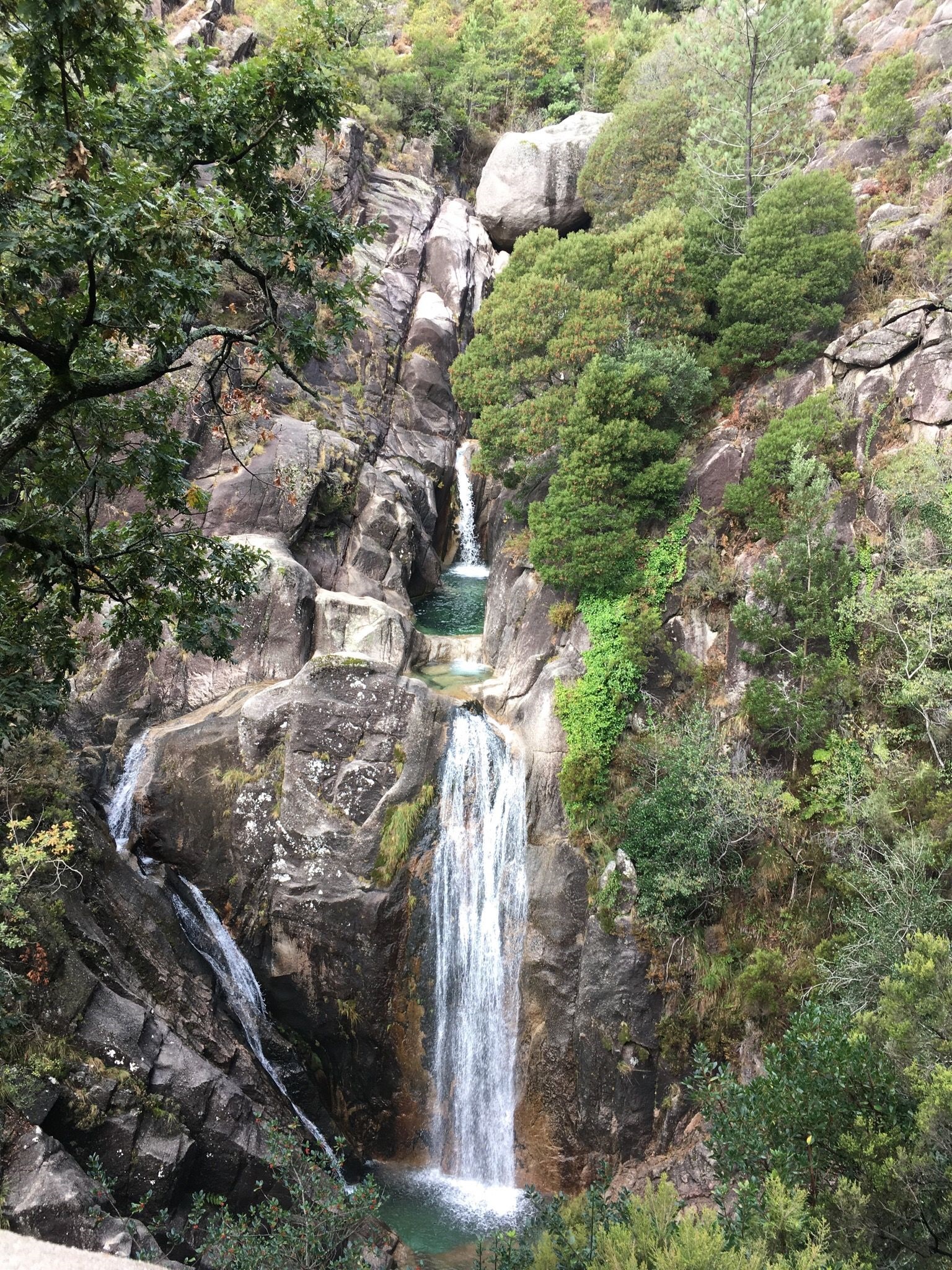
On the outskirts of the little village of Ermida stands the famed Poço Azul Waterfall.  The location is only accessible on foot. It is roughly 3 kilometres from Ponte do Arado to Tribela, going via Fontes do Vale do Barraco and Curral da Malhadoura. Turn right at the Tribela crossroads and continue walking for another 3 kilometres to the Cascata. Bear in mind that while it is not necessary to be an expert on trails, certain planning and physical conditioning is required. The round-trip walk takes around three hours. There are around 12 kilometres in all, covered between the mountains’ ascents and descents. Additionally, certain sections are cut through brambles, broom, and prickly shrubs.

There are no bars or restaurants near the Poço Azul Waterfall. As a result, it is advised that you bring food and beverages. And, of course, a bag for waste collection! Additionally, a hat, sunscreen, swimming costume, towel, and hiking shoes are required.

The best time to visit Poço Azul in Gerês is during the spring-summer months (May, June and July on sunny days).


Image

Peneda-Gerês National Park – Poço Azul Hiking Trial

The Natural Park of the Northern Coastline (Portuguese: Parque Natural do Litoral Norte) is one of Portugal’s thirteen natural parks. It is nestled on the Atlantic Ocean’s coastlines in the municipality of Esposende. The park was established to protect the dunes and the local fauna, including birds and fish.

The park has northern Portugal’s longest and best-preserved length of Atlantic dunes. The estuaries of Cávado and Neiva include some of the park’s most notable ecosystems. It is home to over 240 plant species of plants. In the terrestrial area alone, 140 kinds of birds may be sighted. During migrations especially in the winter, the estuary zone is a critical region for food and rest. It is home to 19 species of mammals

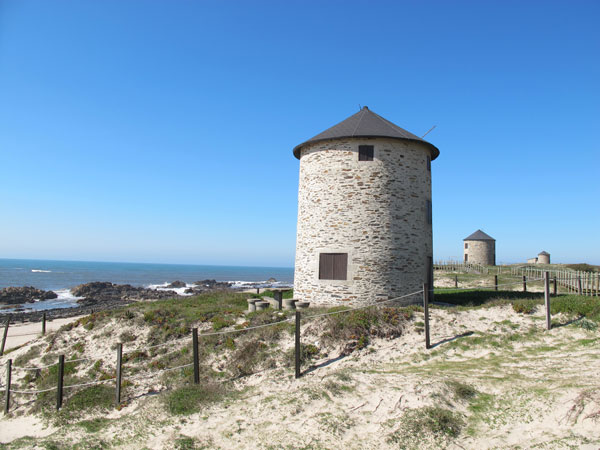
The Parque Natural do Litoral Norte is located in the municipality of Braga and is one of Portugal’s several protected areas. Between the mouth of the Neiva River and the region of Aplia, the Park has a vast expanse of white dunes surrounded by little vegetation that aids in the stabilisation of the sands. Along the beach, you’ll see the region’s traditional windmills, which were once used to grind grains. Incredible rocks that can exceed 18m in height stretch along the coastline.

It is a region of considerable agricultural activity, particularly in masseiras, also known as troughs, which are cultivated fields excavated into the sand adjacent to the dunes until they reach the water table, ensuring the crops with water and protection from the winds. This shoreline is a typical location for picking sargassum in June and dried it in the sun. Indeed, the Minho coast’s sands were fertilised via the usage of seaweed and pilado (a tiny crustacean), which were the primary fertilisers for many years.

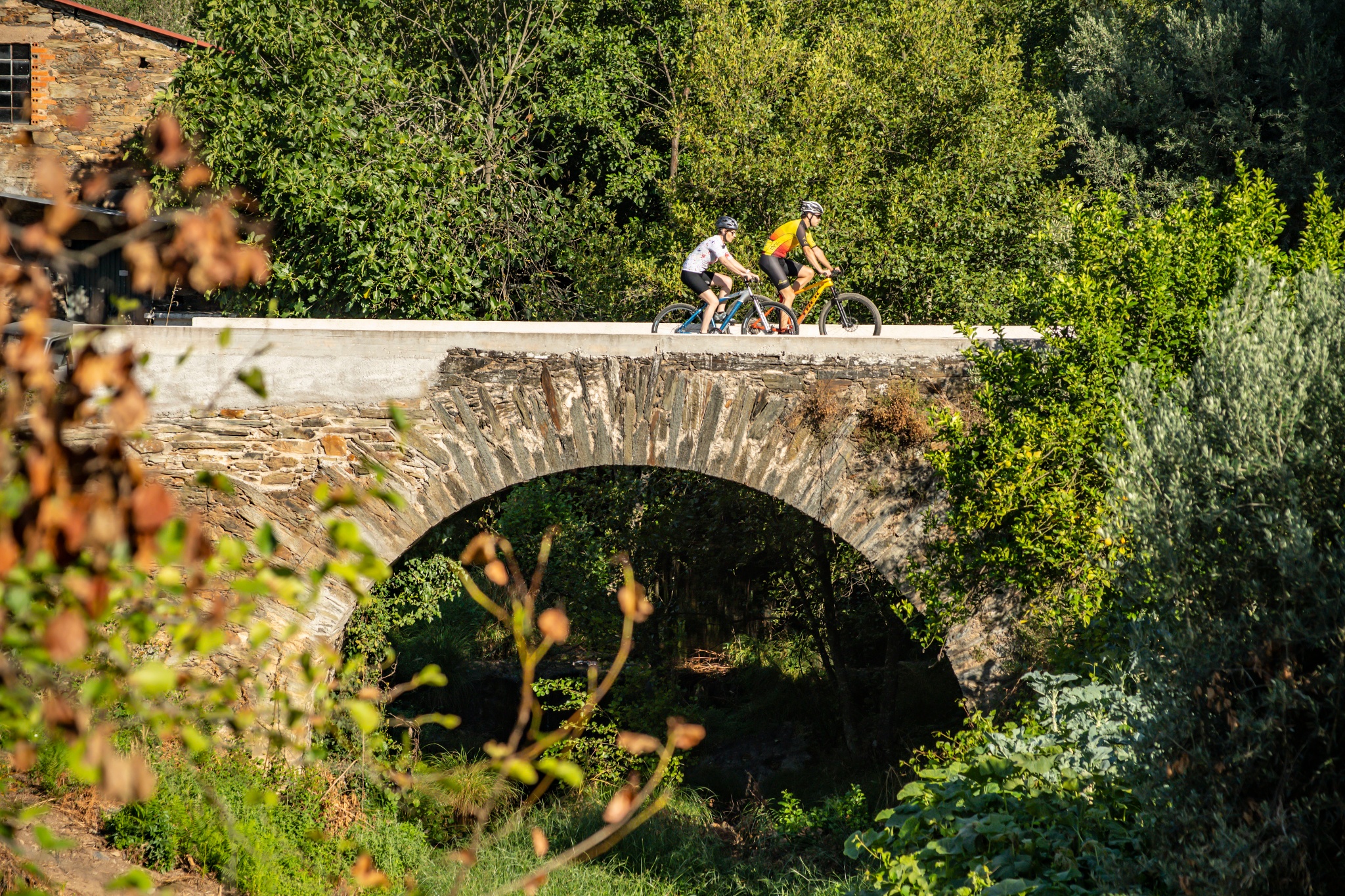
Start: MTB Center of Fróia River Beach: 39.790387ºN 7.838432ºW” (365 m)


It is a circular circuit that begins and ends at the MTB Center. The route follows the stream Penafalco and then the stream Cho do Galego. Upon passing the Ribeira da Fróia stream, it continues along the Figueira stream, always keeping the water in view. This is a challenging route that passes through the villages of Penafalcão, Giesteiras Cimeiras, Figueira, Pereiro, Ripanço, Marcelino, Fróia and Oliveiras.n Park sports’ complex.

Enjoy the natural heritage surrounding this route. In summer, take the opportunity to cool down in the clear waters of the Froia Riverside River Beach.

Difficulty: moderate
Distance: 32.1 km
Duration: 6:00 h
Ascent: 847 m
Descent:
847 m
Highest point: 467 m
Lowest point: 212 m

Safety information

– Ride on open trails only

– Leave no traces of your passage

– Control your bicycle

– Yield to others

– Never scare the animals

– Plan ahead

– Pay attention to motor vehicles on public roads

– It is forbidden to use motor vehicles on downhill trails

– Respect the environmental or maintenance signage

– Trails are restricted from September to October due to the red deer mating season

– Recommended use of GPS device

– Rentals available from the Residents association


SOS Emergency: 112

SOS Forest: 117

The Froia River Beach is one of the show-pieces of the municipality of Proença-a-Nova. The clear, crystalline water of the sources of the Froia river, the freshness and the natural beauty of the space are the main features of this beach that have won several awards. The village of Figueira is a well-preserved schist village. Made up of streets, alleys, narrow quelhos and quelhas arranged in a labyrinthine fashion, the core houses the communal wood oven, where bread is regularly baked. The Figueira stream, which circles the village, offers wide margins in certain places, used for subsistence farming, olive trees and grazing animals. These margins are beautifully structured by long hatchet schist stonewalls, in order to defeat the flow of the stream without degradation. Its width also facilitated movements between the cultivated fields and food and goods transportation.

Gastronomy: Maranho (goat stomach filled with goat meat mixture); wood-oven kid; plangaio (rice and pork stew); traditional smoked sausages; cabbage with breadcrumbs; tigelada da Cortiçada (baked custard pudding – Cortiçada style); fritters; coscoréis (pastries); broas de mel (pastries); honey; olive oil.