This post contains affiliate links, which means we may receive a small commission, at no additional cost to you, if you make a purchase through these links. See our full disclosure page.


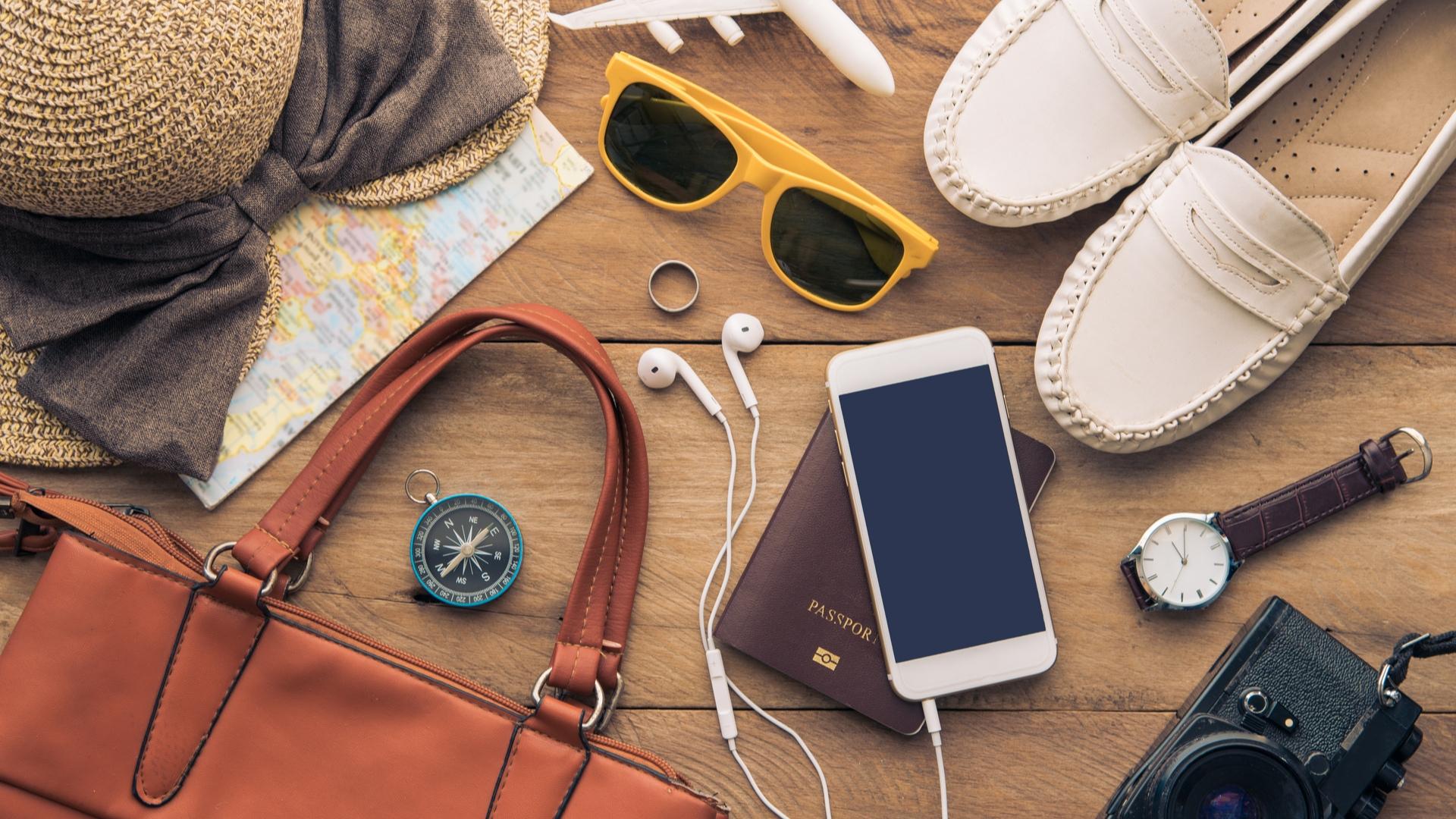
Some of these are simply too enjoyable to pass up. Others enhance our experiences, while others expand our horizons in the world of technology. You guessed correctly: we’re discussing travel devices!

They tackle some of the most vexing travel issues, keep our belongings organised when travelling, and make the ideal travel presents for travellers on the road.

Here are some amazing travel devices that can help make your journeys safer, simpler, and more pleasurable.

1. Conair 1600 Watt Compact Hair Dryer with Folding Handle, Dual Voltage Travel Hair Dryer

The Conair 1600 Watt Compact Folding Handle Travel Hair Dryer is conveniently transportable, compact and equipped with dual voltage for worldwide travel. Powerful enough to style hair on the go, this hair dryer features 1600 watts for fast drying. This travel blow dryer has a folding handle that makes it easy to pack in a suitcase or store in a drawer. The 5-foot cord makes hair drying accessible. Complete with 2 heat/speed settings to customize your hair drying experience.

2. CHARMKING Compression Socks for Men & Women 

Compression socks and stockings are designed for compression therapy.
They apply gentle pressure to your legs and ankles, promoting blood flow from your legs to your heart.
Compression socks can also reduce pain and swelling in your ankles and legs.

Benefits of compression socks

  • Boost circulation in your legs
  • Support veins
  • Prevent blood from pooling in your leg veins
  • Diminish leg swelling
  • Reduce orthostatic hypotension, which causes lightheadedness or unsteadiness when you stand
  • Help prevent venous ulcers
  • Prevent the development of deep vein thrombosis in your legs
  • Help lessen the pain caused by varicose veins
  • Reverse venous hypertension
  • Improve lymphatic drainage

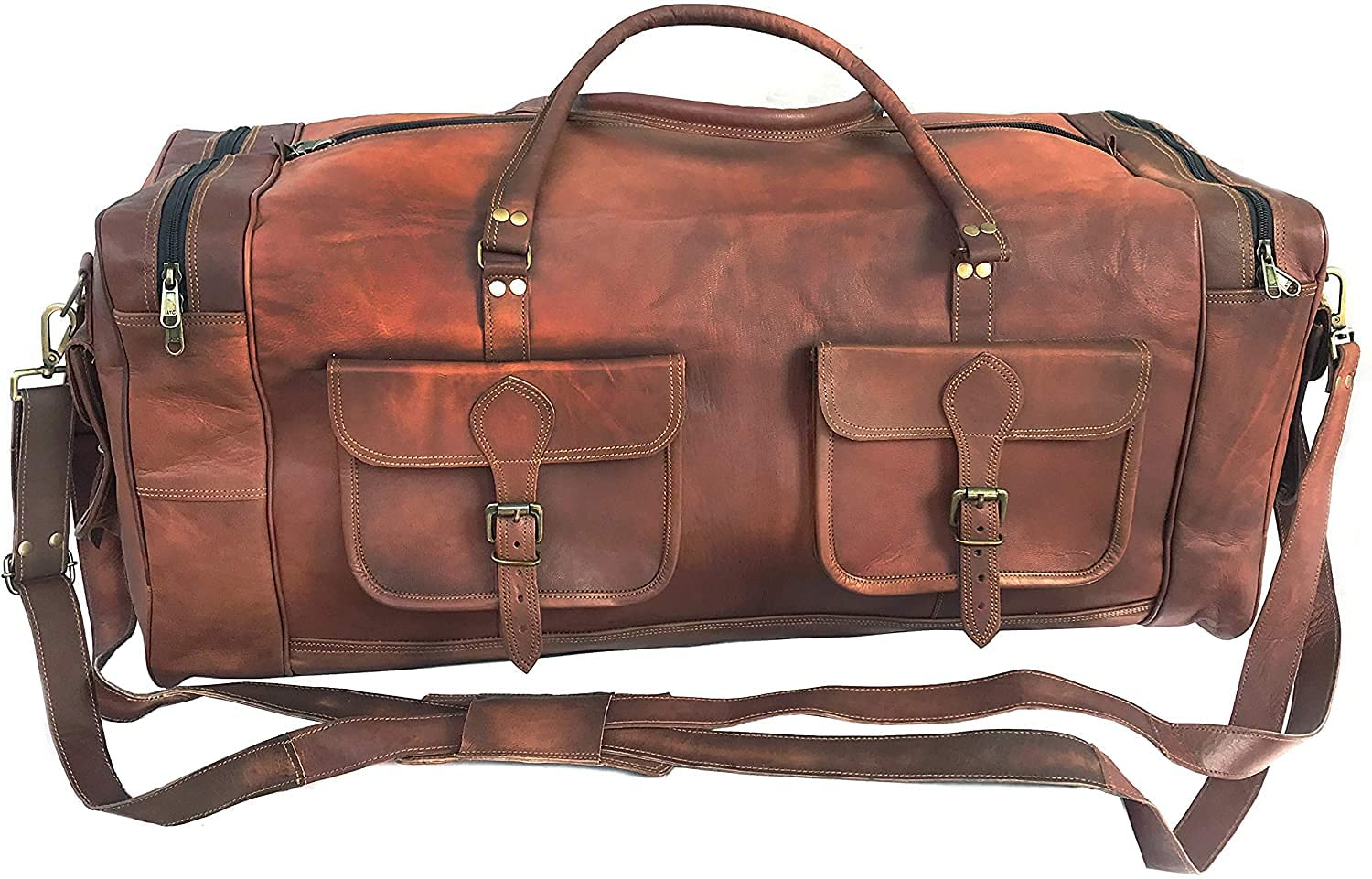
3. Large Leather 32 Inch Double Pocket Weekender Overnight Duffle Bag For Men and Women

  • FULL GRAIN LEATHER: Our bags are made from full-grain leather and lined with durable canvas and are Handcrafted by skilled craftsmen
  • Dimensions – 32″ Length x 12″ height x 10.5″ Width. the bag has one main compartment for clothes along with, One Internal Zipper and 2 side zipper pockets for smaller items. With Multiple zipped pockets and removable shoulder straps, you can put this bag to multiple uses.
  • The luggage suit bag has a detachable and adjustable shoulder strap and shoulder pad specially designed for long-time journeys, business trips and weekend trips.
  • Multi-utility bag can be used as a travel bag, gym duffel bag, sports duffel bag, overnight bag, weekend cabin duffel bag, carry on duffel and weekends

4. BESTEK Universal Travel Adapter 100-220V to 110V Voltage Converter 250W with 6A 4-Port USB Charging 3 AC Sockets and EU/UK/AU/US/India Worldwide Plug Adapter 

  • BESTEK is the only ETL certified brand, in the converter market, and NRTL safety tested and upgraded hardware provides complete protection for you and your devices. And this converter comes with over-current, over-load, over-heat and short-circuit protection. And a 24-month warranty & safety guarantee.
  • With 250W output power, 4 USB ports and 3 AC ports, this inverter can charge 7 devices at the same time to meet your various needs for international travel.
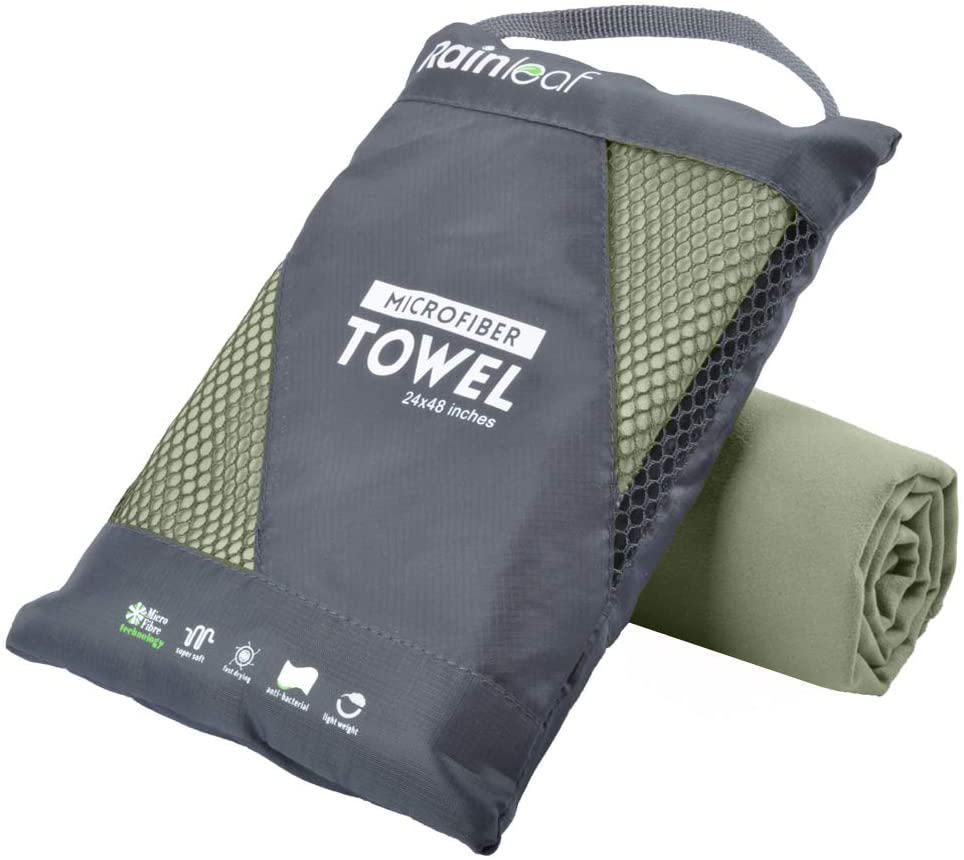
5. Rainleaf Microfiber Towel Perfect Travel & Sports &Beach Towel.

  • About this item
    • Microfiber
    • FAST DRYING – convenient to pack. SUPER-ABSORBENT BEAUTIFUL COLORS.
    • SKIN FRIENDLY – remarkable soft suede-like feel on your skin.
    • ULTRA COMPACT & LIGHTWEIGHT – easy to carry and space-saving. HANG SNAP LOOP – practical & easy to hang and dry anywhere. Reusable CARRY BAG 
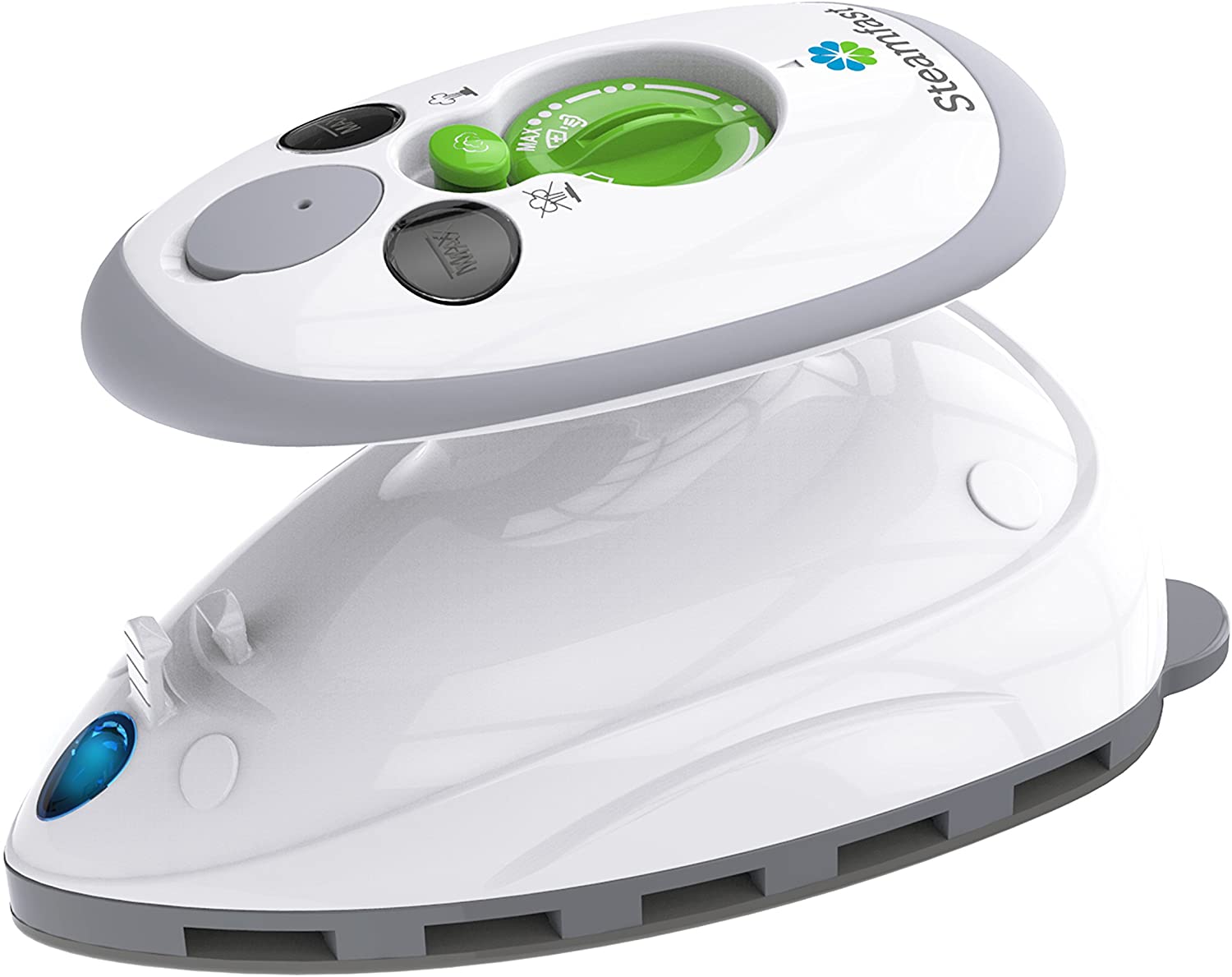
6. World’s Smallest Travel Steam Iron

Steamfast SF-717 Mini Steam Iron with Dual Voltage, Travel Bag, Non-Stick Soleplate, Anti-Slip Handle, Rapid Heating, 420W Power, White

  • About this item
      • QUICK HEAT UP TIME — A 1.4-ounce water tank heats up in 15 seconds, equipped with 1-touch steam control and 3 temperature settings for various fabric types. Fill measuring cup with water up to maximum 1.1-ounce mark
      • EQUIPPED FOR THE JOB — 420 watts of power removes wrinkles from almost any fabric, an anti-slip handle for improved grip, and a 7.5-foot power cord for reachability
      • DUAL VOLTAGE CONVENIENCE — Sized and equipped for travel anywhere in the world, just select between 100 and 240 volts
      • TRAVEL ESSENTIALS — An included travel bag and plastic measuring cup is included for added convenience and protection
      • SUPERIOR SUPPORT — When you choose a Steamfast product, you’re investing in superior performance and design that will deliver total satisfaction. If not, we’ll replace it, for 2 years. Supported by a customer service team based in Andover, KS.
      Note: Products with electrical plugs are designed for use in the US. Outlets and voltage differ internationally and this product may require an adapter or converter for use in your destination. Please check compatibility before purchasing.

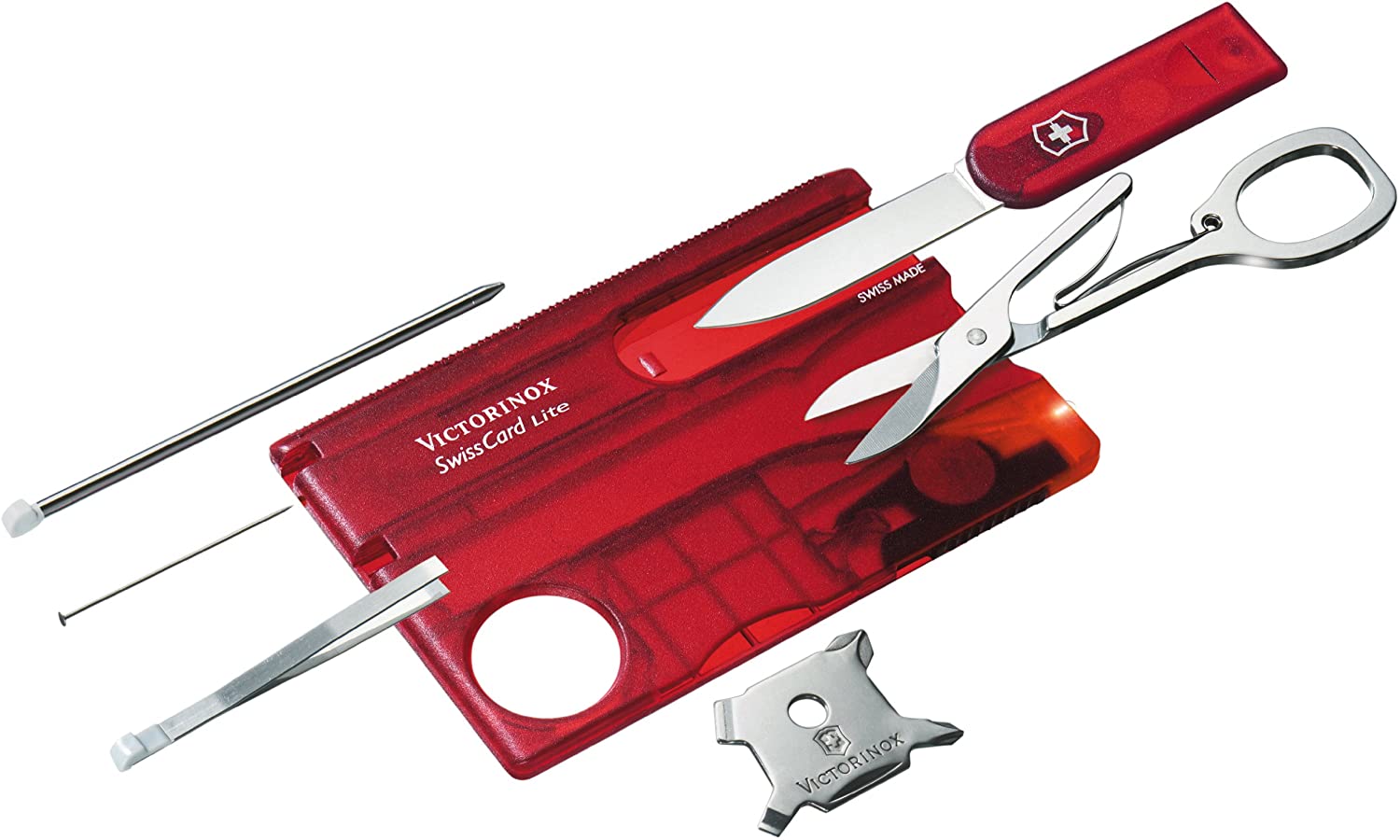
7. Victorinox Swisscard Lite Pocket Tool

  • About this item
        • A CUT ABOVE THE REST: World’s First Flat Multi-Tool that fits in your wallet with credit cards. Compact, agile and ready to face any adventure head-on. Our range of accessories continues to be an icon of utility and smart design.
        • DURABLE CONSTRUCTION: Limitless possibilities are made simple and streamlined with this colourful take-anywhere companion. Renowned Swiss-made stainless steel tool construction with a strong and elegant case.
        • TRUSTED QUALITY: Made in Switzerland; Victorinox provides a lifetime guarantee against defects in the implements and a 2-year warranty on the case. No assembly required a money-back guarantee.
        • PRODUCT DETAILS: Height: 0.2 in, Length: 3.2 in., Weight: 0.9 oz., Scale Material: ABS/Cellidor
        • FUNCTIONS: emergency blade (letter opener), scissors, magnifying glass, screwdriver 3 mm, screwdriver 5 mm, Phillips screwdriver 00/0, Phillips screwdriver 1/2, tweezers, pressurized ballpoint pen pin, stainless steel, LED, ruler (cm), ruler (inches)
        • New LED mini white light; 18,000 MCD

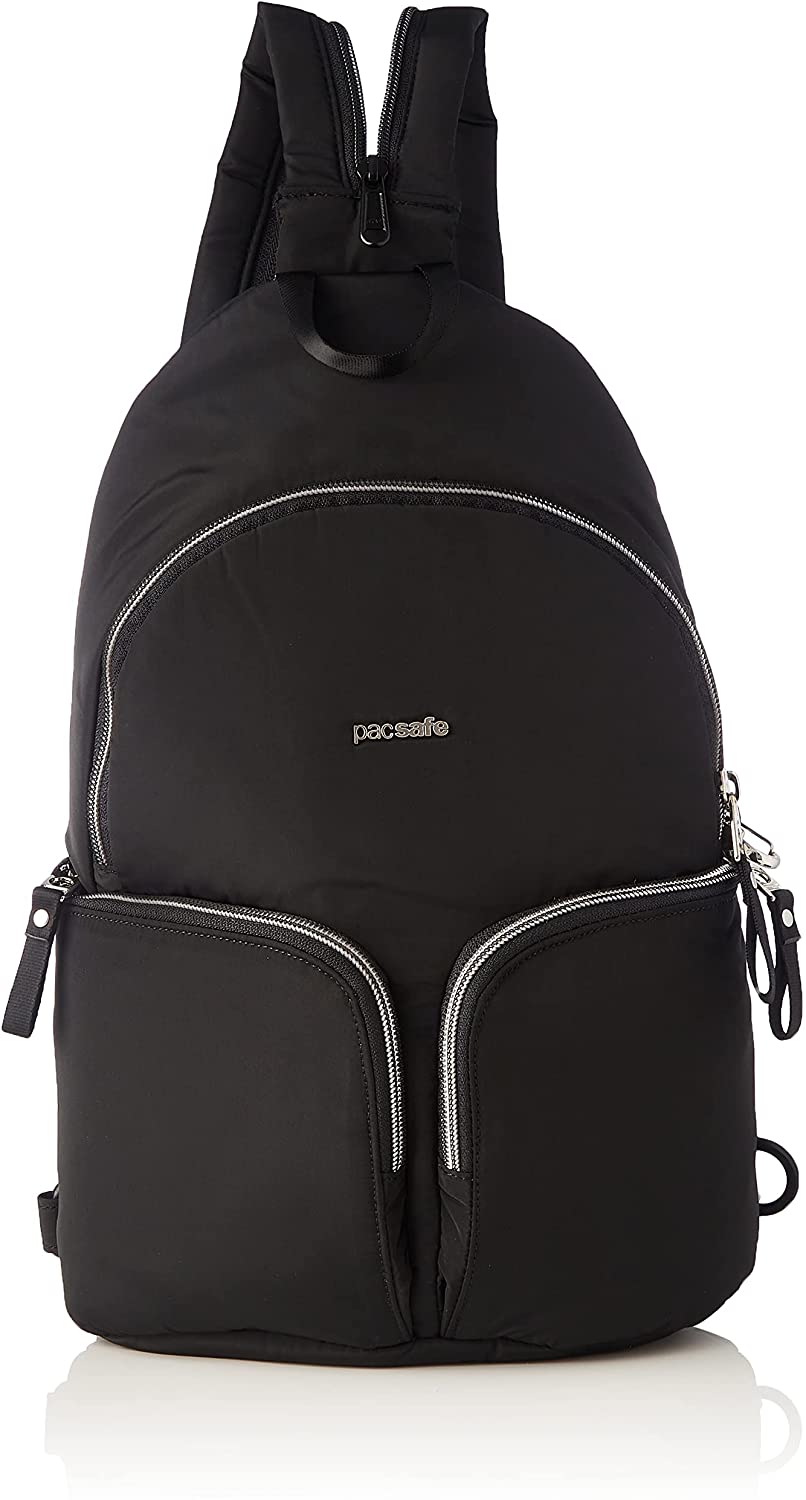
8. Pacsafe Stylesafe 6L Anti Theft Convertible Sling To Backpack

  • About this item
  • ANTI-THEFT DESIGN – With clipable Zippers Fasteners & Cut Proof Material (lightweight steel mesh) to prevent theft/pickpocketing, plus an RFID blocking pocket to keep credit cards/IDs safe. RFID blocking material meets the official US FIPS 201 quality standard.
  • CAN BE LOCKED TO FIXTURES – With an adjustable, wire-reinforced anchor strap, a sling backpack can be secured around a table or chair to keep your belongings secure, to protect your wallet, passport, tablet and phone where items need to be left unattended.
  • LIGHTWEIGHT & VERSATILE – Only 0.72 lbs. Can be worn as a shoulder sling or backpack, fitting different fashion styles. Roomy enough for travel essentials, with 2 front zippered pockets for quick access to smaller items like sunscreen, lotions & lipsticks.
  • ORGANIZATION – Lockable Zipper Main Compartment with 1* Padded 10.5″ Tablet Sleeve, 1* Zippered RFID Blocking Pocket, 1* Internal Phone Pocket, Pen Loop, Key Clip; 2* Zippered Front Pockets for small items, 1* Zippered Hidden Back Pocket
  • DIMENSIONS, WEIGHT & WARRANTY – 13.8″H x 9.1″W x 3.9″ D, 0.72 lbs. Made of soft, durable, water repellent and easy to clean Polyester to ensure long-lasting usage of this bag everyday & during weekends. Comes with a 5-year Pacsafe warranty.
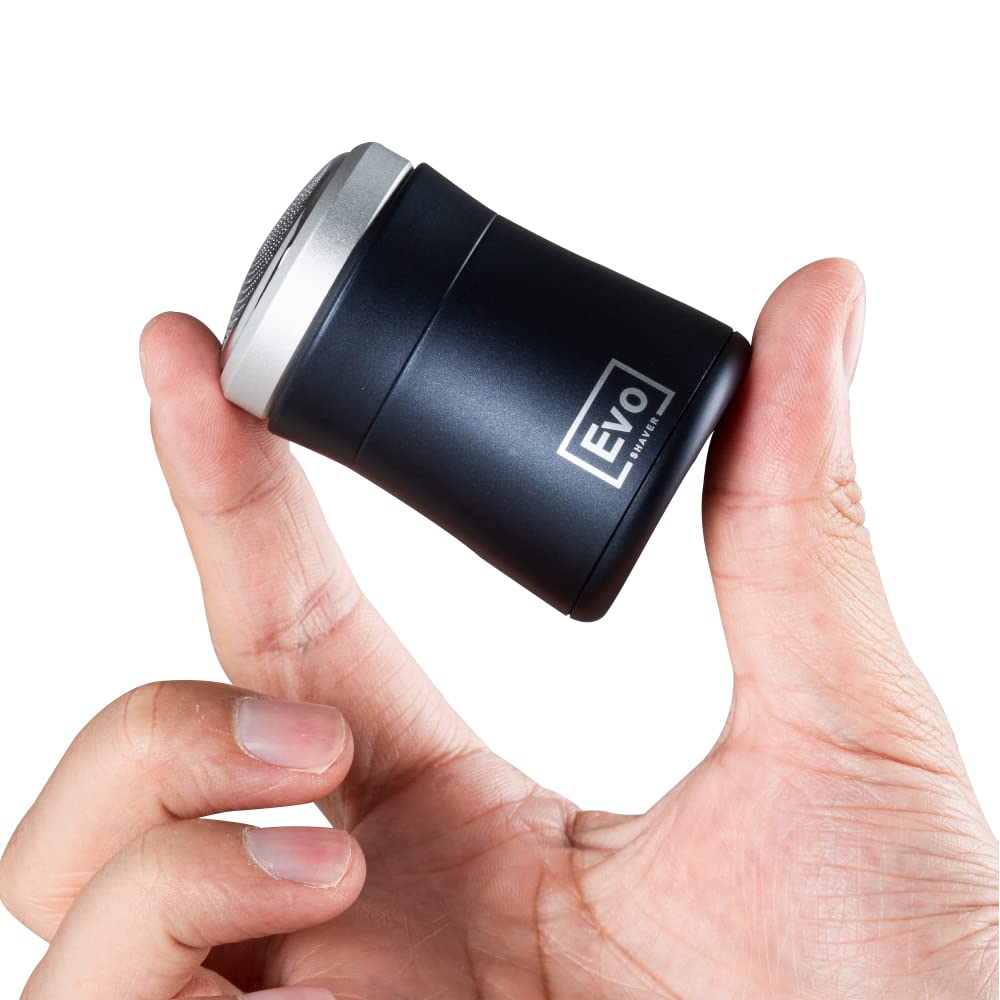
9. EVO SHAVER: World’s Smallest Shaver 

  • About this item
    • The EVO SHAVER is only the size of an egg and you can easily put it wherever you want, such as in the car, your backpack, or even in the pocket of your jeans or pants. You can prepare a few more EVO SHAVERS for spare use and put them wherever you may need them. You can shave whenever you want!
    • The mesh thickness of the EVO SHAVER is only 0.07 mm. The EVO SHAVER provides a closer and more comfortable shave. Also, with the 6000 RPM motor speed, which is 1.5 times that of common electric shavers, the EVO SHAVER can provide a speedy and smooth cut.
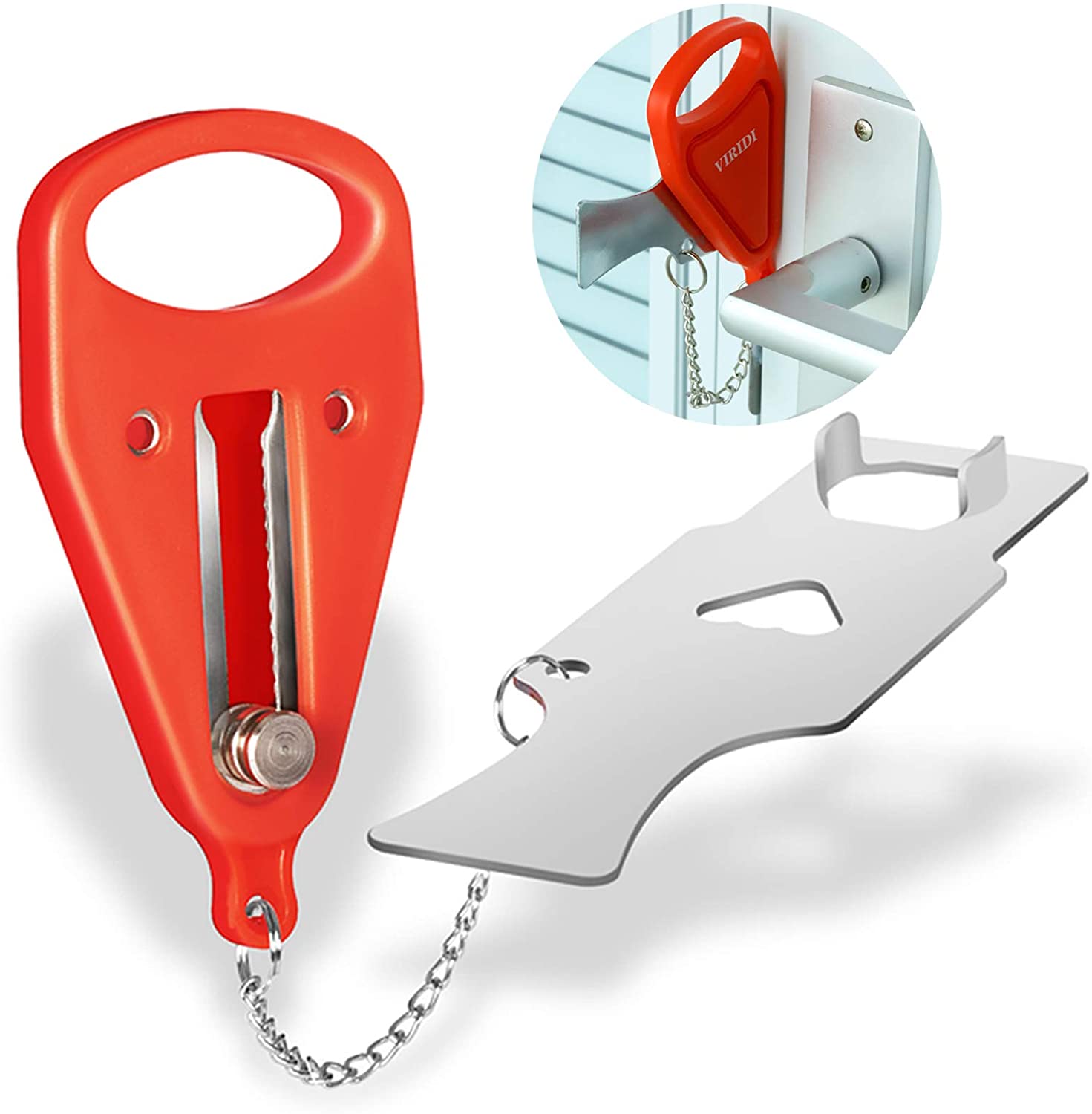
10. VIRIDI Portable Travel Doorlocks

  • About this item
      • It’s Super Easy to Install— Portable door locks need no drilling or screwing. As thin as an envelope, this compact portable door lock latch can be easily installed or removed in mere seconds, making it must-have security and privacy tool while travelling. The metal plate has a hole to clip it onto the strike plate while the door is open. Then close the door, making sure the latch engages. Taking the red key, the metal knob on it’s pushed through a corresponding hold on the plate.
      • Lightweight and small— The VIRIDI Portable Door Lock comes with a nice pouch bag so that you can carry it anywhere you want. The iron piece is just 5.12×1.6×0.45 inches, the length of the chain is not more than 4.7 inches, and the door security lock weighs 4.2 ounces. It can be slipped into most pants pockets of this size, or into a purse without taking up too much room. Our portable door lock is certainly a great choice for the best portable door lock. It is as easy to disengage as it is to install.

At the time of writing, all of the prices are current, and all of the items are in stock.

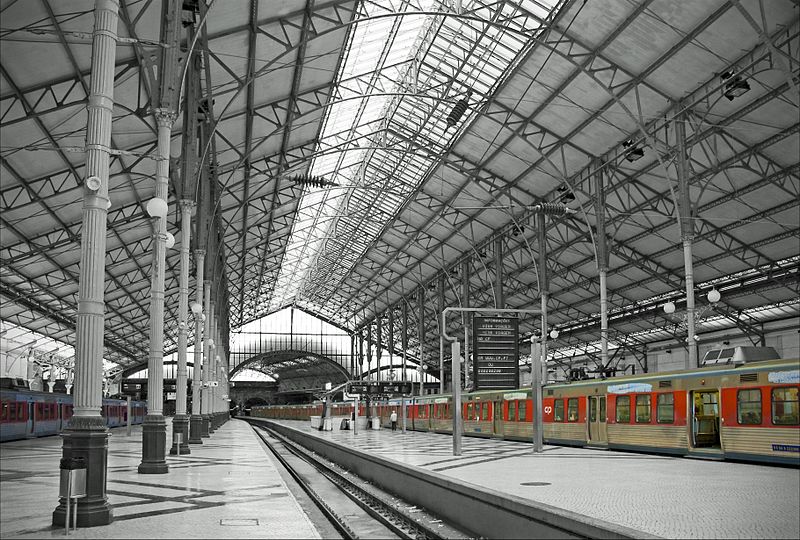
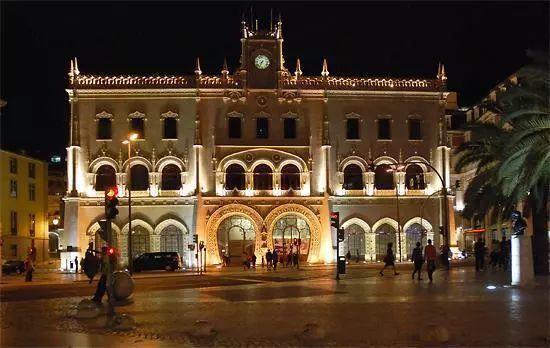
Rossio Railway Station stands proudly amidst Lisbon’s urban landscape, adorned in the captivating neo-Manueline style, quintessentially Portuguese Gothic Revival architecture. Positioned at the northwest corner of the illustrious Rossio Square, from which it derives its name, this station serves as a gateway to the suburban charm of Sintra, drawing countless visitors to its historic allure. Renowned as the principal hub for travellers embarking on day excursions to Sintra, it holds a place of prominence as Lisbon’s most frequented tourist station.

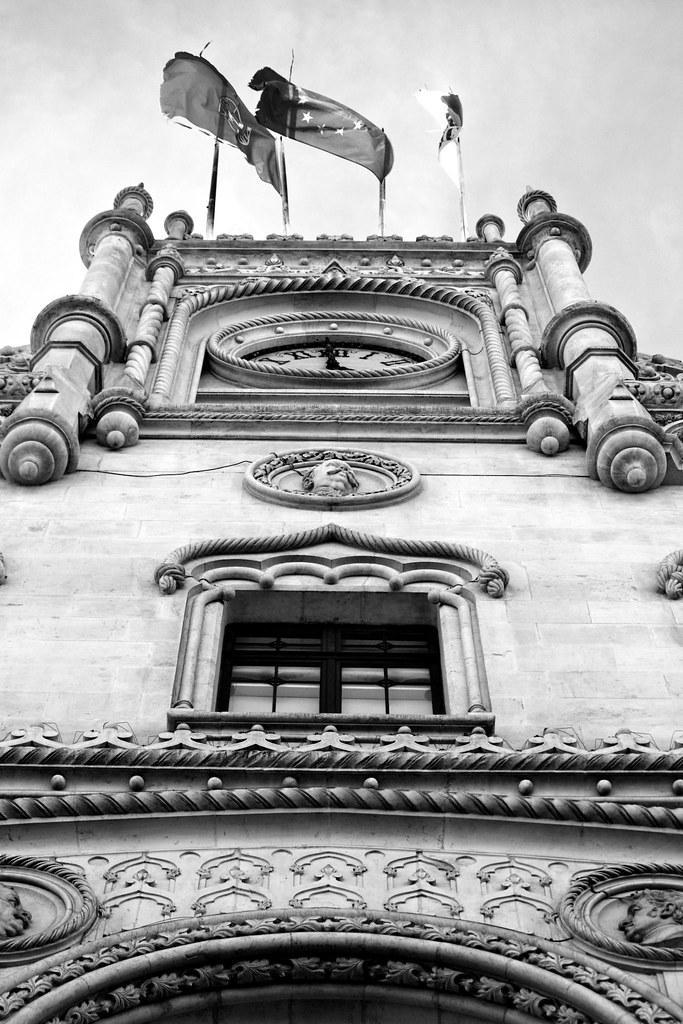
The creation of Rossio Railway Station by the visionary Portuguese architect José Luis Monteiro took place between 1886 and 1887, ushering in a golden age of architecture. A marvel of engineering prowess, a sprawling 2,600-metre tunnel was meticulously carved beneath the cityscape, seamlessly linking Lisbon to the enchanting town of Sintra, a feat lauded as one of the foremost achievements of 19th-century Portugal.

At its threshold stand two majestic horseshoe gates, beckoning travellers into a realm of timeless elegance. Adorned with a quaint clock nestled within a miniature tower and embellished with intricate sculptural motifs, the edifice epitomises the opulence of Neo-Manueline design, captivating beholders with its ornate façade.

The rhythmic pulse of transportation beats steadily at Rossio Station, with trains to Sintra departing approximately every 15 minutes on weekdays and every 30 minutes on weekends, offering swift passage between Lisbon and its neighbouring gem in a mere 39 minutes. Beyond Sintra, the railway also extends its reach to Queluz, home to one of Portugal’s most resplendent royal residences, further enriching the journey with cultural immersion.

For the discerning traveller seeking convenience, Rossio Station boasts a comprehensive schedule, with the inaugural train departing at the early hour of 6:08 a.m., ensuring timely access to adventure. As twilight descends, the station remains steadfast in its service, with the final train arriving at 1:08 am, bridging the nocturnal hours with seamless connectivity. Conversely, the journey from Sintra to Rossio concludes with the last train departing at 12:44 a.m., ensuring a homeward-bound passage for every sojourner.

Nestled within the heart of Lisbon’s bustling urban tapestry, Rossio Station enjoys unparalleled accessibility, within walking distance of the vibrant neighbourhoods of Baixa, Avenida da Liberdade, Chiado, and Bairro Alto, extending its embrace even to the historic enclave of Alfama. Furthermore, its strategic proximity to two metro stations, Restauradores on the blue line and Rossio on the green line, facilitates effortless navigation for travellers traversing the city’s thoroughfares.

Before making any vacation plans, please check the constantly changing local limitations and safety rules. It should be noted that not all sites and services are operating as usual, so check their respective websites for the most recent details.

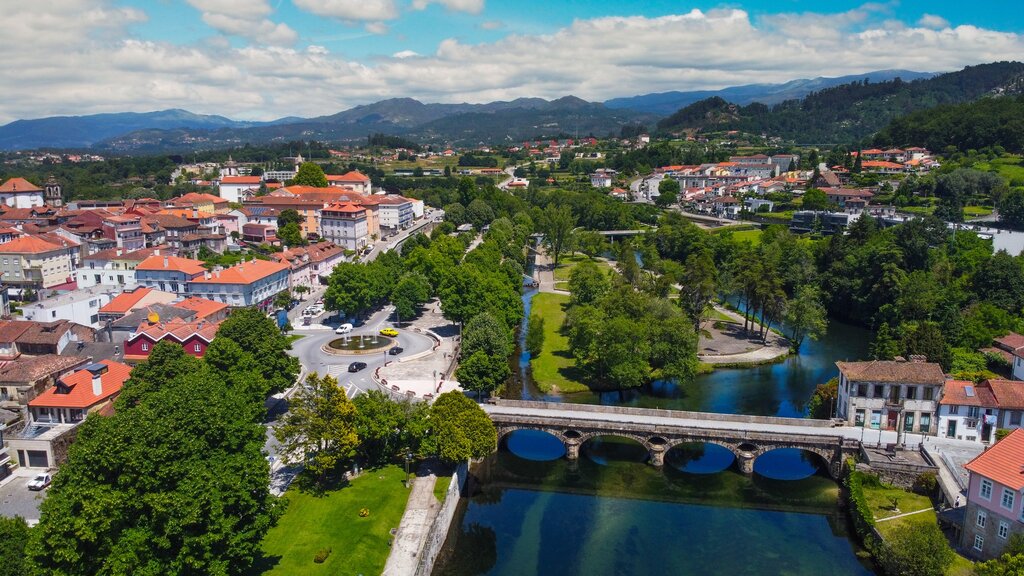
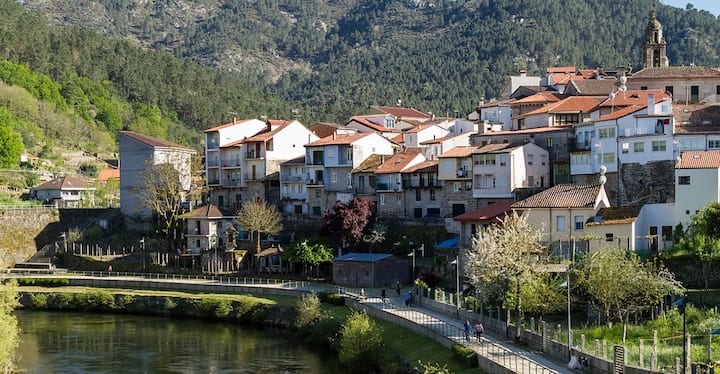
Many people overlook Arcos de Valdevez and the Ponte da Barca, both of which are significant landmarks in Portuguese history. Here, one of the most bloody battles between Portuguese and Spaniards occurred, ensuring the country's victory and independence.

The area is ideal for strolling, with its beautiful historic buildings and one-of-a-kind churches. Additionally, it serves as an excellent starting point for exploring Peneda Geres, as well as Soajo, a traditional village nearby.

Additionally, it is an excellent location for Cachena beef sampling. (Cachena is a rare breed of cow found exclusively in this region and the neighbouring Peneda Geres.)

Attractions and Places To See around Arcos De Valdevez

Water Clock

relogio_003

The Water Clock is located in Largo da Lapa and is considered one of the ex-libris of the historic centre of Arcos de Valdevez.

The fountain’s aquatic architecture has 48 vertical jets as scenic elements, with each jet signalling the passage of 15-minute intervals, with each block representing 1 hour. The flow from the jets flows over inclined planes and is collected on the lower plane, which is covered with a metal grid. The fountain works in closed circuit, with a fully automatic lighting system; the external numbers of the watch are illuminated with white light, with different levels of luminous intensity, thus obtaining different shades of color.

Church of Lapa

lapa_003

The cult of Nossa Senhora da Lapa, which originated in Beira, arrived in the town around 1758, and the temple was finished in 1767. of the tower behind the chancel, and, most significantly, by a broad and high dome, producing an inventive and simple solution. The ensemble, claimed to André Soares, exhibits strong baroque characteristics. The interior, with its three distinctive aspects of a meticulous carving at the level of the retables and railings, is a textbook example of Rococo style.

Parish Church of Arcos de Valdevez

6 - Igreja Matriz de Arcos de Valdevez

The church was built at the mercy of D. Pedro II on the foundations of an earlier temple, probably medieval, between 1690 and 1700. It is characterised by its particular interior richness, with remarkable examples of carved altars and paintings from the late 17th century and the second half of the XVIII. In 1765, André Soares, from Braga, built the chapel of Calvário, located on the south side, a remarkable element of sensitivity, forming an artistic ensemble clearly in the Rococo style.

Chapel of Our Lady of Conception

praca_002

It is the village’s oldest monument, a transitional structure between Romanesque and Gothic that was most likely built in the late 14th century, though in 1410 the Abbot of Sabadim,  João Domingues, mentioned wanting to be buried in the church he had built in Arcos. This small funerary chapel is simple in terms of space and decoration, although the decorative elements of the main entrance arch (Gothic), as well as the few traces of the triumphal arch paintings, probably from the 15th or 16th century, should be noted. The institution of the Confraternity of Nossa Senhora da Conceição in 1691 and the construction of the altar in woodcarvings in the 18th century marked the last evolutionary moments of the chapel that, later, was condemned to total abandonment until the rehabilitation interventions of 1961 and 68.

Pelourinho de Arcos de Valdevez

5 - Pelourinho de Arcos de Valdevez

D. Manuel I granted the town a charter in 1515, which resulted in the erection of the pillory. It was originally positioned in the heart of Praça Municipal until 1700, when it was relocated to the riverfront and then, in 1895, implanted in a plaza adjacent to the Matriz’s south facade, until being restored to its former location in 1998. It is a one-of-a-kind specimen, with a torso pillar and conical distaff, and a sturdy shaft wrapped around three columns and crowned with a cup-shaped capital ornamented with national shields and armillary spheres. It is one of the rare examples with the etched site’s name.

Garden of Centenarians

7 - Garden of Centenarians

Until 1940, the centennial garden. Today, the centennial festivities of Portugal’s creation (1140) and restoration of independence (1640) come to a conclusion!

This location was also chosen to house the memorial pattern for the Recontro de Valdevez for several decades.

Baroque Interpretation Center

cib_entrada

A gateway to the Baroque in the Alto Minho region!

The Church of Esprito Santo, which has been converted into a Baroque Interpretation Center, is the first of ten “time stations” through which the Alto Minho Intermunicipal Community (CIM) is promoting and enhancing the region’s historical and cultural heritage – ten municipalities, ten stations, ten visitor routes.

The chronological door at Arcos de Valdevez opens onto the Baroque.

Monument to the Recontro de Valdevez

12 - Monumento ao Recontro de Valdevez

Made completely of cast bronze, it is one of the most exquisite specimens of twentieth-century Portuguese equestrian art. It depicts two knights in imminent conflict, mounted on horses and armed with long spears, defensive helmets, and shields, alluding to the struggle that pitted Afonso Henriques’ armies against those of his cousin Afonso VII of León and Castile in 1141, and which became known as “Recontro” or “Torneio de Valdevez Portugal.”

Church and Cross of Mercy

13 - Church and Cross of Mercy

The town’s Confraria da Misericórdia was created in 1595, spurring the building of the town’s first temple, which was entirely renovated in 1710. Already, certain aspects, such as the pulpit and choir, are neoclassical. The cross, which is located in the square adjacent to the rear façade in the region of the old cemetery, is an 18th-century example composed of two steps, a decorative base, and a capital depicting scenes from Christ’s life, topped by a cross.

Himalaya Creativity Workshops

14 - Oficinas de Criatividade Himalaya

The Himalaya Creativity Workshops are a venue dedicated to the person and memory of one of Portugal’s finest scientists and visionaries at the beginning of the nineteenth century, known as Father Himalaya, who was born in Arcos de Valdevez.

It positions itself as a platform for promoting science and the researcher’s several fields of study, such as ecology and eco-sustainability, with a primary audience of families, young people, and the school community.

House on the Bridge

17 - House on the Bridge

Casa da Ponte is a mid-nineteenth-century structure. XVII. It lies on the left bank of the River Vez, which is a tributary of the Lima.

There are four bedrooms in total: two doubles, one suite, and one single.

You may dine in a formal dining room or unwind in a lounge with a fireplace.

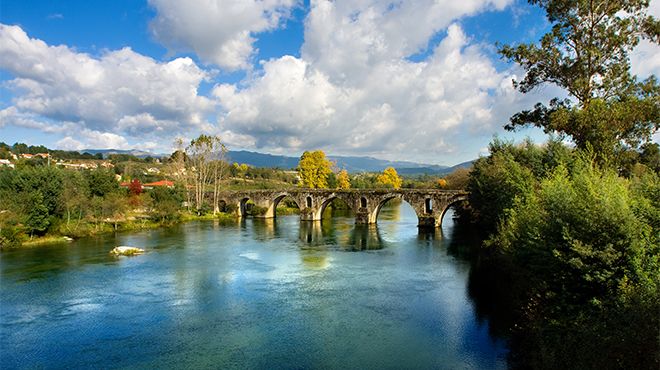
Bridge over the River Vez (Ponte da Vila)

15 - Bridge over the River Vez (Ponte da Vila)

Due to the absence of architectural materials from this early structure, information of its original structure is limited to a meagre bibliography and a few engravings.

The monument consisted of four arches with rounded backs, which were supported by sturdy piers devoid of eyelets and adorned with sculptures.

Additionally, two access ramps led from the banks to a flat level.

Paço de Giela

002

Since 1910, the Paço de Giela has been a national monument. It is a rare example of mediaeval and contemporary private civil construction. Its origins, like those of the previous Santa Cruz Castle, are inextricably related to the foundation and history of Valdevez. When the castle ceased to be a strategic site, the construction of Giela’s “tower house” signalled a new era of protection and lordly and royal authority over the region. The mediaeval tower, as well as the domestic structure with “Manueline” windows and a defended entrance, are visible at the moment. The tower is believed to have been constructed in the mid-fourteenth century. The residential sector was constructed between the late 15th and early 16th centuries and was completed in 1573. 

Soajo granaries

12 - Soajo granaries

On the outskirts of the urbanised area, on a high point dominated by a large natural granite outcrop, a common threshing floor appears, flanked by 24 Galician-Minhoto granaries, characterised by their low, elongated bodies and stone construction, and forming a group classified as a Property of Public Interest since 1983. Canastros made of wicker, which were original parts of these constructions, have vanished entirely. Some are clearly sacralized, as seen by the top crosses on pedestals, for divine protection of their contents, which are necessary for the local community’s existence. These architectural components can be placed within the 18th and 19th centuries.

Rock Engravings of Gião

7 - Rock Engravings of Gião

One of the most significant Bronze Age cave art complexes in the Iberian Peninsula’s northwest is composed of over one hundred engraved rocks with a variety of symbolic and geometric motifs, with an emphasis on quadrangular and rectangular elements with rounded corners, as well as various anthropomorphs (schematic figures of the human figure).  The archaeological station’s location in Monte do Gião, at nearly 800 metres above sea level and dominating a vast natural amphitheatre, makes it equally exceptional in terms of natural ambience, forming a deeply symbolic whole of the social and religious reality of the human communities that conducted these excavations in the second millennium BC.

Hiking trails in and around Arcos De Valdevez

Hiking around Arcos De Valdevez is an excellent method to gain a better understanding of the area while choosing the proper path is not always straightforward. To assist, we’ve compiled a list of the finest trails and walks around Arcos De Valdevez — so you can just go out and go.

PR 7 Soajo – Waterfall Hike from Caminho do Eiró

Good for people of any fitness level. Paths that are mostly accessible.

Distance: 4 miles (8km)

Nossa Senhora da Peneda Hike from EM 202

Intermediate. Good fitness is required. Easily-accessible paths. Suitable for all skill levels.

Distance: 6 miles (10km)

Nossa Senhora da Peneda Hike from Gavieira

Intermediate. Good fitness is required. Easily-accessible paths. Suitable for all skill levels.

Distance: 7 miles (11 km)

Hiking trail from Loureda

Intermediate. Good fitness is required. Easily-accessible paths. Suitable for all skill levels.

Distance: 7 miles (11km)

Hiking trail from Rua Viscondes de Sistelo

Easy hike. Great for any fitness level. Easily-accessible paths. Suitable for all skill levels.

Distance: 3 miles (7 km)

Hiking trail from Sistelo

Intermediate. Good fitness is required. Easily-accessible paths. Suitable for all skill levels.

Distance: 8 miles (12km)

Arcos de Valdevez

Before making any vacation plans, please check the constantly changing local limitations and safety rules. It should be noted that not all sites and services are operating as usual, so check their respective websites for the most recent details.

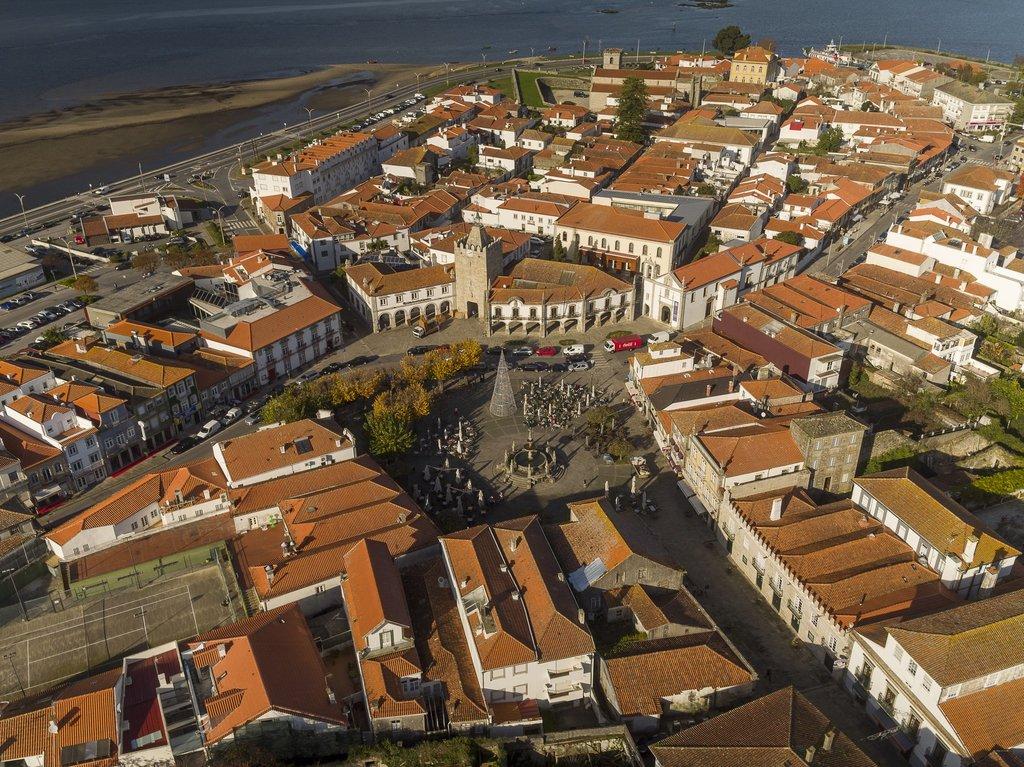
Caminha is located 2 kilometres from the Atlantic Ocean, on the southern side of the Minho estuary, where it meets the smaller and meandering Coura. The Minho reaches its widest point (about 2 km) here, forming the boundary between Portugal and Galiza. The picturesque location, with its broad estuary defined by low-tide sandbars, pastoral and verdant agricultural environment, and pine woods on the granitic mountain slopes, is becoming increasingly popular for second homes and as a summer resort.

File:The afternoon passing by (42136895731).jpg

Caminha was a fishing community in the 13th century until King Afonso III chose to construct a modern castle and walled settlement on the bastide model, which was completed in 1260. During the period, the region was critical for military purposes due to its proximity to Galicia. Later Kings Dinis I and Ferdinand I strengthened the fortress. Finally, reclaimed land joined the original island to the mainland. Although the majority of the castle’s walls and towers have been demolished or rebuilt, the castle’s oval shape is still discernible in the design of several streets, and the keep tower remains intact and serves as an entrance to the historical centre. Another significant project of Dinis I was the establishment of the Camarido pinewood, which served to stabilise the sandbars at the mouth of the Minho.

The wetlands along the Coura are protected and provide excellent birding opportunities.

The Atlantic beaches in the vicinity are large and have decent sand, but are frequently windy during the day; the Moledo beach (4 kilometres south) is popular with surfers. Excursions by river and sea can be arranged with local fishermen.

South of the Coura, the Arga (823 m) little granitic range (“Serra”) offers excellent hiking, biking, and canyoning options. The little monastery of S. João de Arga (a popular spot for picnics, camping, and exploring peaks and streams; also the site of a religious festival) and the settlement of Castanheira are located on the forested northern slopes (scenic terraced fields and natural pools).

Every Wednesday, a weekly market is conducted. Local coppersmiths and lacemakers’ work may be spotted around town.

WHAT TO SEE AND DO:

Historical Heritage

Calvary – Vila Praia de Ancora

Calvary - Vila Praia de Âncora

Calvário features fourteen crosses of remarkable simplicity, built on pedestals with an inscription relating to the respective step of the Way of the Cross, in religious, mannerist architecture.

Consisting of a wide stone staircase with twelve flights of eleven steps, delimited by a parapet in a granite masonry wall, plastered and whitewashed, with stonework capping, inscribing on each level a cross alluding to the stations of the Via Sacra, crowned by the three representative crosses of Monte do Calvário, already inside the churchyard.

The Calvário crosses feature a quadrangular step as a foundation, on which a parallelepipedic pedestal made of monolithic dice displays a descending cartouche engraved with the name of the appropriate stop of the Via Sacra.

Chapel of São Pedro Varais – Vile

Chapel of S. Pedro Varais - Vile

It is situated in the parish of Vile, on the slopes of two hills in the Serra d’Arga foothills. This monument, which was constructed between the tenth and fourteenth centuries, is distinguished by its plain planimetric organisation and paucity of ornamental embellishments. It comprises a single nave and an unusual quadrangular chancel on its longitudinal layout. A solitary bell tower, typical of the Late Romanesque era, crowns the main façade.

The frescoed panels within the chapel originate from the first half of the 16th century and were restored in 1999.

Because it is the county’s oldest architectural structure, this chapel has been designated as a Property of Public Interest since 1950.

Our Lady of Lourdes Chapel / Monte do Calvário

image_13

Vila Praia de Âncora a religious and panoramic complex, dating from 1904, in Vila Praia de Âncora.

Casa dos Pitas – Caminha

Casa dos Pitas - Caminha

Morgado Pitta’s institution in Aveiro, in the 19th century, XVII, gave birth to the union of some existing homes at the entrance of Rua da Corredoura, which gave rise, in the middle of the century, XVII, to the current Casa Pita.

This urban palace has two levels and a rectangular floor plan in the Manueline and Baroque revivalist styles.

Bevelled merlons cap the frontispiece, which is punctuated by half-cane gargoyles.

A stone containing weapons may be found on both sides of the window.

He got permission in 1648 to divert some of the water that supplied the fountain into the rear, and a tank was created in the garden in 1652.

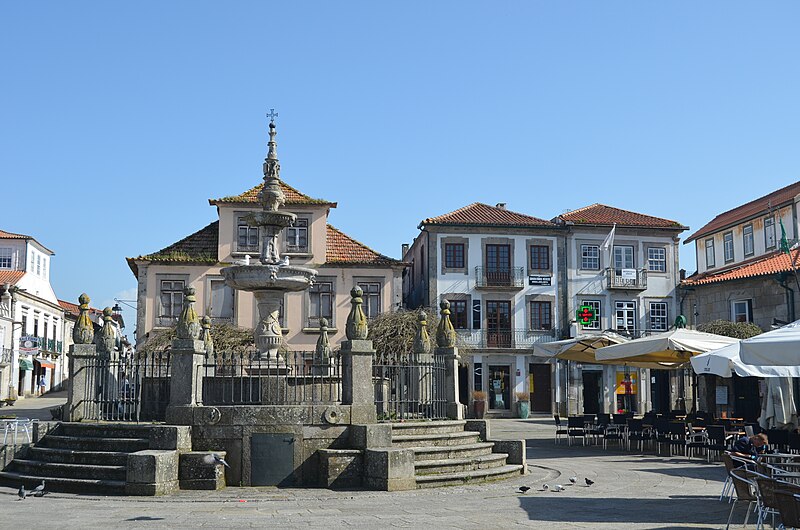
Caminha Fountain

Fountain - Caminha

João Lopes o Velho, an accomplished master, built it between 1551 and 1553. It’s a Renaissance fountain with a circular platform surrounded by iron railings. The circular tank features two overlapping basins and a spire-shaped top, as well as a galbated column and a pyramidal structure.
It was originally placed near the northern end of Terreiro, but during the liberal wars, the City Council ordered the removal of the pillory that stood in the plaza, and the fountain was relocated to its current location, which has undergone several renovations.
The Renaissance style is seen in the classicism of its lines and adornment, with the frowns standing out as one of the most notable fountains in northern Portugal and Galicia.

Anchor City

Anchor City

The stronghold, which dates from the centuries II and I BC, is one of the most important stations of Castro civilization, displaying a well-defined dwelling nucleus.

Situated on a hilly elevation on the left side of the Ancora river, it is encircled by three walls, various pieces of which are still visible, though not much protrudes from the ground.

It was built in proto-history for military and residential purposes, and it is now a historic-cultural landmark.

It is the remnants of a walled town with two lines of defensive walls and Roman traces.

The archaeological excavations at this site discovered valuable items that may be seen in the Caminha Municipal Museum.

Cruzeiro da Independência – Lanhelas

imagem_21

It is a monument commemorating the wars of independence. This monument, emblem and reference of the parish of Lanhelas, is juxtaposed to a windmill and attempts to commemorate the memorable occasion of April 23, 1644, when the residents of Lanhelas valiantly defended themselves from the Spanish invasion. Lanhelas Day is, in reality, held on this day, April 23.

In addition, the Cruzeiro da Independência is related with two additional noteworthy dates: 1140/1640 and 1940.

Dolmen da Barrosa – Vila Praia de Âncora

image_12

Vila Praia de Ncora’s funeral megalithic structure was named a national monument in 1910. It is regarded as one of the most important megalithic structures in the Iberian Peninsula, recording cultural characteristics of the late Neolithic period, i.e. the end of the third millennium and the beginning of the second millennium.

From an architectural standpoint, this monument, generally known as Lapa do Mouro, is constructed by a megalithic chamber (sepulchral area), consisting of 9 overlapping supports, supported by each other, 4 on each side, beginning with the somewhat fragmented chevet that implants vertically.

Ínsua Fort – Moledo

image_9

It has been designated a national monument since 1910 and is located on the islet of nsua in the parish of Moledo. When the monastery of Santa Maria da Ínsua was erected in the 14th century, it was occupied by a Franciscan community for the first time. The original stronghold, of which little survives, must also have been built during this time period. The fortification as we know it now dates from the 17th century, during King João IV’s reign.

The Franciscan monastery, which was enlarged in 1676, is integrated within the irregular star-shaped fort, which has five bastions and ravelin.

Lagarteira Fort – Vila Praia de Âncora

Lagarteira Fort - Vila Praia de Âncora

Forte da Lagarteira, also known as Forte de Âncora , is located in Portinho de Vila Praia de Âncora and has been designated as a Treasure of Public Interest since 1967. A nineteenth-century military fortification. XVII-XVIII, aimed at guarding the coast against the Spanish navy.

It is a star-shaped fortification with four side bastions and a three-sided battery on the riverfront façade.

This structure blends 17th-century elements with the retention of some of their mediaeval characteristics, such as the closed balcony.

Forte do Cão – Anchor

image_15

It is a fortress in the Gelfa area, between Praia da Gelfa and Mata do Gelfa. It is a defensive military structure constructed between 1699 and 1702 under D. Pedro II’s reign.

Forte do Cão was built with the purpose of guarding the Portuguese coast against piracy invasions. It is a stronghold in the shape of a star with four bastions, two of which face the sea. In 1967, Forte do Co is a Property of Public Interest.

Igreja da Misericórdia

Church of Mercy - Caminha

In the town’s centre, adjacent to the Paços do Concelho, lies the 16th-century Igreja da Misericórdia, which is notable for its Renaissance gateway. The interior was redecorated in the 18th century with gilded sculptures in the Baroque and Rococo styles. The figure of St. Rita de Cássia stands out on one of the altars.


Igreja Matriz – Caminha

image_2

The authentic ex-libris of Vila de Caminha shows that it probably had two phases of construction, the first of which began in 1428 and the second in 1488, during the reign of D. João II. Its construction took about 60 years and was completed in the reign of King Manuel I.

Designed by the Biscaino architects Tomé de Tolosa and Francisco Fial, it is said to belong to the Manueline style because it was included in the set of churches built in the era of D. Manuel, but nothing else fits that style.

The Plateresque theme, of Spanish inspiration, is present in the decoration and in the geometric arrangement of the exterior elevations, as in all the churches of Biscainho artists.

The main door stands out for its decoration. It is made of an archivolt and is framed by an alfiz with plateresque designs—grotesques and arabesques—and protected by two giants that section the façade into three sections, finished in corocheus. Above the door is a frieze with fantastical animals in relief and a rose window.

Old Church – Vilarelho

image_20

So old that its foundation is unknown, the Old Church has been known since the Middle Ages. It was the spiritual seat of Caminha and Vilarelho until the construction of the Igreja Matriz, as the chapel destined for the religious services of Caminha, the chapel of Nossa Senhora da Piedade do Muro, was too small to receive the population. Christ Crucified was the image that crowned this church.

It is worth noting its old way of working, according to which the entrance to the church was completely discriminatory: the inhabitants of the village entered through the main door. Those from Vilarelho entered through the east door, and through the bridge (now boarded up), the fishermen and families who lived on Rua da Misericórdia entered.

If someone wanted to enter through a door other than the one intended for him, he had to ask permission from the person of greater honour and dignity present at the door.

Monastery of S. João D’Arga

Monastery of S. João D'Arga

The Monastery of S. João de Arga is located at the top of the Serra d’Arga (place of Arga de Baixo, Caminha) with ample visibility over the river Minho. Although the date of its foundation is unknown, its characteristics point to the end of the 13th century.

This construction of Romanesque architecture belongs to the group of small rural churches, with a single and short nave, a quadrangular main chapel, and very robust wall panels.

The chapel has undergone several renovations over the centuries. In 2015, the Sanctuary of S. João d’Arga was the subject of a conservation and enhancement project, which included conservation and improvement works in the church, in the hostels/barracks, in the outdoor spaces, in the public toilets, in the support building for the Sanctuary, and also the improvement and execution of some infrastructure.


Caminha’s 17th-century wall

Muralhas Seiscentistas de Caminha

After the Restoration of Independence in 1640, at a time when the Portuguese and Spanish were constantly facing each other and the danger of coastal piracy was imminent, the urban growth of Caminha posed major defensive and security problems, leading D. João IV to order the construction of the second line of walls that would surround the new housing districts.

City Hall – Caminha

City Hall - Caminha

In 1920, the Caminha City Council building underwent extensive renovations by the Vilarmourense José Porto. The main façade has several laced pinnacles, which copy two originals from the chapel of S. Sebastião.

Inside, the decoration of the Noble Room stands out, with its ceiling in masseira and phytomorphic motifs from the Mother Church, and the arch at the back of the 1st floor, reused from the chapel of S. Sebastião.

Vilar de Mouros Medieval Bridge

image_18

Since 1910, the Vilar de Mouros Bridge over the Coura River has been classified as a national monument.

Considered as one of the prototypes of Portuguese Gothic bridges, the Vilar de Mouros Bridge consists of three slightly broken arches, the medium one being larger, and a trestle deck. Although the exact date of its construction is unknown, its architectural features point to the end of the 14th century and the beginning of the 15th century.

Rua Direita – Caminha

image_7

Caminha was originally planned according to the French urban planning model of the bastides. It had an oval wall that enclosed an orthogonal urban space, divided by three parallel streets on the major axis and three lanes on the minor axis, perfectly dividing the urban area into rectangular lots whose most important facades faced the main street, Rua do Meio, or Right Street.

If there is doubt about what else to admire, it is the sinuosity of the narrow slab streets; if the originality of the houses, revealing artistic facades and balconies with very interesting architectural elements.

Clock Tower – Caminha

Clock Tower - Caminha

The main tower of Caminha’s mediaeval fortifications provides entry to the village’s Medieval Historic Center. When facing south, the Portas de Viana were visible underneath, since this one leads to Viana do Castelo. It has a square design, two levels, and is now the Caminha castle’s only surviving turret. The clock that would give the tower its name was installed at the top of the tower in 1673. Since 1951, it has been designated a national monument.

It was requalified and upgraded in 2008, and the Museum Center of Caminha’s Historic Center was established, putting the Torre do Relógio building at the service of culture and tourism, with a focus on Caminha’s history and urban evolution from its origins to the present day.

BEACHES

Foz do Minho Beach

Foz do Minho beach is the northernmost maritime beach in Portugal and belongs to the mouth of the River Minho on the south bank, next to the border with Spain. It has a beach of about 1.2 km in length and a riverfront in the north. Nature lovers can enjoy the beauty of the Mata Nacional do Camarido that complements this fantastic setting. From here we can see the Forte da Ínsua which stands imposingly over the Ínsua de Santo Isidro, 400 metres from the coast.

Moledo beach

This beach is equipped with everything essential for enjoyment, and its therapeutic properties are well-known due to the high concentration of iodine. Its beauty deserves a visit at any time of year, especially when combined with outstanding surfing, bodyboarding, and windsurfing conditions.

Praia de Vila Praia de Ancora

The beach at Vila Praia de Âncora is ideal for making the most of the bathing season. Within the established quality requirements, the large beaches and sea, together with the terrain, ensure a memorable season for all visitors.

This beach is quite popular since it is equipped with all the required equipment for enjoyment, and its therapeutic properties, owing to the high concentration of iodine, are well-known.

Azenhas River Beach

This region remains a haven for holidaymakers on windy days and when the coastal beaches are fogged in. Praia Fluvial is located near Vilar de Mouros’s Roman Bridge, a location that is also equipped with a recreation area, picnic area, and outdoor areas for socialising.

Viewpoints (Miradouros)

Boavista Viewpoint – Vilarelho

image5

It is next to the fort and features one of the most breathtaking vistas.

From this vantage point, you can overlook the town, the Minho River, and Foz.

It is a perfect location to serve as a source of inspiration for musicians, poets, and painters, among others.

Fraga Viewpoint – Vilarelho

image 11

This viewpoint, located in the parish of Vilarelho, is surrounded by the town’s walls.

From this vantage point, you can see the town of Caminha, the Clock Tower, the Minho River’s mouth, the Mata Nacional do Camarido, the imposing Forte da Ínsua, and Monte de Santa Tecla (Spain).

Senhora das Neves Viewpoint – Dem

Senhora das Neves Viewpoint - Dem

At the Miradouro da Senhora das Neves, visitors can see Caminha, as well as the parishes of Vilar de Mouros, Argela, Venade, Vilarelho and Monte de Santo Antão in the distance.

The viewpoint of Monte de Santo Antão – Venade

image1

From this viewpoint, enjoy a simply extraordinary landscape, which allows us to perceive the vastness of an unparalleled horizon.

On this hill is located the Chapel of Santo Antão, which was built at the beginning of the 18th century and rebuilt in 1775.

The viewpoint of Monte do Calvário – Vila Praia de Âncora

figure 8

It is one of the most beautiful spots in the valley of the River Ancora to admire the landscape. Tourists have Âncora, Vila Praia de Âncora and Vile ‘at their feet’, with their monuments and wonderful landscape.

Contrasts abound here: the rich green of the valley contrasts sharply with the deep blue of the ocean… We are in a peaceful and somewhat magical location, sandwiched between mountains and sea.

Bell of the Moors Viewpoint – Moledo

Sino de Mouros Viewpoint – Moledo

It is one of the privileged places to admire the landscape over the valley of the River Ancora. Tourists have Âncora, Vila Praia de Âncora and Vile ‘at their feet’, with their monuments and wonderful landscape.

Here, the contrasts are great: the fertile green of the valley contrasts with the strong blue of the ocean… We are between the mountains and the sea, in a contemplative and almost mystical place.

Hiking Trials

Cabeço do Noon Trail

1. Cabeço do Noon Trail

With a cultural scope and a short route, this route covers 8 km with an easy degree of difficulty.

Departing from the Capela de Santo Antão, hikers pass through several forest paths, cross the Pombas stream, to visit the Moinho das Pombas from below. They also pass by Moinho Velho and Moinho Novo. Arriving at Cabeço do Meio-Dia, hikers are at a latitude of 550 metres and head towards Moinho de Baixo, via the bridge and mills of Gândara. This route ends at Pontão do Lobo, which is of incalculable value to the architectural and ethnographic heritage of Serra d’Arga.

Starting point

Chapel of Santo Antão -Arga de Cima

course duration

3 hours

Maximum Quota Achieved

550 metres (Noon Head)

 Pedra Alçada Trail

Image 6

This route leads to the municipality’s highest point—Pedra Alçada, at 742 metres above sea level—from where a wonderful panoramic view of the sea and the mouths of the Minho and Coura rivers may be enjoyed.

Along with the breathtaking scenery, the route highlights many tree, shrub, and plant species, the Monastery of São João d’Arga,  waterfalls, and natural sceneries produced by the  S. João stream, as well as the characteristic settlement of S. Joo d’Arga.

Starting  point

The Church of Arga de S. João Square

duration of the course

4–5 hours.

Obtained a Maximum Quota

742 m (Heaved Stone)

Trail Between the Sea and the Mountain

This trail, which has a scenic and ecological focus and a short route, is 19.3 kilometres long and moderately difficult.

It begins next to the Camarido Camping Park and continues through the walls to Monte de Santo Antão, in Alto da Espiga, providing views of the Minho and Coura rivers estuaries.

Continue to the Romanesque chapel of St. Pedro de Varais for a spectacular view of the Ancora river valley and the Atlantic coast.

You will next come to Cobertorinho’s geodesic landmark and, farther on, a Cross that culminates in the Sino dos Mouros rock.

You arrive at Moledo beach after crossing the EN 13.

One returns to the starting point after crossing the Mata Nacional do Camarido.

Vilarelho is the starting point of the route.

Commencement point

Comrade car park

Course duration: 5 hours and 30 minutes

Attained 410 metres (Alto da Espiga)

Caminha, Portugal

Before making any vacation plans, please check the constantly changing local limitations and safety rules. It should be noted that not all sites and services are operating as usual, so check their respective websites for the most recent details.

The ancient community evolved around the castle, which was erected in the twelfth century on the instructions of D. Afonso Henriques, the first monarch of Portugal.

Melgaço, PT holiday rentals: houses & more | Vrbo

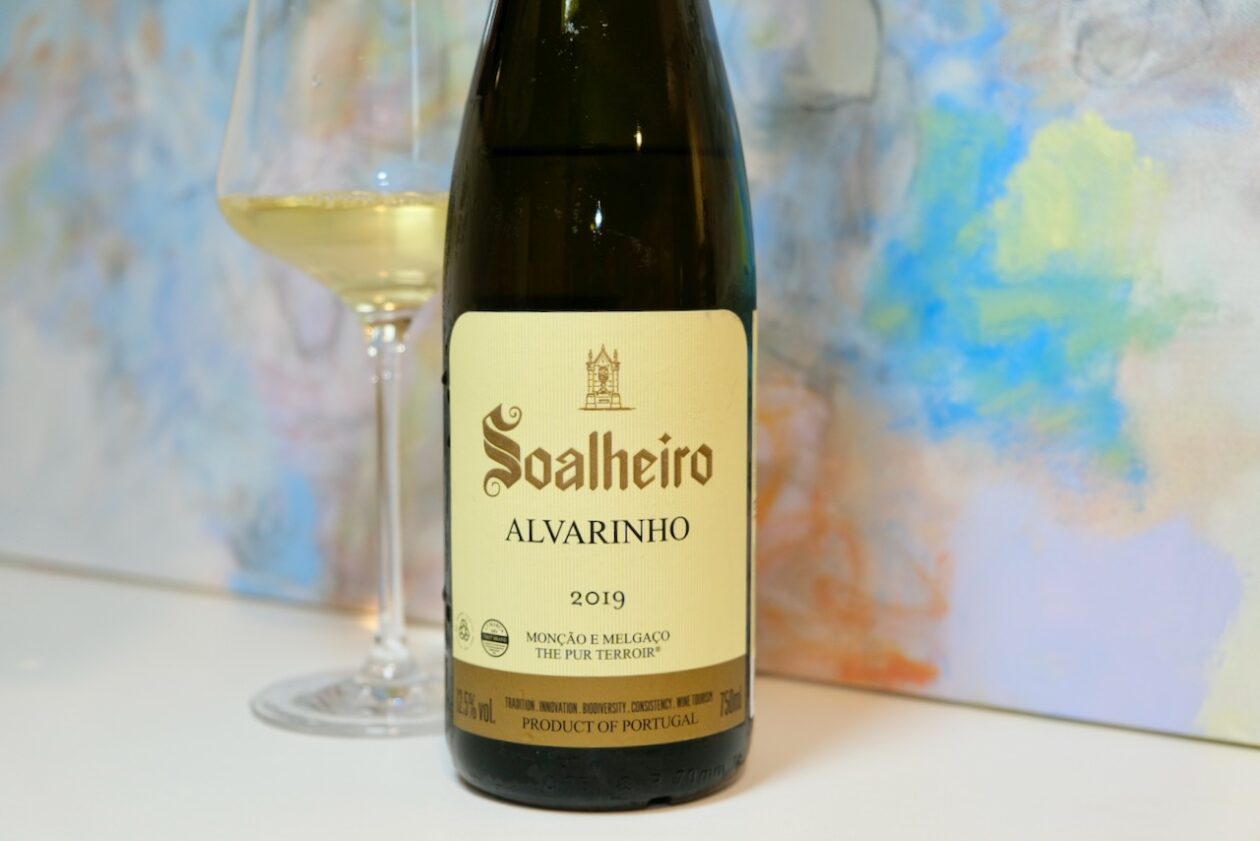
monção e melgaço Archives – Terroir ReviewMelgaço has one site that everyone must visit in the midst of the calm and lushly green region where the famous Vinho Verde is produced: the Solar do Alvarinho, where it is possible to taste the many distinct kinds of this unique wine, unrivalled anywhere else in the world.

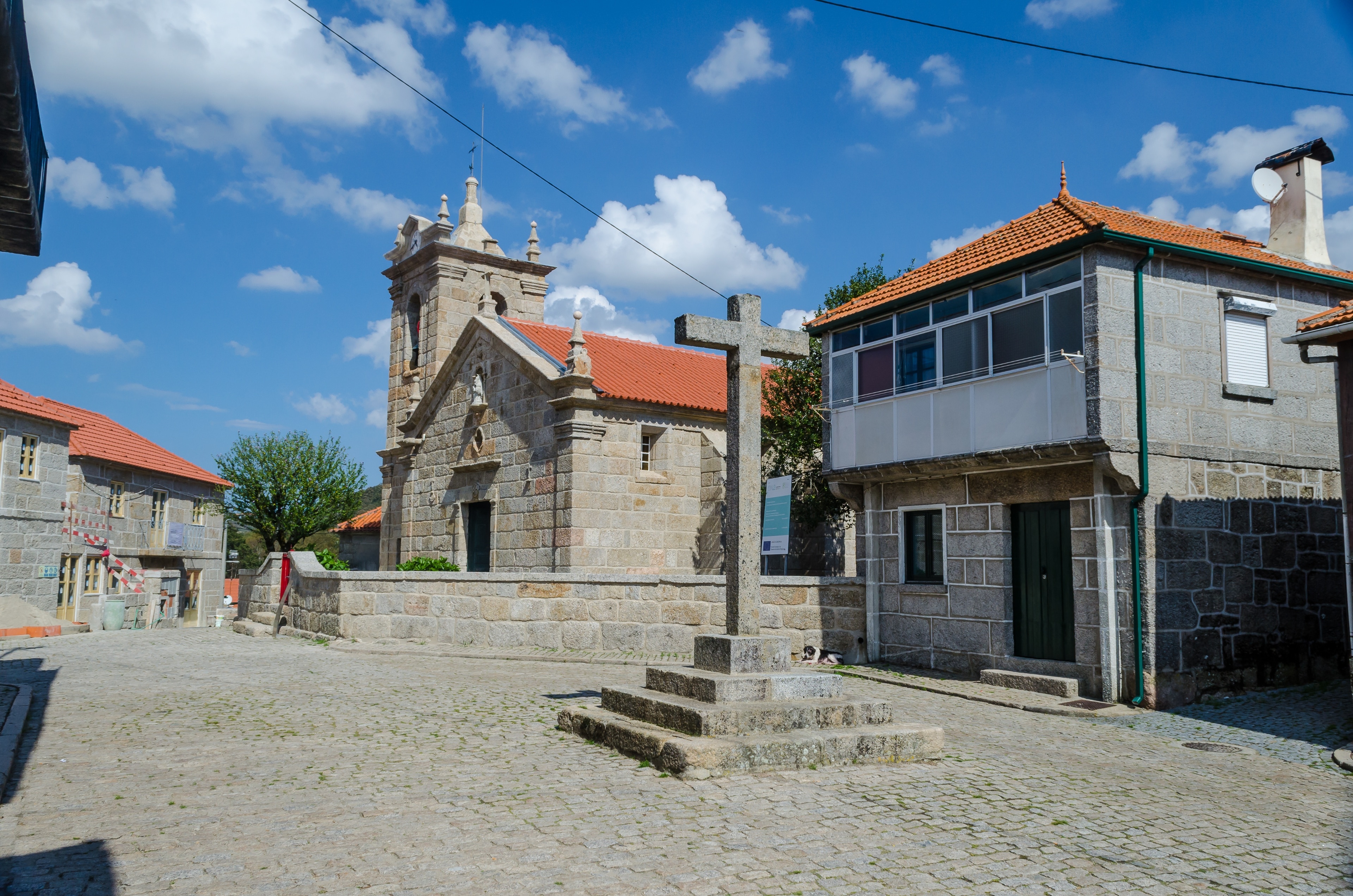
There are several remarkable Romanesque structures in the surrounding region, including the monastery of Fiães, the churches of Senhora da Orada and Paderne, and the traditional village of Castro Laboreiro. Its origins may be traced back to the Iron Age, and it has subsequently given its name to a dog breed (Portuguese cattle dog) that originated here.

Cao de Castro Laboreiro | Canine Chronicle

Termas do Peso, about 4 kilometres from town, is a popular spa known for the healing properties of its waters.

The Tower of Homage will be the first to greet you when you arrive in Melgaço. Its excellent location on top of the ancient mediaeval town overlooks the magnificent Minho valley, which surrounds Melgaço and the surrounding Peneda Geres park.

The Tower, which now houses the archaeological museum, is a remnant of the fortress that previously safeguarded the settlement from the Spaniards.

Walking around the village, you’ll see small lanes lined with meticulously maintained houses, all of which are no more than three floors tall. Similar to the one at Solar do Alvarinho, a modest stone palace dedicated to the marketing of Alvarinho and Vinho Verde wines. Don’t just walk by; they provide free wine samples to guests and stock every wine brand made in the region.

In the historic centre, there are two Romanic churches worth seeing: Igreja Matriz (XII Century) and Igreja da Misericordia (from the XIII Century).

In addition, right in front of the Tourism Information Point on Praça da Republica is a small archaeology museum that aims to explain the village’s ancient past through its tunnels and passageways.

The Smugglers’ Land

Today, Galicia/Spain and Portugal have an extensive trade tie, particularly between the regions located around the Minho river.

However, there was a time following the First and Second World Wars, as well as during the dictatorships of Franco and Salazar, when the Minho River became the location to go to buy things that could not be obtained with ration cards.

Smugglers would cross the border with the merchandise disguised in their garments. Or cruise them along the river on black boats in the dead of night to hide them from the authorities.

Oil, flour, rice, copper, and so on were among the most fundamental necessities.

Or Portuguese coffee, which gained in popularity in Galicia since the only thing available was roasted chicory, a coffee replacement.

This period of history may be seen at Melgaço’s Espaço Memoria e Fronteira, an exhibit that displays some of the tactics employed to cross the Minho River as well as the history of the migrants who left the town in the previous 200 years.

The therapeutic hot springs

TERMAS DE MELGACO - Melgaço | Lifecooler

Melgaço’s thermal baths and hot springs have a lengthy history. Termas de Melgaço, a spring resort in the heart of a lovely natural park, is located just outside of town.

Melgaço’s hot springs are well-known for their ability to alleviate stomach and respiratory issues. It’s free to sample at the Termas main fountain. The water has a gentle iron flavour that will remind you of a soda. Just don’t drink too much, since the resort’s physicians recommend only one glass each day (unless otherwise prescribed).

The spa is set in a green garden with mature trees. It is separated into two buildings: a 1920s-style kiosk where the original hot spring fountain is placed, and a central structure with a pool and medical facilities next to the kiosk. There is also a small playground for children and a cafe within the park.


Wine Flavors of Vinho Verde and Alvarinho

What is Vinho Verde?

Melgaço Province and its neighbouring Arbo (in Spain) are recognised for their mild temperature, which is aided by the surrounding mountains and the Peneda Geres National Park. This region promotes the growth of wine, which is protected under the Alvarinho name, which is regarded as one of the top white wine brands in the world. These wines are also from the Vinho Verde area.

Wineries and vineyards may be found across the province and can be visited. You may taste the wines and learn more about their production techniques and qualities at the House of Alvarinho in Melgaço’s historical centre.

Finally, towards the end of November, Melgaço has one of its most popular festivals, the Feira do Espumante de Melgaço, which promotes sparkling Alvarinho and Vinho Verde. If you visit Melgaço in April, make sure to attend the Festa do Alvarinho e do Fumeiro, which brings together local wine and salted meat producers to showcase their wares.


PortugalHolidays4u.com - A weekend in Melgaço

Melgaço Film Museum. It first opened in 2005, when director and critic Jean-Loup Passek donated his personal collection of film-related artefacts (posters, cameras, lamps…). It’s directly behind the tower.

Melgaço has another fascinating site named Castro Laboreiro within the Peneda-Geres Park. The location, an old and remote nomad settlement, has a long history of customs. The church from the IX century, the “castros” (pre-roman dwelling), and the old Roman route are some of the notable buildings on it.

In addition, there are several trails and cycling routes that go through Melgaço, and several outdoor activities’ companies that offer routes on horseback, 4×4 or even canoeing. In addition to the downtown area, there is a pedestrian walkway known as the “Paseio Urbano del Rio Porto.” This little river promenade is located among an olive grove and features a traditional washing facility that uses pure river water.

Some further information

Melgaço is easily explored on foot, although you will most likely need a car to visit the adjacent little villages and noteworthy landmarks (Lamas do Mouro, Castro Laboreiro, the petroglyph sites…).

There are several private parking lots in town, as well as numerous public parking lots (paid, however, weekends are free.)

Ways to Get There

By Bus: Transportes do Minho and Groupo AVIC provide daily direct buses from Viana do Castelo, Porto, and Lisbon.

By plane, the nearest airport is Vigo (VGO, 50 kilometres away), followed by Santiago de Compostela (SCQ, 140 kilometres away) or Porto (OPO, 150km).

MELGAÇO

Before making any vacation plans, please check the constantly changing local limitations and safety rules. It should be noted that not all sites and services are operating as usual, so check their respective websites for the most recent details.

From Braga to Santiago de Compostela, 240 KM of amazing landscapes, forests, rivers, crystalline waterfalls, woods, and vineyards, all in a semi-wild state, along the most beautiful sections of Minho and Gilicia.

Passing through the Peneda-Gerês National Park (Xurês Natural Park in Galicia) is one of the path’s attractions, since the scenery is beautiful.

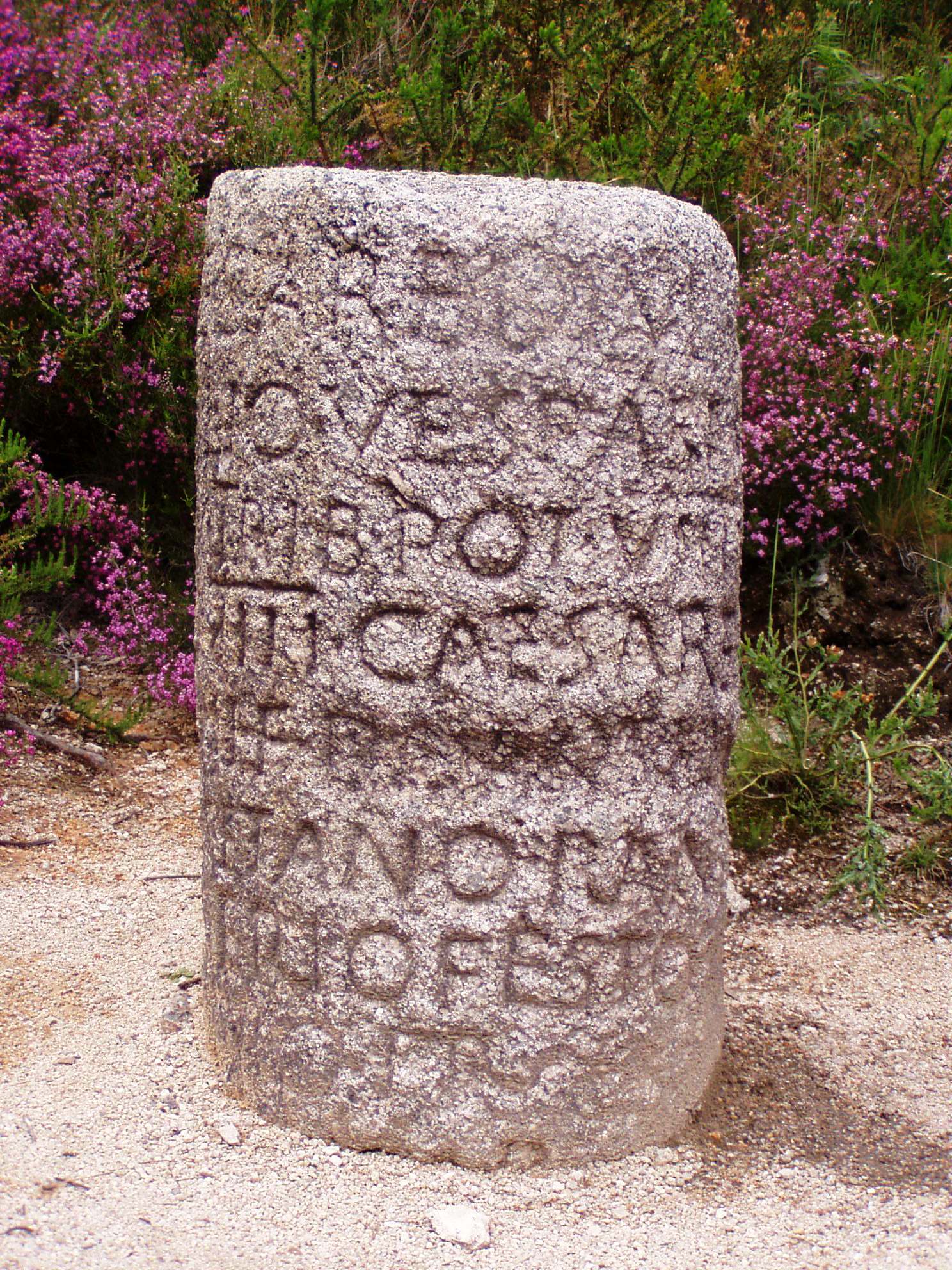
Geira (New Via, or XVIII) is the name given by the Roman Empire under the Flavius dynasty to this mode of communication that connected Braga and Astorga. These routes were extremely important to the Roman empire since they were utilised to transfer their forces at a period when conquests were critical to the empire’s expansion and upkeep.

Ruts from 2000 years of carts travelling along the Geira Roman Road (between Portela do Homen and Lobios)

These well-structured routes did not have severe descents or ascents, and their usage was maintained long after the collapse of the Roman empire, having been absorbed into the Santiago roads and travelled by thousands of pilgrims and utilised until about the beginning of the 20th century. Along the journey, there is a spectacular collection of milestones that not only show the distance in miles to the provincial capital, but also honour the Roman emperors.

Peneda-Gerês National Park - Wikiwand

The Geira Roman Road in Portugal is particularly well signposted, with finely constructed glass boards describing the history and metal signposts pointing the way every mile of the route.

The well-marked track and infrastructure barely extends to the Spanish border. However, once in Spain, the path from the Portela do Homen border crossing to the town of Lobios is practically a straight line and is easy to follow on a map.


10 day hike starting in Braga ending in Santiago. You should be able to book an overnight stay in any of the villages.

  • Day 1 Braga-Caldelas
    (18,5 km)

Posto de Turismo - Caldelas / Amares | www.visitportugal.com

  • Day 2 Caldelas-Campo do Gerês
    (28,3 km)

File:Campo do Geres.JPG - Wikimedia Commons

  • Day 3 Campo do Gerês-Lóbios
    (25 km)

  • Day 4 Lóbios-Castro Laboreiro
    (21,3 km)

File:Castro Laboreiro, Portugal.jpg

  • Day 5 Castro Laboreiro-Cortegada
    (28 km)

The Baths of Cortegada – Tourism of Galicia

  • Day 6 Cortegada-Berán
    (24 km)

Berán Vacation Rentals & Homes - Galicia, Spain | Airbnb

  • Day 7 Berán-Beatriz
    (29,5 km)

PATHS PR-G 197 RUTA DE CODESEDA - RAPA DAS BESTAS IN A ESTRADA PONTEVEDRA - GALICIA

  • Day 8 Beariz-Codeseda
    (32 km)

File:Igrexa de San Xurxo de Codeseda, Codeseda, A Estrada.jpg - Wikimedia Commons

  • Day 9 Codeseda-Pontevea
    (25,7 km)

File:Ponte medieval de Pontevea, Teo.jpg - Wikimedia Commons

  • Day 10 Pontevea-Santiago
    (18,5 km)

City Guide to Santiago de Compostela, Spain - CentralCityGuides.com

This post contains affiliate links, which means we may receive a small commission, at no additional cost to you, if you make a purchase through these links. See our full disclosure page.

With so many of us ready to travel again, now is an excellent opportunity to stock up on some essential travel essentials.

Let’s get inspired and look at the coolest travel devices and accessories money can buy for those much-anticipated travel trips.

  • No-Touch Door Opener

With a no-touch door opener, you will never have to worry about opening doors, pressing elevator buttons, or touching various surfaces.

This smart multi-tool is equipped with an expertly designed hook and prong that you can use to touch many surfaces. Picking up trash, opening and closing doors, and pressing buttons can all be done without touching.

This is an essential travel gadget for safe and hygienic travel. It’s easy to attach to a keychain.

  • Smartphone Sanitizer

This ingenious sanitising cover is an excellent method to keep your phone clean and sterilised when it is in use and idle.

The case disinfects your phone and screen using UV light.

Its compact size and low weight make it ideal for travel. Additionally, the casing functions as a charger.

UV Cell Phone Sanitizer and Dual Universal Cell Phone Charger –

  • Refillable Sanitizer Wristband

Are you fed up with misplacing your tiny bottles of hand sanitiser? This reusable hand sanitiser bracelet is an incredibly basic yet powerful travel companion.

Its circular storage tube is shaped like a watch, which makes it convenient to carry.

Portable Travel Dispenser Bracelet –


  • Universal Travel Power Strip

For both casual and frequent travellers, power strips are necessary to travel gear.

You are covered in practically every country in the world with a universal adaptor.

When the bagel is selected, it provides numerous USB charging ports, an AC outlet, and a universal charger compatible with UK, EU, Australia, and US plugs.

Designed to maintain a safe voltage, this is an extremely effective adapter and power strip for travel.

Universal Travel Power Strip –

  • Compression Packing Cubes

Packing cubes may significantly improve your vacation experience. Organizing your luggage saves space and keeps your belongings in order.

Compression packing cubes take compression to the next level. They pull out air and shrink to a considerably smaller size once zipped.

If you travel with a lot of luggage, investing in these practical travel accessories is a good idea.

You’ll save time and feel less stressed if you’re organised. Additionally, by conserving space, you may pack additional essentials.

Compression Packing Cubes –


  • Hidden Money Belt

You will still need to withdraw cash or travel with cash in many locations to purchase meals, services, and excursions.

Money belts are an ingenious and practical technique to conceal cash.

Hidden Money Belt –

  • Airhook

Are you fed up with having to hold your phone or tablet in order to view your favourite movies and series on planes?

The Airhook may be the travel accessory that has you asking how you ever survived without it.

Airhook is compatible with reclining chairs and table trays and may be adjusted to fit them. From there, you may secure your tablet or device and continue watching.

Due to the adjustable support, you can tilt the screen regardless of how low the recline is. This travel necessity, which includes a cup holder, is ideal for regular and long-haul fliers.

The area surrounding Serpa consists mostly of farms and cultivated lands of wheat, that have traditionally been the staple of the local economy, employing many people. Due to the area's strong agricultural reliance, the local population has traditionally been agrarian farmers and sheepherders.

Serpa, Alentejo, Portugal

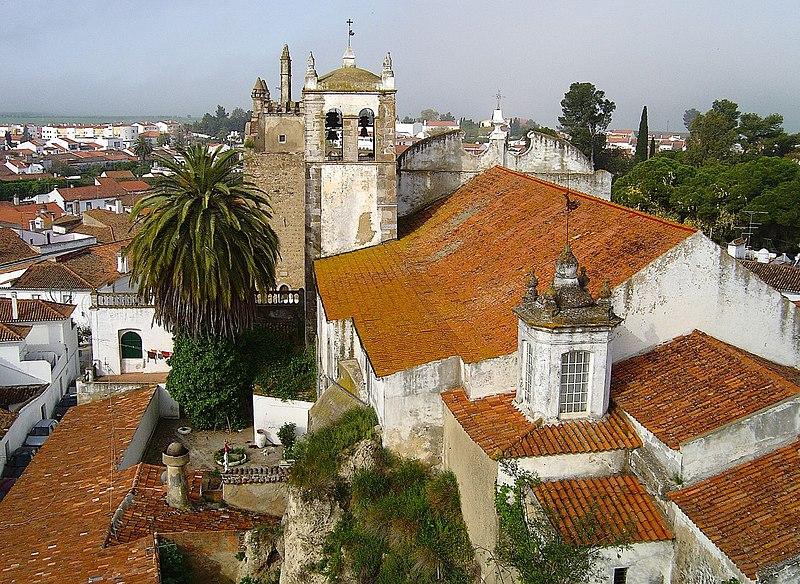
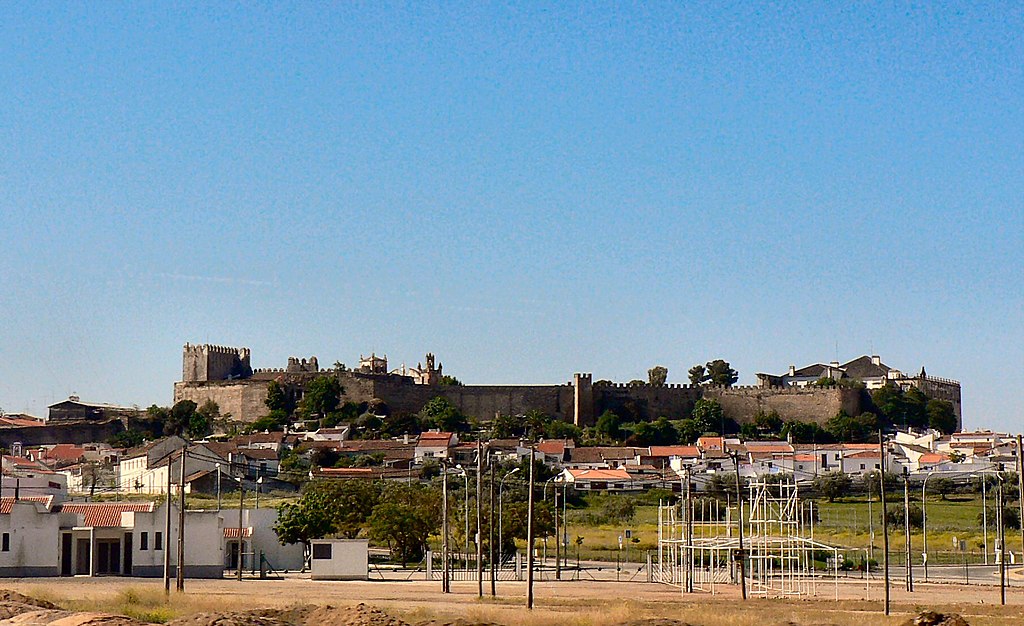
Serpa, in rural Alentejo, is a peaceful hilltop village. Because of the town’s proximity to the Spanish border, high town walls and a tiny castle were built, the ruins of which are now available to visitors.

File:Serpa - Portugal (293763639).jpg

The fortress was erected in the late thirteenth century by King Dinis and is of Moorish origins. During the Spanish invasion in 1707, the fortress was severely damaged. The castle is accessed by a huge hole in the wall. The battlements provide expansive views of the surrounding plains, and the Museu de Arqueologia houses a small but fascinating collection of Paleolithic, Neolithic, Roman, and Moorish artefacts from Serpa’s long history; the town was founded in 400BC by the Turdelos, one of Iberia’s original peoples.

Serpa’s rural setting and laid-back attitude attract urban inhabitants from Lisbon, Beja, and other cities, who retain country properties in the region or visit for weekend getaways.

Shepherd’s Lamb Stew, clam and pork dish, and sweet potato cakes are among the local and regional delicacies.

A view of the Guadiana River within the territory of Serpa

Castle of Serpa

Aqueduct in Serpa

Things to see and do in Serpa

  • Castelo de Serpa

Serpa’s castle, which formerly dominated the town, is now a lovely ruin, having been devastated by the Spanish and abandoned since the 1600s.

However, this does not diminish the monument’s significance, since its battlements remain intact, and you may scramble up to observe the town and surrounding Alentejo region.

  • Muralhas de Serpa

Muralhas De Serpa

Serpa’s middle ages outer walls still protect a large portion of the ancient town.

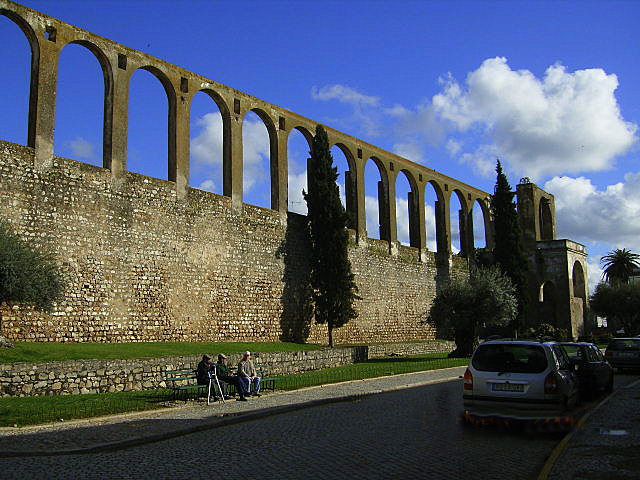
The most photogenic section of the wall has to be to the west, where it is surmounted by an aqueduct. Below here, you’ll find the Porta de Beja, the most spectacular of Serpa’s two remaining city gates. Two strong, crenellated towers surround the entryway.

  • Aqueduto de Serpa

On the city’s western side, the unique sight of an aqueduct running along the top of the city walls may be discovered.

What makes this even more unique is that it was not established as a public water supply for the city; rather, it was designed for a single mansion, the Solar dos Condes de Ficalho, which backs up to the city’s defences.

At the southern end of the aqueduct, you’ll spot the wheels that conducted water from a Moorish well onto the aqueduct.

  • Museu do Relógio

Museu Do Relógio

Serpa’s clock museum is in the Convento do Mosteirinho, the only attraction of its kind on the Iberian Peninsula. This dates from the 15th century and provides an evocative backdrop for the displays.

There are over 2,400 mechanical timepieces on display, the oldest of which dates from 1630. Perhaps the centrepiece is a 17th-century Edward East clock, for which the museum has turned down six-figure bids.

The museum, which is now in its second generation, has its own clock restoration workshop.

  • Igreja de Santa Maria de Serpa

Igreja De Santa Maria De Serpa

In its namesake square near the top of Serpa, the town’s church was probably built over the Moorish Mosque. The bell tower was most likely the mosque’s minaret.

Although the remainder of the façade is more baroque, the Gothic ogival arches that partition the nave from the two aisles indicate that this church has mediaeval origins.

These are supported by columns carved with foliate designs in the 14th century.

The chancel and two neighbouring chapels at the church’s end are Mannerist expansions from the 1500s, and they’re brimming with the gleaming Baroque gilt-wood that was popular in the 1700s.

  • Serpa Old Town

Inside the walls, Serpa has the layout of a town built to make life difficult for invaders.

There’s a confusing tangle of ravine-like streets, walled by handsome whitewashed houses with wrought-iron balconies. Turn a corner and suddenly you’ll be on the spacious Praça da República facing Serpa’s arcaded town hall.

Take a break from your own quest at the cafe or browse the bakeries and cork artisan shops in this square and its side streets.

Make time to visit the Solar dos Condes de Ficalho, which is located near the walls and was once fed by the 17th-century aqueduct.

  • Torre do Relógio

At the highest point of the town, just next to the Church of Santa Maria, you won’t help but notice this eye-catching square tower.

The building has had a timepiece since 1440, which makes it Portugal’s third-oldest clock tower.

  • Museu Municipal de Arqueologia

On the ground floor, the museum handles the town’s prehistoric, bronze and iron age heritage, while the first floor deals with everything from Roman times through to the middle ages.

There’s pottery, Roman gravestones like the ones seen in the castle walls, Templar crosses, and a Bronze Age necklace.

  • Ermida de Nossa Senhora de Guadalupe ou de São Gens

Ermida De Nossa Senhora De Guadalupe Ou De São Gens

A hermitage dedicated to the municipality’s patron saint, Nossa Senhora de Guadalupe, can be found on a hillside a few kilometres south of Serpa. Since the 500s, when Leander of Seville brought a Marian statue from Rome, this saint has been honoured in these areas.

The chapel’s style is Gothic-Mudéjar, with a significant Moorish influence visible in the domes. Outside, there’s a glazed tile panel depicting the Sacred Heart of Mary, as well as stunning views of the Alentejo countryside of parched hills and olive orchards.

The existing Marian figure at the altar comes from the 1400s and is nested in giltwood.

  • Museu Etnográfico de Serpa

Serpa’s ethnographic collection is housed in the city’s former municipal market from the late 1800s, providing yet another immersive setting for a museum.

The museum displays Serpa’s hereditary skills and savoir-faire, most of which was lost as agriculture became industrialised in the mid-twentieth century.

You’ll find restored workshops or ancient utensils from basket-weavers, wheelwrights, potters, blacksmiths, cheese-makers, furniture manufacturers, potters, fisherman, shoemakers, and tailors.

  • Pulo do Lobo

Pulo Do Lobo

If you follow the Guadiana River into the Vale do Guadiana Natural Park, you’ll come to a waterfall at the head of a difficult gorge.

The environment is as harsh as it is beautiful, with rock eroded into jagged shapes by the green water.

In this usually parched region, the Guadiana harbours a lot of life, and if you’re patient, you could observe watersnakes and turtles in the water, as well as a variety of birds, including hawks, hovering overhead.

It’s best to visit in the spring when there’s a flow of water, as it can get a little dry in the summer.

  • Outdoor Activities

If you get to Serpa before it becomes too hot in the summer, the landscape of low hills is a joy to explore on foot or by bike.

Spring is especially lovely when the fallow fields are carpeted with marigolds.

You may visit the town’s Tourist Office or contact a few firms, such as Serpa Lovers, for information on guided hikes or one-time activities, such as balloon rides.

Many vacation properties also rent out canoes or stand-up paddleboards for the Alqueva Reservoir, which is about a half-hour drive north of town.

This massive body of water was just created in the 2000s, following the construction of the $1.7 billion Alqueva Dam.

Nocturnal events are also organised in and around Serpa, as the night skies are spectacular in this remote part of Portugal.

Serpa Map

Before making any vacation plans, please check the constantly changing local limitations and safety rules. It should be noted that not all sites and services are operating as usual, so check their respective websites for the most recent details.

FEEL THE BEAUTY OF ZAMBUJEIRA DO MAR AND COSTA VICENTINA
Be dazzled by the beaches, the countryside, the gastronomy and the people

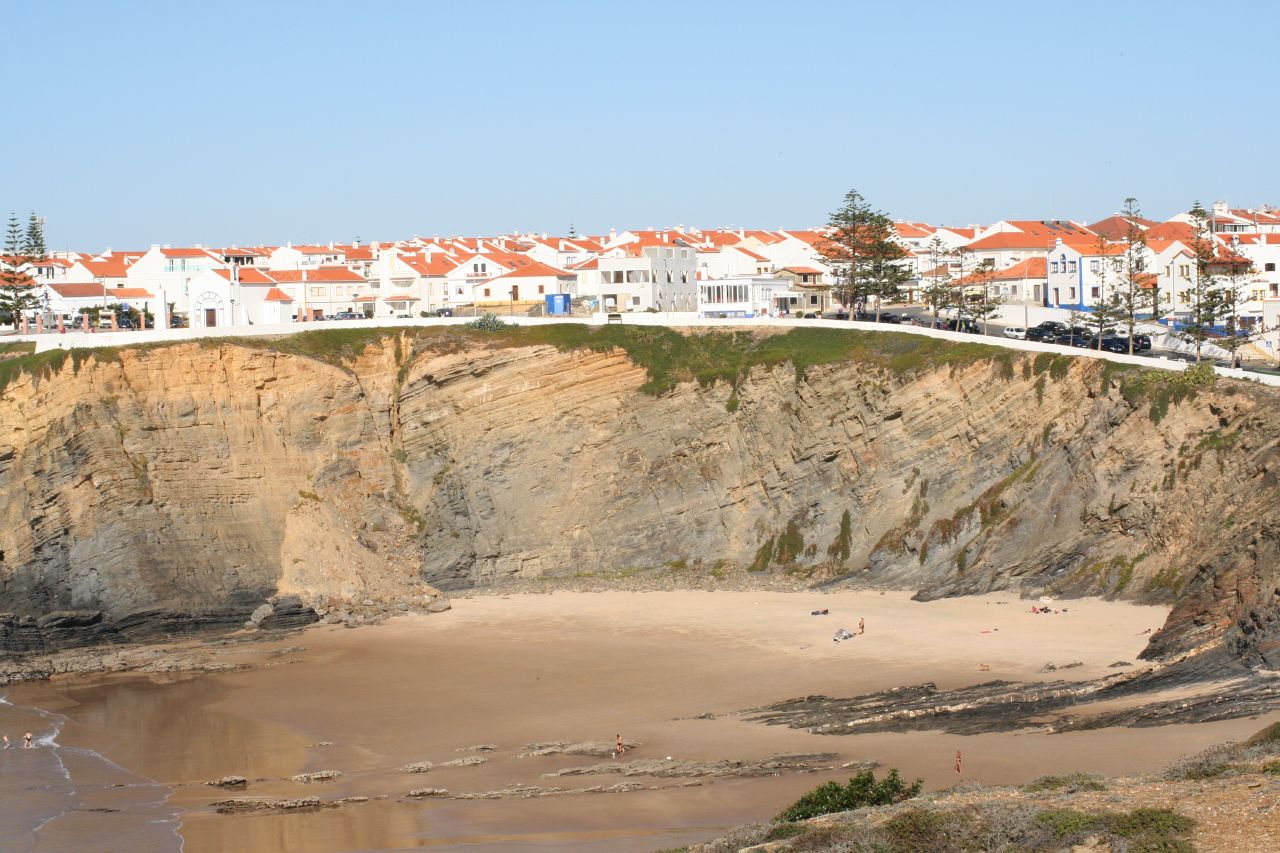
Zambujeira do Mar is a small fishing village located on the southwestern coast of Portugal, in the region of Alentejo. It is known for its beautiful beaches, dramatic cliffs, and stunning natural scenery. The village has a relaxed and laid-back atmosphere, making it a popular destination for those looking to escape the hustle and bustle of city life.

Zambujeira do Mar: o que visitar, praias e dicas de alojamentos - VagaMundos

File:Zambujeira do Mar - Capela de Nossa Senhora do Mar.jpg

This beach has a chapel at its northern end and a group of rocks known as the Palheiro at its southern end. As a Blue Flag beach, you can expect ample amenities, clean water, and a lifeguard on duty throughout the summer months. In addition to being a popular surfing destination, Zambujeira also has a similar vibe to Vila Nova de Milfontes, which is located farther up the coast.


Alteirinhos, Zambujeira do Mar | Portugal travel, Beach trip, Beautiful places

Of course, Zambujeira Do Mar’s most notable feature is its stunning beach, which attracts a largely Portuguese audience throughout the summer months. Things really get going in the second week of August, when an international music festival known as the Festa do Sudoeste takes place. There have been many major names from the rock and indie worlds at this event, which is one of Portugal’s most popular.

ZAMBUJEIRA DO MAR Map

Before making any vacation plans, please check the constantly changing local limitations and safety rules. It should be noted that not all sites and services are operating as usual, so check their respective websites for the most recent details.