aerial view of city buildings on green grass field during daytime

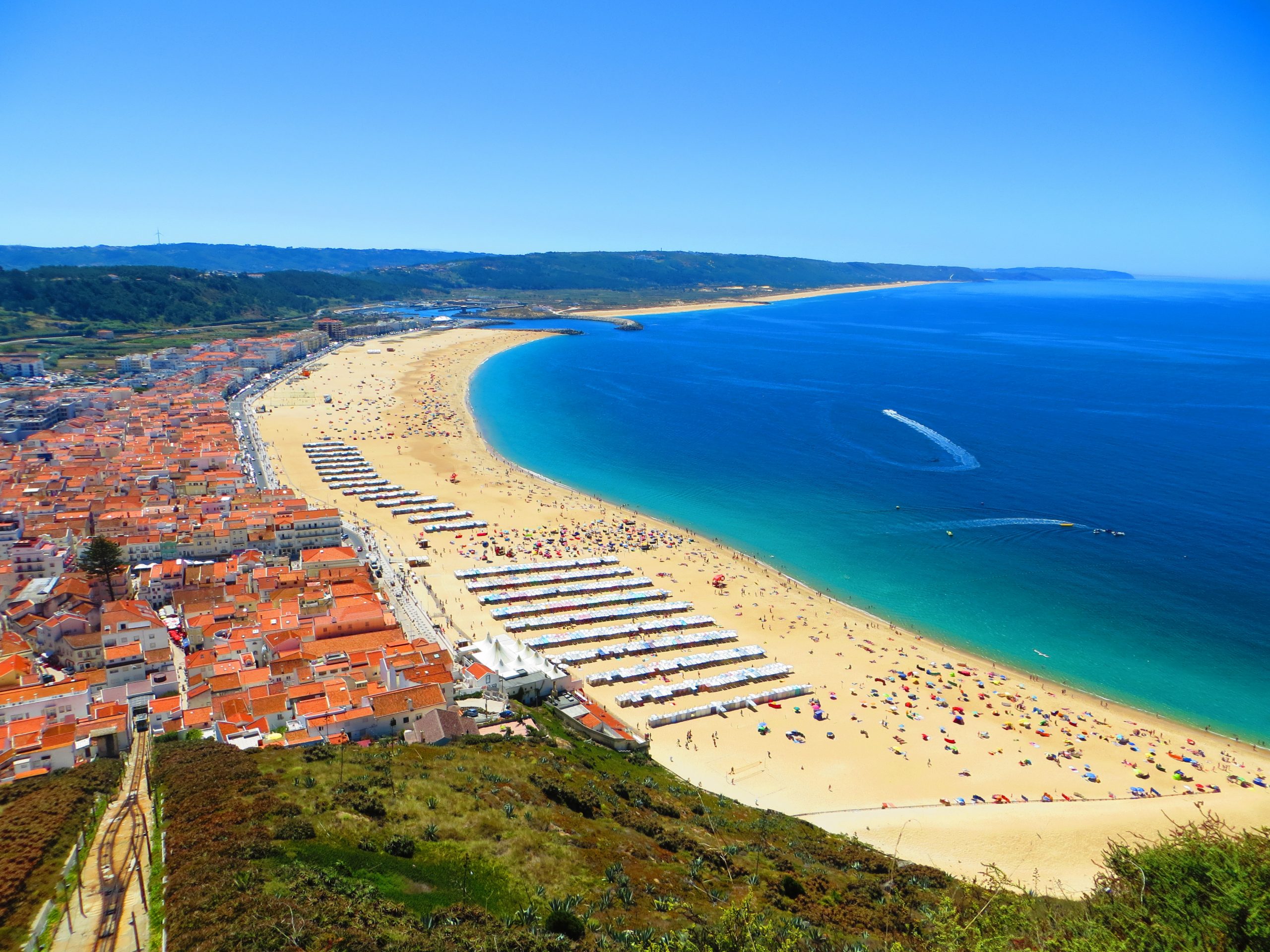
Nazaré, a charming coastal town in Portugal, boasts a lively resort on the west coast of central Portugal with a vast crescent-shaped length of golden sand. The appearance and customs of the town’s residents reveal their Phoenician ancestry. Fishing men and women in the area are often seen wearing black stocking caps and plaid pants, while their female counterparts may wear black shawls and brightly embroidered aprons.

Nazaré is not only known for its beautiful beach and rich history but also for its world-renowned surfing. In 2011, Hawaiian surfer Garrett McNamara rode a record-breaking 78-foot wave off the coast of Nazaré, putting the town on the map for big-wave surfing. Since then, surfers from all over the world have flocked to Nazaré to test their skills on the massive waves. But even if surfing isn’t your thing, Nazaré offers plenty of other activities, such as exploring the town’s narrow streets, visiting the local market, and indulging in the delicious seafood cuisine.

If you’re planning a trip to Nazaré, there are plenty of things to do and see. The town received its name from a statue of the Virgin brought back from Palestine’s Nazareth by a monk in the fourth century. Today, modern-day Atlantic waves the size of multi-story parking garages frequently crash into the coast of Nazaré as winter swells arrive.

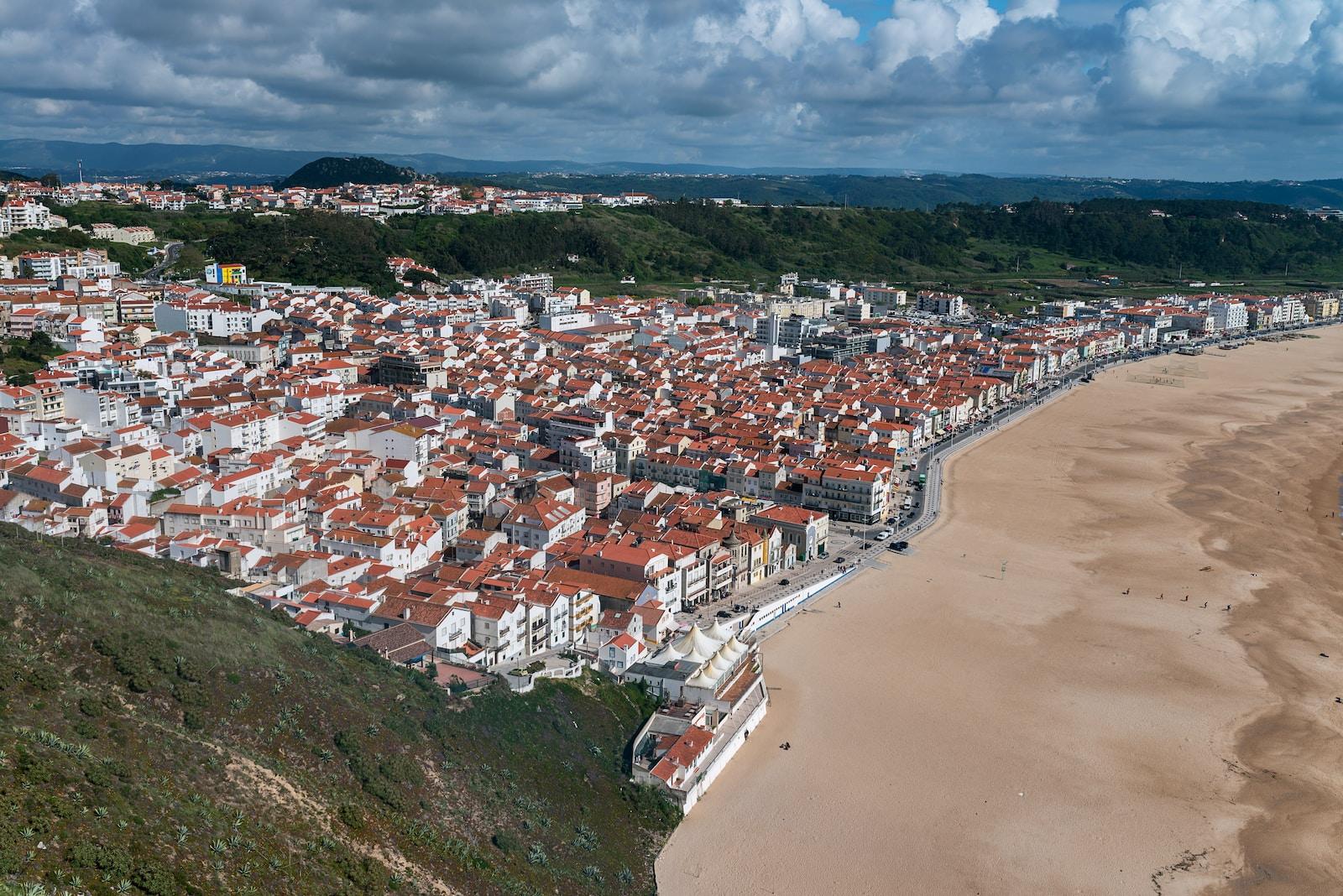
One of the top attractions in Nazaré is the old fishermen’s district, with its dense cluster of modest whitewashed homes lining lengthy passageways leading down to the shore. Numerous restaurants serving fish and seafood in this section of town are among the best in all of Portugal.

brown steel rail

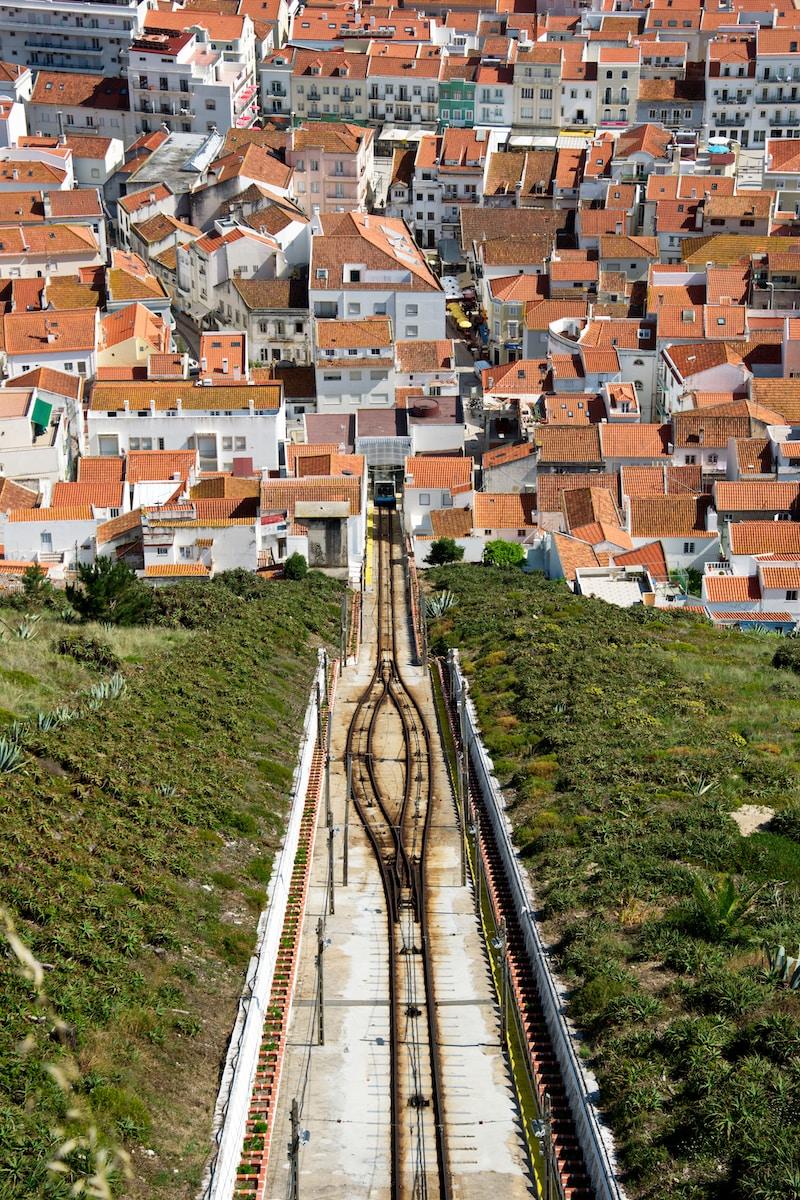
For breathtaking views of Nazaré’s dramatic Atlantic coast, head to Stio, a lofty location perched atop a cliff. It is best accessed via a 110-meter-high funicular railway. A strategically placed belvedere provides panoramic views of the town and beach.

According to legend, in the 12th century, a local horseman (a friend of Portugal’s first king, Afonso Henriques) was about to fall into the waves below when the Virgin Mary intervened. On top of the cliff is a small chapel called the Ermida da Memória.

Finally, don’t miss the 17th-century church of Our Lady of Nazaré, with its two baroque bell towers and exquisite Dutch azulejo tiles. The church has an exquisite interior and a wonderful view of the sandy beach below. Nazaré is a must-visit destination for anyone traveling to

Portugal. In addition to the church, Nazaré is also known for its world-renowned surfing waves, which attract surfers from all over the globe. The town has a charming atmosphere with narrow streets, traditional houses, and local markets selling fresh seafood. Visitors can also take a cable car up to the Sitio, a cliff-top area with stunning views of the Atlantic Ocean. Whether you’re a history buff, a surfer, or just looking for a picturesque coastal town to explore, Nazaré has something for everyone.

Top Things to Do in Nazaré, Portugal


Nazaré

Check out these sweet and peppery crispy sardines, ready in 20 minutes. Serve with a big green salad and lots of crusty bread.


Ingredients

  • extra-virgin olive oil 2 tbsp, plus extra to serve
  • garlic 3 cloves, sliced
  • smoked sweet paprika 1 tbsp, plus extra to serve
  • lemon ½, zested and wedged to serve
  • rosemary 4 sprigs, leaves stripped and bruised
  • red chilli 1, deseeded and finely chopped
  • sardines 8, gutted
Sardine Pictures | Download Free Images on Unsplash

Method

  • STEP 1 Put all of the ingredients, except the sardines, into a bowl and mix together with some seasoning. Pour into a baking dish, add the sardines and toss really well. Cover and chill for a few hours.
  • STEP 2 Heat a BBQ or griddle pan until hot. Cook the sardines for 4-5 minutes on each side or until really caramelised and charred. Put onto a serving plate, drizzle with oil, sprinkle with a little more paprika and squeeze over the lemon wedges.

 A vibrant and punchy Portuguese prego sandwich. This simple steak sandwich recipe is served all over Portugal


Ingredients

  • garlic 1 clove, crushed
  • rump steaks 2 small (about 150g each), all fat trimmed
  • olive oil 2 tbsp
  • sherry vinegar 1 tbsp
  • flat-leaf parsley stalks a few
  • ciabatta rolls 2, lightly toasted
  • rocket 2, handfuls

GREEN PIRI-PIRI SAUCE

  • basil leaves a small handful
  • flat-leaf parsley leaves a small handful
  • jalapeño 1, roughly chopped
  • sherry vinegar 1 tbsp
  • spring onions 2, chopped, including green bits
  • garlic ½ a clove, roughly chopped
  • caster sugar ½ tsp
Portuguese prego rolls | Drum

Method

  • STEP 1 Rub the garlic over the steaks then put in a sandwich bag and tip in the olive oil, sherry vinegar and parsley stalks. Smoosh everything together, then use a rolling pin to bash the steaks a few times. Leave for 1-2 hours.
  • STEP 2 To make the sauce, put all the ingredients into a blender with 1 tbsp water and whizz until as smooth as possible. This will make more than you’ll need for the recipe but will keep for a week in an airtight jar.
  • STEP 3 Heat a griddle or frying pan to high. Brush away the garlic and parsley stalks from the steaks and season well. Sear the steaks for 2 minutes on each side then rest on a plate. Put the ciabatta halves onto the plate, toasted-side down, to soak up any juices.
  • STEP 4 Slice the steaks then stuff into the rolls with the green sauce and rocket.

A celebration of all things seafood, this colourful rice dish calls for plenty of paprika, garlic, mussels, king prawns and oregano

Ingredients

  • onion 1, finely chopped
  • celery 2 sticks, finely chopped
  • olive oil 2 tbsp
  • garlic 6 large cloves, bashed but left whole
  • bay leaves 2
  • paprika (not smoked) 1 tbsp
  • dried chilli flakes ½ tsp
  • tomatoes 4, cored and roughly chopped
  • chopped tomatoes 400g tin
  • caster or granulated sugar 1 tsp
  • risotto rice 100g
  • mussels 750g, cleaned
  • large raw peeled king prawns 200g, defrosted if frozen
  • oregano half a small bunch, chopped
  • flat-leaf parsley half a small bunch, roughly chopped, including stalks
  • butter 25g, diced
Portuguese seafood rice

Method

  • STEP 1 Cook the onion and celery in the oil in a casserole over a medium-high heat for 10 minutes or until softened. Add the garlic and bay leaves, and cook until the garlic is translucent. Stir in the paprika, chilli flakes, fresh tomatoes and a generous amount of seasoning. Add the tinned tomatoes and sugar with 1.5 litres of cold water, then stir and cover with a lid. After the liquid begins to simmer, reduce to a medium heat and allow to gently simmer for 45 minutes.
  • STEP 2 Next add the rice, stir once and leave to cook for 15 minutes with the lid on. Adjust the seasoning, then add the mussels, stir well and cover with a lid again. Cook for 10 minutes or until all of the mussels have opened (discard any that haven’t). Adjust the liquid volume by adding a little more just boiled water if it seems a little dry, then add the prawns. Cook for 2 minutes with a lid on and then stir in the chopped oregano, parsley and butter, and serve in shallow bowls.

This recipe is gluten free


The Story of Bacalhau, a Christmas Staple in Lisbon - Culinary Backstreets  | Culinary Backstreets

The codfish path will bring you to Íhavo, a town with a rich sea-related history. Ílhavo is a municipality located in the centre of Portugal. The Municipality of Ílhavo includes four parishes and two towns: Gafanha da Nazaré and Ílhavo. We’ll visit the incredible Ílhavo Maritime Museum and its one-of-a-kind codfish tank, as well as the Museum Ship Santo André.

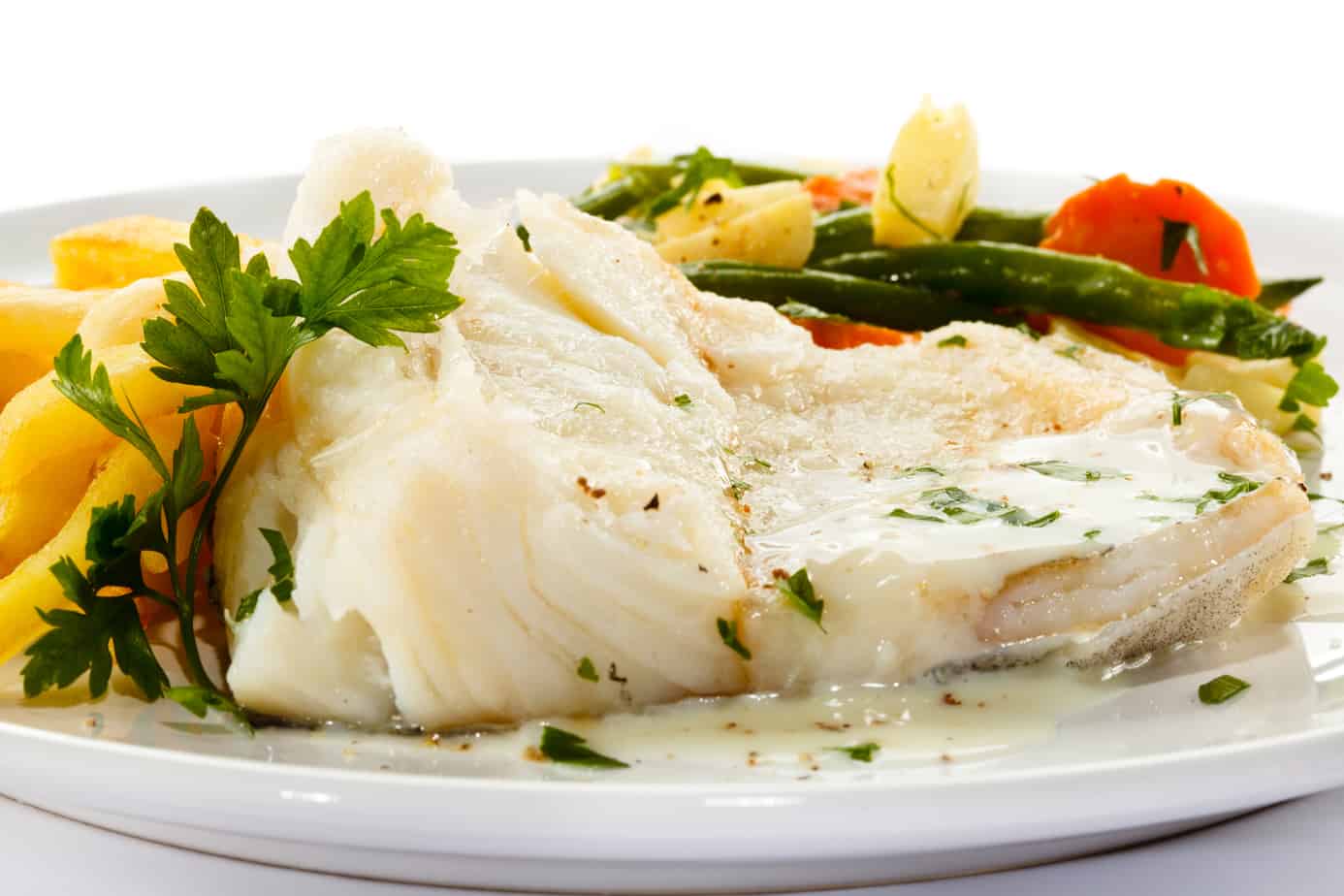
However, there is more to it! We will sample cod prepared in a variety of ways at the traditional Bela Ria restaurant in Ílhavo, which is operated by the official chef of the Confraria do Bacalhau – the Codfish Brotherhood! The codfish – “bacalhau” – has long been Portugal’s “loyal companion,” an essential ingredient in Portuguese cuisine.

According to legend, there are at least 1000 thousand ways to prepare it, making it difficult to choose which is the tastiest! However, codfish is more than the name of a highly regarded dish in Portuguese cuisine. The history of “bacalhau” is a genuine epopee, written by hundreds of men who have endured the terrible conditions of the high seas and shaped the thrilling history of codfish fishing. We’ll show you the codfish trail, which is filled with intriguing places and great stories!

With love from Norway

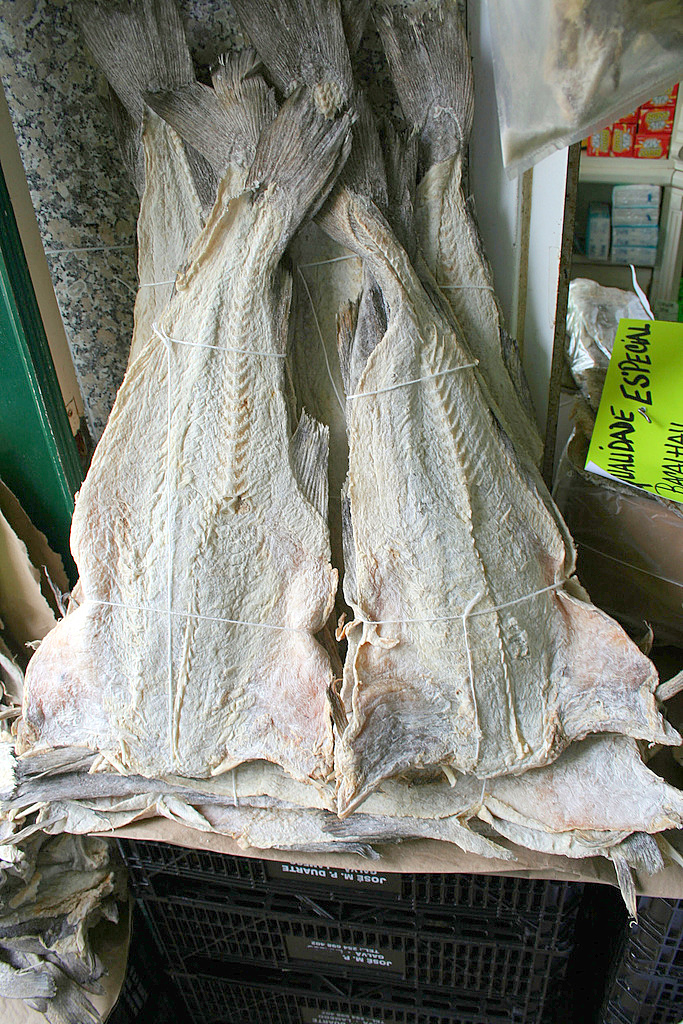
Dried and salted cod - Wikipedia

Codfish’s beginnings are lost in time, as the earliest codfish processing plants arose in Norway and Iceland as early as the ninth century! However, the Portuguese did not begin trading codfish until the 15th century. Dried salted codfish remained protein- and nutrient-dense for almost three months on lengthy sea voyages, which was excellent for this historical time! In the 15th century, the Portuguese were the first to catch cod in Newfoundland. Codfish already accounted for 10% of all fish traded in Portugal at the time.

Our voyage begins at the seaside city of Ílhavo, which is located around 8 kilometres from Aveiro. This city has a long marine history, and the codfish is the city’s unofficial symbol. Each August, the municipality hosts the famed Codfish Festival, which attracts a large number of people to the city. Apart from food, this event has some of the best music and exhibitions around!

Is cod healthy? Benefits and risks

The Ílhavo Maritime Museum is a real architectural classic, built by renowned Portuguese architects Nuno Mateus and Pedro Mateus and nominated for a 2003 Mies van der Rohe Award. This magnificent museum is one of the most frequented in the Centro de Portugal region. The Ílhavo Maritime Museum depicts the narrative of high sea fishing in Newfoundland, Greenland, and Aveiro’s “ria.” The Sea Room houses an intriguing collection of nautical equipment and small replicas of antique ships. You must pay special attention to the collection of codfish fishing, which is simply amazing!

The Library/Archive of the Ílhavo Maritime Museum houses the world’s largest collection of codfish fishing literature. All of the books were contributed by local residents, and visitors are welcome to browse the collection for free. It is a site of remembrance as well as a tribute to Portugal’s marine culture!

Santo André Museum Ship is part of the Ílhavo Maritime Museum. This fishing trawler is a member of the Portuguese codfish fleet and was built in Holland in 1948. This 71,40-meter-long fishing trawler was completely restored and transformed into a museum as a result of the ship owner’s and the municipality of Ílhavo efforts. It is now a local landmark!

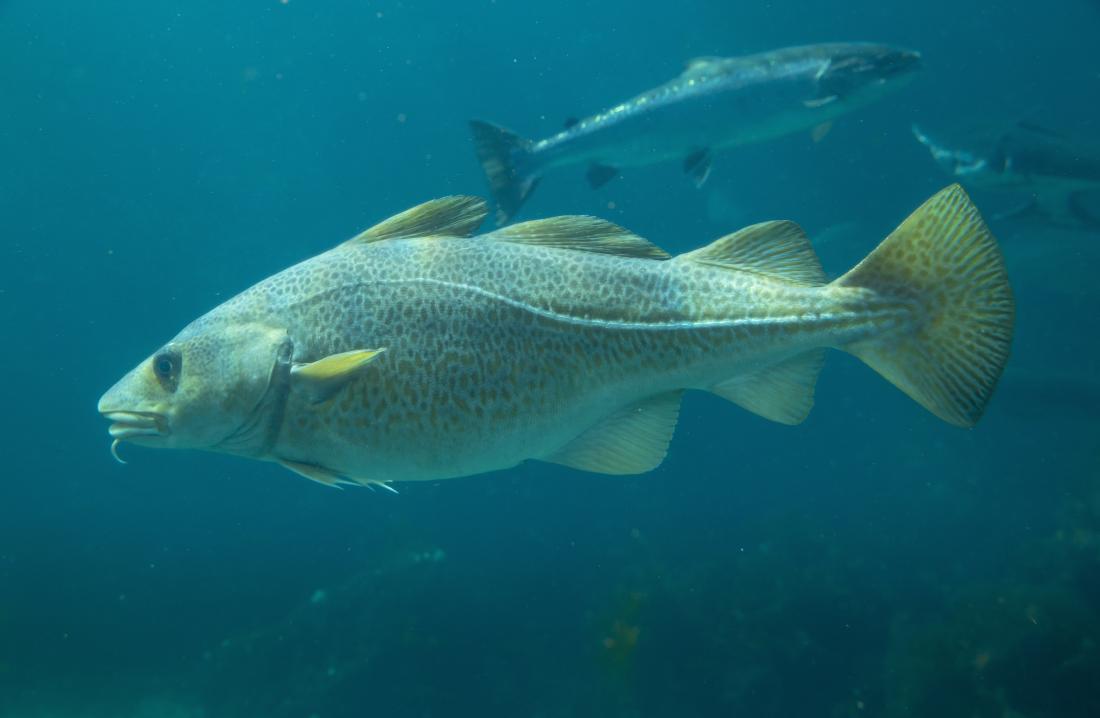
Atlantic Cod Information and Facts

An aquarium with codfish The Maritime Museum of Ílhavo has established a facility that is completely unique in Portugal: a codfish tank! It is the first in the country and the ideal location for a closer look at this fascinating species. The Codfish Aquarium is a must-see town of Ílhavo, which is so committed to preserving maritime traditions.

Now is the moment to sample this Portuguese culinary delicacy. We recommend Bela Ria, a little restaurant located in Gafanha de Quem (6,5 kilometres from Aveiro). It is one of those hidden gems that will captivate you with its modest ambience and pleasant service. Bela Ria is renowned for its codfish-inspired specialities. There are a thousand ways to prepare codfish, and in the restaurant Bela Ria, this statement is completely true!

The codfish myth is easily relatable to the Portuguese identity: it is a storey about braving rough seas and yearning for a secure country, all while bringing home the almighty king of all tables, the “bacalhau” by any means necessary! Salute appetite!

 Portugal offers something unique and exciting for everyone to explore. With gorgeous beaches, rugged landscape, and rich history, these are a few of Portugal’s most magnificent locations.

University of Coimbra, Coimbra

Botanical Garden, Library, University, Cathedral

Coimbra is one of Portugal’s oldest and most beautiful cities, with ancient buildings and a picture-perfect position along the Mondego River. Without a doubt, its most appealing monument is the public university. It was originally located in Lisbon in the 13th century but was relocated to its current location in the 16th century. The University of Coimbra was inscribed on the Unesco World Heritage List in 2013, and highlights on campus include the Alcáçova Royal Palace, the baroque Joanina Library, the 18th-century botanical garden, and the University Tower.

Pena Palace, Sintra

Monastery, Park

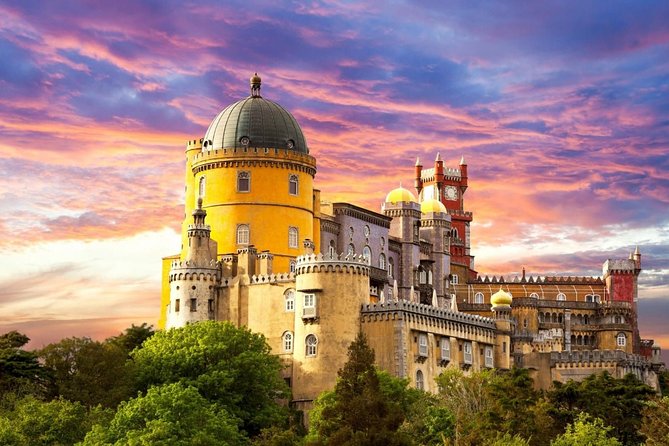
Aerial view of Pena Palace, a colourful Romanticist castle building on hilltop during a beautiful sunset, Sintra, Lisbon, Portugal. - 2FN07X2

Despite its appearance as though plucked from the pages of a dream, Pena Palace was indeed the work of King Ferdinand II, the German prince who married Portugal’s, Queen Maria II. The palace was built as part of an endeavour to restore the abandoned 16th-century monastery of Our Lady of Pena. The ideas featured romantic gardens with local and exotic vegetation, as well as strolling trails and benches. While you’re there, make time to see one of the other palaces or the historic Moorish Castle.

The Coast, Sagres

Surfers, Sagres - T4KT6M

The shore of Sagres, in Portugal’s southwesternmost region, is unlike any other section of the Algarve. It is wild, secluded, and romantic. Mostly frequented by surfers and residents seeking an escape from the tourist hordes, it exudes an isolated atmosphere, particularly during the colder winter months. Visit Sagres, not just for leisure, relaxation, and fresh seafood, but also to get up close and personal with a region of Portugal that experienced a watershed point in human history: the Age of Discovery. The School of Navigation of Prince Henry the Navigator began at Sagres, and the prince lived in this region of Portugal until his death in 1460.

Sé Cathedral, Braga

Cathedral

Braga, Portugal. Braga Cathedral aka Se de Braga, the oldest of all cathedrals in Portugal and a main Catholic worship place

Religious legacy is one of Braga’s most distinctive qualities, as the city is Portugal’s oldest and most important religious centre. Not only is the country’s oldest cathedral located here, but Braga is also the country’s oldest city. Visiting all of the churches would be quite an undertaking, but the Sé Cathedral, the Igreja da Misericordia de Braga, and the neighbouring Santuario de Bom Jesus do Monte should be included on your sightseeing itinerary.

City center, Angra do Heroísmo, Terceira, Azores

Portugal, Azores, Terceira Island, Angra do Heroismo, elevated view from Alto da Memoria park

All of the Azorean islands are stunning, but Terceira may be the archipelago’s most gorgeous city. The centre of Angra do Heroismo is a visual feast, with buildings painted blue, yellow, and orange and set against a lush, green countryside. Additionally, it is a Unesco World Heritage Site for its role as a vital port during the Age of Discovery. When visiting, visit the Sé de Angra Cathedral, the Misericórdia Church, the Town Hall, the Castle of São João Baptista and Monte Brasil.

Funchal, Madeira

Wicker Toboggan Sled Ride in Monte,Funchal, madeira. 100 year old tradition.

The bright capital of Madeira is a terrific visit year-round and a one-stop-shop for discovering the island’s culture. Nestled between the coast and mountains, the city offers an abundance of outdoor activities, which is aided by the pleasant, dry climate. Browsing the markets for fresh seafood and exotic fruits is a pleasant way to spend the day. At night, the city comes alive with pubs and clubs. While in Funchal, be sure to visit the botanical gardens and arrange a toboggan ride down the mountainous streets, which are pulled by guys dressed in the customary white shirt, white pants, cap, and rubber-soled shoes.

Rua Direita, Óbidos

Rua Direita from the wall of Castelo de Obidos, Obidos Castle, Obidos, Leiria District, Pinhal Litoral, Portugal.

Rua Direita is Bidos’ major thoroughfare, lined with stores, restaurants, and ginjinha bars. The name translates literally as “right street,” as it is the way immediately ahead after entering the city through the guarded gate. After touring Rua Direita, take a trip around the castle walls – but be cautious if you suffer from vertigo since much of the walk is narrow and without a protective barrier. Additionally, stop visit the Literary Man Hotel, an 18th-century monastery converted into a bookworm-friendly hotel.

Ribeira District, Porto

Ribeira Porto Portugal, view of the historic old town Ribeira district in the centre of Porto at sunrise, Portugal. J3J63Y

Since 1996, the Ribeira District has been a UNESCO World Heritage Site. It is Porto’s most recognisable neighbourhood. It is idyllically positioned on the Douro River and offers a wealth of sights and activities, including views of the main bridges, boats, welcome café patios, centuries-old landmarks, baroque architecture, and thousands of years of history. Make a point of visiting the Casa do Infante, which was previously the customs office but is now better known as the birthplace of Prince Henry the Navigator, before continuing into the city to A Pérola do Bolho, where you can purchase gifts such as traditional cuisine and wine.

Costa Nova, Aveiro

Aveiro, Costa Nova Beach, Portugal

As an art nouveau hotspot, Aveiro’s city centre resembles a living artwork. However, the most vibrant locale is perhaps Costa Nova, a neighbouring beach lined with rainbow-striped fishermen houses. Easily accessible from Aveiro’s central business district, the Costa Nova is a tranquil spot to unwind, enjoy the shore, and watch some surfers in action. Additionally, there are several eateries serving delectable fish.

Peneda-Gerês National Park

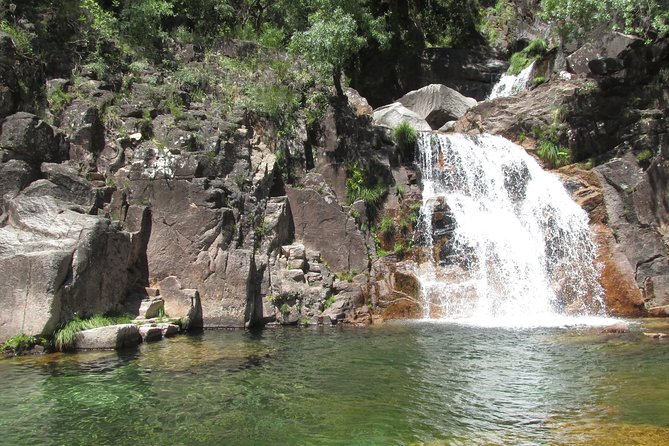
Almost everyone in Portugal is proud of Peneda-Gerês National Park. The country’s only national park and a popular site for hiking, bird viewing, and camping, the park is located in the lush and green Minho Region, which is home to the oldest section of Portugal (including Braga), as well as stunning vineyards and attractive villages. The scenery includes everything from river valleys to mountain summits, as well as breathtaking flora and fauna. Those who do visit should make a point of locating the Roman route, which features thousands of years-old distance marks.

Évora Center, Alentejo

EVORA, PORTUGAL - JULY 15: Giraldo Square (Praca do Giraldo) is located in the city center on July 15, 2014 in Evora, Portugal

Évora’s mediaeval centre is a playground for old monuments and well-maintained architecture. The main plaza, Praça do Giraldo, is a popular gathering place, where café and restaurant terraces provide views of gothic architecture, converted mansions, the 16th-century Church of  Santo Antão, and an exquisite 16th-century water fountain. The spooky yet lovely Chapel of Bones, the Roman Temple, the Royal Palace, the 18th-century Cathedral of Évora, and the Évora Museum are all within a short walk of the central plaza.

Terra Nostra, Furnas, Azores

Portugal, Azores, Sao Miguel Island, Furnas. Terra Nostra Garden, tree-lined path

Terra Nostra Garden in São Miguel, Azores, stands as one of Europe’s most enchanting and exotic gardens. Boasting a rich array of plant life, a vast geothermal swimming pool, and smaller geothermal hot baths, this garden is a true oasis. Connected to an on-site hotel, it has earned a well-deserved reputation as a wellness resort, drawing visitors eager to unwind and rejuvenate.

Open year-round from 10 a.m. to 6 p.m. at an affordable admission cost, the park is easily accessible, making it a must-visit on any itinerary to São Miguel Island. Immerse yourself in the allure of Terra Nostra Garden, where nature’s beauty and therapeutic waters combine to create an unforgettable experience of relaxation and tranquilly.

Trams are one of Lisbon's most distinctive attractions

Embark on a journey through Lisbon’s rich history and vibrant cityscape aboard the iconic yellow trams that have become the very heart of this Portuguese gem. The story begins in 1873, when Lisbon’s tram network made its debut as a practical, horse-drawn mode of transport. Fast forward to 1902, and the trams underwent a transformation, electrifying the city and paving the way for the renowned Rede de eléctricos de Lisboa.

Picture this: in 1959, Lisbon boasted an impressive 27 tram lines, weaving through the city’s fabric. Over time, the network faced a decline, but fear not, for the six existing lines are not only standing strong but are gearing up for expansion. Today, Lisbon’s trams gracefully navigate the southern and western parts of the city, offering a unique mode of transportation that draws tourists from around the globe.

While the tram system no longer spans the entire city, the southern and western routes provide an enchanting ride that captures the essence of Lisbon’s charm. A patchwork of bus and metro lines now complements the tram network, ensuring seamless connectivity for locals and visitors alike.

The true stars of Lisbon’s tram network are the iconic yellow remodelados, internationally recognised emblems of the city. These vintage vehicles have found their way into countless photographs and social media posts, captivating the imaginations of those who encounter them. As you stroll through Lisbon, the allure of these eléctricos becomes undeniable, beckoning you to hop on board and become a part of the city’s living history.

Venturing along the riverfront, you’ll discover a real need for trams, as buses offer limited service in this picturesque area. The metro network, while extensive, doesn’t quite stretch to the outskirts of the city centre. Thus, the trams emerge as the perfect way to soak in the scenic beauty along the waterfront, creating an experience that goes beyond mere transportation.

To embark on your tram adventure, snagging a ticket is a breeze. Opt for the convenience of a prepaid Viva Viagem card, ensuring seamless travel across the tram network. These cards can be easily topped up at any metro station, where you can also snag a 24-hour pass for unlimited tram delights. So, let the rhythmic clatter of the tram tracks guide you through Lisbon’s enchanting streets, and let the journey unfold.

Here are our picks for some must-visit destinations along the six tram routes.

Route 12: Praça da Figueira to Miradouro de Santa Luzia (circular route)

Embark on a delightful tram journey through the heart of Lisbon, where quaint charm meets historical wonders in just a 20-minute clockwise loop. This short but sweet tram route, spanning a mere four kilometres (two miles), unveils the magic of the city’s popular tourist districts, Baixa and Alfama.


Our adventure kicks off at Praça de Figueira, a bustling square nestled in the heart of Baixa. Before we hop on the tram and let the charming rattles carry us away, take a moment to explore this lively square. Indulge in the vibrant energy, savour some local delicacies, and soak up the lively atmosphere. It’s the perfect prelude to the enchanting tram ride that awaits. As we step aboard the tram, the journey unfolds through the historic districts of Baixa and Alfama, revealing hidden gems and iconic landmarks. Keep an eye out for the Baroque Church of Saint Anthony of Lisbon—a true masterpiece and a must-see on this captivating route. This architectural marvel stands as one of Portugal’s most important monuments, and witnessing its grandeur is a highlight that promises to leave a lasting impression.The rhythmic clinking of the tram tracks accompanies us as we traverse the winding streets of Alfama, with their narrow alleys and vibrant colours. The short duration of the ride allows you to immerse yourself in the unique charm of these districts, making it an ideal excursion for those looking to make the most of their time in Lisbon.

So, whether you’re a history buff, a culture enthusiast, or simply a curious traveller eager to explore, this compact tram route promises a whirlwind adventure through the heart of Lisbon’s most beloved neighbourhoods. Get ready to capture the essence of Baixa and Alfama in just 20 minutes, weaving through a tapestry of history, culture, and architectural wonders. All aboard for a journey that packs a punch of Portuguese charm!

Route 15: Praça da Figueira to Belém and Algés

Embarking on the bustling streets of Lisbon, our tram adventure continues from the vibrant Praça de Figueira, now aboard the ever-popular Route 15 tram—a journey that promises to unveil the city’s most iconic treasures. Considered the jewel in Lisbon’s tram crown, this route seamlessly connects two bustling tourist hubs with the enchanting Belem district, home to some of the city’s most renowned landmarks.

As we glide along the charming streets, it’s not just a tram ride; it’s a passage to history and culture. Belem, a district not touched by the metro system, welcomes us with open arms, and the tram emerges as the lifeline linking this area to the heart of the city. The anticipation builds as we approach Belem, where every corner seems to whisper tales of Portugal’s rich past.

What sets Route 15 apart is not just its popularity but also its distinct character. Known as the E15, it signifies a journey aboard the sleek and modern electric articulated trams. These contemporary carriages add a touch of modernity to the experience, standing in contrast to the quaint yellow classics that often steal the limelight. It’s a refreshing twist, offering a glimpse into Lisbon’s evolving transportation landscape.

As we venture into Belem, prepare to be captivated by the sheer grandeur of its landmarks. The Tower of Belem, a sentinel by the river, stands as a testament to Portugal’s maritime heritage. The Jerónimos Monastery, an architectural marvel, invites you to step back in time. And the Padrão dos Descobrimentos pays homage to the Age of Discovery, its striking silhouette against the sky a symbolic ode to exploration.

These treasures in Belem beckon, and as you weave through their stories, remember: this tram journey isn’t just about reaching a destination; it’s about the experience along the way. So, let Route 15 guide you through the beating heart of Lisbon, where the modern and the historic dance together, creating a symphony of sights and sounds that will linger in your travel memories. Get ready to explore Belem, not just as a destination but as a captivating chapter in Lisbon’s vibrant tale. All aboard for a ride that transcends time and tradition!


Route 18: Cais do Sodré railway station to Cemitério da Ajuda

Step into the glamour of Lisbon’s coastal charm as you find yourself at the Art Deco gem, the Cais do Sodré train station—a bustling hub that effortlessly connects the city’s beating heart with the metro. While it serves as a gateway to the centre of Lisbon, the real adventure begins when you opt for the scenic route along the waterfront.

Hop on the enchanting Route 18 tram and let the rhythmic clinks of the tracks guide you westward to the historical town of Ajuda. It’s not just a tram ride; it’s a journey through time and landscapes that unveil the hidden gems of this vibrant city.

As you traverse the scenic route, make a pit stop at the Museu Nacional de Arte Antiga, the Museum of Ancient Art. Immerse yourself in a world of artistic wonders that span centuries, a perfect prelude to the historical richness that Ajuda has in store.

Upon reaching Ajuda, two majestic landmarks beckon. The Ajuda National Palace (Palácio Nacional da Ajuda) stands as a testament to Portugal’s regal past, inviting you to wander through its opulent halls and lush gardens. Opposite the palace, discover the allure of the botanical garden, the first of its kind in Portugal. Open every day of the year (except Christmas and New Year’s Day), this green oasis offers a tranquil escape and a symphony of colours and fragrances that captivate the senses.

So, dear traveller, let the coastal breeze and the clattering tram tracks be your guides as you uncover the wonders of Ajuda. It’s not just a destination; it’s a story waiting to be unfolded. The Cais do Sodré station is your ticket to a journey that seamlessly blends history, culture, and natural beauty. All aboard for an adventure that promises to leave footprints not just on the cobbled streets but in the very essence of your wanderlust-filled heart. Get ready to explore, to discover, and to let the charm of Ajuda weave its magic around you!


Route 24: Praça Luís de Camões to Campolide

Picture this: a tram journey that emerged from a 23-year hiatus, making a triumphant return in 2018 to the delight of visitors exploring the charming streets of Lisbon. The revival of Route 24 isn’t just a comeback; it’s a testament to the city’s commitment to sustainability, part of a larger initiative to ease car usage in the bustling centre.

This resurrected route weaves through the very paths once conquered by the Ascensor da Glória funicular, offering a nostalgic yet novel experience for eager travellers. Step aboard and let Route 24 be your guide as you navigate Lisbon’s cityscape, heading straight for the elevated wonders that await.

Why is this tram a must for savvy explorers? Well, imagine gliding through the heart of the city and seamlessly ascending to the scenic heights of Lisbon. The vibrant rooftops of the city below unfold like a kaleidoscope, creating a visual feast that’s nothing short of Instagram-worthy. It’s not just a tram ride; it’s a shortcut to the elevated portion of the city, where every corner promises a picturesque moment.

As you journey on Route 24, you become part of Lisbon’s eco-friendly vision, contributing to the reduction of car congestion in the city centre. It’s a travel choice that aligns with the sustainable ethos of a city eager to preserve its unique charm for generations to come.

So, fellow wanderers, if you’re yearning for a blend of nostalgia, sustainability, and awe-inspiring views, hop on board Route 24. Let the clatter of the tram tracks serenade you through the cobbled streets, leading you to the elevated haven where Lisbon’s rooftops become your canvas for unforgettable memories. Get ready to capture the essence of the city from a new perspective. Route 24 awaits, promising not just a journey but a tale of Lisbon’s resilience and timeless allure! All aboard for a ride that transcends the years and adds a vibrant chapter to your travel diary.

Route 25: Rua Alfândega to Campo de Ourique

Embark on a leisurely and enchanting tram odyssey, a hidden gem in the bustling streets of Lisbon that offers a serene escape from the well-trodden path of the popular Route 28. This unassuming yet delightful journey takes an idyllic detour through the newly established parish of Estrela, inviting intrepid travellers to uncover the lesser-known charms of the city.

As you gracefully glide along the tracks, keep an eye out for the various international embassy outposts that pepper the route. It’s a subtle nod to Lisbon’s cosmopolitan flair, adding a touch of international intrigue to your tram experience. But the real magic lies in the final destination, Campo das Cebolas, a place where history and architecture converge.

At the heart of Campo das Cebolas awaits the infamous spiked facade of Casa dos Bicos, a sight that’s bound to captivate your imagination. The juxtaposition of the modern embassies and the historic allure of Casa dos Bicos creates a tapestry of visual delights. It’s not just a tram ride; it’s a curated journey through the city’s evolving landscape.

For those seeking a respite from the crowds, this tram ride is your ticket to tranquilly. Let the slow pace of the journey allow you to savour each moment, from the hidden corners of Estrela to the striking finale at Campo das Cebolas. It’s an off-the-beaten-path adventure, promising a genuine and unfiltered glimpse into the soul of Lisbon.

So, dear traveller, if you’re yearning for a more intimate exploration of this vibrant city, hop aboard this tram and let it be your guide to the lesser-explored wonders of Lisbon. Capture the essence of Estrela, revel in the diplomatic vibes, and let the spiked facade of Casa dos Bicos be the highlight of your journey. All aboard for a ride that’s as unique as the city itself—where every turn unveils a new chapter in Lisbon’s storied past and present!

Route 28: Praça Martim Moniz to Graça, Estrela and Campo de Ourique

Embarking on an authentic exploration of Lisbon by tram? Look no further than the iconic Route 28—a comprehensive journey that effortlessly checks off many of the city’s must-visit locations. Kickstarting your tram adventure from the renowned Praça Martim Moniz, be prepared for a bit of a wait as eager travellers queue up to experience the charm of this popular route.

Given its tourist allure, many embark on the tram at Praça Martim Moniz with the intent to stay for the entire ride, covering several miles of Lisbon’s enchanting streets. It’s not just a means of transportation; it’s a curated tour that unfolds the city’s narrative with each turn of the tracks.

A highlight along this picturesque route is the Portas do Sol (‘Gates to the Sun’) stop, a breathtaking pause that gives you a panoramic view over the city. From here, soak in the mesmerising rooftops of Alfama, the oldest district in Lisbon, creating a postcard-perfect scene. But that’s not all; the winding Tagus River adds a touch of poetic beauty to the landscape, making this stop an absolute must for any avid traveller.

So, fellow wanderers, if you’re craving a seamless blend of convenience and panoramic spectacle, join the ranks at Praça Martim Moniz and let Route 28 be your guide through the beating heart of Lisbon. Embrace the anticipation of the queues, for beyond them lies a journey that unravels the city’s beauty, one tram stop at a time. Portas do Sol awaits, promising not just views but a moment to pause, reflect, and savour the enchantment of Lisbon from a unique vantage point. All aboard for a tram ride that transcends transportation and becomes an immersive tale of a city steeped in history and allure!

The greatest way to discover lesser-known areas of Portugal is by car, as each detour and incorrect turn might lead to another lovely town or village. we’ll get you started with some of Portugal’s finest road adventures.

Douro Valley

Begin in Porto and drive through the Douro Valley, the most popular wine region in Portugal. There is plenty to see and do here, and the length of the trip will depend on the experience you’re seeking. If you’re looking for a quick day trip, make the nearly two-hour drive from Porto to Pinhão to sample delicious wine (you might want to bring a designated driver for this one). Stop en route for lunch in a small, family-run restaurant to try the traditional food from the north.

Tras-os-Montes

Turn off the popular highways and hit the path less travelled. Tras-os-Montes – literally Beyond the Mountains – is easily the wildest and least visited region in the country. It’s a scenic destination – ideal for photo taking and hiking – and the few travellers who have explored the rocky region fall in love with everything from the friendliness of the locals to the cuisine and the customs.

Serra da Estrela

The Serra da Estrela is the highest mountain range in mainland Portugal and an excellent location for a weekend adventure. Spring, summer and autumn are all great times to visit, but winter is precarious since this is one of the only regions in Portugal that receives snow – plan accordingly. One mini-break (two or three days) worth considering is from Seia to Guarda with stops at the Bread Museum and the medieval Folgosinho Castle.

Beach hopping down the Atlantic coast

Driving along the Atlantic coast and visiting each major beach is a no-brainer. Key towns to visit include Aveiro, Figueira da Foz, Nazaré, Peniche, Ericeira and Lagos. Don’t forget to bring your surfboard and towel.

Sintra

One of the best day and weekend trips from Lisbon will take you to Sintra, the most mesmerising fairytale town in the country. The lush, windy roads through the Sintra mountains are amazing by themselves but are enhanced by the beautiful castles, palaces and manor estates that have given this town its reputation as one of the most stunning in Europe. Take the coastal road and stop in Estoril and Cascais on the way unless you prefer hopping on the train at Rossio station in Lisbon.

Madeira

Driving around the main island of Madeira is probably the most convenient way to get around, but it’s not for the faint of heart. The highways that curl around the mountains, through tunnels and along the stunning coast, also lead drivers to rural and narrow country roads. Don’t forget to pack your hiking gear, since Madeira is one of the top destinations for exploring on foot, too.

São Miguel, Azores

The beautiful island of São Miguel, can be driven around in one day, but where’s the fun in that? Take a few days to get to know this beautiful Azorean island. From Sete Cidades to Furnas village and the green, rolling farmland of Nordeste, this destination is a treasure trove of phenomenal sights.

Take your time touring Sao Miguel to stop at beautiful locations such as Lagoa do Fogo, a volcanic lake

Lisbon is Portugal’s hilly, coastal capital city. From the imposing São Jorge Castle, the view encompasses the old city’s pastel-colored buildings, the Tagus Estuary, and the Ponte 25 de Abril suspension bridge. In the nearby National Azulejo Museum, you will find ceramic tiles dating back 500 years. Lisbon has a lot of historical sites and museums, but it also has a busy nightlife and a lot of restaurants and cafes. The city is also home to a variety of beaches and parks, making it a popular destination for visitors looking to explore its unique mix of old and new.

Here are ten things not to miss while visiting Lisbon.

Elevador da Bica

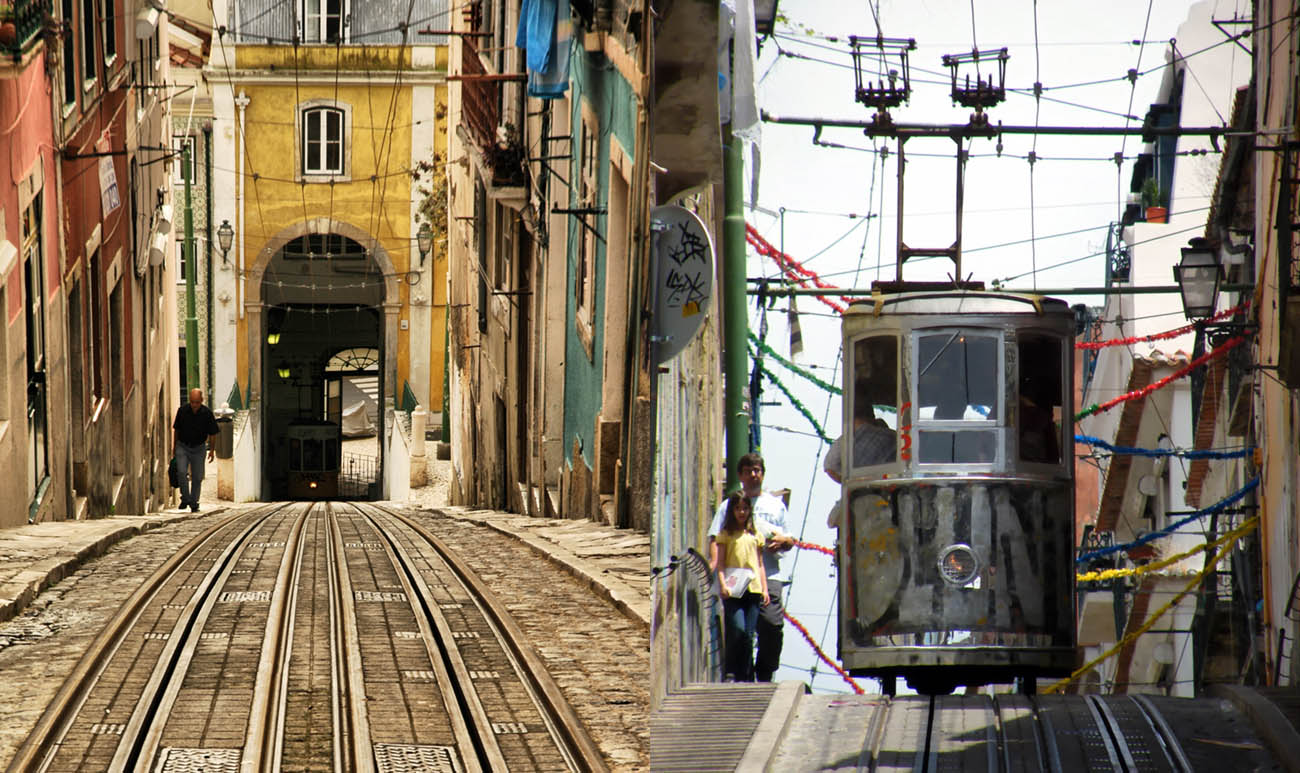
Take the Elevador da Bica if you want to have a truly unique experience in Lisbon. Travelling up a steep incline with the Tagus in the background is one of the most famous experiences in Lisbon. A tram rises a few hundred inspirational and highly photogenic metres up a steep slope is another.

Due to the stark contrast between the steep slope and the river in the background, this is one of the most photographed funiculars in the world, and it is also one of the city’s most popular tourist attractions. It connects Largo do Calhariz and Rua do São Paulo with a thrilling drop that can be completed on foot, but an equally challenging ascent that is only intended for the fittest.

During the Festas Populares, the tram, which has been lavishly decorated by local artisans and serves as a witness to the thriving nightlife on Rua da Bica, appears to join in the enthusiasm of the rest of the city.

Try to capture the two trams as they cross the street, with the colourful residences and flowering verandas providing the perfect backdrop. The two trams have been designated a national monument since 2002 and have been in operation for a century.

Elevador da Glória

This funicular will save your legs on the ascent, but it will still leave you out of breath. It is the most efficient method of ascending from Baixa to Bairro Alto and arriving without the need to rest.

The Elevador da Glória, connects Baixa and Bairro Alto – more particularly, Praça dos Restauradores and Miradouro de So Pedro de Alcântara.

It was the second of its sort in the city when it debuted in 1885, allowing you to convert a strenuous climb into a beautiful encounter. Despite the fact that it was only electrified in 1915, it has retained many of its original features.

The Subida à Glória, a counter-circulating pulley system used by both amateur and professional cyclists, has just been restored.

However, it is preferable to take advantage of the comfort of the seats and jerks of the ascent in order to relax a bit before taking in the beautiful view from the miradouro.


Elevador de Santa Justa

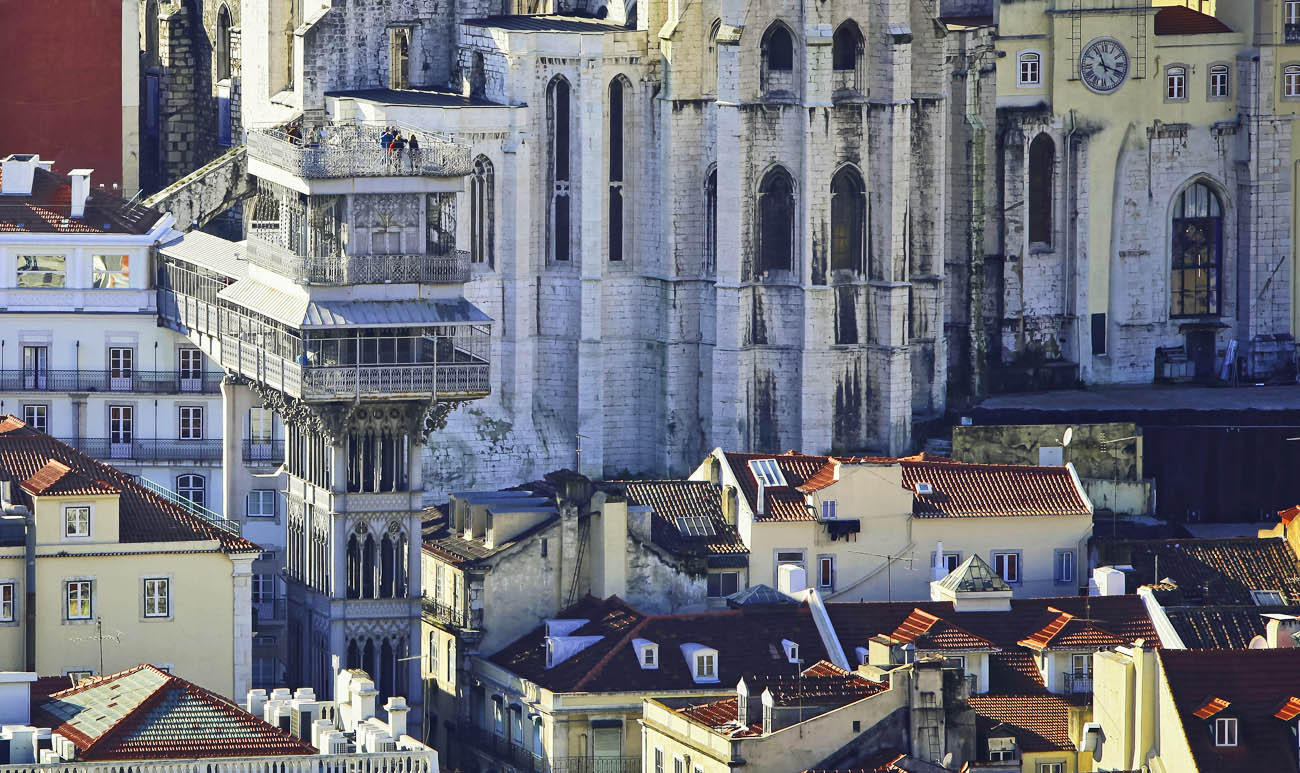
Take a ride on one of the most recognisable lifts in all of Lisbon (elevadores). It is one of the most popular tourist attractions in the city because of its distinctive structure and the breathtaking view from the top.

The Elevador de Santa Justa is one of the most well-known landmarks in the city.

A neogothic-style building joins Rua do Ouro and Largo do Carmo, setting it apart from any of the other elevadores in the city.

The Elevators built of wood and delicately ornamented with brass transport passengers up and down to the most luxurious locations in the city, conjuring up images of a time machine.

The observation deck at the top of the tower is one of the greatest viewing locations in the city, offering a magnificent perspective of Baixa, Castelo, the Tagus, as well as the stunning remains of the Convento do Carmo church, which is located nearby.

Lisbon’s Streetlamps

The distinctive light of Lisbon is well-known. The city’s lights and streetlamps, however, are unique.

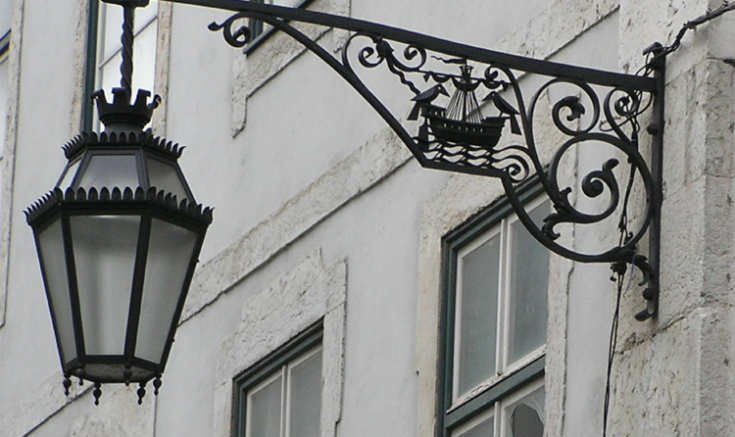
These streetlamps, whether in the ancient type, constructed of iron and affixed to the walls, or the more modern style, mounted on the end of a post, tell the tale of the city’s public illumination.

In 1878, gas lamps and the first electric bulbs replaced the olive oil lamps that were established during the reign of Queen Maria I.

Their structure, which is built of forged and cast iron as well as concrete, reflects the Romantic and contemporary styles that have increasingly adorned the city.

They may be seen in the old areas and on the Avenidas Novas, often ornamented with the Lisbon sign of a caravel with two ravens.

Pilar 7 Bridge Experience

In Lisbon, there’s a new cultural attraction!

An immersive and interactive experience that enables a one-of-a-kind exploration of the Ponte 25 de Abril.

This interactive centre in Alcântara (Avenida da Índia) allows all visitors to have a one-of-a-kind experience of the bridge – which is considered one of the most beautiful in the world – through a tour that includes the exterior areas of this key pillar as well as the sensory experience of visiting its interior.

It is a journey through the building’s history, culminating in an elevator ride to a panoramic observation point with an unrivalled perspective of the city and river.

Your journey will conclude with an immersive virtual reality experience of areas of the bridge that are inaccessible, as well as a call to the PhotoBooth to capture this amazing moment.

Address: Avenida da Índia, Pilar 7 da Ponte 25 de Abril1349-028Lisboa

Praça do Comércio (Terreiro do Paço)

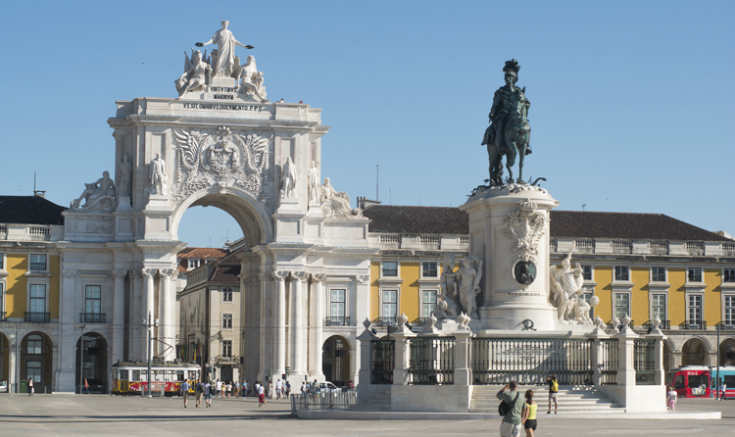
Praça do Comércio is one of Lisbon’s most famous squares. Locals call it Terreiro do Paço because it was previously the site of the paço, or palace, before the earthquake in 1755. It is one of Europe’s largest squares. As a city icon, it allows access to a number of must-see sights, including Pátio da Galé, Cais das Colunas, and the unique Lisbon Story Centre. Climb to the top of the Arco da Rua Augusta to see the symmetry of the streets, the calçada Portuguesa, and the river panorama. Relax at the feet of King José I and the majestic horse Gentil, a statue carved by Machado de Castro that exemplifies royal strength and the Lusitano breed’s grandeur. Make Praça do Comércio your first stop when exploring the city.

Address:Praça do Comércio1100-148Lisboa


Ribeira das Naus

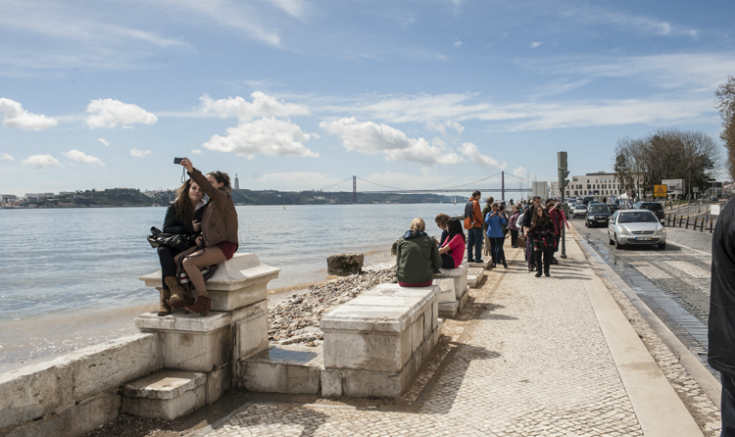
Ribeira da Naus is one of Lisbon’s most intriguing neighbourhoods. This former boatyard, which was recently refurbished, is now a surprise river beach, complete with a huge grassy space and broad steps leading down into the river. Despite the fact that swimming is prohibited, this space connecting Cais das Colunas in Praça do Comércio and Cais do Sodré is tempting for sunbathing and resting one’s feet after a long day on the streets. Ribeira das Naus includes a kiosk and outside seats to take advantage of Lisbon’s light and the greatest sunset in the city, making it even more pleasant. Take a stroll along the river, which has been completely altered. It’s a one-of-a-kind veranda on the Tagus in a modern and appealing location; a true river beach in the heart of the city, whose allure is to be savoured.

Address: Avenida Ribeira das Naus1100-454Lisboa

Lisbon’s Azulejos

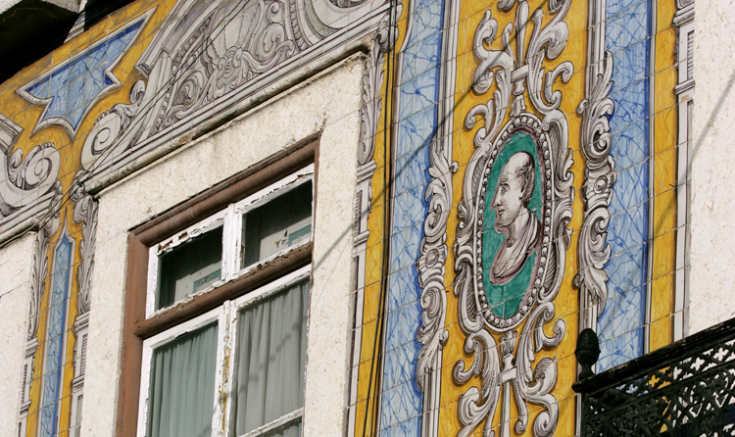
Explore this important art form in Lisbon, which provides the ideal backdrop for Portuguese tile-making, with eras, styles, and resistance to the passage of time plainly obvious. After surviving so many disasters, the azulejos of Lisbon continue to adorn the city with works of art that are unlike anything else in the world.

The city boasts many gorgeous façades, however, you won’t be able to view them all because many are hidden in private homes. Explore their history in the Museu do Azulejo and look for memorable specimens on the streets of Alfama, Mouraria, and Chiado.

Discover additional modern samples near Abel Manta’s Guas Livres Aqueduct and Maria Keil’s Avenida Infante Santo, emphasising the colossal and modern, the baroque and art nouveau, in a trip through the city’s history.

Calçada Portuguesa

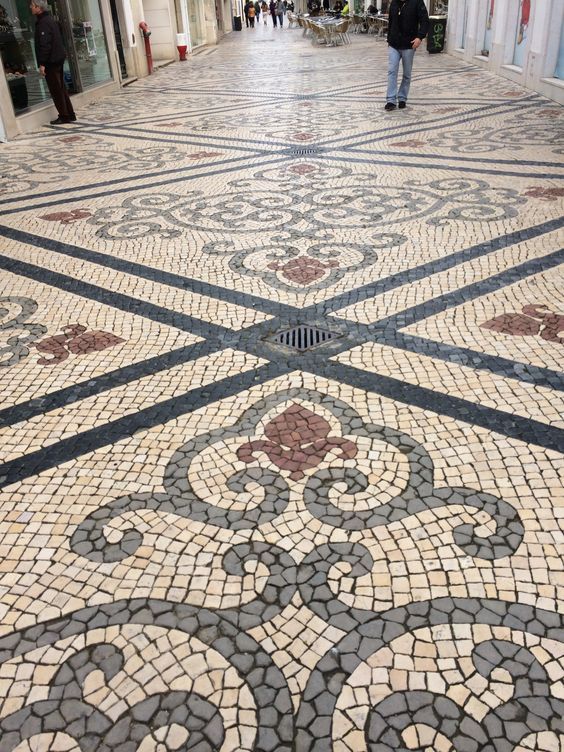
Calçada Portuguesa, or Portuguese pavement, is a hallmark of Lisbon.
Find out more about this style of art that you may see in Lisbon. Allow your feet to tread on – and your eyes to take in – the city’s distinctive patterns.

It is one of the city’s oldest features, and it plays an important part in establishing the city’s unique ambience by reflecting all of the light that falls on it.

The patterns, which are made out of limestone cubes that are carved and set by hand by skilled artisans, can be geometric, figurative, or specific depending on the locality and the tastes of the time.

In Avenida da Liberdade, take in the undulating pattern, or in Chiado, take a step back and admire the symmetry of the design.

It’s worth strolling down the same street twice, first to admire the architecture and again to marvel at the ground-level patterns.


Cape Roca

The most magnificent and spectacular of all of Lisbon’s observation sites aren’t even in the city. It is located halfway between Cascais and Sintra and requires tourists to go down one of the region’s most beautiful routes. The gradual and tortuous ascent does not prepare you for the enormity of the panorama from continental Europe’s most westerly point. Cape Roca, in the Sintra highlands, is a broad, open location where the ground descends suddenly into the sea from its 140-meter-high cliffs, combining calm and severe weather in one place. You may buy mementoes, but the photographs and fresh sea air will always remind you of the Atlantic’s power. The lighthouse, which was built in 1772, continues to direct ships along the Portuguese coast. The boundary between the land and the water. Cape Roca, immortalised in the words of Portugal’s finest poet, Luis Vaz de Cames, is awe-inspiring to everyone who comes.


When thinking about exploring Lisbon’s rich historical and cultural heritage, many tourists are drawn to well-known sites like the São Jorge Castle and the Jerónimos Monastery. While the sites described above are indeed amazing, it’s important to remember that there is another amazing but lesser-known location that most tourists overlook: the São Vicente de Fora Monastery.


Its Importance in History
São Vicente de Fora Monastery, located on the outskirts of Lisbon’s famous Alfama area, is a witness to the history of the city. Constructed during the 16th century, this astounding architectural feat provides an engrossing voyage through the chronicles of Portuguese history.

Architecture Magnificence

São Vicente de Fora Monastery exemplifies the architectural style of the Portuguese Renaissance in a remarkable way. Its magnificent rose window and ornate stonework provide for an impressive first impression. Artistic and cultural influences of the time may be seen in the building’s design.

The magnificent interior’s vaulted ceilings, elaborate chapels, and exquisitely crafted altars will mesmerize visitors. The centrepiece of the monastery is the Pantheon, which is where the members of the Braganza family, including King Manuel I and Queen Maria I, are placed in lavish marble graves.


Visiting the Monastery of São Vicente de Fora

Cloisters and chapels
There are many chapels in the monastery, each with a distinct personality and historical significance. Especially noteworthy is the chapel dedicated to the Franciscan Order saint, St. Peter of Alcântara. The interior’s magnificent decoration pays homage to the saint’s life as well as the order’s spiritual importance.
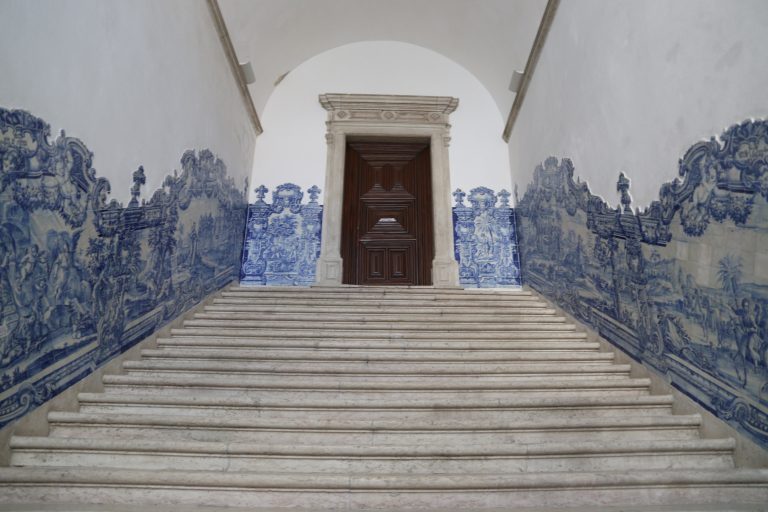
The peaceful cloister with its elaborate azulejo tiles, which portray events from St. Vincent’s life, is another remarkable feature. The calm ambiance of the cloisters offers a serene diversion from Lisbon’s busy streets.

The Pantheon.

The feature of the São Vicente de Fora Monastery is the Pantheon of the Braganza Dynasty. This great hall holds the beautiful tombs of several Portuguese rulers and nobles, making it a fascinating historical tour for those interested in Portugal’s royal past.

The marble graves, carved with elaborate detailing and embellished with gold, are a monument to the era’s creative prowess. The Pantheon is not just historically significant but also visually appealing, displaying the grandeur of the Portuguese aristocracy.

A Cultural Encounter

Azulejo Tiles

The interior of the São Vicente de Fora Monastery is lavishly decorated with azulejo tiles. These beautiful blue and white motifs on traditional Portuguese ceramic tiles tell stories and portray historical events. Take a minute as you travel through the monastery to enjoy the craftsmanship and creativity reflected on these tiles.

Views that are breathtaking

The São Vicente de Fora Monastery, in addition to its historical and architectural treasures, provides spectacular panoramic views of Lisbon. Visitors can climb to the rooftop for panoramic views of the city, the Tagus River, and beyond. It’s an ideal location for taking great photos and getting a new perspective on the city.

Planning your visit

Location and Hours

São Vicente de Fora Monastery is conveniently located in Lisbon’s Alfama district. The address is Largo de São Vicente, 1100-572 Lisbon. The monastery is open to visitors from 9:00 a.m. to 6:30 p.m. every day except Sundays and religious holidays, when it’s open from 9:00 a.m. to 12:00 p.m.

Conclusion

São Vicente de Fora Monastery is a hidden gem in Lisbon, offering a unique perspective on the city’s rich history and cultural heritage. Its historical significance, stunning architecture, and cultural treasures make it a must-visit destination for history enthusiasts and art aficionados.

While São Vicente de Fora Monastery might not be as famous as some of Lisbon’s more iconic landmarks, it has the potential to become your favourite discovery during your visit to the Portuguese capital. So, make sure to include this extraordinary site in your Lisbon itinerary and experience the allure of São Vicente de Fora for yourself.

São Vicente de Fora