Discover the Santuário de Santa Luzia: A must-see landmark in Viana do Castelo
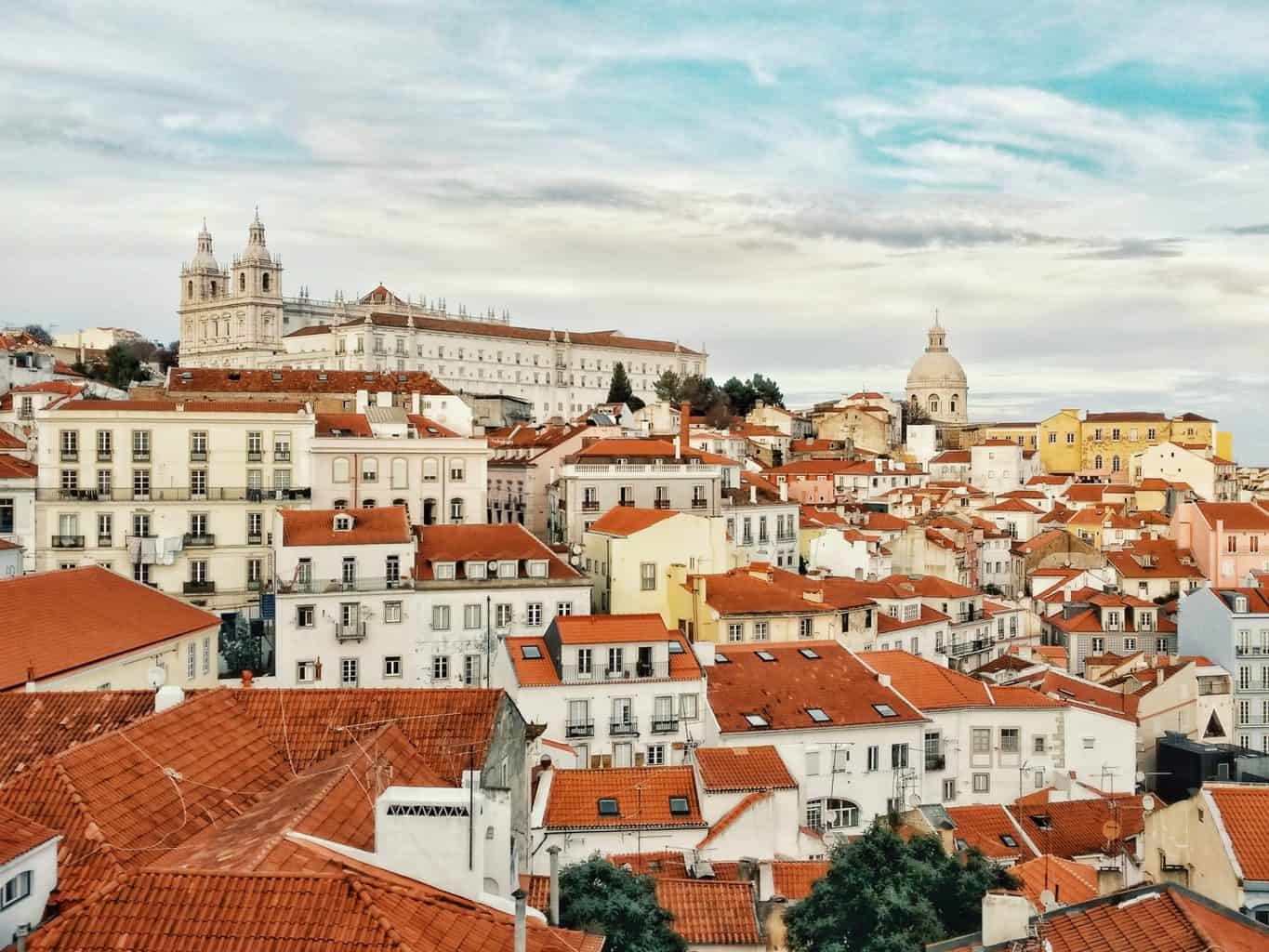
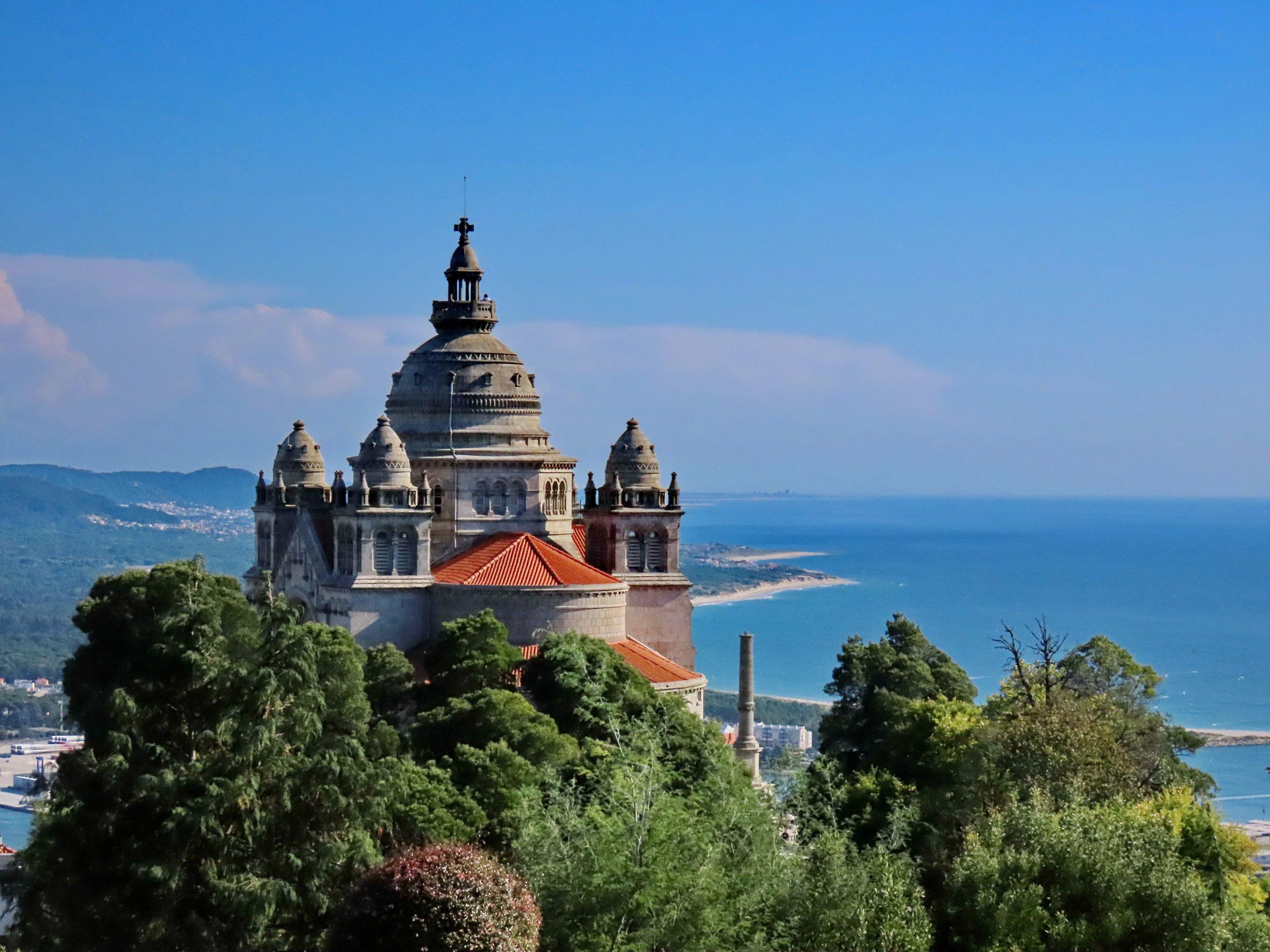
Perched high above Viana do Castelo, the Santuário de Santa Luzia is northern Portugal’s architectural and spiritual icon. Set amidst eucalyptus-covered hills, this neo-Byzantine sanctuary is both a place of worship and a breathtaking vantage point, offering some of the best panoramic views in the country.
A journey to the summit
There are many reasons to climb Monte de Santa Luzia, whether by car, on foot, or the Santa Luzia funicular railway, one of the oldest in Portugal. The journey is an experience, with breathtaking views of the River Lima, the Atlantic Ocean, and the charming town of Viana do Castelo below.
How to get there
Getting to Santuário de Santa Luzia is easy, and there are several ways to get there:
By funicular: The Santa Luzia funicular leaves from the centre of Viana do Castelo and offers a scenic ride up the hill. It runs regularly and is a comfortable and enjoyable way to reach the sanctuary.
By car: A winding road leads to the sanctuary, with parking facilities nearby. This is the best option for those who prefer flexibility in their visit.
On foot: Adventurous visitors can hike up Monte de Santa Luzia along several well-marked trails. The trek is a rewarding experience with incredible views along the way.
By taxi or carpool: For a convenient journey, local taxis and ride-sharing services can take visitors directly to the sanctuary entrance.
An architectural marvel
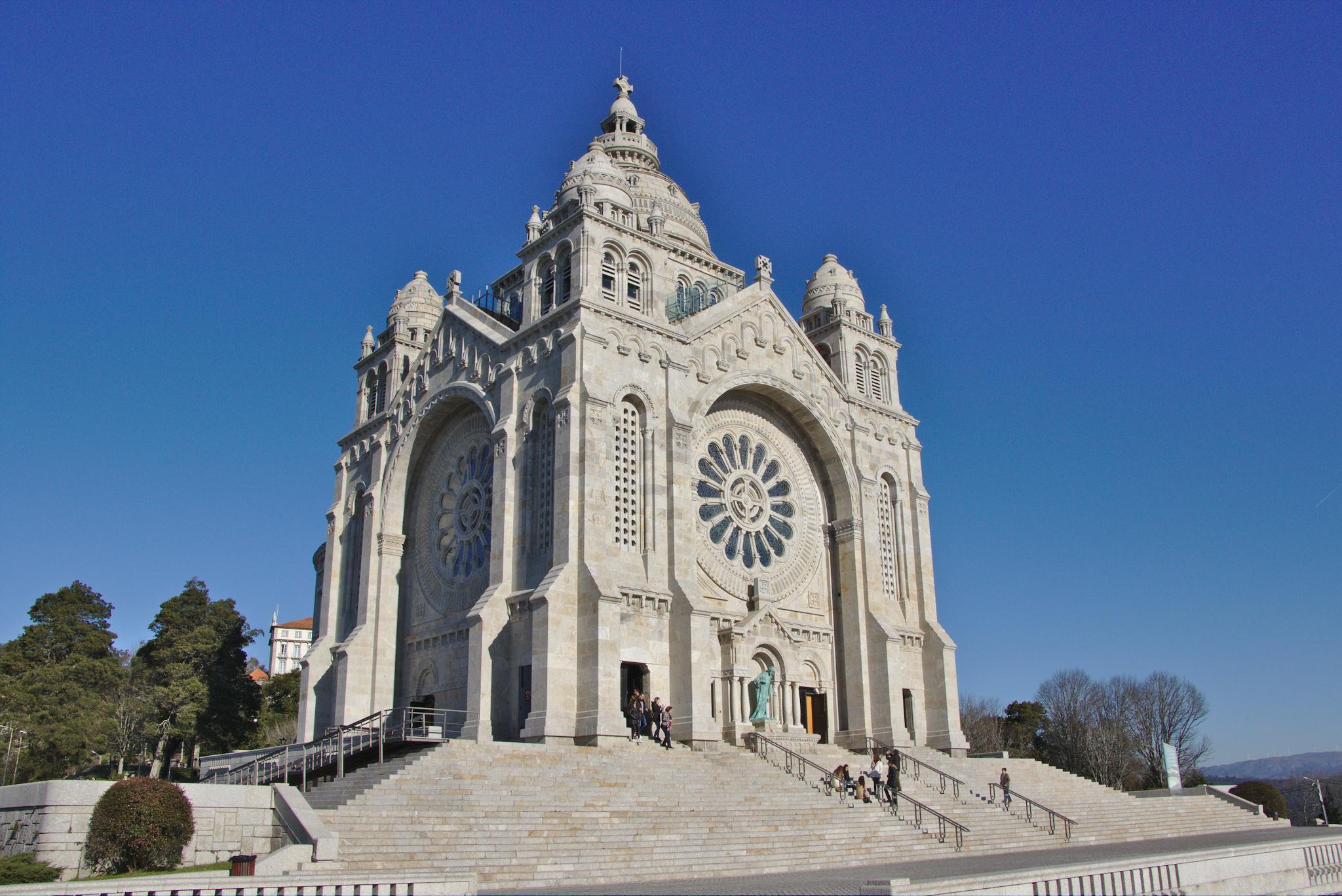
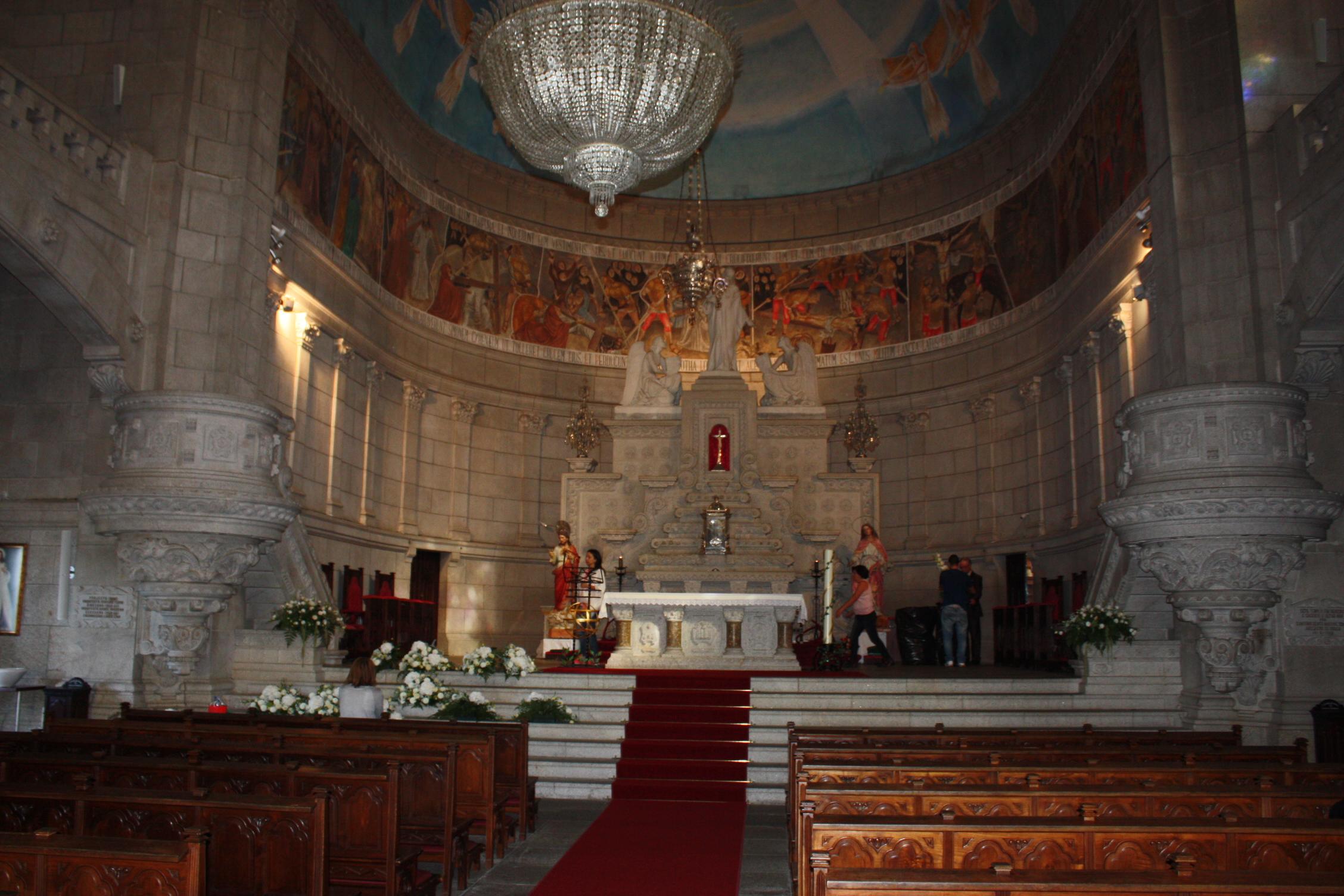
A masterpiece of Byzantine Renaissance architecture, the Santuário de Santa Luzia was constructed in the 20th century and is reminiscent of Paris’s Sacré-Cœur. The church has a Greek cross plan, with an imposing central dome and four majestic towers crowned by smaller domes. The intricate rose windows are among the largest in Iberia, flooding the interior with mesmerising patterns of coloured light.
A place of devotion
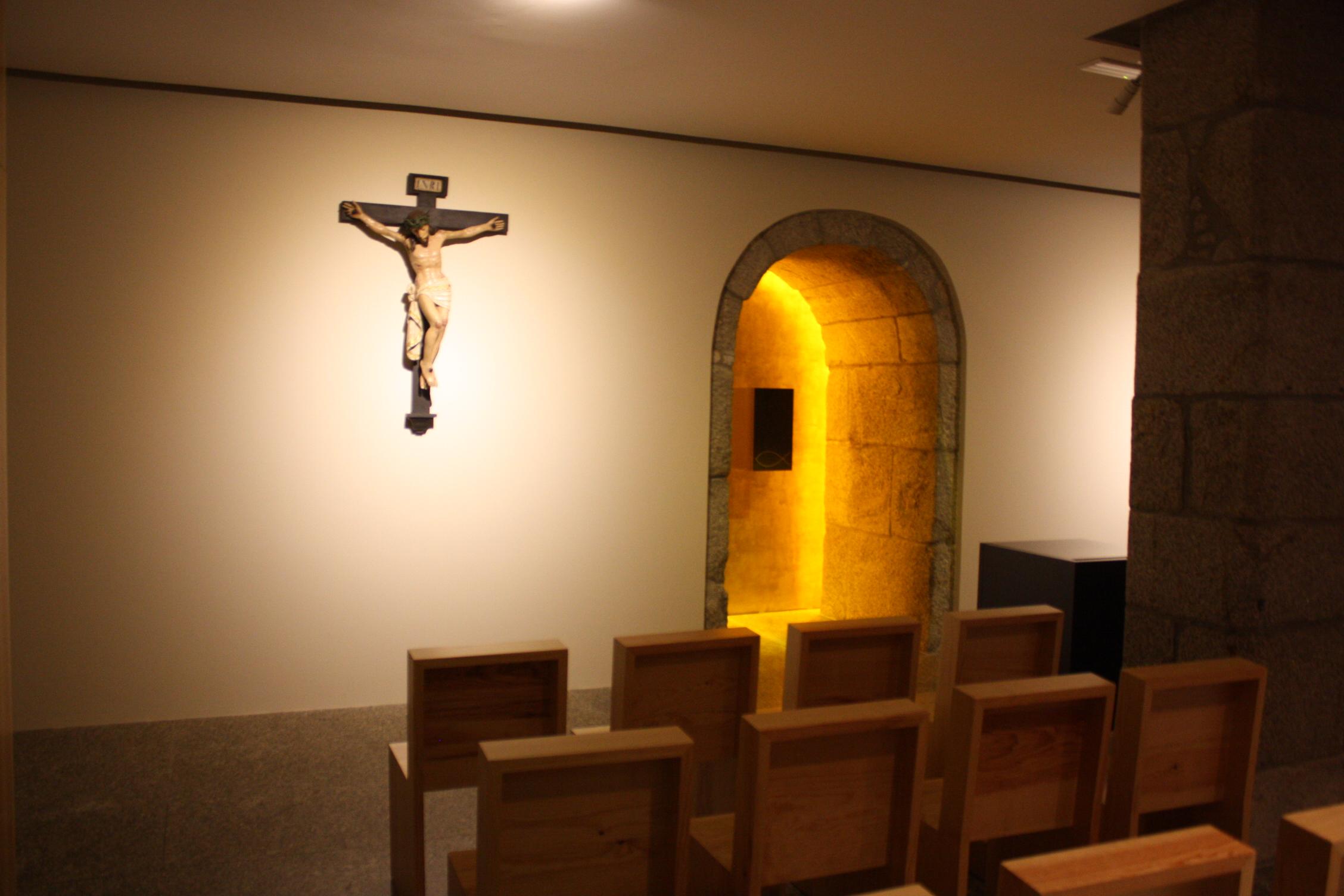
Dedicated to Santa Luzia, the patron saint of the eyes, this sanctuary is an important place of pilgrimage. Each year, locals climb the hill on the Sunday closest to the celebration of the Sacred Heart of Jesus, continuing a cherished tradition of faith and devotion.
The viewpoint: A breathtaking reward
For visitors seeking an unforgettable perspective, the roof of the sanctuary offers a 360-degree view of the landscape. Accessible by lift and a narrow flight of stairs, the climb is well worth the effort, rewarding you with sweeping views of the Atlantic coastline, the Lima Valley, and the lush Portuguese countryside.
Exploring the surroundings
Beyond the sanctuary, the area around Monte de Santa Luzia invites exploration. A network of trails winds through the fragrant eucalyptus forests, leading to miradouros (viewpoints) and ancient archaeological sites, including Citania de Santa Luzia, a fascinating Iron Age settlement with remnants of Celtic culture.
Final thoughts
Whether you’re drawn by its spiritual significance, stunning architecture, or simply the awe-inspiring views, Santuário de Santa Luzia is a must-see destination in Portugal. It is a site where history, faith, and natural beauty converge, leaving every visitor with a sense of wonder and tranquilly.
Plan your trip, breathe in the fresh mountain air, and experience the beauty of Viana do Castelo from its most iconic landmark.
The Santuário de Santa Luzia (Santa Luzia Sanctuary) is one of the main attractions of Viana do Castelo. This monumental temple is located in the Hill of Santa Luzia (228 m), in the suburbs of the city.
It’s a Byzantine Revival temple of the 20th century. Stands out the roof decorated with paintings, the access to which is found on the ground floor of the museum via a lift and then by a narrow staircase
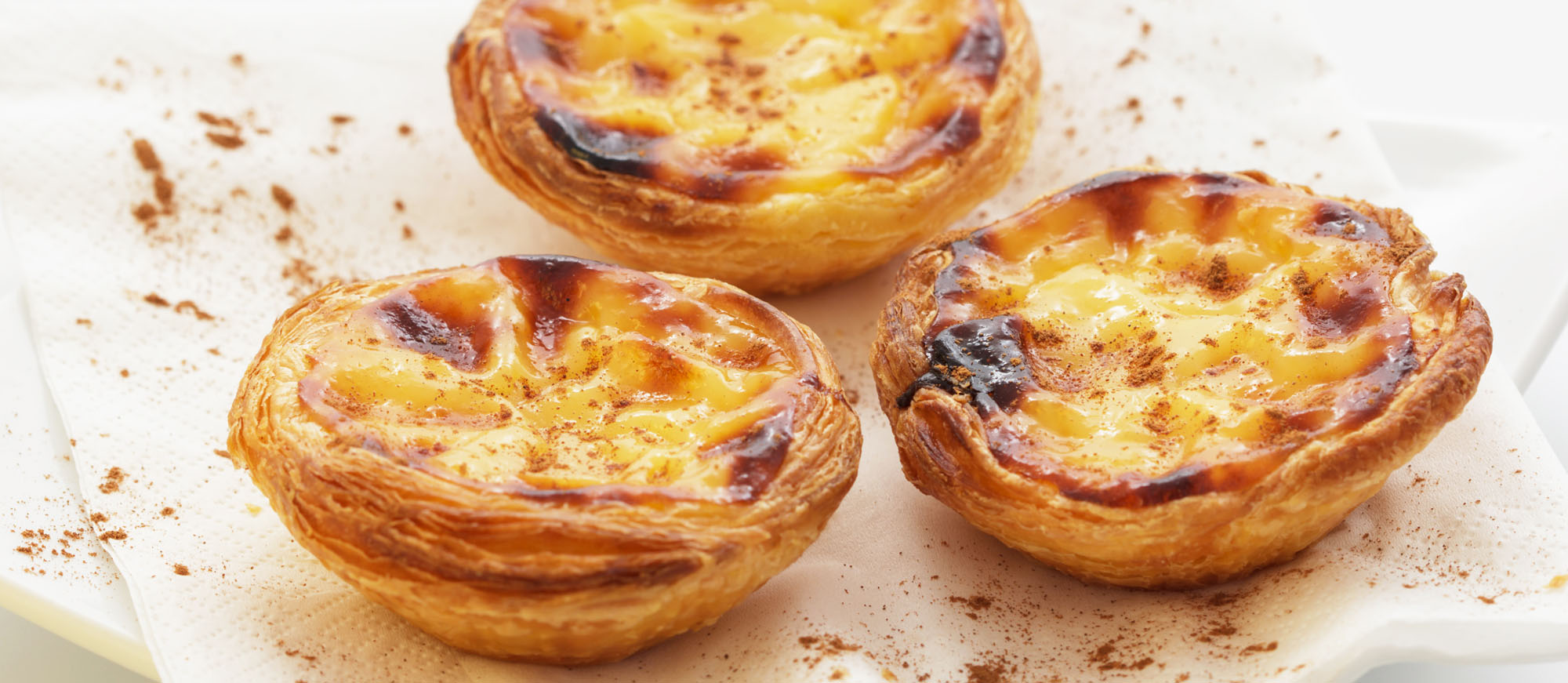
Step 1 Combine flour, salt, and cold water in a bowl. Mix with a wooden spoon until dough just comes together and pulls away from the sides of the bowl. Dough should be sticky; adjust with more flour or water to achieve.
Step 2 Transfer dough onto a well floured surface. Dust a little more flour over the top. Knead for a minute or two to form a round. Cover and let rest for 15 to 20 minutes.
Step 3 Roll dough into a square about 1/8 inch thick, dusting with flour as necessary; dough should still be sticky.
Step 4 Spread 1/3 of the butter over 2/3 of the square using a silicone spatula, leaving a 1/2 inch border. Flip the unbuttered side over the middle of the square and fold the opposite end over it like a letter. Straighten the edges as needed.
Step 5 Turn dough with a bench scraper to unstick it from the counter; dust with flour. Flip and sprinkle more flour on top. Roll dough into a 1/8-inch-thick rectangle, carefully stretching edges as needed. Spread another 1/3 of the butter over 2/3 of the dough. Fold into thirds. Transfer onto a lined baking sheet and freeze until butter is slightly chilled, about 10 minutes.
Step 6 Sprinkle dough with flour and roll into a square a little over 1/8 inch thick. Spread remaining butter over the dough, leaving a 1- to 1 1/2-inch border on the top edge. Dip your finger in water and lightly moisten the unbuttered edge. Roll dough into a log starting from the bottom edge. Dust with more flour and polish the ends as needed. Seal with plastic wrap and refrigerate at least 2 hours, preferably overnight.
Step 7 Combine sugar, 1/4 cup plus 1 tablespoon water, cinnamon, and lemon zest in a pot. Boil over medium heat, without stirring, until syrup reaches 210 to 215 degrees F (100 degrees C). Remove from heat.
Step 8 Preheat oven 550 degrees F (288 degrees C). Grease a 12-cup muffin tin.
Step 9 Whisk flour, salt, and cold milk together very thoroughly in a cold pot. Cook over medium heat, whisking constantly, until milk thickens, about 5 minutes. Remove from heat and let cool for at least 10 minutes.
Step 10 Whisk egg yolks into the cooled milk. Add the sugar syrup and vanilla extract. Mix until combined. Strain custard into a glass measuring cup.
Step 11 Unwrap the dough and trim any uneven bits on the ends. Score log into 12 even pieces using a knife; cut through.
Step 12 Place a piece of dough in each muffin cup. Dip your thumb lightly in some cold water. Press thumb into the center of the swirl; push dough against the bottom and up the sides of the cup until it reaches least 1/8 inch past the top. Fill each cup 3/4 of the way with custard.
Step 13 Bake in the preheated oven until the pastry is browned and bubbly, and the tops start to blister and caramelize, about 12 minutes. Cool tarts briefly and serve warm.
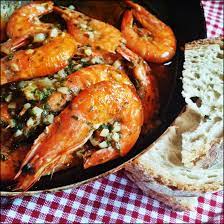
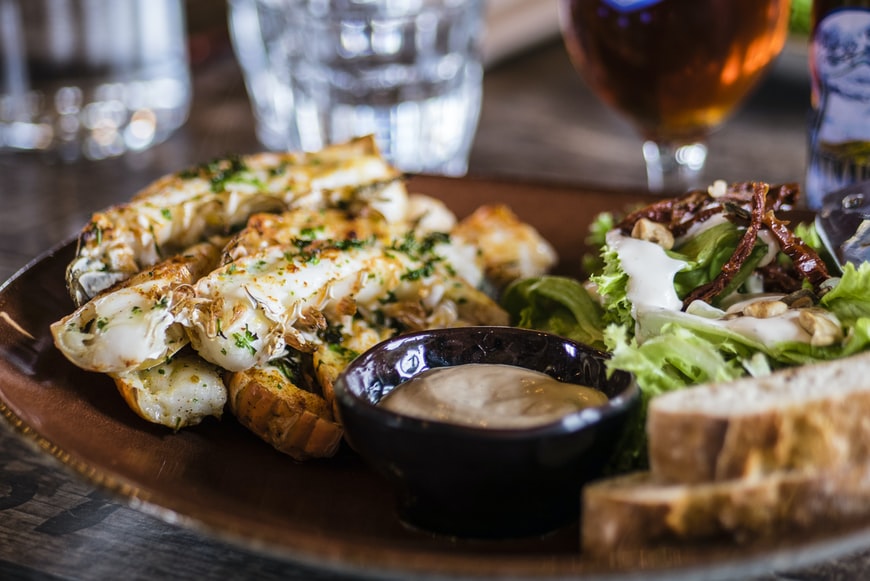
Experience a flavour explosion with this Vinha d’alhos marinade, featuring the perfect blend of white wine, garlic, and spices. Elevate your meal with these succulent Queen prawns, marinated to perfection.
PREP TIME 20 mins COOK TIME 3 hours TOTAL TIME 3 hours 20 mins
INGREDIENTS
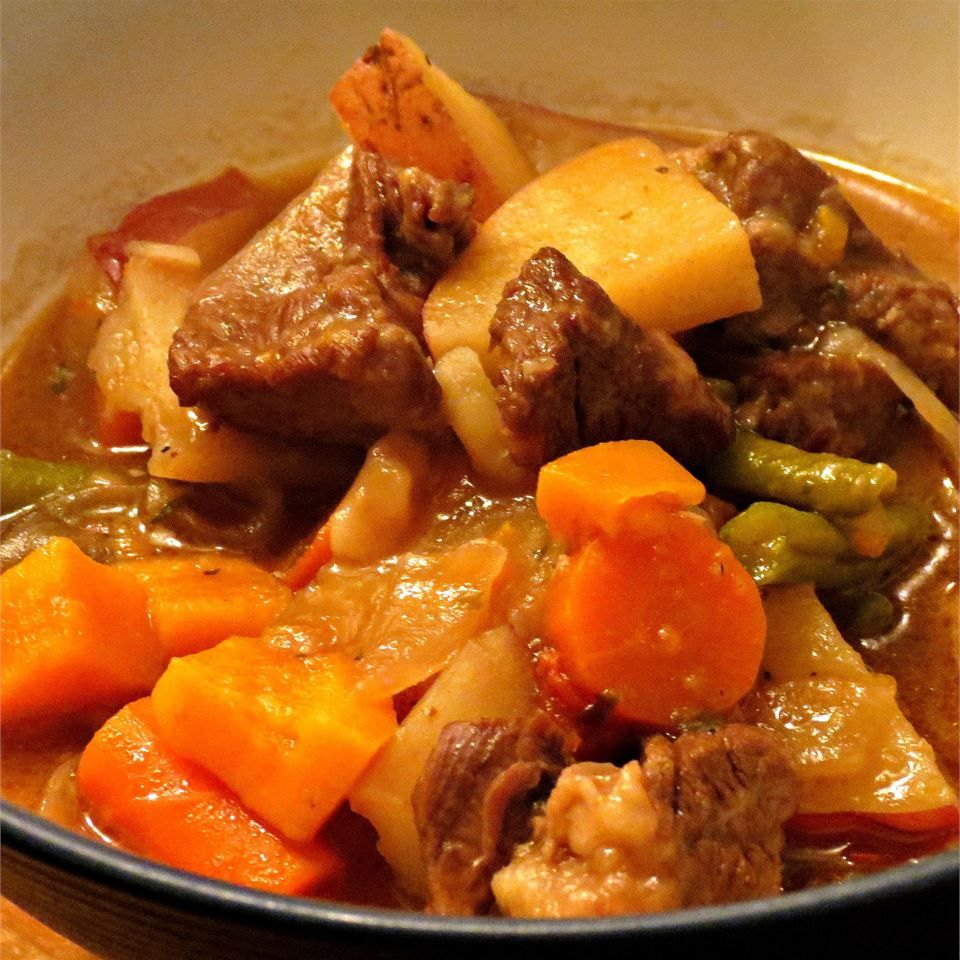
3.5 lbs sirloin tip roast cut into large pieces (about double or triple the size of regular stewing meat)
1 cup white wine / You can use red wine
1 cup beer
1 small can of tomato paste (5.5 fl oz)
2 tsp salt
2 tsp paprika
1 tsp ground allspice
3 bay leaves
1 cinnamon stick
4 cloves garlic minced
1 medium onion diced
1 cup water
6 white potatoes chopped into large pieces
INSTRUCTIONS
Cut the beef into large chunks.
In a large bowl add the white wine, beer, tomato paste, salt, paprika, allspice and whisk until well combined. Add the bay leaves and cinnamon stick.
Add the meat to the bowl and mix well to cover all the meat pieces. Cover the bowl with a plastic wrap or put place the entire contents into a ziplock. Store in the fridge for at least two hours or even over night.
Place a large pot on the stove and add the meat contents to the pot. Add the onions and garlic and bring to a slow boil for 30 minutes covered.
Remove the lid, add the water and cover again. Simmer for 2 hours.
Uncover, add the potatoes, mix well, cover and continue to simmer for 30 minutes.
Do you smell that? Are people lined up outside your door? Now go enjoy this awesome meal!
NOTES: Prep time does not include marinating time which can be from 2 hours to overnight.
You can also leave out the potatoes and serve this with simple butter rice.
Prep Time: 15 mins Cook Time: 50 mins Total Time: 1 hour 5 minutes Yield: 4 servings
2 tablespoons extra virgin olive oil
1 tablespoon bacon fat (use lard if you don’t have bacon fat, but we don’t recommend using vegetable shortening since it won’t add much flavor to this dish)
1 cup diced onion
2 teaspoons minced garlic
2 cups fresh tomatoes cored and cut into large one inch chunks (save any juice from cutting)
1½ cups broth (we used vegetable, but chicken or beef will also work)
1 cup long-grain white rice
¼ teaspoon salt
¼ teaspoon freshly ground black pepper
INSTRUCTIONS
In a medium pot with a tight-fitting lid, melt bacon fat in the oil over medium high.
Add onions and garlic and cook for 2 minutes.
Add tomatoes with their juice, cover and simmer for 30 minutes.
Add stock, bring to a boil and add rice, salt and pepper.
Cover and after it comes to a boil, lower to a gentle simmer and cook 20 minutes covered.
Remove from heat and fluff with fork before serving.
We’ve seen some other variations of Portuguese Tomato Rice that have green bell peppers added, as well as meat such as sausage, pork or chicken. Either way – this is a versatile dish that can be enjoyed in many different ways!
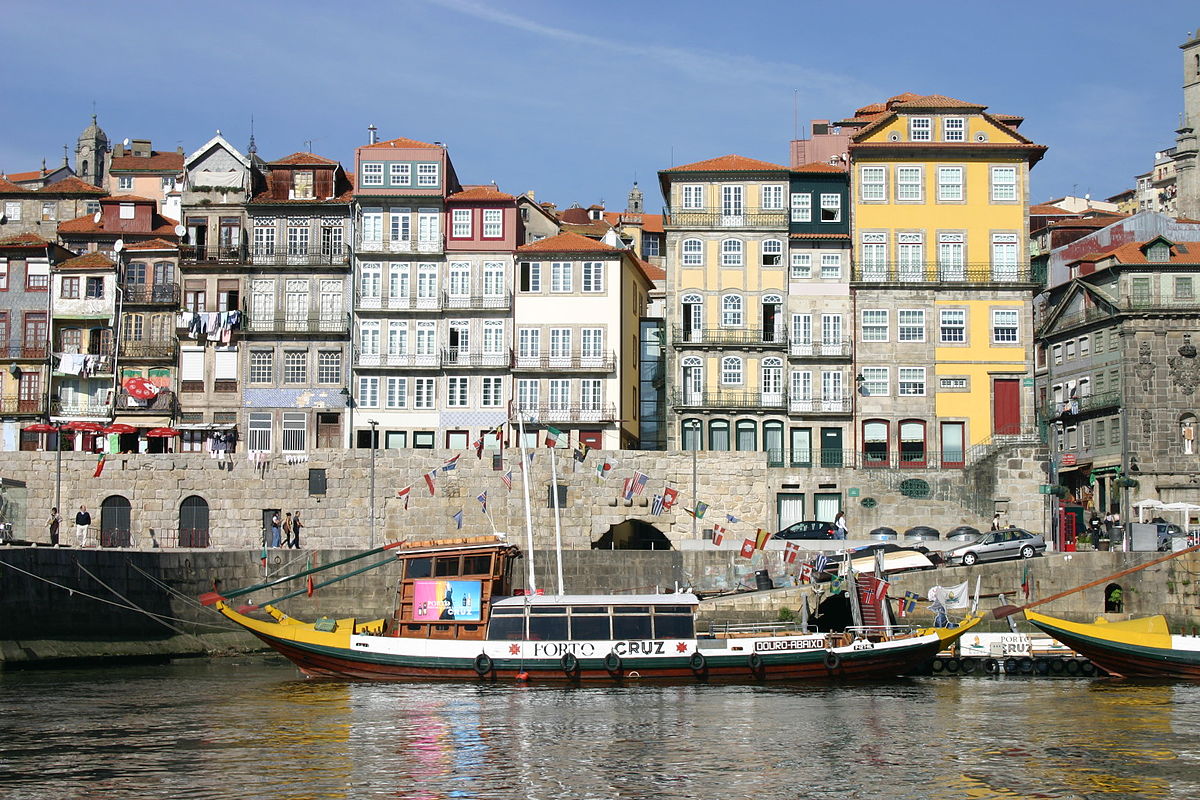
Ribeira, Porto’s lively area, is the most eclectic portion of the city, attracting people from all walks of life to sit by its banks, including locals, students, and visitors. There is a lot to see in this historical town, which is also a UNESCO World Heritage Site, and the scenic aspect of the river, cafés, houses, and statues further adds to the charm. The following are a few notable landmarks that should be seen and appreciated while exploring these wonderful areas of the city:
Casa do Infante
This building, which was constructed in the 14th century, was originally known as the Old Customs House (Alfândega Velha), because it housed the customs agency in charge of supervising the movement of goods and products into and out of Portugal. The Casa do Infante (Prince’s House) was built in the late 14th century as the birthplace of Henry the Navigator, earning it the title of “Prince’s House.” It is almost 600 years old, but the current appearance of the structure reflects modifications carried out in the 17th century, despite its great age.
D. Pedro IV’s Equestrian Statue (Equestrian Statue of D. Pedro IV)
Porto and Lisbon both have symbolic depictions of King Pedro IV, however, the monument in Porto is positioned on the grand Avenida dos Aliados, which is a landmark in the city. In addition to commemorating a king from Portugal and Brazil’s shared past, the monument serves as a fantastic gathering point for the community because it is one of the city’s most famous landmarks.
Igreja de Santa Clara
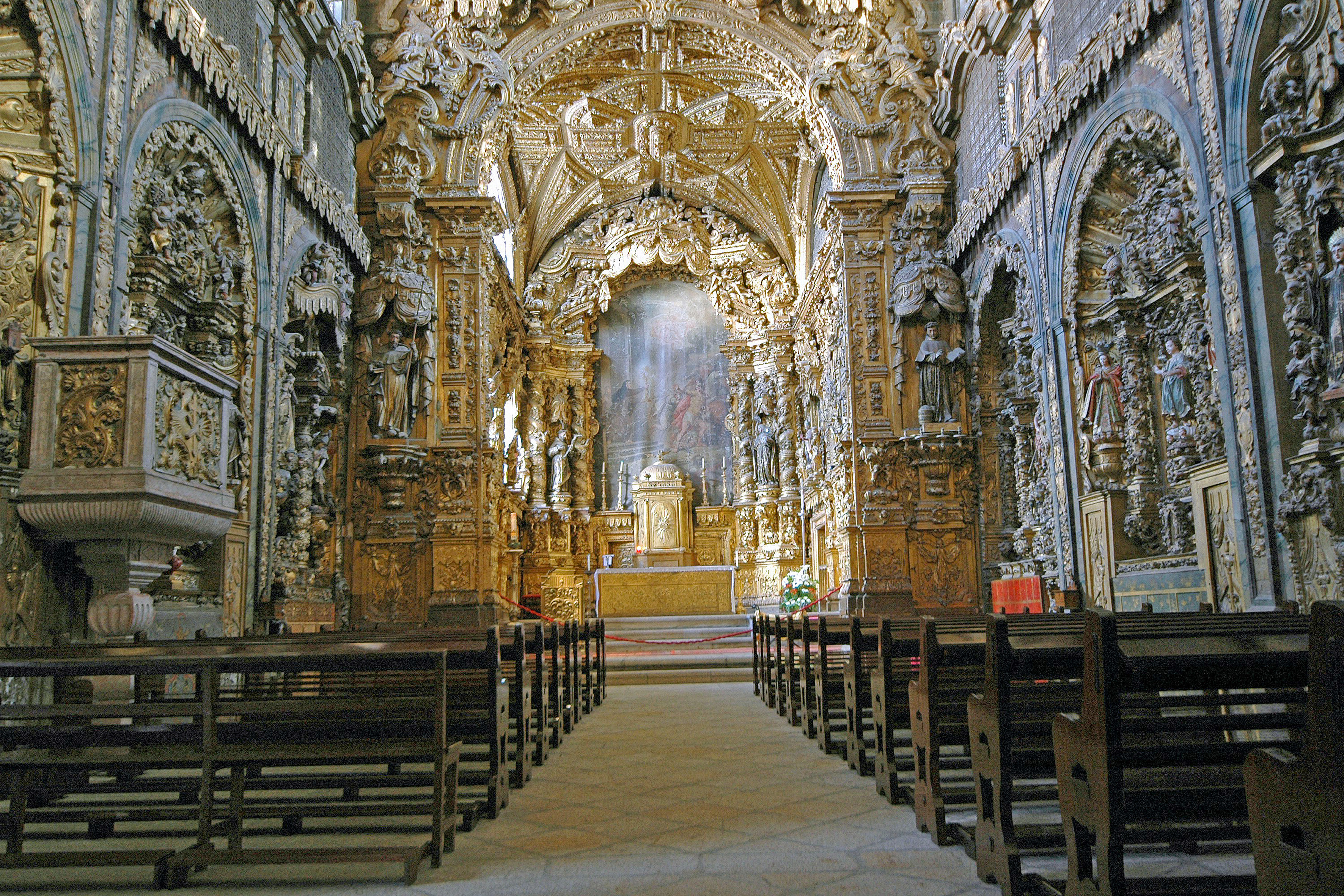
The 15th-century Santa Clara church may be one of the finest examples of 17th-century Portuguese woodwork, combining Baroque and Rococo (late Baroque) styles. Although it appears to be rather straightforward on the outside, it may require some exploring to locate, these efforts will be rewarded once you pass the historic doorway and enter the magnificent floor to ceiling details.
A Pérola do Bolhão
How about buying in an old-fashioned grocery store? While not as historic as other sights, visiting A Pérola do Bolho is an intriguing experience because it allows tourists today to buy in a traditional early 1900s grocery store. This is an excellent location for purchasing dried fruits, cheeses, olive oils, and wines.
Muralha Fernandina
In Porto, walking is the most efficient method to see and do everything. While walking, make sure to take a stroll along the 14th-century Muralha Fernandina – or Fernandina’s Walls. While the majority of the original walls have been incorporated into other municipal structures, the part that remains is worth visiting and provides a peek into the past when this Roman fort aided in the protection of the city.
Escadas do Codeçal
These stone steps may convince anyone to forego the funicular in favour of climbing. They will take you up to the Santa Clara Church, so make a note of it to prevent seeking for an extended period of time. Along with providing exercise and a guaranteed route to the church, climbing the steps rewards climbers with unparalleled views of the river and Dom Luís Bridge.
Alminhas da Ponte
A small and sometimes missed historical shrine is located off to the side of the Dom Luís Bridge. According to legend, Porto’s Bridge of Boats (literally composed of linked boats) collapsed during the Peninsular War when citizens rushed to flee the invading French Army. Incapable of supporting the added weight, the bridge collapsed into the Douro River, engulfing and killing up to 4,000 people. Today, anybody who takes a moment to look for this bronze shrine is welcome to place their own flower or candle in addition to those already there.
Capela da Lada
Portugal’s churches, as a Catholic country, are well worth a look. The Capela da Lada is located distant from the centre Ribeira district’s concentration of pubs and restaurants, but immediately before the Dom Luís Bridge. The architectural design and embellishments on the interior and outside make this little devotional structure a must-see when in Porto’s Ribeira neighbourhood.
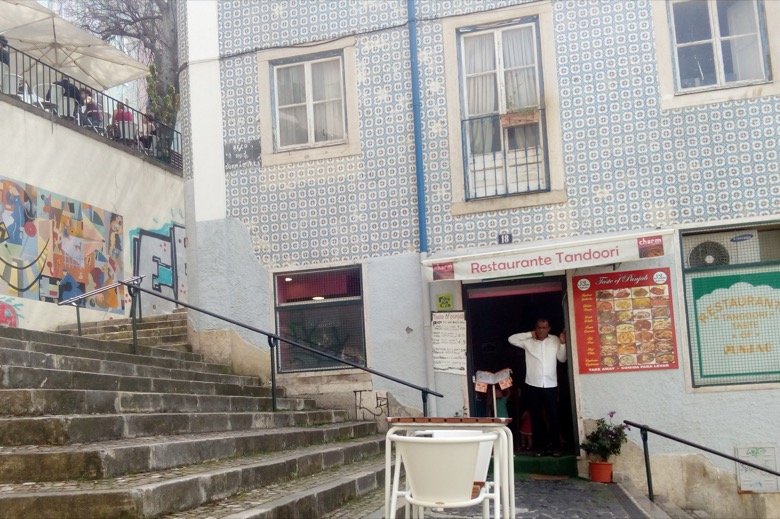
it’s not Portuguese food and it’s one of many Indian restaurants in Lisbon. Taste of Punjab serves delicious meals at an affordable price. Share a dish from the menu’s numerous specialities, which include lamb, beef, chicken, and vegetarian options. Begin with samosas and then split a dish accompanied by a large mountain of fragrant white Basmati rice.
Excellent cuisine and extremely friendly owners. It is not a modern, fancy, packed tourist destination; rather, it is a spot where you may eat comfortably, take your time, and take in the passing neighbourhood.
This restaurant is located directly across the street from the Largo dos Trigueiros square.
Address
Beco Surradores 18, Lisbon.
Opening Times
11:30 – 23:00 daily
La Villa – Italian restaurant – wood oven
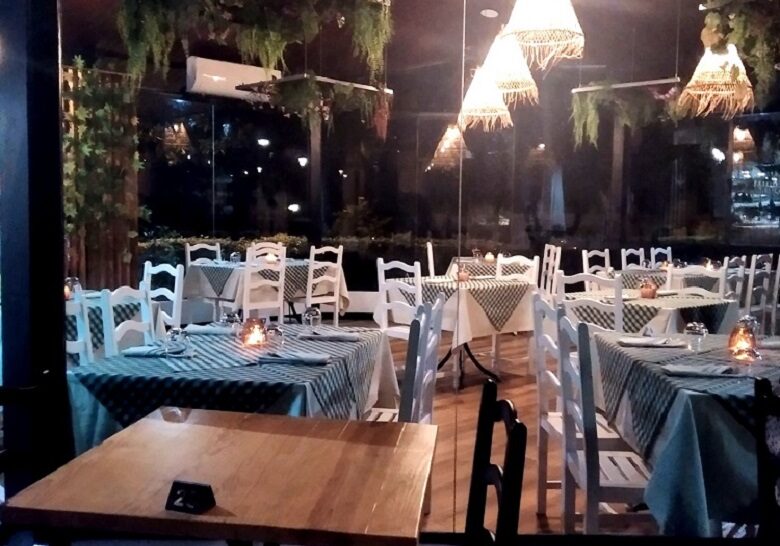
Located in the heart of the Campo dos Mártires da Pátria garden, with a wooden, romantic balcony for cosy summer nights or a glazed dining room if it’s too chilly, and a wood oven where they prepare the incredible pizzas (which are not the only course on the menu).
Going to La Villa means being treated like royalty without snobbery, because each waiter/waitress will give you the feeling that their primary purpose is to ensure you have the best dining experience possible, both gastronomically and aesthetically.
Take advantage of La Villa’s close proximity to practically anything in Lisbon. That way, you’ll not only prolong a wonderful time but also kick-start the digestion of an incredible meal.
It is a dog-friendly establishment.
Address
Campo dos Mártires da Pátria 39, Lisbon
Opening Times
Mon – Fri 12:00 – 01:00, Sat – Sun 10:00 – 01:00
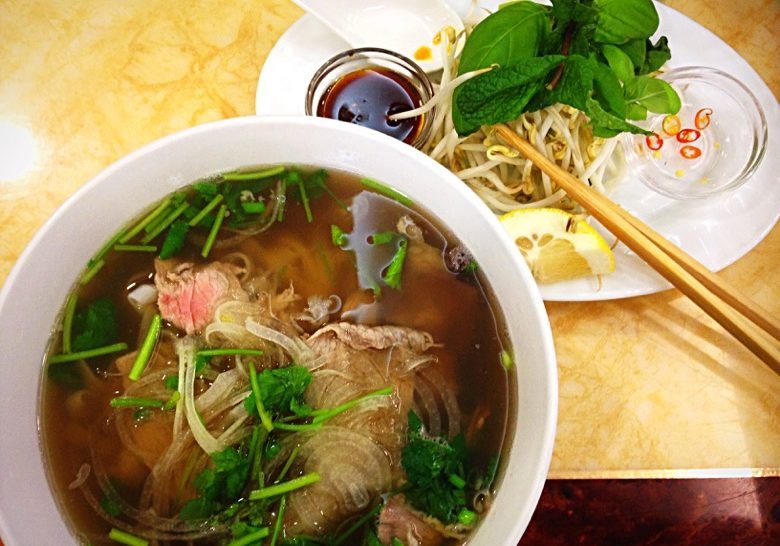
Pho Pu – Fresh Vietnamese food
The place is small and busy, but you should have no trouble finding a table. It is located on one of Mouraria quarter’s main streets, Rua do Bem Formoso, just two blocks from Martim Moniz square.
The cuisine is fairly straightforward. Begin with a plate of fresh vegetarian gyozas and a refreshing lager.
Definitely worth a try. It’s extremely reasonably priced and delivers substantial portions.
Address
Rua do Benformoso 76, Lisbon
Opening Times
Tue – Sun 11:00 – 16:00 & 18:00 – 23:00
Infame – Food of the world
Infame absorbs the multicult Located near Lisbon’s downtown and with Martim Moniz as a backdrop, the Infame absorbs the multiculturalism that surrounds it at the 1908 Lisboa Hotel and takes us on a journey through the palates of the world, without abandoning its local roots. The restaurant is decorated in vibrant hues, and each feature has a specific significance.
The chef has built a creative kitchen that incorporates a variety of sources and influences and honours the multiculturalism of Lisbon, particularly the Intendente, an area where diverse nationalities and cultures cohabit; around 80 nationalities call that parish home.
The ingredients from Indian and oriental cuisine are the stars of nearly every meal that combines flavours from the four corners of the world, and you never know what you’re going to eat because the chef changes the menu practically daily based on the fresh ingredients he gets at the local markets.
The daily menu takes us on a voyage around the world’s palates without losing sight of the origins of the greatest Portuguese cuisine, and at the end of the dinner, you’ll wish you could start over. It’s the ideal place to visit if you want to learn about Lisbon’s melting pot and eat delicious meals at reasonable pricing.
It has a marvellous sidewalk patio and about 60 seats inside. The serenity and comfort of the place ties in with impeccable service of unsurpassed kindness and attention to each customer.
There are around 11 sweet éclairs, plus the special edition ones. And they also make very good macarons.
Another thing they are getting famous for is their thematic window displays. The Christmas and Valentine’s day displays are a huge success!
For drinking it’s possible to pick from champagne, wine, coffee or tea, which is none other than the Mariage Frères selection. All of these sound too chic and very expensive.
L’Éclair provides superior catering services in which personalization, good taste and high quality are key words. Whether for private, corporate or institutional events, large or small, we will design a service that is tailored to your needs, with the greatest elegance and originality.
Address
Av Duque Ávila, 44, Lisbon
Opening Times
Mon – Fri 09:00 – 20:00, Sat – Sun 09:30 – 19:00
Cape Verdean Association
The establishment is located on the top floor of a business building, so if you believe you’ve arrived in the wrong location, you’re not. After exiting the elevator on the eighth storey, you enter a large lounge with stunning views of the city.
The space is sparsely furnished, but believe me, it is quite crowded. Therefore, it is recommended to make a reservation in advance, at least on music days. The cuisine is exquisite and delectable. The staff is extremely courteous and efficient. Try the legendary “Cachupa” (a slow-cooked stew of maize, beans, and meat), or a tantalising chicken creole or a delectable onion tuna steak, all served with rice and beans.
If you visit on a Tuesday or Thursday, you’ll be treated to live Cape Verdean music, the legendary “Morna,” and a large crowd dancing cheerfully while you eat your delectable lunch.
Uncover Lisbon’s Hidden Gems: A Guide for the Discerning Traveler. Whether you wish to avoid crowds due to agoraphobia or desire a more authentic, tranquil experience, Lisbon offers a wealth of lesser-known sites ideal for those seeking serenity and adventure beyond the city’s well-trodden paths.
Tapada das Necessidades
Unlike many major cities, Lisbon does not feature a single, expansive central park. Instead, its green spaces are scattered—found on the city’s fringes, tucked between neighborhoods, or often concealed within its fabric. This landscape of hidden and peripheral parks adds to Lisbon’s air of mystery and romantic appeal.
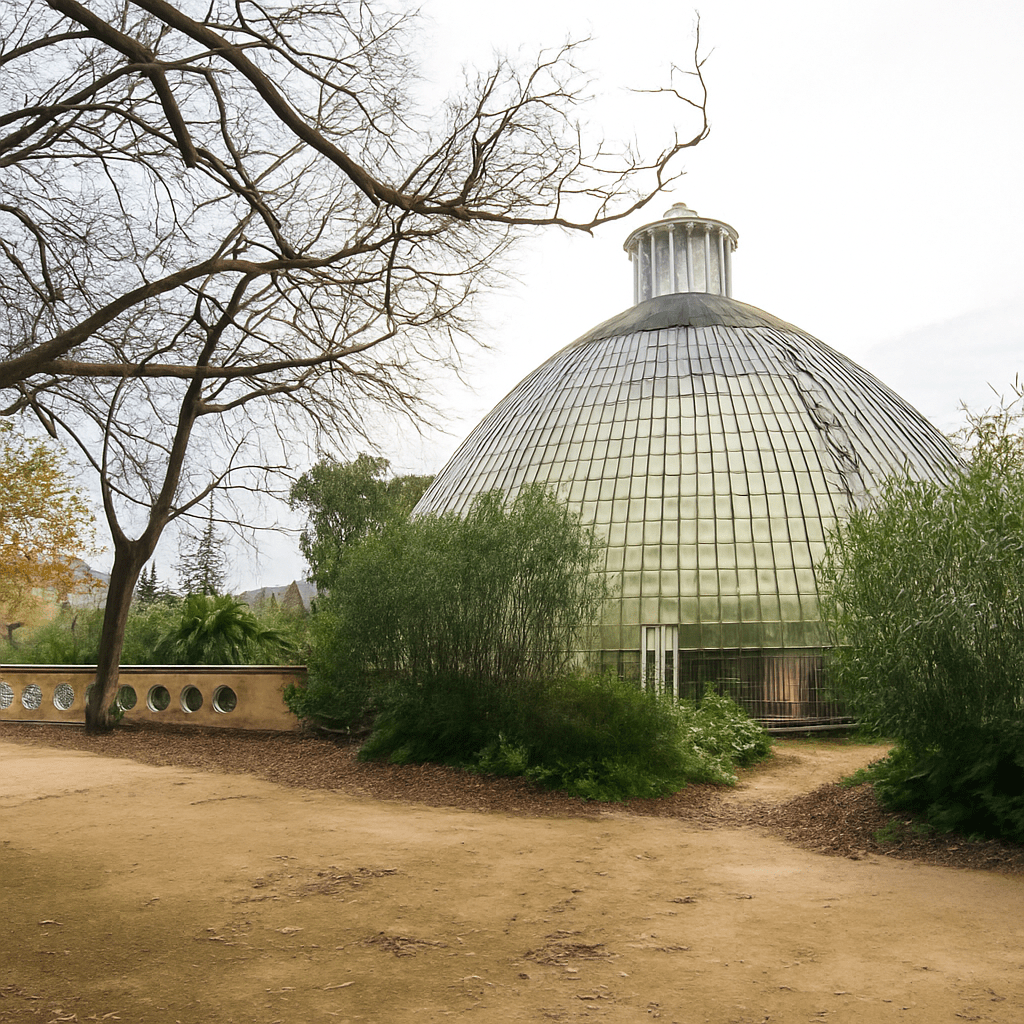
Tapada das Necessidades is a prime example of these unique green spaces. Situated near the Palace of Necessidades—which now houses the Ministry of Foreign Affairs—this historic garden was established in 1742 as a royal retreat, designed in the British style. For decades, Tapada das Necessidades suffered from neglect, but recent restoration efforts have revived much of its former charm.
Today, the garden is open once again to Lisbon’s residents and visitors, offering an enchanting setting for leisurely strolls or picnics. Its expanse is so prominent that it is easily visible from the 25 de Abril Bridge upon entering the city, yet its entrance remains somewhat hidden, enhancing its enigmatic allure.
From within the grounds, spectacular views of Lisbon unfold, making Tapada das Necessidades a memorable and picturesque destination—for both peaceful recreation and appreciating the city’s panorama.
Livraria do Simão
Livraria Simão is recognized as one of the world’s smallest and most distinctive bookshops. Occupying just four square meters at Escadinhas de São Cristóvão 18, in Lisbon’s Mouraria neighborhood, this unique space accommodates approximately 4,000 volumes—primarily in Portuguese, but also featuring titles in English, Spanish, Italian, Chinese, and other languages.
The bookshop specializes in used books, including literary rarities and significant works by renowned Portuguese authors such as Fernando Pessoa, José Saramago, and Luís de Camões. Due to its size, only one customer can enter at a time; when you wish to browse, the proprietor, Simão Carneiro, steps outside to allow visitors to explore the selection.
Address: Escadinhas de São Cristóvão 18, 1100-119 Lisbon
Livraria Simão is a must-visit for bibliophiles and travelers in search of Lisbon’s hidden cultural treasures.
Fonte Luminosa – Light, water and magic
Monumental 1940 fountain in a park, with sculptures of Triton & mermaids, plus evening light shows.
Lisbon’s Fonte Luminosa (“Luminous Fountain”) is a monumental feature located in Alameda Dom Afonso Henriques, at the heart of the Alto do Pena neighborhood. Often compared to Barcelona’s Magic Fountain and Rome’s bustling Trevi Fountain, Fonte Luminosa offers a distinctive Lisboeta experience—spectacular, yet tranquil and frequented mainly by locals.
Designed by architects Carlos and Guilherme Rebello de Andrade and inaugurated in 1948, the fountain commemorates the advent of a stable water supply to eastern Lisbon. Its modernist design features a wide, terraced cascade with striking sculptures—most notably a Triton on horseback and four mermaids—set above a vast reflecting basin. The fountain is integrated into a landscaped park where you’ll often see families, children at play, couples, and people relaxing or walking their dogs, contributing to its romantic and welcoming atmosphere.
A defining feature of Fonte Luminosa is its nightly light show. As dusk falls, the cascading water is illuminated in a symphony of color, creating a magical scene that can be enjoyed from various vantage points throughout the park. The terrace at the top of the monument also provides excellent panoramic views over the surrounding avenue and city.
Practical details:
Address: Alameda Dom Afonso Henriques, 1900-221 Lisboa, Portugal.
Access: Conveniently located near Alameda metro station, it’s easy to reach by public transport.
Best time to visit: Water shows usually occur between 12:00–15:00 and 18:00–21:00. The light show takes place about 15 minutes after sunset. Note that, due to maintenance, the fountain is occasionally inactive.
Fonte Luminosa remains a cherished local spot—a grand yet peaceful oasis, ideal for a picnic, a stroll, or to enjoy the interplay of light and water amidst Lisbon’s urban landscape
Jardim do Campo Grande
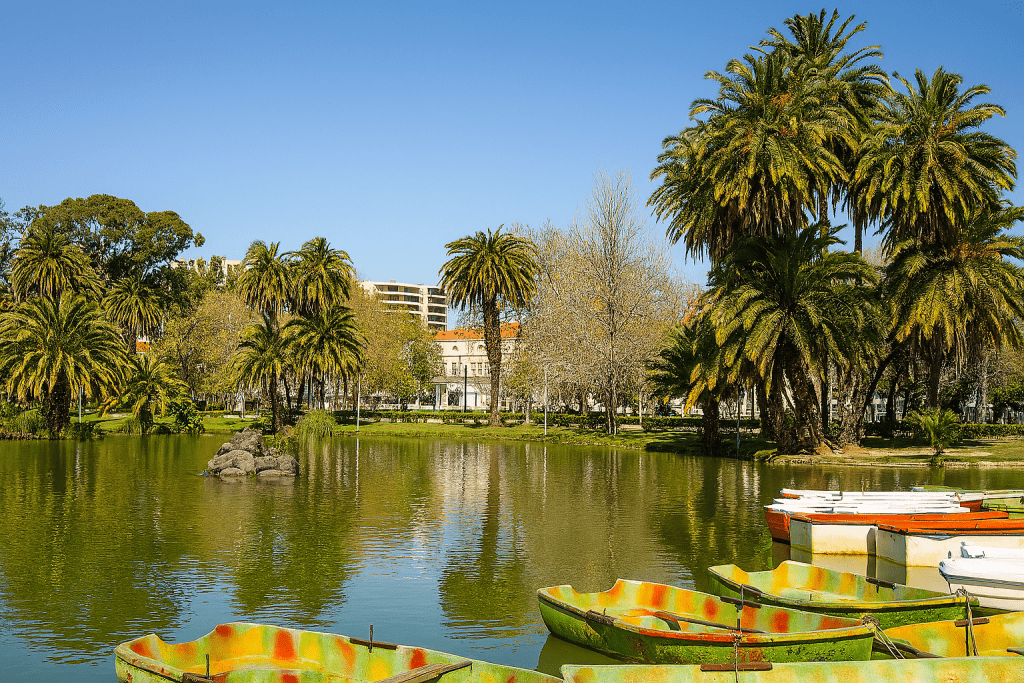
A boat trip inside the city. The best alternative is to combine the boat journey with a stroll down to the patio and a cup of coffee at CASA do Lago’ bar/restaurant.
Once an area characterized by isolation and elegant estates shaded by venerable trees planted during the reign of Queen Dona Maria II in the 19th century, this space was transformed into one of Lisbon’s most beloved parks in the mid-20th century. Parque Eduardo VII—named in honor of the British king who visited Lisbon in 1903—underwent its major redesign in 1950 under the renowned Portuguese architect Keil do Amaral.
Stretching for nearly one kilometer, Parque Eduardo VII is a multifunctional urban oasis:
Landscaping & Atmosphere: The park features expansive lawns, a picturesque lake populated with ducks and overlooked by clusters of mature palm trees, as well as carefully planned garden beds and topiary that provide both shade and structure.
Leisure & Facilities: Visitors can rent small rowing boats to enjoy the tranquil lake, making it an ideal spot for families. There are multiple sports facilities—including workout stations, a running track, and a large open-air gym area—catering to those seeking physical activity.
Art and Monuments: Scattered throughout the grounds are several notable sculptures and modern art installations, as well as memorials and commemorative statuary that reflect the park’s historical lineage.
Amenities: The park is well-equipped with children’s playgrounds, picnic areas complete with tables and benches, restroom facilities, and a public swimming pool. Onsite dining includes a full-service restaurant and casual bar/snack-bar, making it easy for visitors to spend several hours exploring and relaxing.
Outlook: At the northern end of the park, an observation platform provides one of the city’s most sweeping views—directly down the manicured central axis to the Praça Marquês de Pombal, Avenida da Liberdade, and all the way to the Tagus River.
Events: Parque Eduardo VII is also a prime location for cultural events, seasonal markets, book fairs, and open-air concerts that bring an extra layer of vibrancy to the area year-round.
With its rich history, abundant amenities, and diverse landscape, Parque Eduardo VII offers a harmonious blend of recreation, culture, and natural beauty in the heart of Lisbon.
Escadinhas de São Cristóvão – Graffiti tribute
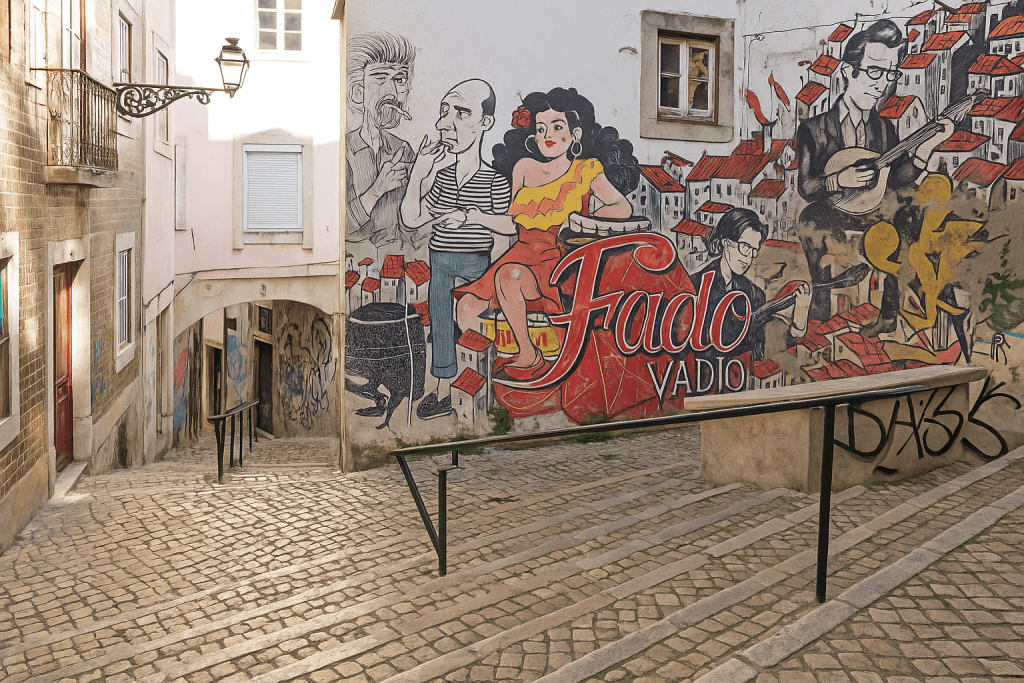
Nestled beside one of Lisbon’s many intimate stairways, this remarkable mural stands as a vibrant tribute to the São Cristóvão neighborhood—a district renowned as the birthplace of Fado, Portugal’s most cherished musical genre. Created by a collective of talented artists, the mural honors the unique spirit and daily life of the community, capturing the essence of all that contributes to its rich identity.
Artistic Homage to Neighborhood Life
The mural vividly illustrates:
Elderly women in conversation at their doorways, reflecting the neighborhood’s sense of camaraderie and tradition.
A local resident with a glass of wine, epitomizing conviviality and authentic Lisbon living.
The parish priest of Igreja de São Cristóvão, a nod to the area’s spiritual heritage.
Saint Christopher (São Cristóvão) himself, symbolizing protection and historical roots.
Fado singers (“fadistas”) and musicians, celebrating the birth and enduring presence of Portugal’s iconic song in this very neighborhood.
Community-Driven Curation
This project was thoughtfully curated by M.A.S.C. (Movimento os Amigos de São Cristóvão), an association of local residents and friends who first met on the very streets of São Cristóvão. Their citizen-led initiative has fostered a deeper sense of community pride, transforming public space into a canvas that narrates the lived experiences and cultural legacy of the area.
This mural stands not only as an enduring work of art but also as a heartfelt homage to the everyday narratives, traditions, and musical heritage that define the São Cristóvão neighborhood—ensuring its stories continue to inspire both locals and visitors alike.
AGUAS LIVRES AQUEDUCT
Walking through the Aguas Livres Aqueduct is like walking through history.
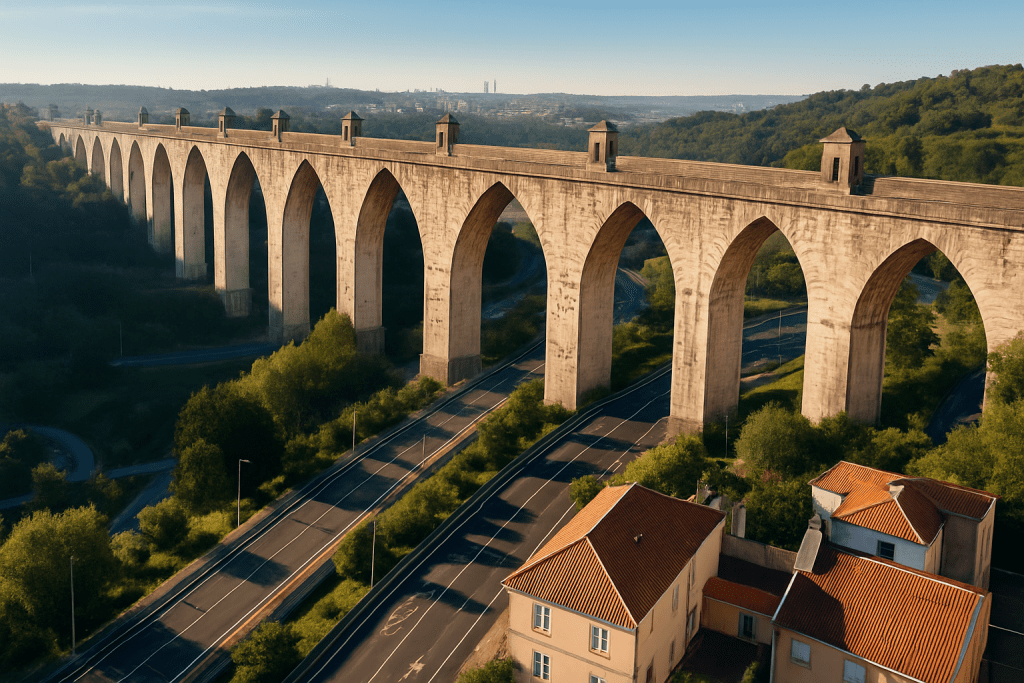
The Águas Livres Aqueduct stands as one of Lisbon’s most remarkable and resilient monuments. Completed in 1748, it was engineered to supply water to the city from Sintra, 14 kilometers away. Notably, the aqueduct survived the devastating 1755 earthquake—a cataclysm that destroyed much of Lisbon’s historic center—and remains largely unchanged nearly three centuries later.
Stretching impressively across the Alcântara valley, the Águas Livres Aqueduct is one of the most prominent and oldest architectural landmarks visible in Lisbon. Walking its elevated pedestrian pathway offers a unique historical experience: visitors are treated to panoramic views of the cityscape, the Monsanto Forest, the iconic “25 de Abril” Bridge, and the picturesque neighborhoods nestled beneath the aqueduct’s arches.
The aqueduct’s walkway is bifurcated, allowing for vistas from both sides. Below its monumental arches, several quaint communities provide a striking contrast to the urban expanse of Lisbon. The pedestrian route connects Amoreiras, a central district in Lisbon, to the Monsanto Forest. However, it is important to note that the Monsanto entrance is typically closed to public access.
Visiting the Águas Livres Aqueduct offers not only an immersion in Lisbon’s architectural heritage but also spectacular, sweeping views—making it a memorable highlight for those seeking to engage with the city’s storied past.
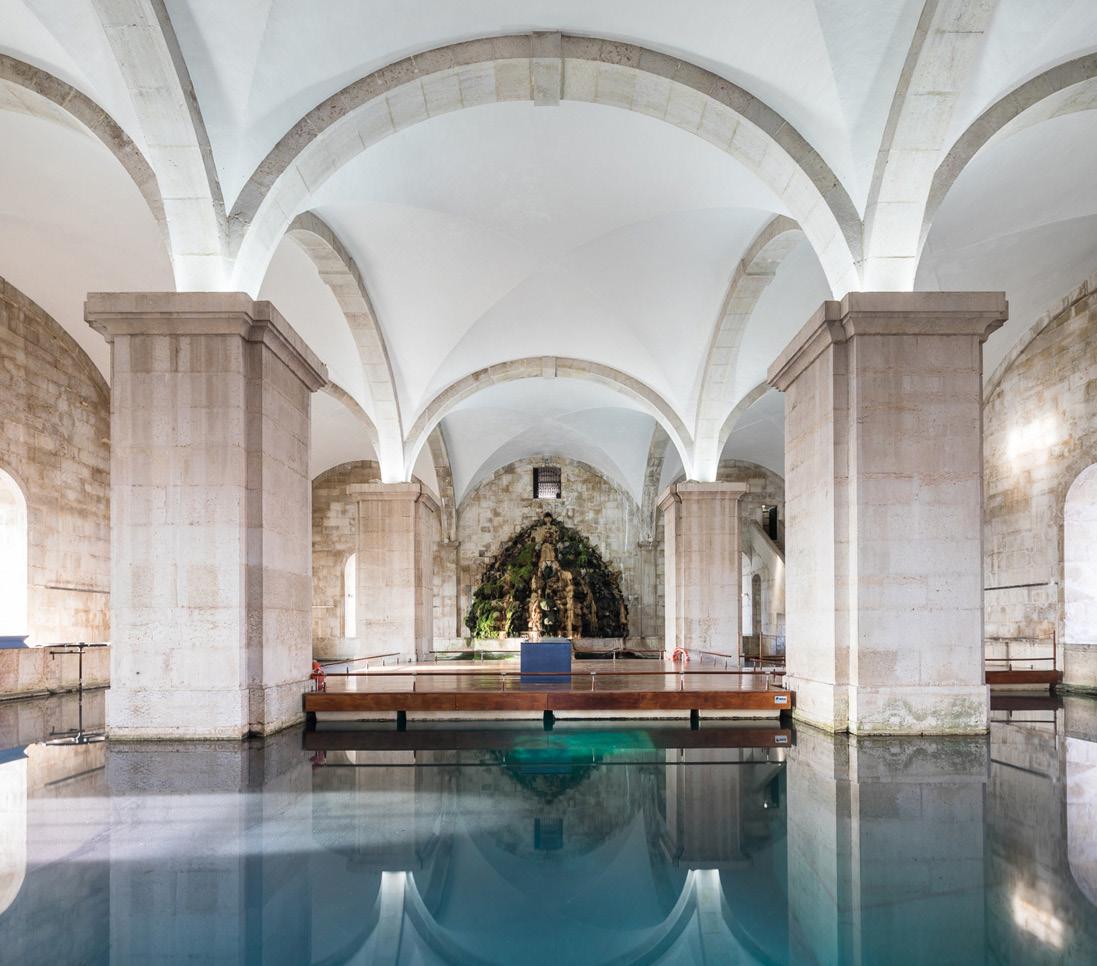
Water Museum – Mãe d´Água das Amoreiras Reservoir
Designed in 1746 by the Hungarian architect Carlos Mardel, this reservoir was built to receive and distribute the water carried by the Águas Livres Aqueduct.
Lisbon’s 18th-century Águas Livres Aqueduct—an iconic engineering marvel—concludes its journey at the elegant Mãe d’Água das Amoreiras Reservoir, often referred to as the “Mother of Water.” Located in the Estrela district, this monumental structure not only played a crucial role in distributing fresh water across Lisbon, but also stands as a testament to the city’s architectural and urban history.
History and Architecture:
The reservoir was first designed in 1746 by Hungarian architect Carlos Mardel, though its construction spanned nearly 90 years, ultimately being completed and inaugurated in 1834 during the reign of Queen Maria II.
Characterized by its massive, cathedral-like hall, the reservoir’s central water tank is 7.5 meters deep and can hold up to 5,500 cubic meters of water.
Stone cascades, pillars, and a vaulted ceiling give the interior a uniquely monumental appearance, emphasizing the historical importance of water in Lisbon’s development.
Features and Experience:
At the reservoir’s summit, visitors can access a panoramic terrace offering sweeping views of Lisbon.
The western facade houses the historic Casa do Registo (Register House), once responsible for regulating water distribution to the city’s public fountains, convents, factories, and noble residences.
Declared a National Monument in 1910, Mãe d’Água is now an integral part of Lisbon’s Water Museum, often serving as a venue for exhibitions and events.
Visitor Information:
Address: Praça das Amoreiras, 10, Lisbon
Hours: Tuesday–Sunday, 10:00–17:30 (closed Mondays and public holidays)
Transport: Easily accessible by public transport, including the nearby Rato metro station and several bus lines.
Photography: Allowed throughout the site.
A visit to Mãe d’Água das Amoreiras allows exploration of both a single heritage site and the dramatic story of Lisbon’s triumph over nature, with the added reward of exceptional city views from its rooftop terrace.
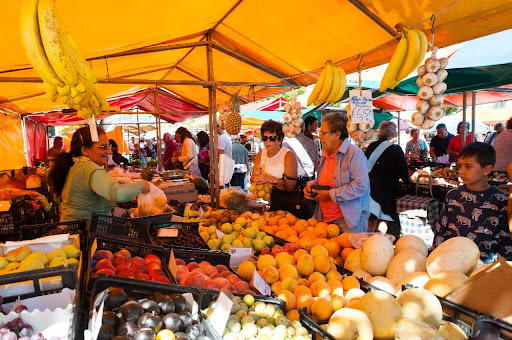
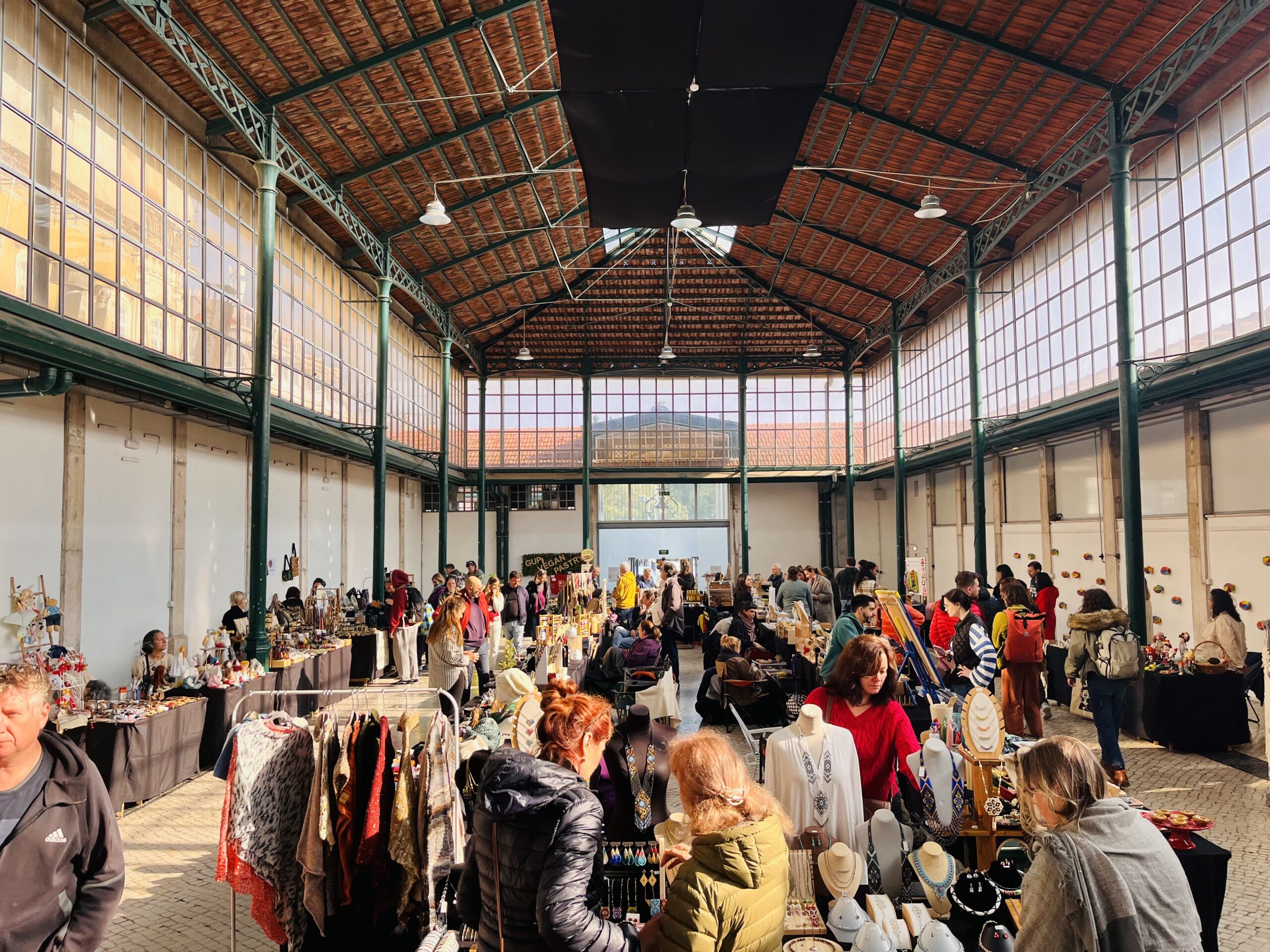
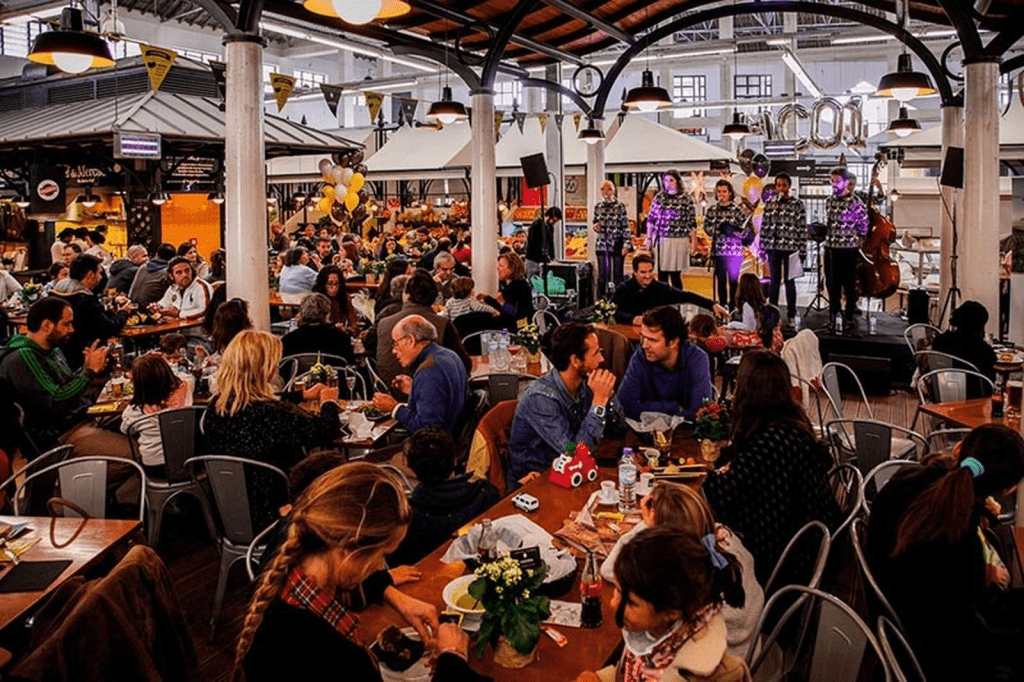
Markets have been hosted in Lisbon for hundreds of years and are now an important element of the city’s daily life. On Saturdays and Sundays, residents and visitors mix with elite chefs at produce markets, fashion shoppers haggle over vintage clothing and jewellery at vintage clothing shows, and DJs battle it out with record collectors at flea markets in search of rare vinyl records.
Considering that many of Lisbon’s biggest and best markets occupy vast ancient buildings or take up entire neighbourhoods, plan on dedicating a few hours to finding the best discounts.
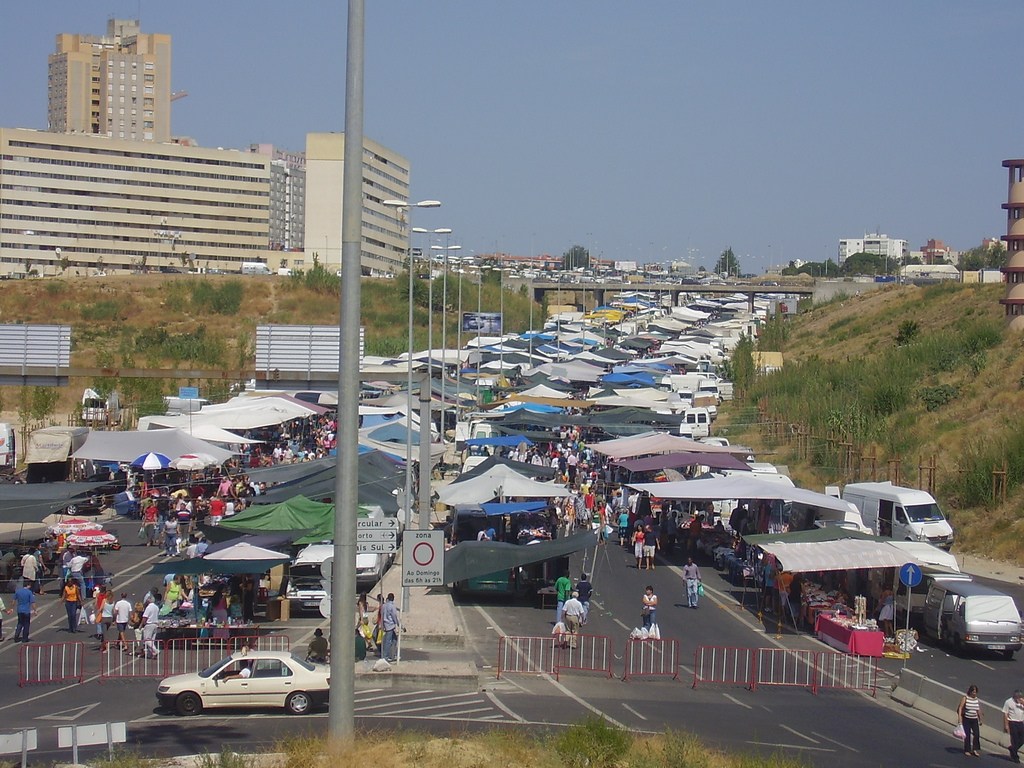
Feira do Relógio
While this vast Sunday street market on an immense roundabout in the residential neighbourhood of Olivais is a little off the beaten path, it is a big draw for locals and tourists alike (take the Metro to Bela Vista). It is the largest street market in the city of Lisbon. Prepare to arrive early in order to get the greatest deals, and bring lots of durable shopping bags because you will be able to fill them with everything from fresh fruit and flowers to antiques, discounted apparel, and electricals. There’s even furniture if you have the means to bring it back to your house or office.
It is the city’s largest market. With largely clothing and food on offer, this is a flea market for the locals rather than a flea market where you’ll find wonderful old antiques to take home with you. However, if you want to witness a different, more rowdy side of Lisbon life, this is a terrific place to go.
Av. Santo Condestável WC, 1950-011 Lisboa, Portugal
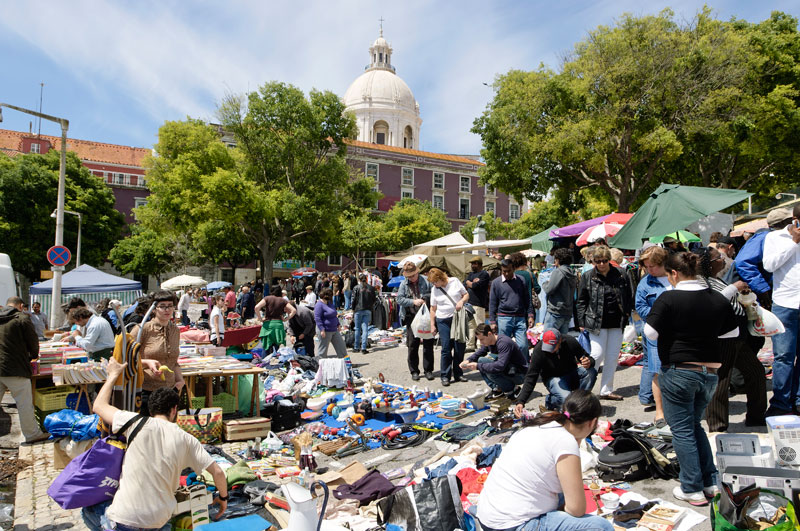
Feira da Ladra
It’s impossible to talk about shopping in Lisbon without mentioning the Feira da Ladra, sometimes known as the “thieves’ market.”
This isn’t a hub of crime or stolen goods, but rather a massive twice-weekly flea market that spans many mountainous lanes on the outskirts of Alfama. It has been in operation in some form or another since the 13th century, and it has been in this location since the late 1800s.
Expect to find anything, including arts and antiques, handcrafted jewellery, and old records, but beware of inflated “tourist prices” that may be charged.
Mercado de Santa Clara
The Mercado de Santa Clara began as a food market adjacent to the large Feira da Ladra flea market in the steep alleyways of the ancient Alfama area. Since then, it has been expanded to include a Center for Culinary Arts and nearby shops selling crafts and antiques. You’re certain to locate delectables for an outside lunch.
After visiting the Sao Vicente de Fora Church to admire the remarkable tiled interior, set up your lunch in the little park in front of the Santa Engrácia Church (a.k.a. the National Pantheon).
Mercado de Benfica
Perhaps the balls hit around at the nearby famous football stadium inspired the domed appearance of this slightly brutalist 1970s-built market in one of Lisbon’s oldest residential neighbourhoods to the north.
Even if you’re not in the mood to shop, it’s a fantastic snapshot of city life: one of Lisbon’s largest and cheapest markets. However, with the variety of fresh fruits, vegetables, meat, and seafood, as well as the allure of delectable baked products and freshly cut flowers, you’re likely to purchase something wonderful.
Anjos 70 Market
Budget-conscious style buyers flock to this colourful weekly flea market in the newly gentrified Anjos neighbourhood. It’s been a decade at Anjos 70, a disused glass warehouse converted into a cultural centre (recent events have included DJ sets and breakfast discos). You’ll find over 100 merchants from around Portugal selling creative home furnishings and memorabilia, as well as vintage clothing and hand-crafted accessories, in this split-level venue.
Mercado de Campo de Ourique
Since the 1930s, this attractive domed structure has housed a vegetable market. Following a substantial renovation in 2013, it has been transformed into a location for live music, lengthy lunches, and shopping, with cured meats, locally produced cheeses, and fresh fruit among the culinary delicacies. It’s located in one of the city’s nicest residential areas, just a short walk from the Basilica da Estrela, and the communal dining room is an ideal spot for refuelling. For delectable hummus, visit Levante Kitchen, or Atalho for world-class steaks. Additionally, there is a wine bar to entice you to attend.
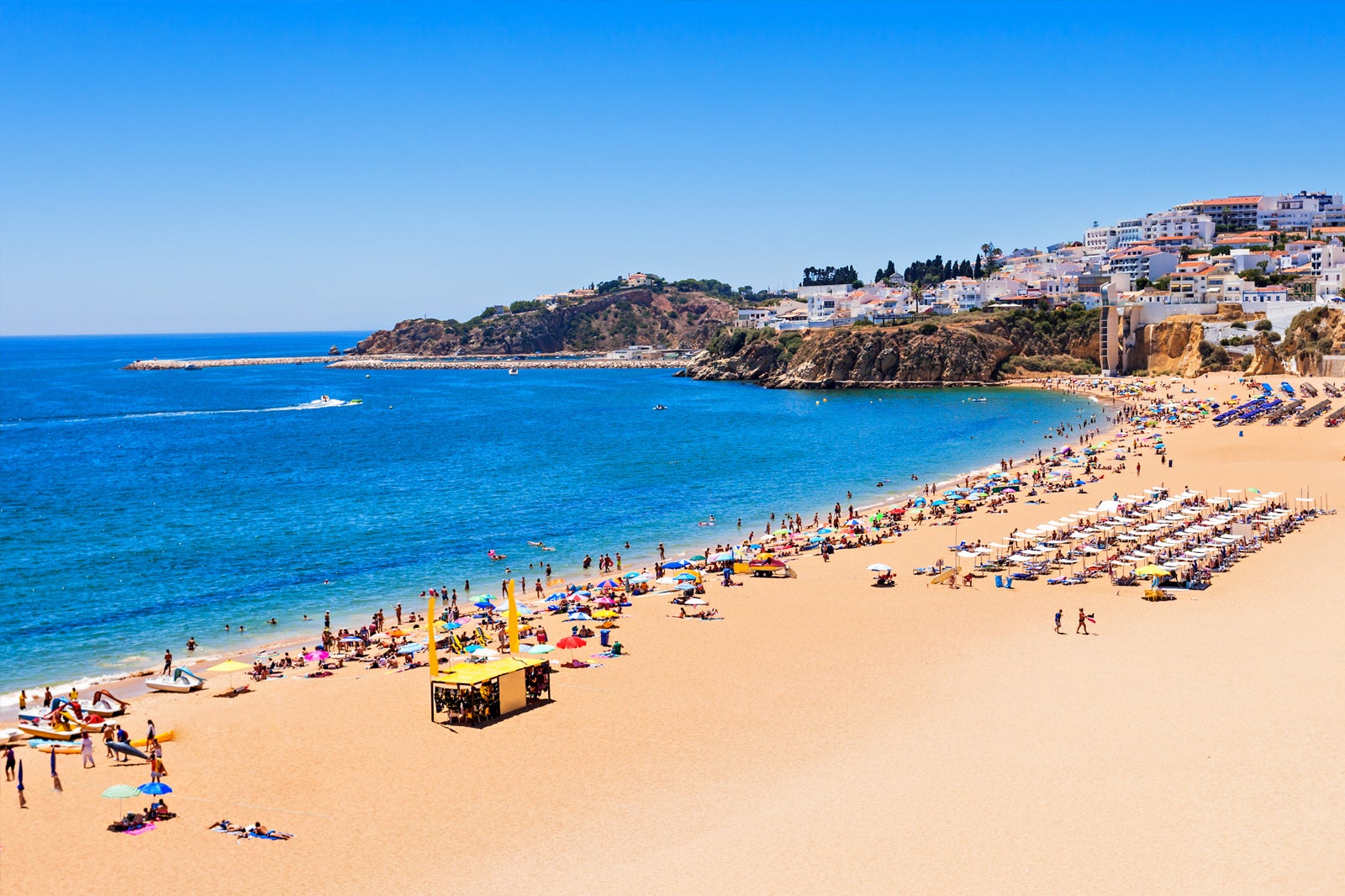
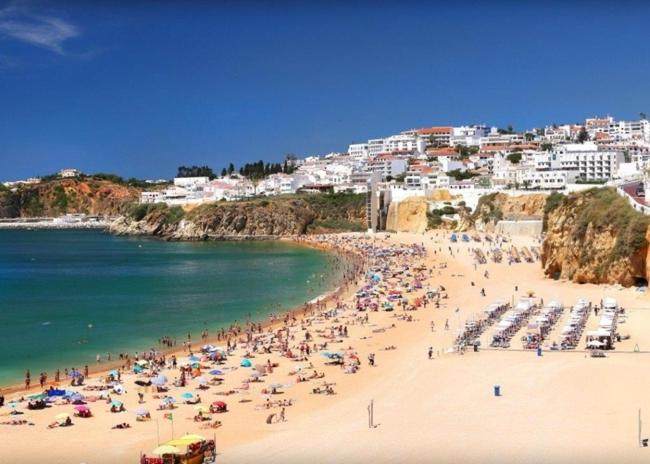
The town of Albufeira has long been regarded as a popular tourist resort on the Portuguese coast.
There are a number of beaches to choose from, with some being more suited than others for young children or persons with limited mobility. The beaches cover an area of around 20 km2 and are covered in magnificent, golden sandy beaches. You will find a variety of activities to do in Albufeira, and the beaches are not to be missed!
The Fishermen’s Beach (Praia dos Pescadores)
Praia dos Pescadores or the Fishermans Beach is a blue flag beach on the Atlantic south coast of the Algarve.
If you’re staying in the old town, this is the beach that’s the most convenient to go to on foot. It’s large enough to accommodate the large influx of guests throughout the summer, yet tiny enough that you can see the end of it all at the same time. It is, without a doubt, the most popular beach in Albufeira, thanks to its golden sand and water of a lovely blue that attracts so many visitors.
Location – 37°05’11.0″N 8°14’55.2″W
Praia da Galé
Galé is one of the few beaches that is not enclosed by cliffs, and it is a magnificent long stretch of beach with dunes and a fantastic range of beach bars. Shallow lakes and interesting rock formations can be found to the east, whereas the western portion of the area is more open.
Location – 37°04’54.8″N 8°19’02.5″W
Praia de São Rafael
Praia de São Rafael is a beach on the Atlantic south coast of the Algarve, adjacent to the village resort of Sesmarias which is inside the Municipality of Albufeira, Portugal. This beach is located 2.5 miles by road to the west of Albufeira old town centre and is 29.7 miles west of the region’s capital of Faro. There is a Bar and restaurant on the beach.
Location – 37°04’29.4″N 8°16’49.7″W
Praia da Falésia
A beautiful, golden beach that stretches for miles and miles, with breathtaking vistas all around. This area has tall cliffs that provide wind protection, making it an excellent spot for sunbathing. Locals, particularly young adults, find it to be extremely appealing. Most afternoons throughout the months of July and August, the NoSolo bar generally host a sunset viewing party.
Location – N 37° 4′ 45.5694″ W 8° 8′ 32.2548″
Praia dos Olhos de Água
An absolutely charming tiny town that dips into the cliffs and boasts a nice little beach, ideal for anyone looking for a laid-back getaway away from the hustle and bustle of the main tourist attractions. There are some stunning rocks and cliffs that serve to break up the waves and sand on the beach. Small puddles of water frequently occur among the rocks, providing a safe environment for youngsters to play or to have fun attempting to catch small crabs.
The best way to reach Praia dos Olhos de Água from the old town of Albufeira is to take a parallel route heading east to the coast.
Location – 37°05’23.3″N 8°11’26.0″W
Praia da Oura
This beach, which is located east of the old town in the Areias de São João neighbourhood, is mostly used to service the lively Oura district of Albufeira, which is home to the majority of the city’s bars and nightclubs. This beach, which is surrounded by stunning rock formations and stretches for just under a kilometre of golden sand, is popular with teens and stag and hen parties in Albufeira. It is also a popular destination for weddings and other celebrations. Due to a large number of water activities available, this is also one of the greatest beaches in the Albufeira area for experiencing them.
Location – 37°05’10.3″N 8°13’33.6″W
Praia do Barranco das Belharucas
The beach is located on the outskirts of Vilamoura and is gorgeous and long with a few eateries sprinkled around it as you travel south. A quieter beach than many others in the vicinity, it is definitely worth a visit for the stunning contrasting colours of the cliffs, water, and sand, as well as the peaceful atmosphere.
The beach attracts photographers from all over the world, and this is one of the main reasons for their visits.
We use cookies on our website to give you the most relevant experience by remembering your preferences and repeat visits. By clicking “Accept All”, you consent to the use of ALL the cookies. However, you may visit "Cookie Settings" to provide a controlled consent.
This website uses cookies to improve your experience while you navigate through the website. Out of these, the cookies that are categorized as necessary are stored on your browser as they are essential for the working of basic functionalities of the website. We also use third-party cookies that help us analyze and understand how you use this website. These cookies will be stored in your browser only with your consent. You also have the option to opt-out of these cookies. But opting out of some of these cookies may affect your browsing experience.
Necessary cookies are absolutely essential for the website to function properly. These cookies ensure basic functionalities and security features of the website, anonymously.
Cookie
Duration
Description
cookielawinfo-checkbox-analytics
11 months
This cookie is set by GDPR Cookie Consent plugin. The cookie is used to store the user consent for the cookies in the category "Analytics".
cookielawinfo-checkbox-functional
11 months
The cookie is set by GDPR cookie consent to record the user consent for the cookies in the category "Functional".
cookielawinfo-checkbox-necessary
11 months
This cookie is set by GDPR Cookie Consent plugin. The cookies is used to store the user consent for the cookies in the category "Necessary".
cookielawinfo-checkbox-others
11 months
This cookie is set by GDPR Cookie Consent plugin. The cookie is used to store the user consent for the cookies in the category "Other.
cookielawinfo-checkbox-performance
11 months
This cookie is set by GDPR Cookie Consent plugin. The cookie is used to store the user consent for the cookies in the category "Performance".
viewed_cookie_policy
11 months
The cookie is set by the GDPR Cookie Consent plugin and is used to store whether or not user has consented to the use of cookies. It does not store any personal data.
Functional cookies help to perform certain functionalities like sharing the content of the website on social media platforms, collect feedbacks, and other third-party features.
Performance cookies are used to understand and analyze the key performance indexes of the website which helps in delivering a better user experience for the visitors.
Analytical cookies are used to understand how visitors interact with the website. These cookies help provide information on metrics the number of visitors, bounce rate, traffic source, etc.
Advertisement cookies are used to provide visitors with relevant ads and marketing campaigns. These cookies track visitors across websites and collect information to provide customized ads.


 A journey to the summit